
In the hustle and bustle of daily life, it’s tempting to cut corners in the kitchen, hoping to speed up meal prep and get dinner on the table faster. However, many popular time-saving tricks actually do more harm than good, leading to bland, tough, or simply unappetizing food. This guide uncovers 15 common cooking shortcuts that are secretly sabotaging your dishes, helping you avoid culinary missteps and achieve truly delicious results every time.
1. Not Preheating Your Pan or Oven
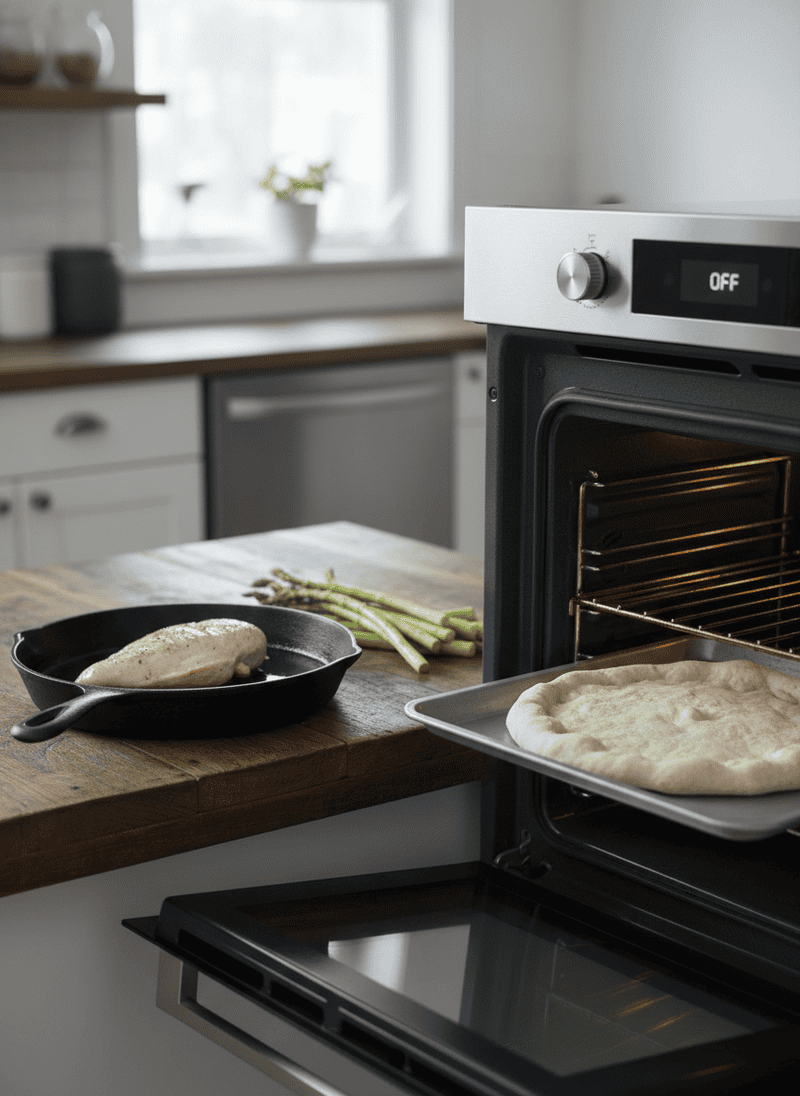
Many home cooks, in an attempt to shave a few minutes off meal prep, throw ingredients into a cold pan or slide a dish into a cold oven. While it might seem like a time-saver, this shortcut is a surefire way to sabotage your meal. When you add food to a cold pan, especially proteins or vegetables, it immediately begins to leach moisture and sticks to the surface, preventing the coveted Maillard reaction from occurring. Instead of a beautiful, caramelized crust, you'll end up with pale, steamy, and often rubbery results.
Similarly, an oven that hasn't reached its target temperature will cook food unevenly and inefficiently. Baked goods won't rise properly, roasts won't develop a crisp exterior, and anything requiring precise temperature control will suffer. The initial blast of heat is crucial for setting crusts, activating leavening agents, and ensuring consistent cooking throughout. Skipping this step means your food spends more time in the danger zone of lukewarm temperatures, leading to overcooked exteriors and undercooked interiors, or simply a lack of desired texture.
The solution is simple: patience. Allow your pan to heat over medium-high heat for a few minutes until a drop of water dances on the surface (for stainless steel) or it's visibly shimmering with oil. For the oven, always wait for the preheat indicator light or sound, and then give it an extra 5-10 minutes for the internal temperature to fully stabilize. This small investment of time guarantees superior texture, flavor, and a much more enjoyable cooking experience, transforming your dishes from acceptable to exceptional.
2. Overcrowding the Pan
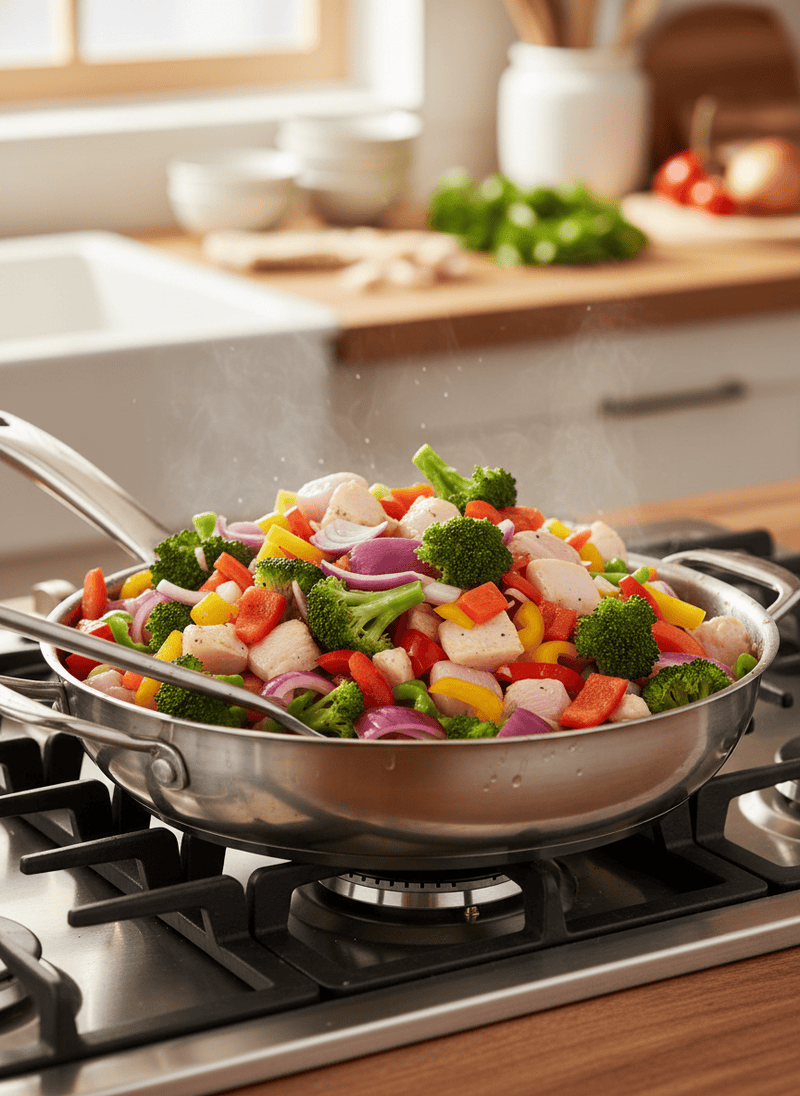
A common mistake, especially when cooking for a crowd or trying to speed up dinner, is piling too much food into a single pan. This shortcut might save you from washing an extra pan, but it dramatically lowers the temperature of your cooking surface. Instead of searing, frying, or sautéing, your ingredients will start to steam in their own juices.
When food steams, it doesn't develop that desirable golden-brown crust or caramelized flavor. Meat won't brown properly, vegetables will turn soggy and lose their vibrant color and crisp texture, and everything will taste boiled rather than roasted or seared. The excess moisture trapped in an overcrowded pan prevents the Maillard reaction, which is key to developing complex flavors and appealing textures.
To avoid this culinary misstep, cook in batches if necessary. Give your ingredients enough space to breathe in the pan, allowing air to circulate and moisture to evaporate. This ensures direct contact with the hot surface, promoting even cooking and beautiful browning. While it might take a few extra minutes to cook in smaller portions, the difference in flavor and texture will be well worth the minimal added effort, resulting in perfectly cooked, delicious food.
3. Flipping Food Too Often
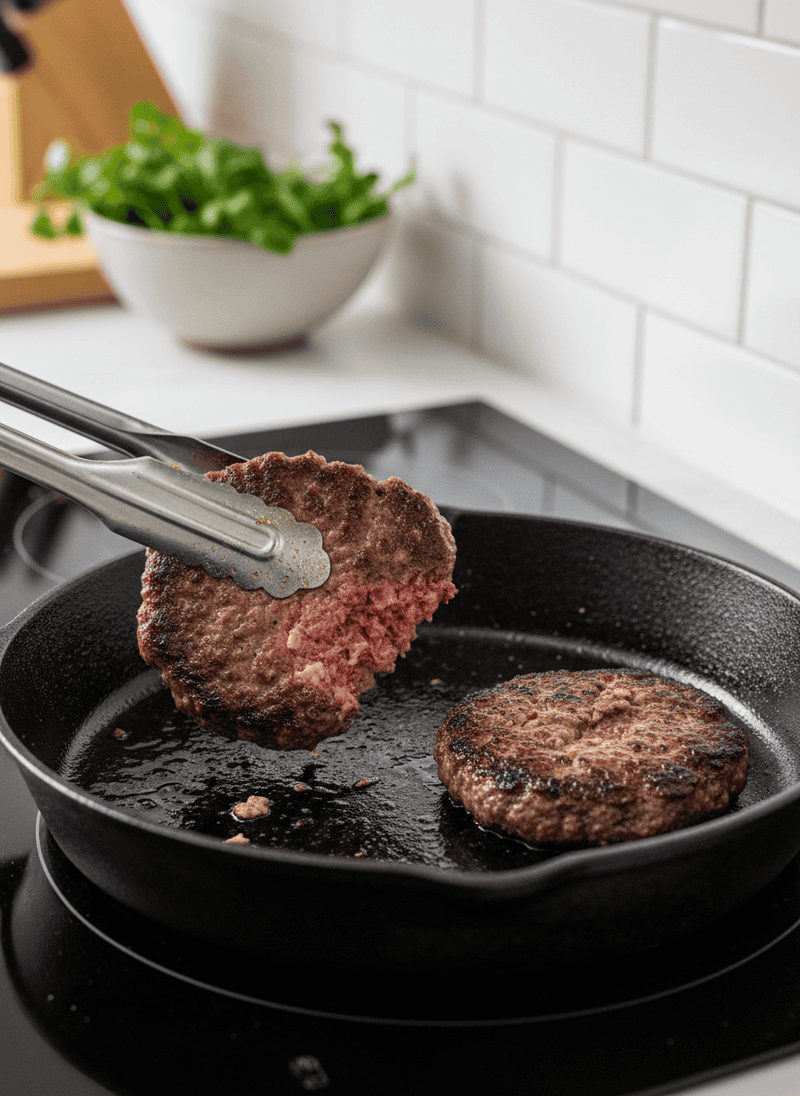
When cooking on a griddle, skillet, or grill, the temptation to constantly poke, prod, and flip your food can be strong. You might think you’re ensuring even cooking or preventing sticking, but this habit is actually a major shortcut that prevents the formation of a beautiful, flavorful crust. Whether it's a steak, a burger, or a pancake, food needs undisturbed contact with a hot surface to develop that rich, golden-brown exterior.
This crucial browning process, known as the Maillard reaction, creates hundreds of new flavor compounds and an appealing texture. Every time you lift or flip the food prematurely, you interrupt this reaction, cool down the cooking surface, and prevent the development of that delicious crust. The result is often a pale, unevenly cooked item that lacks depth of flavor and desirable texture, failing to achieve that restaurant-quality sear.
Instead, practice patience. Place your food on a properly preheated surface and resist the urge to move it until it naturally releases from the pan or grill, indicating that a crust has formed. For most items, this means letting it cook on one side for several minutes before flipping it just once. Trust the process; a single, well-timed flip will deliver superior results, ensuring a perfectly seared, flavorful outcome that frequent flipping simply cannot match.
4. Cutting Meat Immediately After Cooking
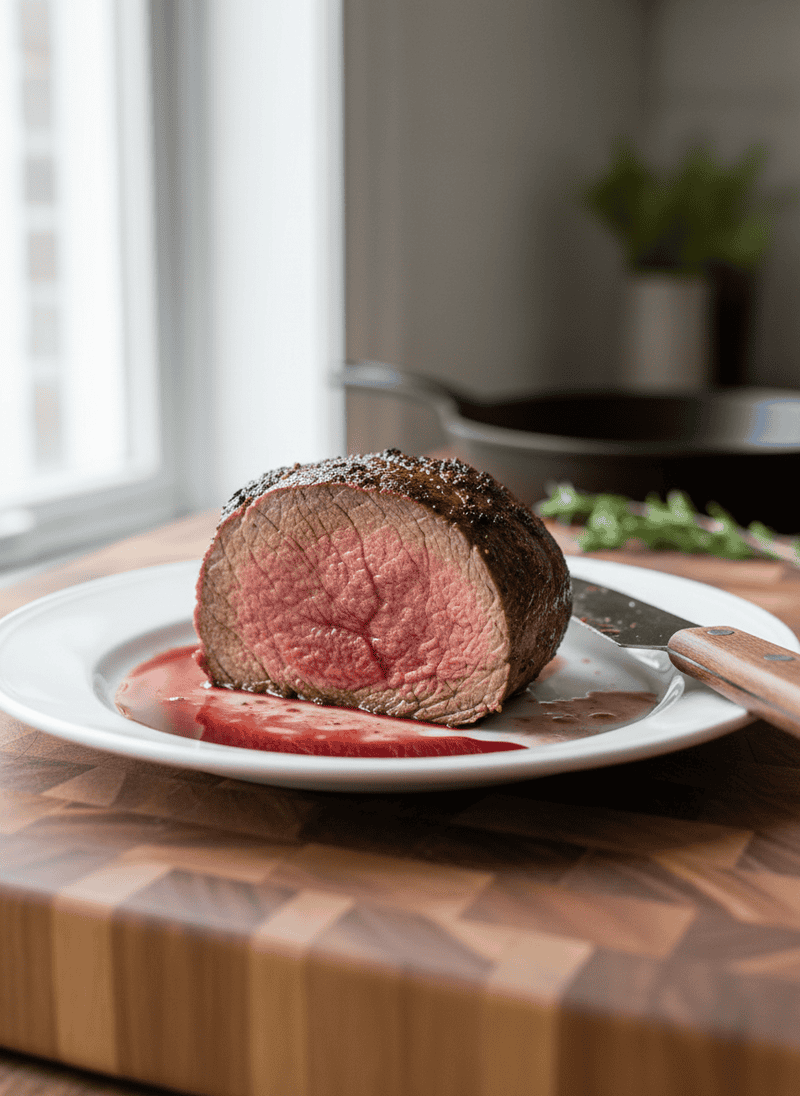
It's a common scenario: your perfectly cooked roast or steak comes off the heat, and you're eager to serve it immediately. But slicing into meat right after it finishes cooking is a shortcut that drastically diminishes its juiciness and flavor. This seemingly innocent act allows all the delicious, internal juices to escape onto your cutting board, leaving you with dry, less flavorful meat.
During cooking, the muscle fibers in meat contract, forcing the internal juices towards the center. If you cut into it immediately, these juices, which are still under pressure, will gush out. Resting the meat, however, allows these fibers to relax and reabsorb the juices, distributing them evenly throughout the cut. This process is essential for achieving tender, moist, and succulent results.
As a general rule, rest smaller cuts like steaks and chops for 5-10 minutes, and larger roasts or whole poultry for 10-20 minutes, or even longer depending on size. Tent it loosely with foil to keep it warm without steaming the crust. While it requires a few extra minutes of waiting, this simple step is a non-negotiable part of cooking truly exceptional meat, ensuring every bite is as juicy and flavorful as possible. Don't let impatience ruin your masterpiece.
5. Adding Salt Too Early to Beans or Legumes
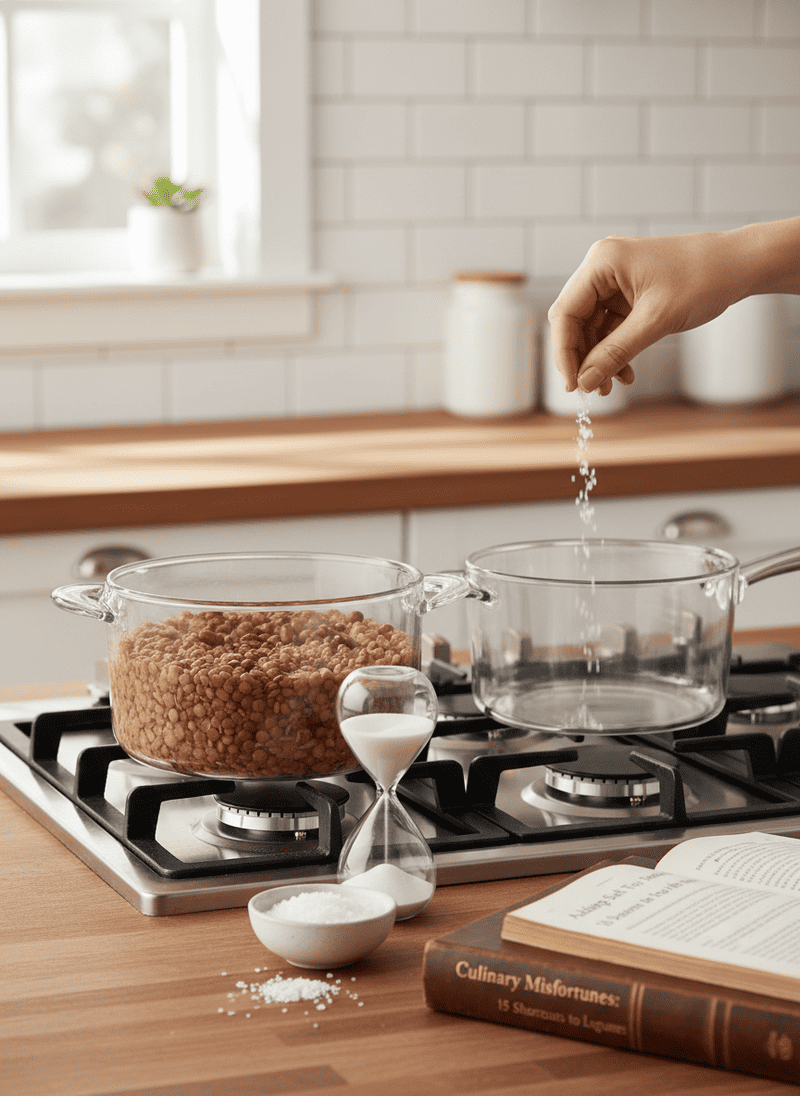
For many home cooks, salting water for cooking anything from pasta to vegetables is standard practice. However, when it comes to dried beans and legumes, adding salt too early in the cooking process is a shortcut that can lead to stubbornly hard, unappetizing results. While it might seem logical to season from the start, salt can actually interact with the pectin in the bean skins, preventing them from softening properly.
Pectin is the glue that holds plant cells together, and when exposed to salt early, it can become toughened, making the beans resistant to cooking. You'll find yourself simmering for hours longer than necessary, yet the beans remain firm, never reaching that creamy, tender texture you desire. This can be incredibly frustrating and waste both time and energy, all due to an ill-timed sprinkle of seasoning.
The best practice for cooking dried beans is to soak them (if desired) and then cook them in unsalted water until they are almost tender. Once they're nearing your desired consistency, usually in the last 15-30 minutes of cooking, that's the ideal time to add your salt. This allows the beans to soften fully before the salt sets their structure. This simple adjustment ensures perfectly tender, flavorful beans every time, transforming your soups, stews, and side dishes.
6. Washing Mushrooms with Water
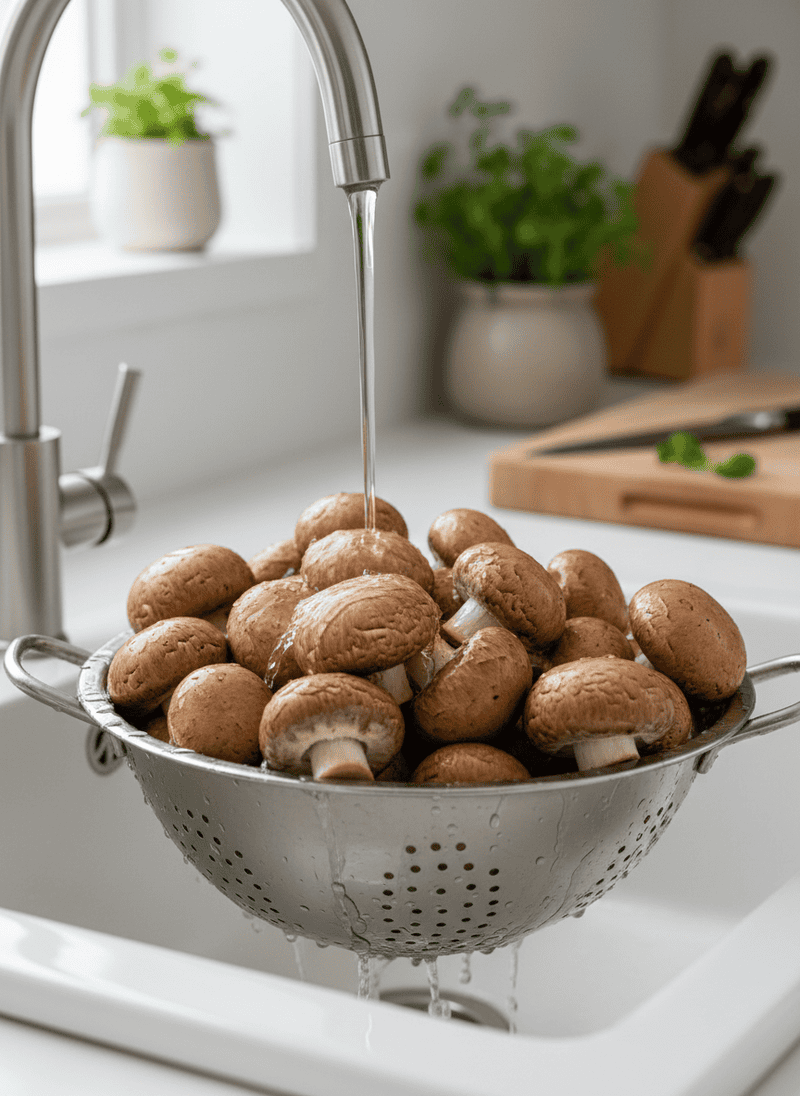
In an effort to clean them quickly, many people rinse or even soak mushrooms under running water. This shortcut, while seemingly efficient, is a surefire way to compromise their texture and flavor. Mushrooms are like sponges, and their porous nature means they rapidly absorb any liquid they come into contact with. This excess moisture has several detrimental effects on your cooking.
When mushrooms absorb water, they become waterlogged and soggy. This not only dilutes their earthy, umami flavor but also makes it nearly impossible to achieve a proper sear or caramelization. Instead of developing a beautiful golden-brown crust when sautéed, they'll simply steam in their own released water, resulting in a rubbery texture and a bland taste. You'll notice your pan filling with liquid, and your mushrooms will shrink dramatically without browning.
The proper way to clean mushrooms is to gently wipe them with a damp paper towel or a soft mushroom brush to remove any dirt or debris. If they are particularly dirty, a very quick rinse and immediate thorough drying with a towel is acceptable, but prolonged exposure to water should be avoided. This method preserves their natural texture and concentrated flavor, allowing them to brown beautifully and truly shine in your dishes, ensuring a much more satisfying culinary experience.
7. Ignoring Mise en Place
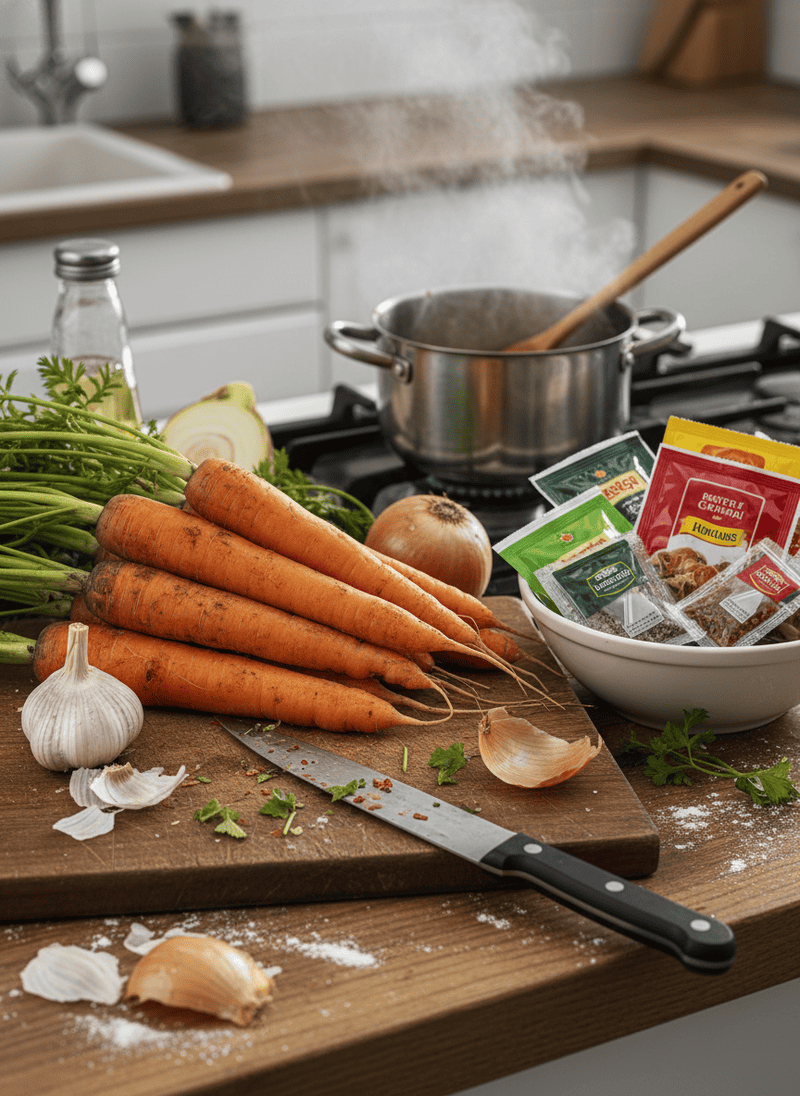
Mise en place, a French culinary term meaning 'everything in its place,' refers to the practice of preparing and organizing all your ingredients before you start cooking. Skipping this crucial step, often seen as a time-saving shortcut, is one of the most common ways home cooks derail their meals. Diving straight into cooking without chopping vegetables, measuring spices, or having your sauces ready can lead to chaos and burnt food.
Imagine trying to sauté onions while simultaneously chopping garlic, opening a can of tomatoes, and measuring herbs. Inevitably, something will burn, you'll forget an ingredient, or you'll add things in the wrong order. This hurried, disorganized approach not only increases stress in the kitchen but also compromises the quality of your dish. Unevenly chopped vegetables cook at different rates, and delays in adding ingredients can ruin delicate flavors or textures.
Embracing mise en place might seem like it adds time upfront, but it dramatically streamlines the actual cooking process, making it more efficient and enjoyable. Take 10-15 minutes at the beginning to prep everything – chop, measure, and arrange your ingredients in small bowls. This allows you to focus solely on cooking once the heat is on, ensuring proper timing, even cooking, and a perfectly executed dish. It’s an investment that pays off in superior flavor and a calmer kitchen.
8. Not Properly Drying Protein Before Searing
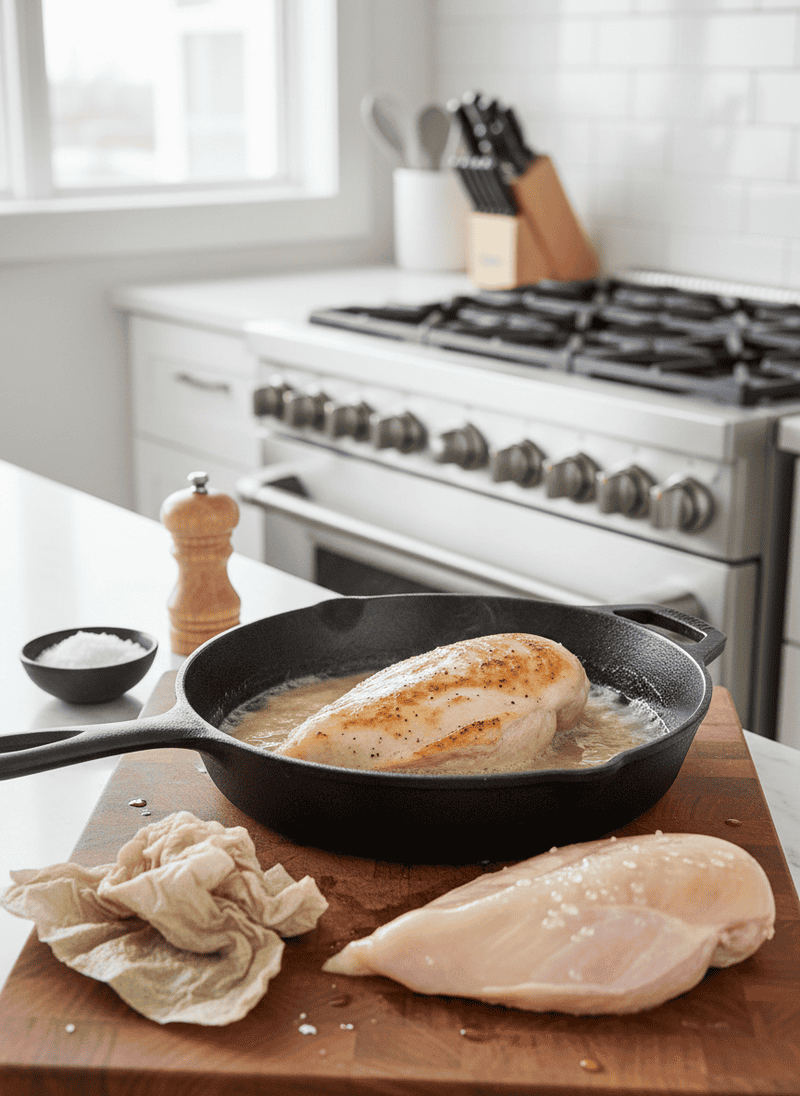
When cooking proteins like chicken, fish, or steak, achieving a beautiful, crispy skin or a deep, flavorful sear is often the goal. However, many home cooks skip the vital step of thoroughly drying their protein before it hits the hot pan. This seemingly minor shortcut is a significant factor in preventing that coveted browning and can leave you with a less appetizing, steamed result.
Any moisture on the surface of your protein must evaporate before the temperature can rise enough for the Maillard reaction (browning) to occur. If the surface is wet, the heat energy from your pan will be spent evaporating that water, rather than searing the protein. This creates a steamy environment around the food, effectively boiling it instead of frying or searing, leaving it pale, soggy, and lacking in flavor and texture.
The solution is incredibly simple but powerful: always pat your protein thoroughly dry with paper towels just before cooking. For items like chicken skin, you can even leave them uncovered in the fridge for an hour or two to air-dry and further crisp up. This ensures the surface is as dry as possible, allowing for immediate and effective searing when it hits the hot oil. Taking an extra minute to dry your protein guarantees a much more delicious and visually appealing outcome.
9. Using Cold Ingredients Directly from the Fridge for Baking
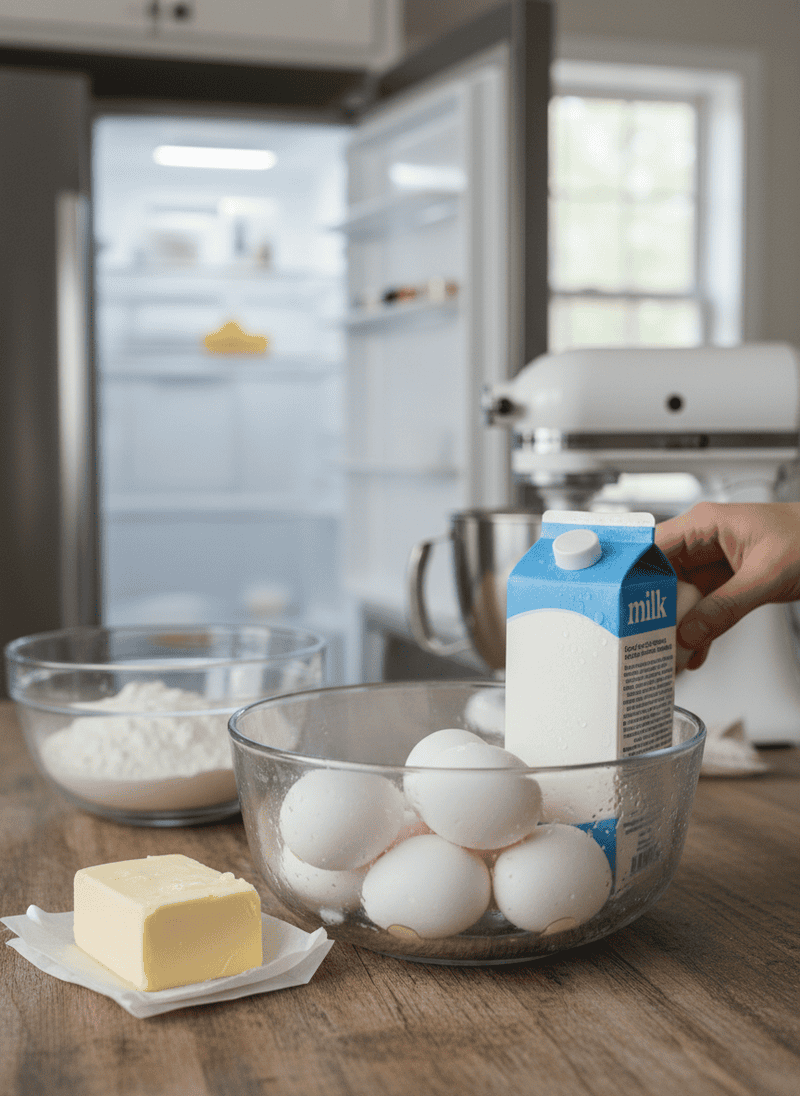
Baking is often described as a science, and for good reason: precision in temperature and texture of ingredients profoundly impacts the final product. A common shortcut that derails many baking projects is using ingredients like eggs, butter, or milk directly from the refrigerator without allowing them to come to room temperature. This seemingly small time-saver can lead to dense, unevenly textured baked goods.
Cold butter, for instance, won't cream properly with sugar, resulting in a lumpy mixture that traps less air. This lack of aeration means your cakes, cookies, or muffins won't rise as high and will have a tougher, denser crumb. Cold eggs and milk also affect the emulsification process; cold ingredients can cause batters to curdle or seize, creating a less cohesive mixture that bakes poorly.
Room temperature ingredients, on the other hand, emulsify smoothly, creating a uniform batter that incorporates air effectively. This leads to a lighter, softer, and more tender final product. Plan ahead by taking out your dairy and eggs 30-60 minutes before you start baking. If you're in a hurry, you can quickly warm eggs in warm water or microwave butter in short bursts (carefully!) until just softened. This small act of patience is a fundamental step to achieving baking success and delicious, airy treats.
10. Over-mixing Dough or Batter
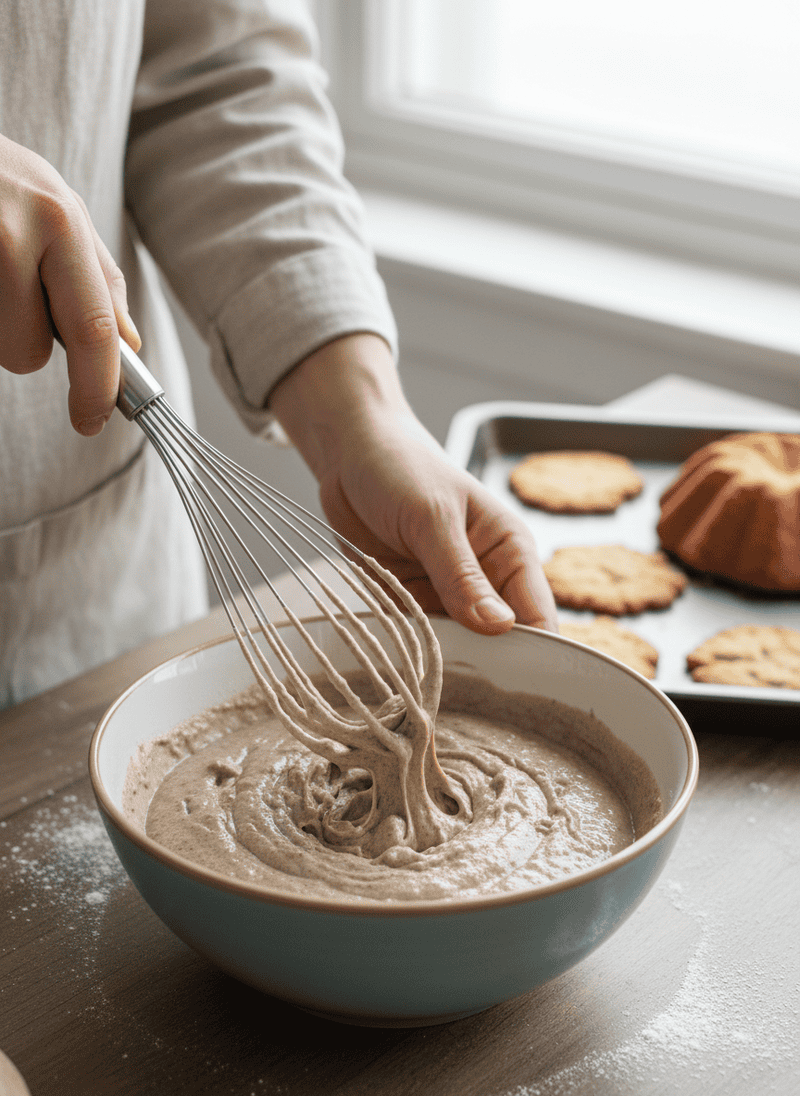
In the quest for a perfectly smooth consistency, many home bakers fall into the trap of over-mixing their doughs and batters. While it might seem like a shortcut to ensure everything is thoroughly combined, this habit is a primary culprit behind tough, dense, and chewy baked goods, especially when making cakes, muffins, or quick breads.
The issue lies with gluten, the protein network formed when flour is hydrated and agitated. In yeast breads, developing gluten is crucial for structure. However, in delicate items like muffins or pancakes, excessive mixing over-develops this gluten, turning what should be a tender crumb into something rubbery or bread-like. It also whips out air incorporated during creaming, leading to a flat and unappealing texture.
The golden rule for batters that rely on chemical leavening (baking soda, baking powder) is to mix only until the dry ingredients are *just* incorporated, and no streaks of flour remain. A few small lumps are perfectly acceptable and often desirable, as they will typically resolve during baking. Switch from an electric mixer to a spatula for the final additions if necessary. This gentle approach ensures a light, airy, and wonderfully tender texture, making your baked goods truly irresistible.
11. Boiling Instead of Simmering
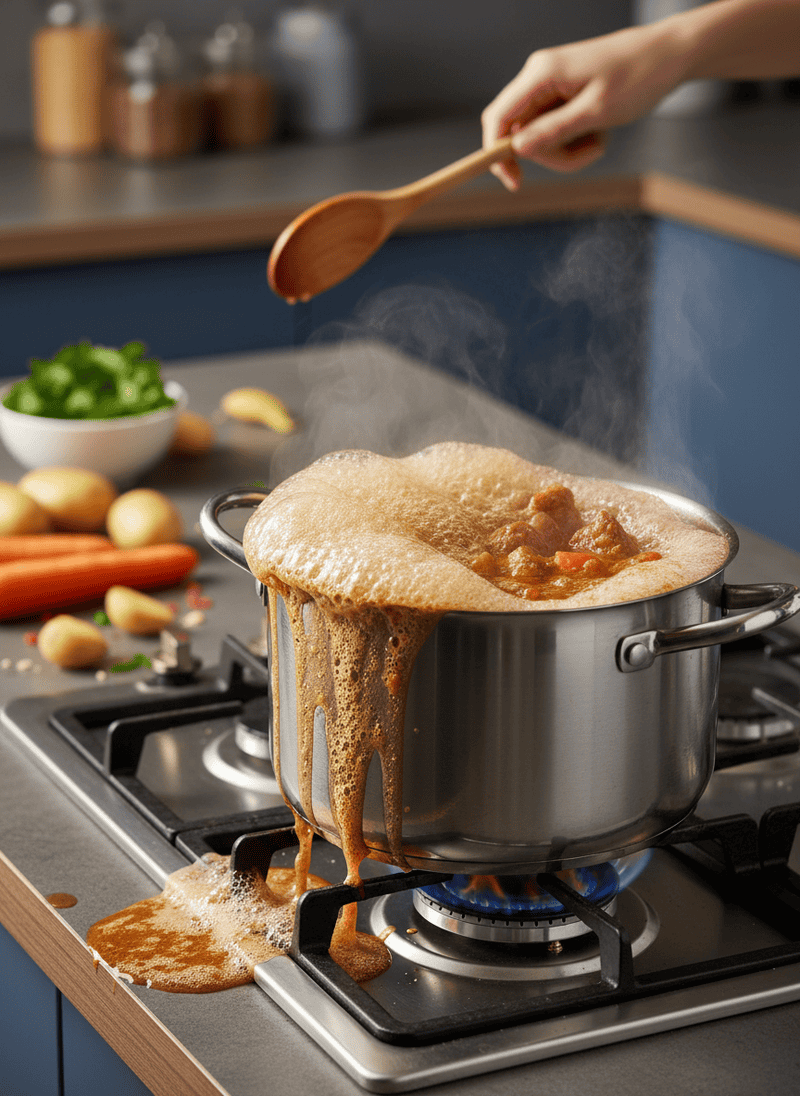
When a recipe calls for simmering, many cooks, in a hurry, opt for a full, rolling boil, thinking it will speed up the cooking process. This shortcut, however, is detrimental to dishes that require gentle, even cooking, particularly stews, braises, and delicate sauces. Boiling vigorously can ruin both the texture and the flavor of your food.
For meats, a rapid boil causes muscle fibers to seize up, making them tough and stringy instead of tender and falling apart. It also emulsifies fats less effectively, leading to a greasy or separated sauce. For delicate ingredients, boiling can break them down too quickly, resulting in a mushy texture. Moreover, violent agitation can break apart fragile ingredients, turning a clear broth into a cloudy mess or curdling dairy-based sauces.
Simmering, which involves maintaining a gentle heat just below boiling, with small bubbles occasionally breaking the surface, allows food to cook slowly and evenly. This gentle heat tenderizes meats gradually, allows flavors to meld beautifully, and preserves the integrity of delicate ingredients. Take the extra moment to adjust your heat and maintain a consistent simmer. Your patience will be rewarded with fork-tender meats, rich, cohesive sauces, and a dish far superior to one subjected to an aggressive boil.
12. Not Tempering Eggs for Custards or Sauces
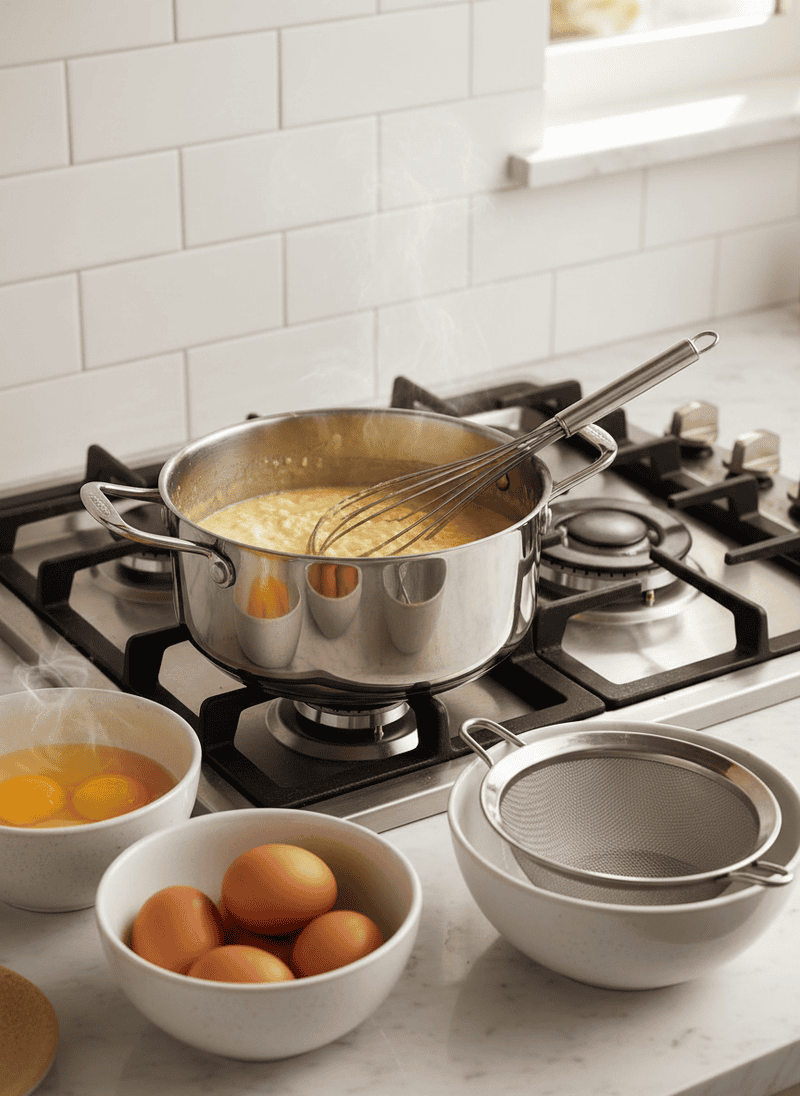
Many recipes for custards, puddings, or creamy sauces require adding eggs to hot liquids. A common shortcut that can quickly ruin your dish is simply pouring cold eggs directly into a hot base. This abrupt temperature change inevitably leads to scrambled eggs or an unappetizing eggy texture, rather than the smooth, velvety consistency you're aiming for.
Eggs coagulate rapidly when exposed to high heat. If you add them cold to a hot liquid, the proteins will seize up and cook instantly into solid bits, creating a curdled mess. This not only spoils the texture but also introduces an unpleasant eggy flavor and can be incredibly frustrating, forcing you to start over from scratch.
Tempering is the essential, but often skipped, technique that prevents this disaster. It involves gradually raising the temperature of the eggs by slowly whisking a small amount of the hot liquid into them first. Once the egg mixture is warm, you can then slowly pour and whisk it back into the remaining hot liquid, allowing the eggs to gently integrate and thicken the sauce without scrambling. This simple, two-minute step ensures a smooth, silky, and perfectly cooked result every time, making it a non-negotiable part of these delicate preparations.
13. Adding Acid Too Early to Dairy-Based Sauces
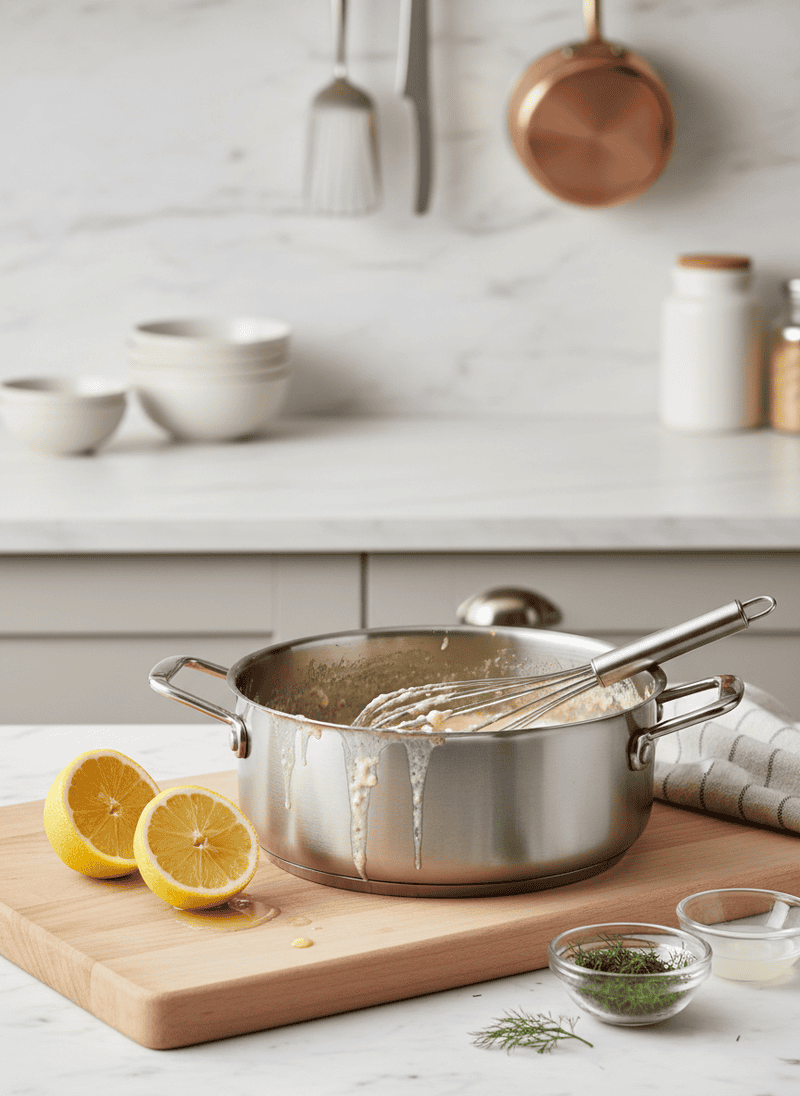
When making creamy, dairy-based sauces or soups, incorporating acidic ingredients like lemon juice, vinegar, or wine requires careful timing. A common shortcut is to add these acids early in the cooking process, thinking they'll meld flavors better. However, this often leads to a curdled, separated, and unappetizing sauce, ruining both its texture and appearance.
Dairy products, particularly milk and cream, are highly sensitive to acidity and heat. When exposed to a strong acid at a high temperature, the proteins in the dairy will denature and clump together, causing the sauce to curdle and separate into an unsightly, grainy mess. This reaction is irreversible and leaves you with a broken sauce that lacks the desired velvety smoothness.
The key to preventing curdling is to add acidic components towards the very end of the cooking process, usually once the sauce has been removed from the direct heat or has cooled slightly. This reduces the risk of the proteins seizing up. Alternatively, you can mix the acid with a thickener like cornstarch or flour, or even temper it with a bit of the hot sauce before adding. By exercising a little patience and timing your acidic additions carefully, you'll achieve perfectly smooth, cohesive, and delicious dairy-based sauces every time.
14. Using Blunt Knives
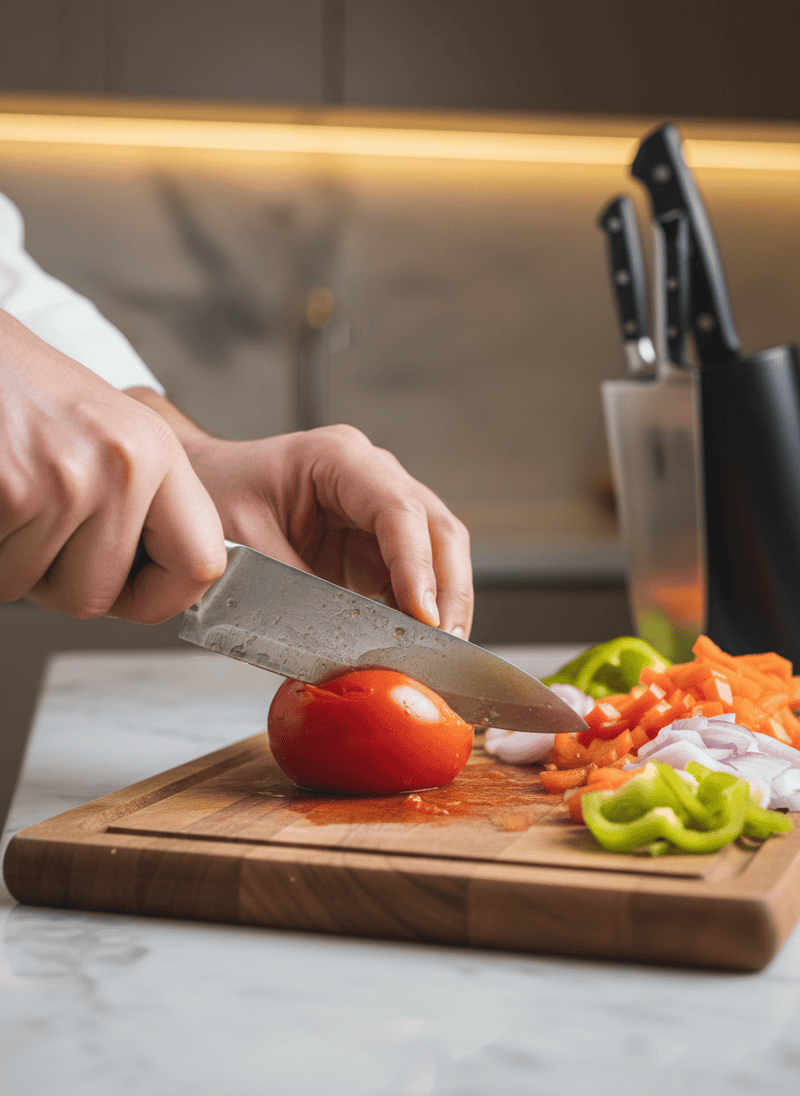
While not a cooking step per se, using blunt or dull knives is a shortcut that impacts nearly every aspect of meal preparation and can significantly ruin your food before it even hits the pan. Many home cooks neglect knife sharpening, thinking a dull knife is safer or less hassle. In reality, a blunt knife is not only inefficient but also dangerous and detrimental to the quality of your ingredients.
A dull knife requires more force to cut, increasing the likelihood of slipping and causing injury. Beyond safety, it tears rather than cleanly cuts through food. This damages cell walls, especially in delicate items like herbs, tomatoes, or onions, causing them to release moisture prematurely and brown faster. Uneven cuts also lead to inconsistent cooking, with smaller pieces burning while larger ones remain undercooked.
Investing in a good knife sharpener or taking your knives for professional sharpening regularly is a game-changer. A sharp knife glides effortlessly through ingredients, making prep work faster, safer, and more enjoyable. It preserves the integrity of your food, ensures even cooking, and allows for precise cuts that enhance both the visual appeal and the final texture of your dishes. Don't underestimate the power of a keen edge in elevating your culinary creations.
15. Not Tasting As You Go
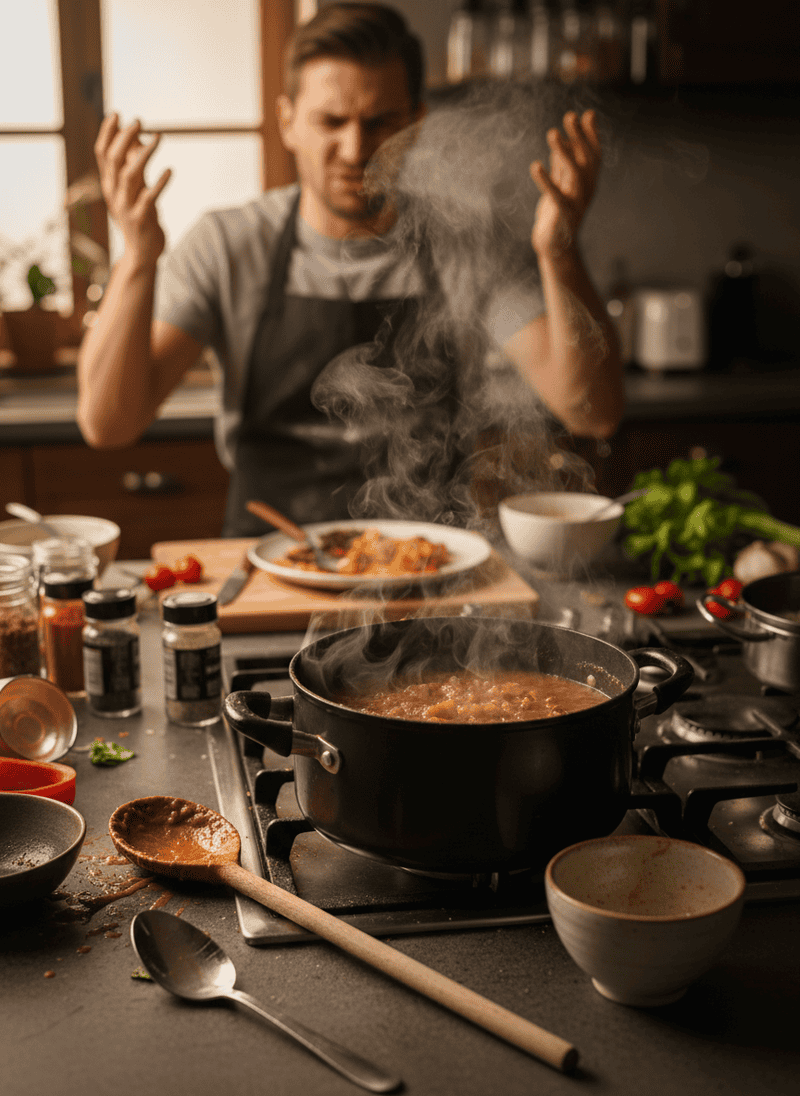
One of the most common shortcuts that results in bland, over-seasoned, or imbalanced dishes is failing to taste your food throughout the cooking process. Many home cooks wait until the very end to taste and adjust seasonings, by which point it's often too late to make significant corrections, especially for complex flavors that need time to meld.
Cooking is an iterative process, not a one-shot deal. Flavors develop and change as ingredients cook down, moisture evaporates, and seasonings integrate. What might seem perfectly seasoned at the beginning could become too salty or too bland after reducing. Conversely, a dish might lack a crucial acidic bright note or an herbaceous depth that only becomes apparent through regular tasting.
Develop the habit of tasting your food at every major stage: after adding aromatic vegetables, after deglazing, during simmering, and before serving. Keep a small spoon handy and adjust salt, pepper, herbs, spices, and acidity as needed. This constant feedback loop allows you to build layers of flavor and correct any imbalances early on, ensuring a perfectly seasoned and harmonized dish every time. It’s the simplest, yet most impactful, shortcut to truly delicious food.


