
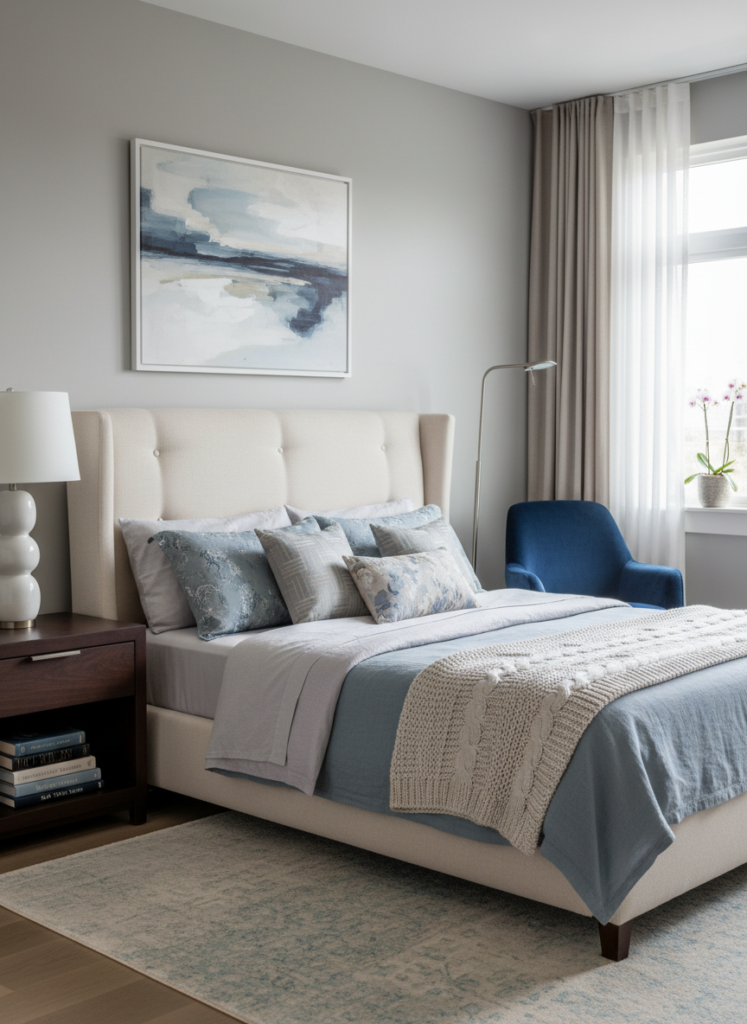
Your bedroom should be a sanctuary—a place of comfort, style, and personal reflection. As we gain wisdom and grace with age, our living spaces should evolve too, shedding outdated styles for fresh, functional, and fabulous designs. It’s time to curate a space that truly reflects the vibrant woman you are today, ditching anything that no longer serves your comfort or aesthetic.
1. Heavy, Dark Drapes and Window Treatments
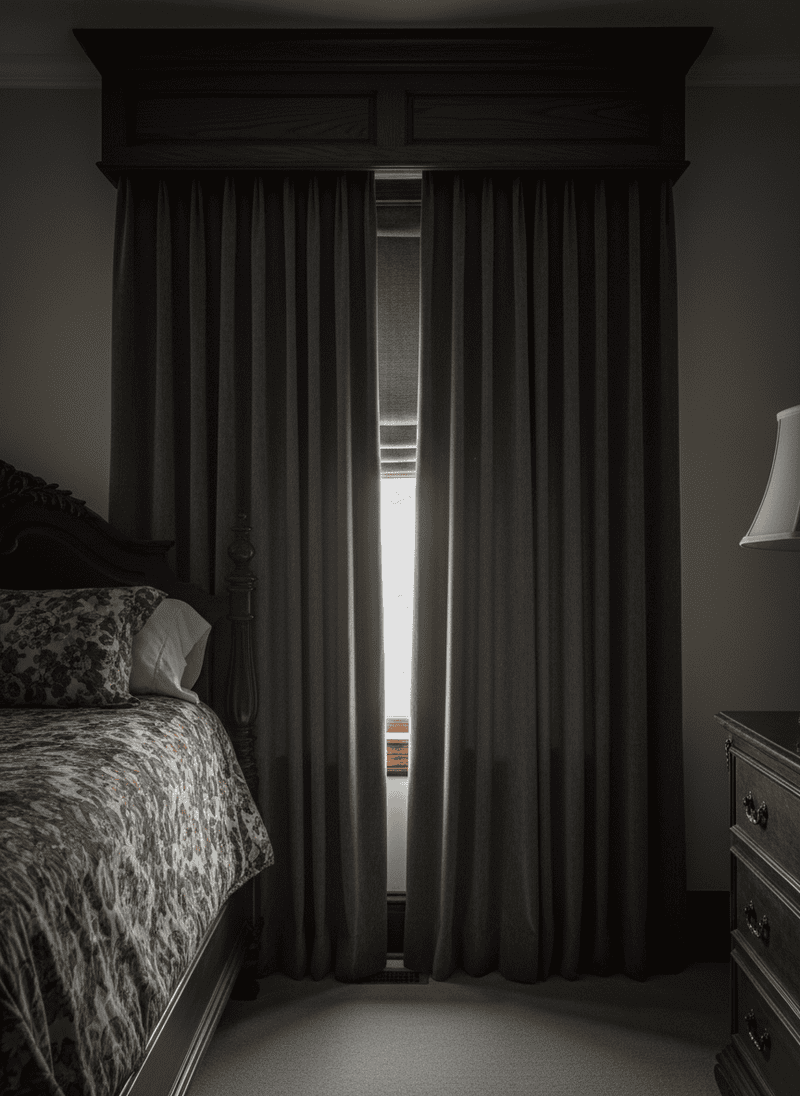
One of the most impactful changes you can make to brighten your bedroom is to reconsider heavy, dark drapes. While they once symbolized luxury or offered complete blackout, they can also make a room feel dim, dated, and smaller than it is. These voluminous fabrics often absorb light rather than reflect it, creating an oppressive atmosphere that is counterproductive to a serene sleep space.
Instead, embrace lighter, airier window coverings that allow natural light to filter in while still providing privacy. Think linen sheer curtains, stylish Roman shades, or elegant cellular blinds in soft, neutral tones. If you need complete darkness for sleep, layer a blackout liner behind a lighter decorative panel. This approach offers both functionality and a fresh, expansive feel, instantly modernizing your bedroom and enhancing your mood with increased natural light.
2. Outdated Wall-to-Wall Carpeting
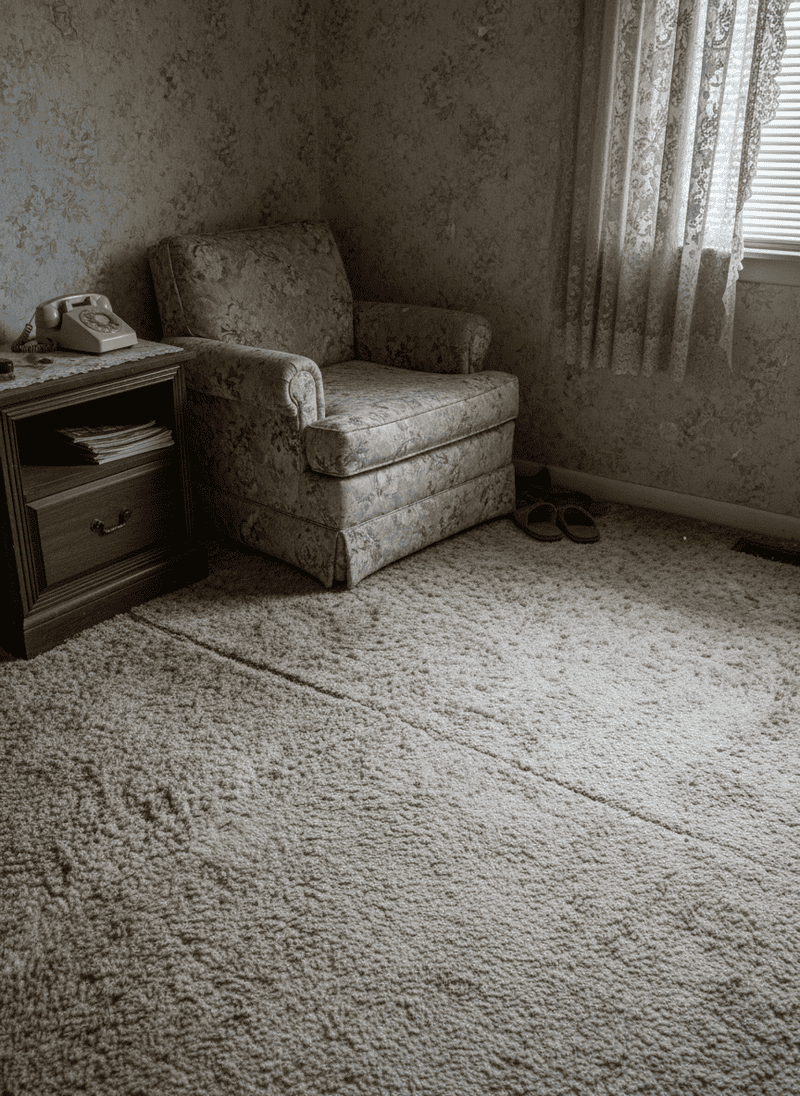
For decades, wall-to-wall carpeting was a staple in bedrooms, prized for its warmth and sound-dampening qualities. However, older carpeting often harbors allergens, dust mites, and retains odors, becoming increasingly difficult to keep truly clean over time. Beyond hygiene concerns, outdated carpet styles and colors can instantly date a room, making it feel less vibrant and current.
Consider upgrading to hard flooring options like engineered wood, luxury vinyl plank, or even polished concrete, which are easier to clean and more allergen-friendly. If you crave softness underfoot, layer a beautiful area rug over your hard floors. Choose a rug with a modern pattern or a plush, solid texture that complements your decor. This not only adds warmth and comfort but also allows you to easily update your room's aesthetic as your style evolves.
3. Excessive Floral Patterns from Decades Past
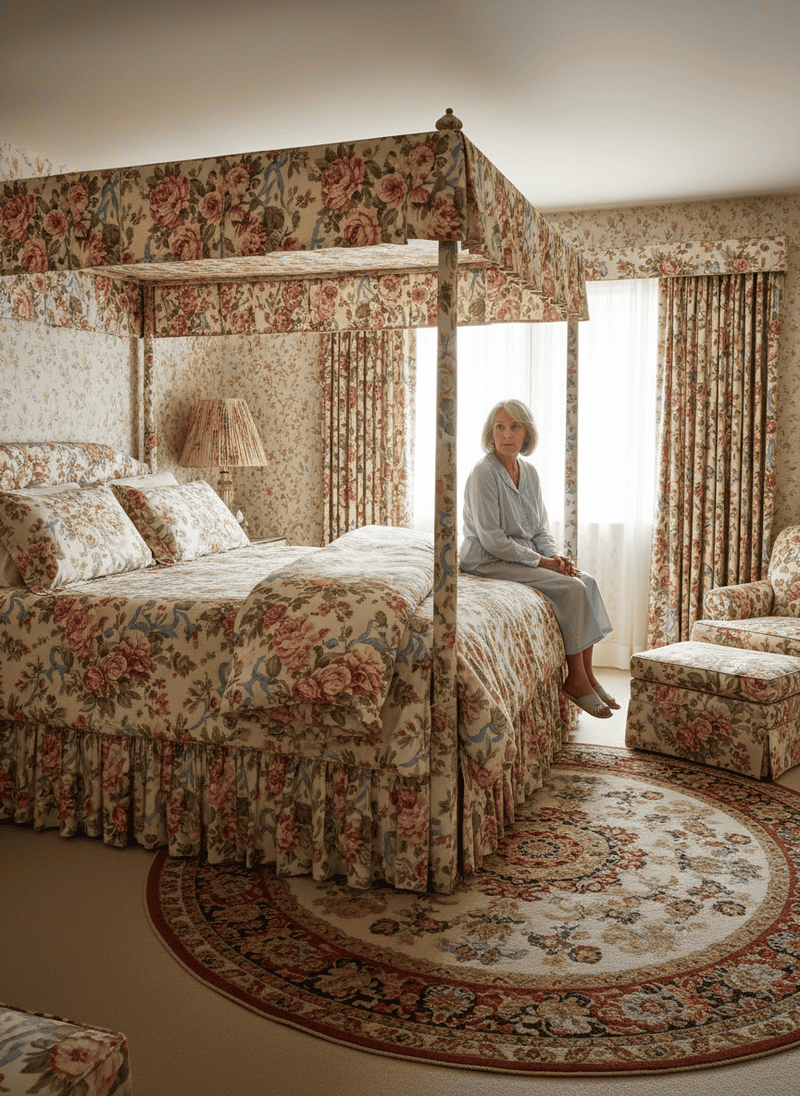
While florals can be timeless and beautiful, an abundance of chintzy or overly busy floral patterns, especially those popular in past decades, can make a bedroom feel cluttered and visually overwhelming. Think matching floral wallpaper, bedding, and drapery that create a saccharine, dated look rather than a sophisticated one. This isn't about shunning all botanical motifs, but rather choosing them thoughtfully.
Modern floral designs often feature larger, more abstract prints, or subtle, monochromatic patterns that feel fresh and sophisticated. If you love florals, incorporate them as an accent—a single statement wallpaper wall, an elegant throw pillow, or a tasteful piece of art. Mix patterns with solid textures and clean lines to create balance and a contemporary feel. This mindful approach to patterns ensures your room feels curated and serene, not stuck in a time warp.
4. Overly Frilly or Ruffled Bedding
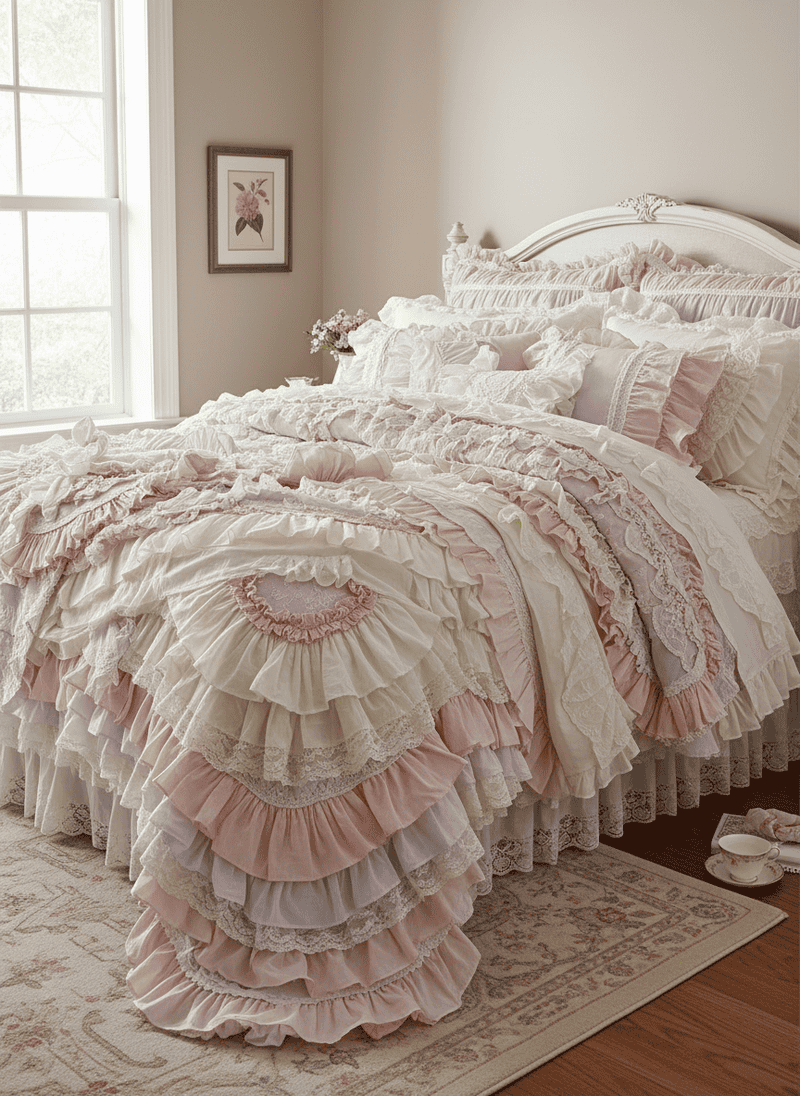
Bedding with excessive ruffles, lace, or intricate trims, once a sign of luxurious detail, can now appear dated and overly busy. This style often creates a visual clutter that detracts from a calm and sophisticated sleep environment. Furthermore, intricate details can be challenging to maintain and clean, becoming prone to collecting dust and looking less crisp over time. Your bed should be an inviting haven, not a historical artifact.
Embrace elegant simplicity with high-quality, breathable bedding in natural fibers like linen, cotton, or bamboo. Focus on rich textures, subtle patterns, and a harmonious color palette. A luxurious duvet cover, a few well-chosen decorative pillows, and a comfortable throw can create an inviting look without the fuss. This shift towards minimalist elegance will not only make your bed look more refined but also enhance your comfort and ease of care.
5. Clutter-Filled Surfaces and Too Many Knick-Knacks
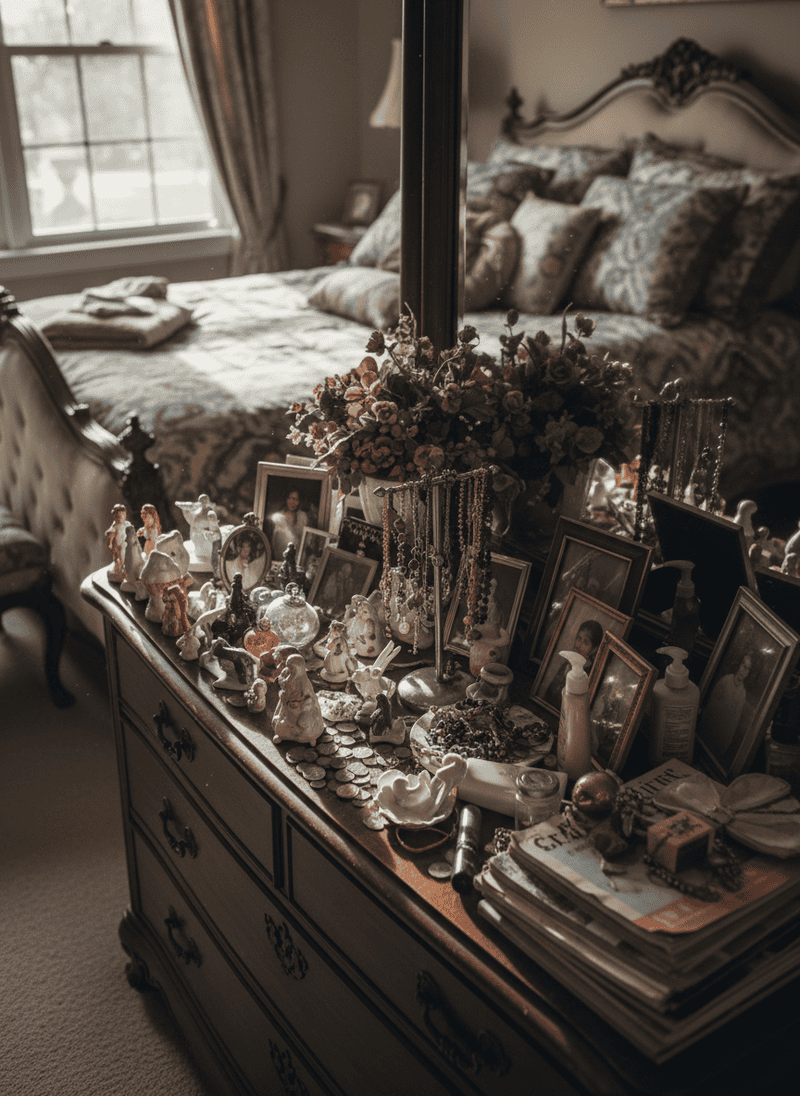
Over time, it's easy for nightstands, dressers, and shelves to become cluttered with a collection of decorative items, forgotten papers, and personal trinkets. While sentimental items are precious, an excess of knick-knacks creates visual noise and makes a bedroom feel messy and unrelaxing. A cluttered space can lead to a cluttered mind, making it harder to unwind and achieve restful sleep.
Practice intentional curation by keeping only a few cherished and functional items on display. Consider a beautiful vase with fresh flowers, a quality lamp, and perhaps one or two treasured photos in elegant frames. Utilize stylish storage solutions like decorative boxes, drawers, or baskets to tuck away smaller items. Regularly decluttering your surfaces will create a sense of calm and order, promoting a more peaceful and inviting bedroom environment.
6. A Mismatched or Dark, Heavy Furniture Set
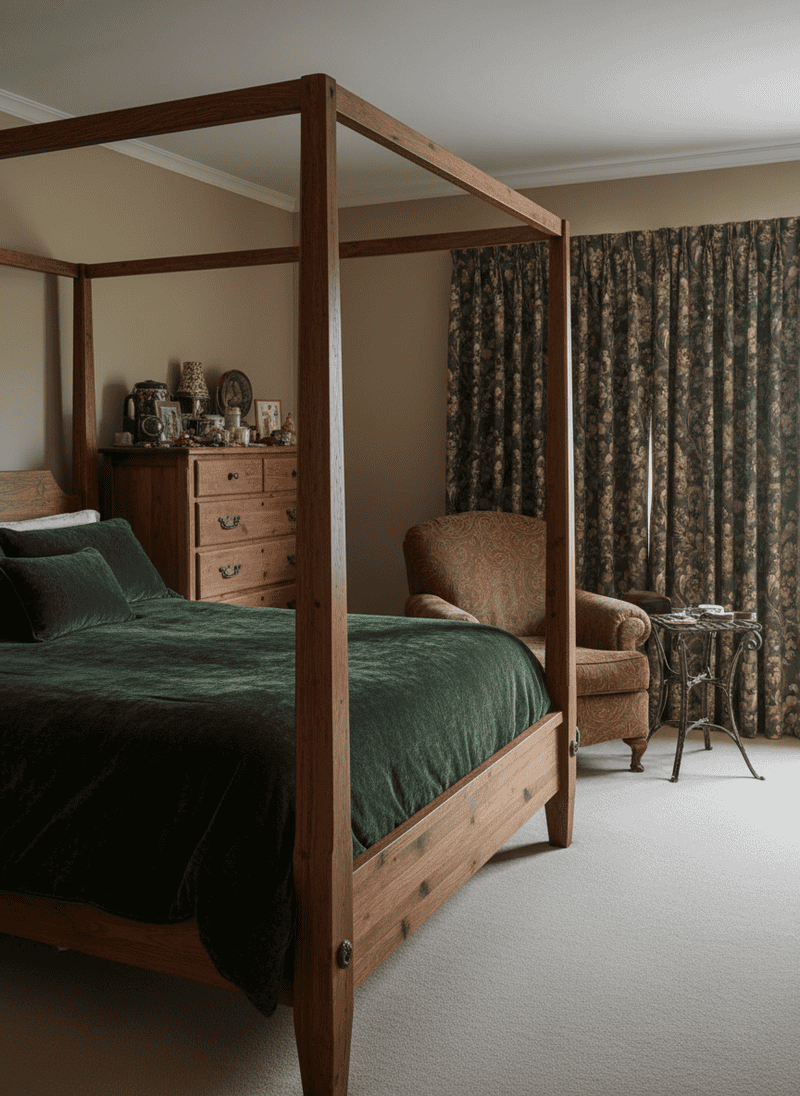
While investing in a complete bedroom furniture set seemed practical decades ago, a perfectly matched dark wood set can now make a room feel heavy, dated, and lacking in personality. The uniform look can stifle creativity and prevent the room from feeling truly unique. Similarly, oversized, dark pieces can visually shrink a space and absorb light, contributing to a dim atmosphere.
Instead, mix and match pieces for a more curated and dynamic look. Combine a lighter wood dresser with an upholstered headboard, or a vintage nightstand with a modern bed frame. Opt for furniture with cleaner lines and perhaps lighter finishes to open up the room. If you love dark wood, balance it with lighter wall colors, bedding, and accessories. This approach allows you to express your individual style and create a space that feels both timeless and contemporary.
7. Poor or Inadequate Lighting Choices
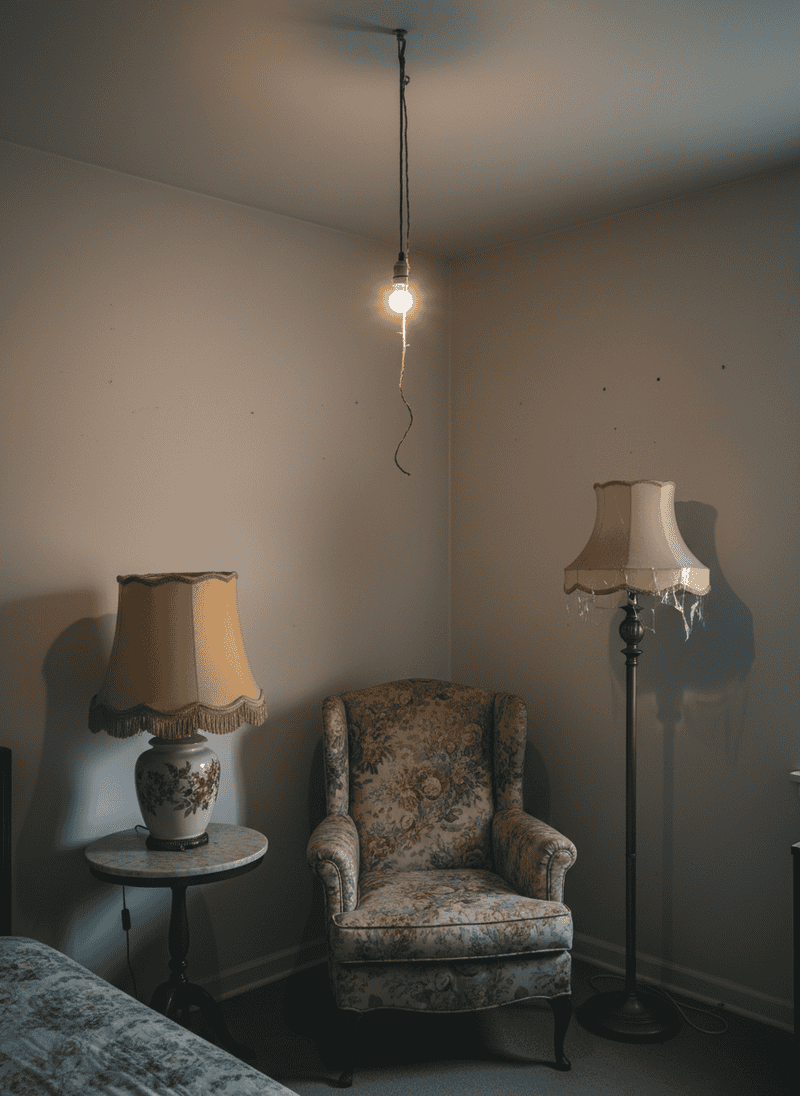
Relying solely on a single overhead light fixture, especially an outdated one, is a common pitfall that dramatically impacts a bedroom's ambiance and functionality. Harsh overhead lighting can be unwelcoming and unflattering, failing to provide the varied illumination needed for different activities. It often creates shadows and leaves corners of the room feeling dark and neglected, diminishing the overall comfort and appeal of your personal sanctuary.
Embrace layered lighting to create a warm, inviting, and functional space. Incorporate bedside lamps for reading, a stylish floor lamp for ambient light, and perhaps a dimmer switch on your overhead fixture. Consider adding task lighting, such as a vanity light or an accent lamp to highlight artwork. Choose bulbs with a warm color temperature (around 2700K-3000K) to create a cozy and relaxing glow. Thoughtful lighting enhances mood, improves visibility, and transforms your bedroom into a true haven.
8. Bedrooms as a Catch-All Storage Space

It’s easy for the bedroom to become a default storage area for items that don’t have a designated home elsewhere in the house—extra boxes, out-of-season clothing, or even gym equipment. When your bedroom doubles as a storage unit, it loses its primary function as a tranquil retreat. The visual reminder of unfinished tasks or unorganized items can cause subtle stress and disrupt the peaceful atmosphere essential for good sleep and relaxation.
Reclaim your bedroom’s purpose by dedicating specific storage solutions for only bedroom-related items. Invest in under-bed storage containers, a well-organized closet system, or a chic storage ottoman. If you have items that genuinely belong elsewhere, commit to finding them a proper home. Creating clear boundaries between your sleeping space and storage areas will foster a sense of calm and order, allowing your bedroom to truly serve as a sanctuary for rest and rejuvenation.
9. Ignoring Ergonomics and Accessibility

Sometimes, decor choices inadvertently create practical challenges, especially as we mature. An overly low bed frame might look sleek but can be difficult to get in and out of comfortably. Similarly, arranging furniture without considering clear pathways or incorporating adequate lighting for safe navigation, especially at night, can pose unnecessary risks. Prioritizing aesthetics over functionality can lead to discomfort or even minor hazards in your most private space.
Thoughtfully consider the practical aspects of your bedroom. Opt for a bed height that allows you to comfortably sit and stand without strain. Ensure there’s ample space to move around furniture, and that rugs are securely anchored to prevent tripping. Add motion-sensor nightlights or easy-to-reach bedside lamps for nighttime excursions. Ergonomic considerations don't mean sacrificing style; many modern designs blend form and function beautifully, ensuring your bedroom is both stunning and comfortably accessible for years to come.
10. Keeping Sentimental But Worn-Out Items
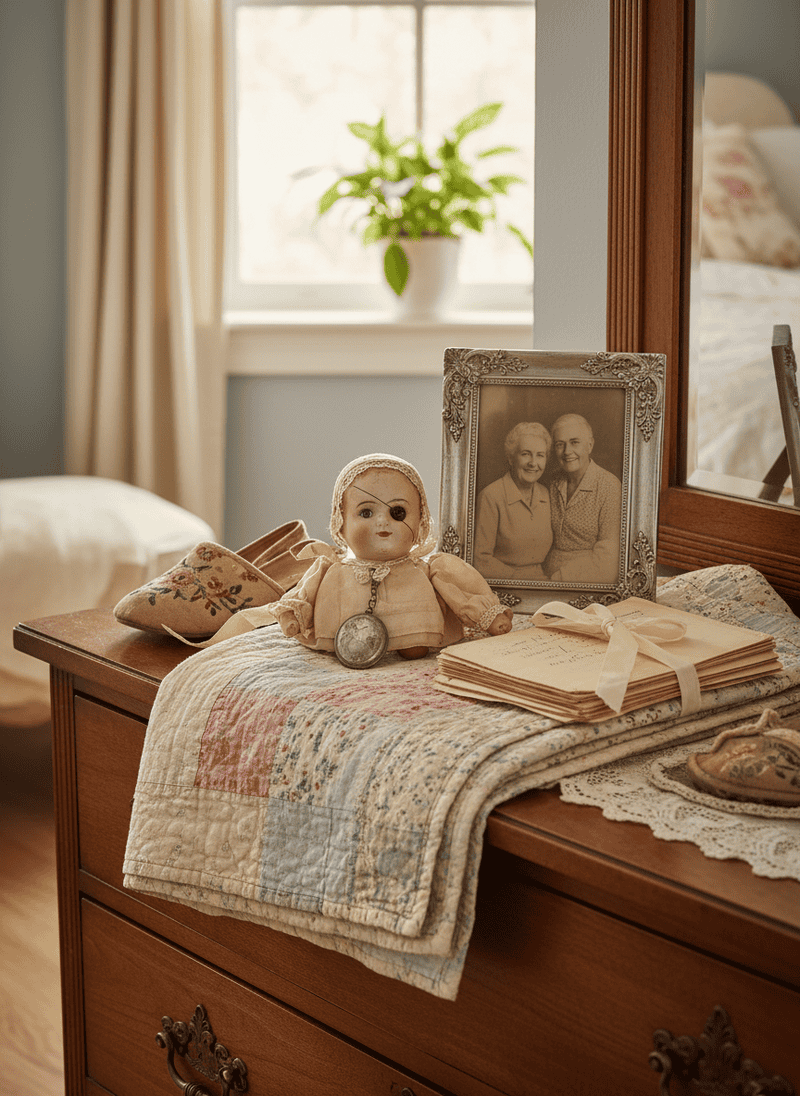
We all have cherished items with deep sentimental value—a blanket knitted by a loved one, a piece of furniture passed down through generations. While these connections are beautiful, keeping items that are significantly worn, broken, or beyond repair can detract from a cohesive and fresh aesthetic. A frayed throw, a wobbly bedside table, or faded artwork, despite its history, can subtly diminish the overall quality and comfort of your bedroom environment.
It’s time to honor the memory while updating the item or letting it go. Can the blanket be professionally repaired or repurposed into a pillow? Can the furniture piece be refurbished, painted, or given a new life? If not, consider photographing the item to preserve the memory, then donate or responsibly discard it. Replacing worn items with well-maintained pieces, even if they are new, elevates your space and creates a feeling of renewal, while still holding onto the cherished memories they represent.
11. Neglecting Smart Home Technology Integration
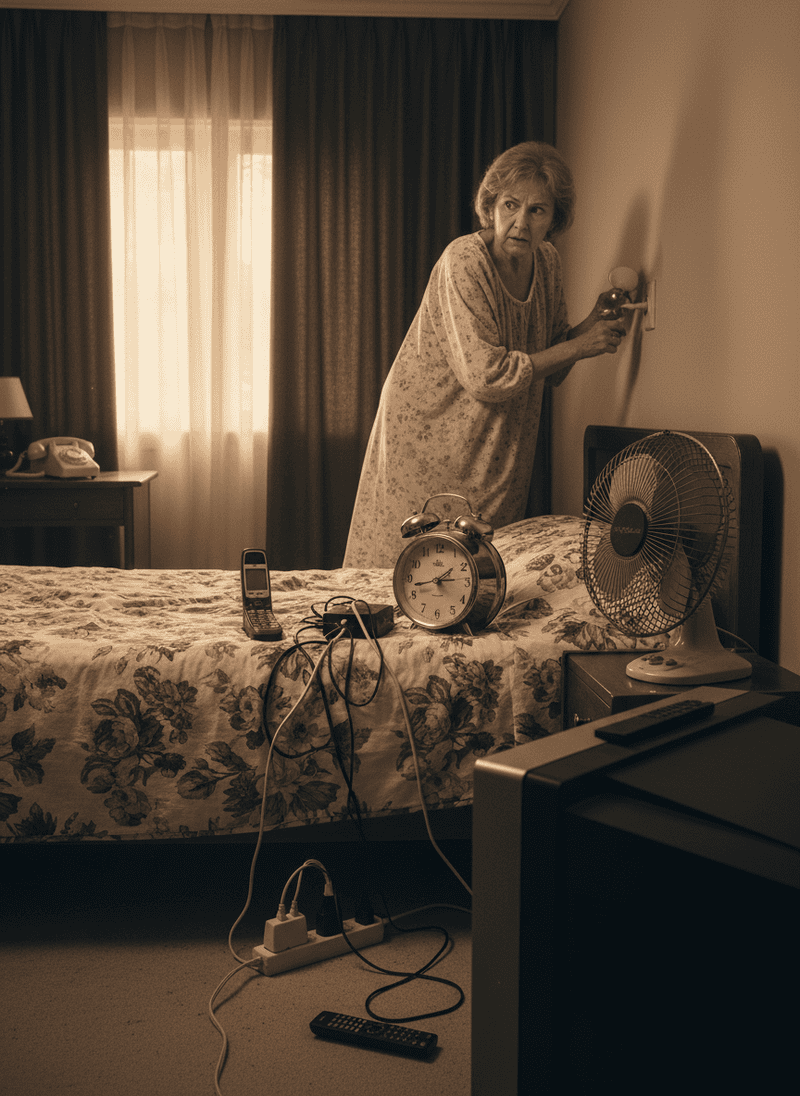
Many women, especially those over 60, might inadvertently overlook the convenience and safety benefits of modern smart home technology in the bedroom, perhaps viewing it as too complex or unnecessary. However, dismissing these advancements means missing out on incredible opportunities to enhance comfort, security, and ease of living. From controlling lights to adjusting temperature, technology can significantly improve your daily routine and sleep quality.
Consider simple smart upgrades: smart bulbs that can be dimmed or turned off with a voice command or phone app, smart plugs for bedside lamps, or a smart thermostat that adjusts your room's temperature automatically. These technologies can make your bedroom more comfortable and accessible, especially useful for those with mobility concerns. Embracing these innovations isn't about being tech-savvy, but about investing in practical solutions that make your life easier and your bedroom more luxurious and responsive to your needs.
12. Ignoring a Cohesive Color Palette
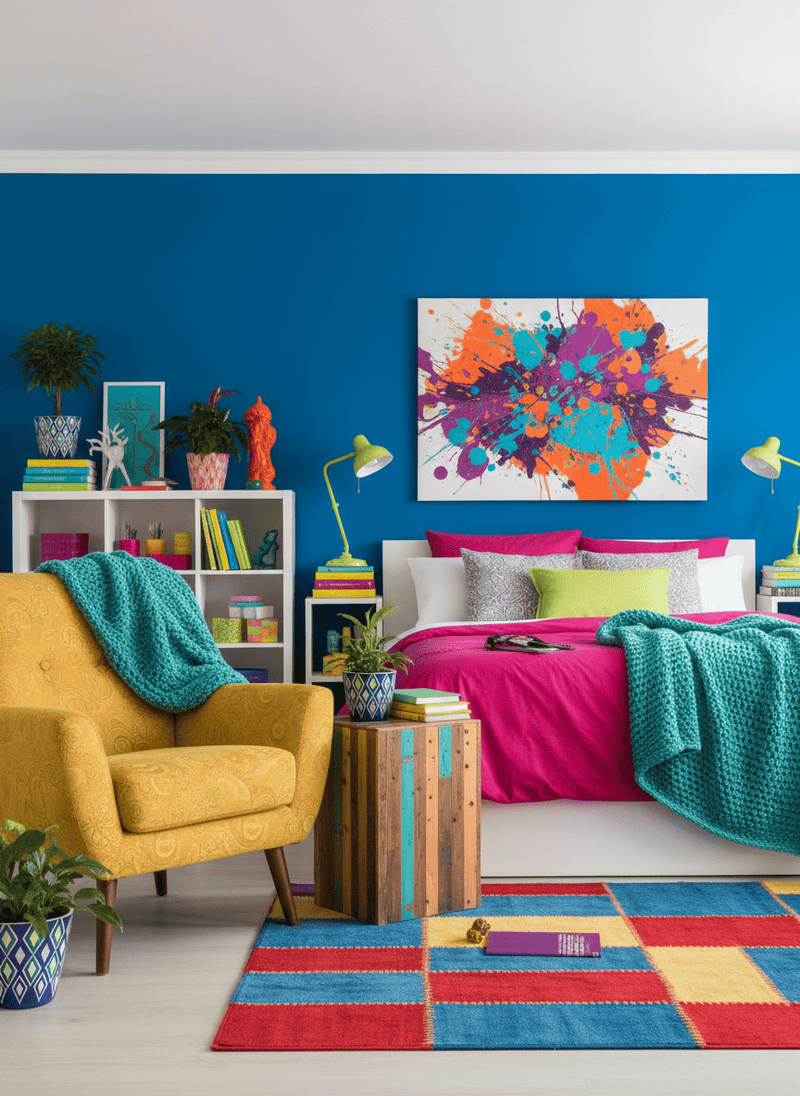
A common mistake, often accumulated over time, is having a bedroom that lacks a cohesive color palette. This can happen when pieces are bought individually without considering how they will harmonize, resulting in a room that feels disjointed and visually chaotic. A jumble of conflicting colors can prevent the room from feeling like a tranquil retreat, making it harder to relax and find peace. The absence of a thoughtful color scheme leaves the space feeling unresolved.
Dedicate time to establishing a deliberate color palette. Start with a neutral base (think soft grays, warm whites, or calming beiges) for walls and larger furniture pieces. Then, introduce 2-3 accent colors through bedding, artwork, and decorative accessories. Use a color wheel to find complementary or analogous colors that create harmony. A well-planned color scheme will tie everything together, creating a serene, sophisticated, and unified look that feels intentional and incredibly soothing.
13. Over Reliance on Synthetic Fabrics

While synthetic fabrics like polyester blends were once lauded for their durability and affordability, an over-reliance on them, particularly for bedding and clothing, can compromise comfort and breathability in the bedroom. These materials often trap heat, feel less luxurious against the skin, and can sometimes contribute to static electricity or pilling. The quality of the textiles in your bedroom significantly impacts both the feel and the overall aesthetic of the space.
Prioritize natural, breathable fabrics for bedding, throws, and even pajamas. High-quality cotton, crisp linen, soft bamboo, or luxurious silk not only feel exquisite against your skin but also help regulate body temperature, promoting better sleep. Natural fibers drape beautifully, age gracefully, and contribute to a more sophisticated and inviting atmosphere. Investing in quality textiles is an investment in your comfort and the serene ambiance of your bedroom.
14. Strictly Matching Bedroom Furniture Sets

The trend of buying a bedroom 'suite' with perfectly matching bed frame, nightstands, and dresser is an outdated approach that can make a room feel generic and mass-produced rather than uniquely curated. While convenient at the time of purchase, a room full of identical pieces lacks visual interest and personality, often creating a stiff or uninspired atmosphere. It can also make a space feel smaller and less dynamic.
Instead, mix and match furniture styles and finishes to create a more personalized and sophisticated look. Pair a classic wooden dresser with modern, upholstered nightstands, or combine a vintage headboard with a contemporary bench. Focus on achieving balance through scale, proportion, and complementary colors or textures rather than exact matches. This eclectic approach allows you to incorporate pieces you truly love, making your bedroom feel intentionally designed and reflective of your unique taste.
15. Lack of Natural Elements and Greenery
Many bedrooms, particularly those that haven't been updated in a while, often lack the refreshing presence of natural elements or living greenery. A room devoid of plants, natural textures, or organic forms can feel sterile, unwelcoming, and disconnected from the soothing influence of the outdoors. This omission not only impacts the visual appeal but also misses an opportunity to enhance air quality and create a more vibrant, calming environment.
Introduce the beauty and benefits of nature into your bedroom. A few well-placed houseplants, such as a snake plant or a peace lily, can improve air quality and add a touch of life and color. Incorporate natural materials like wood, jute, wool, or stone through furniture, rugs, or decorative accents. Consider a simple vase with fresh flowers or branches. These elements bring a sense of tranquility, texture, and organic beauty, making your bedroom feel more serene, alive, and connected to the calming forces of the natural world.
16. Keeping an Uncomfortable or Outdated Mattress

Perhaps the most critical, yet often overlooked, bedroom trend to abandon is holding onto an uncomfortable or excessively old mattress. Mattresses typically have a lifespan of 7-10 years, and beyond that, they lose their support, shape, and hygiene. Sleeping on a mattress that sags, causes pressure points, or no longer provides adequate support can lead to poor sleep quality, back pain, and morning stiffness, significantly impacting your overall well-being.
Prioritize your sleep health by investing in a new, high-quality mattress that suits your personal comfort and support needs. Research different types—memory foam, innerspring, hybrid—and consider adjustable bases for added comfort. Think of your mattress as an investment in your health and daily energy. Upgrading your mattress is not just a trend to stop following; it’s an essential step towards better sleep, improved physical comfort, and a refreshed outlook on life. You deserve a truly restorative night's rest.
17. Decorating Primarily for Others, Not Self
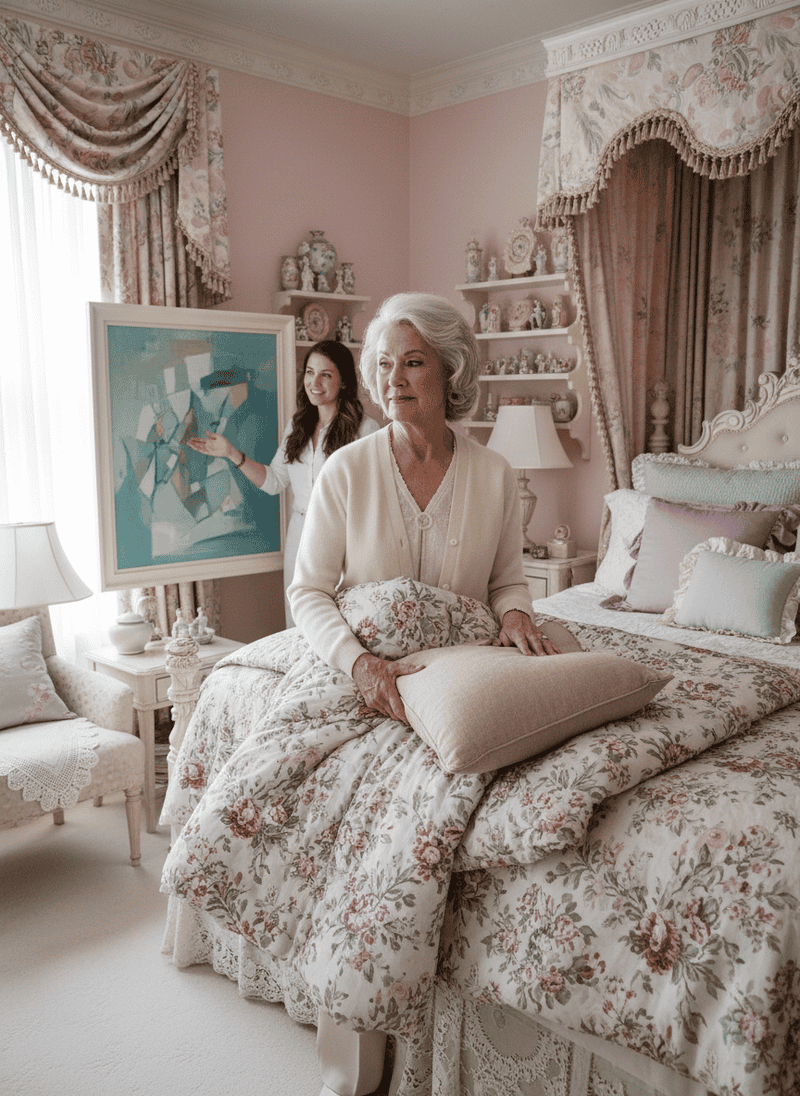
Throughout life, we often design our homes with others in mind—family, guests, or societal expectations. This can lead to a bedroom that feels more like a showroom or a generic space than a deeply personal retreat. If your bedroom aesthetic is dictated by what you think others would approve of, rather than what genuinely brings you joy, comfort, and peace, you’re missing an opportunity to create a truly sacred space. Your bedroom should be your ultimate personal sanctuary.
It’s time to shed the expectation of decorating for anyone but yourself. Focus on what colors, textures, art, and objects genuinely resonate with you and make you feel calm and happy. Do you love bold colors, or serene neutrals? Do you prefer minimalist simplicity or cozy maximalism? Your bedroom is a reflection of your inner self, a place where you can fully relax and be authentic. By designing with your own desires at the forefront, you create a space that nurtures your soul and truly feels like home.
18. Ignoring Personal Safety with Trip Hazards
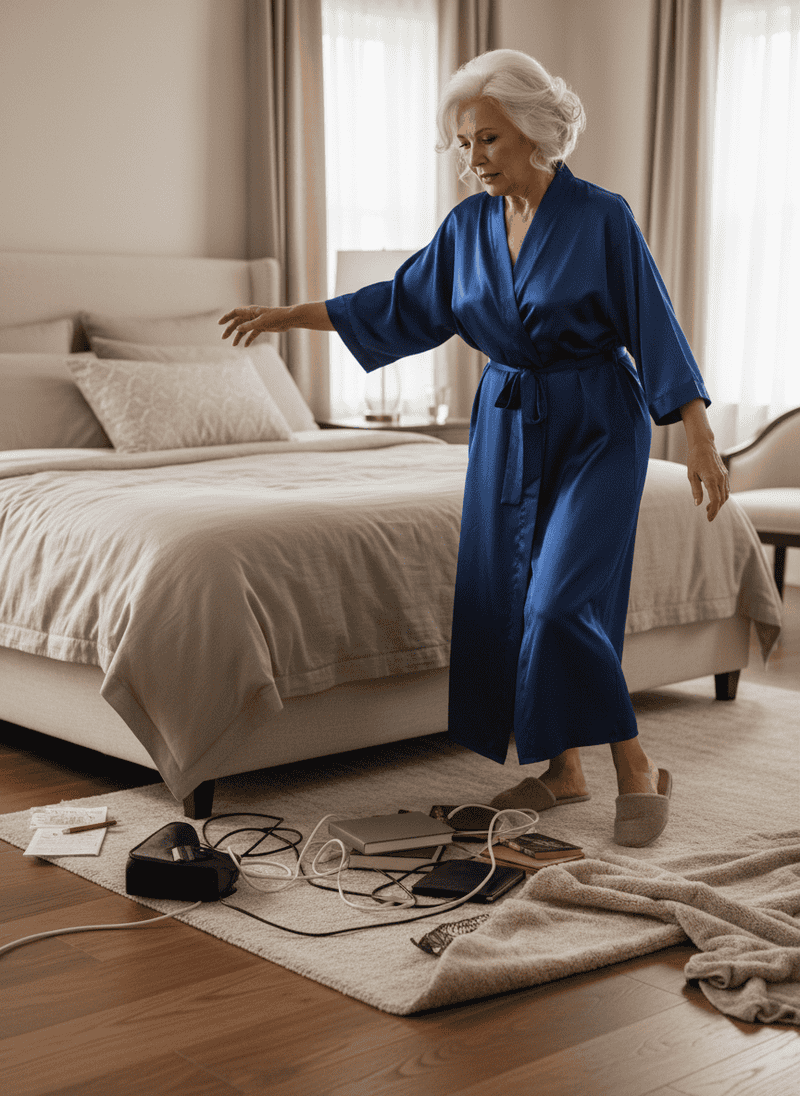
As we age, what once seemed like minor inconveniences can become genuine safety concerns. Leaving electrical cords trailing across pathways, having throw rugs that easily slip, or furniture arrangements that create tight squeezes can introduce unnecessary trip hazards into your bedroom. An accidental fall can have significant consequences, making it crucial to proactively address any potential dangers in your most personal space. Safety and style can, and should, coexist beautifully.
Take a critical look at your bedroom with safety in mind. Secure all electrical cords with ties or covers, ensuring they run along walls and out of traffic areas. Opt for rugs with non-slip backing or anchor them with furniture. Ensure there’s clear, unobstructed pathways, especially between the bed and the bathroom. Consider installing nightlights or easy-to-reach lamps to illuminate your path during nocturnal visits. Making these thoughtful adjustments ensures your bedroom remains a comfortable and secure haven for many years to come.
19. Displaying Too Many Uncurated Family Photos

While family photos are cherished memories, displaying a vast, uncurated collection of them, especially in mismatched frames or scattered randomly across surfaces, can create visual clutter rather than a cohesive display. A wall crammed with dozens of snapshots or every available surface covered in framed pictures can make a bedroom feel less serene and more like a busy gallery, detracting from its primary purpose as a restful retreat.
Instead, thoughtfully curate your photo display. Select your absolute favorite, highest-quality images and arrange them in a cohesive gallery wall using matching or complementary frames. Alternatively, choose one large, impactful photo as a focal point, or display a few elegant framed photos on a nightstand or dresser. Consider a digital frame that cycles through many images without adding clutter. This approach celebrates your memories in a sophisticated way, making your bedroom feel both personal and polished.
20. Outdated Wallpaper Borders
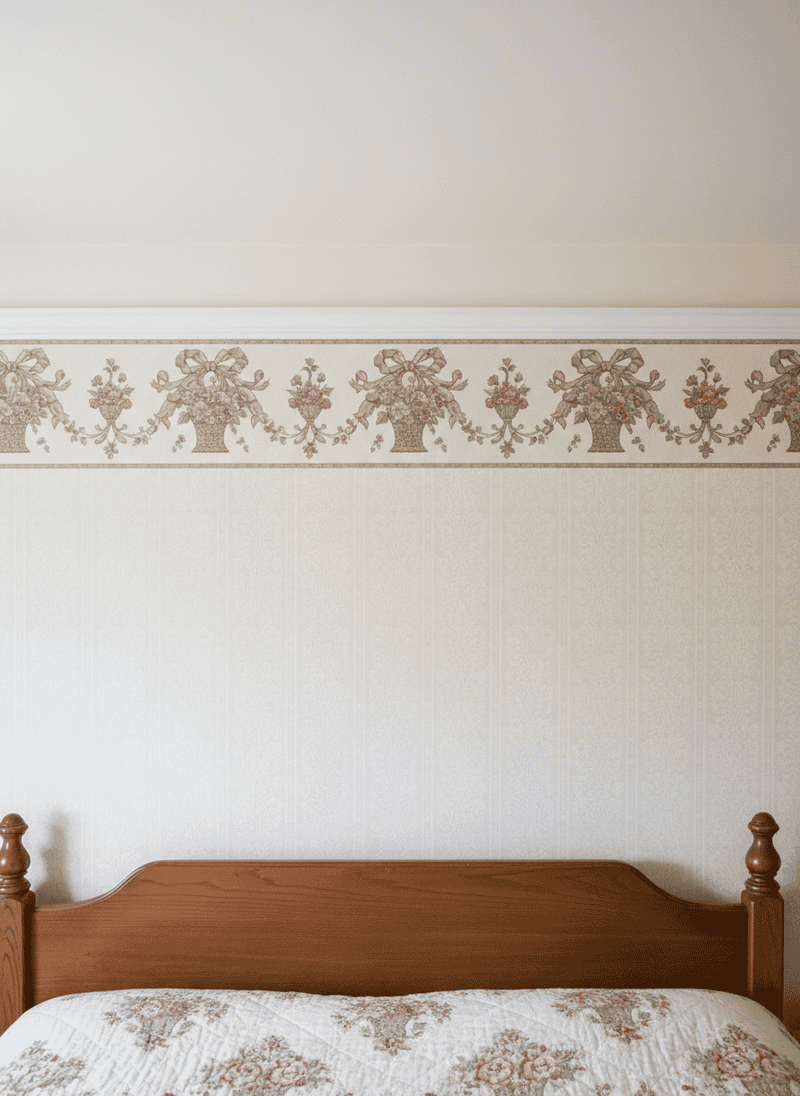
Wallpaper borders, once a popular decorating choice, especially in the 80s and 90s, have largely fallen out of favor. These narrow strips of patterned paper, often placed at chair rail height or near the ceiling, can instantly date a room. They tend to visually chop up a wall, making the space feel smaller and often clash with more modern design aesthetics. Removing them can be a simple yet transformative way to update your bedroom.
For a fresh look, consider removing any outdated borders and painting the entire wall a single, calming color. If you desire visual interest, explore contemporary wallpaper with a modern pattern on an accent wall, or use architectural trim to create a subtle feature. Alternatively, incorporate artwork or mirrors to define specific areas. Eliminating the border will create cleaner lines and a more expansive feel, allowing your bedroom to breathe and embrace a sophisticated, up-to-date style.
21. Ignoring the 'Fifth Wall' – Your Ceiling
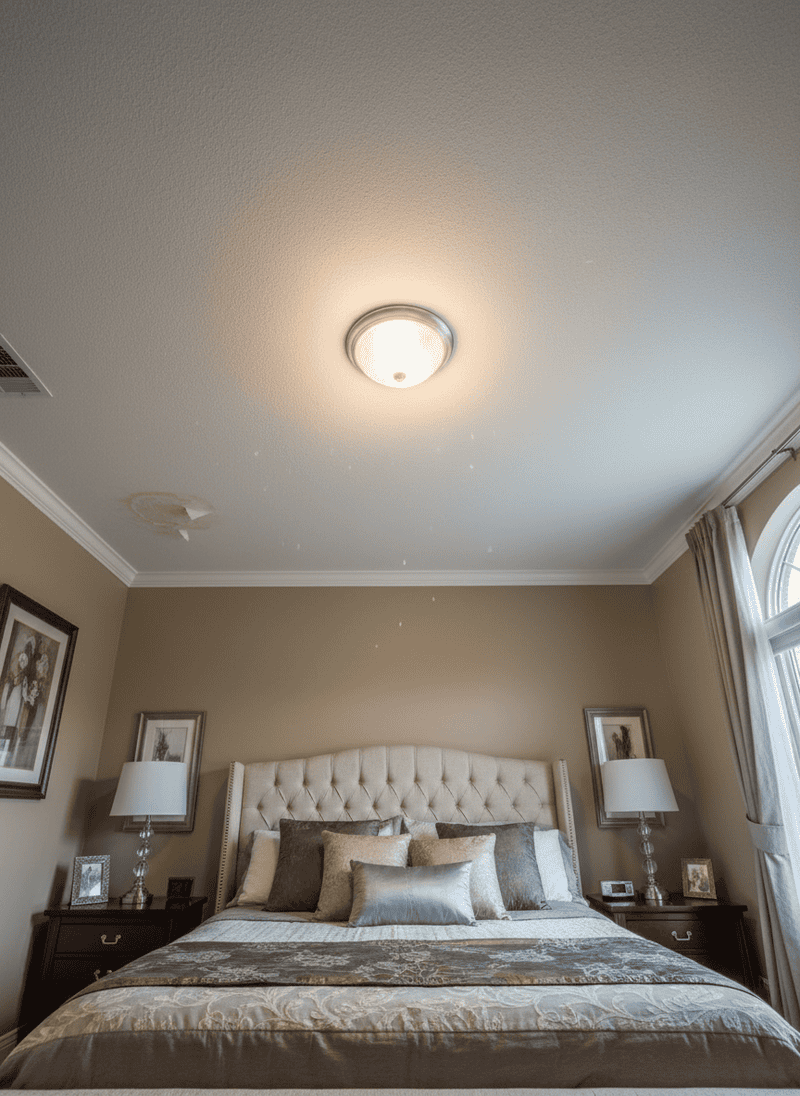
Often referred to as the 'fifth wall,' the ceiling in a bedroom is frequently overlooked, left as a plain, unadorned white surface. While functional, neglecting this expanse means missing a significant opportunity to add character, depth, and a touch of luxury to your sleeping space. A plain ceiling can make a room feel unfinished or uninspired, especially when the rest of the decor is thoughtful and inviting.
Consider giving your ceiling some attention to elevate your entire bedroom. A fresh coat of paint in a slightly softer hue than your walls, or even a pale color from your palette, can make the room feel cozier and more enveloped. For a more dramatic effect, explore decorative options like elegant wallpaper, subtle textured paint, or even architectural details like crown molding or a tray ceiling. Even a beautiful light fixture can draw the eye upwards. Treating your ceiling as an integral part of your design will create a more complete, luxurious, and truly bespoke bedroom retreat.
Conclusion
By thoughtfully re-evaluating these common bedroom trends, you have the power to transform your personal sanctuary into a space that truly reflects your refined taste and provides ultimate comfort. Embrace modern aesthetics, prioritize functionality, and curate a bedroom that not only looks beautiful but also supports your well-being. It's your time to shine, and your bedroom should be a testament to that vibrancy.


