
Friendships are the bedrock of our lives, offering support, laughter, and shared history. As we navigate life beyond 50, these connections can evolve, but sometimes a friend begins to drift away, leaving us wondering why. Understanding the subtle cues can help you process what’s happening and decide on your next steps.
1. Reduced Communication Frequency

One of the most immediate and noticeable signs a friend is distancing herself is a significant drop in how often you hear from her. This isn’t just about a busy week or two; it’s a persistent pattern where calls become rare, texts go unanswered for longer periods, and emails might just stop altogether. Previously, you might have had a regular chat, shared daily updates, or planned outings weekly, but now those interactions have dwindled to almost nothing.
This shift can feel particularly jarring if your friendship has always been built on consistent contact. You might find yourself initiating every conversation, only to receive brief, non-committal replies or no response at all. The ease and spontaneity that once defined your communication begin to fade, replaced by a sense of effort on your part and reluctance on hers. This change isn’t always overt; it’s a gradual erosion of the regular touchpoints that kept your friendship vibrant.
For women over 50, life changes like retirement, changes in marital status, or caring for aging parents can naturally alter schedules. However, a friend who values the connection will typically communicate these changes or find new ways to stay in touch. When the communication frequency drops without explanation, or without an effort to reschedule, it’s often a sign that she’s creating space.
It’s important to reflect on whether this change is mutual or unilateral. If you find yourself consistently being the one reaching out, trying to bridge the gap, while she remains passively distant, it’s a strong indicator that her priority for your friendship has shifted. This can be painful to acknowledge, but recognizing this pattern is the first step towards understanding the dynamic at play.
2. Declining Invitations More Often

Another significant indicator that a friend is distancing herself is a consistent pattern of declining invitations. In the past, she might have been eager to join you for coffee, a movie, or a walk. Now, however, every suggestion you make is met with an excuse – she’s busy, she’s not feeling well, she already has plans, or she simply gives a vague ‘I’ll let you know’ that never materializes into a firm commitment. This isn’t about missing one event; it’s about a continuous refusal to engage in shared activities.
What makes this particularly telling is the nature of the excuses. They might become increasingly generic or unconvincing, lacking the detail or follow-up that a truly busy friend would offer. You might notice that she doesn’t suggest alternative times or activities, nor does she express genuine regret at having to decline. The enthusiasm for spending time together seems to have waned entirely, replaced by a polite but firm wall of unavailability.
For friends over 50, it’s common for schedules to change, or for energy levels to fluctuate. A true friend, however, will usually communicate these challenges openly and might suggest a different, more suitable activity or time. When a friend consistently declines without offering alternatives, or without making an effort to reconnect in a way that suits her, it suggests a lack of desire to prioritize your time together.
Pay attention to whether these declines are specific to invitations involving just the two of you, or if they extend to group gatherings as well. If she consistently avoids one-on-one time but occasionally appears at larger group events, it might indicate a desire to maintain a more superficial connection rather than the deeper bond you once shared. This pattern suggests a deliberate choice to limit the intimacy and frequency of your interactions.
3. Lack of Initiation from Her Side
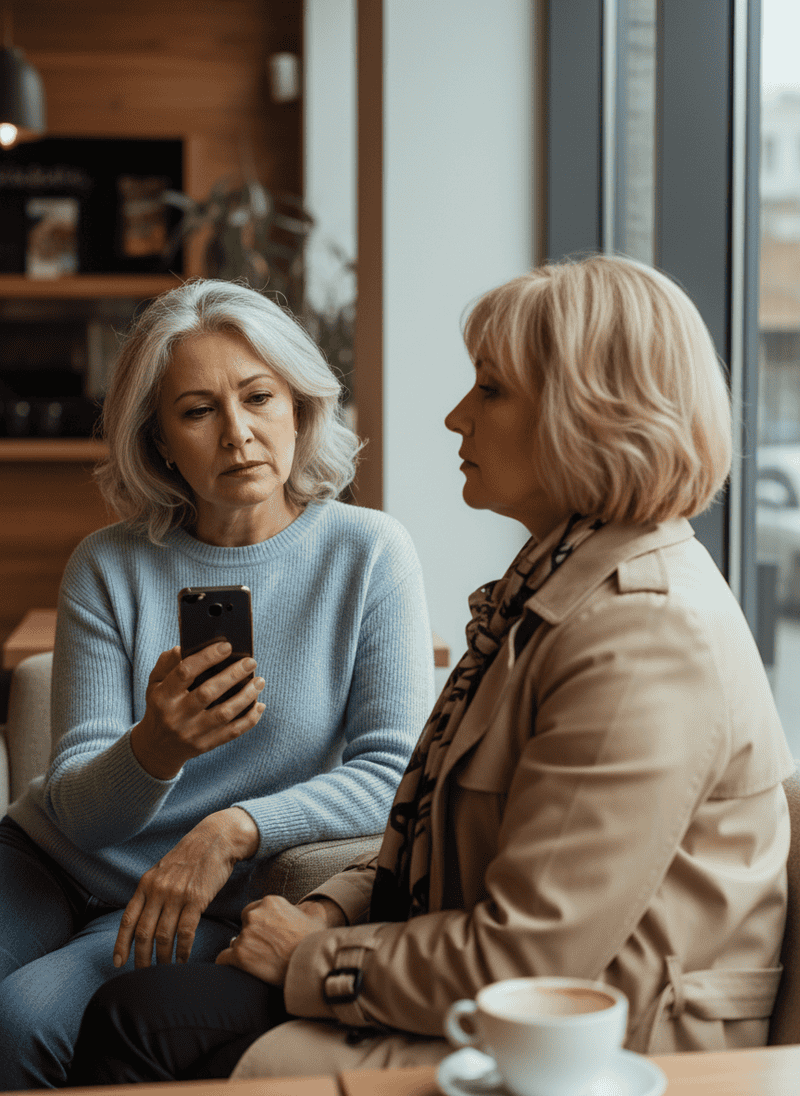
A healthy friendship is a two-way street, characterized by mutual effort in initiating contact and planning activities. When a friend is distancing herself, you’ll likely notice a striking absence of initiation from her side. You are consistently the one sending the first text, making the call, or suggesting a get-together. She rarely, if ever, reaches out to see how you’re doing, propose an activity, or simply check in.
This lack of initiation can make you feel like you are constantly chasing the friendship. It can lead to self-doubt, wondering if you are being too pushy or if she only connects out of obligation. The dynamic shifts from an easy back-and-forth to a constant uphill battle where you are always expending energy to keep the connection alive. This imbalance is a critical red flag, as it reveals where her priorities truly lie.
In the context of friendships over 50, many women have established routines and a network of relationships. While busy lives are normal, a true friend will make an effort to include you in her life, just as you do for her. If she stops initiating contact, it’s a strong signal that her desire to invest in your friendship has diminished, or that she no longer considers it a primary connection.
Reflect on the history of your friendship. Was she always the one to reach out, or was there a healthy balance? If her previous pattern was one of active engagement and initiation, her current passivity is even more telling. This passive withdrawal, where she waits for you to make all the moves, is a clear way she might be subtly trying to create distance without having to explicitly end the friendship.
4. Conversations Feel Superficial

When a friend is emotionally distancing herself, even when you do connect, the quality of your conversations often changes dramatically. What once were deep, meaningful discussions about life, dreams, fears, and personal challenges now feel superficial and constrained. You might find yourselves sticking to safe, surface-level topics like the weather, current events, or mundane daily tasks, avoiding any talk that delves into personal feelings or significant life events.
This shift is noticeable because the intimacy is gone. She might avoid eye contact or change the subject quickly if you try to bring up something more personal. The easy flow of conversation that characterized your bond is replaced by an awkwardness, a sense that she’s holding back, or that she’s simply going through the motions. You might feel like you’re talking to an acquaintance rather than a close confidante.
For friendships that have matured over decades, this loss of depth can be particularly painful. Women over 50 often value authentic connections and shared vulnerabilities. When a friend who once opened up to you suddenly becomes guarded, it signals a significant withdrawal. She might offer brief, non-committal answers to personal questions, or actively steer the conversation away from anything too revealing about her own life or feelings.
This superficiality extends beyond just avoiding sensitive topics. It also means she might not ask about your deeper experiences or feelings, even when significant things are happening in your life. The reciprocal sharing that defines true friendship diminishes, leaving you feeling unheard and disconnected, despite being in her presence. It’s a sign that she’s not willing to invest the emotional energy required for a deeper connection.
5. She Seems Preoccupied During Interactions
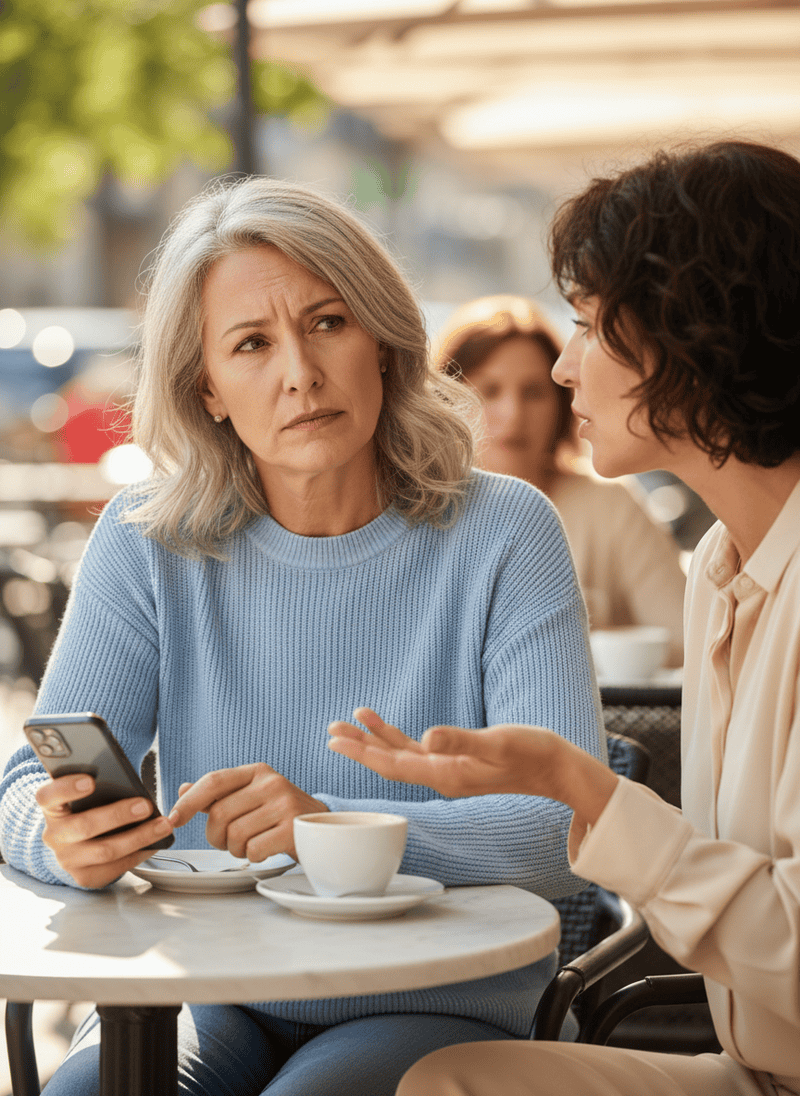
When you do manage to spend time together, a distancing friend might appear physically present but mentally elsewhere. She might seem preoccupied, distracted, or simply not fully engaged in your conversation or shared activity. This can manifest in several ways: she might be constantly checking her phone, looking around the room, or her eyes might glaze over as you speak, indicating her mind is wandering.
This lack of presence can make you feel unheard and unimportant. You might find yourself repeating things or trying harder to capture her attention, only to be met with a vague nod or a delayed, half-hearted response. It’s as if there’s an invisible wall between you, preventing genuine connection. The comfortable, focused attention you once received is noticeably absent, replaced by a sense of her disinterest.
For women over 50, busy lives and responsibilities are common, but a friend who values your company will typically make an effort to be present when you’re together. When she consistently seems distracted, it suggests that your time together is not her priority, or that she’s not deriving the same satisfaction from the interaction as she once did. This isn’t just about occasional distraction; it’s a consistent pattern of disengagement.
This preoccupation often hints at deeper issues, either with her personal life or with her feelings about the friendship itself. Regardless of the cause, her inability or unwillingness to be fully present sends a clear message that she’s emotionally withdrawing. It creates a barrier to intimacy and prevents any meaningful re-engagement, leaving you feeling frustrated and overlooked.
6. She Stops Sharing Personal Updates

A hallmark of close friendship is the willingness to share personal news, joys, struggles, and everyday details of one’s life. If a friend is distancing herself, you’ll likely notice a significant reduction, or complete cessation, of her sharing these personal updates with you. This means you might no longer hear about her family’s latest news, her professional challenges, her health concerns, or even her weekend plans, unless you specifically ask.
What’s more telling is that when you do ask, her answers might be brief, vague, or deflective, offering minimal information without the usual context or emotional insight. She might talk about superficial aspects of her life but avoid anything that requires vulnerability or deeper discussion. This shift indicates she no longer trusts you with her inner world, or perhaps, no longer feels the need to confide in you.
For women over 50, who often cherish deep, long-standing friendships, this withholding of personal information is a stark contrast to the intimacy built over years. It’s not merely forgetting to mention something; it’s a deliberate pattern of keeping you at arm’s length. You might feel increasingly out of the loop, realizing you’re learning important details about her life from other sources, or not at all.
This lack of sharing is a powerful sign of emotional withdrawal. It signifies a breakdown in trust or a redefinition of your role in her life. When a friend stops sharing her authentic self with you, it’s a clear indication that the nature of your bond is changing, and often, not for the better. The absence of shared vulnerability creates a void where connection once thrived.
7. You Hear News About Her from Others

A particularly painful sign that a friend is distancing herself is when you begin to hear significant news or updates about her life from mutual acquaintances, social media, or even strangers, rather than directly from her. This could be anything from a major life event like a new job, a significant health update, family news, or even details about her new hobbies or travel plans. The fact that she’s sharing these things with others, or making them public, but not informing you personally, is deeply telling.
This phenomenon highlights your shifted status in her inner circle. Where you once might have been among the first to know, you are now an outsider, learning secondhand. This can create a sense of betrayal and exclusion, making you question your place in her life. It’s not just that she’s not telling you, but that she’s choosing to share with others, implying that those relationships now hold more importance or intimacy for her.
In established friendships over 50, where bonds are often built on decades of shared history and direct communication, this can be a very clear and hurtful sign of disengagement. It demonstrates a lack of consideration and respect for your friendship, as well as a deliberate choice to exclude you from direct updates about her life. It’s a passive but powerful way of signaling that you are no longer a priority for receiving her personal news.
This situation often leads to awkward encounters where you have to pretend you already know, or worse, have to confront her about why you weren’t told directly. Neither scenario is comfortable and both underscore the growing chasm between you. It’s a clear indicator that she’s redrawing the boundaries of her personal disclosures, and you are now on the outside of those intimate circles.
8. Her Body Language is Closed Off

Even if your friend is physically present, her body language can reveal a lot about her emotional distance. Pay attention to subtle cues: she might consistently position herself away from you, keep her arms crossed, avoid eye contact, or offer minimal physical touch (like a brief hug). These non-verbal signals are often subconscious but speak volumes about her comfort level and willingness to engage.
When a friend is open and engaged, her body language typically mirrors yours – she leans in, maintains eye contact, smiles, and uses open gestures. A friend who is distancing herself, however, might appear stiff, withdrawn, or defensive. She might fidget, look bored, or even seem eager to end the interaction. This non-verbal communication can be particularly painful because it’s so visceral and often difficult to confront directly.
For friendships that have matured over years, this shift can be perplexing. You might recall times when your friend was warm, expressive, and physically affectionate. Now, her physical demeanor might feel cold or distant, creating an invisible barrier between you. This isn’t always a conscious choice, but it reflects an underlying emotional state of disengagement or discomfort with the closeness you once shared.
Observing these non-verbal cues is crucial because they often precede or accompany verbal distancing. If her words are polite but her body language screams ‘keep away,’ trust what you see. It’s a powerful indicator that she’s not emotionally available to you in the same way, and that the intimacy of your friendship has diminished. This silent communication can be more telling than any excuse she might offer.
9. She Makes Excuses for Not Meeting

While ‘declining invitations’ covers the act, ‘making excuses’ delves into the *why* and the *how*. A friend who is distancing herself will often become a master of plausible excuses for why she can’t meet up. These aren’t just one-off instances but a consistent pattern where every suggestion is met with a reason she can’t make it, often without genuine regret or an attempt to reschedule.
The excuses might become increasingly vague, intricate, or even seem contradictory over time. You might hear about sudden illnesses, unexpected prior engagements, overwhelming workloads, or family obligations that always seem to coincide with your availability. What’s often missing is a sense of wanting to find a solution or a genuine desire to make it work at another time. It’s the ‘no’ without the ‘but maybe next week’ or ‘how about this instead?’
For women over 50, life can indeed throw curveballs, from health issues to family commitments. However, a friend who values the connection will typically be transparent about her schedule and will try to find a way to connect, even if it means a shorter, different kind of interaction. When the excuses are continuous and accompanied by no effort to propose an alternative, it signals a deeper reluctance to engage with you.
This pattern of consistently making excuses is a subtle but effective way to create distance without a direct confrontation. It allows her to avoid the awkwardness of saying she doesn’t want to spend time with you while still effectively achieving that outcome. It leaves you feeling repeatedly rejected and eventually, you might stop trying altogether, which is often the silent goal of such behavior.
10. You’re No Longer Her Confidante

A significant and often painful sign of a friend distancing herself is the realization that you are no longer her confidante. In a close friendship, especially one that has spanned years or decades past 50, sharing secrets, fears, dreams, and vulnerabilities is fundamental. If she stops entrusting you with her deepest thoughts, struggles, or major life decisions, it’s a strong indicator that the emotional intimacy of your bond has eroded.
This shift isn’t always overt; she might still engage in pleasant conversation, but the deeper, more vulnerable disclosures cease. You might notice she talks about sensitive topics with others, or that you only hear about her significant challenges long after they’ve passed, and usually from a third party. When you try to broach personal subjects, she might become evasive, change the topic, or offer only superficial details, clearly indicating she’s not willing to open up to you as she once did.
For women over 50, who often seek deep and authentic connections, losing the role of confidante can be particularly disheartening. It signifies a fundamental change in the nature of your relationship, moving from a sacred space of trust and mutual support to something much less profound. It means she no longer sees you as the safe harbor for her emotional truths.
The absence of shared confidences breaks down the core of a deep friendship. It creates a barrier that prevents you from understanding her life truly, and likewise, prevents her from seeking your unique empathy and advice. This is a clear sign that the emotional pillars of your friendship are crumbling, as trust and vulnerability are essential for sustaining a close bond.
11. She Spends More Time with New Friends

It’s natural for people to make new friends at any stage of life, and friendships can expand. However, a concerning sign of distancing is when your friend consistently prioritizes spending time with new acquaintances or a new group of friends over you, without attempting to integrate you or balance her time. You might notice her social media filled with pictures of her with a new clique, or you might hear from others about her adventures with these new people.
This isn’t just about her having new connections; it’s about the apparent lack of desire to include you or to maintain the same level of investment in your long-standing friendship. She might be making excuses to decline your invitations while simultaneously making ample time for her newer circle. This can feel like a direct replacement or a clear shift in her social priorities, leaving you feeling left out and supplanted.
For women over 50, new life stages like retirement, moving to a new community, or pursuing new hobbies can naturally lead to new friendships. However, a true friend will typically try to weave old friends into her new life, or at least maintain communication and shared activities. When she consistently chooses new friends over you, it’s a strong indicator that her emotional investment has shifted.
This situation can be particularly painful because it’s a visible manifestation of her distancing. Seeing her thrive and connect with others while excluding you highlights the growing chasm in your own friendship. It suggests that her interests and needs are now being met elsewhere, and she no longer feels the same pull to maintain the unique bond you once shared.
12. You Feel Left Out of Group Activities

If you share a mutual friend group, a clear sign of distancing is when you start to feel consistently left out of group activities or gatherings, especially those that your friend is organizing or heavily involved in. While it’s possible for occasional oversight, a pattern of exclusion, where others are invited but you are not, is a strong indicator that your friend is deliberately creating space.
You might find yourself hearing about plans after they’ve happened, or realizing that invitations for certain events simply never reached you. This isn’t just a communication error; it’s a subtle but powerful way to reduce your presence in her social sphere. She might not overtly tell the group to exclude you, but her actions (or inactions) contribute to you being sidelined.
For friendships over 50, where social circles are often well-established, this kind of exclusion can be deeply hurtful. It undermines your sense of belonging within a broader community you might have shared for years. It forces you to confront the reality that your friend’s influence, or her personal choice, is leading to your isolation within a shared social context.
This situation can be particularly confusing because it often happens indirectly. You might wonder if it’s the whole group, or just your distancing friend’s doing. However, if she is consistently present at these events you’re not invited to, or if she simply doesn’t advocate for your inclusion, it highlights her passive, or active, role in pushing you away. This exclusion is a clear signal that she no longer sees you as an integral part of her social life.
13. She Doesn’t Acknowledge Milestones

A key component of close friendships is mutual celebration and support during life’s significant moments. If your friend begins to consistently overlook or minimally acknowledge your milestones – whether it’s a birthday, an anniversary, a career achievement, a grandchild’s birth, or a personal triumph – it’s a poignant sign she is distancing herself. Her engagement moves from heartfelt celebration to a perfunctory nod, or even complete silence.
This isn’t about forgetting a single date; it’s about a pattern of disinterest in your personal joys and achievements. She might offer a generic ‘Happy Birthday’ text days later, or not mention an event you shared with her, while actively celebrating similar milestones for others. The warmth and genuine enthusiasm that once accompanied her recognition of your special moments are noticeably absent.
For friendships cultivated over decades, particularly for women over 50, these milestones often carry a rich history of shared memories and experiences. When a friend stops acknowledging these significant events, it feels like she’s erasing parts of your shared past and present importance in her life. It suggests a lack of care and emotional investment that is deeply hurtful.
Her failure to acknowledge your successes or important life events can make you feel unvalued and invisible. It’s a silent but powerful way for her to communicate that your life, and your accomplishments, no longer hold the same significance to her. This distancing tactic removes an essential pillar of mutual support and celebration that defines a healthy, close friendship.
14. She Becomes Less Responsive to Messages

Beyond just reduced communication frequency, a specific sign of a distancing friend is a noticeable decrease in her responsiveness to your messages, across all platforms. This means texts take longer and longer to be answered, phone calls go to voicemail and are not returned, and emails sit in her inbox for days or weeks without a reply. When she does respond, the message might be terse, uninformative, or delay-filled, lacking the immediacy and warmth you once shared.
This pattern of unresponsiveness isn’t just about being busy; it’s a consistent behavior that suggests you are no longer a priority in her communication queue. While everyone gets overwhelmed sometimes, a true friend will usually offer an explanation for delays or make an effort to circle back. When there’s no such effort, and the pattern persists, it points to a deliberate withdrawal.
For women over 50, who grew up valuing direct and timely communication, this shift can feel particularly isolating. It leaves you in limbo, constantly wondering if your message was received, if she’s upset, or if she simply doesn’t care enough to reply. This ambiguity itself is a form of distancing, creating anxiety and uncertainty in the friendship.
This lack of responsiveness is a passive-aggressive way of creating distance without having to explicitly state it. It forces you to reduce your own attempts to connect, as you become tired of the one-sided effort. Ultimately, her consistent unresponsiveness signals that she’s no longer willing to put in the basic effort required to maintain a communicative and present friendship.
15. You Notice a Shift in Her Priorities

As we age, priorities naturally shift, but if a friend is distancing herself, you’ll observe a change where your friendship no longer seems to factor into her top concerns. Her new priorities might revolve entirely around a new partner, different family commitments, an intense new hobby, or a new social circle, to the exclusion of your long-standing bond. It’s not just that she’s busy, but that your connection seems to have been deprioritized entirely.
This shift manifests in her choices: she consistently chooses other activities or people over spending time with you, or she makes plans without considering how it might impact your existing traditions or shared time. You might feel like an afterthought, or as if you’re competing for her attention with these new interests, and losing. This isn’t about evolving interests, but about the specific exclusion of your friendship from her evolving life landscape.
For women over 50, major life transitions like retirement, empty-nest syndrome, or changes in health can indeed bring new priorities. However, a friend committed to the bond will typically communicate these shifts and try to adapt the friendship, not discard it. When her new priorities completely sideline your friendship without explanation or effort to maintain connection, it’s a stark indicator of distancing.
Recognizing this shift in priorities can be painful, as it often means acknowledging that your friendship no longer holds the same importance to her. It’s a clear sign that she’s moving in a different direction, and your shared path is diverging, potentially leaving you behind. This reassessment of her life’s values has inadvertently, or intentionally, placed your friendship lower on her list.
16. She Doesn’t Offer Support in Difficult Times
A cornerstone of true friendship is mutual support, especially during difficult times. If a friend is distancing herself, you might notice a stark absence of her support when you are facing challenges. This could be anything from a personal loss, health issues, family struggles, or career setbacks. Instead of offering comfort, a listening ear, or practical help, she might be conspicuously absent, offer superficial platitudes, or simply avoid the topic altogether.
This lack of support feels like a profound betrayal because it’s during our hardest moments that we most lean on our closest friends. Her inability or unwillingness to be there for you when you need her most is a powerful indicator that the emotional contract of your friendship has been broken, or significantly weakened. The empathy and care that once defined your bond seem to have evaporated.
For women over 50, life often presents unique challenges, and having a supportive network is vital. When a long-time friend, who has likely been through many ups and downs with you, suddenly becomes unavailable during your distress, it’s a clear signal of withdrawal. It’s not just about her being busy; it’s about a lack of emotional presence and a failure to uphold the reciprocal nature of deep friendship.
This absence of support can leave you feeling abandoned and alone, compounding your difficulties. It forces you to re-evaluate the depth and reliability of the friendship. When a friend pulls back during your time of need, it’s one of the most painful and undeniable signs that she is actively distancing herself and no longer considers your well-being a priority in her life.
17. She Avoids One-on-One Situations

If a friend is distancing herself, she might go to great lengths to avoid one-on-one interactions, preferring only group settings or public events where deeper conversation is less likely. While she might still occasionally show up to a party or a shared gathering, any attempt to schedule a private coffee, lunch, or even a walk together is met with resistance, excuses, or simply ignored. This behavior suggests a discomfort with intimacy and direct personal connection.
This avoidance is telling because one-on-one time is often where the deepest bonds are forged and maintained. It allows for honest conversations, shared vulnerabilities, and focused attention. By sidestepping these opportunities, she’s actively preventing the kind of intimate interaction that defines a close friendship, signaling a preference for a more casual, less demanding relationship.
For friendships among women over 50, who often cherish the quiet moments of connection and personal sharing, this avoidance can feel particularly stark. It indicates that she no longer wishes to invest the emotional energy required for close, individual interaction. She might be comfortable being ‘friendly’ in a larger group but not ‘friends’ in the deep, personal sense you once shared.
Her avoidance of one-on-one situations is a clear strategy to maintain distance. It allows her to remain peripherally connected, avoiding direct confrontation, while simultaneously ensuring that the friendship doesn’t deepen or even stay at its previous level of intimacy. It’s a powerful, non-verbal statement about her desire to redefine the boundaries of your relationship.
18. There’s a General Sense of Awkwardness

When a friend is distancing herself, interactions can become tinged with an uncomfortable awkwardness that wasn’t there before. The easy flow of conversation, the comfortable silences, and the natural rhythm of your interactions begin to feel forced, stilted, or strained. You might find yourselves searching for topics to discuss, or experiencing long pauses where once there was effortless chatter.
This awkwardness stems from the unspoken tension and the emotional distance that has grown between you. She might be uncomfortable with the shift in the relationship, or simply find it challenging to maintain the pretense of closeness. This discomfort is often palpable, making both of you feel uneasy during your time together, which naturally discourages further interaction.
For women over 50, who have likely navigated many social dynamics, this sudden awkwardness in a long-standing friendship is a significant red flag. It indicates that the organic connection has been disrupted, and there’s an underlying issue that’s making genuine interaction difficult. This might be due to unresolved conflict, differing expectations, or simply a mutual, unspoken recognition that the friendship has changed.
The presence of this consistent awkwardness is often a sign that the emotional foundation of the friendship has weakened. It becomes an obstacle to reconnection, as neither party might feel comfortable enough to address the elephant in the room. This pervasive discomfort ultimately makes spending time together less enjoyable and reinforces the growing distance between you.
19. You Consistently Feel Unheard or Dismissed
A painful sign that a friend is distancing herself, particularly emotionally, is when you consistently feel unheard, dismissed, or invalidated during your interactions. When you share something important to you – whether it’s a joy, a concern, or a personal opinion – she might interrupt, change the subject, offer a perfunctory response, or simply not acknowledge what you’ve said. Your feelings and experiences seem to be met with indifference or a lack of genuine engagement.
This dismissal can be subtle. She might not overtly criticize you, but her actions communicate that your thoughts and feelings don’t hold the same weight or importance to her as they once did. This erosion of mutual respect and active listening is devastating to a close friendship. It leaves you feeling undervalued and questioning your own worth in the relationship.
For friendships among women over 50, where active listening and validation are often deeply cherished, this shift is profoundly impactful. It signifies a breakdown in the empathetic connection that allowed you to feel truly seen and understood by her. When a friend stops making an effort to truly hear you, it’s a clear indication of her emotional withdrawal and a lack of investment in your well-being.
Consistently feeling unheard or dismissed forces you to internalize your experiences, rather than sharing them openly. This unilateral emotional withdrawal on her part creates an insurmountable barrier to intimacy and prevents the reciprocal support that a healthy friendship thrives on. It’s a clear signal that the mutual respect and care, which are vital for a lasting bond, have diminished.
20. She Seems Annoyed or Irritated Easily

If your friend is distancing herself, you might notice a subtle or not-so-subtle increase in her irritability or annoyance towards you, or things you say and do. What once might have been endearing quirks or minor disagreements are now met with impatience, snapping, eye-rolling, or a general air of exasperation. Her tolerance for you seems to have significantly decreased, making interactions fraught with potential for tension.
This increased irritability can manifest in various ways: she might quickly become defensive, dismiss your opinions without consideration, or react disproportionately to minor issues. The easygoing nature of your past interactions is replaced by a sense of walking on eggshells, as you try to avoid triggering her annoyance. This constant tension makes spending time together stressful rather than enjoyable.
For friendships that have matured over years, this shift in temperament is a stark indicator of underlying issues. It suggests that her feelings towards you have changed, and she might be carrying unspoken resentment or simply no longer wishes to expend the emotional energy required to be patient or understanding with you. It’s a passive-aggressive way of pushing you away without direct confrontation.
This pattern of easily triggered annoyance often reflects her internal desire for distance. The irritation she expresses might be her subconscious way of creating discomfort that discourages you from seeking further engagement. Ultimately, her consistent display of irritation is a strong signal that she no longer finds joy or comfort in your presence and is actively, albeit subtly, trying to sever the deeper ties of the friendship.
21. Your Intuition Tells You Something is Off

Perhaps the most profound and often accurate sign that a friend is distancing herself is your own gut feeling, your intuition telling you that something is fundamentally off. Even if you can’t pinpoint specific actions, a pervasive sense of unease, sadness, or a nagging feeling that the dynamic has changed will often permeate your interactions. You simply *feel* that the connection isn’t what it once was.
This intuition is often a culmination of many subtle cues and shifts that you’ve noticed subconsciously – the fleeting glances, the changed tone of voice, the unspoken spaces between you. Your emotional intelligence picks up on these non-verbal signals and synthesizes them into an overarching feeling that the bond is weakening. It’s a deep-seated knowing that your friend is emotionally, if not physically, pulling away.
For women over 50, who have years of experience navigating relationships, this intuitive sense is often highly reliable. You’ve learned to trust your instincts about people and dynamics. When that internal alarm bell rings, suggesting a beloved friendship is faltering, it’s crucial to acknowledge it rather than dismiss it. Ignoring this feeling can prolong the pain and confusion.
Trusting your intuition allows you to begin processing what’s happening and to consider your next steps. This feeling isn’t about paranoia; it’s about recognizing the truth of the emotional landscape of your friendship. If your gut is telling you she’s distancing herself, it’s likely because her actions, however subtle, have been consistently communicating that message to you, even if she hasn’t said the words directly.


