
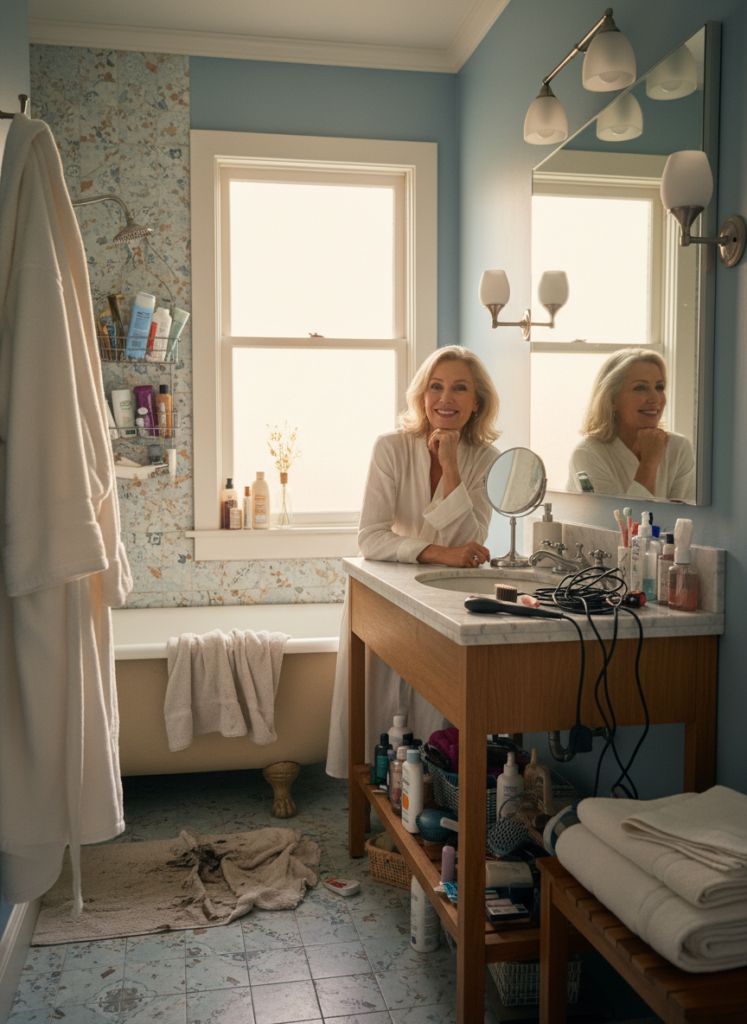
As we gracefully navigate life beyond 50, our homes, especially the bathroom, should evolve to meet our changing needs for comfort, safety, and tranquility. Many women later realize that overlooking certain aspects of their bathroom design or maintenance led to daily frustrations or even safety hazards they wish they'd addressed much sooner. It's never too late to transform your bathroom into a functional sanctuary.
1. Ignoring Inadequate Lighting for Safety and Comfort
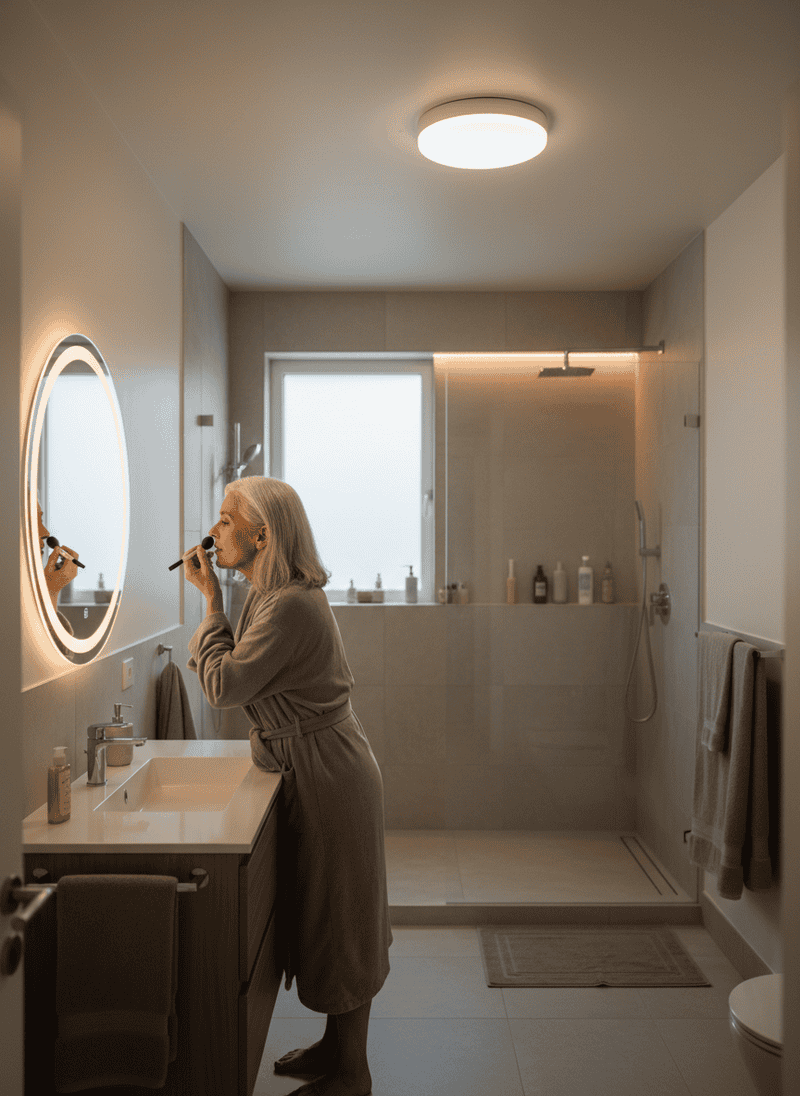
One of the most common oversights in bathroom design, regardless of age, but particularly crucial for women over 50, is insufficient lighting. Dim, poorly placed lighting not only makes grooming tasks like makeup application or shaving more challenging but also creates significant safety hazards. Shadows can obscure slippery surfaces or changes in floor levels, increasing the risk of falls, a critical concern as we age. Investing in proper illumination is about more than just aesthetics; it's about well-being.
Many bathrooms rely on a single overhead fixture, which often casts harsh shadows and fails to provide adequate light where it's most needed. The ideal solution involves a layered lighting approach. This means incorporating ambient lighting for general illumination, task lighting around the mirror for detailed grooming, and accent lighting to highlight architectural features or create a calming ambiance. Consider LED fixtures for their longevity and energy efficiency, and ensure bulbs offer a color temperature that is bright yet flattering, typically in the 3000K-4000K range.
Improving your bathroom lighting can be a straightforward upgrade that yields immediate benefits. Add sconces on either side of the mirror at eye level to eliminate shadows, install recessed lighting for overall brightness, and even consider motion-sensor nightlights for safe navigation after dark. This small change can dramatically enhance both the functionality and safety of your bathroom, making daily routines more pleasant and secure. Don't underestimate the power of good lighting to transform your space and your experience within it.
2. Delaying the Installation of Grab Bars
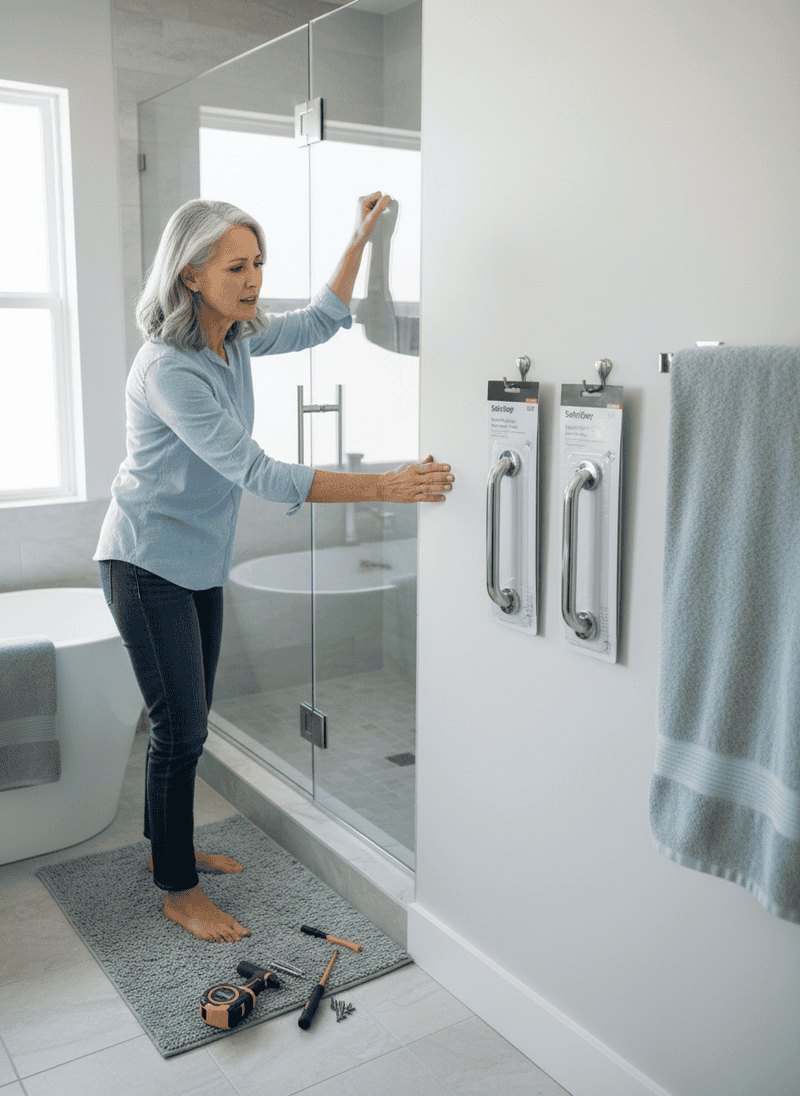
It's easy to dismiss grab bars as something only needed in later life, but many women over 50 regret not installing them sooner, viewing them as purely utilitarian rather than preventative safety measures. The reality is that slippery surfaces, changes in balance, and muscle stiffness can make getting in and out of the shower or using the toilet a precarious act long before significant mobility issues arise. Proactive installation can prevent accidents and provide immense peace of mind.
Modern grab bars are far from the institutional-looking fixtures of the past. Today's market offers a vast array of stylish options that seamlessly blend with existing bathroom decor, from sleek stainless steel to bronze and matte black finishes. They can even double as towel bars or toilet paper holders, integrating functionality with aesthetics. Strategic placement is key: consider vertical bars at the shower entry, horizontal bars inside the shower or tub, and a bar beside the toilet for added support.
Don't wait for a fall or near-miss to consider this essential upgrade. Installing grab bars when you're still agile allows you to choose exactly what you need without urgency and get accustomed to using them. It's a fundamental step towards creating a 'forever bathroom' that supports your independence and safety for years to come, making your daily routines feel secure and confident. Embrace them as an empowering design choice rather than a concession.
3. Underestimating the Dangers of Slippery Floors
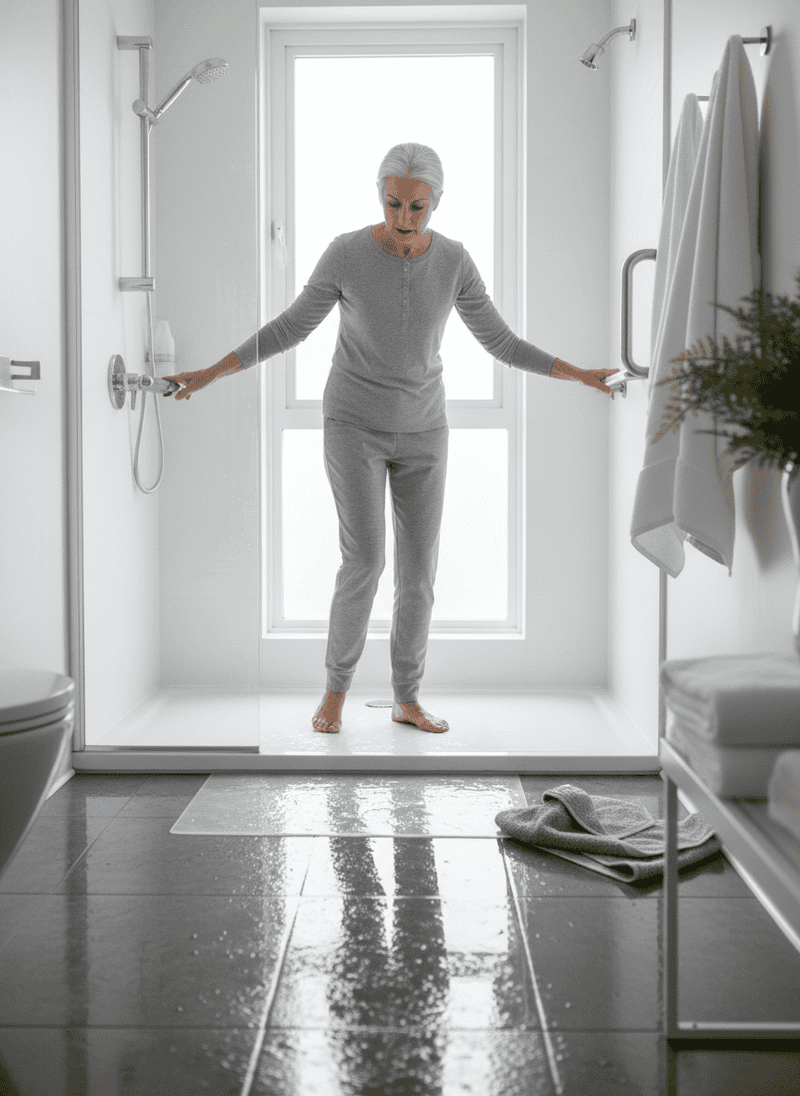
Slippery bathroom floors are a silent menace, and overlooking the materials used can lead to regret and dangerous falls. Many women over 50 realize too late that their beautiful, polished tile or un-anchored bath mats pose a significant risk, especially when wet. The cumulative effect of moisture from showers, splashes from sinks, and wet feet makes the bathroom a prime location for slips and trips, making floor safety a top priority for aging in place.
When renovating or even just updating your bathroom, prioritize flooring materials with a high coefficient of friction. Textured ceramic or porcelain tiles, especially those with a matte finish or small grout lines that provide more grip, are excellent choices. Natural stone, while elegant, can be very slippery when wet unless properly textured or treated. Even small rugs or bath mats, if not equipped with non-slip backing, can bunch up and become trip hazards rather than safety aids. Always opt for mats that firmly adhere to the floor.
If replacing your floor isn't an immediate option, there are still actionable steps you can take. Consider anti-slip treatments that can be applied to existing tiles to increase their grip. Ensure any bath mats you use have robust non-slip backings and are routinely cleaned to prevent soap residue buildup, which can also reduce traction. Regularly wiping up spills immediately and ensuring good ventilation to dry surfaces quickly are also crucial habits. Addressing slippery floors proactively is a simple yet profoundly impactful way to enhance your bathroom's safety profile.
4. Struggling with High Bathtub Ledges
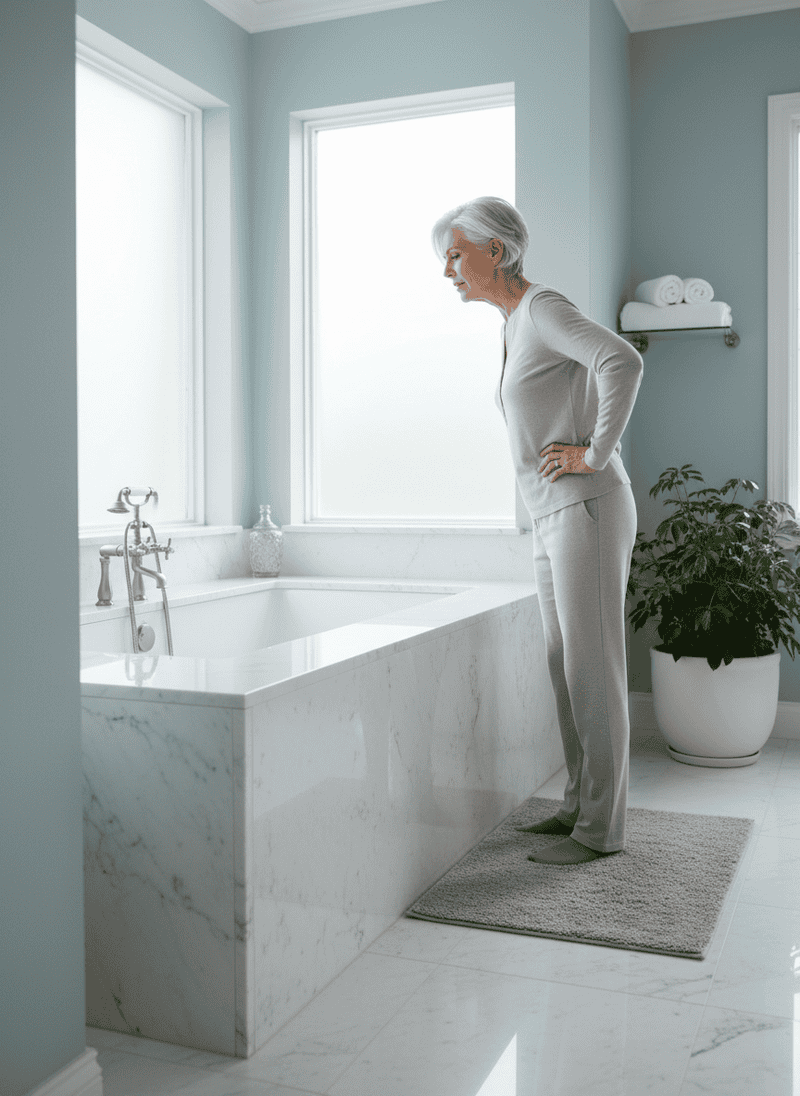
The seemingly innocuous high ledge of a traditional bathtub can become a significant barrier and safety risk as we age. Many women over 50 find themselves struggling to step over these tall sides, especially when wet or in a hurry, leading to discomfort, loss of balance, and increased fear of falling. This is a common regret, wishing they had opted for a more accessible solution sooner, transforming the bathing experience from relaxing to anxiety-inducing.
Traditional tubs, while aesthetically pleasing in many designs, often prioritize deep soaks over ease of entry and exit. For individuals seeking long-term comfort and safety, considering alternatives is crucial. A walk-in shower with a low or zero-threshold entry is often the preferred solution. This eliminates the need to step over any barrier, providing seamless access that is both safe and convenient. These showers can be spacious, stylish, and easily accommodate a bench or grab bars.
If a full renovation to a walk-in shower isn't feasible, there are other considerations. Some tubs offer lower profile designs, or you can explore tub-to-shower conversion kits that modify existing tubs to have a lower entry point. Even if you love baths, a walk-in tub with a watertight door offers the luxury of a soak without the high step, though these require careful installation. Prioritizing ease of access in your bathing area is an investment in your daily comfort, independence, and safety, making your bathroom a truly enjoyable space.
5. Dealing with Inaccessible Shower Controls
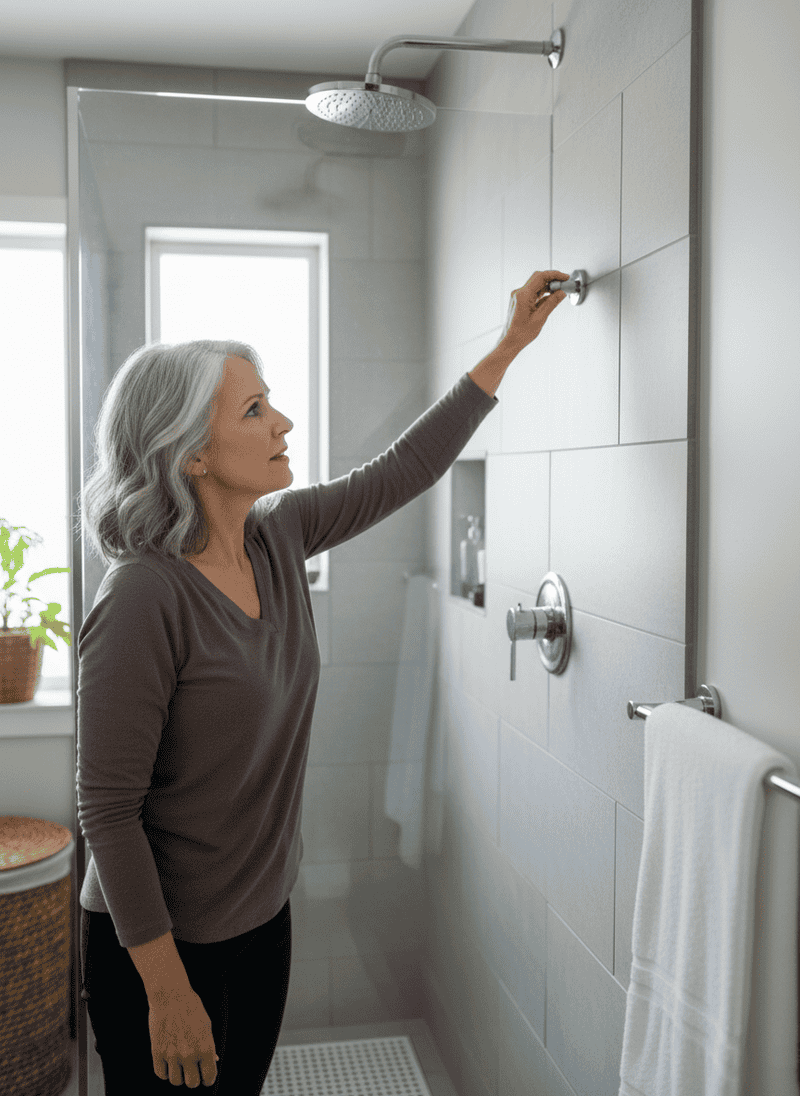
Shower controls that are difficult to reach, especially when turning on the water or adjusting temperature, are a source of daily frustration that many women over 50 wish they had addressed earlier. Reaching into a cold shower to turn it on, or struggling with stiff knobs while already inside, can be both uncomfortable and unsafe, particularly if balance is a concern. The placement and type of controls play a significant role in the overall showering experience and accessibility.
Traditional shower valve placement often assumes average height and mobility, but as flexibility changes, this can become a significant hurdle. Controls positioned opposite the showerhead, or too high or low on the wall, force awkward movements. Ideally, shower controls should be easily reachable from both inside and outside the shower area, allowing you to turn on the water and adjust the temperature before stepping in. Lever-style handles are generally easier to grip and operate than round knobs, especially for hands with arthritis.
When upgrading or renovating, consider moving shower controls to a more ergonomic height and position. Thermostatic shower valves are another excellent investment, allowing you to set a preferred temperature that remains constant, preventing sudden bursts of hot or cold water and eliminating the need for constant adjustments. Integrating a diverter that’s easy to operate between a fixed head and a handheld sprayer also adds convenience. Thoughtful placement of shower controls significantly enhances both the safety and luxury of your daily shower ritual, preventing daily annoyances from turning into safety issues.
6. Cramped and Inefficient Shower Space
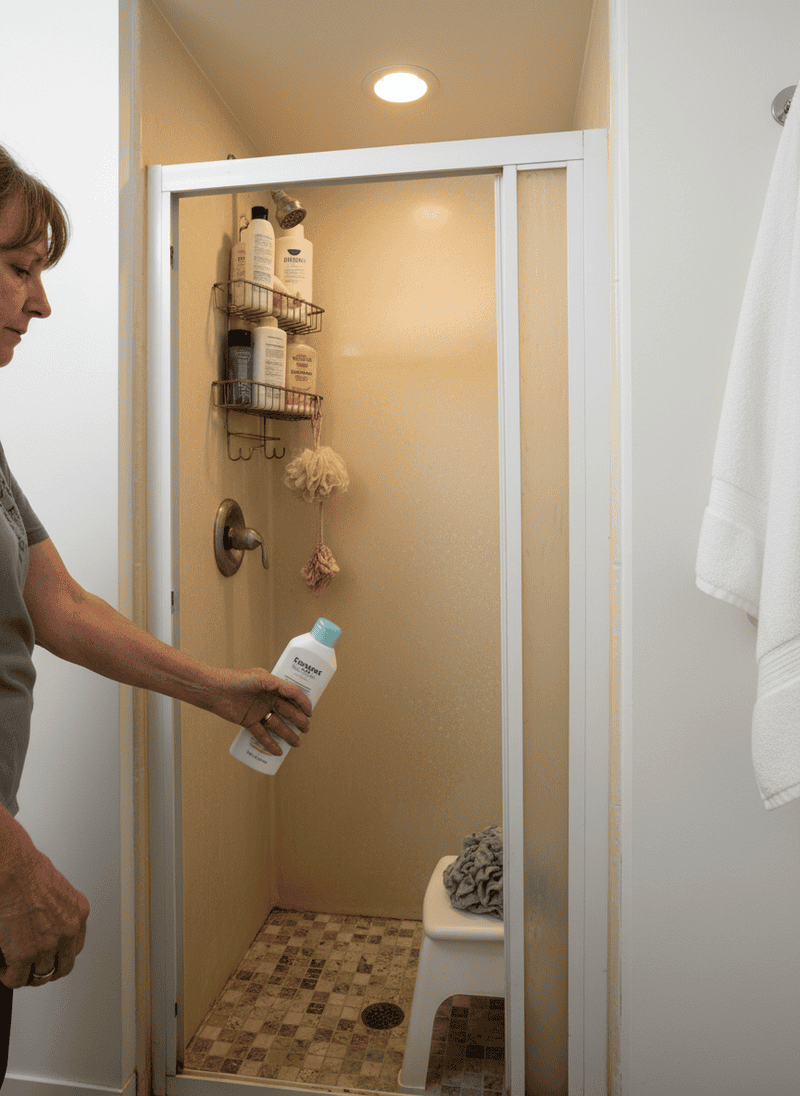
Many women over 50 find that a small, cramped shower space, once tolerable, becomes a significant daily annoyance. The struggle to maneuver, bend, or even just wash comfortably can turn what should be a refreshing experience into a frustrating one. The regret often stems from not prioritizing spaciousness and thoughtful design when the opportunity arose, leading to a bathroom that feels restrictive rather than rejuvenating.
An ideal shower isn't just about getting clean; it's about comfort and freedom of movement. A small shower can prevent the inclusion of helpful features like a built-in bench, which is invaluable for washing feet, shaving legs, or simply resting. It can also make it difficult to assist someone else, if ever needed, or to use a handheld showerhead effectively. The dimensions of your shower greatly impact its functionality and your overall satisfaction with the space.
If possible, expanding your shower footprint should be a priority during a renovation. If space is truly limited, clever design choices can still make a difference. Opt for a clear glass enclosure instead of a shower curtain to create an illusion of more space. Consider corner units or walk-in designs that maximize the available square footage. Built-in niches for toiletries free up valuable elbow room. Even if a full expansion isn't feasible, ensuring efficient storage and a thoughtful layout can make a cramped space feel more open and comfortable, preventing daily struggles in your personal sanctuary.
7. Living with an Outdated or Low-Height Toilet
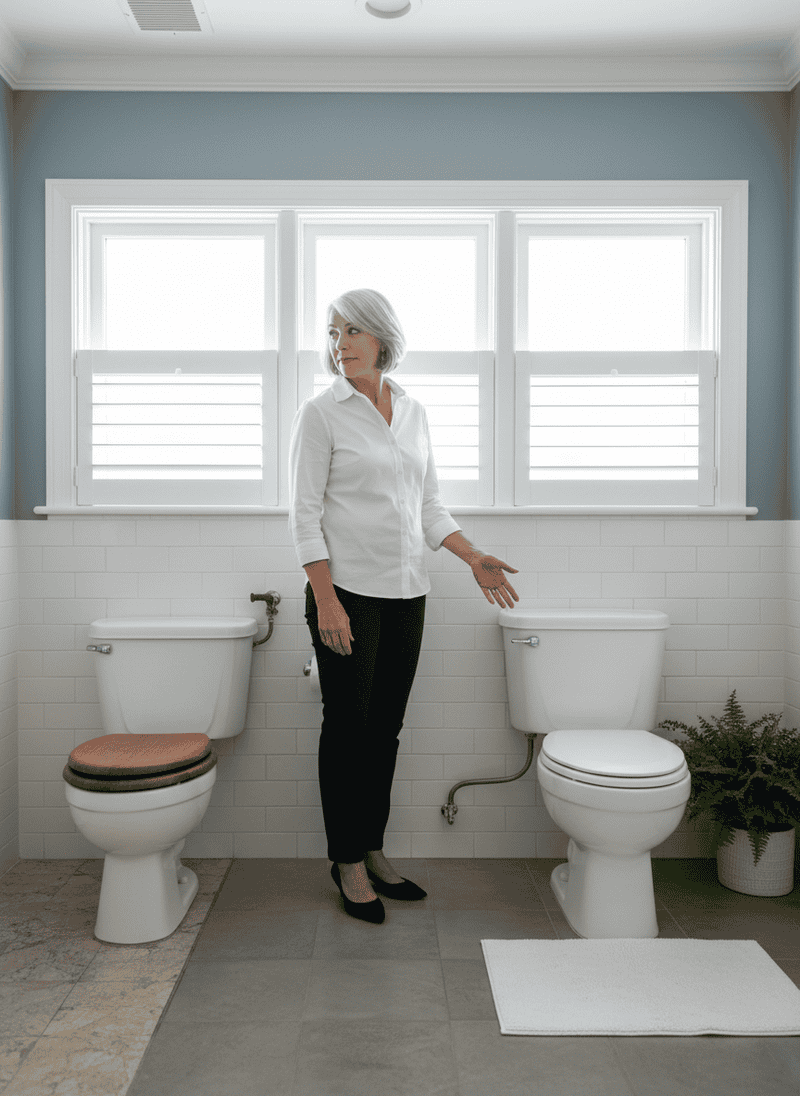
An often-overlooked but significant source of daily discomfort for women over 50 is an outdated or standard-height toilet. Many older homes come with toilets that are shorter than contemporary designs, requiring a deeper bend and greater effort to stand up, especially if experiencing joint stiffness, knee pain, or reduced mobility. This seemingly minor detail can contribute to daily strain and an overall feeling of a bathroom that doesn't fully support one's needs, leading to regret for not upgrading sooner.
Standard toilet heights typically range from 14 to 15 inches from the floor to the top of the bowl (excluding the seat). However, 'comfort height' or 'right height' toilets are designed to be about 17 to 19 inches tall, closely mimicking the height of a standard chair. This additional height significantly reduces the amount of bending required, making sitting down and standing up much easier and less strenuous on the knees and hips. It's a small change that can make a monumental difference in daily comfort and independence.
Upgrading to a comfort-height toilet is a relatively simple and affordable renovation that can greatly enhance the accessibility and functionality of your bathroom. When choosing a new toilet, also consider features like elongated bowls for added comfort, dual-flush options for water efficiency, and easy-to-clean surfaces. This upgrade isn't just about luxury; it's a practical investment in your long-term comfort and mobility, turning a source of subtle struggle into an effortless part of your daily routine. Don't let an outdated toilet diminish your bathroom experience.
8. Struggling with Limited Counter Space
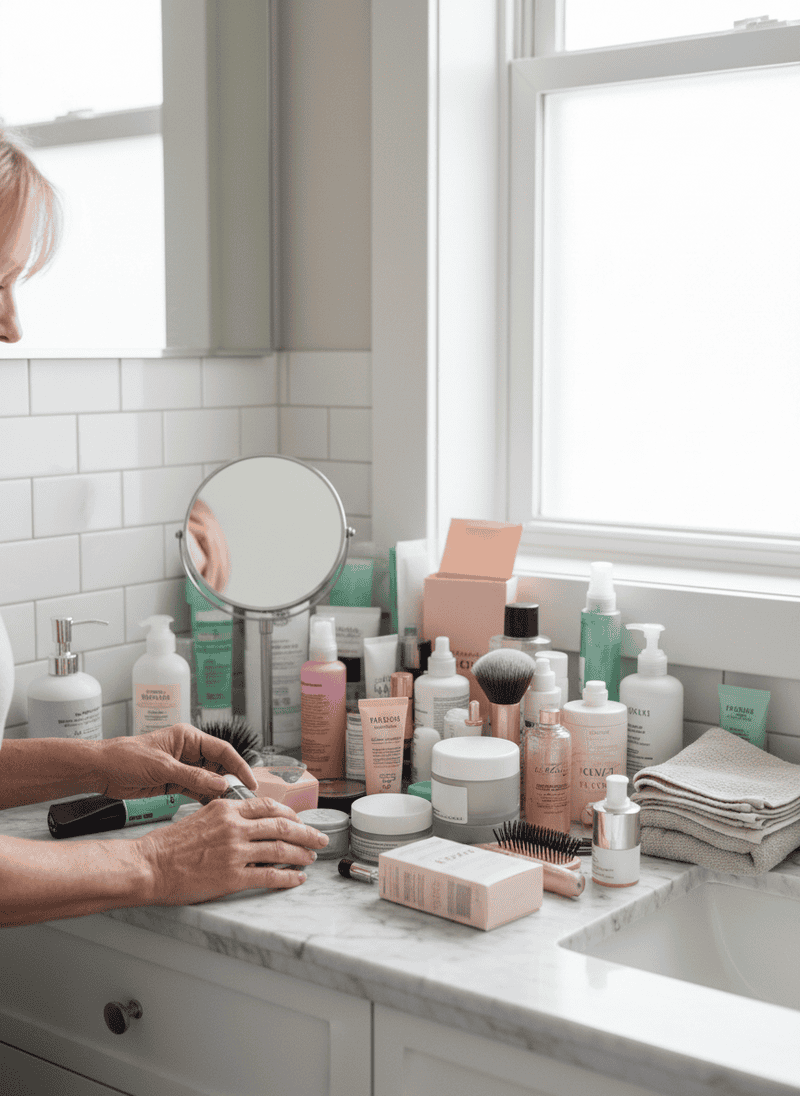
Limited counter space is a perpetual source of frustration in many bathrooms, and for women over 50, who may have more extensive skincare routines, medications, or grooming tools, this issue becomes even more pronounced. A cramped vanity often leads to clutter, disorganization, and a feeling of chaos rather than calm, making daily routines feel rushed and less enjoyable. Many regret not prioritizing ample counter space when designing or renovating their bathrooms.
When counter space is insufficient, items tend to spill over, leading to a visual mess and making it difficult to find what you need. This can also increase the risk of knocking over products or creating precarious stacks. A truly functional bathroom should offer enough clear surface area to comfortably lay out your essentials while performing tasks like makeup application, hair styling, or oral hygiene, without feeling squeezed or rushed.
Addressing limited counter space doesn't always require a full bathroom overhaul. If renovating, opt for a wider vanity with a generous countertop material that is durable and easy to clean, such as quartz or solid surface. If a full replacement isn't an option, creative solutions exist. Consider installing floating shelves above the toilet or next to the vanity for extra storage. Wall-mounted organizers, mirrored medicine cabinets with interior shelving, and even clear acrylic drawer organizers can help declutter and maximize the usable surface area. Making small changes can significantly enhance functionality and bring a sense of order to your daily routine, transforming a cramped space into an organized haven.
9. Insufficient and Disorganized Storage Solutions
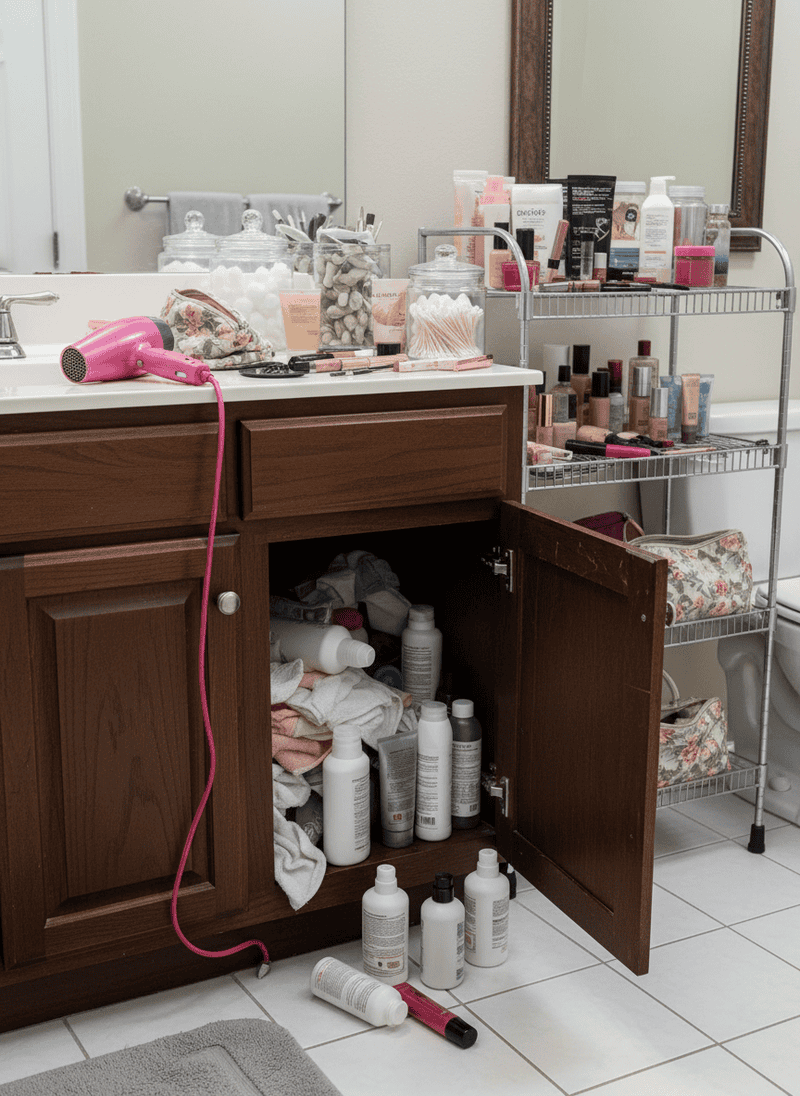
The regret of insufficient or poorly organized bathroom storage is a common lament among women over 50. Over time, we accumulate more toiletries, medications, linens, and personal care items, and a lack of dedicated, well-thought-out storage leads to clutter on countertops, in baskets, and overflowing drawers. This disorganization not only creates visual stress but also makes it difficult to find items when needed, diminishing the bathroom's functionality and peacefulness.
Many bathrooms are designed with minimal built-in storage, perhaps just a vanity cabinet and a medicine cabinet. However, a truly effective storage strategy for long-term living needs to be multi-faceted. It should accommodate everything from bulk toilet paper and cleaning supplies to delicate skincare products and often, an increasing array of medications. Simply having storage isn't enough; it needs to be intelligently organized to prevent a constant treasure hunt.
During a renovation, consider incorporating a linen closet if space allows, or installing taller vanity cabinets with deeper drawers. Wall-mounted shelving, recessed medicine cabinets with adjustable shelves, and even pull-out pantry-style cabinets can dramatically increase storage capacity. For existing bathrooms, invest in drawer dividers, clear bins, and over-the-door organizers to maximize every inch. Categorizing items and giving everything a designated spot not only reduces clutter but also creates a more serene and efficient bathroom environment, allowing you to easily access your essentials without fuss or frustration.
10. Neglecting Proper Ventilation and Air Quality
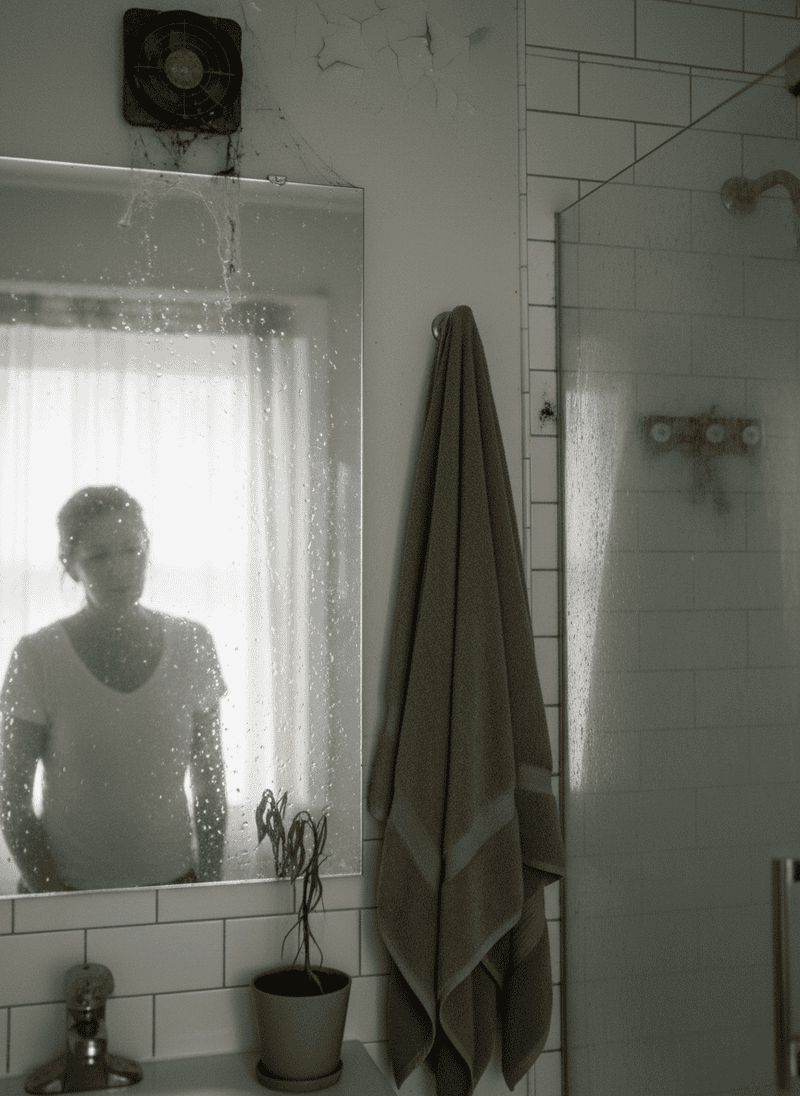
Many women over 50 regret overlooking the importance of proper bathroom ventilation, often realizing the oversight when dealing with persistent mold, mildew, lingering odors, or even structural damage. A bathroom without adequate airflow becomes a breeding ground for moisture-related problems, affecting not only the cleanliness and longevity of the space but also indoor air quality, which can impact respiratory health. This is a crucial, yet frequently forgotten, aspect of bathroom design and maintenance.
High humidity from showers and baths, when trapped, leads to steamy mirrors, peeling paint, warped cabinetry, and the unwelcome growth of black mold and mildew in grout lines and corners. These issues are not only unsightly but can also trigger allergies and respiratory sensitivities. An improperly sized or non-functional exhaust fan is often the culprit, failing to effectively remove humid air from the room.
Ensure your bathroom has a powerful, quiet exhaust fan that is properly vented to the outside, not just into the attic. The fan's capacity (measured in Cubic Feet per Minute, or CFM) should be appropriate for your bathroom's size – generally, 1 CFM per square foot of bathroom area, with a minimum of 50 CFM. Regularly clean the fan grilles to maintain efficiency. Consider installing a fan with a timer or humidity sensor, so it automatically turns on and off as needed. Good ventilation is an investment in the health of your home and yourself, preserving your bathroom's beauty and ensuring a fresh, clean environment free from moisture-related woes.
11. Living with Cold and Uninviting Floors
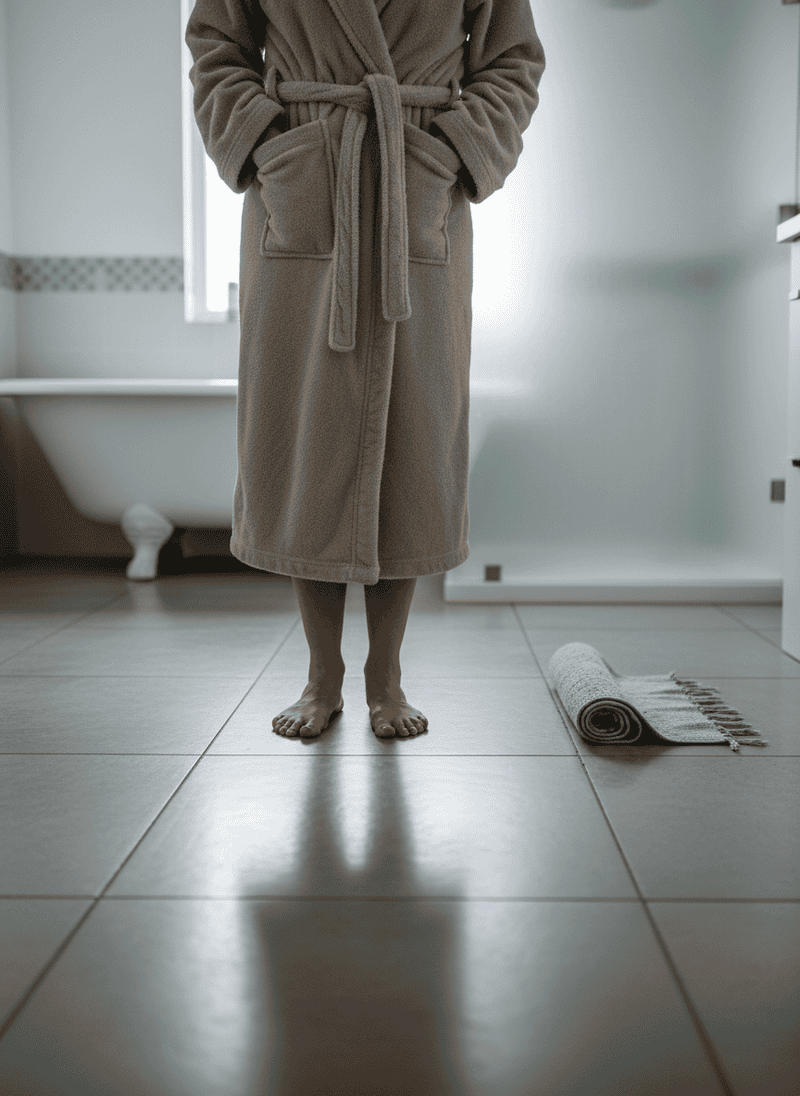
Stepping onto a cold bathroom floor, especially on a chilly morning, is an unwelcome jolt that many women over 50 wish they had eliminated sooner. This daily discomfort can make the bathroom feel less like a sanctuary and more like a dreaded necessity, particularly for those with joint stiffness or poor circulation. The regret often comes from not investing in warmer flooring solutions during renovations, opting for aesthetics or cost savings over crucial comfort.
Traditional tile and stone, while durable and water-resistant, are notorious for retaining cold temperatures, making them less inviting. While a thick bath mat can provide temporary relief in front of the vanity or shower, it doesn't address the overall chill of the room and can even become a tripping hazard if not properly secured. The ideal solution for truly comfortable bathroom floors integrates warmth into the foundation of the space.
Radiant floor heating, also known as underfloor heating, is a game-changer for bathroom comfort. These systems involve heating coils or mats installed beneath the flooring material, providing gentle, even warmth across the entire floor surface. It's a luxurious upgrade that significantly enhances the bathroom experience, making it feel cozy and inviting year-round. While it's best installed during a renovation, it's an investment that pays dividends in daily comfort and makes your bathroom a truly enjoyable space, transforming a cold start to your day into a warm embrace.
12. Tolerating Harsh or Weak Water Pressure
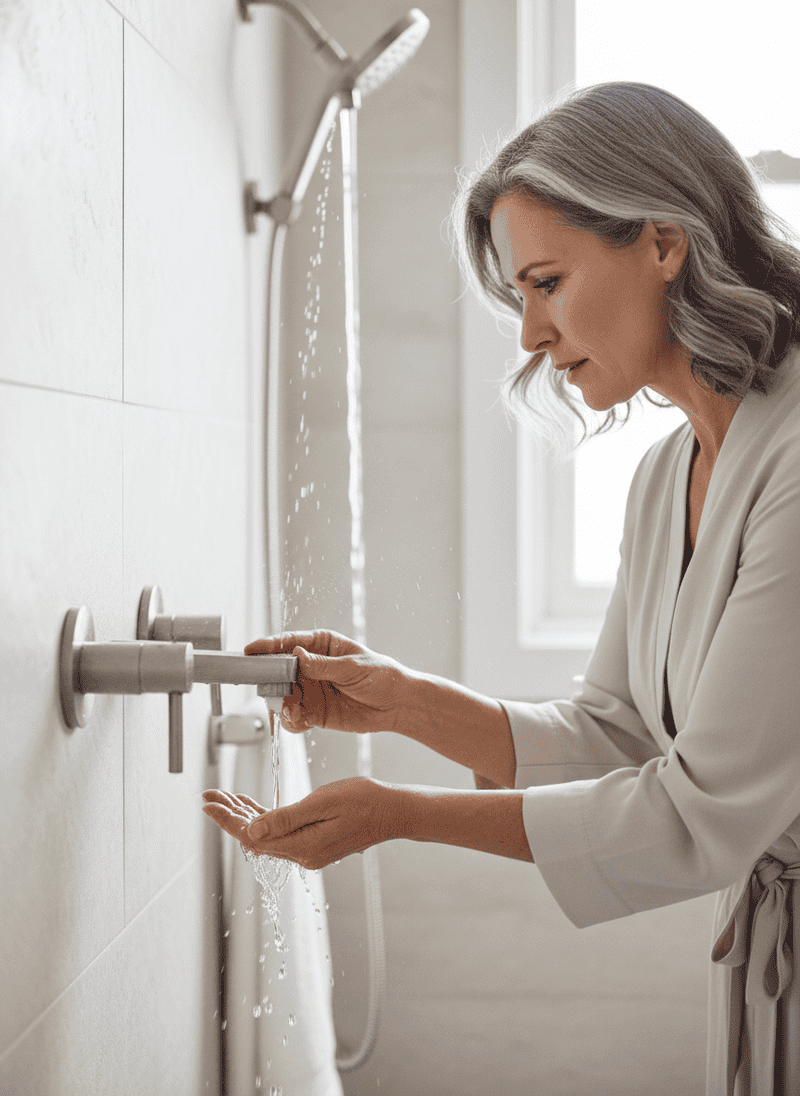
The daily ritual of showering should be a refreshing and invigorating experience, but for many women over 50, it's marred by either harsh, blasting water pressure or a weak, trickling stream. This common bathroom mistake, often inherited with an older home or neglected plumbing, leads to frustration and a less-than-satisfying clean. Many regret not addressing water pressure issues sooner, realizing the profound impact it has on daily comfort and the overall luxury of their bathroom.
Harsh water pressure can feel abrasive on sensitive skin and can even cause plumbing issues over time, leading to leaks or increased wear on fixtures. Conversely, weak water pressure makes rinsing shampoo and conditioner difficult and prolonged, extending shower times and wasting water. Neither extreme contributes to a relaxing and efficient bathing experience. The ideal is a balanced, consistent flow that provides effective rinsing without discomfort.
Addressing water pressure can involve several steps. If pressure is too high, a pressure-reducing valve can be installed on your main water line. For low pressure, the issue might be mineral buildup in showerheads (easily cleaned or replaced), older narrow pipes that restrict flow, or issues with your home's main water supply. Consulting a plumber is often the best course of action to diagnose and resolve persistent problems. Upgrading to a quality showerhead with various spray settings can also significantly improve the experience. Investing in proper water pressure transforms your shower from a chore into a truly spa-like, enjoyable moment, a small change with a big impact on daily well-being.
13. Neglecting Effective Mirror Lighting for Grooming
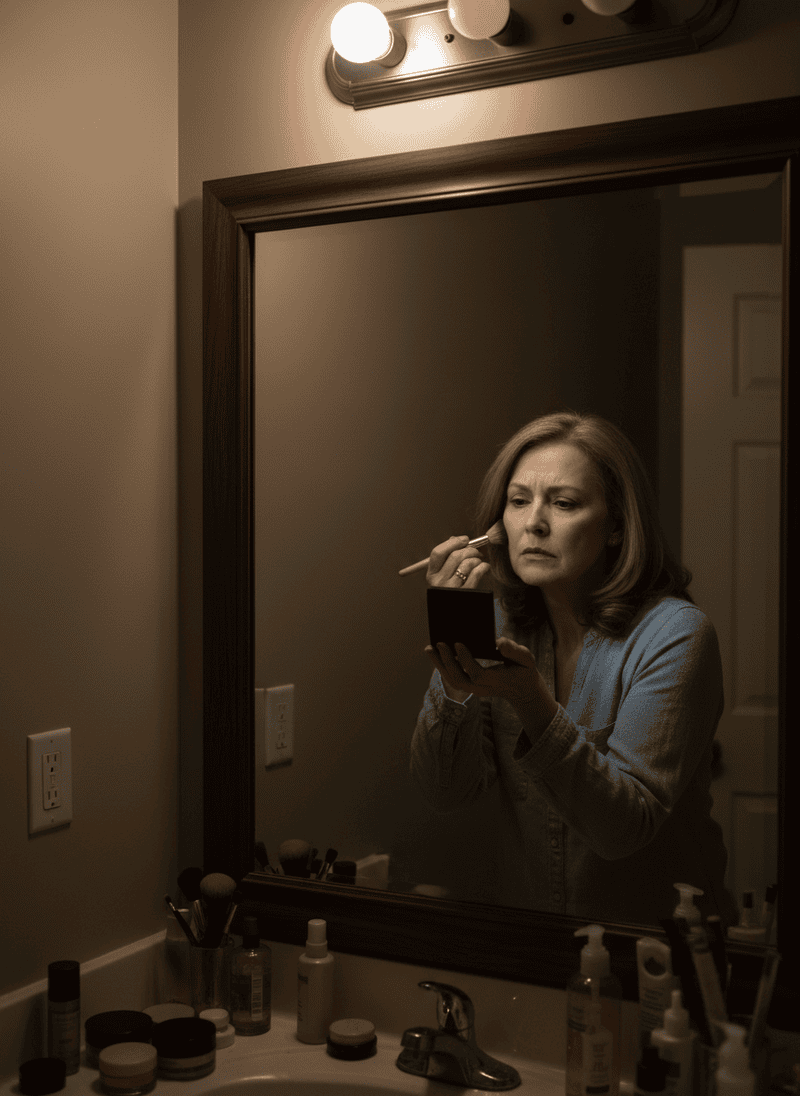
Poor lighting around the bathroom mirror is a mistake many women over 50 endure daily, regretting not fixing it sooner. Inadequate or improperly placed mirror lighting creates shadows that make tasks like applying makeup, styling hair, or even simply inspecting one's face difficult and frustrating. Relying on a single overhead light often casts harsh shadows under the chin and eyes, distorting appearances and leading to less-than-perfect grooming results.
The goal of mirror lighting is to provide even, shadow-free illumination that accurately reflects your appearance. Sconces placed on either side of the mirror at eye level are ideal, as they provide cross-illumination that minimizes shadows. If side lighting isn't feasible, a fixture mounted above the mirror that casts light downwards and forwards can also work, provided it's powerful enough and well-positioned. The type of bulb also matters: choose bulbs with a high Color Rendering Index (CRI) of 90+ for accurate color representation, essential for makeup application.
Upgrading your mirror lighting can dramatically improve your daily routine. Consider LED mirror designs that have integrated, adjustable lighting, or simply replace outdated fixtures with new ones that provide better illumination. Dimmers are a fantastic addition, allowing you to adjust the brightness for different tasks or to create a more relaxed ambiance. Investing in quality mirror lighting is an investment in your confidence and daily comfort, ensuring you always put your best face forward without the struggle of poor visibility.
14. Omitting a Comfortable Seating Option
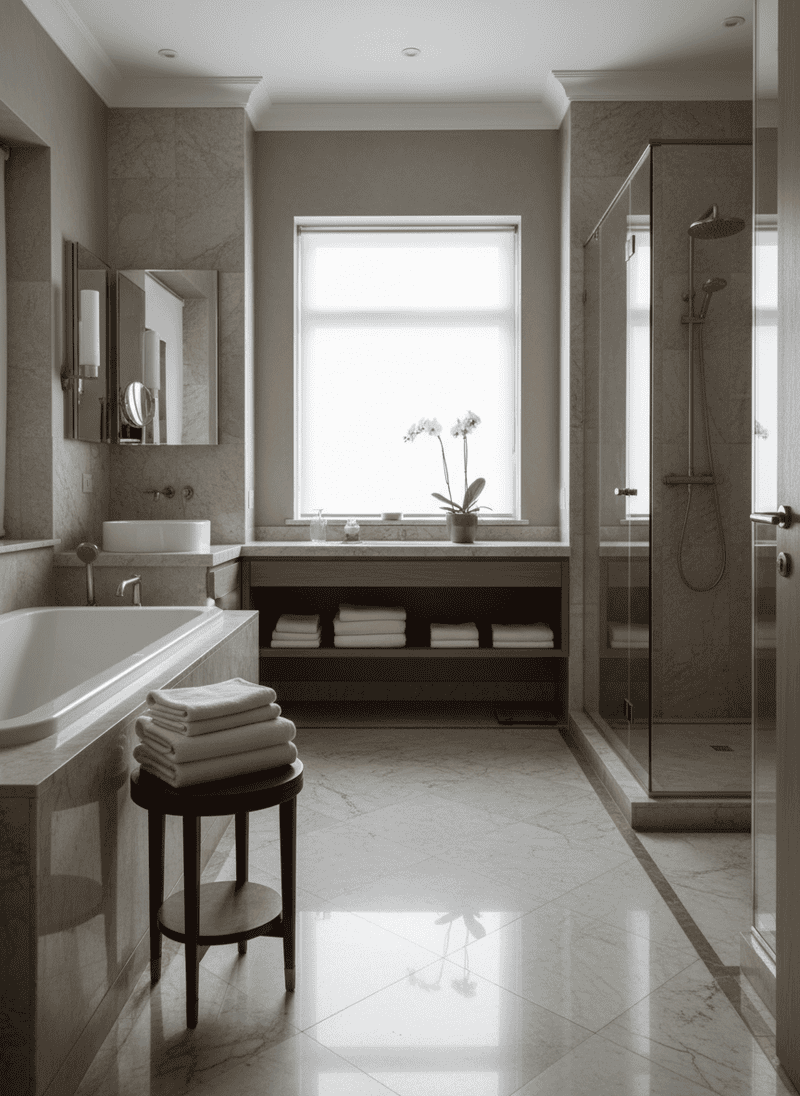
Many women over 50 eventually regret omitting a comfortable seating option in their bathroom, realizing its value for ease and safety only after confronting daily inconveniences. What might seem like a luxury in youth becomes a practical necessity later on. Struggling to balance while drying feet, applying lotion, or even just needing a moment to rest can diminish the functionality and comfort of what should be a personal sanctuary.
A designated seating area, whether a built-in bench, a stylish stool, or a small chair, offers a multitude of benefits. It provides a stable surface for performing tasks that require standing balance, such as shaving legs or drying off after a shower. It also offers a convenient spot to sit and relax, perhaps while waiting for a hair mask to set or simply unwinding after a long day. Beyond practical uses, a beautiful piece of seating can also elevate the bathroom's aesthetic, adding a touch of elegance and thoughtful design.
If space allows during a renovation, a built-in shower bench is an excellent, permanent solution that enhances safety and comfort within the shower. Outside the shower, consider a water-resistant teak stool or a small, upholstered ottoman that can withstand bathroom humidity. Even a small, sturdy chair tucked into a corner can make a significant difference. Integrating seating makes your bathroom more accessible, more comfortable, and ultimately, a more inviting and functional space that caters to your evolving needs and desires.
15. Overloading with Cluttered Decor and Accessories
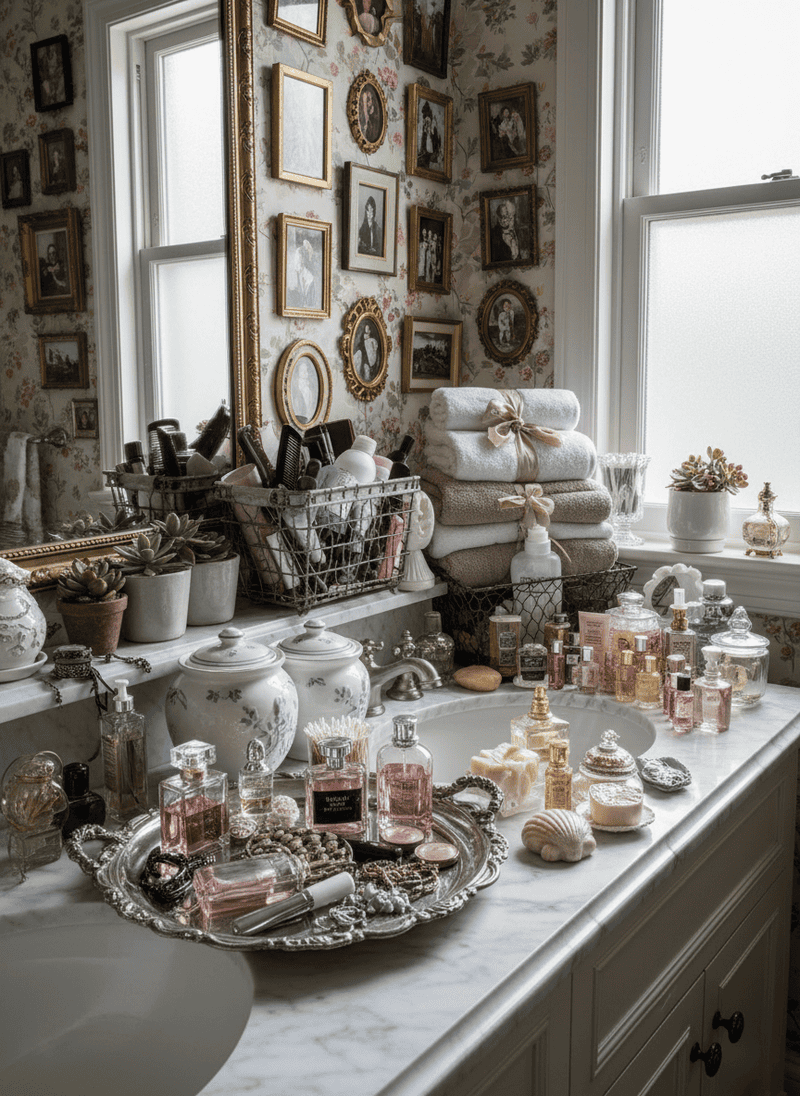
While personal touches are important, many women over 50 find themselves regretting an overly cluttered bathroom, realizing it detracts from tranquility rather than enhancing it. A space packed with too many decorative items, bottles, and accessories can quickly transform a potential oasis into a stressful, visually overwhelming environment. The initial desire to personalize can easily cross the line into disarray, making cleaning harder and the room feel smaller.
A cluttered bathroom not only looks untidy but also makes daily routines less efficient. Finding what you need becomes a hunt, and maintaining cleanliness feels like a constant battle against dust and grime accumulation around numerous items. Furthermore, a crowded counter increases the risk of knocking things over, adding to daily frustrations. The goal for a mature bathroom should be serene functionality, where every item serves a purpose or genuinely brings joy.
Embrace a philosophy of 'less is more' when it comes to bathroom decor. Select a few meaningful, high-quality items rather than many small knick-knacks. Invest in attractive, cohesive storage containers for everyday essentials to keep them out of sight yet easily accessible. Utilize wall space with recessed shelving or stylish closed cabinetry to reduce surface clutter. Decluttering and simplifying your bathroom decor creates a calm, spa-like atmosphere that promotes relaxation and ease, transforming a chaotic space into a peaceful retreat that you genuinely look forward to using.
16. Tolerating Substandard and Leaky Fixtures
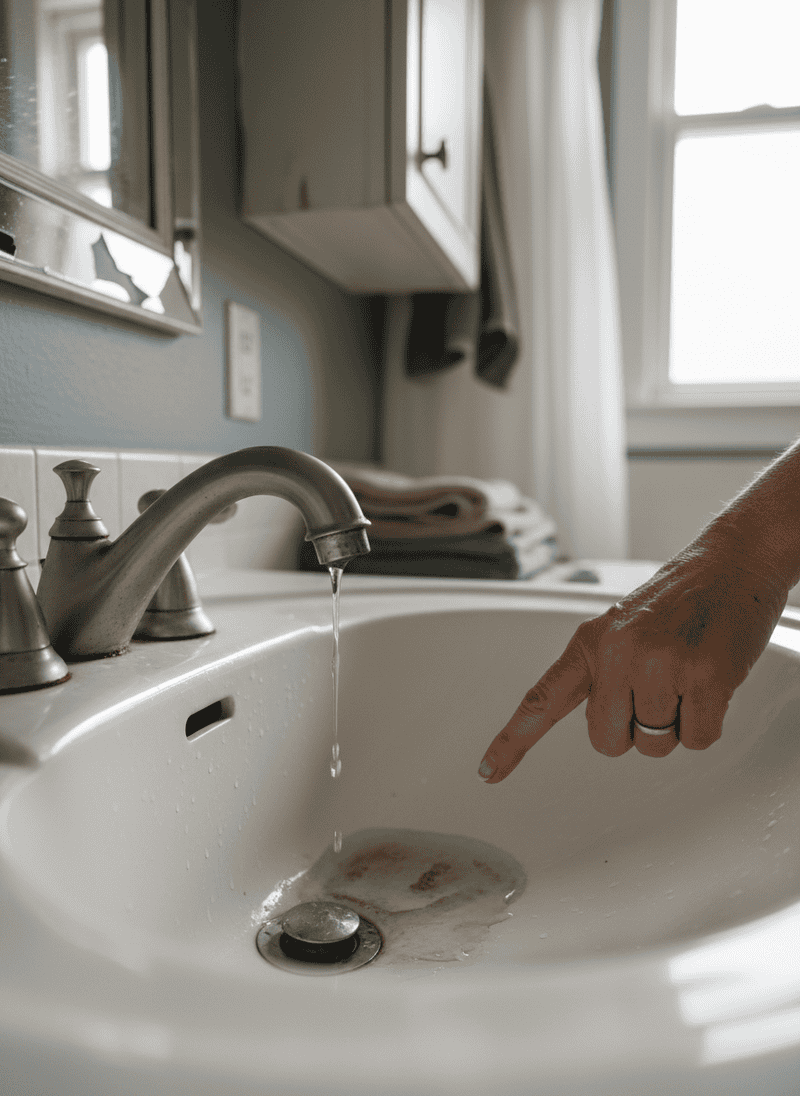
Many women over 50 regret tolerating substandard, leaky, or corroded bathroom fixtures for too long. What starts as a minor drip or a stiff handle can quickly escalate into larger plumbing issues, water damage, or simply a daily source of frustration and an unsightly appearance. Delaying the upgrade of faucets, showerheads, and other hardware not only compromises the bathroom's aesthetics but also its long-term functionality and structural integrity.
Old, inefficient fixtures often waste water due to leaks or outdated design, increasing utility bills. Hard-to-turn handles can be particularly difficult for hands with arthritis, while corroded finishes detract from the overall cleanliness and appeal of the space. Beyond aesthetics, ongoing leaks can lead to insidious water damage within walls or under floors, creating costly repairs down the line that could have been prevented with timely replacement.
Investing in quality, durable fixtures is a smart move that pays dividends. Look for reputable brands known for their reliability and choose finishes that complement your bathroom's style and are resistant to tarnishing and corrosion. Modern fixtures often incorporate water-saving technologies without sacrificing performance. Upgrading to new faucets, showerheads, and even toilet flush mechanisms can refresh your entire bathroom, prevent future headaches, and ensure that every interaction with your plumbing is smooth, efficient, and leak-free, providing peace of mind and enhancing daily comfort.
17. Ignoring Water Heater Efficiency and Capacity
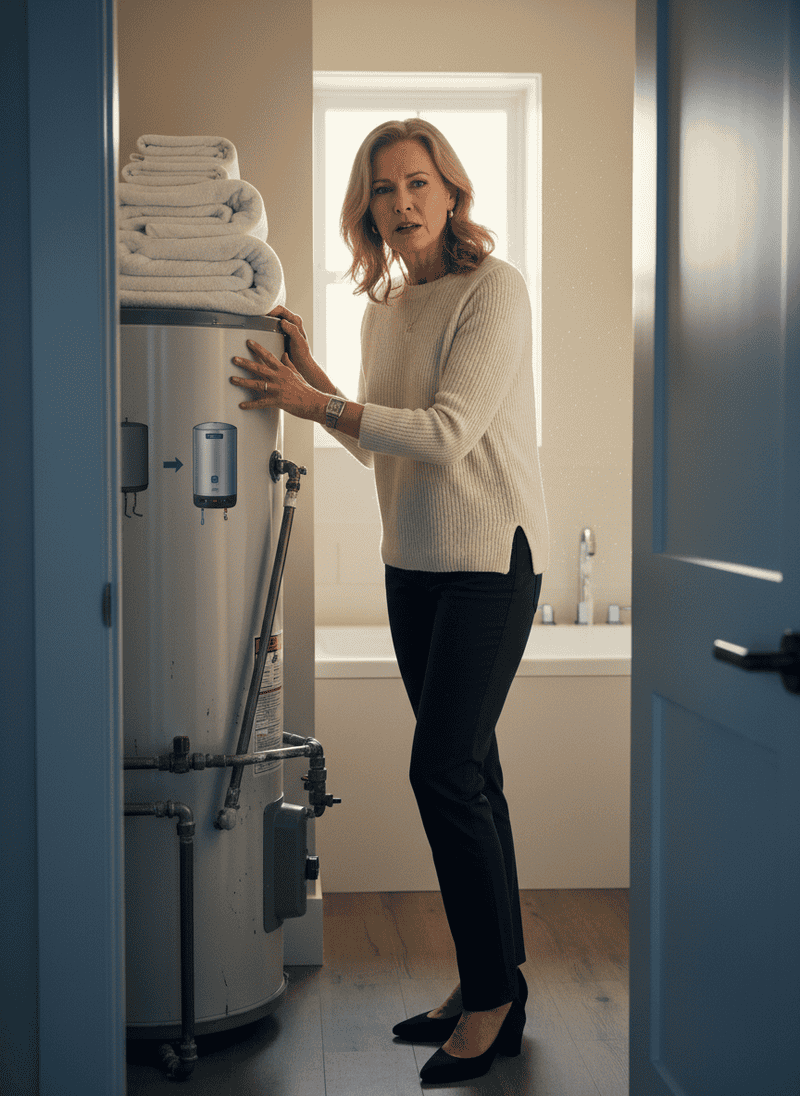
Many women over 50 eventually regret ignoring the efficiency and capacity of their water heater, often realizing the oversight when daily showers turn lukewarm or utility bills unexpectedly soar. The joy of a long, hot shower can quickly dissipate if the hot water supply is insufficient, particularly if there are multiple users or increased laundry demands. This oversight often means enduring daily discomfort or higher energy costs that could have been avoided.
An aging or undersized water heater might struggle to keep up with demand, leading to cold showers, especially during peak usage times. Beyond capacity, older models are typically far less energy-efficient than modern units, meaning they consume more energy to heat the same amount of water, resulting in higher monthly bills. The gradual decline in performance can be easy to overlook until it becomes a significant inconvenience.
Consider evaluating your water heater's age and performance. If it's over 10-15 years old, or if you frequently run out of hot water, it might be time for an upgrade. Modern tankless water heaters provide on-demand hot water, eliminating the problem of running out and offering significant energy savings. If a tank-style heater is preferred, ensure it's properly sized for your household's needs and consider energy-efficient models. Investing in a reliable and efficient hot water system is an investment in consistent comfort, lower energy costs, and the overall functionality of your home, ensuring your bathroom always delivers the warmth you expect.
18. Failing to Consider Future Accessibility Needs
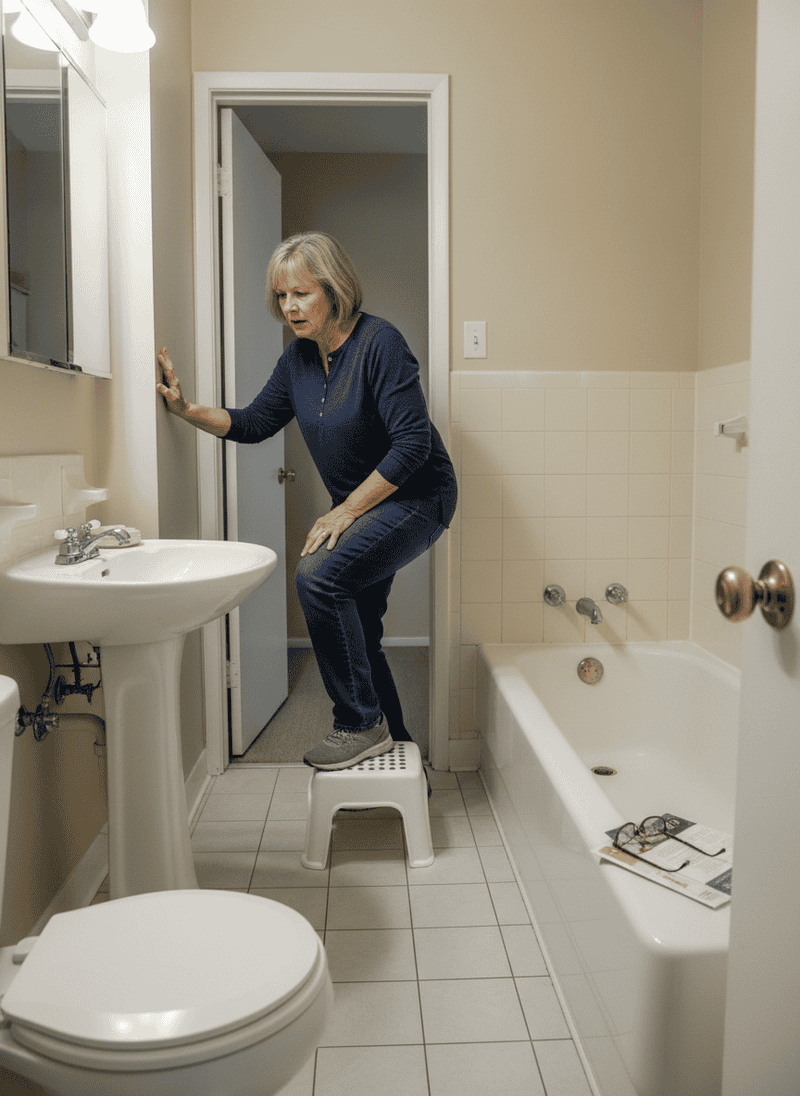
One of the biggest regrets for women over 50 is failing to consider future accessibility needs during a bathroom renovation or even minor updates. What feels comfortable and functional today may become a challenge in a few years as mobility or balance naturally change. Designing a bathroom that can 'age in place' means proactively incorporating features that support independence and safety long-term, preventing costly retrofits or the need for a full re-do down the line.
Common oversights include choosing a high-threshold shower when a curbless one would offer universal access, not reinforcing walls for future grab bar installation, or opting for narrow doorways that may not accommodate mobility aids. While these features might not seem immediately necessary, integrating them from the outset is far more cost-effective and less disruptive than attempting to modify a bathroom later when an urgent need arises. It's about foresight and creating a truly sustainable, long-term living space.
When planning a bathroom project, think about universal design principles. Consider installing a low- or zero-threshold shower, ensuring doorways are at least 32-36 inches wide, and roughing in blocking behind shower walls for future grab bars (even if you don't install them immediately). Comfort-height toilets are another excellent, proactive choice. These considerations aren't about anticipating decline but rather empowering continuous independence and comfort in your home, making your bathroom a truly adaptable space for all stages of life.
19. Overlooking Smart Technology Enhancements
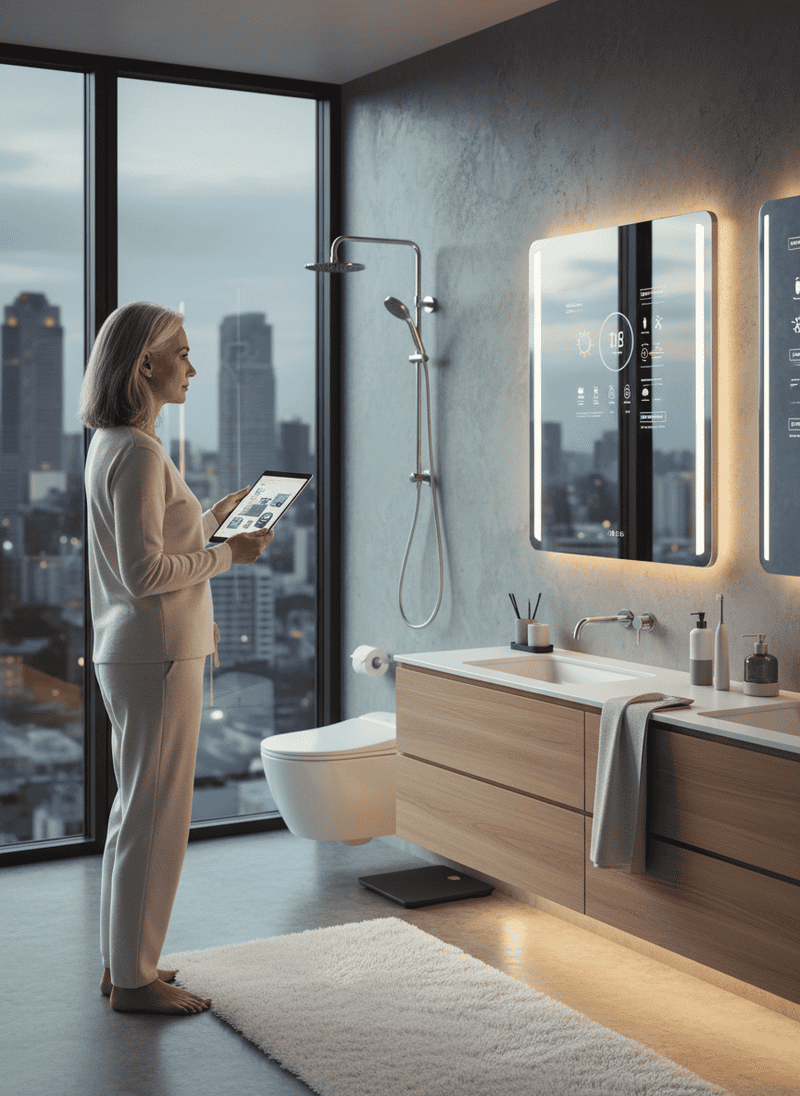
Many women over 50 regret overlooking the simple yet transformative benefits of smart technology in the bathroom, realizing too late how these innovations could have added convenience, luxury, and safety. The perception that smart home tech is overly complicated or unnecessary can lead to missing out on features that truly enhance daily routines, from mood lighting to improved hygiene and security.
Modern smart bathroom features are designed for user-friendliness and offer tangible benefits. Smart mirrors can display weather forecasts, news, or even assist with makeup application through integrated lighting. Voice-activated lighting or temperature controls eliminate fumbling for switches. Smart toilets offer heated seats, automatic flushing, and bidet functions, significantly enhancing comfort and hygiene. Even motion-sensor nightlights can prevent nighttime falls, adding a layer of subtle safety.
Integrating smart tech doesn't require a complete overhaul. You can start small with a smart speaker for music, a smart light switch, or a motion-activated fan. These upgrades can automate mundane tasks, create personalized ambiances, and even help monitor energy usage. While initially perceived as a luxury, smart bathroom technology can be a practical investment in convenience, comfort, and long-term well-being, making your daily bathroom experience smoother, safer, and more enjoyable, a true reflection of modern living.
20. Choosing Difficult-to-Clean Materials and Surfaces
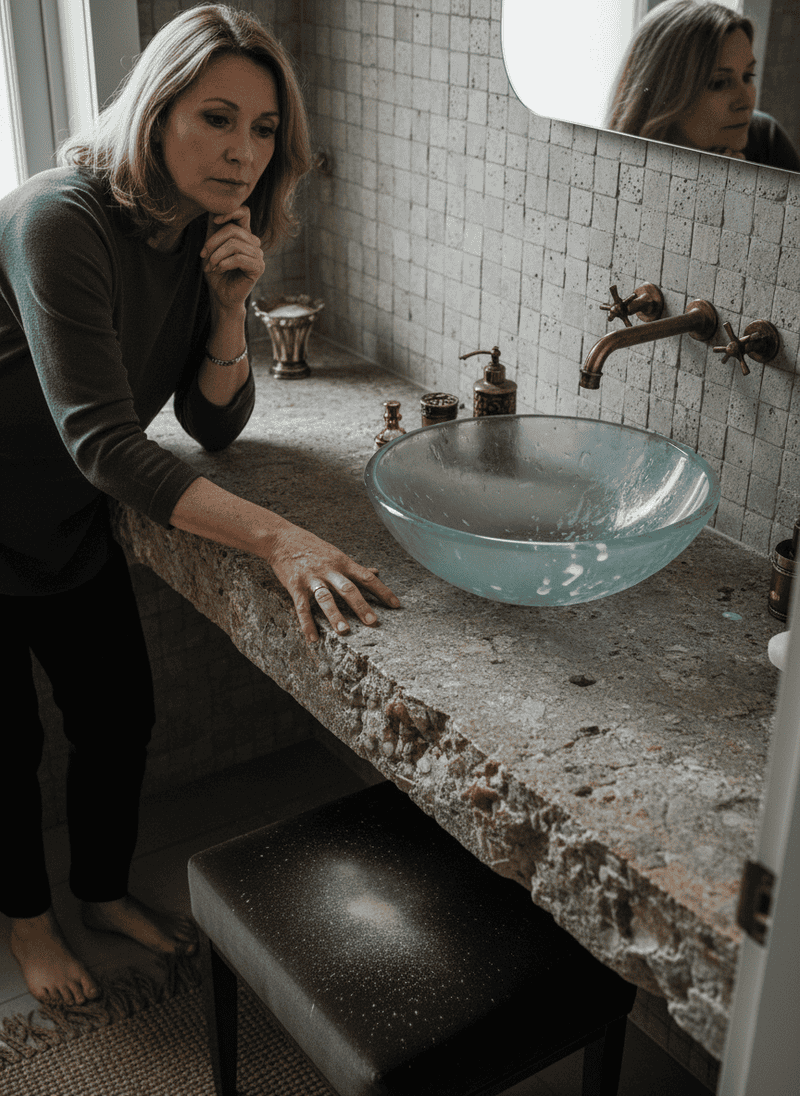
A common regret for women over 50 is choosing bathroom materials and surfaces that are beautiful but notoriously difficult to clean and maintain. What seemed like an elegant design choice initially can quickly become a source of ongoing frustration, as soap scum, hard water stains, and grime cling stubbornly to porous surfaces or intricate patterns. This daily battle against dirt diminishes the joy of the bathroom and adds an unnecessary burden to household chores.
Some materials, while visually appealing, require specific cleaning products or techniques, or are prone to staining and etching. Highly textured tiles, unsealed grout, or certain natural stones can trap dirt and moisture, making thorough cleaning a constant challenge. Intricate fixtures with numerous crevices can also accumulate grime, demanding meticulous effort to keep them sparkling. The time and energy spent on cleaning could be better utilized enjoying your home or other activities.
When renovating or upgrading, prioritize materials known for their ease of maintenance and durability. Large format tiles with minimal grout lines, non-porous solid surface countertops like quartz, and easy-to-wipe-down wall panels are excellent choices. Opt for sleek, simple fixture designs that don't have too many nooks and crannies. Consider finishes that resist fingerprints and water spots. Choosing low-maintenance materials upfront is an investment in your peace of mind and free time, ensuring your bathroom remains effortlessly beautiful and clean without the constant struggle.
21. Neglecting Bathroom Privacy and Security Features
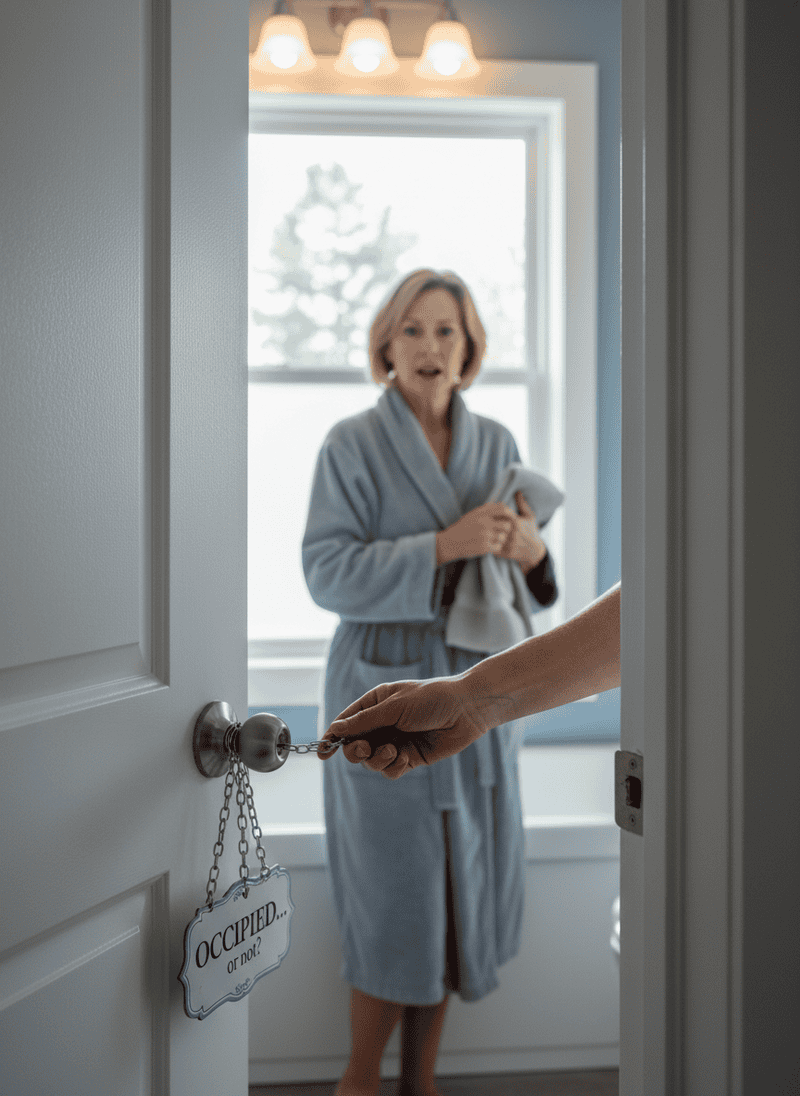
Many women over 50 regret overlooking crucial privacy and security features in their bathroom, realizing too late that these aspects significantly impact comfort and peace of mind. A bathroom should be a truly private sanctuary, yet many designs compromise this through transparent windows, inadequate locks, or poor soundproofing. This oversight can lead to feelings of exposure or unease, detracting from the room's essential purpose as a personal retreat.
Large, unshaded windows can leave you feeling exposed to neighbors or passersby, especially in ground-floor bathrooms. Standard door locks might not offer sufficient security or ease of use, potentially causing concerns if there are multiple family members or guests. Furthermore, poor sound insulation means that bathroom noises can travel, diminishing privacy for both the user and others in the home. These elements, though often secondary in design plans, are fundamental to creating a truly comfortable and secure space.
Addressing privacy concerns can involve simple yet effective solutions. Install frosted or obscured glass for windows, or invest in quality blinds, shutters, or privacy films that allow light in while blocking views. Ensure your bathroom door has a robust, easy-to-operate lock, perhaps a lever-style lock that is simpler to use than a traditional knob. Consider adding sound-dampening insulation in walls or choosing solid-core doors to minimize noise transmission. Prioritizing these features ensures your bathroom remains a truly private, secure, and serene haven where you can fully relax without concern.
22. Failing to Create an Aesthetically Pleasing Sanctuary
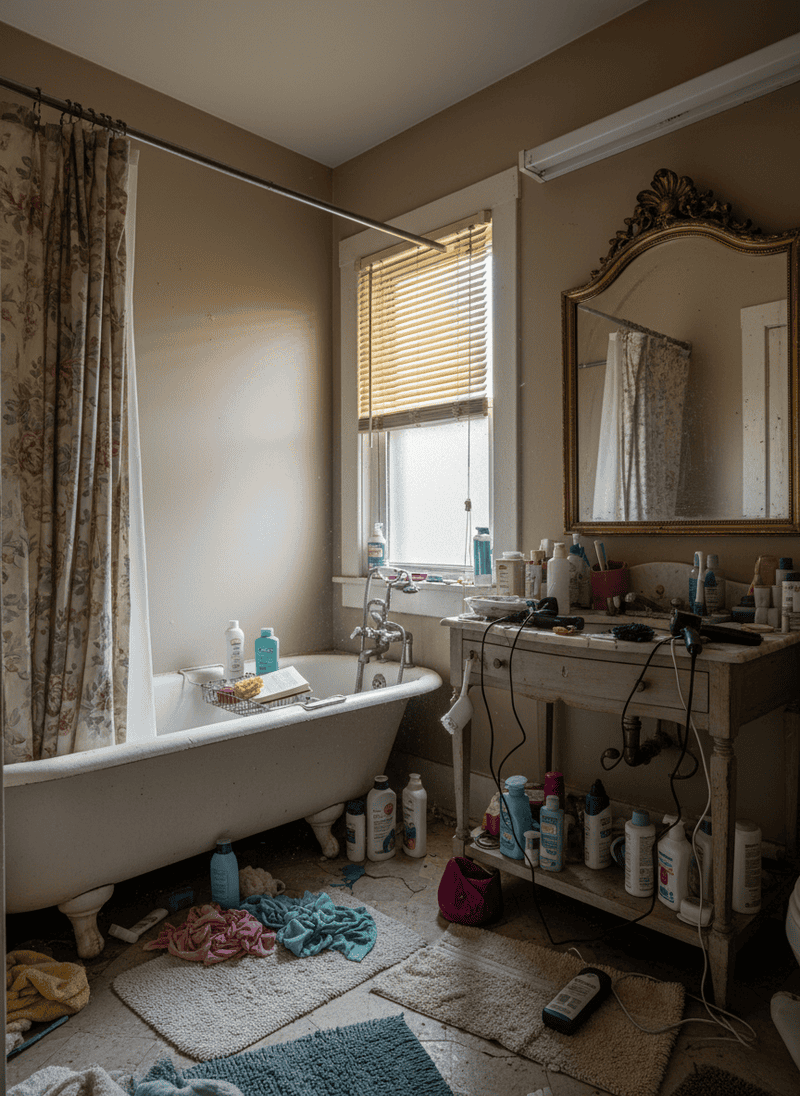
One of the most profound regrets for women over 50 is failing to create a truly aesthetically pleasing and calming sanctuary in their bathroom. Often, bathrooms are treated as purely functional spaces, neglecting the power of design to influence mood, well-being, and daily enjoyment. The oversight leads to a sterile or uninspiring environment, missing the opportunity to craft a personal retreat that truly rejuvenates the mind and body.
An aesthetically pleasing bathroom goes beyond just matching colors; it involves thoughtful choices in materials, lighting, layout, and decor that evoke a sense of calm and luxury. It's about creating a cohesive design that reflects your personal style and offers a respite from the stresses of daily life. When a bathroom lacks this intentional design, it can feel clinical or uninviting, failing to provide the much-needed sense of pampering and tranquility.
Even without a full renovation, you can transform your bathroom into a sanctuary. Introduce elements like soft, layered lighting, calming color palettes, and natural textures through wood accents or stone finishes. Add luxurious towels, scented candles, and live plants to bring life and freshness into the space. Decluttering and organizing also contribute significantly to a peaceful aesthetic. Invest in quality fixtures and accessories that elevate the look. By intentionally designing your bathroom to be beautiful and inviting, you create a daily escape that nourishes your spirit and enhances your overall quality of life.
23. Delaying Small Bathroom Repairs and Maintenance
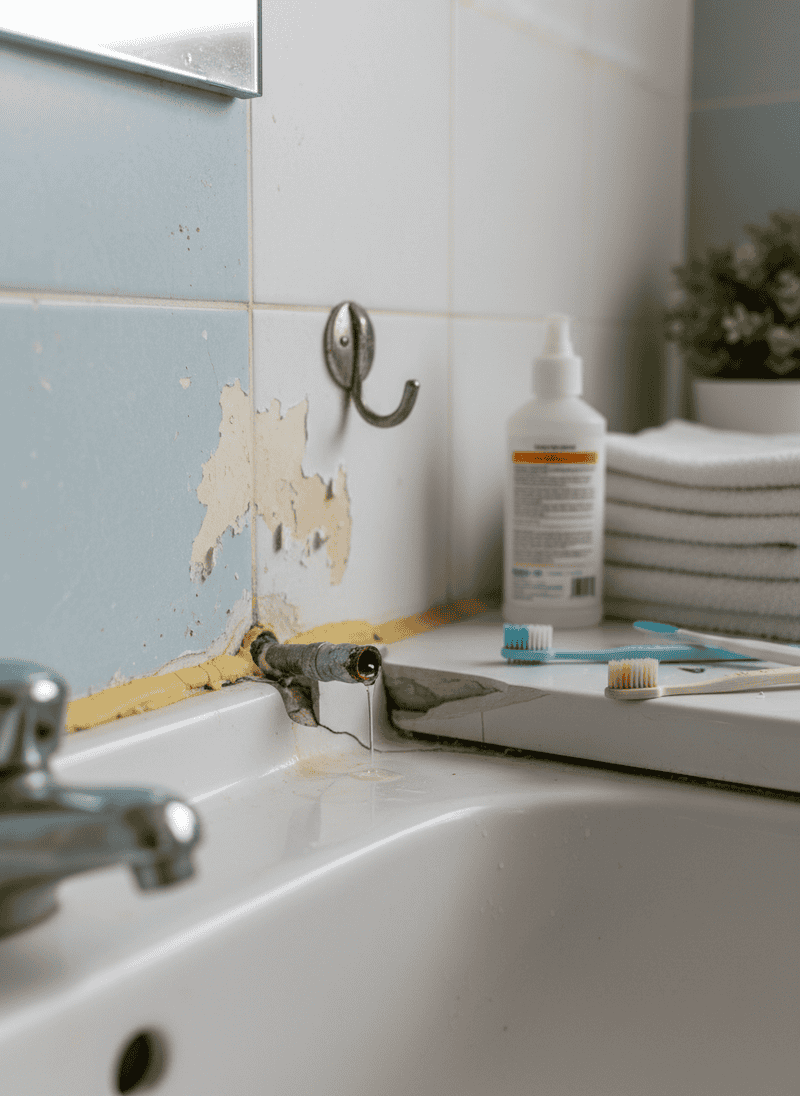
Many women over 50 later regret delaying small bathroom repairs and routine maintenance, realizing that minor issues often escalate into major, costly problems. What starts as a dripping faucet, a loose tile, or a slow drain can quickly lead to water damage, mold growth, or extensive plumbing repairs if left unaddressed. Procrastination in maintenance not only compromises the bathroom's functionality but also its structural integrity and aesthetic appeal.
A continuously dripping faucet, for instance, not only wastes water but can also lead to unsightly stains on sinks and corroded fixtures. A loose tile can allow water to seep underneath, damaging the subfloor and potentially leading to costly mold remediation. Similarly, a slow drain, often caused by hair and soap scum buildup, can eventually lead to a complete clog and overflowing fixtures, creating significant water damage. These small signs are early warnings that should not be ignored.
Regularly inspect your bathroom for any signs of wear and tear, and address issues promptly. Tighten loose handles, recaulk around tubs and showers when the sealant shows signs of cracking, and use drain cleaners preventatively or call a plumber for persistent clogs. Don't wait until a problem becomes an emergency. Establishing a routine for minor repairs and maintenance saves money in the long run, preserves the beauty and functionality of your bathroom, and ensures a safe and hygienic environment for years to come. A well-maintained bathroom is a happy and healthy bathroom.


