
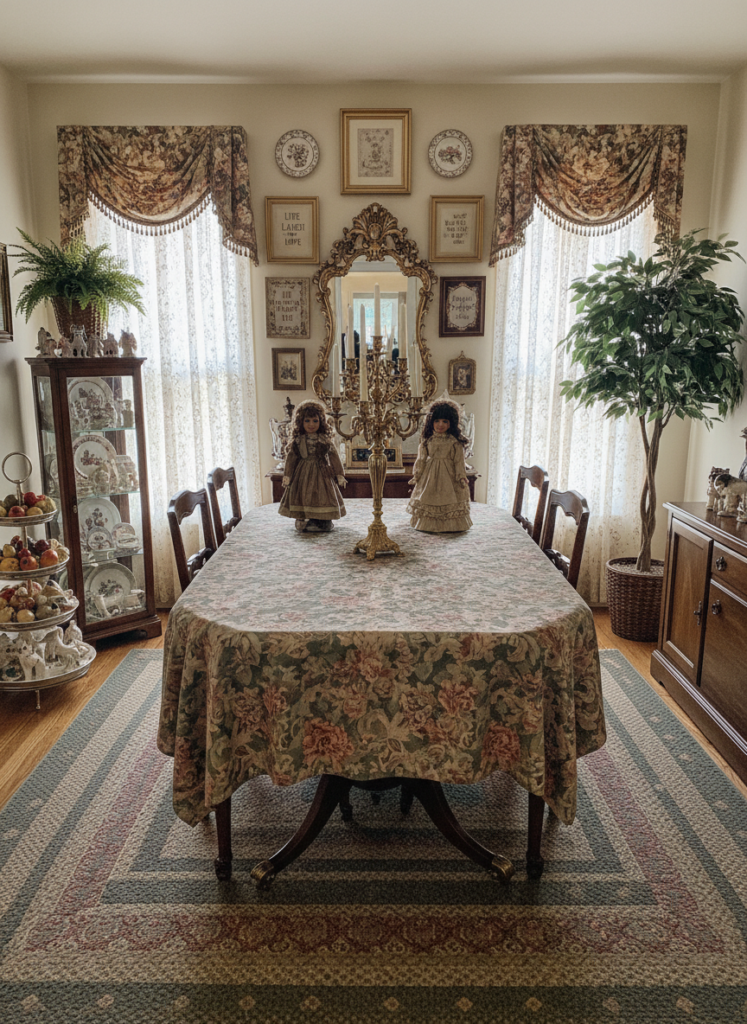
Your dining room is a central hub for hospitality, memories, and shared meals. Yet, even with the best intentions, certain decor choices can subtly detract from the welcoming atmosphere you aim to create, leaving guests feeling a little less comfortable than you'd hope. It's time to take a fresh look at common dining room decorations that might be missing the mark and discover how to refresh your space with timeless elegance.
1. Overly Stuffy and Formal Settings
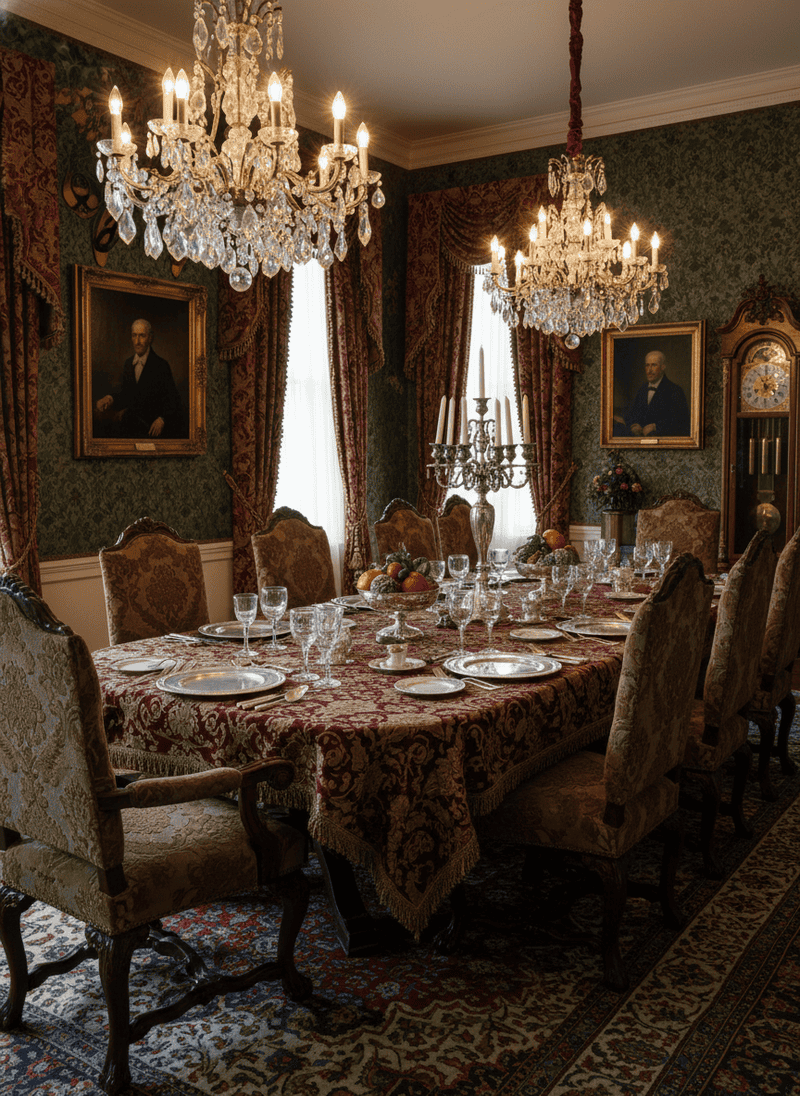
Many women over 50 cherish the idea of a formal dining room, a dedicated space for special occasions and elegant entertaining. However, an overly formal or stuffy dining room, complete with heavy brocades, stiff chairs, and museum-like decor, can inadvertently make guests feel uneasy or intimidated. Instead of feeling relaxed and ready to linger, they might feel compelled to mind their manners excessively, fearing they might disrupt the pristine environment. This can detract from the very warmth and connection you hope to foster during gatherings.
The key to a truly welcoming dining room is balance. While formality has its place, it shouldn't overshadow comfort and approachability. Consider softening the edges of a traditional space with elements that invite relaxation, such as more comfortable seating or lighter textiles. Integrating a mix of textures and materials can break up the monotony of a strictly formal setup, making the room feel more lived-in and less like a showroom. A space that feels both elegant and comfortable is far more appealing for an extended evening of conversation and camaraderie, encouraging guests to genuinely enjoy their time.
To update this common decor choice, focus on creating an inviting atmosphere that blends elegance with everyday functionality. Swap out heavy, dark drapes for lighter, airier window treatments that allow natural light to flood the room. Introduce plush seat cushions to formal dining chairs to enhance comfort without sacrificing style. By curating a dining room that feels both sophisticated and genuinely welcoming, you'll ensure your guests feel at ease and eager to return, rather than feeling like they've stepped into a museum.
2. Excessive Clutter and Over-Decorating
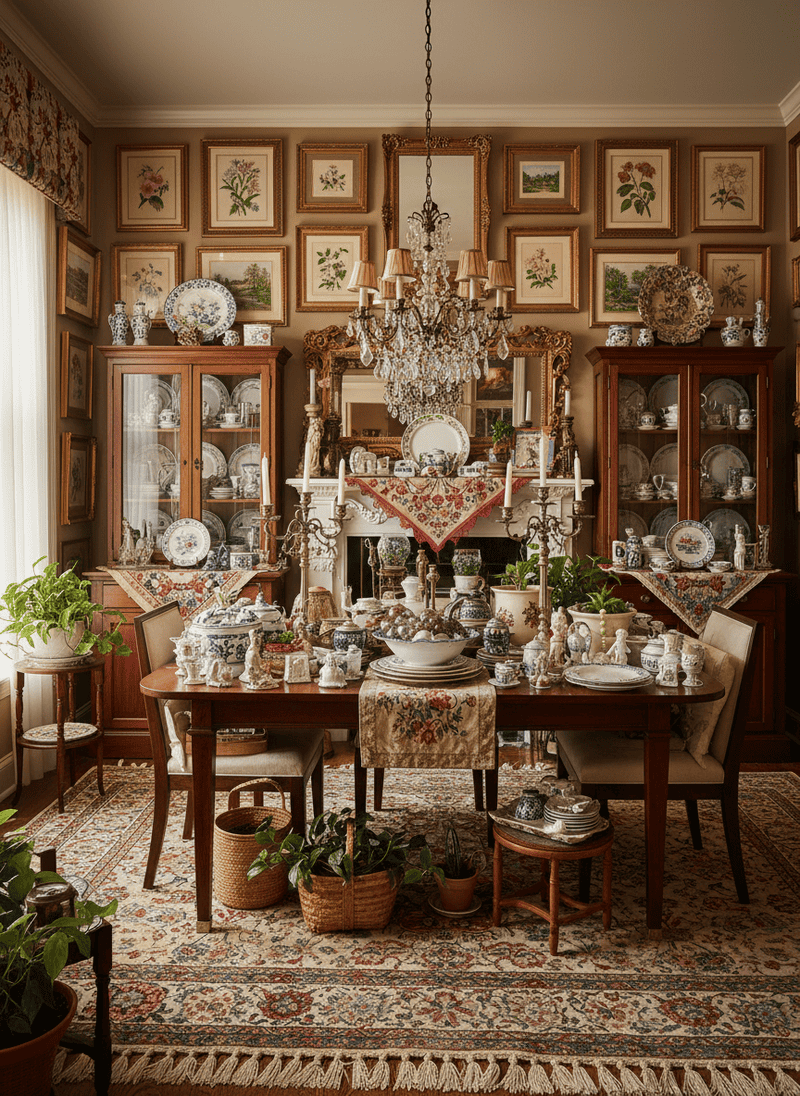
The desire to display cherished keepsakes, antique collections, or decorative items is understandable, especially for those who have accumulated beautiful pieces over decades. However, an abundance of items in the dining room can quickly cross the line from curated to cluttered. When every surface—the buffet, the hutch, the windowsill, and even the dining table itself—is laden with objects, the room can feel overwhelming and visually chaotic. Guests might struggle to find a clear space to place a glass or a napkin, and the overall impression can be one of disarray rather than intentional design.
Clutter not only creates a sense of visual noise but also suggests a lack of clear purpose for the space. A dining room should primarily serve as an inviting area for shared meals and conversation, and too many decorative distractions can hinder this function. Furthermore, an overabundance of items can make the room feel smaller and less airy, which can be particularly noticeable during a dinner party when the space is already filled with people and food. Instead of appreciating individual pieces, guests might feel a general sense of overwhelm.
To combat excessive clutter, adopt a more minimalist approach to your dining room decor. Select a few truly meaningful or aesthetically pleasing items to display, giving each piece room to breathe and be appreciated. Rotate your collections periodically to keep the look fresh without overcrowding. Consider utilizing closed storage for items that aren't actively on display, helping to maintain a clean and organized aesthetic. A thoughtful, less-is-more approach allows your beautiful pieces to shine and creates a more serene and welcoming environment for everyone at the table.
3. Outdated Color Schemes and Wallpapers
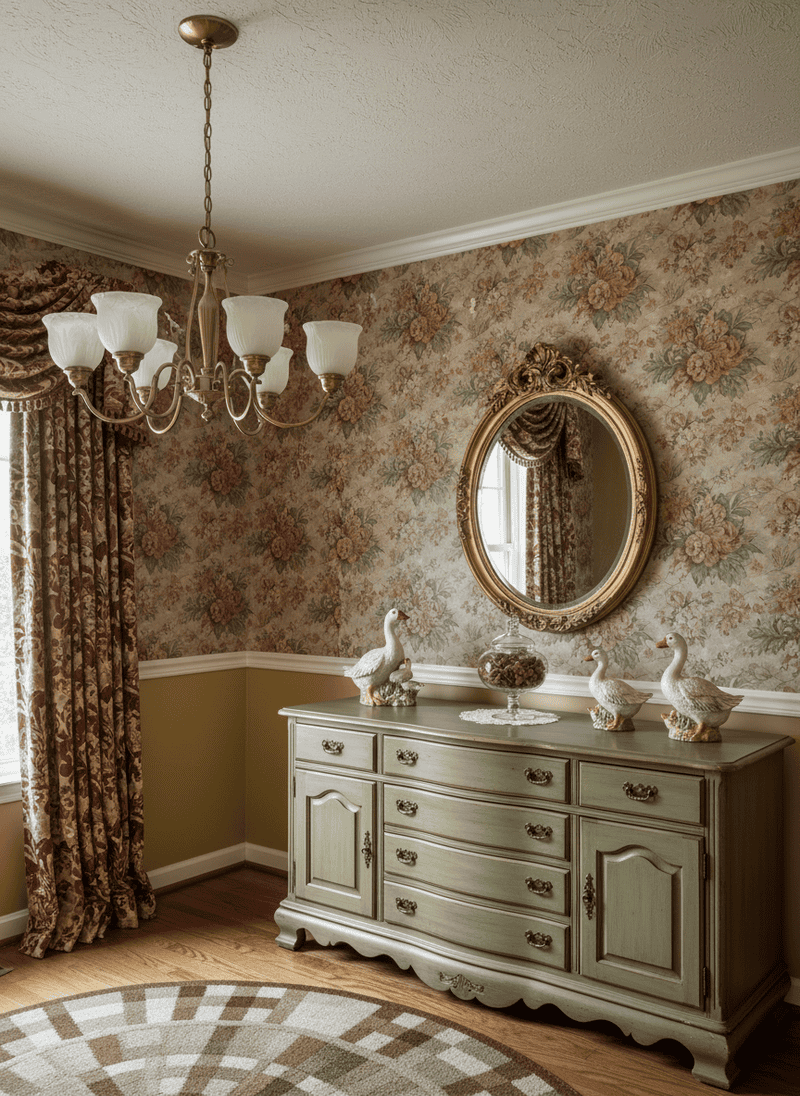
Interior design trends, particularly color palettes and wallpaper patterns, evolve constantly. What was considered chic and sophisticated in the 80s, 90s, or even early 2000s might now appear dated and heavy to contemporary eyes. Think deep jewel tones paired with floral wallpapers, heavy faux finishes, or pastel themes that have lost their vibrancy over time. While these choices might evoke nostalgia for the homeowner, they can make a dining room feel stagnant and lack the fresh, inviting appeal that guests often appreciate today.
Guests might secretly dislike outdated color schemes because they can contribute to a room feeling dark, small, or simply uninspired. A color palette that felt grand decades ago might now feel oppressive, especially if not balanced with modern elements. Similarly, heavily patterned wallpapers, particularly those with ornate or busy designs, can dominate a room, making it difficult to incorporate contemporary decor or create a cohesive, updated look. These elements can anchor a room firmly in the past, rather than allowing it to feel timeless or current.
Refreshing your dining room’s color scheme and walls can dramatically transform its ambiance. Consider painting walls in a lighter, more neutral shade like a soft grey, warm beige, or a subtle off-white to create a brighter, more expansive feel. If you love pattern, opt for a contemporary wallpaper with a geometric design or a subtle texture on an accent wall, rather than covering the entire room. These updates can instantly modernize your dining room, creating a cleaner backdrop that allows your furniture and personal touches to truly shine, making it feel fresh and inviting for all who gather there.
4. Ineffective or Harsh Lighting Choices
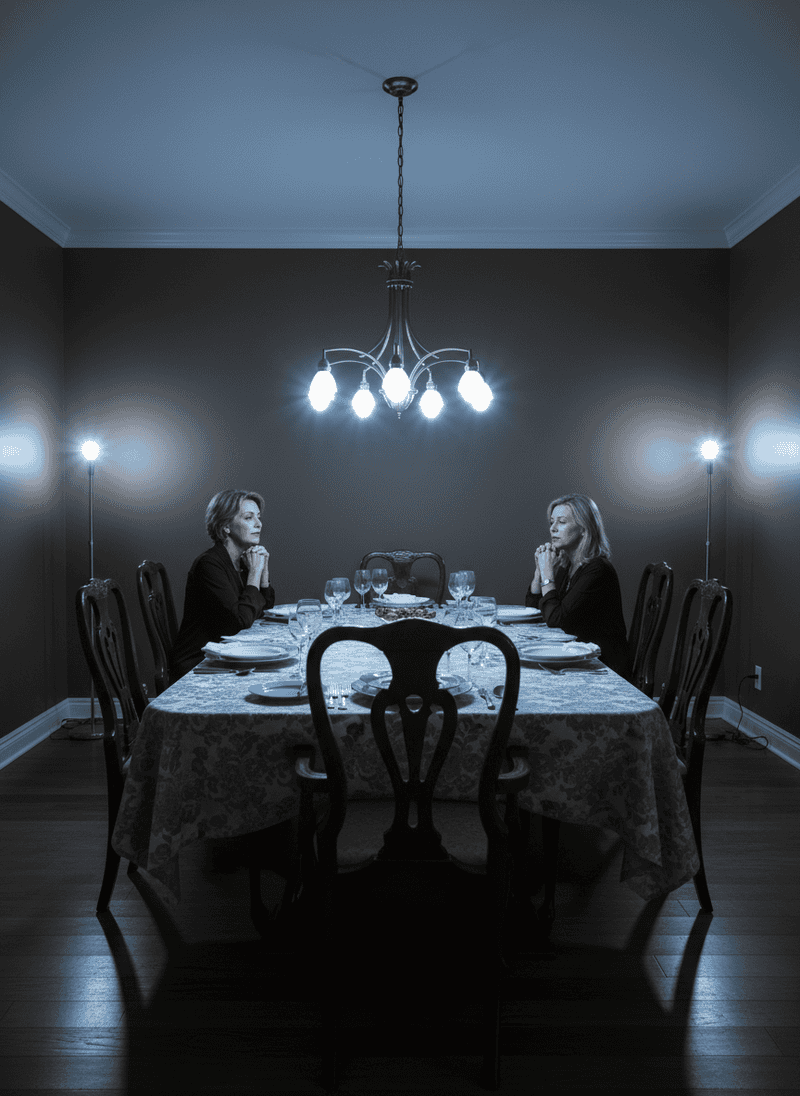
Lighting is one of the most crucial, yet often overlooked, elements in creating a successful dining room ambiance. Many dining rooms suffer from either too little light, making the space feel gloomy and uninviting, or too much harsh, unflattering light that creates an uncomfortable glare. A single, dominant overhead chandelier, while potentially beautiful, often casts shadows and can be insufficient for a multi-functional space. Relying solely on a single light source fails to provide the layered lighting necessary for both practical dining and creating a cozy, intimate atmosphere.
Guests may unconsciously dislike poor lighting because it impacts their comfort and perception of the space. Dim lighting can make food appear unappetizing and conversation feel strained, while overly bright, stark lighting can feel clinical and unwelcoming, making people want to leave sooner. The goal is to create an inviting glow that highlights the food, flatters faces, and sets a relaxed mood, rather than an environment that feels like a brightly lit office or a dimly lit cave. The wrong lighting can subtly detract from the entire dining experience, regardless of the effort put into the meal and decor.
To elevate your dining room lighting, consider a multi-layered approach. Start with a statement chandelier above the table, but ensure it's on a dimmer switch to adjust the mood. Complement this with ambient lighting from sconces on the walls or tall floor lamps in corners to wash the room with a softer glow. Add task lighting with small table lamps on a buffet or sideboard, creating visual interest and adding warmth. By strategically placing different types of lights, you can create a dynamic and inviting atmosphere that is both functional and flattering, ensuring your dining room feels welcoming at any time of day or night.
5. Artificial Flowers and Dusty Faux Plants
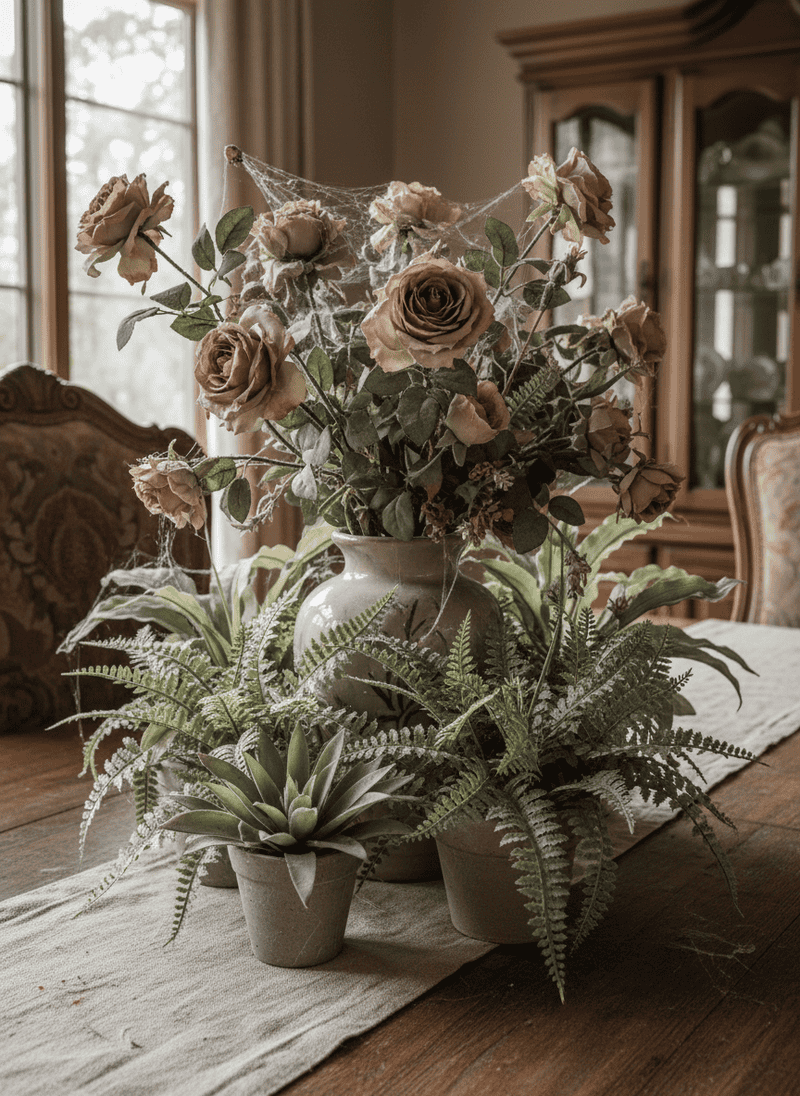
While the intention behind using artificial flowers and faux plants is often convenience and longevity, their presence in a dining room can often fall flat with guests. High-quality artificial greenery can be lovely, but many homes still feature older, visibly fake arrangements that accumulate dust, appear faded, or are simply unconvincing. These items, instead of adding freshness and life to the room, can actually make it feel less vibrant and a bit neglected, signaling a lack of attention to detail.
Guests might secretly dislike artificial arrangements because they lack the natural beauty, fragrance, and vitality of real plants. A dusty faux orchid or an obviously plastic fern doesn't contribute to the desired atmosphere of freshness and authenticity. Instead of enhancing the dining experience, they can subtly cheapen the overall aesthetic of the room. The visual cue of something fake can detract from the organic warmth that living plants naturally bring to a space, making it feel less inviting and somewhat sterile.
If you want to incorporate greenery into your dining room, prioritize real plants or invest in truly high-quality, realistic artificial options. Even a small potted herb plant or a simple vase with fresh seasonal flowers can make a significant difference. For those who prefer low-maintenance options, consider beautiful, sculptural branches in a vase, which offer natural elegance without the upkeep of flowers. If you must use faux plants, ensure they are regularly cleaned, dust-free, and of a quality that convincingly mimics nature. This mindful approach ensures your dining room feels alive and genuinely inviting, without the subtle detraction of obviously artificial decor.
6. An Unused and Uninviting Dining Table
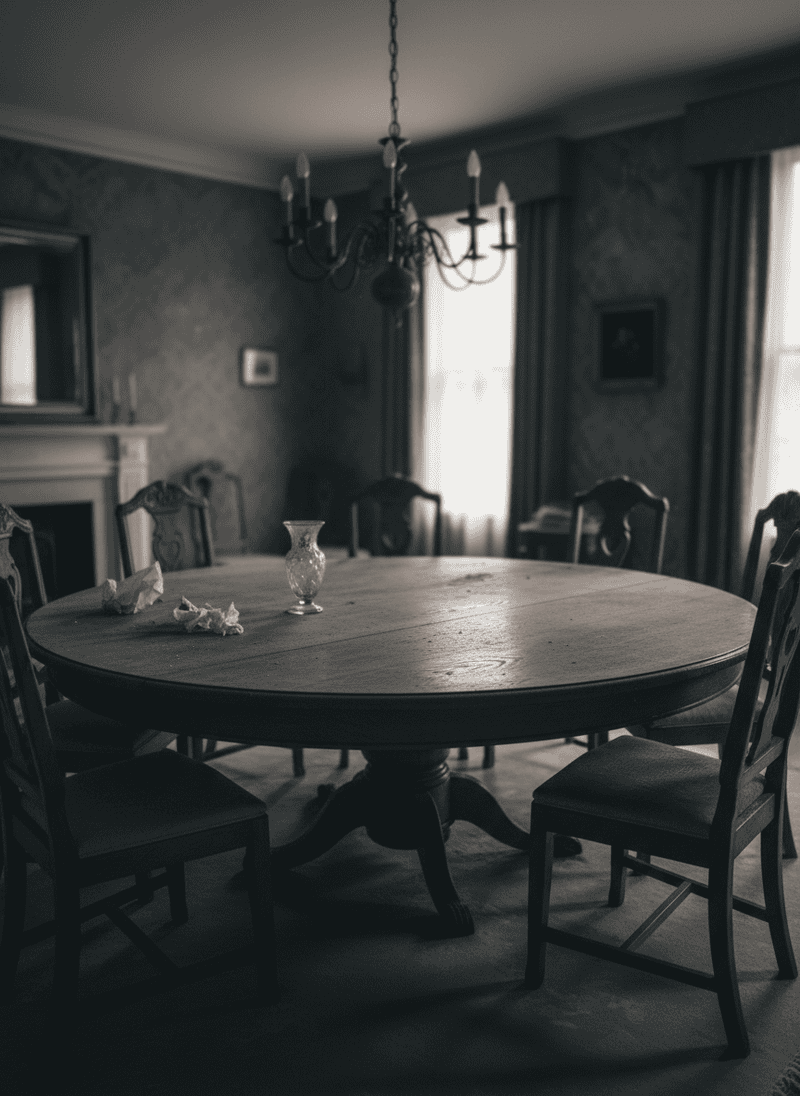
For many, the dining room is a formal space reserved for holidays or special guests, meaning the dining table often sits unused for long stretches. While the intention might be to keep it pristine, a perpetually empty or overly formal table can send a subtle message of unwelcomeness. An untouched table, perhaps with an unchanging centerpiece or a pristine tablecloth that never sees a crumb, can feel like a display rather than a functional piece of furniture meant for gathering and sharing. Guests might feel like they're intruding on a museum piece, rather than being invited to relax and enjoy.
An unused dining table can also make the entire dining room feel cold and unwelcoming. If the space rarely sees life or activity, it lacks the warmth and 'lived-in' quality that makes a home feel inviting. Guests might subconsciously pick up on this lack of regular use, causing them to feel less comfortable or less inclined to linger after a meal. The goal of a dining room is to foster connection, and a table that looks like it's perpetually waiting for a 'special' occasion can ironically discourage that very connection.
Make your dining table more inviting by integrating it into your everyday life, even if it's not used daily for meals. Consider placing a beautiful, yet functional, centerpiece that can be easily moved, such as a bowl of fresh fruit or a stack of attractive coffee table books. Introduce a soft runner or placemats that add texture without being too formal. The aim is to make the table look ready for use, suggesting that it’s a space where memories are made. By making your dining table feel approachable and functional, you signal warmth and readiness for gatherings, making guests feel instantly more at ease and welcome.
7. Heavy, Dated Window Treatments
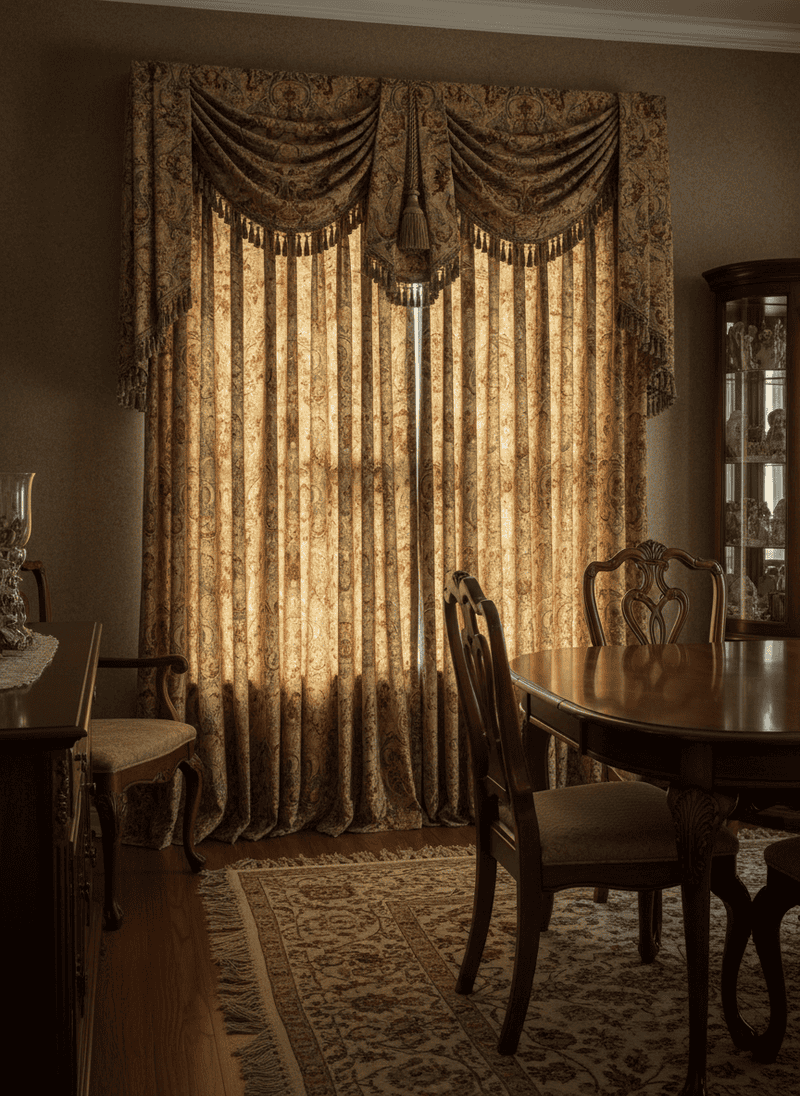
Heavy, dark, or overly elaborate window treatments, popular in past decades, can severely diminish the welcoming potential of a dining room. Think floor-to-ceiling drapes with multiple layers, valances, and tie-backs, often in brocade or velvet. While these might have once been considered luxurious, they can now make a room feel claustrophobic, block precious natural light, and appear dated. Such window decor can visually weigh down a space, making it seem smaller and less airy, which is particularly undesirable in a room designed for gathering.
Guests might secretly dislike these heavy window treatments because they contribute to a dim or stuffy atmosphere. Natural light is a powerful mood enhancer, and when windows are heavily obscured, the room can feel less vibrant and more enclosed. Furthermore, dated fabrics and styles can clash with more contemporary decor, creating a disjointed look. The overall impression can be one of a room stuck in the past, lacking the fresh, open feel that many now associate with comfortable and inviting home design. It can subtly impact the mood, making conversations feel heavier and less lively.
To modernize your dining room and brighten the space, consider updating your window treatments. Opt for lighter, more streamlined options such as simple linen curtains, sheer panels, or woven wood shades. These choices allow more natural light to filter in, making the room feel more open, airy, and inviting. If privacy is a concern, layer sheer curtains with a simple, solid-colored drape that can be easily pulled back. Choosing lighter fabrics and simpler designs will instantly refresh your dining room, creating a brighter, more expansive feel that guests will undoubtedly appreciate and find more comfortable.
8. Mismatched and Uncoordinated Decor
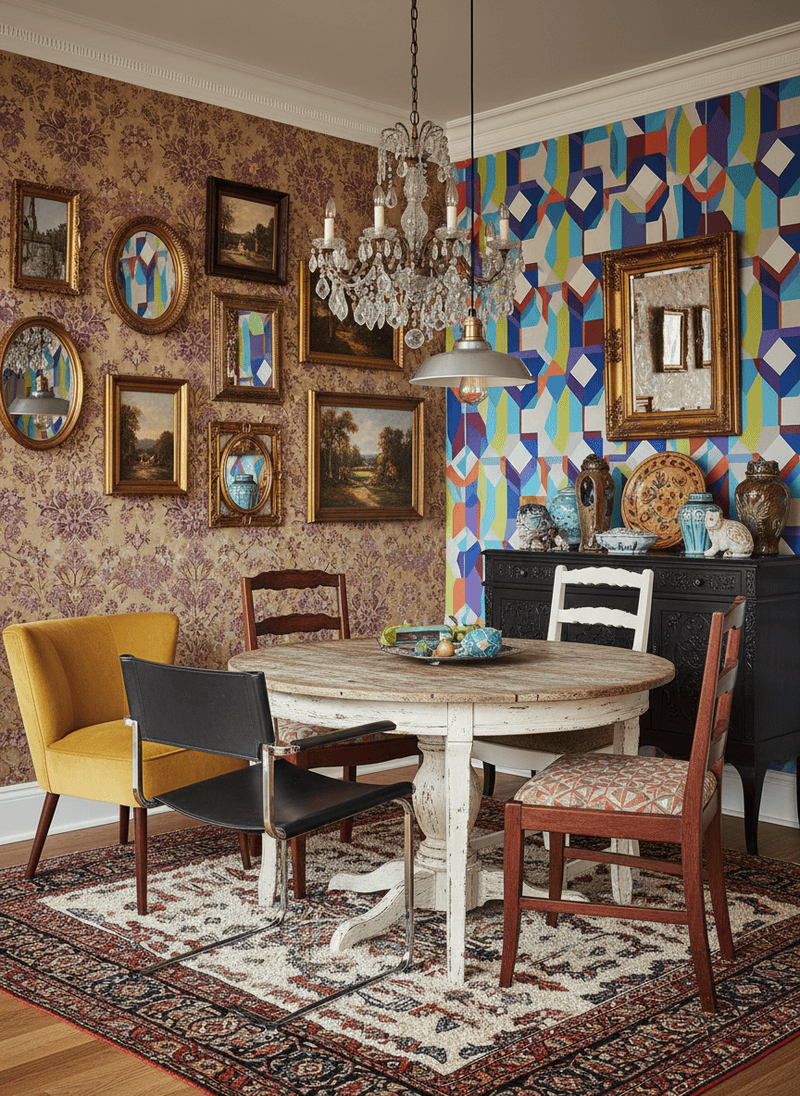
A common decorating pitfall, particularly after years of accumulating items, is a lack of cohesive design in the dining room. This isn't about perfectly matching sets, but rather a collection of disparate pieces that don't complement each other in style, era, or color palette. Perhaps a Victorian-era hutch sits next to a mid-century modern buffet, or a collection of different-themed artworks clutters a single wall. While individual pieces might hold sentimental value, their collective impact can be a visually jarring experience, leading to a sense of disorganization and a lack of intentional design.
Guests might secretly dislike a dining room that lacks coordination because it can feel chaotic and unsettling. A cohesive design, even one that thoughtfully mixes styles, creates a sense of harmony and calm. When elements clash, it can be distracting and prevent the eye from resting comfortably, making the room feel less welcoming and more haphazard. It suggests a lack of thoughtful curation, which can subtly detract from the overall impression of your home and your efforts to entertain.
To create a more harmonious dining room, focus on unifying elements. If you love different styles, ensure they share a common thread, such as a similar color tone, material, or overall aesthetic. For example, blend modern and antique pieces by selecting items with clean lines or a shared wood finish. Curate your wall decor, choosing a gallery wall with a consistent frame color, or selecting a few larger pieces that complement each other. By thoughtfully selecting and arranging your decor, you can create a dining room that feels intentionally designed, cohesive, and inviting, making guests feel more comfortable and appreciative of the harmonious space.
9. Overly Personal Photo Galleries
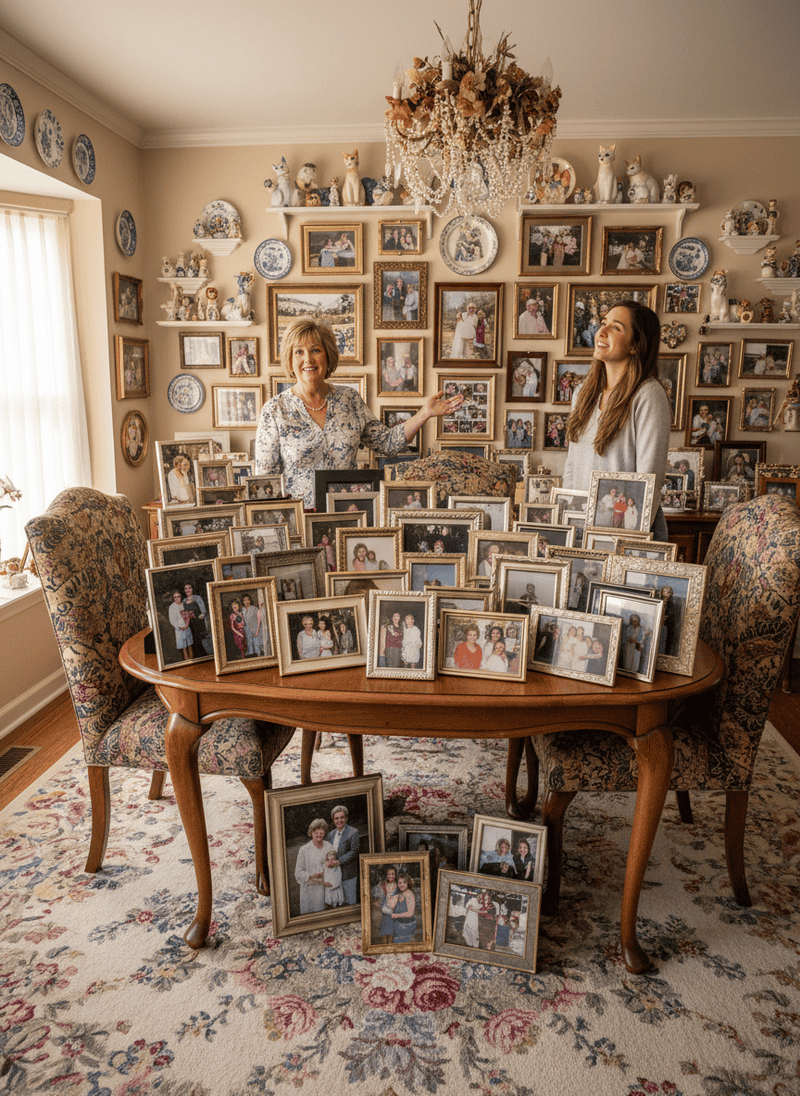
While photos of loved ones and cherished memories are wonderful additions to a home, an overwhelming gallery of personal photographs in the dining room can inadvertently make guests feel less comfortable. When every available wall or surface is adorned with family portraits, vacation snapshots, or sentimental moments, the room can start to feel less like a shared space for hospitality and more like a private family album. This can create an atmosphere where guests feel like outsiders looking in, rather than integral participants in the dining experience.
Guests might secretly dislike an overly personal photo display because it can make them feel like they're intruding on a very intimate family space, rather than being hosted in a welcoming environment. While a few carefully chosen family photos can add warmth and personality, an excessive amount can shift the focus too much onto the homeowner's personal life, rather than creating a neutral, inviting atmosphere for all. It can also lead to conversations that feel forced or awkward if guests feel compelled to comment on every picture, rather than engaging in natural dialogue about current events or shared interests.
To balance personal touches with a welcoming atmosphere, be selective with your photo displays in the dining room. Choose a few key, high-quality prints to feature, perhaps in a coordinated gallery wall or on a console table. Consider placing more extensive photo collections in private areas like hallways, bedrooms, or a dedicated family room. In the dining room, focus on artwork, mirrors, or decorative pieces that enhance the overall ambiance and encourage broader conversation. This approach allows you to celebrate your family while still ensuring your dining room feels universally inviting and comfortable for every guest who sits at your table.
10. Worn, Scratched, or Damaged Furniture
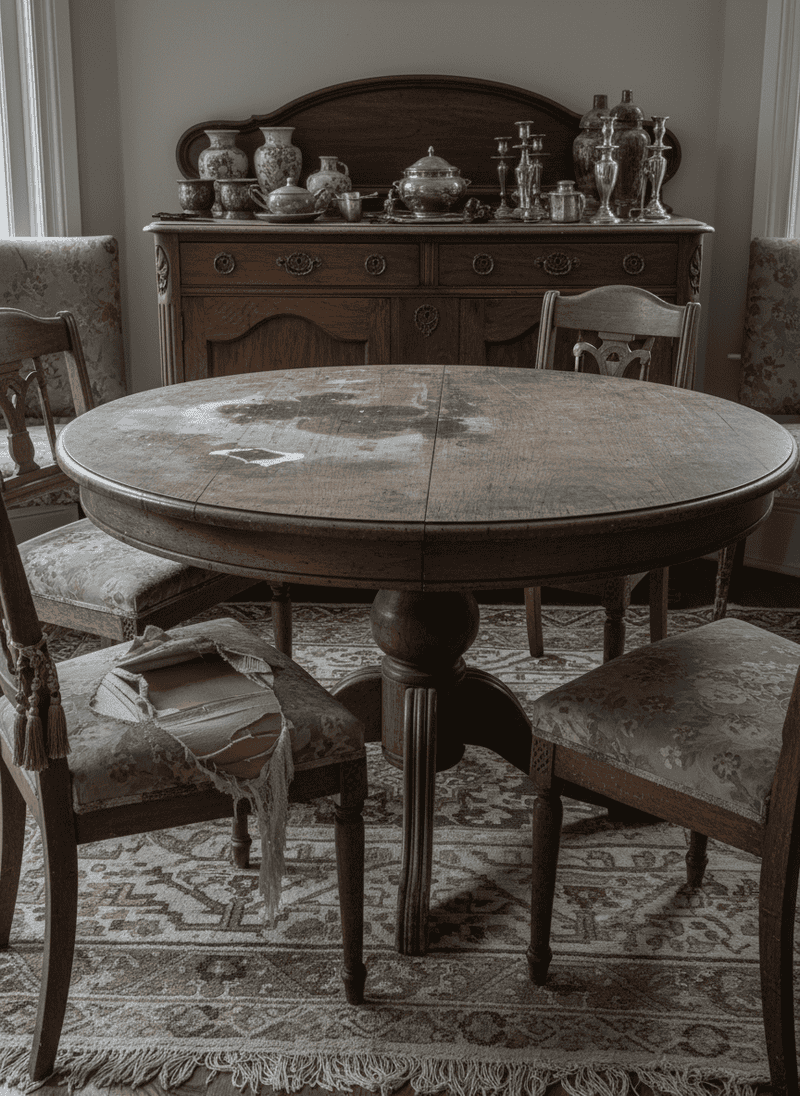
Dining room furniture often sees a lot of love, but neglecting visible signs of wear and tear can send an unintended message to guests. Scratched table surfaces, wobbly chairs, faded upholstery, or chipped paint on a buffet can detract significantly from the room's overall appeal. While some wear adds character, extensive or noticeable damage can make a space feel neglected or uncared for, rather than cherished and well-maintained. This can subtly communicate a lack of attention to detail that guests may unconsciously pick up on.
Guests might secretly dislike worn or damaged furniture because it can make them feel uncomfortable or even concerned about stability. Sitting on a wobbly chair or placing a drink on a deeply scratched surface isn't ideal for a relaxed dining experience. Such imperfections can also detract from the aesthetic beauty of the room, making even a beautifully cooked meal feel less special. The goal is to present a dining room that feels well-loved and cared for, not one that looks like it's seen better days and is in need of repair or replacement.
Address visible wear and tear to elevate your dining room's ambiance. For minor scratches on wood, consider touch-up pens or furniture polish. Loose chair joints can often be tightened with a simple repair kit. If upholstery is faded or stained, reupholstering chairs can dramatically transform their look without the cost of new furniture. For more significant damage, consider professional restoration or investing in new pieces if repair isn't feasible. By maintaining your dining room furniture, you not only preserve its lifespan but also ensure your space feels fresh, inviting, and respectful of your guests, enhancing their comfort and enjoyment.
Conclusion
Revisiting your dining room decor with a fresh, critical eye can transform it into a truly inviting and cherished space for both family and guests. By identifying and updating these common decor choices, you're not just redecorating; you're creating an atmosphere where every meal feels special and every guest feels genuinely welcome. It's time to refresh your space and create lasting memories around a beautifully set table.


