

Hosting friends and family is a joy, a cherished opportunity to connect and create lasting memories. But even with the best intentions, subtle guest room oversights can subtly detract from your visitors' comfort and overall experience. For women over 50 who treasure gracious hospitality, it's time to fine-tune your guest space and ensure every visitor feels truly at home and pampered from the moment they arrive.
1. Using Outdated or Worn Bedding
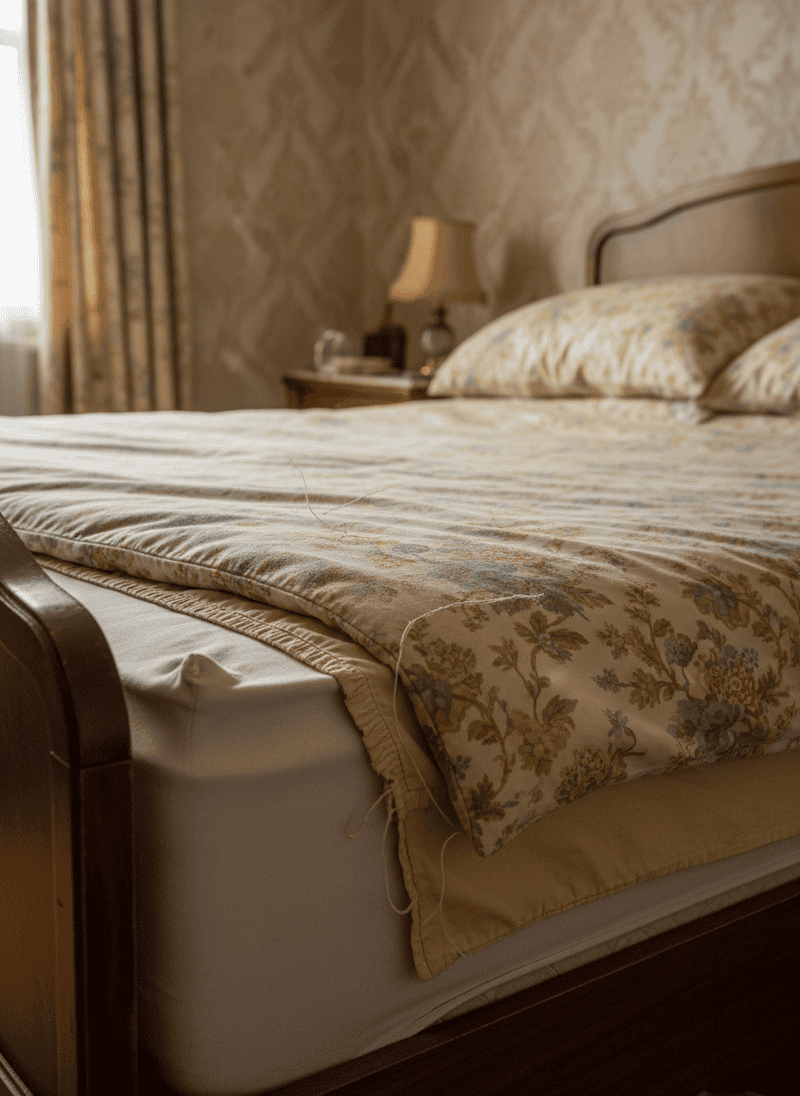
One of the most immediate indicators of an uncared-for guest room is outdated or worn bedding. While your vintage floral duvet might hold sentimental value, a guest will notice faded colors, thin sheets, or a lumpy comforter instantly. This isn't just about aesthetics; it profoundly impacts comfort and the perception of cleanliness. Guests want to sink into fresh, crisp sheets and feel truly relaxed.
Investing in a new, high-quality bedding set can dramatically transform your guest room's appeal. Opt for neutral tones or subtle patterns that create a serene atmosphere. Think soft cotton, breathable linen, or cozy flannel, depending on your climate. Ensure you have a matching duvet cover, top sheet, fitted sheet, and pillowcases. Add a decorative throw blanket for an extra layer of warmth and visual interest. Fresh bedding signals thoughtfulness and a commitment to your guests' comfort, making them feel truly welcomed into your home.
2. Providing Insufficient Lighting

A guest room that's either too dim or only offers harsh overhead lighting can quickly become an uncomfortable space. Guests need varied lighting for different activities: soft ambient light for relaxing, brighter light for reading in bed, and good task lighting for getting ready. A single ceiling fixture often casts unflattering shadows and doesn't provide the flexibility needed.
To remedy this, ensure your guest room has multiple light sources. A bedside lamp with an easily accessible switch is essential for reading and navigating in the dark. Consider a floor lamp in a cozy corner or a desk lamp if you have a workspace. Use warm-toned LED bulbs (2700K-3000K) to create a welcoming, soft glow rather than harsh, sterile light. Dimmers are a fantastic addition, allowing guests to customize the ambiance to their preference. Thoughtful lighting enhances comfort and functionality, making the room feel more inviting and user-friendly for any visitor.
3. Forgetting Accessible Charging Options
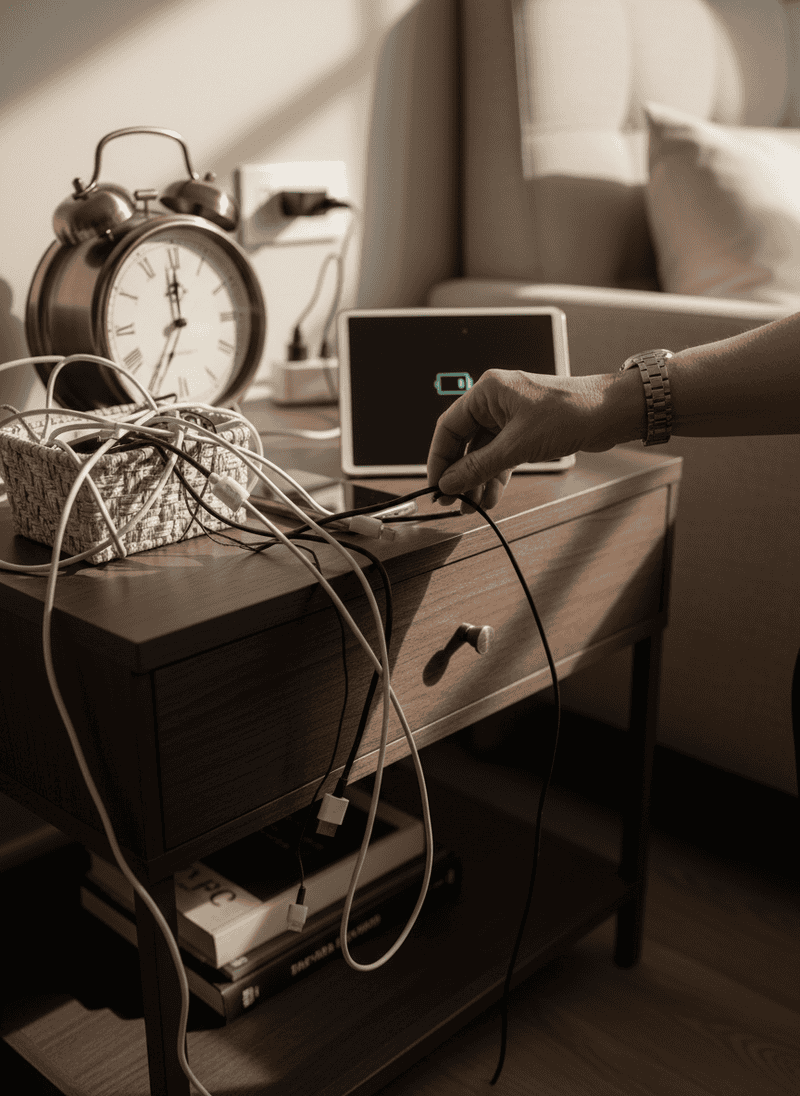
In today's digital world, guests arrive with multiple devices – smartphones, tablets, smartwatches, and more – all requiring power. A common oversight is not providing easily accessible charging options. Guests often find themselves searching behind heavy furniture for an elusive outlet or trying to unplug your personal lamps just to charge their phone, which can be frustrating and inconvenient.
Make charging a breeze for your visitors. Install a multi-port USB charging station on the nightstand or dresser, or provide a power strip with both AC outlets and USB ports. Ensure there are clear, unobstructed outlets near the bed and perhaps another near a desk or seating area. Labeling a dedicated charging spot can also be helpful. This small but significant detail shows you understand modern needs and priorities, ensuring your guests can stay connected and charged without any hassle, allowing them to truly relax during their stay.
4. Cluttered Nightstands and Dressers

A guest room should feel like a serene retreat, not an extension of your storage space. One of the most common mistakes is leaving personal clutter on nightstands, dressers, or even floors. This might include your old magazines, decorative knick-knacks collecting dust, or family photos. While these items might be meaningful to you, they signal to your guest that there isn't dedicated space for their own belongings.
Guests need clear, empty surfaces to place their phone, a book, glasses, or a cup of tea. Aim for a minimalist approach in the guest room. Remove any unnecessary personal items and decorative clutter, leaving ample clear space. A small decorative tray can be a nice touch, offering a designated spot for their smaller items. This thoughtful clearing creates a sense of order and welcome, allowing your guests to unpack and settle in comfortably without feeling like they're imposing on your personal space.
5. Neglecting Mattress and Pillow Comfort
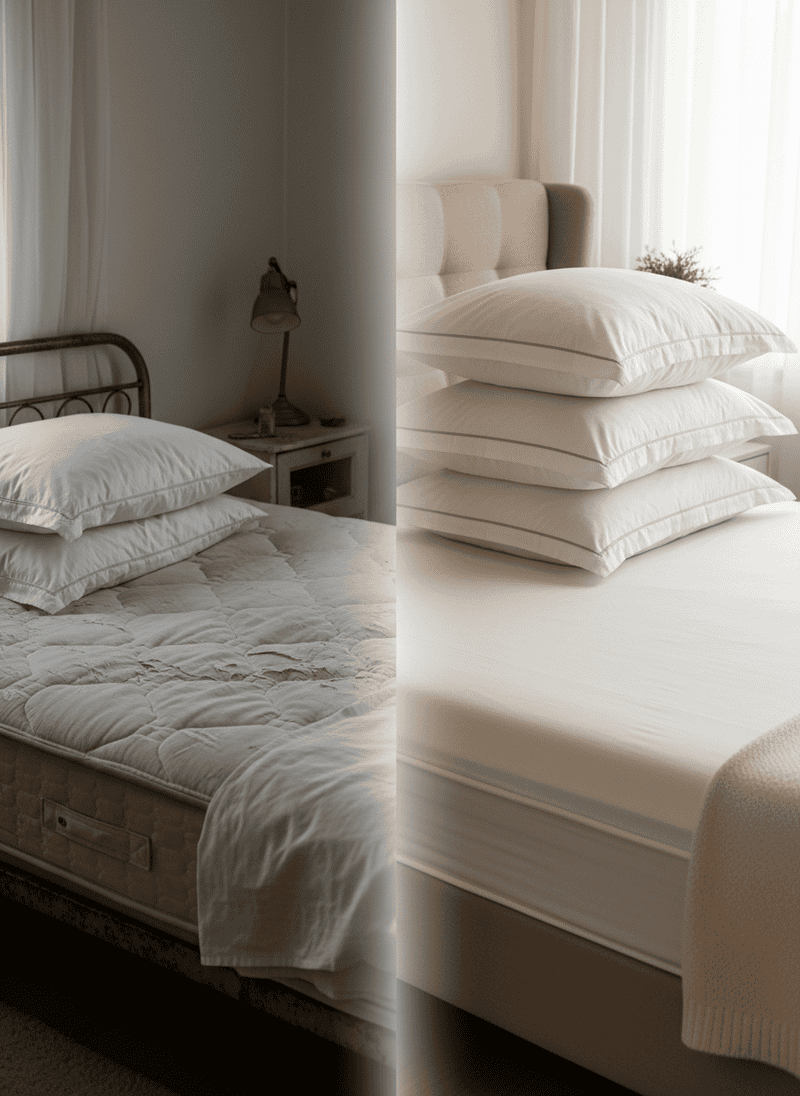
The cornerstone of any good guest experience is a restful night's sleep. Many women over 50 might overlook the comfort of their guest room mattress and pillows, perhaps using an older mattress that's seen better days or flat, unsupportive pillows. A sagging mattress or inadequate pillows can lead to back pain and sleepless nights, leaving your guests feeling anything but refreshed.
While a brand new mattress might not be feasible, there are excellent ways to enhance comfort. A quality mattress topper can work wonders, adding softness and support to an older bed. Ensure you have a variety of pillows – some firmer, some softer – to cater to different sleeping preferences. Hypoallergenic options are a thoughtful touch. Good sleep is paramount to a pleasant visit, and investing in comfortable bedding ensures your guests wake up feeling rejuvenated and ready to enjoy their time with you, appreciating your attention to their well-being.
6. Lack of Adequate Window Treatments

Privacy and light control are crucial for a comfortable guest experience, yet inadequate window treatments are a common oversight. Sheer curtains might look pretty during the day, but they offer little privacy at night and do nothing to block morning light. Guests want the option to sleep in, change clothes discreetly, and control the natural light entering their room, regardless of your household's schedule.
Invest in layered window treatments that offer both style and functionality. Install blackout blinds or opaque curtains underneath decorative sheers or drapes. This allows guests to choose between soft filtered light, complete darkness, or full privacy. Ensure the curtains are wide enough to cover the window entirely when closed, preventing light gaps. Providing proper window coverings demonstrates an understanding of your guests' need for rest and personal space, making their stay much more relaxing and accommodating.
7. Ignoring Room Temperature Control
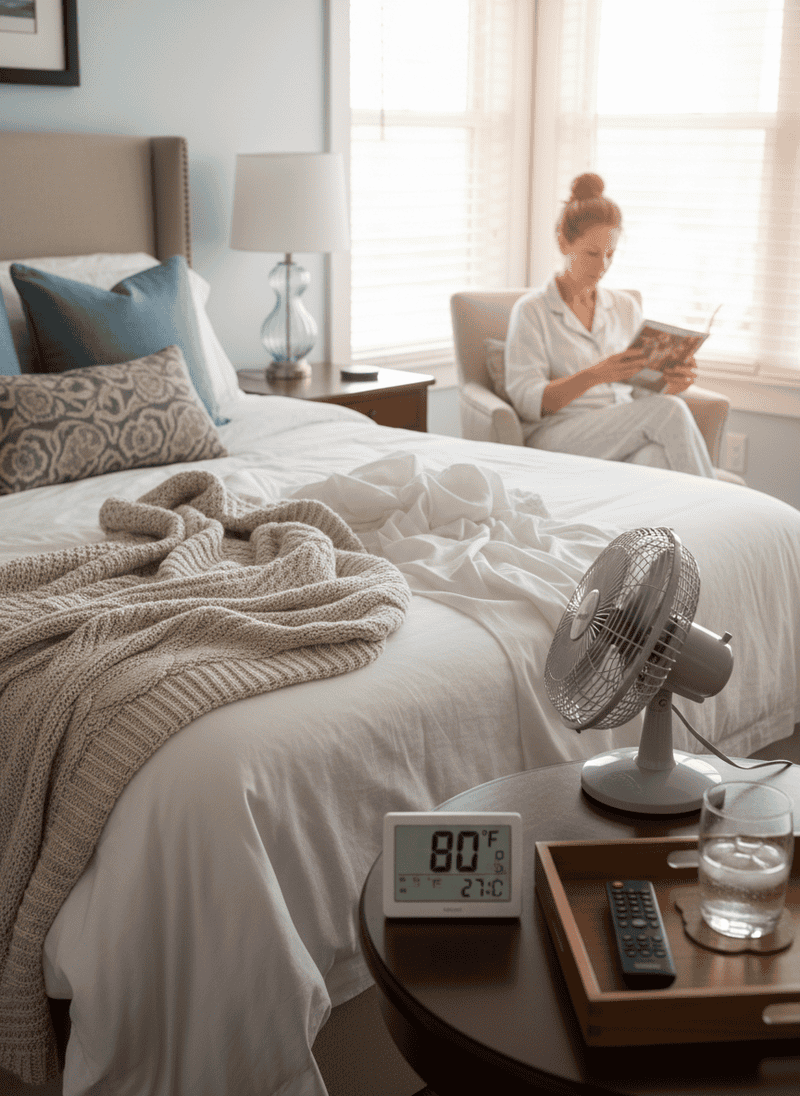
People have vastly different preferences when it comes to room temperature. What feels perfectly comfortable to you might be too hot or too cold for your guests. Assuming everyone is happy with the central thermostat setting is a common mistake that can lead to discomfort during their stay. Guests might feel awkward asking to adjust the thermostat, especially in the middle of the night.
Empower your guests to control their own comfort. Provide an extra blanket or throw in the closet or at the foot of the bed for those who get chilly easily. In warmer months, a small, quiet fan can be a lifesaver for guests who prefer cooler air or some white noise. If your HVAC system allows for zone control, briefly explain how to adjust the temperature in their room. Even simply stating, 'Please let me know if the room is too warm or too cool!' can make a huge difference, showing you prioritize their personal comfort.
8. Not Clearing Space for Guest Belongings

Imagine living out of a suitcase for days because there's nowhere to unpack. Many guest rooms suffer from being used as overflow storage, with closets full of your own clothes, shoes, or forgotten items, and drawers packed to the brim. This leaves guests with no dedicated space to hang clothes, store folded items, or tuck away their suitcase, forcing them to live in disarray.
Before guests arrive, ensure the closet has ample empty hangers and a clear rod for hanging clothes. Dedicate at least a few empty drawers in a dresser for folded items. If a dresser isn't available, a luggage rack is an incredibly thoughtful addition, allowing guests to keep their suitcase off the floor and at a convenient height. Clearing this space signals a warm invitation to make themselves at home and helps them feel more settled and organized during their visit.
9. Failing to Offer Basic Refreshments
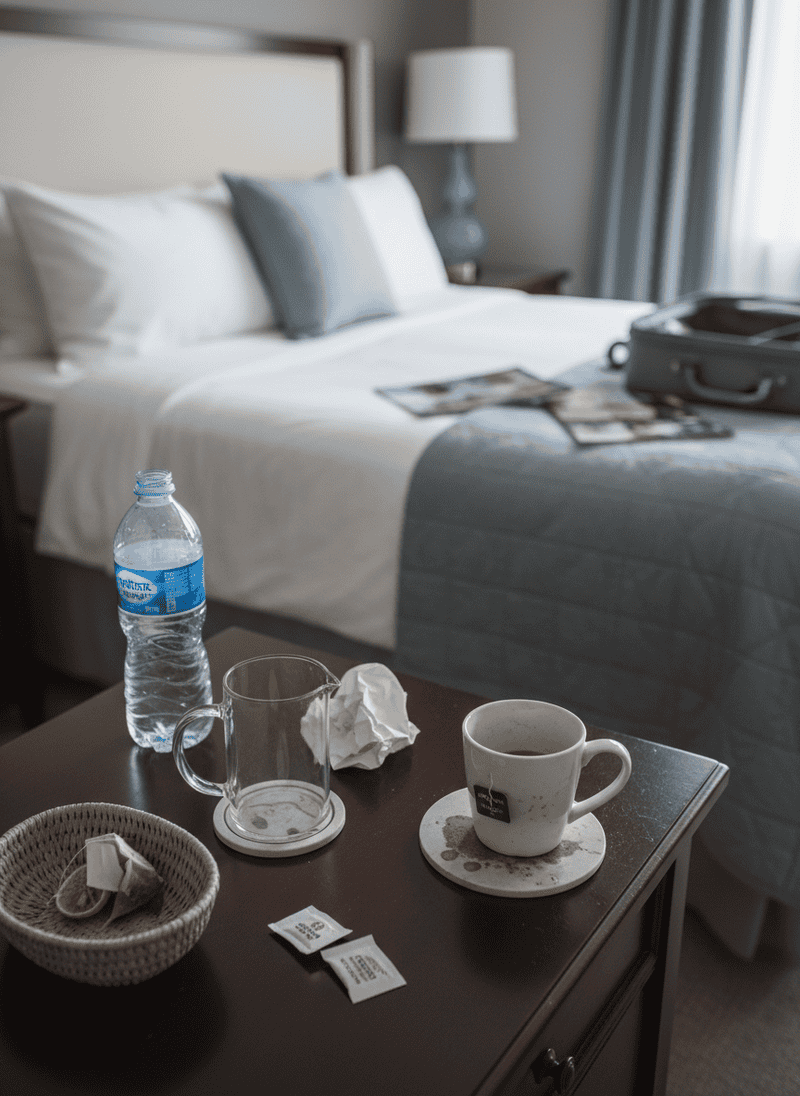
Small gestures often make the biggest impact on a guest's experience. Overlooking basic refreshments like a glass of water or a simple snack can leave guests feeling hesitant to ask for something, especially late at night or early in the morning. They might be thirsty after travel or peckish before breakfast, and not having anything easily accessible can create an unnecessary awkwardness.
A thoughtful touch is to provide a carafe of fresh water and a couple of clean glasses on the nightstand or dresser. You could also include a small basket with individually wrapped snacks like granola bars, a piece of fruit, or a packet of cookies. For a more luxurious feel, a small coffee or tea station with a mini-kettle and a selection of teas and instant coffee sachets can be truly appreciated. These simple provisions show genuine hospitality and ensure your guests feel comfortable satisfying their needs without having to ask.
10. Providing Poor Wi-Fi Access

In today's interconnected world, reliable Wi-Fi is no longer a luxury but a necessity for most travelers, whether for work, entertainment, or staying in touch with loved ones. A weak Wi-Fi signal, a complicated password, or worse, not providing the Wi-Fi information at all, can be a major source of frustration for your guests. They shouldn't have to search for the router or constantly ask for the password.
Ensure your guest room has a strong Wi-Fi signal; if not, consider a Wi-Fi extender. Most importantly, provide the Wi-Fi network name and password clearly and prominently. A small, laminated card on the nightstand or in a welcome binder is perfect. Double-check that the password is correct and easy to read. This simple act removes a potential hurdle and allows your guests to seamlessly connect, stream, and communicate, making their stay much more convenient and enjoyable.
11. Overlooking Essential Bathroom Amenities
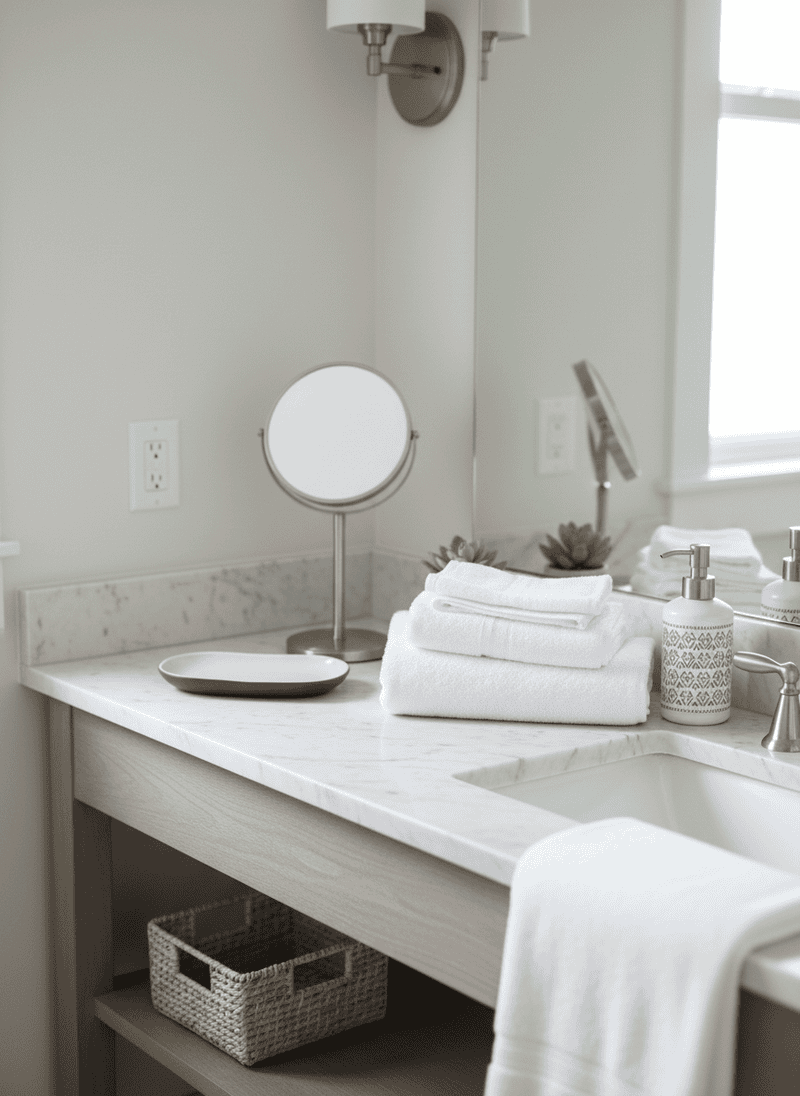
Even if guests have their own toiletries, a well-stocked guest bathroom speaks volumes about your hospitality. Many women over 50 might overlook the details in the adjoining or dedicated guest bathroom, offering only old, thin towels, an almost empty soap dispenser, or no basic amenities. This can leave guests feeling like an afterthought or unprepared if they've forgotten something essential.
Elevate their experience by providing fresh, fluffy towels – bath, hand, and washcloths – that are specifically for guests. Stock the shower with full-sized, good-quality shampoo, conditioner, and body wash. A new bar of soap, a small tube of toothpaste, and perhaps even a fresh toothbrush or comb can be incredibly helpful. Don't forget a bath mat for safety and comfort, and ensure there's extra toilet paper. These thoughtful additions create a spa-like feel and ensure your guests have everything they need for a comfortable stay.
12. Sticking to Outdated Decor
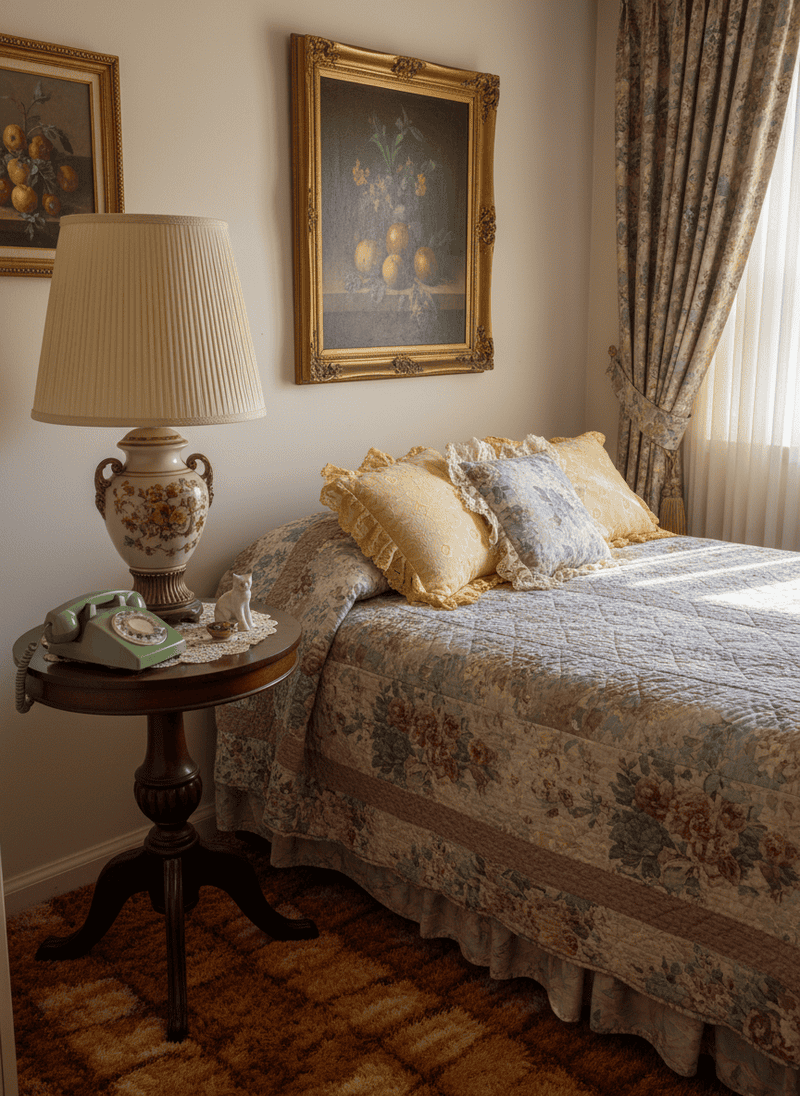
While personal style is wonderful, a guest room that feels stuck in a time warp can detract from its welcoming appeal. This isn't about chasing trends but ensuring the decor feels fresh, cohesive, and inviting. Many women over 50 might use a guest room as a repository for furniture and decor that no longer fits elsewhere in the house, resulting in a mismatched or overtly dated aesthetic that visitors notice instantly.
Focus on creating a timeless and serene atmosphere. Instead of a jumble of inherited pieces, consider a few key, comfortable furniture items. A fresh coat of paint in a neutral, calming color can work wonders. Update heavy, old drapes with lighter, more modern window treatments. Remove any overly specific or extremely dated decorative items. The goal is to create a peaceful sanctuary that feels thoughtfully curated and comfortable for any guest, rather than a museum of past styles. A clean, updated look significantly enhances the visitor experience.
13. Allowing Unpleasant Room Odors

Our sense of smell is incredibly powerful, and an unpleasant odor in a guest room can leave a lasting negative impression, regardless of how clean the room might appear. Common culprits include stale air, mustiness, lingering pet odors, or even strong cooking smells that have permeated the space. As homeowners, we often become accustomed to these subtle scents, but a visitor will notice them immediately upon entering.
Before guests arrive, give the room a thorough airing out by opening windows and running a fan. Clean all surfaces, vacuum carpets, and wash any fabrics like curtains or throw blankets. If a persistent musty smell is an issue, consider a dehumidifier. While air fresheners can offer a temporary fix, avoid overpowering artificial scents, which can be just as off-putting. Instead, opt for natural diffusers with essential oils or fresh flowers for a subtle, inviting aroma. A fresh-smelling room instantly signals cleanliness and a welcoming environment.
14. Not Offering Entertainment Options
While your guests are primarily there to spend time with you, there will inevitably be moments of downtime – perhaps late at night, early in the morning, or during an afternoon lull. Not providing any form of entertainment in the guest room can leave visitors feeling bored or restless, especially if they're not comfortable occupying your main living spaces alone. They might not want to always rely on their phone for distraction.
Consider adding a small smart TV to the guest room, pre-logged into popular streaming services like Netflix or Hulu, with clear instructions on how to use it. If a TV isn't feasible or desired, a thoughtfully curated selection of books and current magazines can be a wonderful alternative. Include a variety of genres to cater to different tastes. A few local guidebooks or brochures about nearby attractions can also be a nice touch. These small additions provide guests with options for relaxation and personal entertainment, enhancing their overall comfort and enjoyment during their stay.
15. Skipping a Welcome Note with Key Information

Even the most seasoned host can forget that guests are navigating a new environment. Expecting visitors to know your Wi-Fi password, where to find extra towels, or how to operate your coffee machine is a common oversight. Without clear information, guests might feel hesitant to ask repetitive questions, leading to unnecessary frustration and making them feel less independent during their stay.
A simple, handwritten welcome note or a small printed information sheet can make a huge difference. Include essential details such as the Wi-Fi network name and password, local emergency numbers, your preferred contact number, and perhaps a brief note on breakfast arrangements or house rules (e.g., 'Please feel free to help yourself to coffee!'). You might also add recommendations for local attractions or dining. This thoughtful gesture empowers guests, answers common questions before they're even asked, and makes them feel truly cared for and informed.
16. Neglecting Small Cleanliness Details
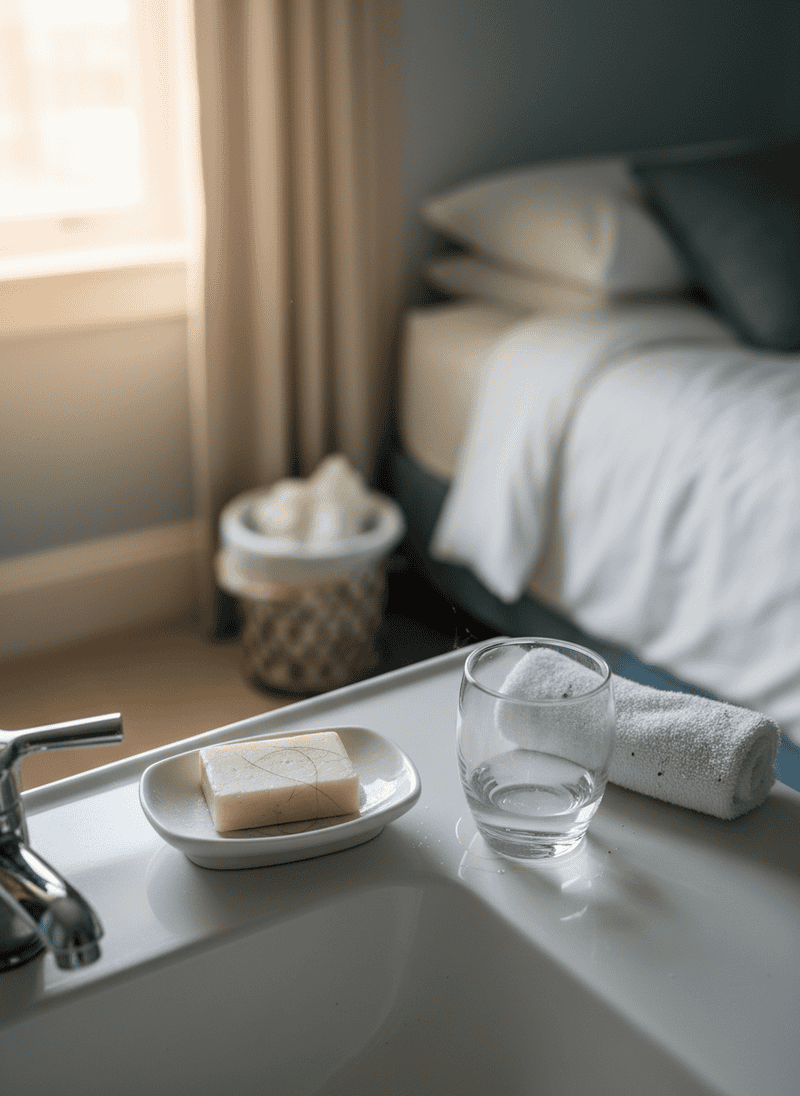
While the main areas of a guest room might be tidy, it's the small, overlooked cleanliness details that visitors notice instantly and often form their lasting impression. Dust bunnies under the bed, cobwebs in corners, fingerprints on light switches, or streaks on mirrors can make an otherwise neat room feel less than pristine. Guests expect a certain level of hygiene, and these subtle oversights can quickly diminish their comfort.
Before guests arrive, dedicate time to a deep clean beyond just vacuuming and wiping surfaces. Check ceiling corners for cobwebs, dust baseboards, window sills, and fan blades. Polish mirrors and windows until they sparkle. Wipe down light fixtures and doorknobs. Ensure wastebaskets are empty and lined. A truly clean room, down to the smallest detail, communicates respect and care for your guests. These efforts ensure a fresh, hygienic environment where your visitors can fully relax without any lingering doubts about cleanliness.
17. Omitting a Full-Length Mirror
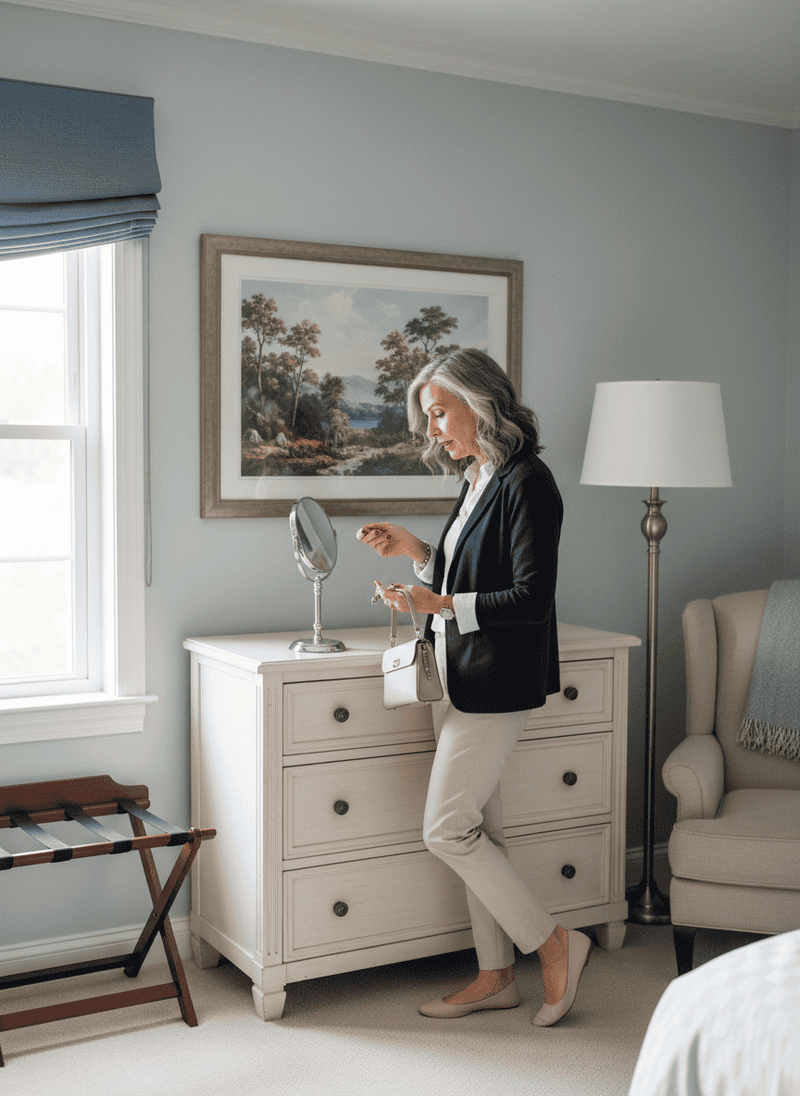
It might seem like a minor detail, but a full-length mirror is a surprisingly crucial amenity that is often overlooked in guest rooms. Guests need to check their outfits, ensure they look presentable, and feel confident before heading out or joining you for the day. Having to use a tiny bathroom mirror or constantly walk to another part of the house can be an unnecessary inconvenience.
A full-length mirror, whether mounted on a wall, hung over a door, or as part of a free-standing unit, provides immense convenience. It allows guests to easily assess their appearance from head to toe, ensuring they feel comfortable and put-together. This small addition demonstrates an understanding of their daily needs and helps them feel more settled and at ease in your home. It's an affordable and highly appreciated touch that elevates the guest room's functionality and your guests' confidence.
18. Ignoring Potential Accessibility Needs

While not every guest will have mobility challenges, making your guest room and bathroom easily navigable is a thoughtful consideration often missed by women over 50. This isn't necessarily about installing grab bars, but rather ensuring clear pathways and ease of use. Cluttered hallways, slippery rugs, or difficult-to-reach items can create subtle obstacles for anyone, not just those with specific needs.
Assess the guest room from an accessibility perspective. Are pathways clear of obstacles and tripping hazards? Is there enough space around the bed and dresser? Ensure rugs are non-slip or removed entirely. Make sure light switches and outlets are easily reachable. If the guest bathroom is shared, ensure it's tidy and has good lighting. While you don't need to completely renovate, these small adjustments show an awareness of diverse needs and create a safer, more comfortable environment for all your visitors, regardless of their age or physical capabilities.
19. Over-Personalizing the Guest Space
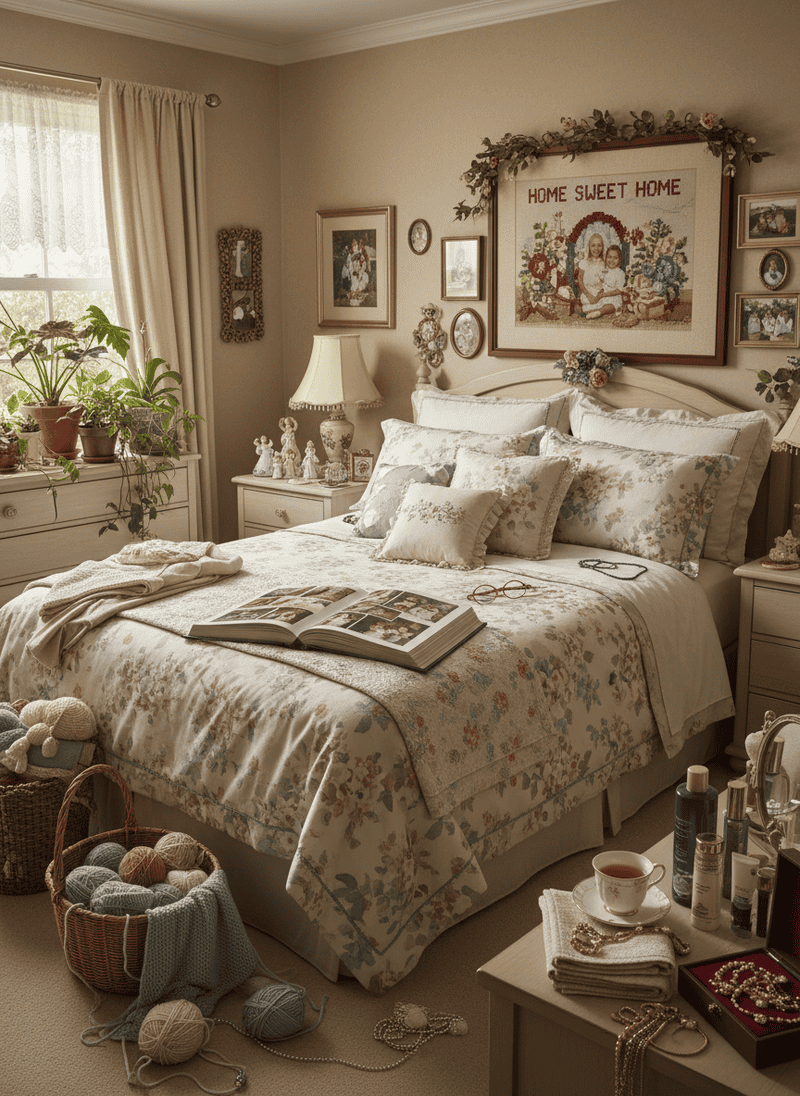
While a few personal touches can make a room feel warm, an over-personalized guest room can inadvertently make visitors feel like they're intruding on your private space. Many women over 50 tend to fill guest rooms with an abundance of family photos, highly personal decor, or items that are deeply sentimental to them. This can make the space feel less like a temporary retreat for a guest and more like a shrine to your own life.
Aim for a balance between warmth and neutrality. Remove excessive personal photographs and overly specific memorabilia. The goal is to create a serene, welcoming atmosphere that allows guests to project their own sense of comfort onto the space. A few tasteful, general art pieces or a well-chosen plant are lovely. By depersonalizing the room slightly, you invite your guests to feel more at ease and less like they are merely visitors in a very personal part of your home, making their stay more relaxing and truly their own.
20. Overdoing Artificial Fragrances
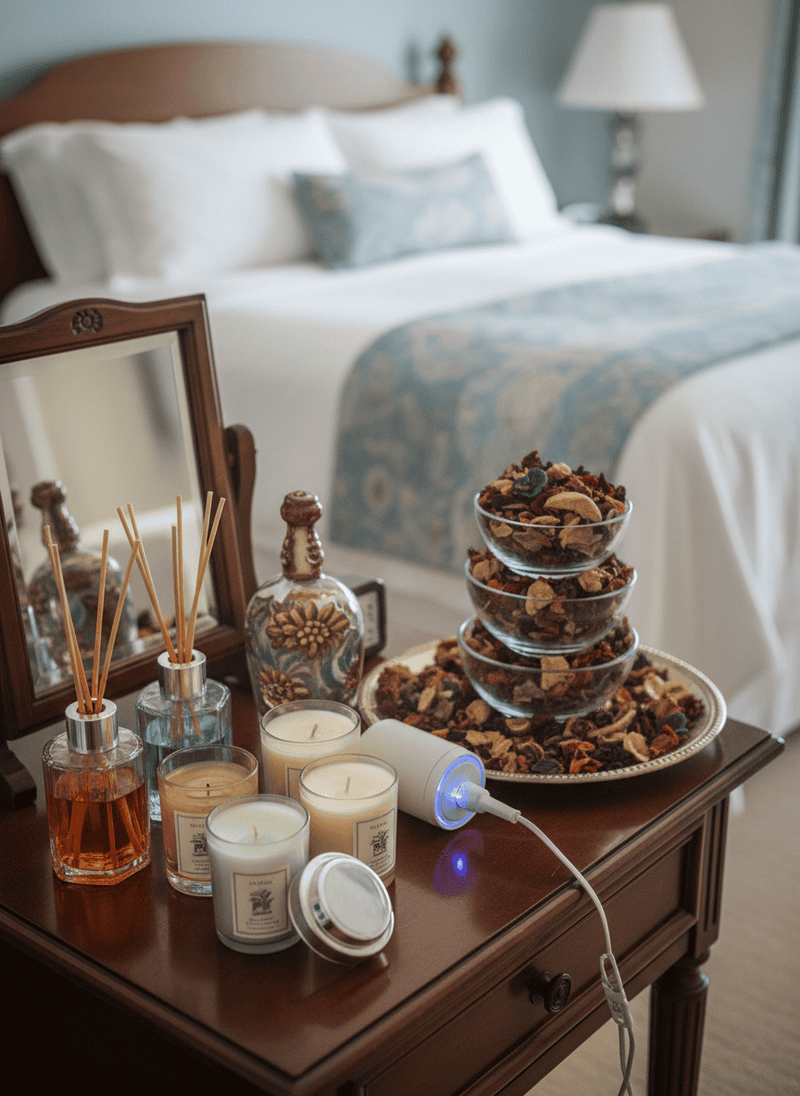
While a pleasant scent can enhance a room's ambiance, many women over 50 fall into the trap of overdoing artificial fragrances in the guest room. Strong plug-in air fresheners, heavily scented candles, or overpowering linen sprays might seem like a good idea to mask odors or create a welcoming atmosphere, but they can be highly irritating or even cause allergic reactions for sensitive guests. What smells lovely to you might be overwhelming or headache-inducing for someone else.
Opt for subtle and natural freshness instead. Ensure the room is thoroughly cleaned and aired out. If you wish to add a scent, choose something very mild, like a diffuser with a few drops of a calming essential oil (lavender or citrus) or a vase of fresh, unscented flowers. Always consider unscented laundry detergent for guest linens. The goal is a fresh, clean smell, not an overpowering one. A neutral, naturally fresh environment is universally preferred and demonstrates sensitivity to your guests' comfort and well-being.
21. Not Providing Additional Seating
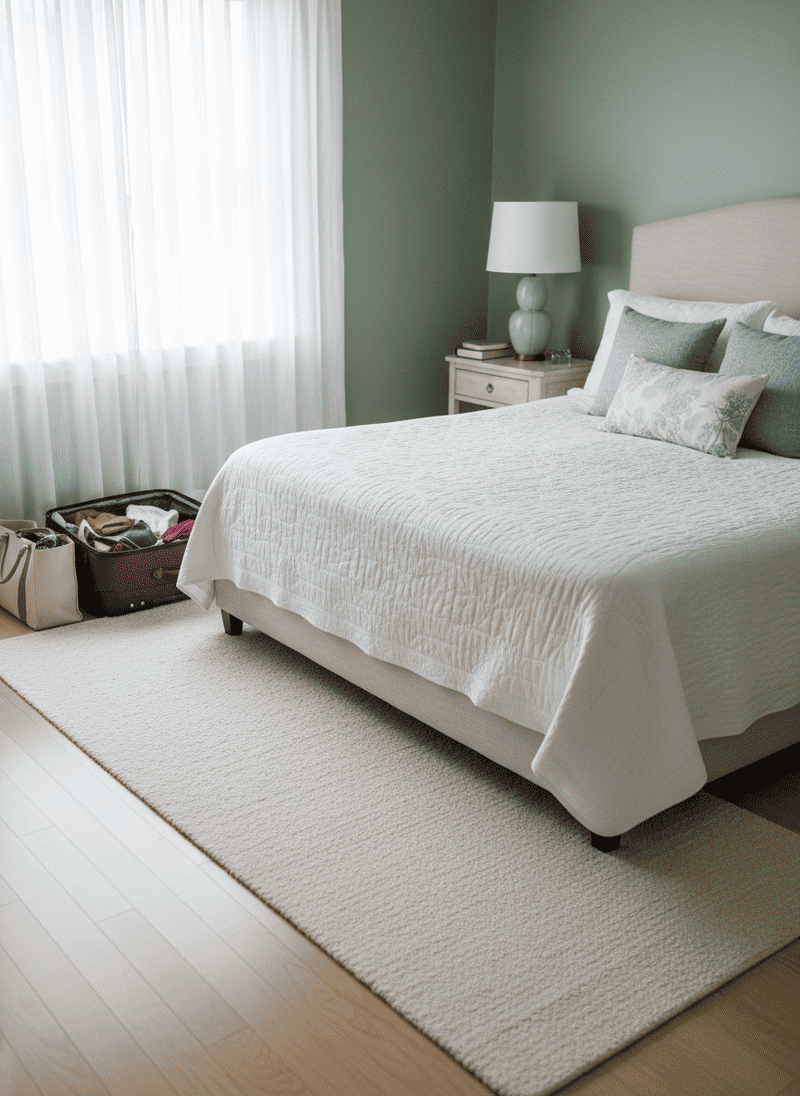
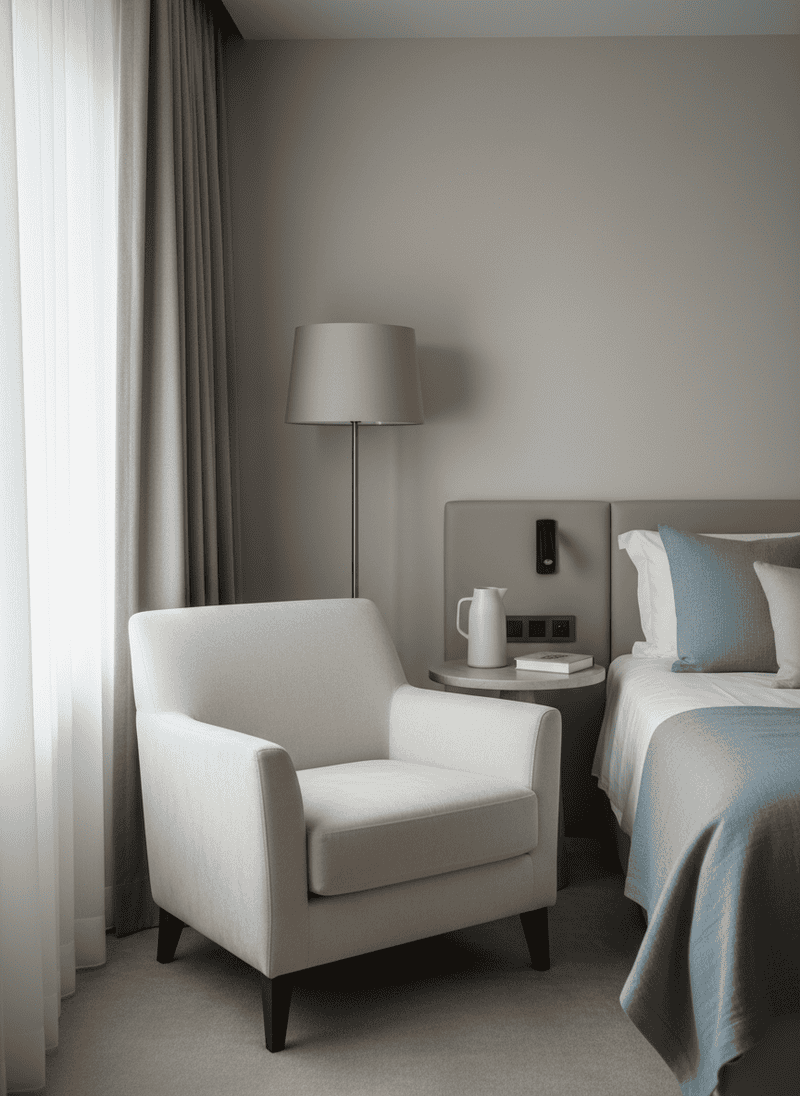
While a comfortable bed is paramount, relying solely on it for all activities in a guest room is a common oversight. Guests often need a place to sit that isn't the bed – perhaps to put on shoes, read a book, answer emails, or simply have a quiet moment of reflection away from the main living areas. Not having additional seating can make the room feel less functional and less like a true private retreat.
Even in a small room, there are solutions. A comfortable armchair or a small accent chair can provide a dedicated spot for reading or relaxing. If space is truly limited, a stylish bench at the foot of the bed or a sturdy ottoman can serve as both seating and a place to set items. Ensure the seating is comfortable and proportionate to the room. Providing this extra seating enhances the room's versatility and offers your guests a much-appreciated alternative to always being on the bed, making their stay feel more luxurious and thoughtful.


