

Welcoming guests into your home is a cherished tradition, a chance to share warmth and hospitality. However, even the most well-meaning hosts, particularly women over 60 who often have a lifetime of hosting experience, can sometimes overlook small details in their guest rooms that make a big impact on visitors' comfort and perception. Understanding these common guest room mistakes can transform a good stay into a truly memorable one.
1. Outdated or Worn Linens

One of the quickest ways for a guest to feel less than pampered is encountering bedding that has seen better days. Linens that are pilled, faded, or simply don't match give an impression of neglect rather than a cozy retreat. While a favorite set might feel comfortable to you, your guests will notice the thinness of the sheets or the scratchiness of old pillowcases instantly upon entering the room.
Investing in fresh, good-quality linens doesn't have to break the bank. Opt for crisp cotton or a comfortable sateen in neutral tones or soft patterns. Having at least two sets allows for easy rotation and ensures a pristine look and feel for every arrival. Remember, the bed is the focal point of any guest room, and its linens are the first tactile experience your visitors will have, setting the tone for their entire stay.
Consider adding a breathable mattress protector to ensure hygiene and extend the life of your mattress. A good quality duvet or comforter, along with several pillow options (firm, soft), can further enhance the sleeping experience. Fresh, clean, and inviting linens are a hallmark of thoughtful hospitality and make a significant difference in how welcomed a guest feels in your home.
2. Visible Dust and Neglected Cleaning

Even in an otherwise tidy home, overlooked dust and cobwebs in a guest room can be a tell-tale sign of infrequent use or rushed cleaning. Dust on ceiling fan blades, baseboards, window sills, and forgotten corners of the room are immediately noticeable to a guest who is assessing their temporary space. This can inadvertently make a visitor feel uncomfortable, wondering about the overall hygiene of the home.
Before any guest arrives, conduct a thorough, top-to-bottom cleaning of the guest room. Don't just make the bed and vacuum the visible areas. Take the time to wipe down all surfaces, including lamps, picture frames, and under any furniture. Pay close attention to corners, behind the headboard, and along the baseboards where dust tends to accumulate unseen.
Vacuum or sweep under the bed and in the closet. Fresh air can also do wonders; open a window for an hour or two to let out any stale air. A sparkling clean environment isn't just about aesthetics; it assures your guests that their comfort and health are a priority, allowing them to relax and enjoy their stay without reservation.
3. Lack of Fresh, Dedicated Towels

Providing guests with used, faded, or rough towels – or worse, having them search for their own – is a common oversight that significantly impacts their perception of hospitality. Guests expect and appreciate fresh, plush towels reserved specifically for their use. Being handed a towel that feels like sandpaper or one that has clearly been part of the family rotation for years can make them feel like an afterthought.
Always provide at least two fresh bath towels, a hand towel, and a washcloth per guest. If space allows, a separate bath mat can also be a thoughtful addition. Opt for good quality, absorbent towels in neutral colors that can withstand frequent washing. Keep them neatly folded and stacked on the bed or a visible shelf in the guest room or an adjacent bathroom, signaling their exclusive availability.
This simple gesture communicates care and attention to detail. It eliminates any awkwardness for guests regarding what they can use and provides them with a sense of personal hygiene and comfort. Fresh, dedicated towels are a small luxury that makes a big difference in a guest's overall experience, making them feel truly welcomed and catered to.
4. Overabundance of Personal Clutter
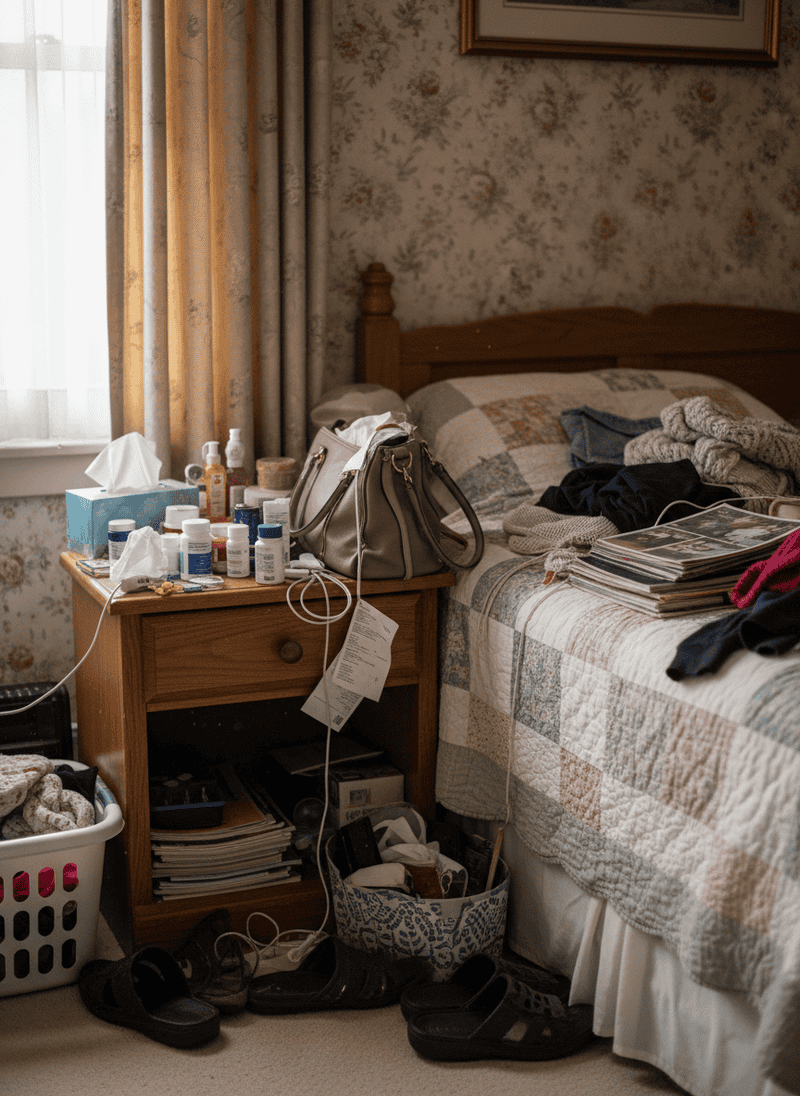
Many guest rooms double as storage spaces for items that don't quite fit elsewhere in the home, leading to an environment cluttered with personal effects. From stacks of old magazines to boxes of memorabilia or excess furniture, having your personal items encroaching on the guest's space can make them feel like an intruder rather than a welcomed visitor. It leaves little room for their own belongings and creates a sense of disorganization.
A guest room should feel like a serene, neutral sanctuary. Before guests arrive, declutter ruthlessly. Remove any items that are not essential for a guest's stay. This includes personal photographs, excessive decorative items, and any overflow storage. The goal is to create an open, inviting space where guests can unpack and feel at home without navigating your belongings.
Think about what a hotel room provides: a clean, minimalist space focused on the guest's comfort. While you don't need to strip the room entirely of personality, ensure that personal touches are minimal and tasteful. By clearing out clutter, you not only make the room more functional but also convey a message of respect and preparedness for your guest's arrival, making them feel truly valued.
5. Uncomfortable or Sagging Mattress
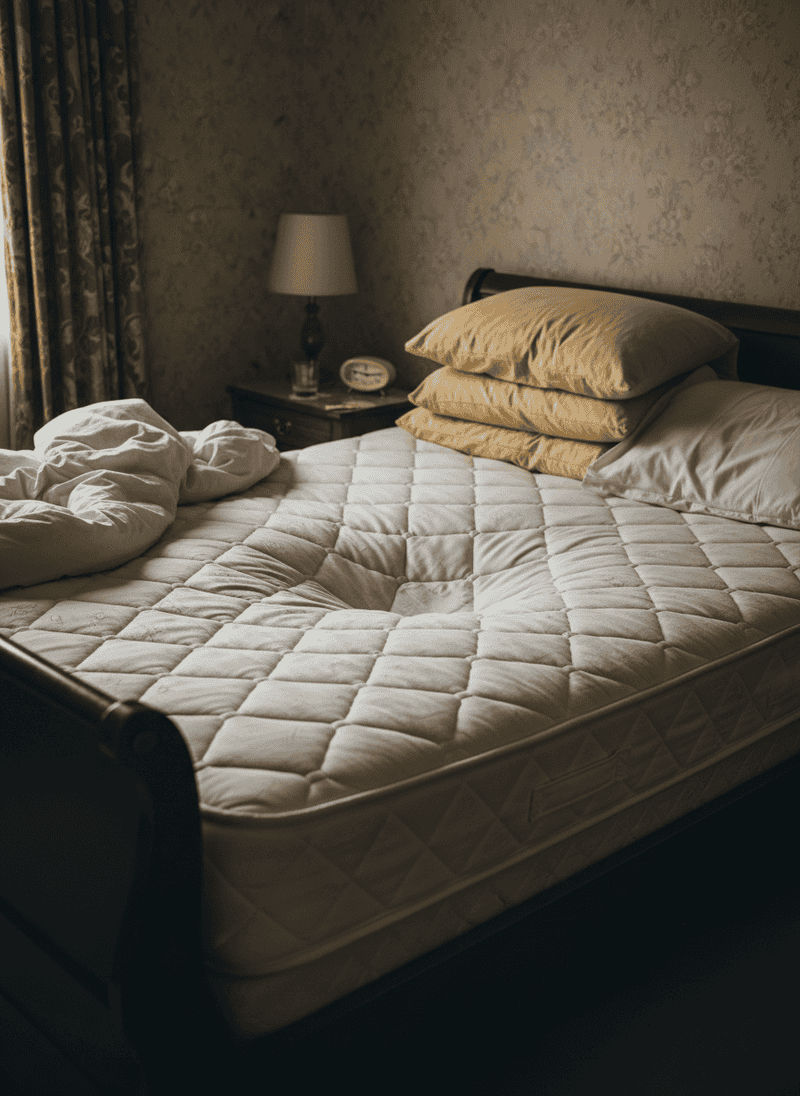
The quality of sleep is paramount for any guest, and an uncomfortable, old, or sagging mattress is a guaranteed way to ensure they don't get a good night's rest. Many hosts keep their oldest mattress for the guest room, assuming it's 'good enough,' but a lumpy, too-soft, or overly firm bed can lead to back pain and restless nights, leaving guests feeling tired and less than thrilled with their stay.
While replacing a mattress can be a significant investment, it's one of the most impactful upgrades you can make to your guest room. If a new mattress isn't feasible, consider a high-quality memory foam topper or a firm mattress pad to improve comfort. Even a seemingly small improvement can make a substantial difference in the support and feel of the bed.
Remember, your guests are likely traveling and may already be fatigued. A truly comfortable bed signals that you've thought about their well-being and want them to feel rested and rejuvenated. Prioritizing a comfortable sleep surface shows genuine care and elevates the entire guest experience, making them eager to return for another restful visit.
6. Inadequate or Harsh Lighting

Lighting plays a crucial role in the ambiance and functionality of any room, and a guest room is no exception. Often, guest rooms are equipped with a single, harsh overhead light or dim, impractical bedside lamps. This lack of versatile lighting can be frustrating for guests who need different levels of illumination for reading, getting dressed, or simply relaxing in the evening.
Ensure your guest room has a variety of lighting options. A soft overhead light for general illumination is a good start, but it should be supplemented with bedside lamps that offer a warmer glow and are suitable for reading. A floor lamp in a corner or by a seating area can also add warmth and character to the room, providing additional task lighting.
Consider adding a dimmer switch to the overhead light for ultimate flexibility. Good lighting enhances comfort, reduces eye strain, and allows guests to use the room for various activities without feeling limited. Thoughtful lighting design contributes significantly to a welcoming and functional guest space, showing you've considered their needs day and night.
7. Lack of Privacy Features
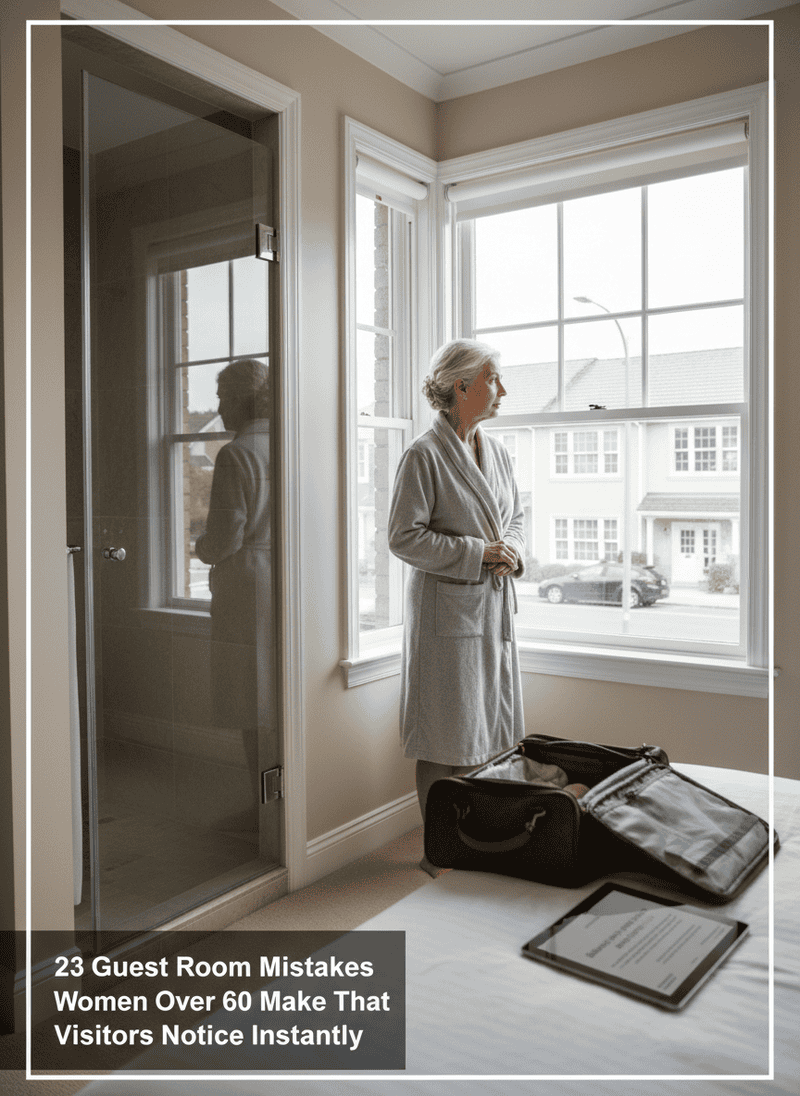
One of the most crucial elements for any guest's comfort is a sense of privacy. Guest rooms frequently overlook this by having thin or sheer curtains, no window coverings at all, or a lack of a lock on the door. Guests may feel exposed, especially if their room faces a busy street, a neighbor's window, or even another part of your own home. A lack of a door lock can also lead to unease, especially if there are other family members or children in the house.
Ensure all guest room windows have adequate coverings that provide both privacy and light control. Blackout curtains or blinds are an excellent choice, allowing guests to sleep in undisturbed by morning light. If the guest room door doesn't have a lock, consider installing a simple interior latch or bolt. This small addition grants guests a sense of security and personal space, which is invaluable.
Additionally, if the guest room is adjacent to high-traffic areas, consider placing a small 'do not disturb' sign they can hang on their door. Respecting a guest's need for personal space and security is fundamental to being a thoughtful host, making them feel truly comfortable and respected in your home.
8. No Dedicated Storage for Belongings

When a guest arrives, they often come with luggage and personal items they need to unpack or store. A guest room devoid of available closet space, empty drawers, or even a luggage rack can leave them living out of a suitcase on the floor, which is inconvenient and uncomfortable. This oversight suggests a lack of foresight regarding their practical needs during their stay.
Before guests arrive, clear out at least half of the closet space in the guest room, providing hangers for their clothes. Empty a dresser drawer or two, ensuring they are clean and ready for use. A luggage rack is a particularly thoughtful addition, as it allows guests to keep their suitcase off the floor and at a comfortable height for easy access. Even a simple bench or sturdy chair can serve as a place to set luggage.
Providing dedicated storage shows that you anticipate their needs and want them to settle in comfortably. It allows them to organize their belongings, reducing clutter and making their stay feel more organized and relaxed. This attention to practical details ensures your guests can fully unpack and make the guest room their own temporary haven.
9. Insufficient Accessible Power Outlets
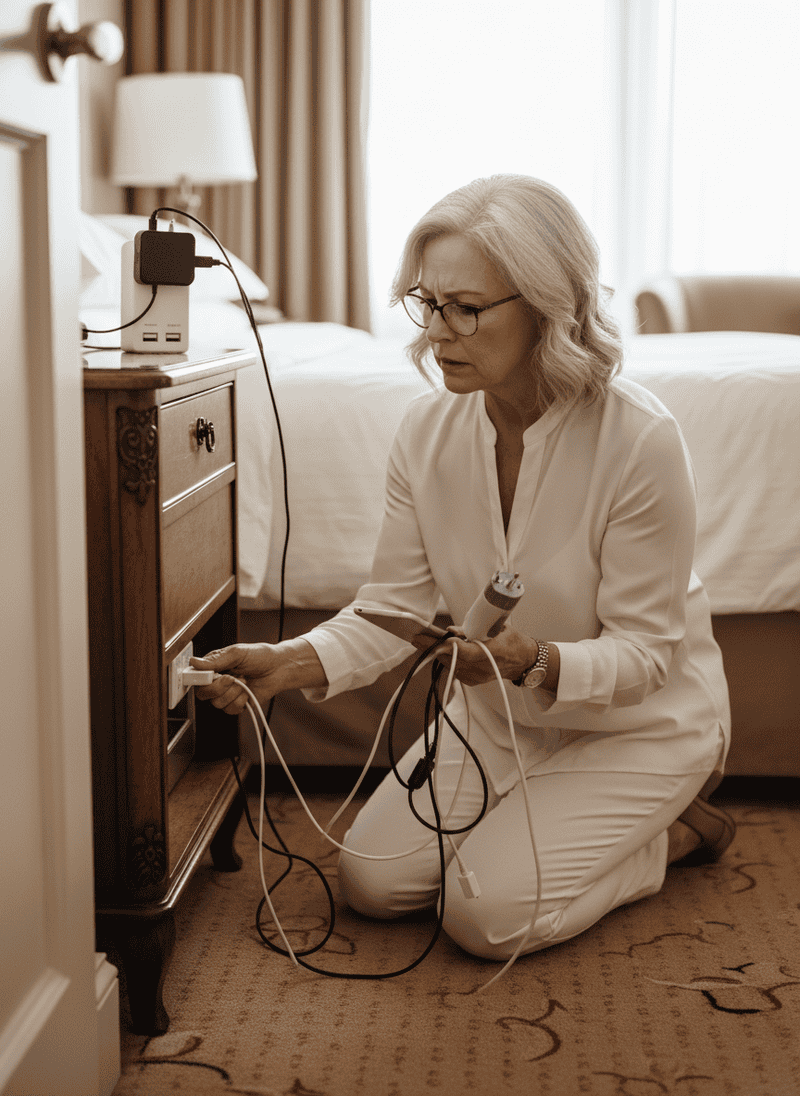
In today's digital age, nearly every guest travels with multiple electronic devices – smartphones, tablets, laptops, and smartwatches – all requiring charging. A common guest room mistake is having inaccessible power outlets hidden behind heavy furniture or a complete lack of available sockets. Guests often find themselves crawling under beds or unplugging lamps to power their devices, which is both inconvenient and frustrating.
Inspect your guest room for easily accessible power outlets. If they are scarce or difficult to reach, consider adding a multi-port charging station on a bedside table or a small power strip with USB ports. Ensure there's an outlet near the bed and another near any desk or seating area. This thoughtful provision allows guests to charge their devices conveniently without hassle.
Clearly mark available outlets or point them out upon arrival. This small but significant amenity demonstrates an understanding of modern travel needs. Providing easy access to power ensures your guests can stay connected and charged, reflecting a host who is truly prepared for contemporary visitors and their technological companions.
10. Unaddressed Temperature Discomfort

A guest room that is consistently too hot or too cold without any means for adjustment can significantly impact a guest's comfort and ability to sleep. Whether it's a drafty window in winter or a stuffy room in summer, expecting guests to simply 'deal with it' can make them feel uncared for and eager for their stay to end. Temperature control is a fundamental aspect of comfort.
Consider the climate and the season when preparing your guest room. In colder months, ensure extra blankets are readily available – perhaps a cozy throw or a thicker duvet. If the room tends to be chilly, a small, safe space heater (with clear instructions) can be a godsend. In warmer weather, ensure the room has good airflow; a window fan or a small, quiet oscillating fan can make a huge difference.
Communicate with your guests about the room's temperature and offer solutions. Even simply asking if they are comfortable and offering an extra blanket or fan shows you care. Empowering guests to manage their own comfort level within reasonable limits is a hallmark of attentive hospitality, ensuring they have a pleasant and restful stay regardless of the outside conditions.
11. Lack of Basic Toiletries
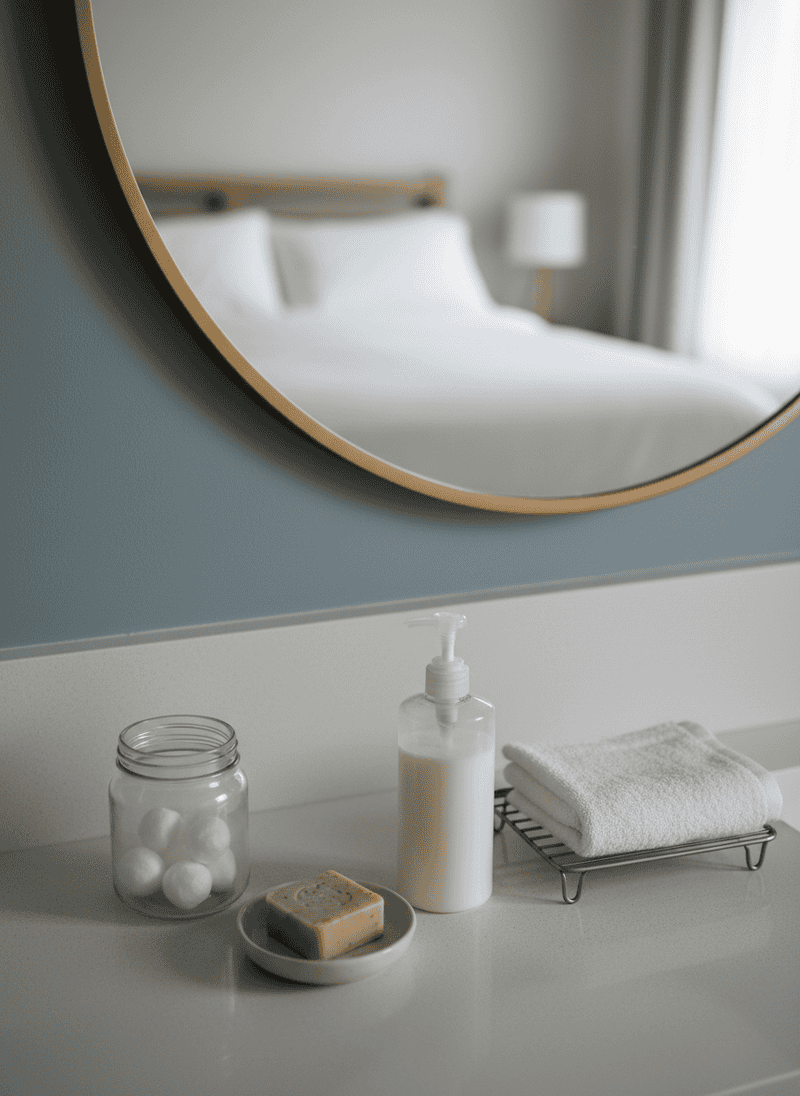
While guests typically pack their own toiletries, sometimes forgotten items or travel size restrictions mean they might need a little help. Failing to provide basic necessities like soap, shampoo, conditioner, and perhaps a fresh bar of face soap can put guests in an awkward position, having to ask or go without. This oversight suggests a lack of preparedness for their essential needs.
Curate a small basket of essential toiletries in the guest bathroom or on a dresser in the guest room. Include travel-sized shampoo, conditioner, body wash, a fresh bar of soap, and perhaps a new toothbrush and toothpaste. Small lotions, cotton balls, and Q-tips can also be thoughtful additions. Many hotels offer these for a reason – they are genuinely helpful.
Ensure there's enough toilet paper readily available and a fresh hand towel by the sink. These small provisions communicate a high level of hospitality and attention to detail. Guests will appreciate not having to bother you for forgotten items, making their stay smoother and more comfortable. It’s about anticipating needs before they even arise.
12. Outdated or Neglected Decor

A guest room that looks like a time capsule from decades past, filled with mismatched furniture, faded artwork, and forgotten decor items, can make guests feel like they've stepped into a forgotten attic rather than a welcoming retreat. While personal style is important, a room that feels neglected or stuck in another era can detract from the overall comfort and appeal, signaling that this space isn't prioritized.
You don't need a complete overhaul or expensive renovations. Focus on creating a cohesive and fresh look. A fresh coat of paint in a neutral, calming color can instantly update the space. Replace tired artwork with something modern and serene, or simply remove excess decorative clutter. Ensure furniture is in good repair and functional, not just old pieces you no longer use elsewhere.
Small updates like new throw pillows, a contemporary bedside lamp, or a fresh plant can revitalize the room's aesthetic. The goal is to create a space that feels cared for, intentional, and inviting, rather than a repository for forgotten items. A thoughtful and updated decor contributes significantly to a guest's feeling of being welcomed into a cherished part of your home.
13. Absence of Water or Simple Snacks
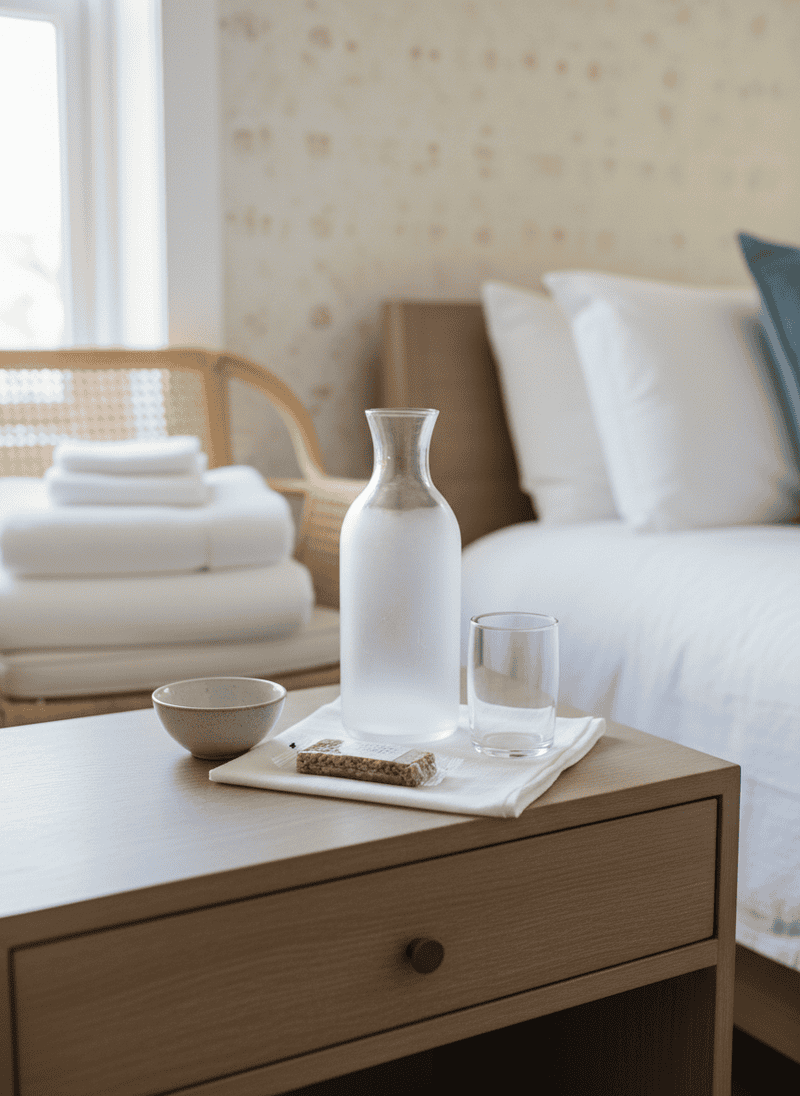
After a day of travel or during the middle of the night, guests often appreciate easy access to hydration or a small bite without needing to venture out into the main house. Failing to provide a simple glass of water or a small snack can leave guests feeling parched or peckish, especially if they are unsure about helping themselves to your kitchen. This oversight can create an awkward barrier to their comfort.
Place a carafe of fresh water and a clean drinking glass on the bedside table. For an added touch, consider a small, individually packaged snack like a granola bar, a piece of fruit, or some crackers. These items are easy to provide and make a world of difference, particularly for guests arriving late or those who might wake up hungry or thirsty during the night.
This small gesture goes a long way in showing thoughtful hospitality. It provides convenience and comfort, allowing guests to tend to their immediate needs privately. Offering refreshments signals that you've considered their entire experience, from arrival to departure, making their stay feel more luxurious and stress-free.
14. Overly Decorative and Crowded Surfaces

While decorative touches add personality, an excessive number of knick-knacks, figurines, or framed photos on every surface can overwhelm a guest room and leave no practical space for a guest's own items. Guests need room for their keys, phone, wallet, toiletries, and any personal mementos they might bring. Cluttered surfaces communicate a lack of consideration for their functional needs.
Adopt a 'less is more' approach to guest room decor. Choose a few meaningful or aesthetically pleasing items to display, rather than filling every available inch. Ensure there's ample clear surface space on bedside tables, dressers, and any available desk. A clear, uncluttered surface makes a room feel more spacious, peaceful, and functional.
Remove highly personal family photos or items that might make a guest feel like they're infringing on private space. The aim is to create a serene environment where guests can spread out a little and feel comfortable. Thoughtful minimalism allows the room to breathe and focuses on the guest's comfort and convenience, making their stay more relaxing and accommodating.
15. Unpleasant or Stale Odors

A guest room that smells musty, like stale air, pet odors, or an overpowering artificial air freshener can be an immediate turn-off for visitors. Odors, whether unpleasant or excessively strong, are often the first thing a guest notices upon entering a room and can significantly detract from their comfort, potentially even triggering allergies. A fresh, neutral scent is always best.
Before guests arrive, ensure the room is thoroughly aired out. Open windows for a few hours to allow fresh air to circulate. Clean all surfaces, vacuum carpets, and wash any fabrics like curtains or throw blankets that might hold odors. If you have pets, ensure their presence is minimized in the guest room, and clean meticulously to remove any pet dander or smells.
Avoid using strong, artificial air fresheners, as these can be overwhelming or cause headaches for some individuals. Instead, opt for natural fresheners like a bowl of potpourri, a subtle essential oil diffuser, or fresh flowers (if guests don't have allergies). A clean, neutral-smelling room immediately communicates freshness and care, ensuring a pleasant breathing environment for your visitors.
16. Missing Wi-Fi Information
In today's connected world, Wi-Fi access is no longer a luxury but a necessity for most travelers. Guests expect to be able to connect their devices to the internet for work, communication, or entertainment. Making them hunt for the Wi-Fi password or repeatedly ask for it creates an avoidable hassle and reflects a lack of preparedness for their modern needs.
Print out your Wi-Fi network name and password clearly on a small card and place it prominently in the guest room – perhaps on the bedside table or taped to the refrigerator. Consider including any instructions for connecting to the network if it's not straightforward. This simple gesture saves guests from awkward questions and allows them to get online immediately upon arrival.
This small detail demonstrates an understanding of contemporary travel requirements and makes a significant positive impression. Providing easy access to Wi-Fi ensures your guests can stay connected and feel at home, reducing stress and enhancing their overall stay. It's a fundamental aspect of modern hospitality that shouldn't be overlooked.
17. Lack of Reading Material or Entertainment
While guests might bring their own entertainment, having a few thoughtful options in the guest room can make their downtime more enjoyable, especially if they prefer to relax quietly or if the weather isn't conducive to going out. A guest room devoid of any books, magazines, or simple entertainment options can feel a bit sterile and unwelcoming, leaving guests with little to do if they have some quiet time.
Curate a small selection of current magazines (lifestyle, travel, or local interest) or a few appealing paperback books (fiction, non-fiction, or local guides). Ensure they are relatively new and in good condition, not dusty old copies you've finished. A small puzzle book or a deck of cards can also be a nice, low-key entertainment option. Place them neatly on a bedside table or a small shelf.
These additions encourage relaxation and provide a quiet activity for guests who might be unwinding before bed or enjoying a morning coffee in their room. It's a subtle way of saying, 'Make yourself at home and enjoy your leisure.' Thoughtful reading material shows you've considered their relaxation and enjoyment beyond just providing a bed.
18. No Full-Length Mirror

Guests often need to check their entire outfit before heading out, whether for a family gathering, a meal, or an excursion. A common oversight in guest rooms is the absence of a full-length mirror, forcing guests to awkwardly use small bathroom mirrors or step out into other areas of the house to get a complete view. This can be inconvenient and infringe on their privacy.
Install a full-length mirror somewhere in the guest room – on the back of the door, leaning against a wall, or as part of a wardrobe. Ensure it's in a well-lit area where guests can comfortably stand back to get a full view. This simple addition provides a practical amenity that guests will undoubtedly appreciate and use.
A full-length mirror is a fundamental convenience in any bedroom. Its presence in the guest room signals attention to detail and an understanding of a guest's daily routine. It allows them to get ready privately and efficiently, making their stay feel more streamlined and comfortable, and reflecting a host who anticipates their practical needs.
19. Unstocked or Unprepared Adjacent Bathroom
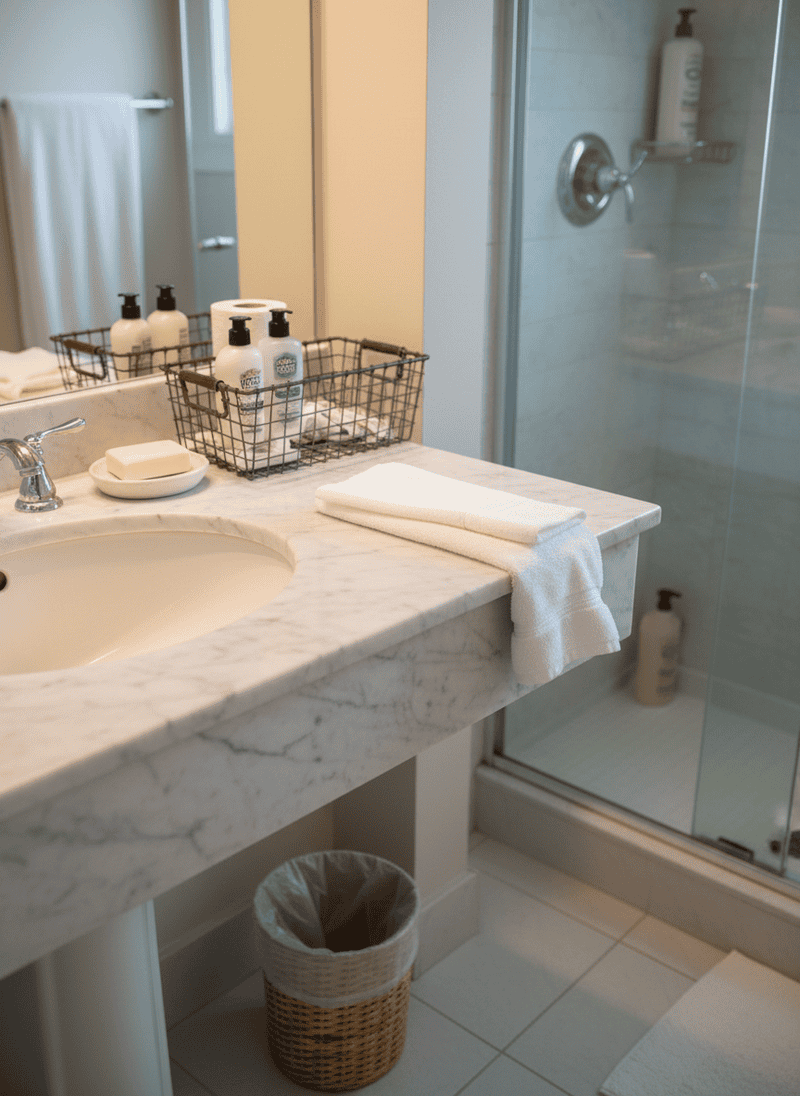
If guests have access to a dedicated or adjacent bathroom, it's crucial that this space is as clean, stocked, and prepared as the bedroom itself. Common mistakes include running out of toilet paper, no hand soap by the sink, or a lack of fresh towels. An unkempt or unstocked bathroom can immediately negate the positive impressions created by a well-prepared guest room.
Before guests arrive, thoroughly clean the bathroom. Ensure the toilet, sink, and shower are spotless. Check that there's ample toilet paper (with an extra roll or two visible), fresh hand soap at the sink, and a clean wastebasket. Clean the mirror and wipe down all surfaces. If it's a shared bathroom, clearly designate shelves or hooks for guest use.
Provide fresh bath towels, hand towels, and a bath mat. Consider adding a small air freshener (a subtle, natural one) or a candle. A pristine and well-stocked bathroom reinforces the message of thoughtful hospitality, assuring guests of their comfort and hygiene. It ensures their entire experience, from sleep to self-care, is seamless and pleasant.
20. Lack of Local Information or House Guide

While you're available to answer questions, guests often appreciate having readily accessible information about the house rules, local attractions, and practicalities without having to constantly ask. Failing to provide a simple guide can leave guests feeling unsure about household expectations or how to navigate the local area, which can add unnecessary stress to their visit.
Create a small, simple guest book or printed sheet with essential information. Include your Wi-Fi password, emergency contact numbers, instructions for any tricky appliances (like the coffee maker), and notes about house rules (e.g., quiet hours, pet restrictions if applicable). Also, provide recommendations for local restaurants, attractions, grocery stores, and transportation options.
This thoughtful gesture empowers guests to explore independently and feel more confident during their stay. It reduces the need for them to interrupt you with basic questions and demonstrates a proactive approach to their comfort and enjoyment. A well-prepared information packet shows you've considered every aspect of their visit, making them feel truly supported and welcomed.
21. No Alarm Clock Provided
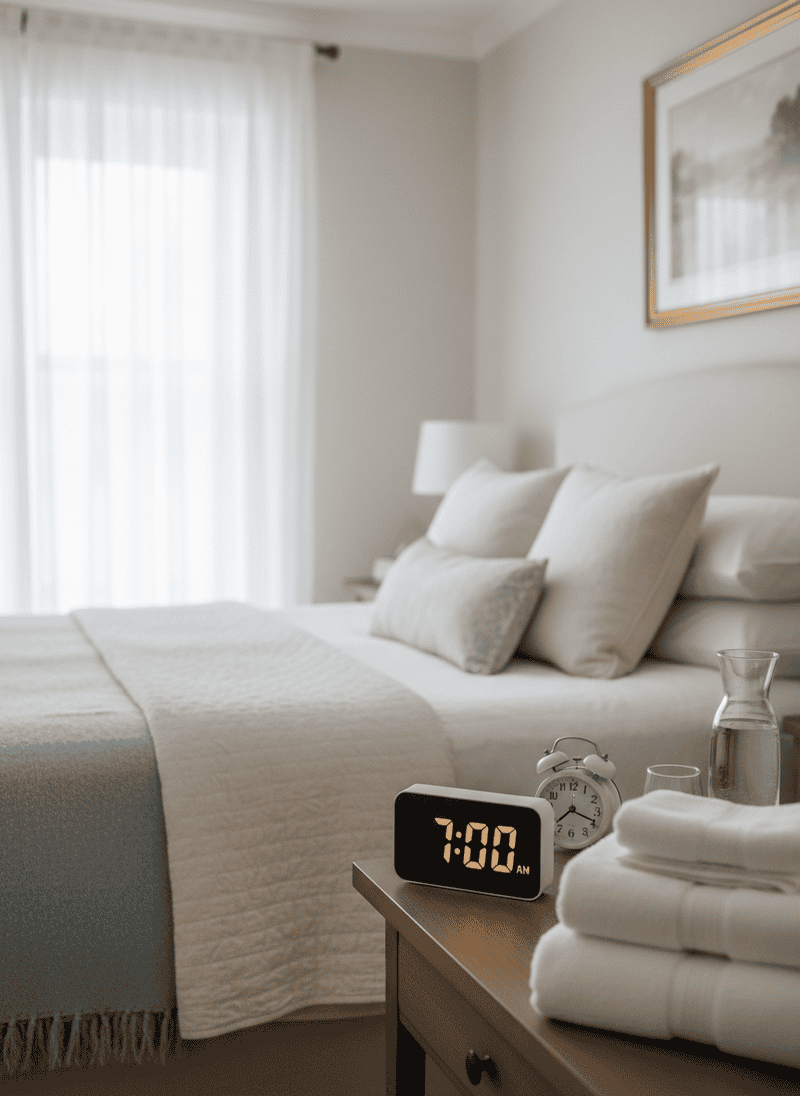
While most people rely on their smartphones for alarms, not everyone does, and phone batteries can die. Assuming all guests will bring or rely solely on their mobile devices for wake-up calls is a common oversight. The absence of a traditional alarm clock can leave guests feeling anxious about oversleeping, especially if they have early morning plans or flights.
Place a simple, easy-to-use alarm clock on the bedside table in the guest room. Choose one with clear numbers and straightforward alarm settings. A clock with a built-in USB charging port can be an added bonus, combining two essential guest amenities. Ensure it's set to the correct time and that the alarm function is clear to operate.
This small detail provides a reliable backup and peace of mind for your guests. It's a classic example of anticipating a basic need that modern technology doesn't always perfectly cover. A functional alarm clock is a thoughtful provision that contributes to a stress-free stay, allowing guests to relax knowing they won't miss important appointments.
22. Unaddressed Pet Hair or Allergens
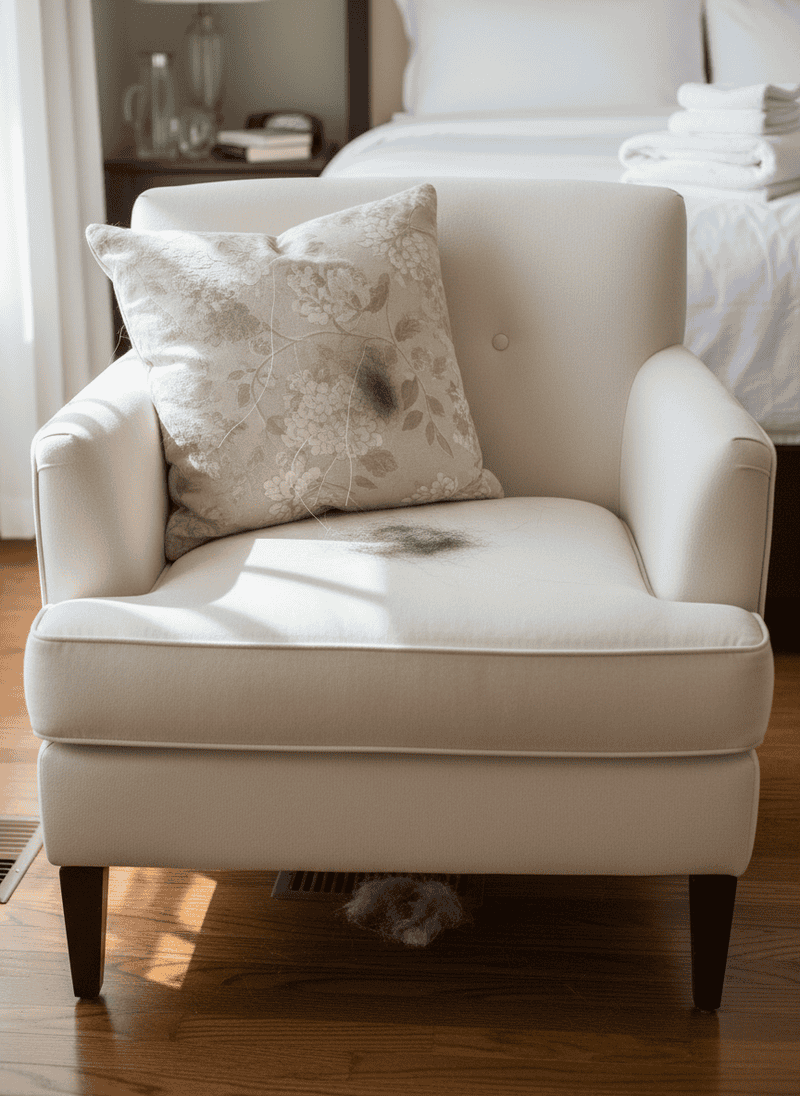
For many households, pets are family members, and their presence is natural. However, guests may have pet allergies, sensitivities, or simply prefer a pet-free sleeping environment. Neglecting to thoroughly clean the guest room of pet hair, dander, and other allergens can cause significant discomfort or even health issues for visitors, creating an immediately noticeable problem.
If you have pets, make an extra effort to ensure the guest room is as pet-free as possible before guests arrive. Vacuum thoroughly, including under the bed and behind furniture. Use a lint roller on any fabric surfaces, such as chairs or curtains. Wash all bedding, including decorative pillows and throws, to remove any lingering pet dander. Consider using an air purifier in the room if allergies are a known concern.
Even if guests don't have allergies, excessive pet hair can feel unhygienic. Communicating that you have pets beforehand allows guests to prepare or address any concerns. A clean, allergen-reduced guest room shows respect for your visitors' health and comfort, making their stay truly welcoming and worry-free, regardless of their sensitivities.
23. Overpowering Room Fragrances
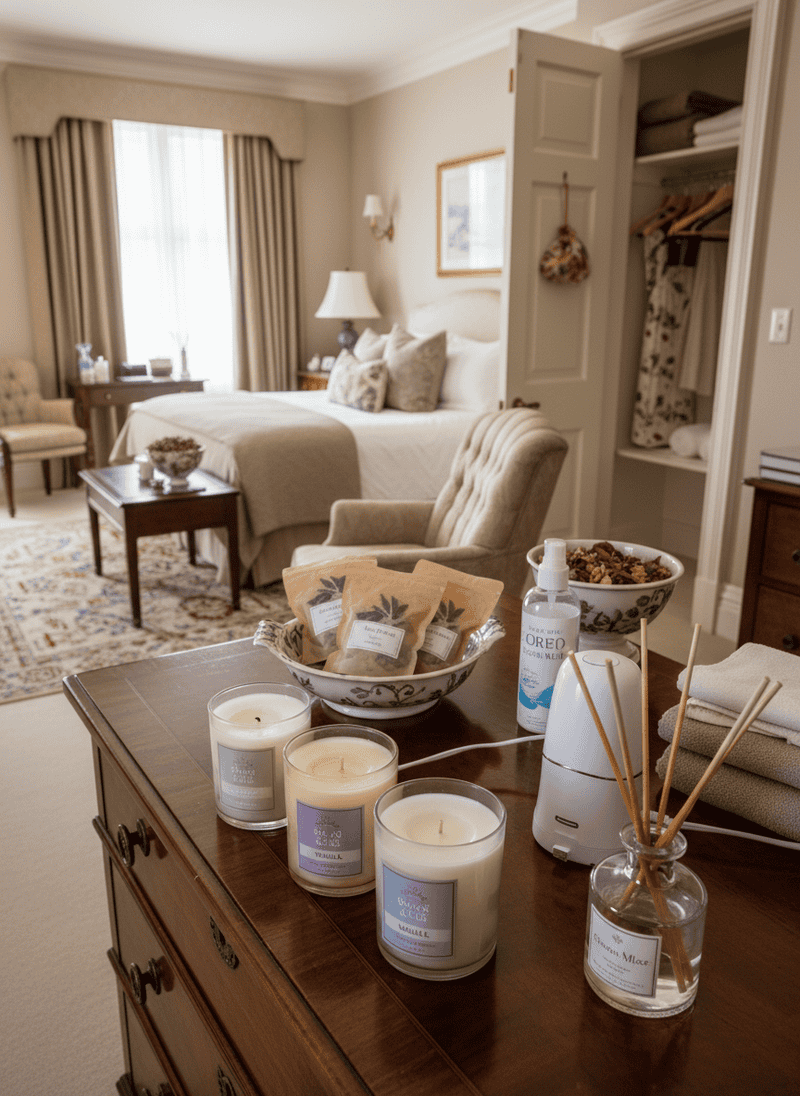
While a pleasant aroma can enhance a room, an overpowering scent from diffusers, strong air fresheners, or heavily scented candles can be just as off-putting as an unpleasant odor. Many people are sensitive to strong fragrances, which can trigger headaches, allergies, or simply be overwhelming, creating an uncomfortable environment for a guest.
Aim for a clean, neutral scent in the guest room. If you want to add a pleasant aroma, choose something very subtle and natural, such as a bowl of fresh fruit, a small vase of fresh flowers (if no allergies), or a very mild, natural essential oil diffuser used sparingly. Ensure any scents you use are not lingering from strong previous uses.
Avoid automatic air fresheners that spray periodically, as their sudden bursts can be startling and irritating. The best approach is often no added fragrance at all, allowing the clean freshness of the room to speak for itself. A light, airy, and naturally fresh room is far more inviting than one masked by an intense artificial scent, ensuring all guests, regardless of sensitivity, feel comfortable.


