
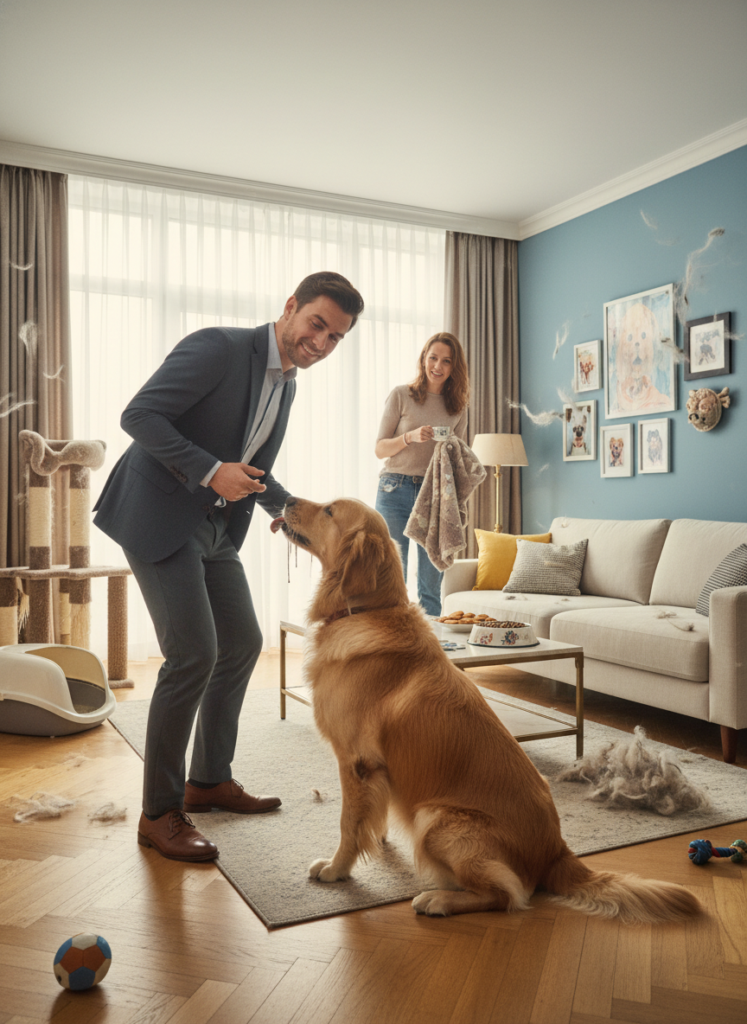
We adore our pets; they’re family, bringing endless joy and unconditional love into our homes. However, our deep connection can sometimes lead us to overlook certain habits that, while harmless to us, might subtly make our guests feel a little uncomfortable. Creating a truly welcoming environment means considering everyone, including those who might not share the same level of pet familiarity or tolerance.
1. Managing Pet Hair Accumulation
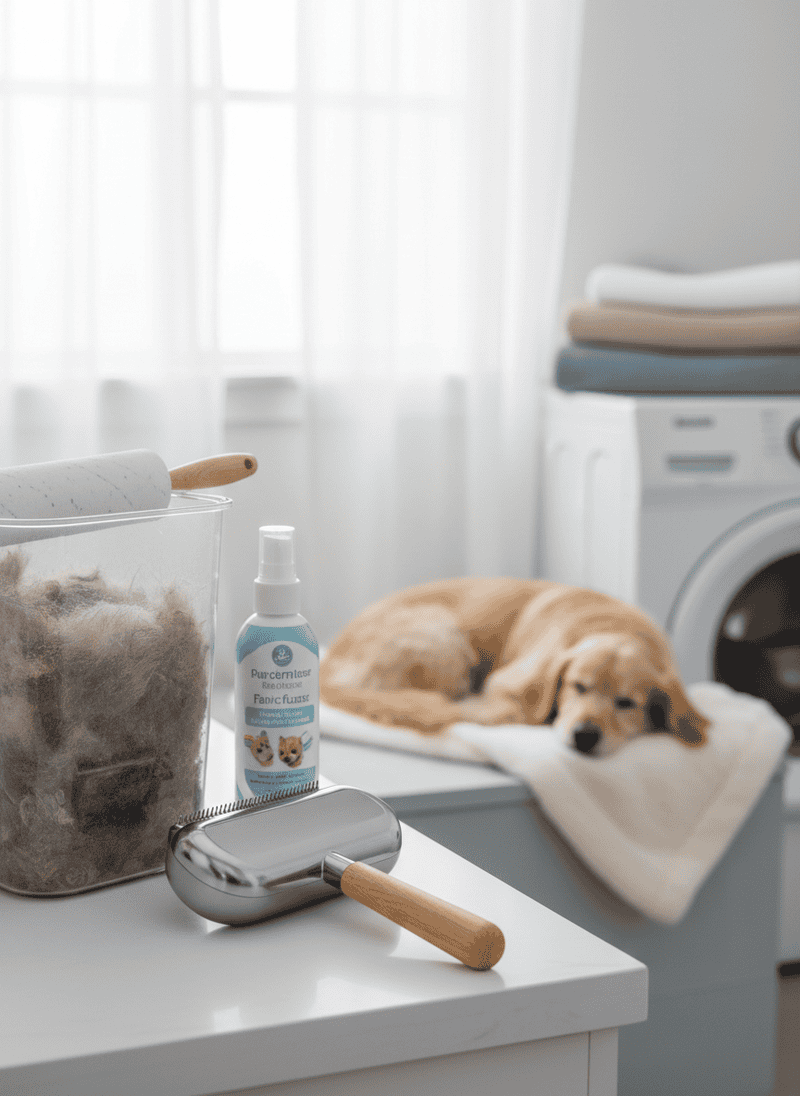
Pet hair is an undeniable reality of living with furry companions. While we might barely notice a few stray hairs on the sofa or a light coating on our clothes, guests often do. For visitors, especially those with allergies or a preference for pristine environments, encountering significant pet hair on furniture, rugs, or even their host’s clothing can be a source of mild discomfort or even a deterrent from fully relaxing in your home. It communicates a level of cleanliness that might not align with their expectations, making them hesitate to sit down or touch surfaces.
Addressing pet hair proactively isn’t about eradicating it entirely, but about managing its presence to ensure guest comfort. Regular vacuuming, especially with attachments designed for pet hair, and utilizing lint rollers on upholstery before guests arrive can make a significant difference. Consider keeping a lint roller handy near the front door for a quick touch-up on your own clothes or offering one to guests if they’re particularly sensitive. Designating certain areas as “pet-free zones” or covering furniture with washable throws when expecting visitors can also help mitigate the issue, allowing everyone to breathe a little easier and enjoy their visit without feeling constantly aware of shed fur.
2. Eliminating Lingering Pet Odors
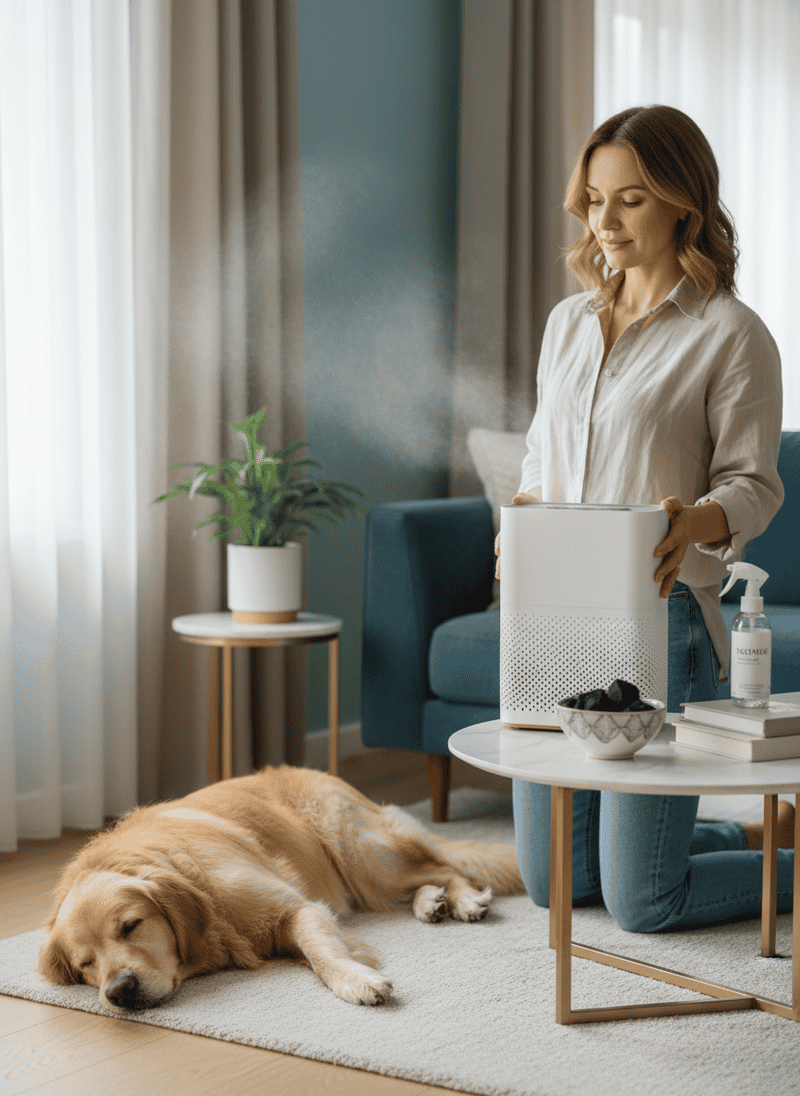
As pet owners, we often become “nose blind” to the unique scents our beloved animals bring into our homes. What smells like “home” to us, or even just a faint pet smell, can be quite noticeable and even off-putting to guests who aren’t accustomed to it. Lingering odors from litter boxes, pet bedding, damp dog fur, or even just the general ‘pet smell’ can subtly communicate a lack of freshness and cleanliness, making visitors feel less comfortable and more aware of their surroundings rather than relaxed. This discomfort isn’t a judgment on your love for your pet, but simply a sensory reaction that can impact the overall guest experience.
Tackling pet odors effectively involves more than just masking them with air fresheners. Regular cleaning of pet bedding, frequent vacuuming and mopping with pet-safe cleaners, and ensuring litter boxes are scooped daily (and thoroughly cleaned weekly) are foundational steps. Investing in an air purifier can significantly reduce airborne particles and odors. Additionally, good ventilation – opening windows when possible – helps circulate fresh air. Consider professional carpet cleaning periodically, especially if your pets spend a lot of time indoors. Before guests arrive, a quick walk-through with a fresh nose (perhaps after stepping outside for a moment) can help you identify and address any lingering smells, ensuring your home smells welcoming to everyone.
3. Preventing Table Begging During Meals

Few things disrupt a convivial meal more than a pet persistently begging for food at the table. While we might find our pet’s earnest eyes and playful nudges endearing, guests often find it awkward and even unhygienic. A dog nudging their hand, whining for scraps, or even trying to snatch food can make diners feel pressured, uncomfortable, or simply unable to enjoy their meal in peace. This behavior can be particularly problematic for guests who are unfamiliar with dogs, have allergies, or simply prefer to eat without animal interference. It places an unspoken burden on them, making them conscious of the pet’s presence in a way that detracts from the social experience.
Establishing clear boundaries for your pet around mealtime is crucial for a harmonious dining experience for everyone. Start by never feeding your pet from the table, as this reinforces the begging behavior. Before guests arrive, ensure your pet has been fed, exercised, and has a comfortable, designated space away from the dining area where they can relax quietly. This might be their crate, a cozy bed in another room, or even outside if appropriate. If your pet struggles with impulse control, consider using a baby gate to keep them out of the dining room during meals. Consistent training and providing appropriate chew toys or long-lasting treats in their designated space can keep them happily occupied, allowing your guests to enjoy their dinner undisturbed.
4. Managing Pets That Jump on Visitors
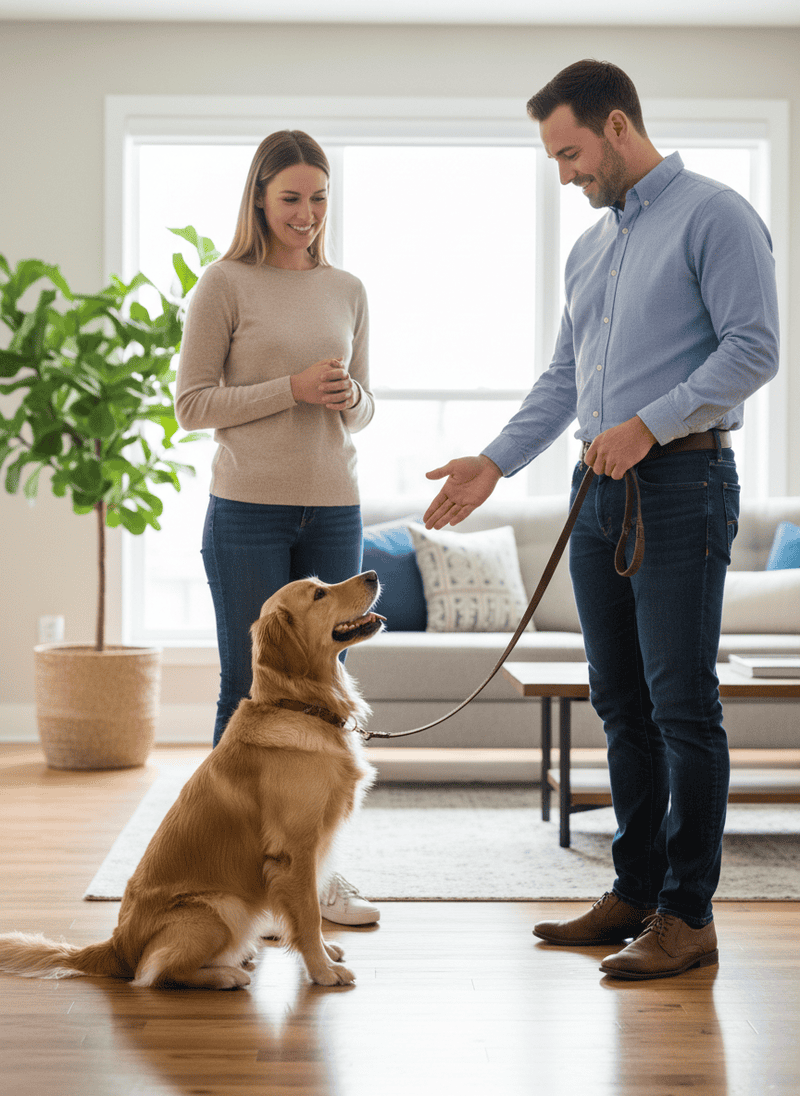
For many enthusiastic pets, a new visitor is an exciting opportunity for greeting and attention – often expressed through jumping. While some guests might be animal lovers who don’t mind a friendly paw on their clothes, many find it startling, uncomfortable, or even frightening. A jump can easily ruin an outfit with muddy paws, scratch bare skin, or even knock over a smaller or less steady individual. This kind of physical interaction, especially when uninvited, can make guests feel encroached upon and unable to relax, as they constantly anticipate the next jump or attempt to avoid contact. It’s a common pet behavior that often stems from excitement, but it’s one that can quickly dampen a positive first impression.
Training your pet not to jump on people is a fundamental aspect of respectful pet ownership and can significantly improve the guest experience. Start by consistently rewarding ‘four paws on the floor’ behavior, ignoring any jumping attempts until all paws are down. When guests arrive, have your pet on a leash initially, allowing them to greet calmly. If your pet is particularly prone to jumping, consider crating them or putting them in a separate room for the initial excitement of guest arrival, letting them out once the household has settled. Clearly communicate expectations to your guests – perhaps asking them to ignore your pet until they are calm. Consistency and proactive management will teach your pet better greeting manners, ensuring your visitors feel safe and comfortable in your home.
5. Maintaining Cleanliness of Pet Bowls
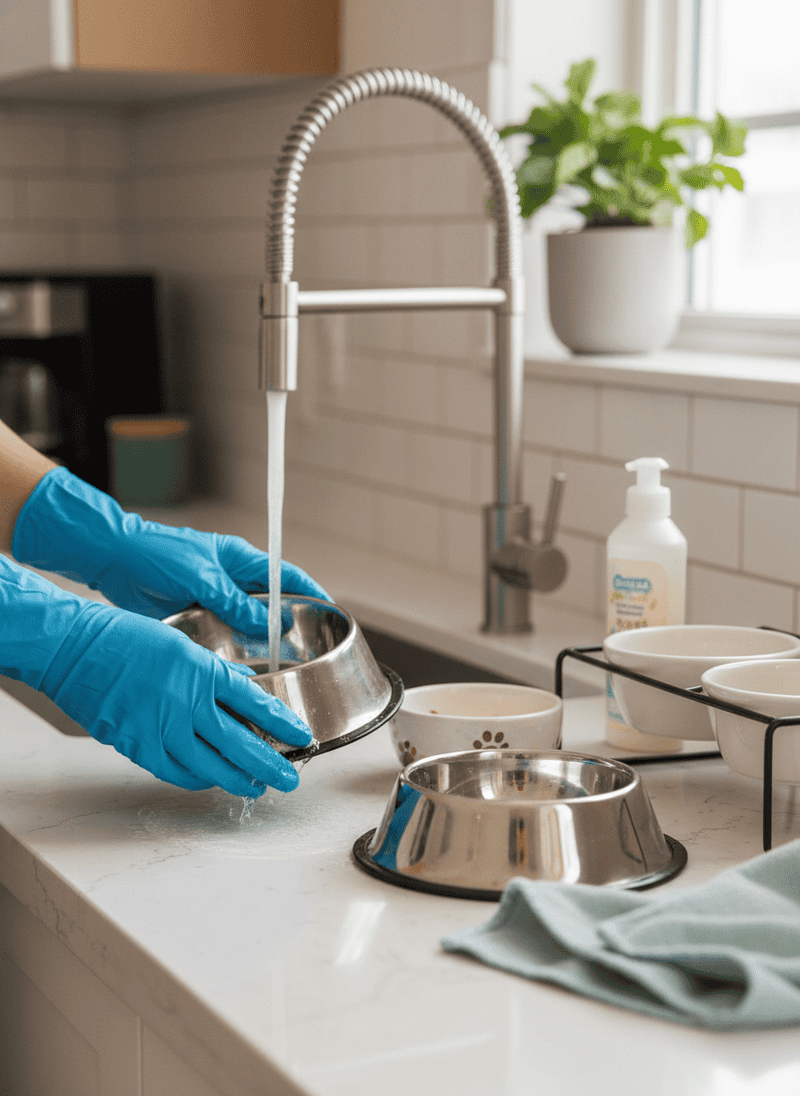
While we understand that pet food and water bowls are functional necessities, their cleanliness can often be overlooked, much to a guest’s subtle discomfort. Bowls encrusted with dried food remnants, slimy water dishes, or surrounded by spilled kibble and dirty paw prints can create an impression of general untidiness and poor hygiene. For guests, seeing these unsanitary conditions, especially if they are located in high-traffic areas like the kitchen or dining room, can be quite unappetizing and raise questions about overall home cleanliness. It’s a small detail that can have a disproportionately large impact on how comfortable a visitor feels sharing your space, particularly around food preparation areas.
Ensuring your pet’s food and water bowls are sparkling clean is a simple yet effective way to maintain a welcoming environment. Just as you wouldn’t eat from a dirty plate, your pets (and your guests) deserve clean dishes. Make it a daily habit to wash food bowls with soap and hot water after each meal and refresh water bowls at least once a day, scrubbing away any slime or buildup. Consider stainless steel or ceramic bowls, which are easier to clean and less likely to harbor bacteria than plastic. Keep the area around the bowls tidy by cleaning up spills immediately and sweeping or vacuuming regularly. Moving bowls to a less conspicuous location, such as a laundry room or designated pet corner, can also minimize their visual impact, ensuring that your kitchen remains an inviting space for human interaction and dining.
6. Managing Excessive Pet Noise
The sound of our beloved pets is often background noise we barely register, but for guests, persistent barking, meowing, or other loud vocalizations can be incredibly disruptive and irritating. Whether it’s a dog barking incessantly at every passing squirrel, a cat demanding attention with piercing meows, or a bird chattering loudly during a conversation, excessive pet noise can make it nearly impossible for guests to relax, hold a conversation, or simply enjoy their visit. It creates an atmosphere of tension and can leave visitors feeling on edge, wondering when the next outburst will occur. This isn’t just a minor annoyance; it can genuinely detract from the quality of their time in your home.
Addressing excessive pet noise requires understanding its root cause and implementing consistent solutions. For dogs, this might involve training to minimize alert barking, providing mental stimulation through puzzle toys, or ensuring they get enough physical exercise to release pent-up energy. For cats, excessive meowing can sometimes indicate a need for more playtime, attention, or a check-up with the vet. When guests are present, consider temporarily relocating noisier pets to a quieter area of the house with their favorite toys or treats. White noise machines or calming music can also help create a more serene environment. Open communication with guests, letting them know your pet might be vocal but you’re working on it, can also help manage expectations and show your consideration for their comfort.
7. Ensuring Impeccable Pet Waste Management
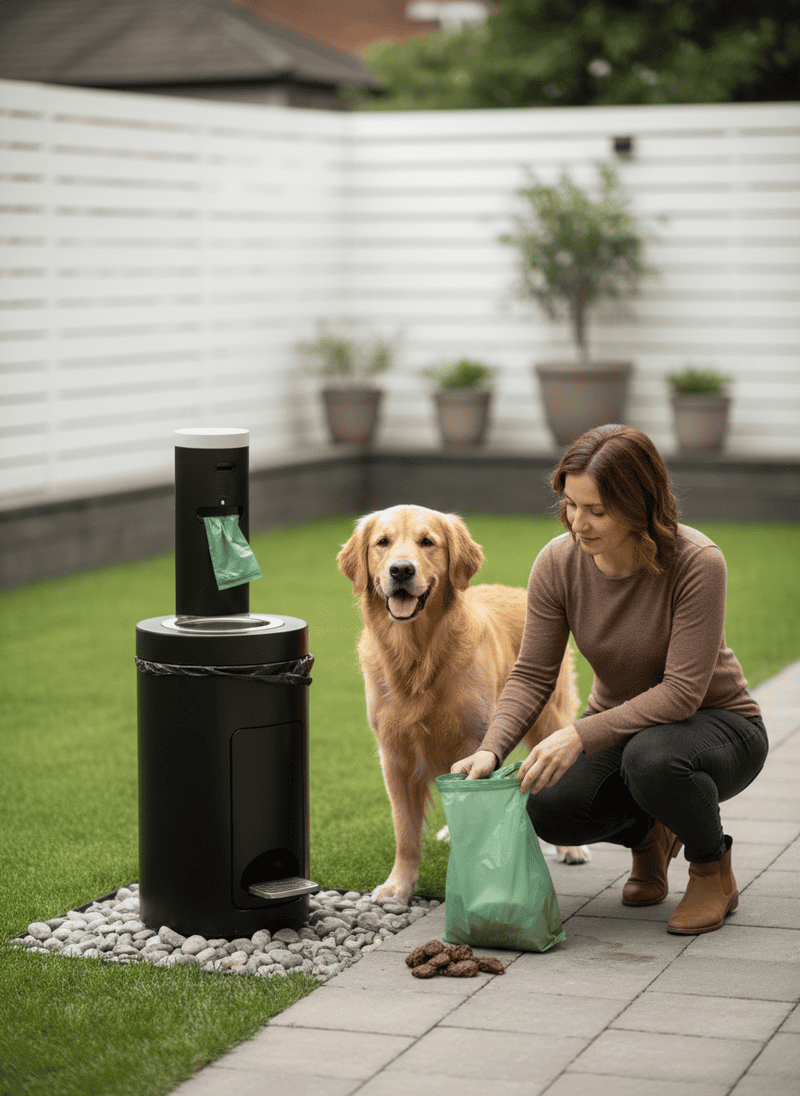
Perhaps one of the most immediate and impactful sources of guest discomfort related to pets is the presence of uncleaned litter boxes or visible pet accidents. Nothing signals poor hygiene quite like the odor or sight of pet waste. A smelly litter box, overflowing with soiled litter, or an uncleaned urine stain on the carpet is not only an unpleasant assault on the senses but also a significant health concern. Guests will instinctively feel repulsed and question the overall cleanliness of your home, making them deeply uncomfortable and eager to leave. This isn’t just a small oversight; it’s a fundamental breach of hospitality that can quickly ruin a visit.
Maintaining impeccable pet waste management is paramount for a welcoming home environment. For cat owners, this means scooping the litter box at least once, preferably twice, daily. A complete litter change and thorough cleaning of the litter box should occur at least weekly, if not more frequently depending on the number of cats. Consider using high-quality clumping litter and odor-absorbing additives. For dogs, ensure they are reliably house-trained and have ample opportunities to go outside. Any indoor accidents should be cleaned immediately and thoroughly with enzymatic cleaners to eliminate odors and stains. Placing litter boxes in discreet, well-ventilated areas away from common guest spaces also helps. Prioritizing this aspect of pet care demonstrates respect for your guests’ comfort and ensures your home remains fresh and inviting.
8. Organizing Pet Supplies and Toys
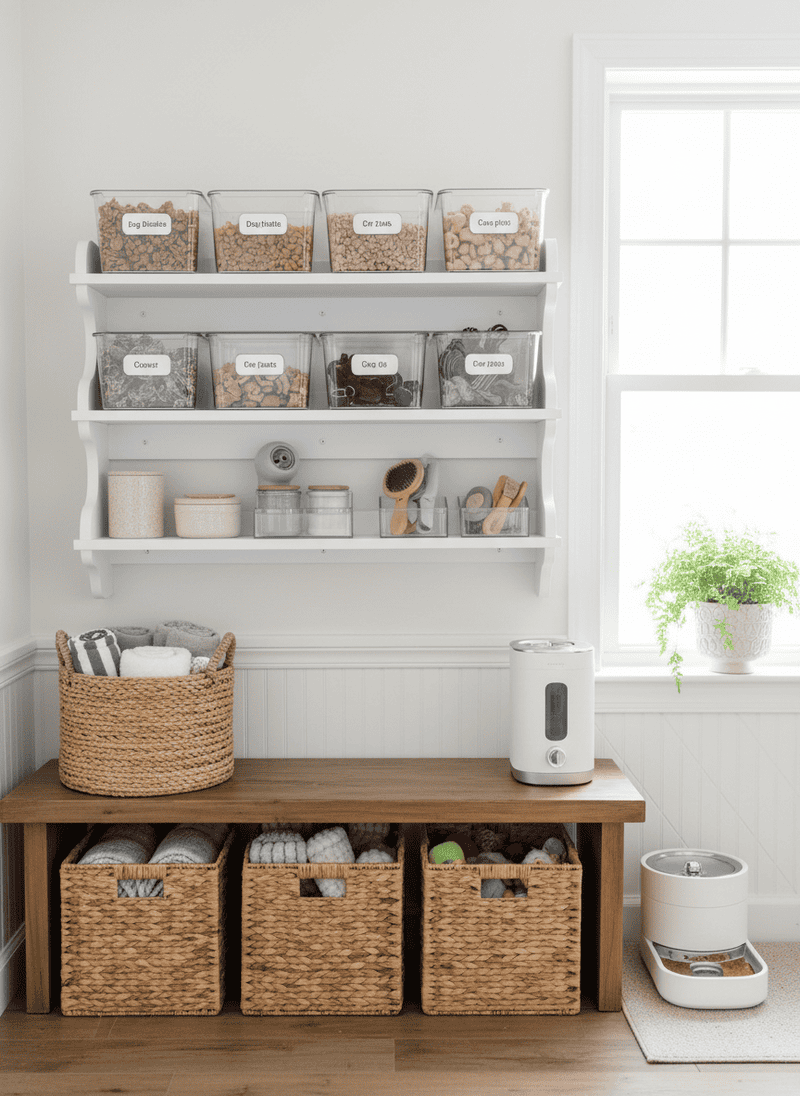
While we love to spoil our pets with an array of toys, beds, and accessories, allowing these items to proliferate and clutter common guest areas can create a subtle sense of disorder and discomfort for visitors. A living room floor strewn with slobbery chew toys, pet blankets draped over chairs, or grooming tools left out can make a space feel less like a tidy home and more like an animal habitat. Guests may feel they need to carefully navigate around objects, hesitate to sit on certain furniture, or simply find the overall disarray visually unappealing. It subtly communicates a lack of intentionality in home organization, making it harder for guests to relax and feel truly welcomed into a clean, well-ordered space.
Taking a few moments to organize your pet’s belongings before guests arrive can make a significant difference in how your home is perceived. Invest in attractive storage solutions like decorative baskets or bins where toys can be quickly stowed away. Designate specific ‘pet zones’ where their items belong, keeping common guest areas clear. If your pet has a favorite blanket or bed, consider a more aesthetically pleasing option or have a clean, neutral throw available to cover it when company is expected. The goal isn’t to hide your pet’s presence entirely, but to present their items in an organized and tidy manner. This thoughtful approach ensures that your home feels welcoming and well-kept, allowing your guests to focus on enjoying their visit rather than navigating a cluttered environment.
9. Setting Boundaries for Pets on Guest Furniture
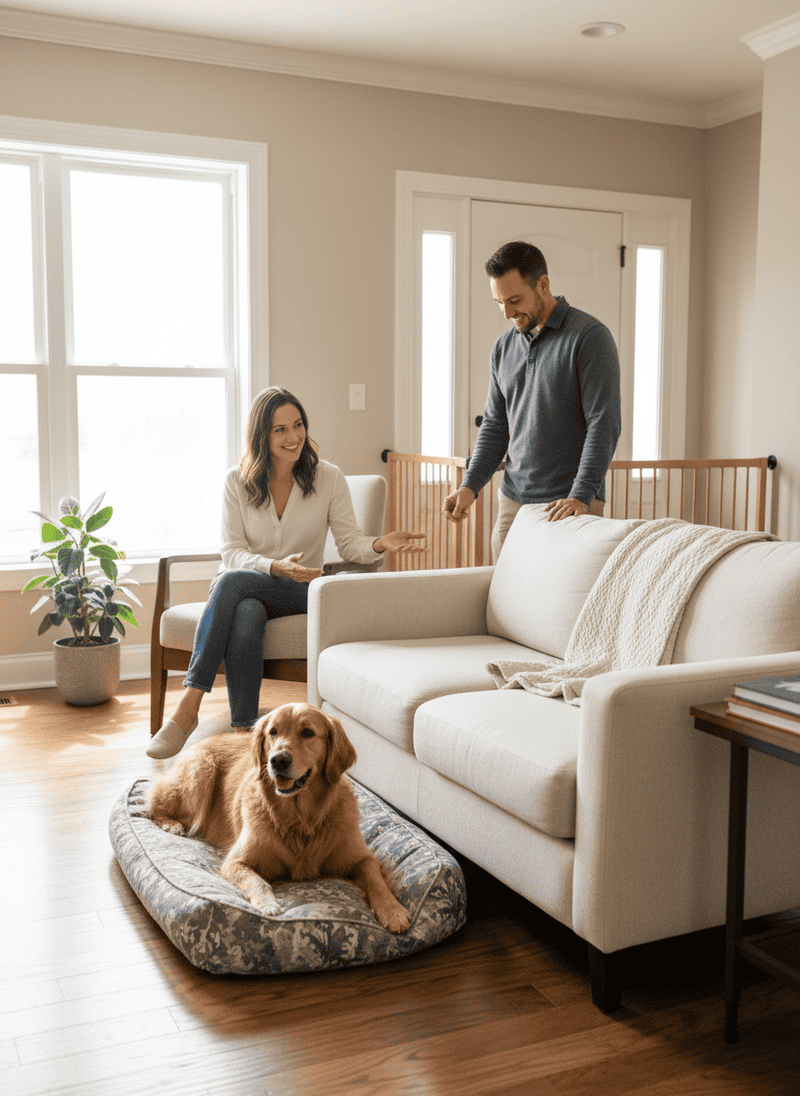
For many pet owners, sharing furniture with their furry friends is a beloved ritual. However, extending this habit to guest bedrooms or even shared seating in the living room without proper consideration can make visitors deeply uncomfortable. Even the most tolerant guest might object to finding pet hair, paw prints, or a lingering animal scent on the bed they’re meant to sleep in, or on the sofa they’re invited to sit on. This can be particularly problematic for individuals with allergies, those who are not accustomed to pets, or simply anyone who prefers a pristine, hair-free environment for their stay. It can make guests feel like their personal space and hygiene preferences haven’t been adequately considered, leading to unease throughout their visit.
Establishing clear boundaries for pets, especially when guests are involved, is a sign of considerate hosting. If you’re having overnight guests, ensure their designated bed is thoroughly cleaned and free of any pet hair or scent. This might mean keeping the pet out of that room entirely in the days leading up to their arrival or washing all bedding meticulously. For shared living spaces, consider using removable, washable furniture covers or throws that can be cleaned before guests arrive. Training your pet to use their own designated bed or specific areas on furniture can also help. The key is to create a visibly clean and neutral space for your guests, allowing them to relax without worrying about encountering pet traces on their sleeping or sitting surfaces, demonstrating respect for their comfort and personal preferences.
10. Managing Overly Enthusiastic Pets During Visits
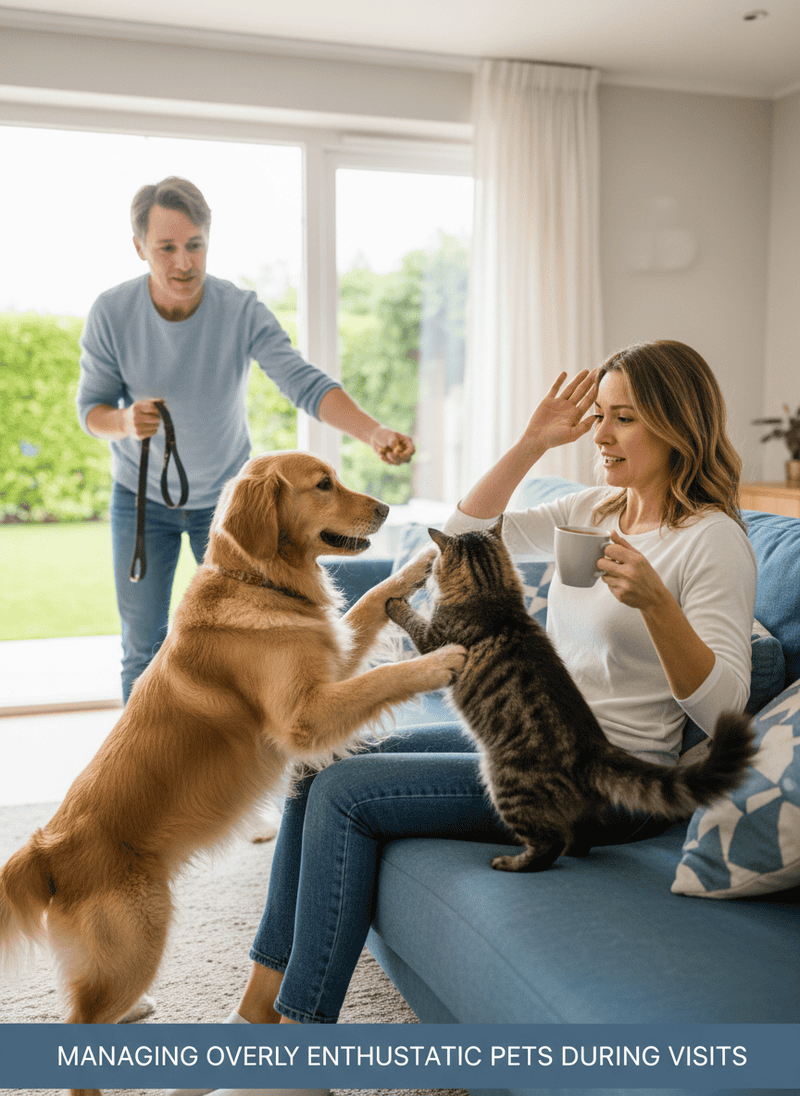
While we cherish our pets’ boundless energy and playful spirit, an overly enthusiastic animal can quickly overwhelm guests, turning what should be a relaxing visit into a stressful ordeal. Pets that constantly demand attention, jump, nip playfully, or race around the house can make guests, especially those who are not accustomed to such high-energy interactions, feel anxious, unable to converse, or even unsafe. Children, elderly visitors, or those with underlying fears of animals can find this particularly distressing. Failing to manage an overly boisterous pet implies that your guest’s comfort is secondary to your pet’s freedom, which can be a significant source of unspoken discomfort and frustration.
Responsible pet ownership includes proactively managing your pet’s energy levels and behavior when guests are present. Before guests arrive, ensure your pet has had ample exercise to burn off excess energy. Consider crating or confining an overly energetic or excitable pet to a separate, comfortable room with toys and water, at least for the initial period of a visit or during meals. This allows your pet to settle down and your guests to feel more at ease. You can then gradually reintroduce your pet once things are calmer, monitoring their behavior closely. This approach provides a safe space for both your pet and your guests, ensuring that everyone can enjoy their time together without feeling overwhelmed or constantly on guard, fostering a truly welcoming atmosphere.
11. The Importance of Pet Grooming for Guest Comfort
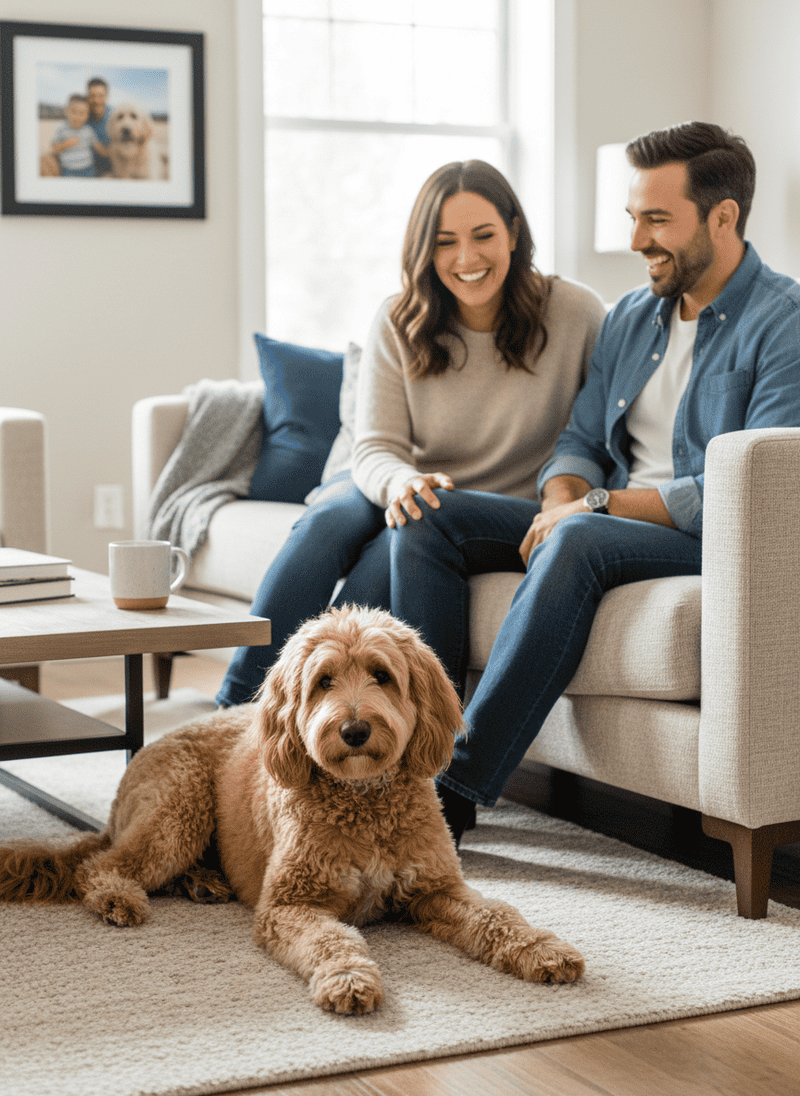
A poorly groomed pet can sometimes be an unspoken source of discomfort for guests, even if they can’t quite articulate why. Long, untrimmed nails can scratch floors or inadvertently scratch a guest’s leg if the pet jumps. Matted fur not only looks unsightly but can also carry more dander and odor, potentially triggering allergies or simply appearing unhygienic. A visibly dirty or unkempt pet might lead guests to wonder about the overall cleanliness standards of the home, making them less inclined to relax or interact with the animal. While we see past these minor imperfections to the loving heart beneath, guests often notice the details, which can subtly impact their comfort level.
Regular grooming is not just about aesthetics; it’s a vital part of pet health and a key factor in maintaining a clean, guest-friendly home. Keeping your pet’s nails trimmed prevents scratches and ensures a more comfortable interaction. Regular brushing significantly reduces shedding and keeps fur free of mats and excessive dander, which is particularly beneficial for guests with allergies. A routine bath, especially before guests arrive, can make a huge difference in overall freshness and appearance. By presenting a well-groomed pet, you’re not only showcasing responsible pet ownership but also demonstrating consideration for your guests’ comfort and well-being. This attention to detail contributes to a more pleasant and hygienic environment for everyone.
12. Managing Excessive Pet Licking and Mouthy Behavior

While a gentle lick from our pet might be a sign of affection we cherish, excessive licking or ‘mouthy’ behavior directed at guests can be a significant source of discomfort. Not everyone appreciates being covered in dog slobber, especially on their face, hands, or clothing. For some, it feels unhygienic, intrusive, or even startling, particularly if the pet is large or persistent. Guests may feel trapped or unable to politely extricate themselves from the situation, leading to awkwardness and a desire to avoid further physical interaction with the animal. This behavior, though often innocent on the pet’s part, can quickly make a guest feel violated in their personal space and less inclined to relax.
Training your pet to limit excessive licking and mouthy greetings is crucial for ensuring guest comfort. When guests arrive, teach your pet to greet calmly without jumping or attempting to lick. Redirect their attention with a toy, or offer gentle praise for calm, non-licking interactions. You can also teach a ‘no lick’ command. If your pet is particularly persistent, temporarily placing them on a leash or behind a baby gate until they calm down is an effective strategy. It’s also helpful to gently inform your guests that your pet can be a licker and give them permission to politely disengage or stand up if they feel uncomfortable. Proactively managing this behavior shows respect for your guests’ personal boundaries and ensures they can enjoy their visit without feeling overwhelmed by an overly affectionate animal.


