
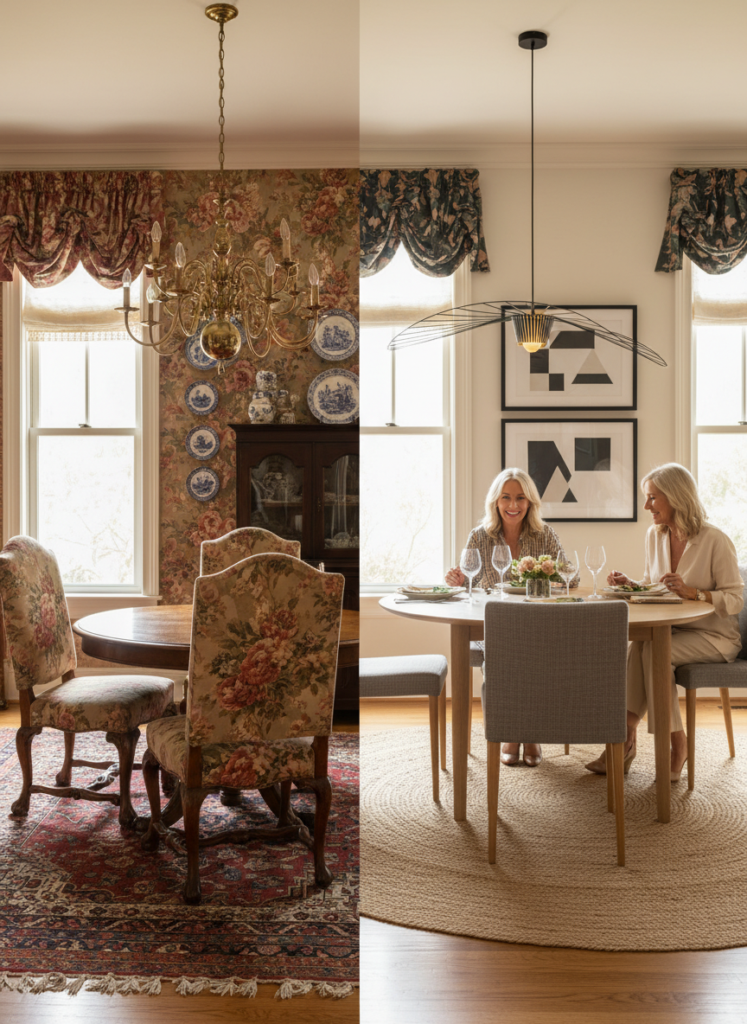
As you embrace the vibrant stage of life beyond 50, your home should be a sanctuary that truly reflects your refined taste and current lifestyle. The dining room, once a bastion of formality, is ripe for a refresh, shedding outdated trends for spaces that are both elegant and eminently functional. It's time to curate a dining experience that perfectly suits the sophisticated, modern woman you are today.
1. Ditching Matched Dining Sets
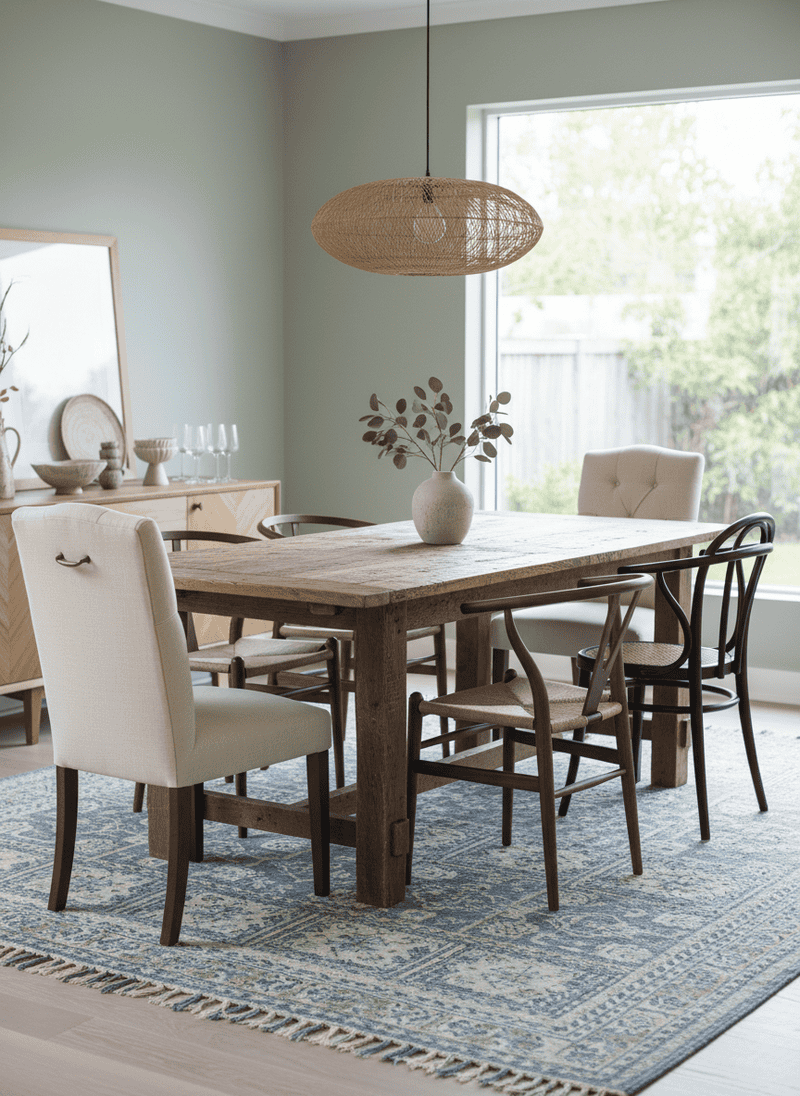
For decades, the idea of a perfectly matched dining room set – table, chairs, hutch, and buffet all from the same collection – was the epitome of good taste. However, this monolithic approach often creates a space that feels stiff, uninspired, and frankly, a bit dated. Buying a 'suite' leaves little room for personality or the delightful eclecticism that makes a home feel uniquely yours.
Instead of a uniform look, consider curating a more dynamic and personalized dining area. Mix and match your dining chairs; perhaps an upholstered head chair with simpler wooden side chairs, or chairs in different, complementary styles. Combine an antique table with modern seating, or vice versa. The goal is to create visual interest and a sense of collected history, rather than a showroom display. This approach allows for greater flexibility, evolving with your taste, and integrating pieces you truly love over time, resulting in a more sophisticated and inviting atmosphere for family gatherings and dinner parties alike.
2. Reimagining the Formal China Cabinet
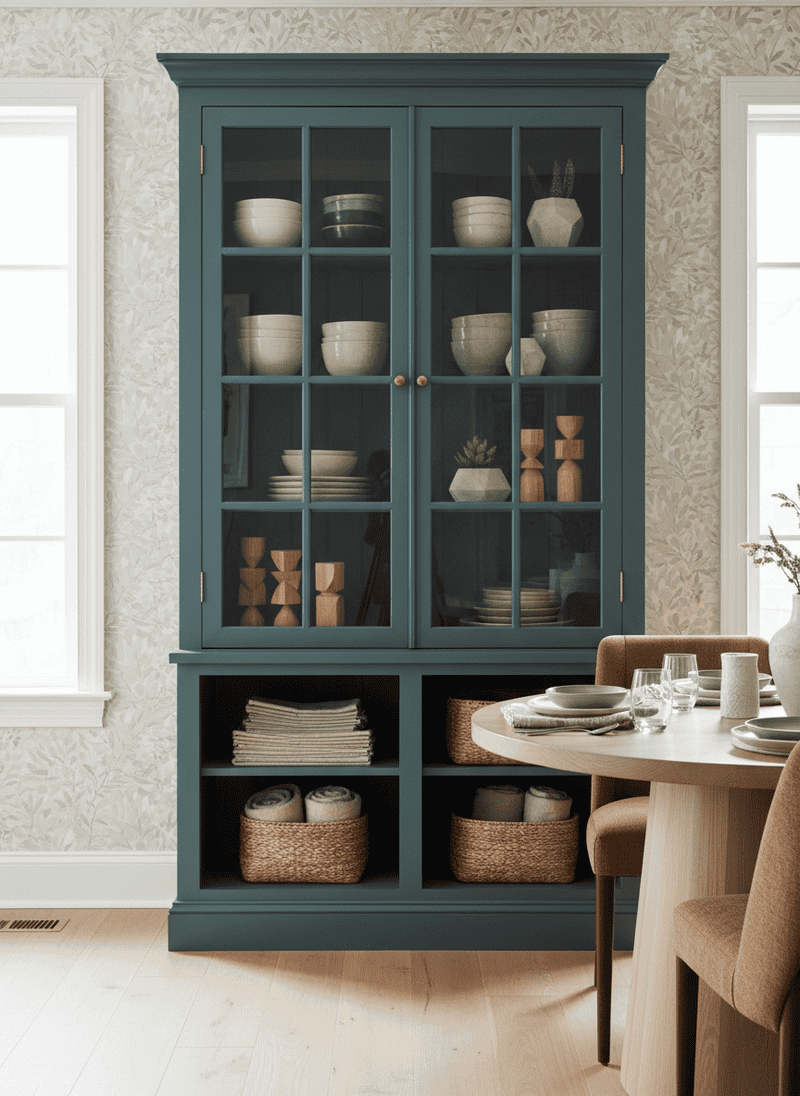
That imposing, often empty china cabinet or massive hutch, once a proud display for rarely used porcelain and crystal, often feels like a relic of a bygone era. These bulky pieces tend to dominate a dining room, making the space feel smaller and heavier than it is, especially if they are filled with items that only see the light of day once or twice a year. For many women over 50, downsizing or simply seeking more functional spaces means questioning the necessity of such a substantial piece.
Consider repurposing or replacing these large units with something more contemporary and useful. A stylish console table or a narrower credenza can offer storage without overwhelming the room, providing a surface for serving or displaying a few cherished items. Floating shelves can offer an airy alternative for displaying select pieces. If you truly love your china, think about integrating a few key pieces into your everyday decor rather than storing them behind glass. Embrace solutions that offer practical storage for items you actually use, or display meaningful objects in a way that feels intentional and integrated into your current lifestyle.
3. Lightening Up Heavy, Dark Furniture
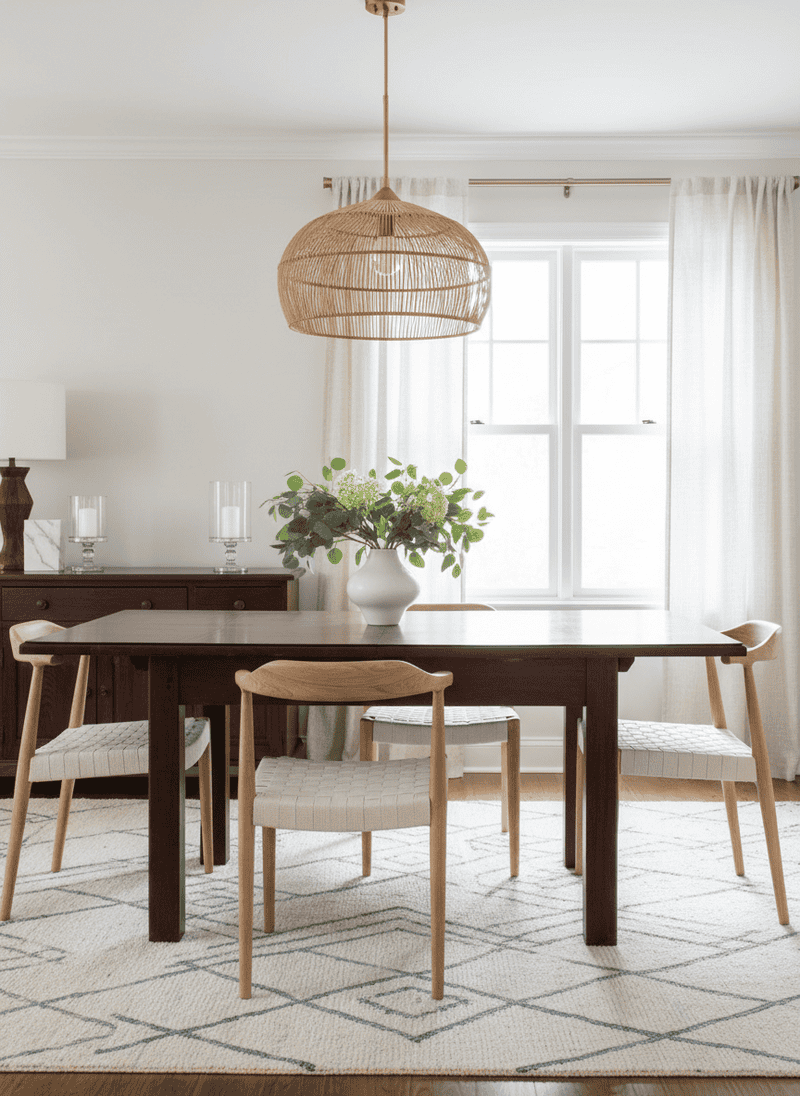
Remember the era of heavy, dark, often ornately carved dining room furniture? Think mahogany, dark oak, or cherry pieces that often felt more like museum exhibits than welcoming spaces for meals. While quality craftsmanship is always valued, these dark, monolithic pieces can absorb light, making a dining room feel perpetually dim, cramped, and somber. They carry a visual weight that might no longer align with a desire for brighter, more open, and airy living spaces. The aesthetic has shifted towards lighter, more contemporary finishes.
It’s time to embrace furniture that contributes to a sense of spaciousness and light. If replacing your cherished dark wood table isn't an option, consider painting the chairs in a lighter, complementary shade, or reupholstering them with a modern fabric. Incorporate reflective surfaces like a large mirror or metallic accents to bounce light around the room. Introduce lighter textiles in drapes or a rug, and bring in fresh greenery. If you are shopping for new pieces, explore options in lighter wood tones, glass, or painted finishes. The goal is to create an inviting atmosphere that feels vibrant and current, rather than imposing and heavy.
4. Modernizing Overhead Lighting
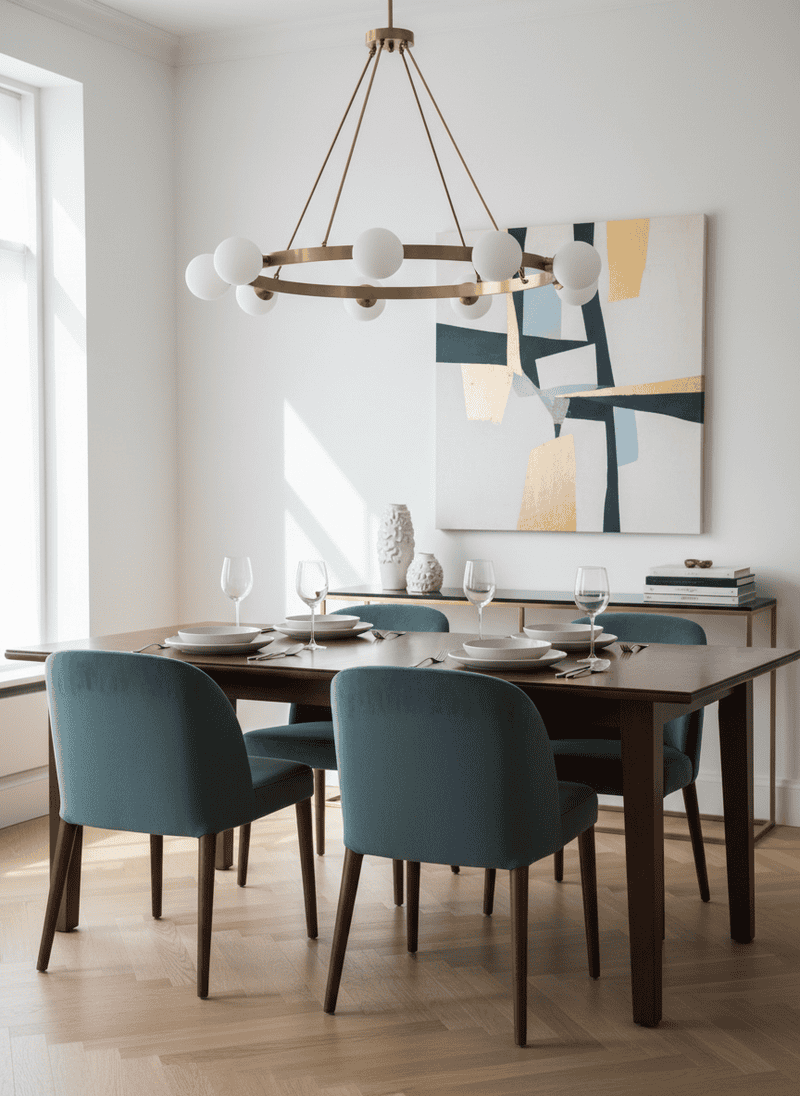
The grand, multi-tiered crystal or brass chandelier, once a symbol of opulence and formal dining, can now often feel out of step with a modern aesthetic. While beautiful in their own right, many traditional chandeliers cast a harsh, downward light, creating shadows rather than a warm, inviting glow. Their intricate designs also tend to be dust magnets, requiring frequent, detailed cleaning – a chore most modern women would rather avoid. They can anchor a room in a very specific, traditional style that might clash with a desire for a fresher look.
Update your overhead lighting to something that better reflects contemporary style and offers superior functionality. Consider a modern, sculptural pendant light or a drum shade chandelier that diffuses light more evenly and softly. Look for fixtures with dimming capabilities to create varied moods, from bright for family dinners to intimate for evening entertaining. If you love a touch of sparkle, modern crystal designs exist that are sleek rather than fussy. The aim is to choose a fixture that complements your dining room’s new, refreshed aesthetic, providing both ample illumination and a beautiful design element without being overly ornate or difficult to maintain.
5. Selecting the Right Rug Size
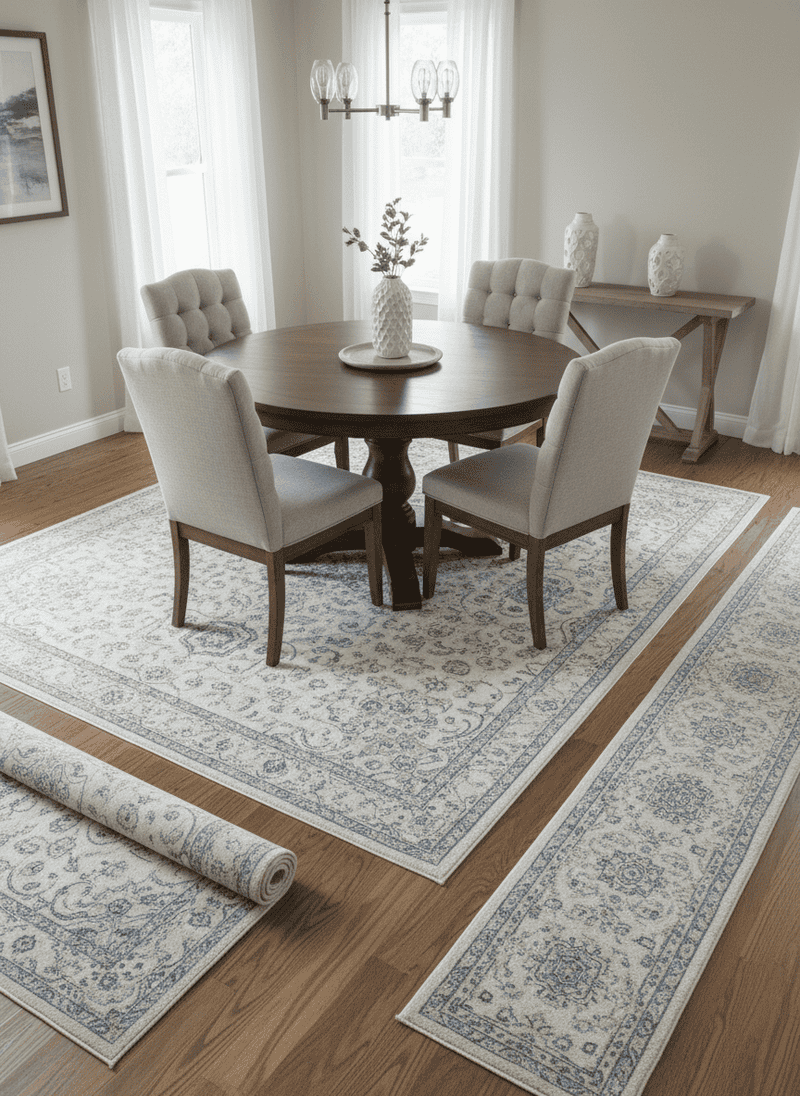
A common decorating mistake that instantly dates a dining room is using an area rug that’s too small. A rug that barely extends beyond the table legs, or worse, only covers the tabletop footprint, makes the space feel unbalanced and ungenerous. It creates an awkward visual island and, more practically, becomes a tripping hazard as chairs catch on its edge every time they are pulled out or pushed in. This oversight can diminish the perceived size and cohesiveness of your dining area, making it feel less thought-out.
To create a truly harmonious and functional dining space, ensure your area rug is large enough to accommodate all dining chairs comfortably, even when they are pulled out. A good rule of thumb is for the rug to extend at least 24-30 inches beyond the edge of the dining table on all sides. This ensures that chairs remain on the rug when in use, preventing damage to your flooring and creating a seamless, defined zone. Choose a rug material that is durable and easy to clean, given the dining room’s purpose. A larger rug not only grounds the dining area beautifully but also adds warmth, texture, and a touch of luxury, making the room feel complete and inviting.
6. Updating Wallpaper Borders
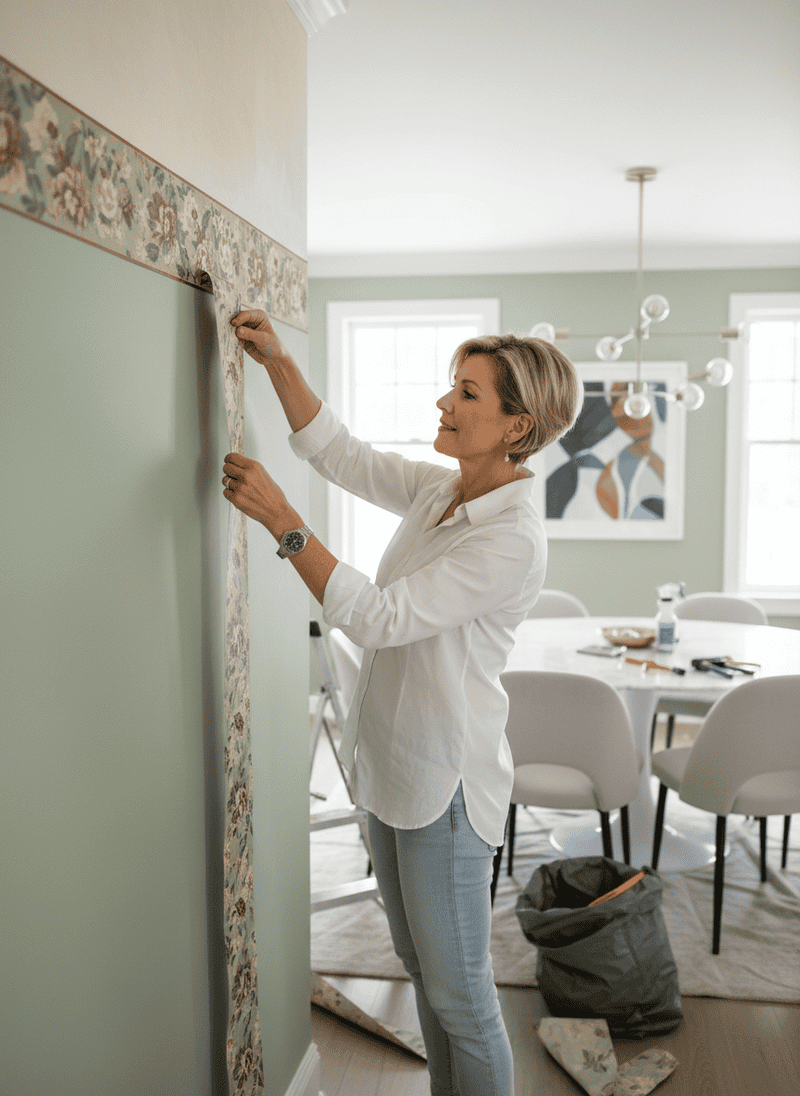
Wallpaper borders, once a popular way to add a decorative touch or define a space, are now largely considered a dated design element. Whether featuring floral motifs, geometric patterns, or pastoral scenes, these narrow strips often chop up a wall visually, making a room feel shorter and more enclosed rather than open and expansive. They can scream '90s or early 2000s, instantly dating your dining room and making it feel less sophisticated and modern. For a woman looking to refresh her home, these borders are a quick visual tell of an aesthetic past its prime.
Removing wallpaper borders is an immediate and impactful way to modernize your dining room. Once removed, consider painting the walls in a fresh, contemporary color that brightens the space and allows other decor elements to shine. If you still desire a decorative wall treatment, explore modern options like a single accent wall with a tasteful, large-scale patterned wallpaper or a subtle textured paint finish. Wainscoting or elegant paneling can also add architectural interest and sophistication. The goal is to create a seamless, elegant backdrop that enhances the room's overall appeal, rather than a distracting, outdated visual band around its perimeter.
7. Simplifying Fussy Window Treatments
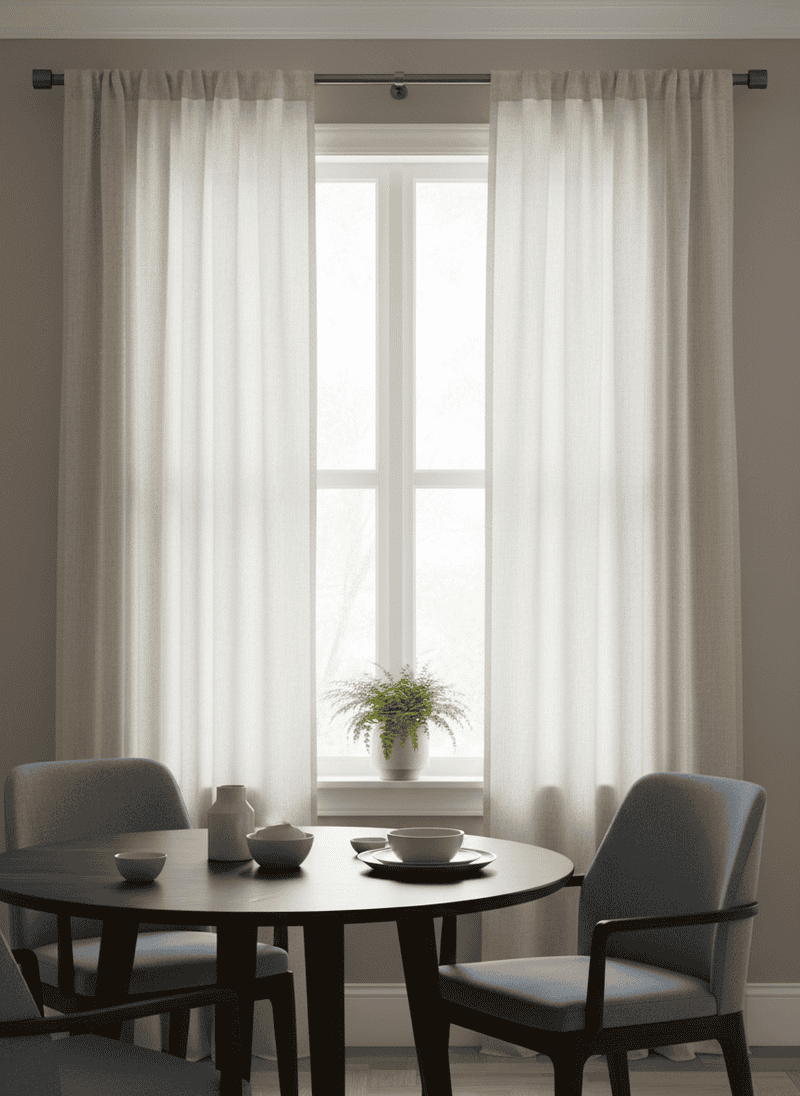
Heavy, multi-layered window treatments, often featuring elaborate valances, swags, and thick drapes, can weigh down a dining room both visually and literally. While they might have offered a sense of grandeur in the past, today they often block natural light, obscure beautiful views, and collect dust, making a room feel enclosed and old-fashioned. They can also clash with a desire for a cleaner, more minimalist aesthetic, making a space feel less airy and current than it could be.
Embrace lighter, more contemporary window coverings that maximize natural light and offer flexibility. Consider elegant linen or cotton drapes hung high and wide to visually expand the windows and allow the fabric to fall beautifully. Roman shades offer a clean, tailored look, while cellular shades provide excellent insulation and privacy without bulk. If privacy isn't a major concern, even bare windows with crisp, clean trim can look incredibly chic and modern, highlighting the architectural features. The aim is to choose treatments that are functional, enhance the influx of natural light, and complement your dining room’s refreshed, sophisticated style, creating an open and inviting atmosphere.
8. Decluttering Dust-Collecting Knick-Knacks
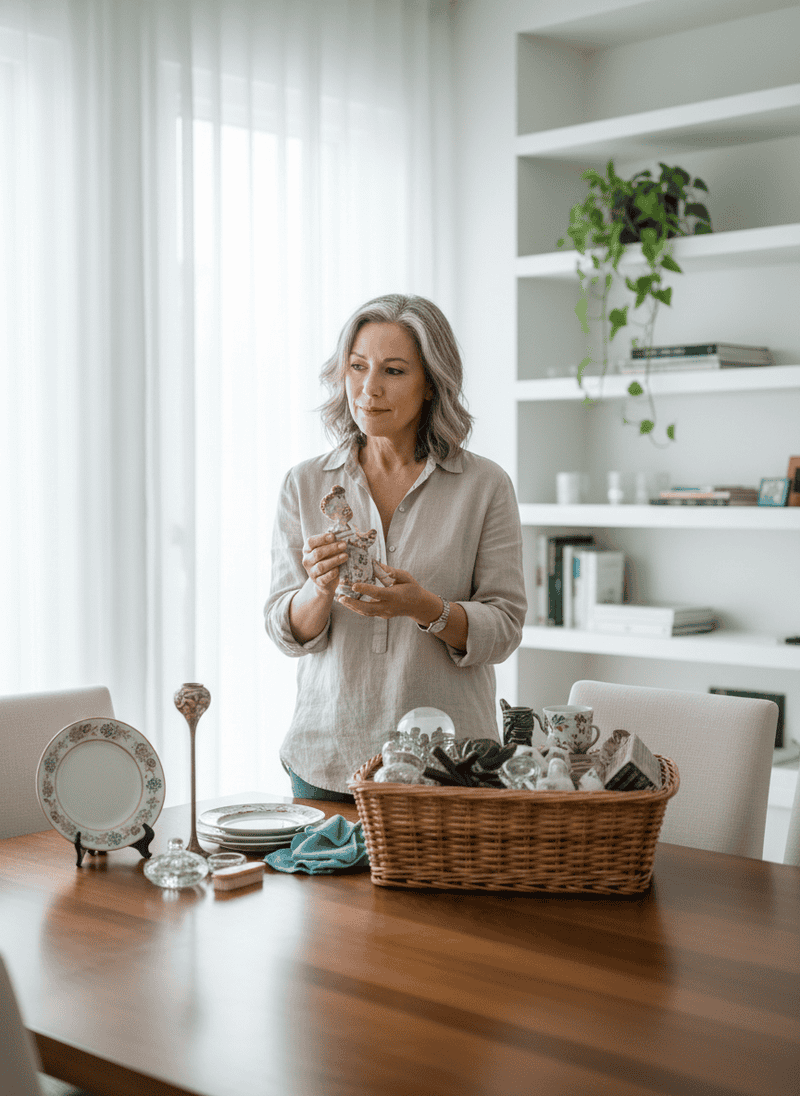
The dining room, often seen as a showcase, can easily become a repository for an overwhelming collection of decorative items, figurines, and sentimental trinkets. While cherished objects hold memories, too many small, non-functional pieces scattered across buffets, shelves, and tabletops create visual clutter and act as magnets for dust. This abundance of 'stuff' can make a beautiful space feel disorganized, chaotic, and difficult to keep clean, detracting from the room's overall elegance and purpose. For women over 50 seeking serenity, less is often more.
It’s time for a thoughtful edit of your decorative accessories. Curate your collection, selecting only a few meaningful or aesthetically pleasing items to display. Think in terms of vignettes – groups of three or five objects of varying heights and textures – rather than rows of unrelated items. Focus on quality over quantity, choosing pieces that truly resonate with your personal style and enhance the room's aesthetic. A large, impactful piece of art, a beautiful vase with fresh flowers, or a sculptural bowl can make a much stronger statement than a dozen small items. Embrace the power of negative space to allow your chosen pieces room to breathe and truly be appreciated, creating a dining room that feels sophisticated and serene.
9. Opting for Live Greenery Over Faux
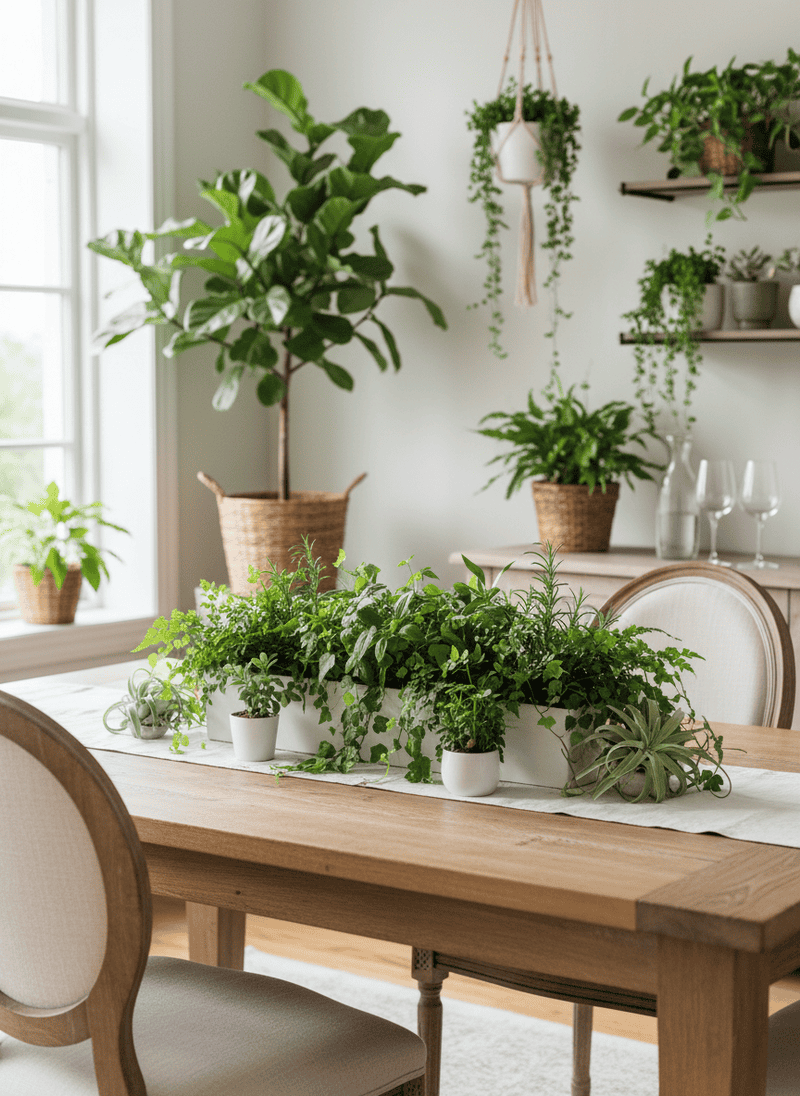
While artificial plants and flowers have certainly improved in quality over the years, many still fall short of the genuine vibrancy and life that real greenery brings to a space. Over time, faux plants can accumulate dust, fade, and often reveal their artificial nature upon closer inspection, making a room feel less fresh and alive. Relying solely on fake botanicals can give your dining room a sterile or static feel, lacking the organic charm and natural element that genuinely elevates a space. It signals a missed opportunity to inject genuine vitality.
Infuse your dining room with the natural beauty and air-purifying benefits of live plants and fresh flowers. A beautiful potted plant as a centerpiece, a trailing vine on a credenza, or a simple vase of seasonal blooms can instantly uplift the mood and bring a sense of freshness to the room. If maintaining live plants feels daunting, opt for low-maintenance varieties like snake plants, ZZ plants, or succulents. Even a weekly bouquet from the grocery store can make a significant difference. The subtle imperfections and changing beauty of real greenery add an authentic, sophisticated touch that faux alternatives simply cannot replicate, making your dining room feel more inviting and alive.
10. Moving Beyond Themed Decor
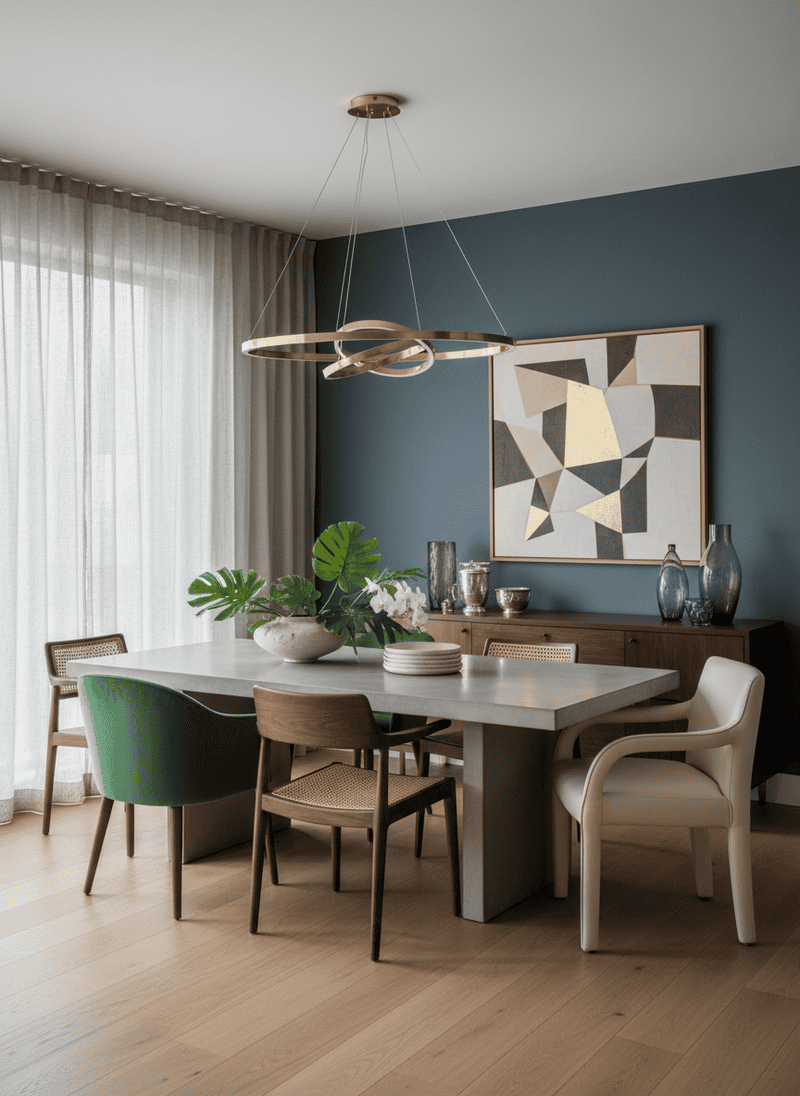
Dining rooms heavily committed to a specific, overt theme – be it nautical, Tuscan vineyard, farmhouse chic, or overtly shabby chic – can quickly feel dated and restrictive. While a touch of a preferred style is lovely, going all-in on a theme often leads to a room that lacks subtlety and sophistication. These highly thematic spaces can feel like a stage set rather than a cohesive part of your home, making it difficult to update or incorporate new pieces without disrupting the entire concept. Your personal style is likely more nuanced than a single theme can express.
Instead of a rigid theme, cultivate a sophisticated aesthetic through a thoughtful blend of textures, colors, and styles that reflect your refined taste. Focus on creating a layered look with a harmonious color palette, interesting materials, and meaningful artwork. If you love a particular style, incorporate elements subtly – for instance, a rustic dining table can be balanced with sleek, modern chairs, or a coastal print can be paired with natural textures without turning the room into a beach shack. The goal is to create a timeless, elegant space that feels curated and personal, allowing for flexibility and evolution, rather than being trapped by a passing trend.
11. Layering Dining Room Lighting
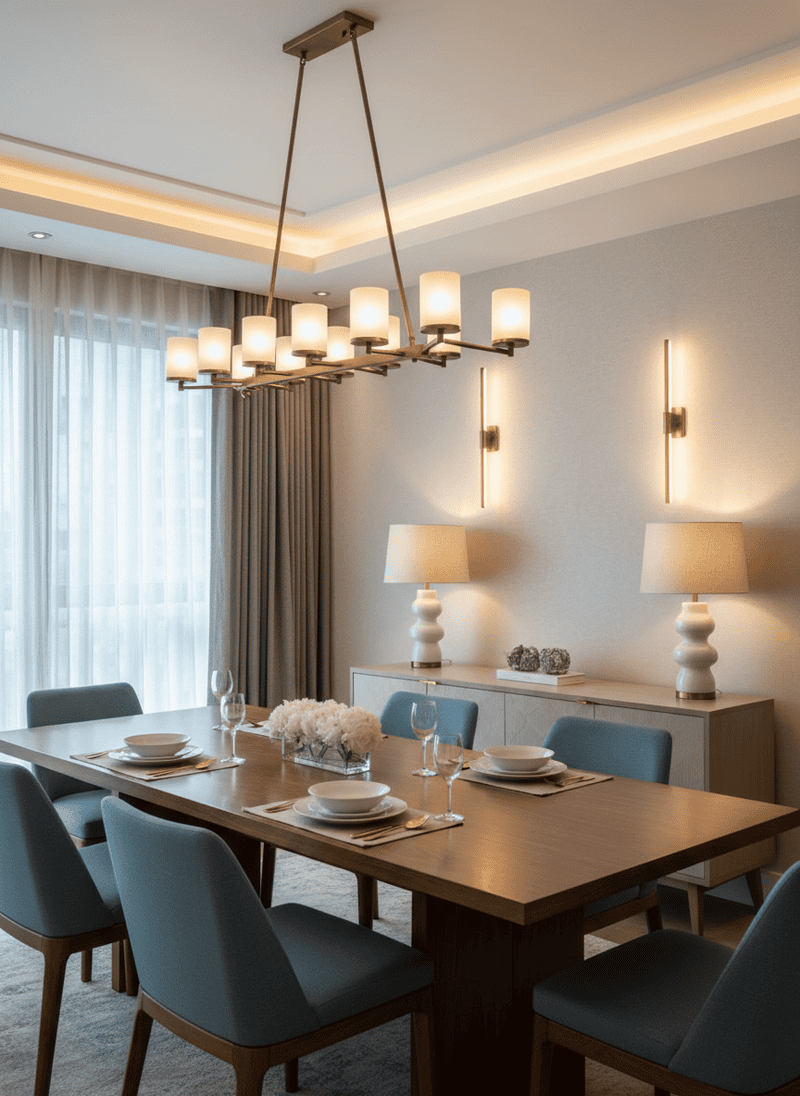
Relying solely on a single, overpowering overhead light fixture in your dining room is a common oversight that limits functionality and sacrifices ambiance. A lone chandelier or ceiling light, especially if it’s too bright or casts harsh shadows, can make the space feel flat, uninviting, and unwelcoming. It fails to provide the versatility needed for different occasions, from a brightly lit family meal to a more intimate dinner party. This singular approach often results in a less flattering and less dynamic environment.
Elevate your dining room by incorporating a layered lighting scheme. Beyond your main overhead fixture (which should ideally be on a dimmer), introduce accent lighting and task lighting to create depth and warmth. Sconces on the walls can provide a soft, ambient glow, while a stylish floor lamp in a corner can add visual interest and indirect light. Consider a pair of elegant table lamps on a buffet or credenza for additional warmth and sophistication. Even candlelight during meals can transform the atmosphere. Layered lighting allows you to adjust the mood and brightness for any occasion, making your dining room feel more inviting, luxurious, and supremely functional.
12. Prioritizing Comfortable Seating
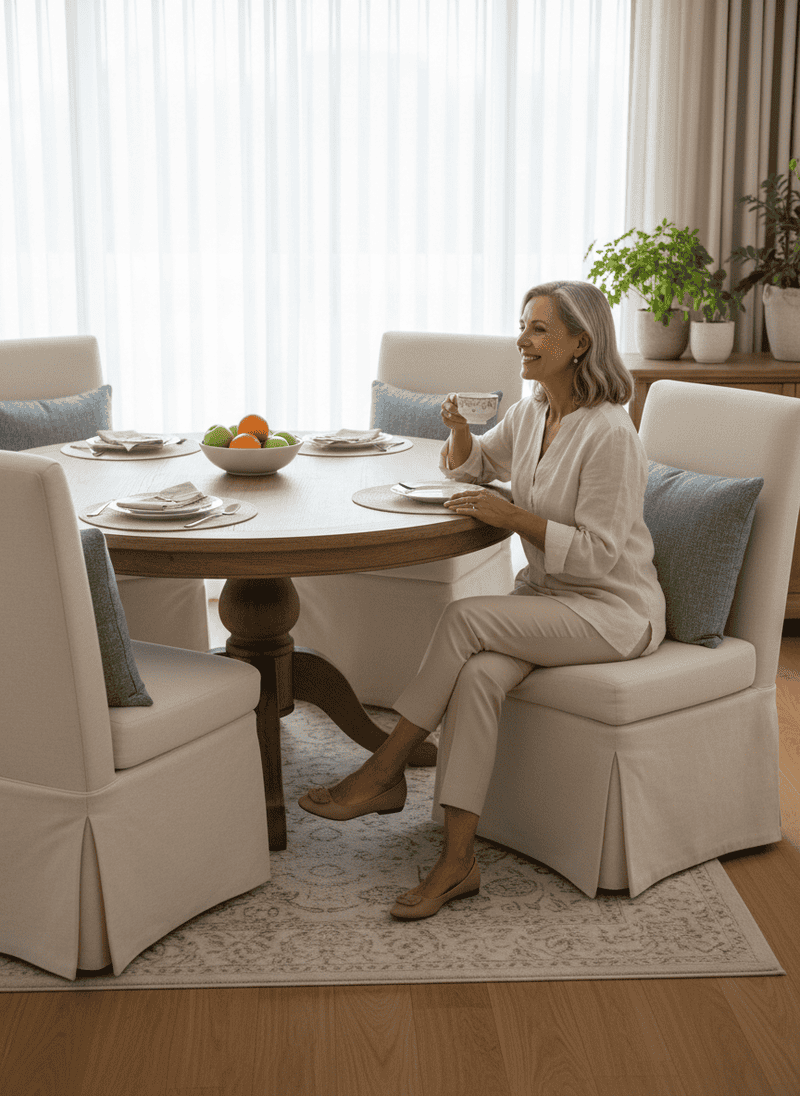
In the pursuit of a visually stunning dining room, comfort often takes a back seat, especially with chairs chosen purely for their aesthetic. Thin, hard chair seats or unsupportive backs, while perhaps visually sleek, can make dining an uncomfortable experience, discouraging longer conversations and enjoyment around the table. For women over 50, comfort becomes increasingly important, and a beautiful dining room should not come at the expense of practicality and well-being. Uncomfortable seating can unintentionally signal that the room is more for show than for actual use.
Make comfort a non-negotiable aspect of your dining room seating. When selecting dining chairs, prioritize those with ample cushioning on the seats and supportive backs. Upholstered chairs can offer superior comfort and an opportunity to introduce luxurious fabrics and textures. If you have existing chairs that lack comfort, consider adding seat cushions or having them professionally reupholstered with high-density foam. Ensure there's enough room for guests to easily move chairs and get comfortable. A dining room with truly comfortable seating encourages lingering, conversation, and creates cherished memories, transforming it into a space that is as enjoyable to be in as it is beautiful to look at.
13. Choosing Appropriate Flooring
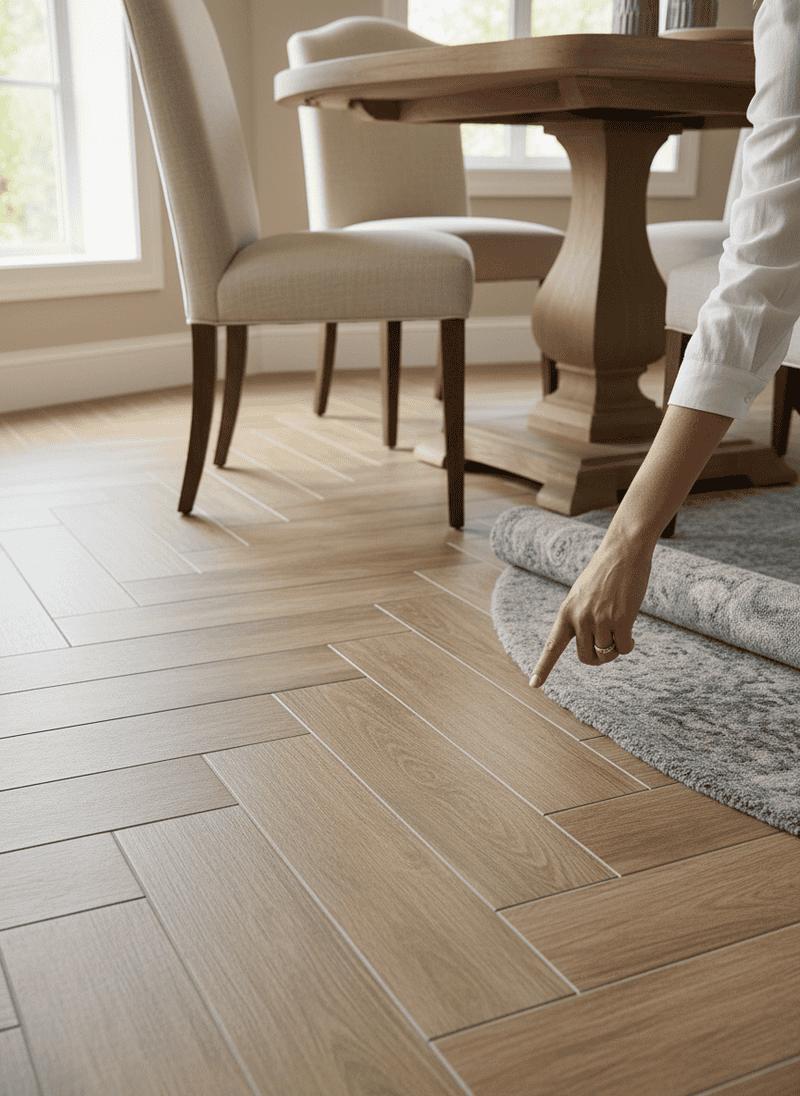
While wall-to-wall carpeting might feel cozy in other areas of the home, it's generally an impractical and outdated choice for a dining room. Carpeting in a dining area is a magnet for food spills, crumbs, and stains, making it incredibly difficult to keep clean and hygienic. Over time, it can look worn and dingy, diminishing the overall appeal and cleanliness of the space. Beyond maintenance, carpet can also trap odors and allergens, which is less than ideal in an eating area. It can also make moving chairs in and out more challenging.
Opt for hard-surface flooring in your dining room for both practicality and timeless style. Hardwood, engineered wood, laminate, or tile are excellent choices that are durable, easy to clean, and inherently more hygienic. These surfaces offer a sophisticated foundation that complements a wide range of decor styles. To add warmth, absorb sound, and introduce texture, layer a generously sized area rug over the hard flooring. This combination offers the best of both worlds: the easy maintenance and clean lines of hard flooring, paired with the comfort and aesthetic appeal of a well-chosen rug. This approach ensures your dining room remains both elegant and effortlessly functional for years to come.
14. Curating Personal Wall Art
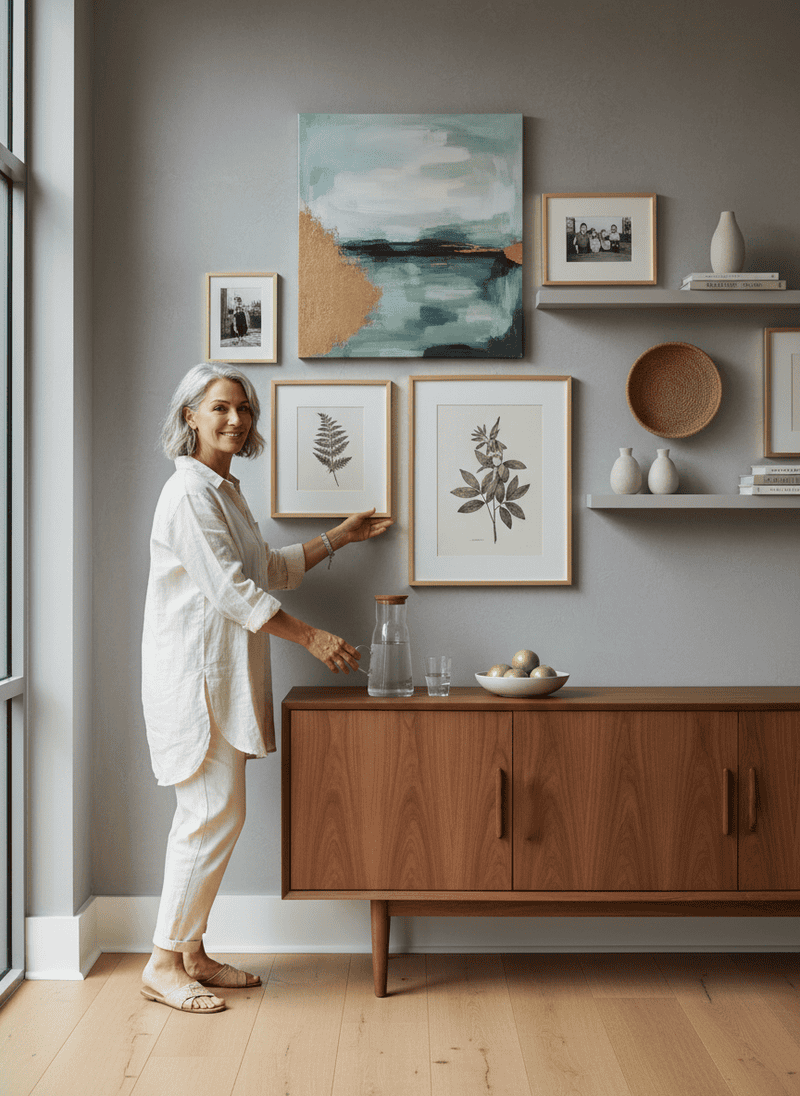
Moving beyond mass-produced prints and generic wall art found in big box stores is crucial for creating a truly personal and sophisticated dining room. While accessible, these pieces often lack character, uniqueness, and the ability to spark conversation. They can make a space feel impersonal and uninspired, failing to reflect the rich experiences and refined tastes of a woman over 50. Your walls are a canvas, and filling them with bland, predictable art is a missed opportunity to infuse personality and depth.
Invest in quality, meaningful wall art that resonates with you and tells a story. This doesn't necessarily mean expensive originals; explore local artists, art fairs, or online galleries for unique prints, limited editions, or photography. Consider framing sentimental items like scarves, vintage maps, or even children’s artwork to create a personal gallery wall. A single large, impactful piece can serve as a stunning focal point. Mix different mediums, frame styles, and sizes for an eclectic and curated look. The goal is to display art that you truly love and that enhances the room's character, making your dining room feel authentic, inspiring, and uniquely yours.
15. Embracing Everyday Elegance
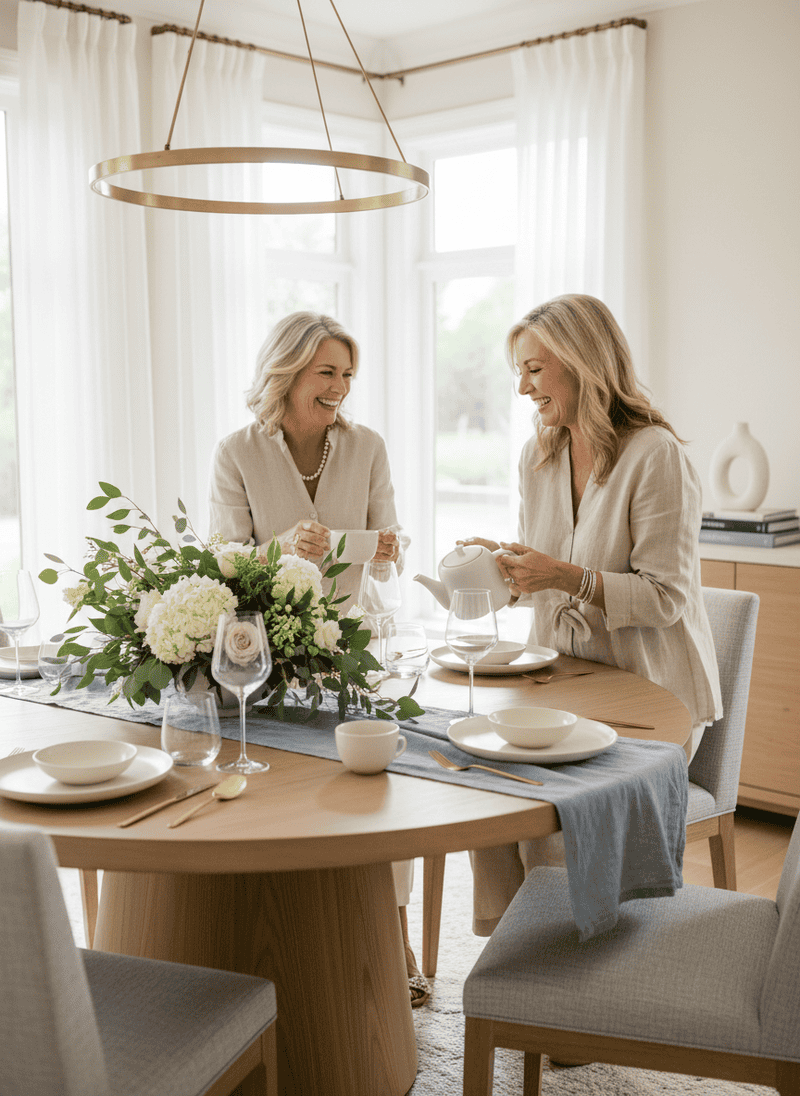
The notion of saving the 'good china' and 'best silverware' for rare, special occasions often means these beautiful items gather dust, rarely seeing the light of day. This tradition, while well-intentioned, prevents you from enjoying the finer things you own on a regular basis. Your everyday meals and intimate gatherings deserve to feel special, and reserving all elegance for 'someday' means missing out on countless opportunities to elevate your daily life. It creates a disconnect between the beauty you possess and the life you live.
It’s time to embrace the philosophy of everyday elegance. Use your beautiful dishes, quality linens, and treasured serving pieces more often. Mix your formal china with simpler, modern plates for a fresh look, or use your crystal glasses for water alongside your wine. Don't wait for a grand event; make Tuesday night dinner feel a little more luxurious. This approach not only allows you to enjoy the items you’ve collected, but it also creates a more refined and thoughtful atmosphere for every meal. Your home should be a place where you consistently experience joy and beauty, making every moment feel a bit more celebrated.
16. Adding Ambient Lighting for Mood
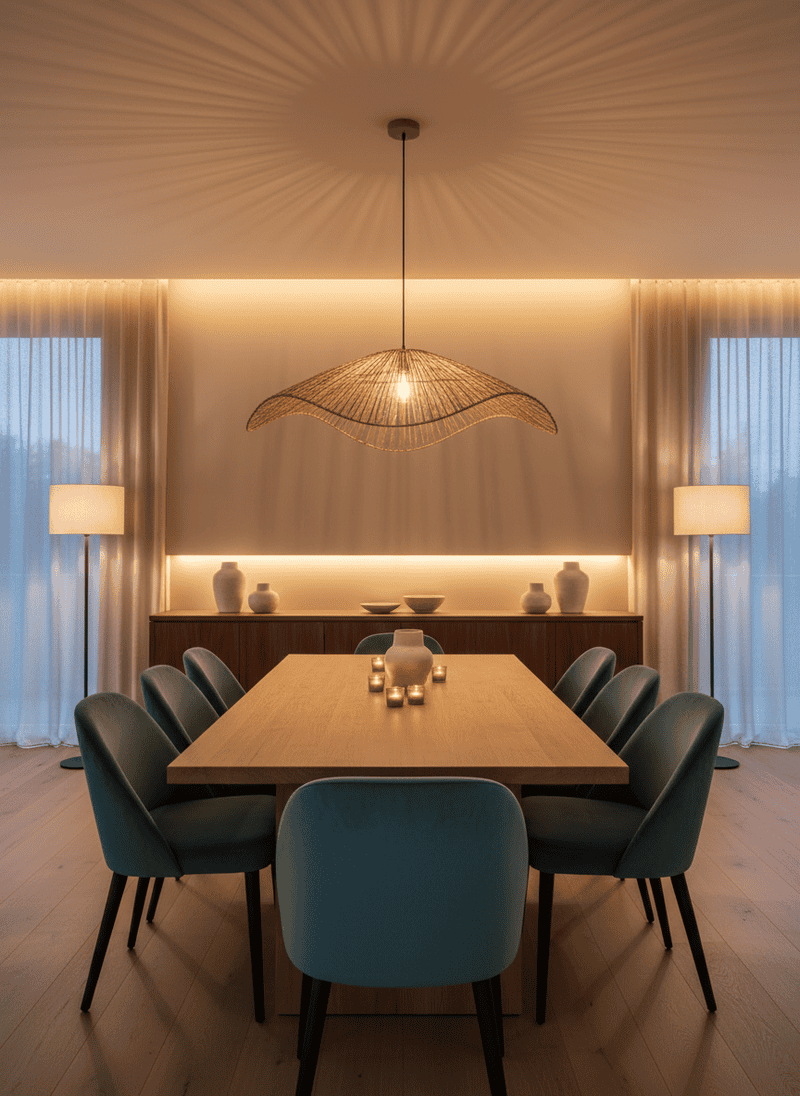
A common mistake in dining room lighting is to focus solely on the overhead fixture, neglecting the crucial role of ambient and accent lighting. Without these layers, a dining room can feel stark and one-dimensional, lacking the warmth, depth, and inviting glow that transforms a space into a truly welcoming environment. Relying only on a bright ceiling light often creates harsh shadows and an uninspiring atmosphere, making it challenging to set a comfortable or intimate mood for different occasions.
To create a truly sophisticated and versatile dining room, thoughtfully incorporate various forms of ambient lighting. Beyond your central fixture, consider adding wall sconces, which provide a soft, diffused light that washes the walls and adds architectural interest. A pair of elegant buffet lamps placed on a credenza or console can offer a warm, localized glow and a touch of sophistication. Dimmers on all light sources are essential, allowing you to fine-tune the illumination for any activity, from bright task lighting for setting the table to a soft, romantic glow for a special dinner. These layers of light add dimension, highlight decor, and create an irresistibly inviting atmosphere.
17. Utilizing Vertical Space Creatively
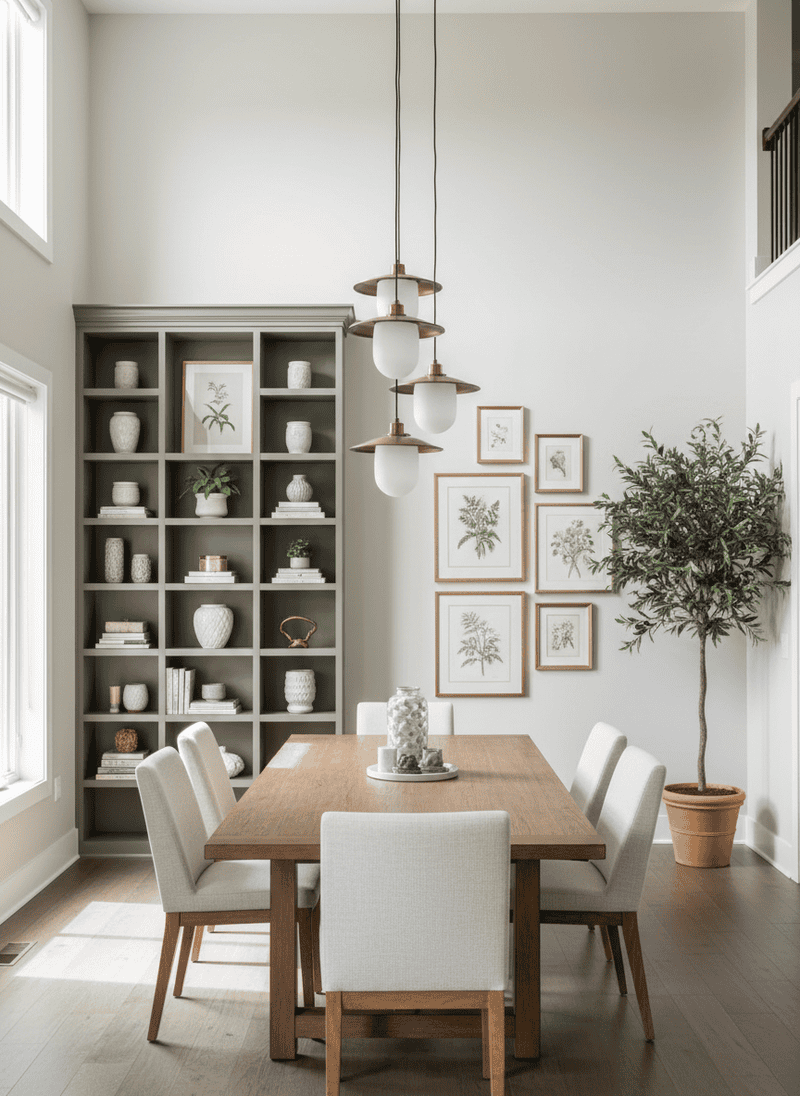
Leaving dining room walls entirely blank or underutilized is a missed opportunity to add personality, storage, and visual interest. Often, the focus is solely on the table and chairs, but the surrounding walls play a critical role in defining the room’s character. Empty walls can make a space feel unfinished, stark, or impersonal, failing to contribute to the sophisticated and curated aesthetic you’re aiming for. It’s like wearing a beautiful outfit but forgetting all accessories.
Think beyond simple framed art and explore creative ways to utilize your vertical space. Consider installing floating shelves to display a curated collection of ceramics, books, or cherished photographs. A large, beautifully framed mirror can not only add elegance but also reflect light and visually expand the room. For functional storage that's also decorative, a stylish bar cart or a narrow, open-shelved cabinet can serve multiple purposes. A gallery wall featuring a mix of artwork, photos, and even small decorative objects can tell a personal story. Utilizing vertical space effectively adds depth, dimension, and a touch of bespoke charm, making your dining room feel more complete and thoughtfully designed.
18. Balancing Textures and Patterns
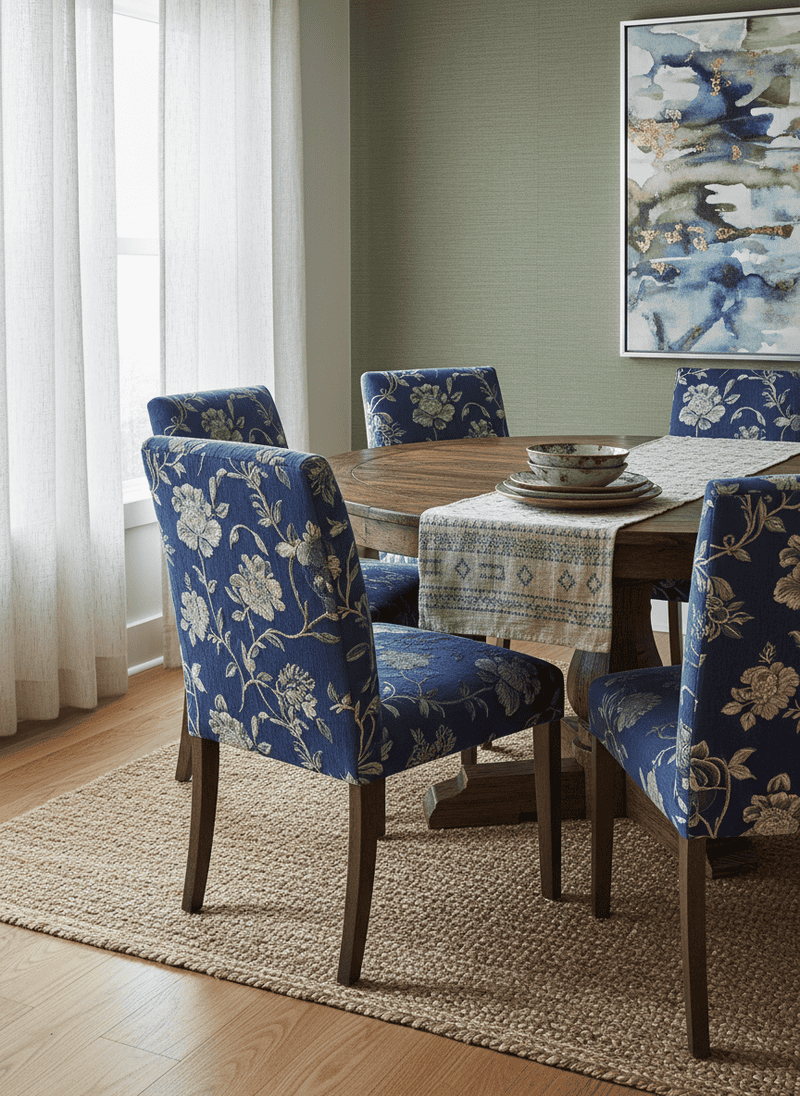
While texture and pattern are vital for adding depth and interest to any room, overdoing it or creating jarring clashes can make a dining room feel chaotic, overwhelming, and visually restless. A mix of too many bold patterns, clashing colors, or an abundance of competing textures without a unifying element can detract from the room's elegance and create an uncomfortable visual experience. The dining room, meant for relaxation and conversation, benefits from a sense of harmonious balance rather than visual noise.
Strive for a balanced and sophisticated approach to incorporating textures and patterns. Start with a neutral foundation – perhaps a plain wall color or a subtle rug – and then introduce pattern and texture through smaller elements. Think about contrasting materials: a sleek metal chandelier against a rustic wooden table, or linen drapes paired with velvet chair upholstery. When introducing patterns, choose one dominant pattern and then complement it with smaller, more subtle patterns in different scales or a variety of textures. Use solids to create visual breathing room. The key is to create a dynamic yet cohesive look where different elements complement each other, adding richness and interest without overwhelming the senses, resulting in an elegantly layered dining space.
19. Updating Heavy Damask or Brocade Fabrics
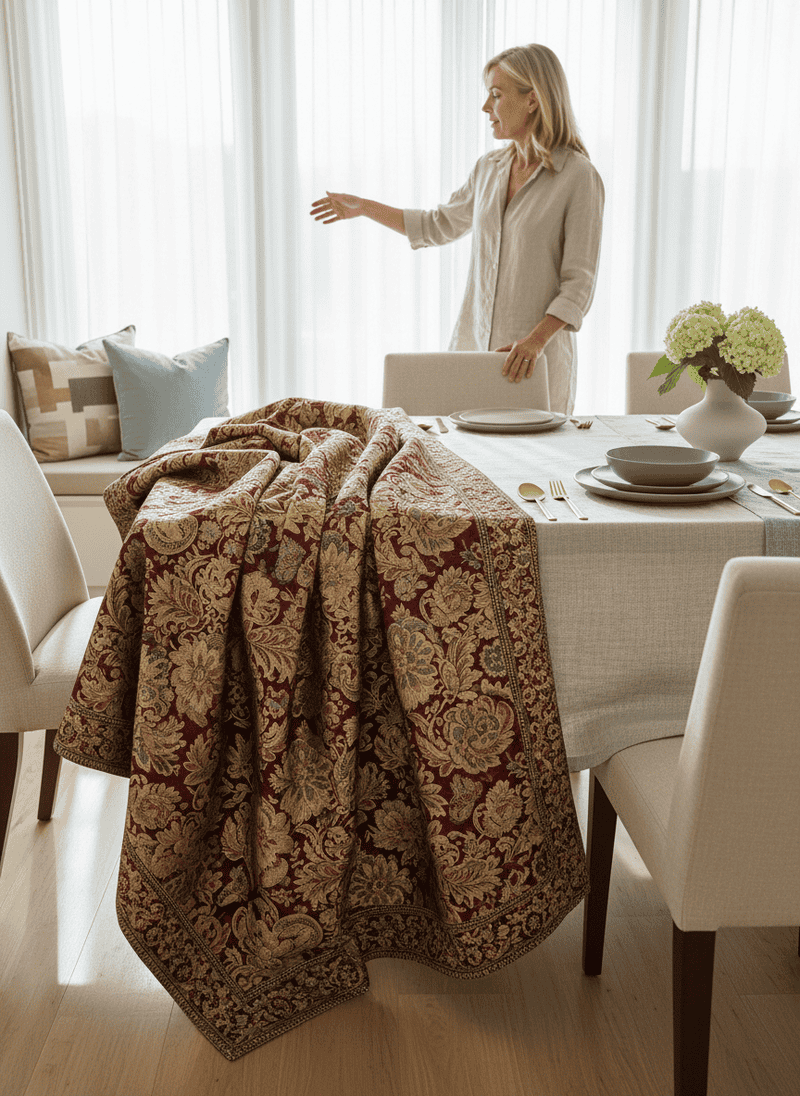
Heavy, traditional fabrics like damask or brocade, often seen in drapes, chair upholstery, or tablecloths, can quickly age a dining room. While historically luxurious, their intricate, often ornate patterns and weighty textures tend to feel overly formal, dark, and visually heavy in contemporary spaces. They often absorb light, contributing to a dim atmosphere, and can make a room feel steeped in a dated, Victorian or Baroque aesthetic that no longer aligns with modern tastes or lifestyle preferences. These fabrics often carry a stiffness that contradicts the desire for comfort and ease.
It’s time to embrace lighter, more contemporary fabrics that bring a fresh, elegant feel to your dining room. Consider materials like linen, cotton, velvet, or a crisp woven blend for drapes and upholstery. These fabrics offer a softer drape, a more inviting texture, and come in a wider range of modern colors and subtle patterns. If you love a touch of luxury, opt for a rich velvet in a jewel tone or a sophisticated neutral. For drapes, choose unlined or lightly lined fabrics that allow more natural light to filter in. Updating your textiles is one of the most impactful ways to instantly refresh your dining room, making it feel more current, comfortable, and reflective of a sophisticated, modern sensibility.
20. Injecting Personal Style and Authenticity
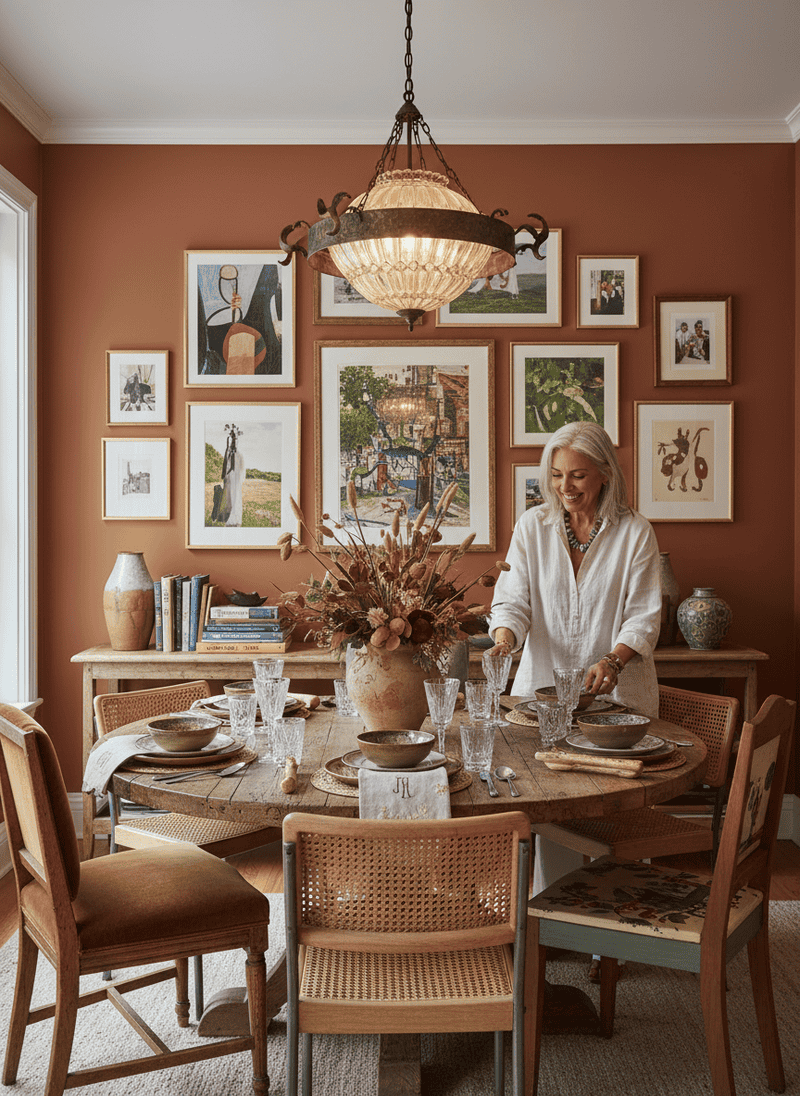
A dining room that looks like it’s been lifted straight from a furniture showroom catalog often lacks personality, warmth, and the unique touch that makes a house a home. While professionally styled showrooms offer inspiration, replicating them precisely can result in a generic, soulless space that doesn't truly reflect who you are. This lack of individuality means the room might feel beautiful, but it won’t feel *yours*, missing the opportunity to tell your story and create an environment that genuinely supports your life.
Your dining room should be a reflection of your journey, tastes, and passions. Inject personal style by incorporating elements that hold meaning for you. This could be a collection of ceramics from your travels, inherited artwork, or a bespoke tablecloth made from a fabric you adore. Mix vintage finds with modern pieces, combine different wood tones, and layer textiles to create depth and character. Don't be afraid to display things that spark joy or conversation. The goal is to create a dining room that feels authentic, lived-in, and unmistakably *you*, making it a truly inviting and cherished space for both everyday meals and special occasions.
21. Designing for Real Life Usage
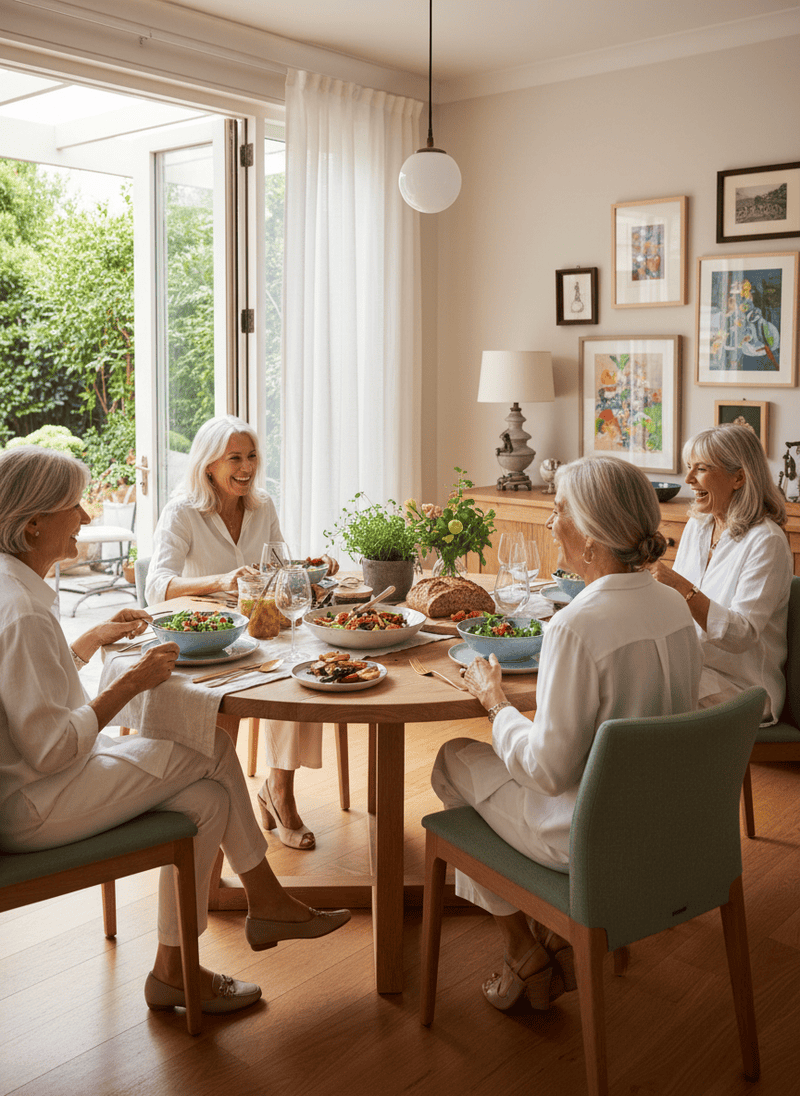
Perhaps the most significant trend to abandon is having a dining room that is rarely, if ever, used. Many homes feature a 'formal' dining room that sits idle for 360 days a year, becoming a decorative mausoleum rather than a vibrant living space. This underutilization is a waste of valuable square footage and a missed opportunity to create a functional, enjoyable area that truly serves your lifestyle. A beautiful room that isn't lived in loses its purpose and charm, existing merely as an aspiration rather than a reality.
Reimagine your dining room as a dynamic, adaptable space that caters to your real-life needs and habits. If formal dinners are a rarity, consider how the room can serve multiple functions. Can it double as a library, a craft area, or a spacious workspace during the day? Choose furniture that supports this versatility – perhaps a dining table that extends or a credenza that offers smart storage. Design it to be comfortable and inviting enough for everyday meals, not just holiday feasts. The goal is to create a beautiful, functional, and frequently used room that enhances your daily living and brings joy, rather than a showpiece that remains untouched. Make your dining room work for *you*.


