
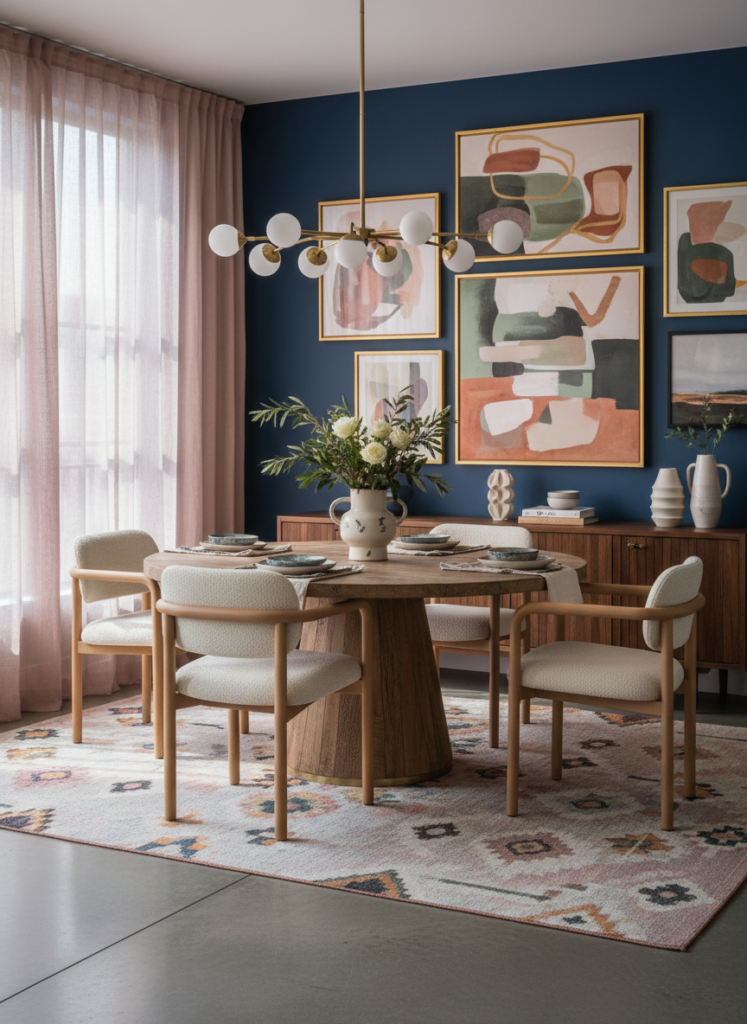
As we embrace the wisdom and style that come with age, it's time to re-evaluate our living spaces, especially the dining room. What once felt chic and sophisticated might now feel dated or simply impractical for your evolving lifestyle. Let's explore 28 dining room trends that women over 50 should confidently leave behind, paving the way for spaces that truly reflect your refined taste, comfort, and joy.
1. Overly Formal, Unused Dining Rooms
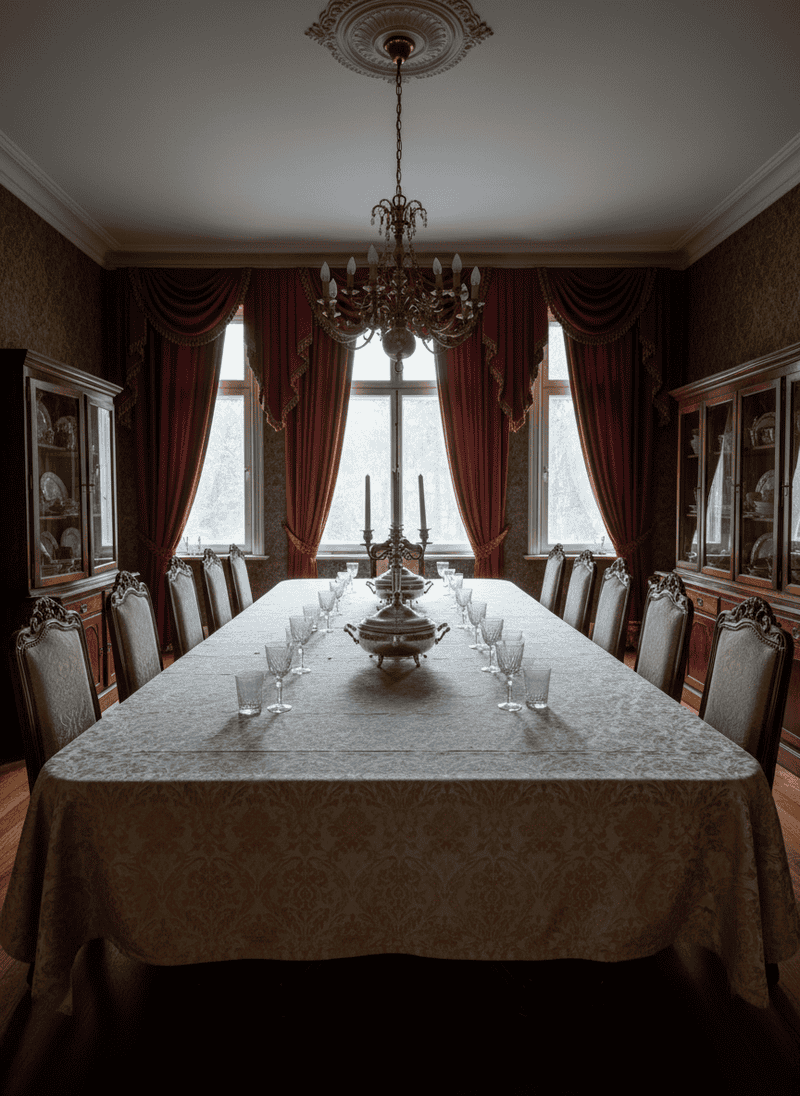
For too long, the 'formal dining room' has been a sacred, often untouched space, reserved for holidays and special occasions that rarely materialize. Many women over 50 find themselves with a beautifully decorated room that collects dust more than memories. This trend perpetuates an idea of entertaining that often feels stuffy and out of step with modern, relaxed gatherings. It consumes valuable square footage that could be repurposed for more engaging, multi-functional living.
Instead of a room that dictates rigid etiquette, embrace a dining space that invites everyday use and casual conviviality. Consider how you genuinely entertain today—is it grand dinner parties, or more intimate potlucks, family brunches, or even creative pursuits? Transform your dining room into a flexible area that can serve as a stylish office by day, a craft zone, or a comfortable game night hub. Opt for versatile furniture, like a beautiful console that can double as a bar or serving station, and comfortable seating that encourages lingering conversations, not just quick meals. The goal is to make your home work for your life, not the other way around, ensuring every square foot contributes to your daily comfort and joy.
2. Heavy, Bulky Matching Dining Sets
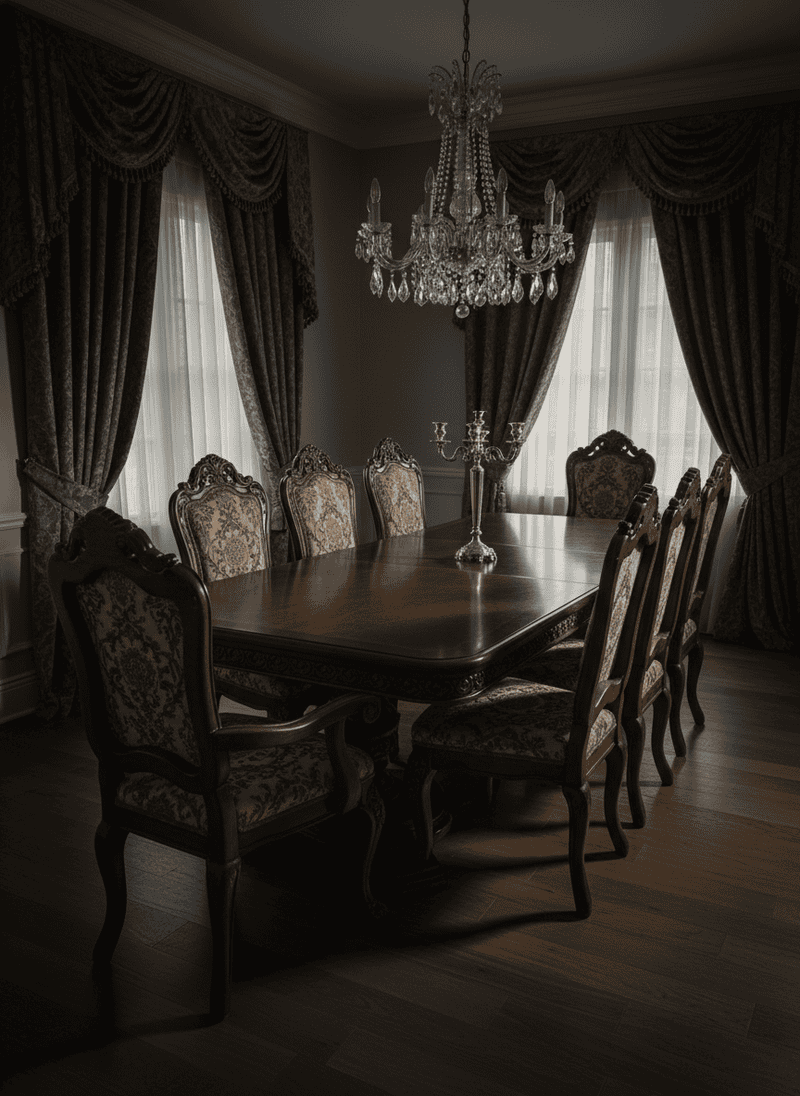
The era of buying a dining table, chairs, and a hutch all from the same collection, often in dark, heavy wood, is firmly in the past. While matching sets once signified status and completeness, they now tend to create a monotonous, uninspired look that lacks personality and dynamism. These sets often feel overwhelmingly uniform, failing to add visual interest or a sense of collected history to your home. Furthermore, the sheer bulkiness of many traditional matching sets can weigh down a room, making it feel smaller and less airy, which is especially counterproductive in smaller spaces.
It's time to break free from the rigidity of matching sets and embrace the art of curated design. Mix and match elements to create a dining room that feels thoughtfully assembled over time. Pair a timeless wooden table with chairs in a different style, perhaps upholstered for comfort, or metal for a contemporary edge. Incorporate a vintage sideboard or a modern credenza instead of a heavy hutch. This approach allows you to inject texture, color, and varying materials, resulting in a dining space that is rich in character, reflects your unique taste, and feels invitingly layered. Think of your dining room as a canvas where each piece plays a role, contributing to a harmonious yet diverse composition.
3. Outdated Ornate Chandeliers
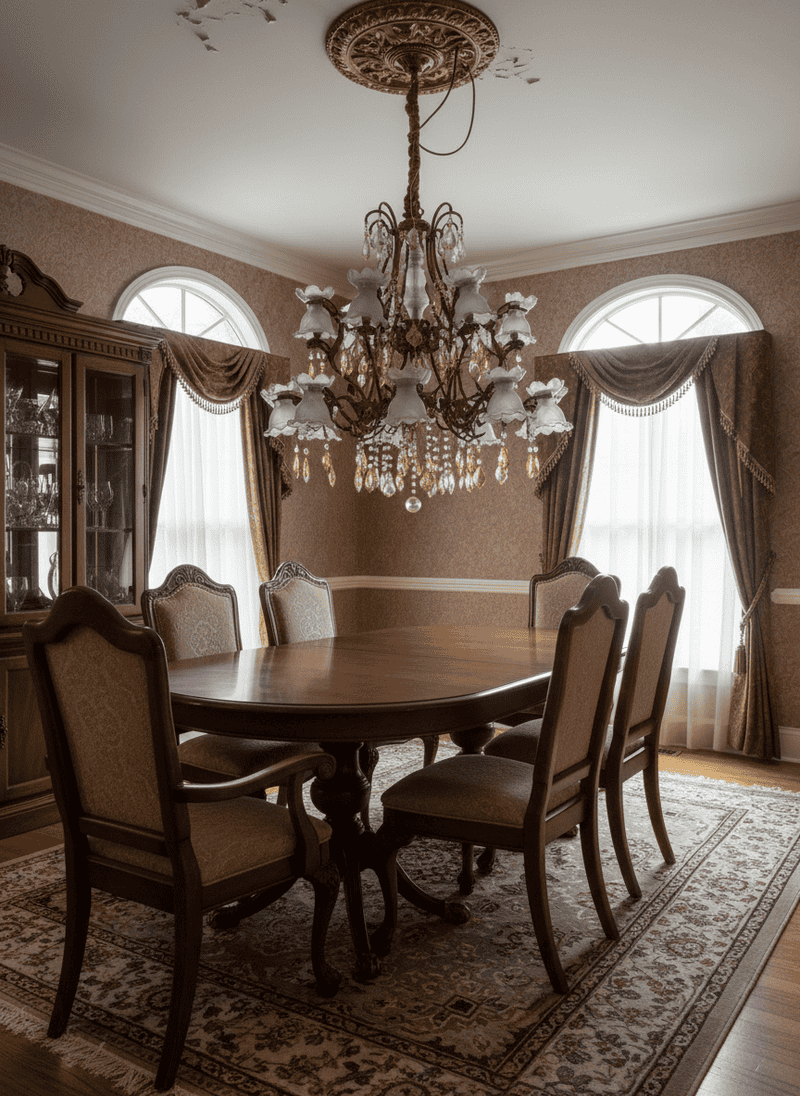
Remember those grand, elaborate chandeliers, often dripping with faux crystals and intricate gold filigree, that were once the epitome of dining room luxury? While some vintage pieces are treasures, many mass-produced versions from decades past now simply look dated and can overpower a dining space rather than enhance it. These ornate fixtures often cast an unflattering, too-bright light and their busy designs can clash with more modern, streamlined aesthetics, making a room feel heavy and stuck in a time warp. They often demand attention in a way that feels ostentatious rather than elegant, failing to provide the nuanced lighting needed for a comfortable dining experience.
Elevate your dining room lighting with fixtures that are both stylish and functional. Consider contemporary chandeliers or pendants with clean lines, interesting geometric shapes, or beautiful artisan craftsmanship. Look for fixtures that feature dimmable LED lights, allowing you to create the perfect ambiance for any occasion, from bright task lighting to soft, intimate glows. Materials like brushed brass, matte black, natural wood, or frosted glass can add a sophisticated touch without the visual clutter. You might even consider incorporating a pair of elegant sconces or a floor lamp to provide layered lighting, adding depth and warmth to the room. Modern lighting should be a statement piece that complements your decor, offering both beauty and adaptable illumination.
4. Cluttered, Overstuffed Buffets and Hutches
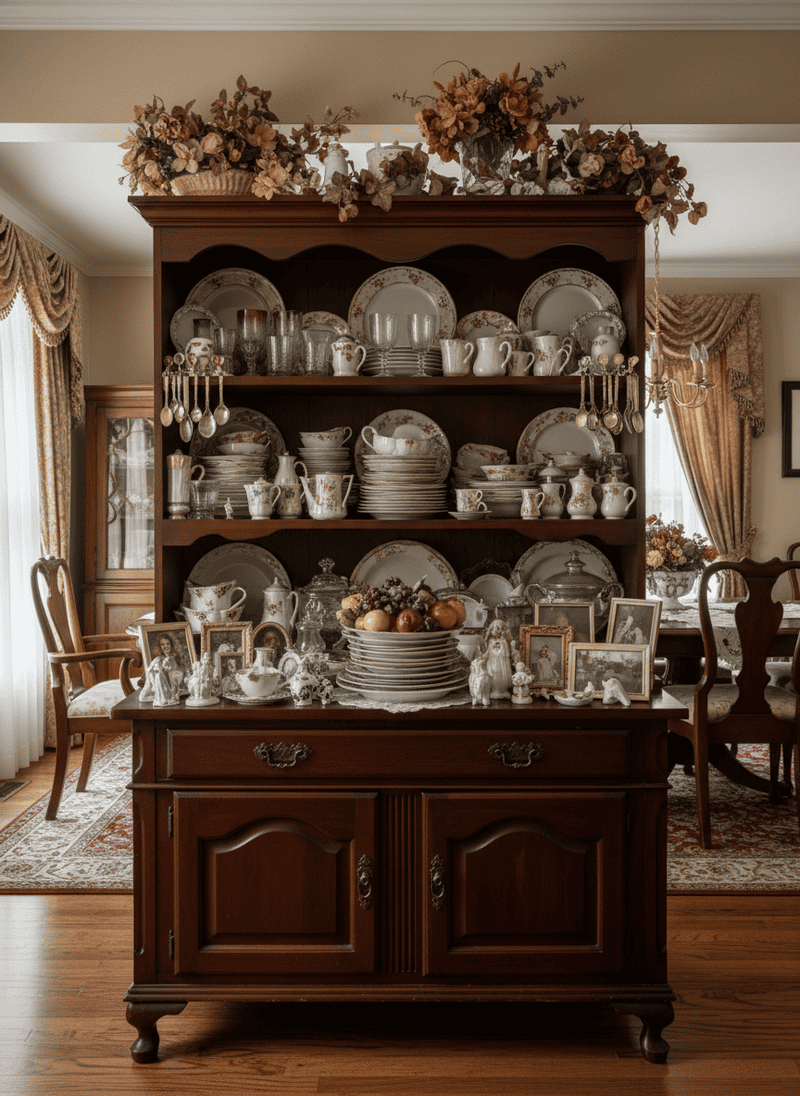
A common sight in older dining rooms is the buffet or hutch overflowing with rarely used china, mismatched serving pieces, and decorative trinkets that have accumulated over years. While the intention might be to display cherished items, the reality often results in a cluttered, visually chaotic space that feels overwhelming and stressful. An overstuffed hutch can become a dust trap and a monument to excess, rather than a functional storage or display solution. This trend hinders a sense of calm and order, making the dining room feel less like a sanctuary and more like a storage unit.
It’s time to declutter and curate your dining room storage with a discerning eye. Begin by paring down your collection, keeping only the pieces you truly love, use regularly, or hold deep sentimental value. For the remaining items, organize them thoughtfully. Consider a sleek, modern credenza or a streamlined sideboard with closed storage to keep essentials neatly tucked away, creating a clean and uncluttered surface. If you love the idea of displaying items, opt for a hutch or display cabinet with glass fronts, but ensure the contents are beautifully arranged and not crammed. Group similar items, leave ample negative space, and highlight a few key pieces rather than everything you own. The goal is functional elegance, where storage enhances the room's aesthetic rather than detracting from it.
5. Small, Uncomfortable Dining Chairs
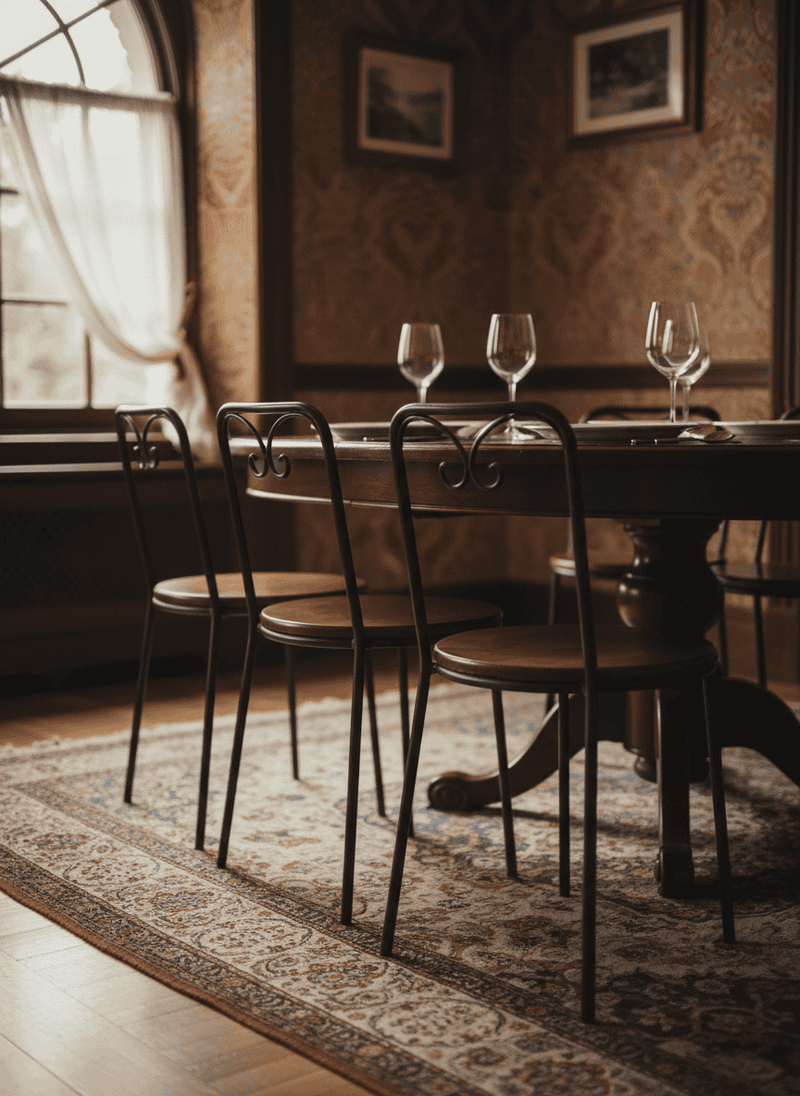
Dining chairs that prioritize aesthetics over comfort are a trend that women over 50 should definitively abandon. We've all endured evenings perched on stiff, narrow, or unpadded chairs that make lingering at the table an exercise in discomfort. These chairs often lack proper back support, sufficient seat depth, or adequate cushioning, making extended meals or conversations feel like a chore rather than a pleasure. A beautiful dining table loses its appeal if the seating isn't conducive to relaxation and enjoyment, effectively shortening social gatherings and diminishing the overall dining experience for both you and your guests.
Invest in dining chairs that are genuinely comfortable and ergonomically supportive. Look for chairs with well-padded seats, supportive backs, and armrests if space allows, especially for the host and head of the table. Consider upholstered chairs in durable, easy-to-clean fabrics, or choose chairs with generous proportions that invite relaxation. Materials like velvet, boucle, or a soft leather can add a touch of luxury and comfort. Don't be afraid to mix and match chairs; for example, you could have two more luxurious armchairs at the ends of the table and simpler, yet comfortable, side chairs. Prioritizing comfort ensures that your dining room becomes a truly inviting space where good food and great company can be enjoyed without distraction, encouraging longer, more meaningful interactions.
6. Stark, Cold Minimalism
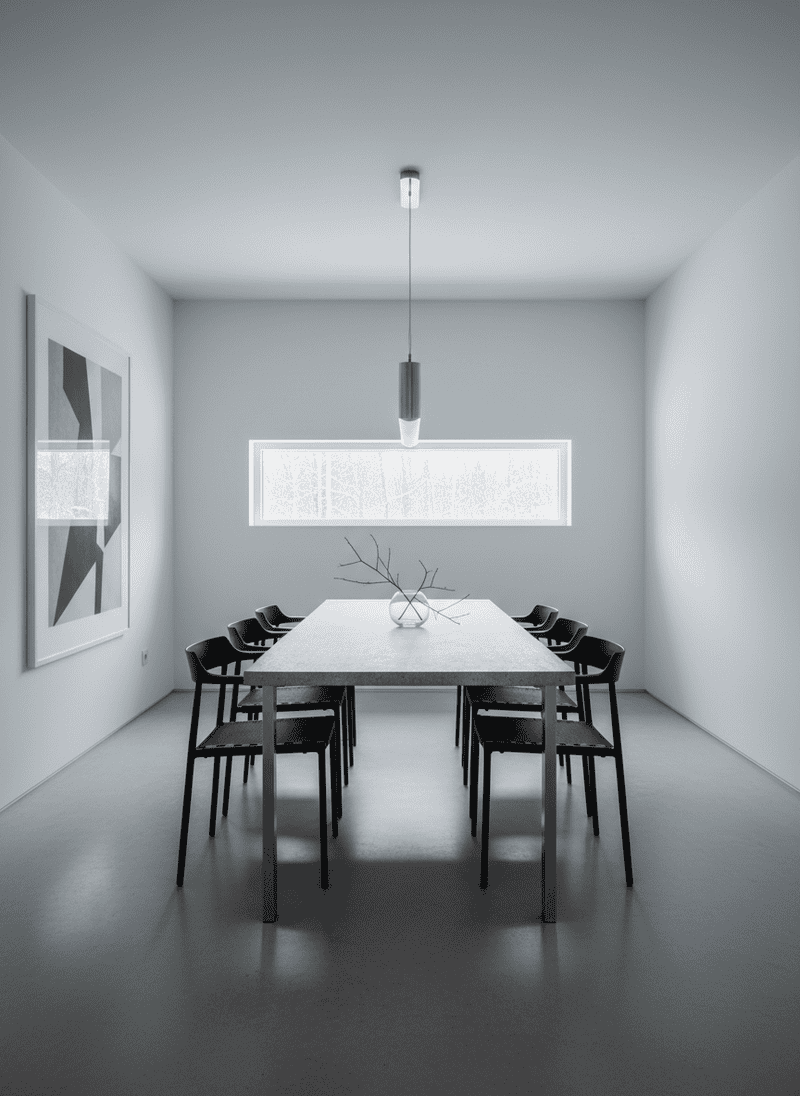
While minimalism has its merits, the trend of overly stark, cold minimalism in the dining room often strips the space of warmth, personality, and inviting charm. Characterized by barren surfaces, a lack of textiles, and a monochromatic palette devoid of texture, this style can make a dining room feel more like a showroom than a welcoming gathering place. For women over 50, a home should be a sanctuary that reflects a lifetime of memories and warmth, and a sterile dining room can feel unwelcoming, making guests hesitant to relax and linger. The absence of personal touches can leave the space feeling soulless and unlived-in, failing to inspire conversation or comfort.
Instead, embrace a 'warm minimalism' or 'curated maximalism' that balances clean lines with rich textures, personal touches, and a sense of inviting comfort. Introduce warmth through natural materials like wood, linen, and wool. Incorporate soft lighting, plush rugs, and comfortable upholstered seating. A touch of color through artwork, a vibrant centerpiece, or thoughtfully selected tableware can add personality without overwhelming the space. The goal is to create a dining room that is uncluttered and sophisticated, yet undeniably cozy and inviting—a place where both daily meals and special occasions feel intimate and enjoyable. This approach allows you to express your style while ensuring the room fosters connection and relaxation.
7. Fussy Tablecloths and Runners
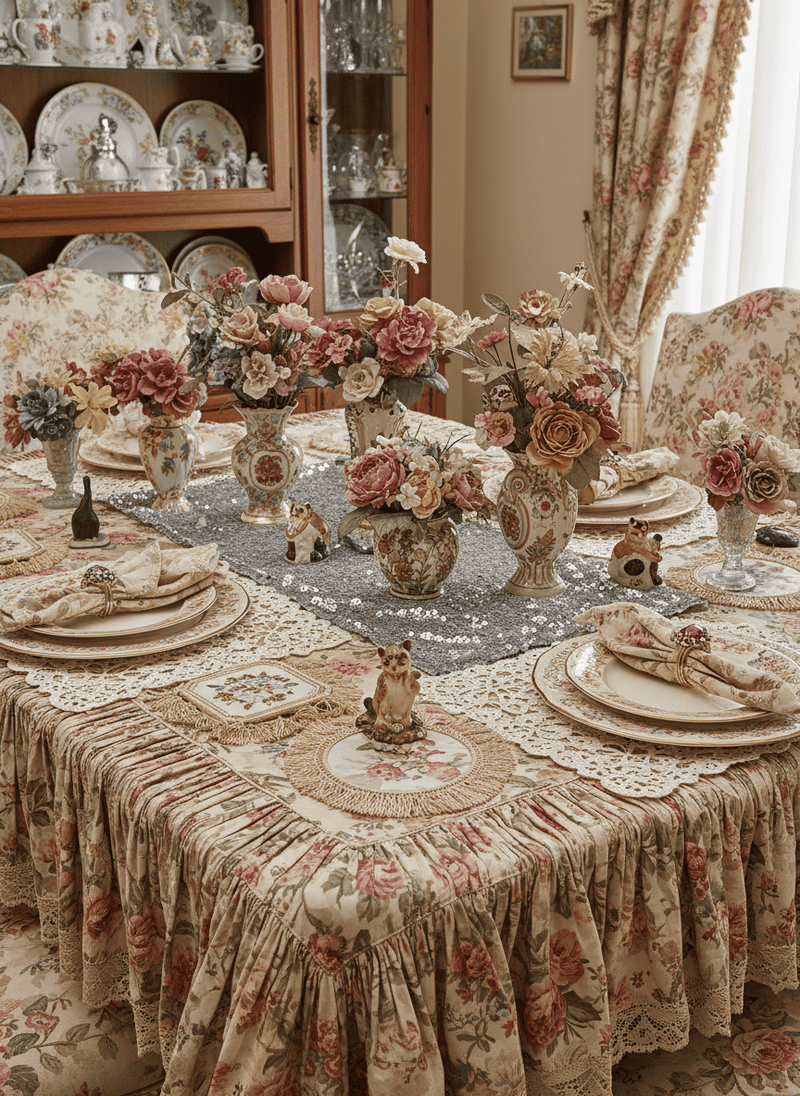
The tradition of perpetually dressing your dining table with an elaborate, high-maintenance tablecloth or runner can often feel more like a burden than a design choice. Heavy, ornate, or delicate fabrics that require constant ironing, meticulous stain removal, and careful storage often add unnecessary fuss to daily living. While beautiful for special occasions, using such pieces continuously can hide the beauty of your table itself, create visual clutter, and make everyday dining feel overly formal and inaccessible. The constant worry about spills and wrinkles can detract from the simple joy of sharing a meal.
Free yourself from the tyranny of fussy table linens and opt for practicality and understated elegance. If you love the look of a table covering, choose durable, machine-washable fabrics like linen or cotton blends that offer a relaxed, lived-in charm and are easy to maintain. Consider using placemats for individual settings or a simple, textured runner for visual interest, allowing the natural beauty of your tabletop to shine through. For everyday meals, let your beautiful table be the star, showcasing its natural wood grain or sleek surface. When you do use linens, choose patterns or textures that complement your decor without dominating it. The focus should be on creating a relaxed, inviting atmosphere where enjoyment trumps meticulous upkeep, making your dining room effortlessly elegant for any occasion.
8. Dated Wall Art and Decor
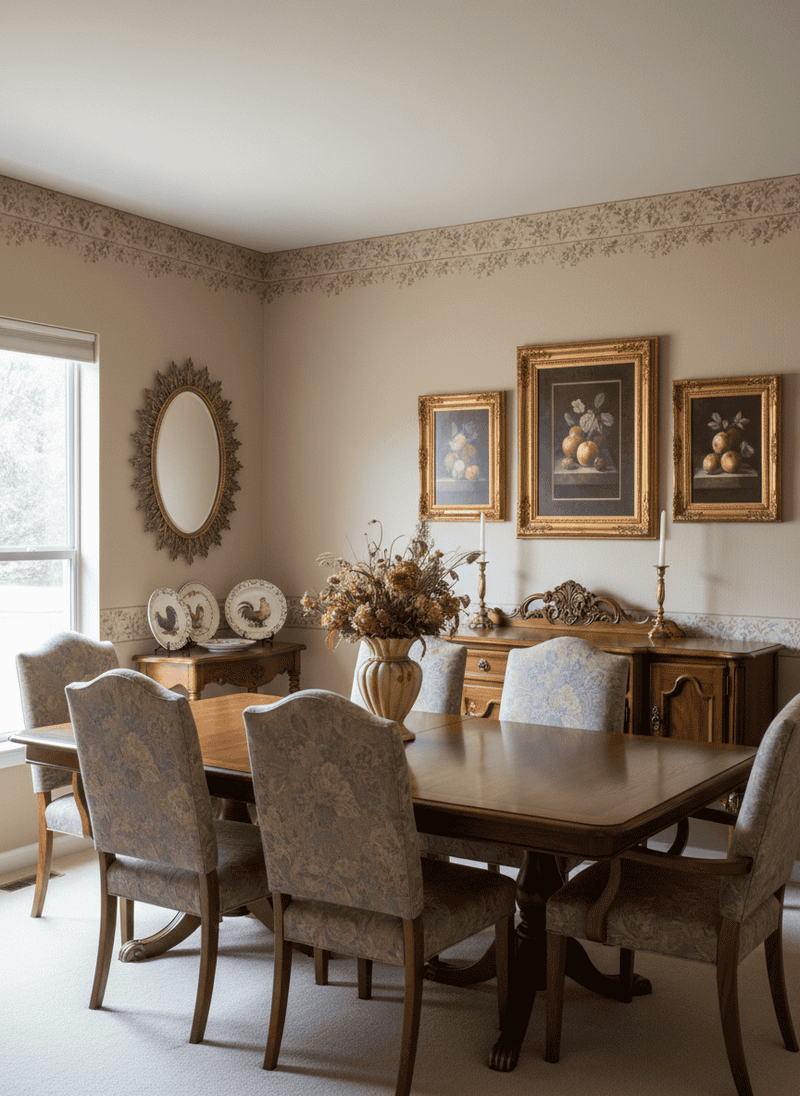
The dining room often becomes a repository for wall art and decor pieces that have simply 'always been there,' even if they no longer align with your current aesthetic or bring you joy. Think mass-produced still life paintings, overly traditional landscapes, or collections of small, uninspired decorative plates that feel more like clutter than curated art. This outdated decor can instantly age a room, making it feel stagnant and disconnected from the rest of your home's updated style. It misses an opportunity to infuse personality, spark conversation, and reflect your evolving tastes and experiences.
It's time to refresh your dining room walls with art that truly speaks to you and enhances the space. Invest in a few significant pieces, whether it's a large abstract painting, a striking photograph, or a collection of prints that tell a story. Consider original artwork from local artists, pieces you've collected during travels, or even beautifully framed photographs that evoke cherished memories. The key is to choose art that resonates with your personal style and contributes to the room's overall ambiance. Don't be afraid to experiment with different mediums and sizes. Additionally, update decorative accents—opt for unique sculptural pieces, artisanal ceramics, or fresh floral arrangements instead of generic knick-knacks. Your dining room walls are a canvas; let them display your refined taste and create a captivating backdrop for your meals and conversations.
9. Artificial Plants and Flowers That Look Fake
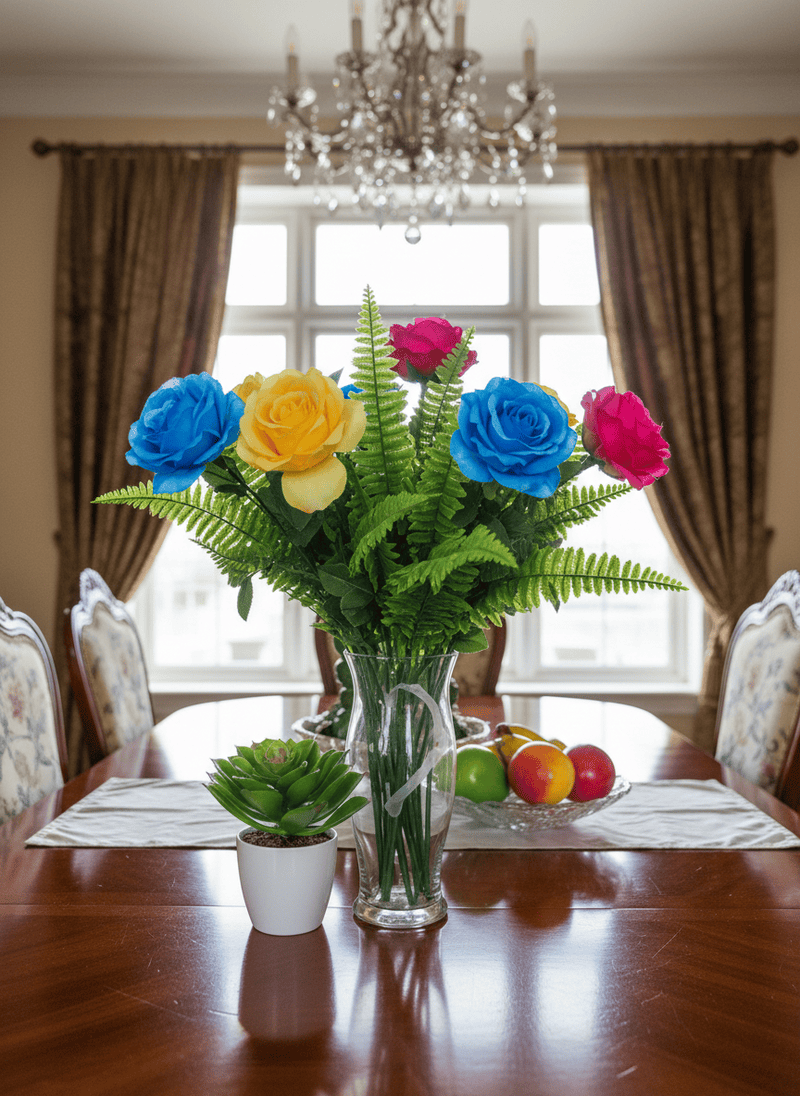
While the convenience of artificial plants and flowers is undeniable, the trend of filling your dining room with obviously fake greenery that looks plastic or dusty should be abandoned. Cheaply made or poorly maintained artificial arrangements often appear lifeless, collect dust, and can detract from the elegance and freshness of your dining space. Instead of adding vitality, they can make a room feel static, dated, and lacking in genuine charm. For women over 50, authenticity and quality should be paramount, and visible phoniness in decor can undermine the sophistication you've cultivated throughout your home.
Embrace the beauty of nature with living plants or invest in high-quality artificial alternatives that are virtually indistinguishable from the real thing. A few well-chosen, well-maintained houseplants can bring vibrant life, purify the air, and add a refreshing touch of green to your dining room. Consider easy-care options like snake plants, ZZ plants, or orchids for a touch of elegance. If live plants aren't feasible, seek out premium faux botanicals made with realistic textures and colors. A beautiful faux fiddle leaf fig in a stylish pot, a meticulously crafted orchid arrangement, or a realistic bouquet of hydrangeas can elevate your space without the maintenance. The goal is to bring a sense of natural beauty and freshness into your dining room, whether it’s through living greenery or impeccably designed artificial pieces that truly enhance, not detract from, your aesthetic.
10. Wall-to-Wall Carpeting in Dining Areas
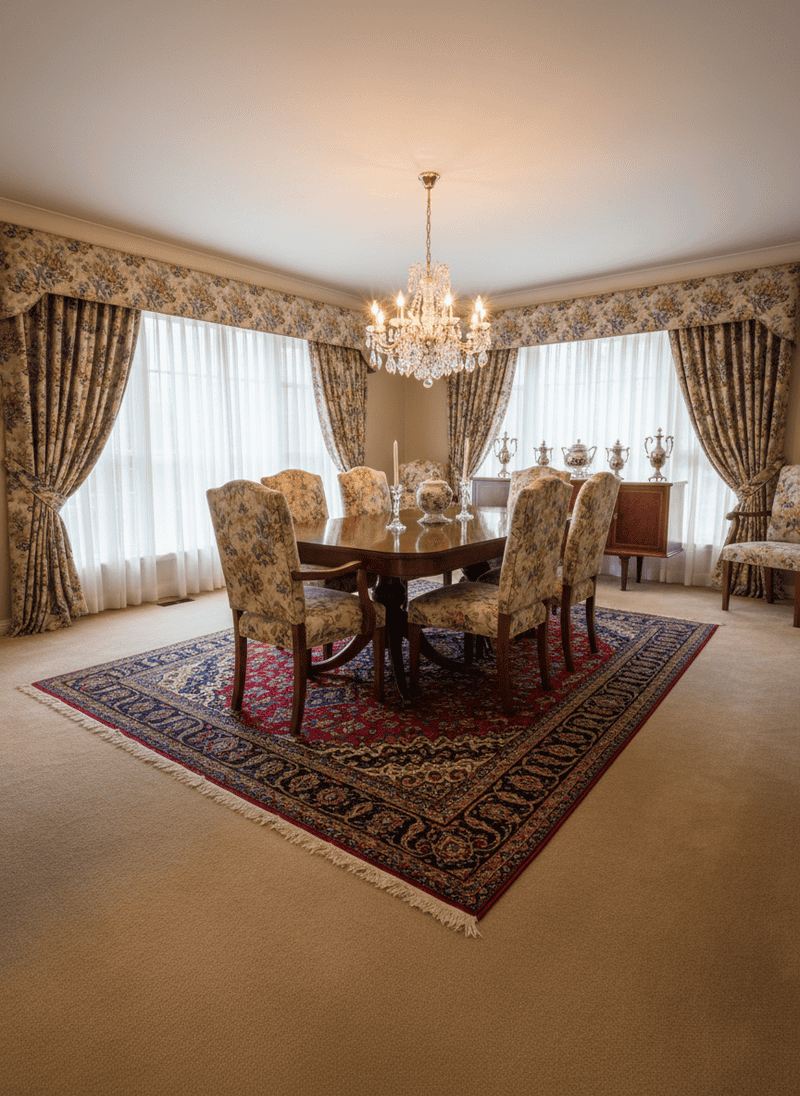
The once-popular trend of wall-to-wall carpeting in dining rooms is a practical and aesthetic misstep that women over 50 should definitely move past. Carpeting in a dining area is a magnet for spills, crumbs, and stains, making cleaning a constant battle and often leading to unpleasant odors. Beyond the hygiene concerns, carpeting can make a dining room feel visually heavy and dated, especially when compared to the elegance and brightness offered by hard flooring. It also absorbs sound differently, sometimes creating a muffled atmosphere that lacks crispness. This dated choice limits design flexibility and can inadvertently reduce the perceived value of your home.
Upgrade your dining room with elegant and easy-to-maintain hard flooring. Options like hardwood, laminate, luxury vinyl plank (LVP), or tile are not only more hygienic but also offer a sophisticated backdrop for your dining furniture. These materials are much easier to clean, instantly brightening the space and making it feel more expansive and contemporary. To add warmth, define the dining area, and improve acoustics, layer a beautiful area rug beneath your dining table. Choose a rug that is large enough for chairs to remain on it even when pulled out, and opt for durable, stain-resistant materials. A well-chosen rug can introduce color, texture, and pattern, creating a focal point while protecting your floors. This combination offers both practicality and refined style, perfect for a modern home.
11. Overly Themed Dining Room Decor
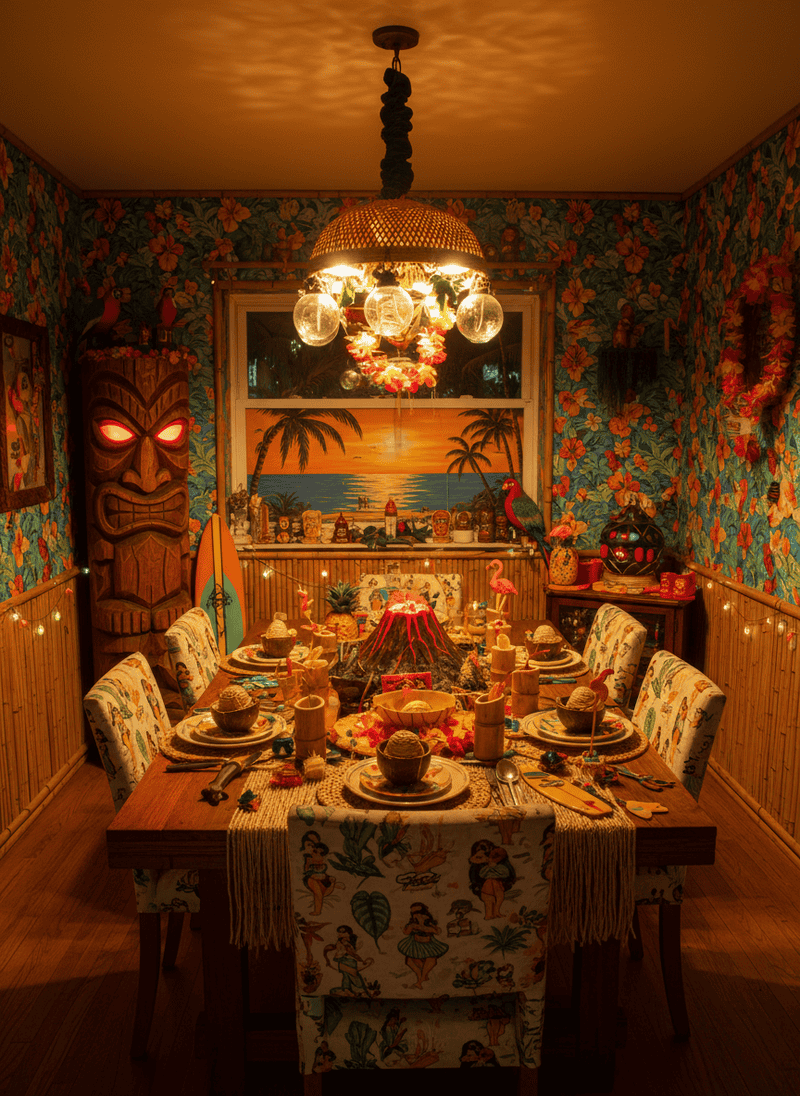
While a subtle nod to a particular style or region can be charming, the trend of excessively themed dining room decor often results in a space that feels contrived, juvenile, and quickly tiresome. Think overly rustic farmhouses with too many gingham patterns, nautical rooms with anchor motifs on every surface, or Tuscan-inspired spaces heavy with grapevines and roosters. These themes can limit design flexibility, make the room feel like a caricature, and fail to evolve with your personal style. A rigid theme often prioritizes a singular idea over comfort, elegance, and the ability to integrate diverse pieces that hold personal significance.
Instead of a rigid theme, cultivate a dining room that reflects a sophisticated and eclectic personal style. Focus on creating a harmonious blend of pieces that you love, regardless of a strict thematic constraint. Draw inspiration from various styles—perhaps a touch of modern design mixed with a few antique finds, or a global aesthetic blended with contemporary art. The key is to select pieces that complement each other through color, texture, or form, creating a layered and inviting look. This approach allows your dining room to feel uniquely yours, rich with collected memories and evolving tastes, rather than a static snapshot of a fleeting trend. Embrace a sense of refined eclecticism that feels curated and deeply personal, making your dining space truly welcoming and unique.
12. Lack of Personal Touch and Warmth
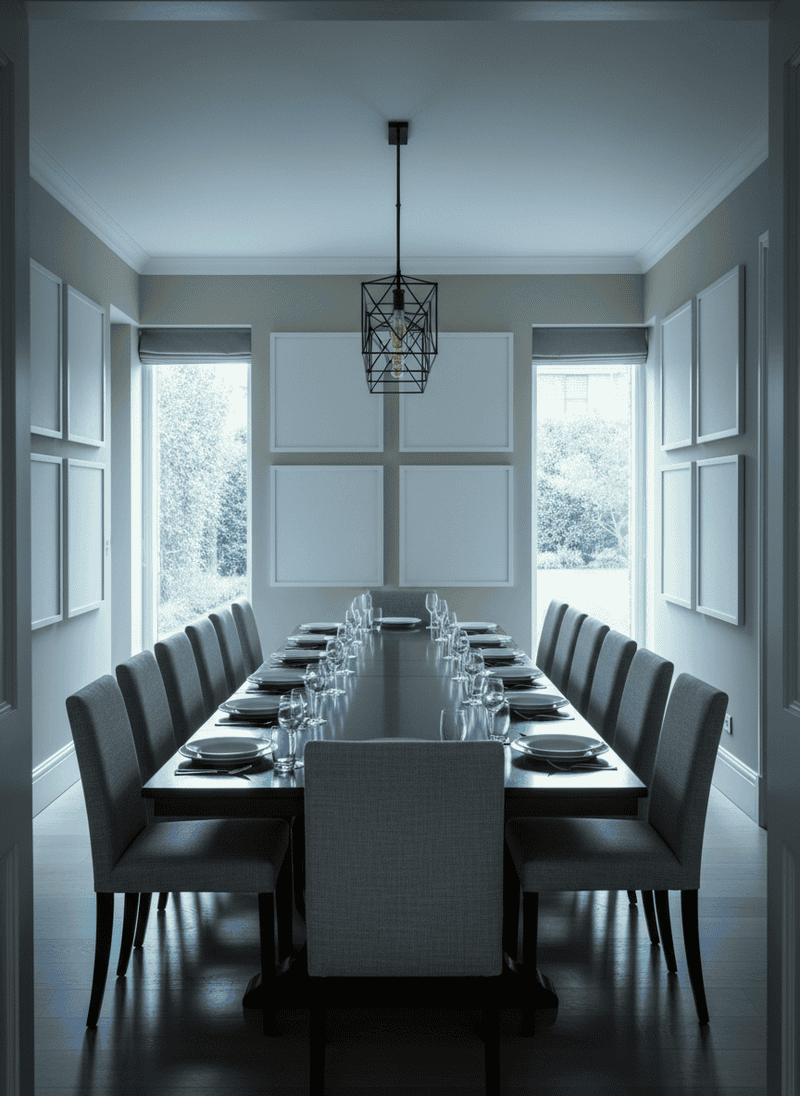
A common pitfall in dining room design is prioritizing impersonal showroom aesthetics over creating a space that genuinely feels like home. Many rooms, striving for a generic 'designer look,' end up lacking any discernible personal touch, warmth, or soul. This can manifest as sterile environments with no photos, no meaningful objects, and no connection to the lives lived within the home. For women over 50, a dining room should be a reflection of a life well-lived, a place that invites stories and feels deeply comforting. A lack of personal warmth makes the space feel uninviting and forgettable, failing to serve its true purpose as a gathering hub.
Infuse your dining room with authentic warmth and personal character. This means incorporating elements that tell your story and evoke fond memories. Display cherished photographs in elegant frames, showcase a collection of artisan pottery, or feature artwork acquired during your travels. Introduce soft textures through a plush area rug, upholstered chairs, or linen curtains. Layer your lighting with dimmable fixtures, candles, and perhaps a stylish table lamp on a nearby credenza to create a cozy glow. Choose a color palette that resonates with you and use fresh flowers or real plants to add life. The goal is to create a dining room that feels deeply personal, inviting, and truly lived-in, a space where both daily meals and celebratory gatherings are enveloped in comfort and your unique charm.
13. Poor Lighting Schemes (Too Bright or Too Dim)
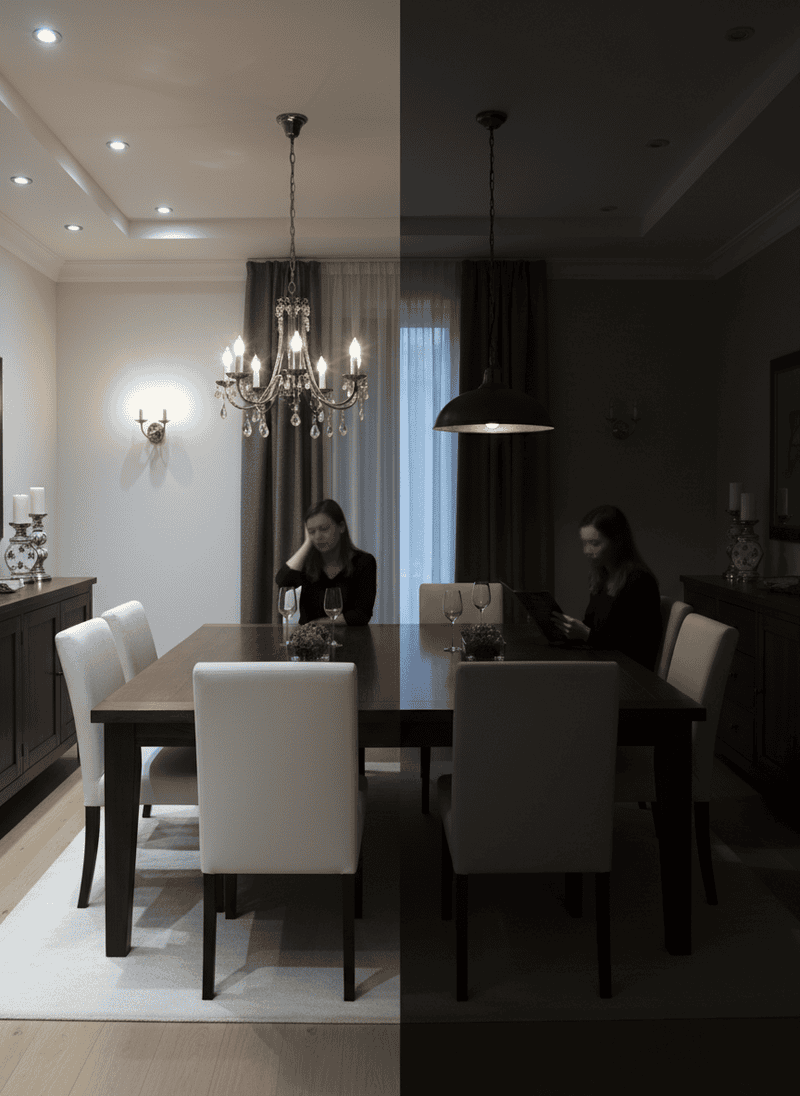
Many dining rooms suffer from an 'all or nothing' approach to lighting, either relying on a single, overly bright overhead fixture that creates harsh shadows or being perpetually too dim to properly see your meal. This lack of thoughtful lighting design can completely undermine the ambiance and functionality of the space. Overly bright lighting can feel institutional and uninviting, while insufficient lighting makes the room feel gloomy, making it difficult to appreciate food presentation or engage in comfortable conversation. For women over 50, good lighting is also crucial for eye comfort and overall well-being.
It’s time to implement a layered lighting scheme that offers flexibility and creates a welcoming atmosphere. Start with an elegant dimmable overhead fixture—a chandelier or pendant—positioned centrally over the table, providing ambient light. Complement this with accent lighting, such as a pair of wall sconces, or buffet lamps on a sideboard, to add visual interest and a soft glow. Consider a dimmer switch for all your fixtures, allowing you to adjust the intensity for various moods and occasions, from bright for cleaning to soft for intimate dinners. Natural light should also be maximized where possible with appropriate window treatments. A well-designed lighting plan enhances the beauty of your dining room, highlights your decor, and ensures every meal and gathering is enjoyed in perfect illumination and comfort.
14. Ignoring Natural Light Potential
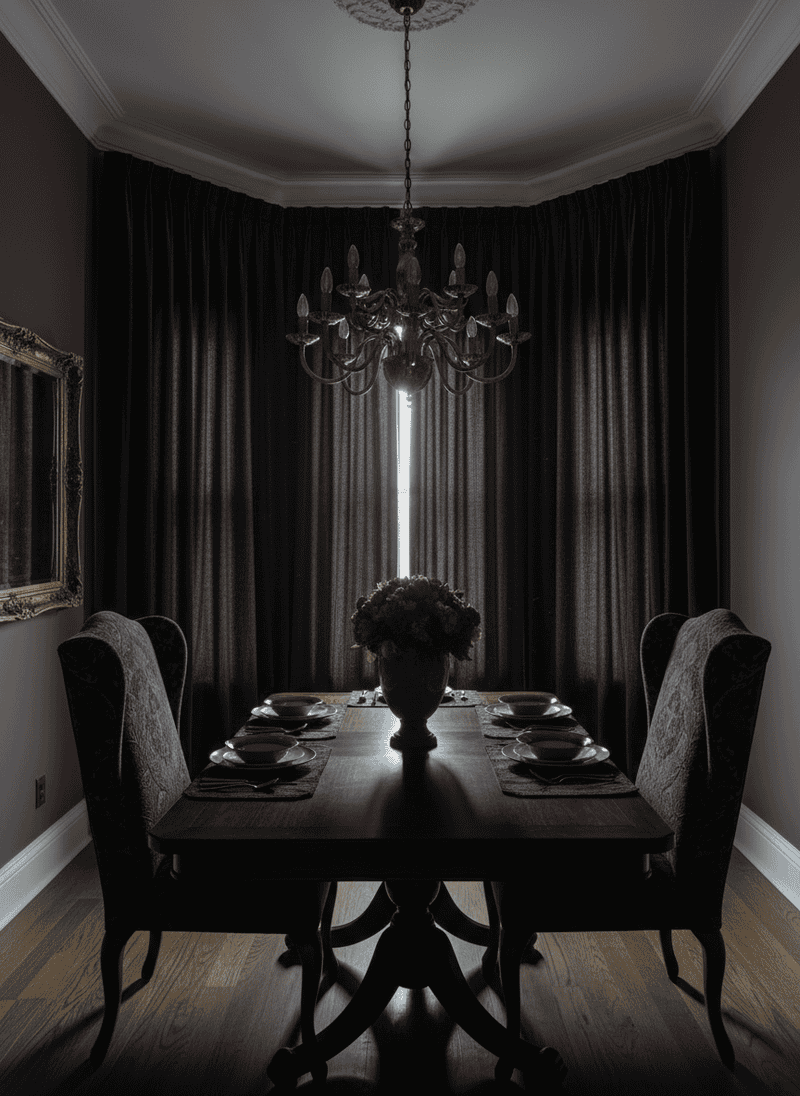
A common oversight in dining room design is the underutilization or outright blocking of natural light. Heavy, dark drapes or awkwardly placed furniture can obstruct windows, denying the room the warmth, brightness, and expansive feeling that natural light provides. This trend leads to dining rooms that feel perpetually dim, closed-off, and reliant on artificial light even during the day. For women over 50, maximizing natural light is not just about aesthetics; it contributes to mood, energy levels, and overall well-being, making a naturally lit room feel more vibrant and alive.
Embrace and optimize the natural light in your dining room to create an airy, inviting atmosphere. Choose window treatments that allow light to filter in while offering privacy when needed. Think sheer curtains, light-filtering blinds, or elegant Roman shades that can be easily raised during the day. Position your dining table to take advantage of the best light, perhaps near a window or patio door. Avoid placing tall, bulky furniture directly in front of windows. Consider reflective surfaces, such as a large mirror strategically placed on an opposite wall, to amplify the light and make the room feel larger. A dining room bathed in natural light feels more cheerful, spacious, and connected to the outside world, creating a healthier and more enjoyable environment for every meal.
15. High-Maintenance Materials and Finishes
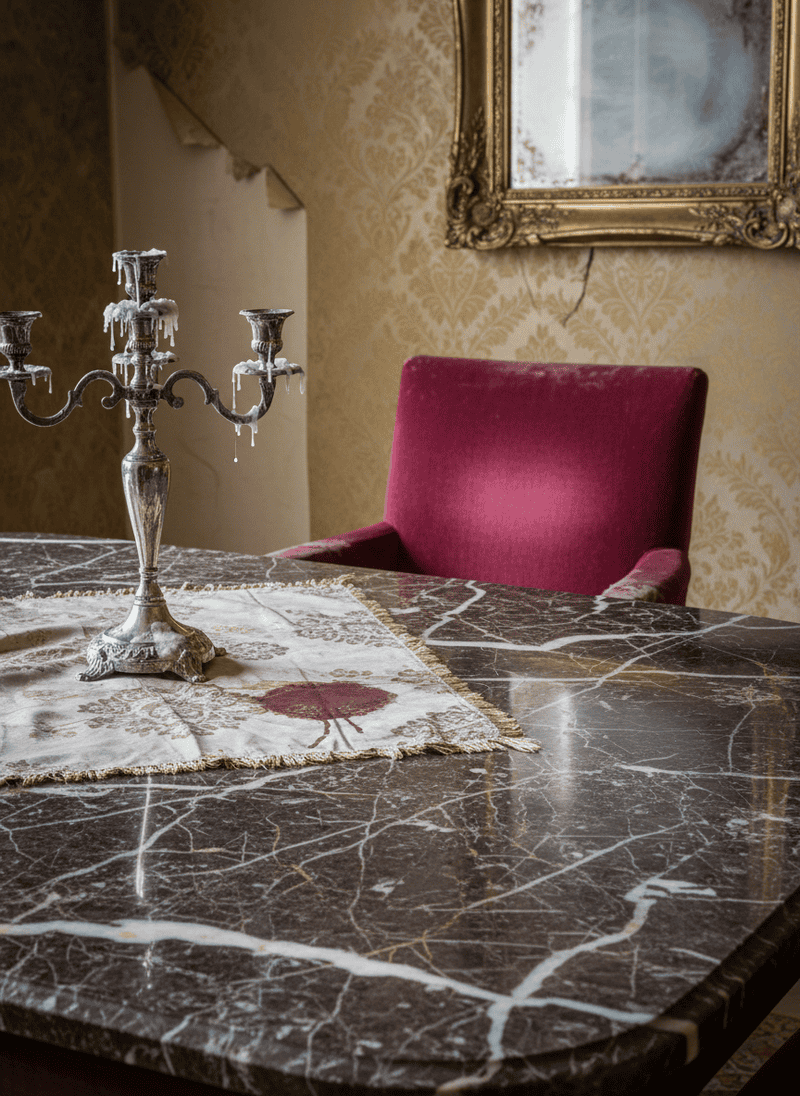
The appeal of certain high-maintenance materials, like delicate fabrics, unsealed natural stone, or highly polished surfaces that show every fingerprint, often wanes with age. The trend of choosing dining room finishes that require constant vigilance, specialized cleaning products, or meticulous care becomes an unnecessary burden. While beautiful, materials that scratch easily, stain readily, or demand daily polishing can turn a dining room into a source of stress rather than relaxation. For women over 50, practicality and ease of living should be prioritized, allowing more time for enjoyment and less for upkeep.
Opt for durable, easy-to-care-for materials and finishes that stand up to daily life and entertaining. For tabletops, consider engineered quartz, resilient laminates, sealed wood, or ceramic surfaces that are scratch, stain, and heat resistant. For chairs, choose performance fabrics that are spill-resistant and easy to clean, such as those made with Crypton or Sunbrella technology, or durable leathers and faux leathers. Flooring should be similarly practical, like LVP, tile, or sealed hardwood. The goal is to create a beautiful dining room that can withstand the rigors of regular use without demanding excessive attention. By selecting smart, low-maintenance finishes, you ensure your dining room remains stunning and functional, giving you more time to savor meals and memories without the constant worry of damage or upkeep.
16. Monochromatic Palettes Without Texture
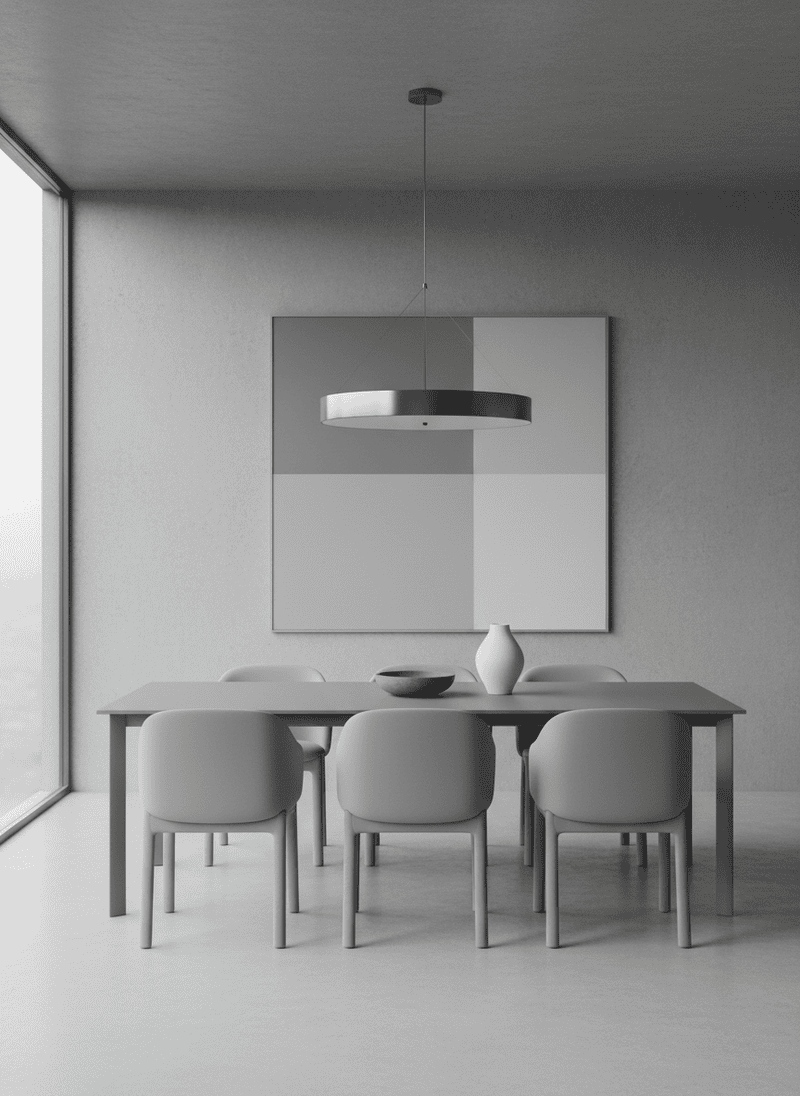
While a monochromatic color scheme can be sophisticated, a trend to avoid is a flat, one-note dining room palette devoid of any texture or visual interest. When every surface, from walls to furniture, is the same shade without varying textures, the room can feel sterile, uninspired, and surprisingly dull. It lacks depth, dimension, and the inviting sensory experience that makes a space feel rich and engaging. For women over 50, a home should be a canvas of collected experiences, and a dining room that lacks textural diversity can come across as unapproachable and lacking personality.
Elevate your monochromatic scheme by intentionally layering different textures to create richness and depth. If you love a white dining room, introduce a rustic wooden table, upholstered linen chairs, a plush wool rug, and perhaps a textured ceramic vase. For a gray palette, pair matte gray walls with a polished concrete tabletop, woven seagrass placemats, and sleek metal accents. Incorporate varying materials like glass, metal, stone, and different fabrics to add visual and tactile interest. Even within a single color family, subtle variations in shade and finish can make a significant impact. This approach creates a sophisticated and dynamic space that is visually engaging and inviting, transforming a potentially flat room into a warm and nuanced environment that reflects your refined taste.
17. Too Much Open Shelving and Display Clutter
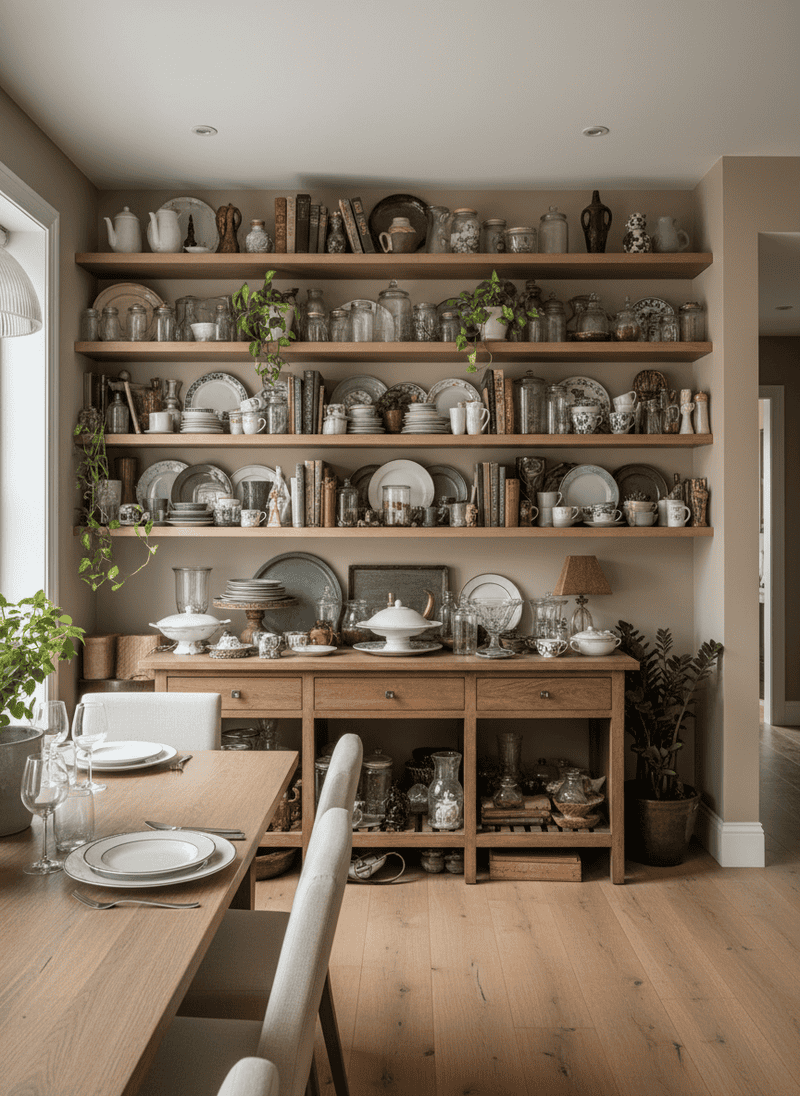
The trend of abundant open shelving, while popular in some kitchen designs, can quickly lead to visual clutter and dust accumulation in the dining room, especially for women over 50. What starts as an intention to display beautiful dishware or cherished collections can quickly devolve into an unorganized jumble of items that creates visual noise and makes the room feel untidy. Maintaining a perfectly styled open shelf requires constant curation and cleaning, becoming a source of stress rather than aesthetic pleasure. It also exposes items to dust and grease, increasing maintenance efforts.
Instead of extensive open shelving, opt for a more balanced approach to storage and display. Incorporate a mix of closed cabinetry, elegant buffets, or sideboards with a few strategically placed open shelves or display cabinets with glass fronts. Use open shelves sparingly, curating them with a select few, beautifully arranged items that truly deserve to be showcased—perhaps a small collection of heirloom ceramics, a stack of attractive cookbooks, or a few sculptural pieces. Ensure there's ample negative space around displayed items to allow them to breathe. For everyday essentials and less aesthetically pleasing items, closed storage is your best friend, keeping the room feeling neat and serene. This balanced approach provides functional storage while maintaining a sense of calm and sophistication in your dining space, highlighting your treasures without overwhelming the eye.
18. Overly Precious Items That Can't Be Used
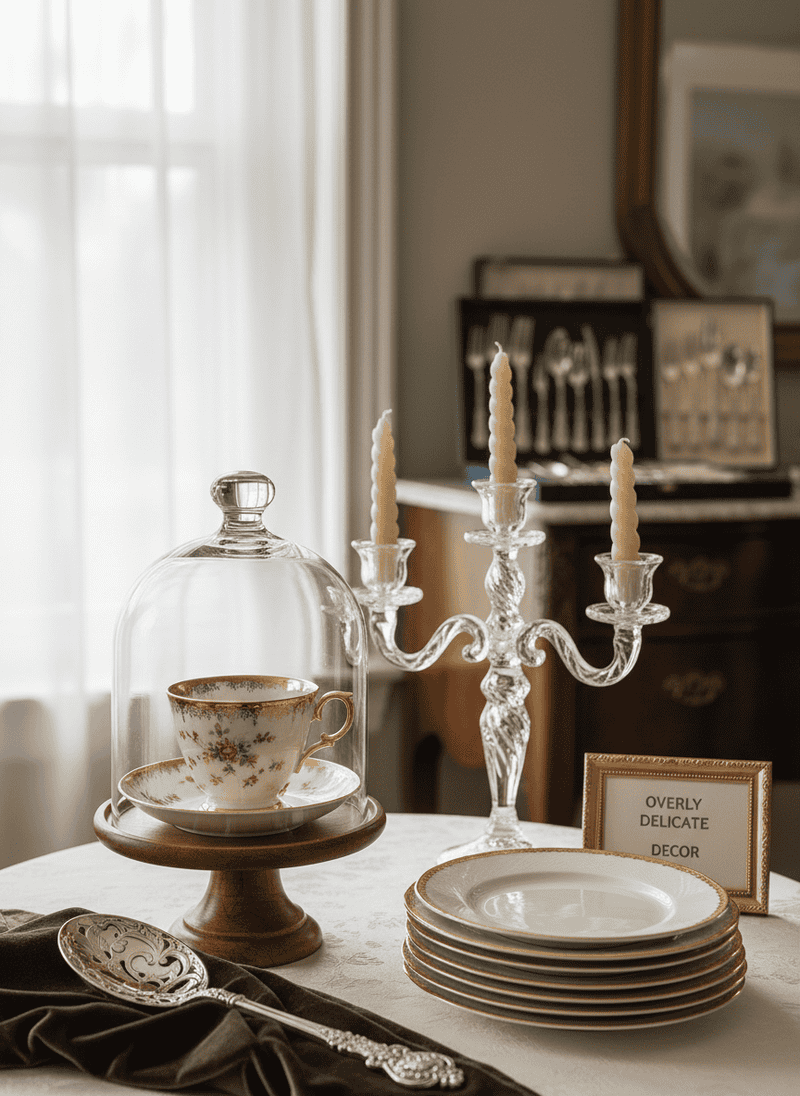
The notion of owning dining room items that are 'too good to use' is a trend that women over 50 should confidently put to rest. This often involves reserving delicate china, crystal, or silver for imaginary future occasions, while everyday meals are served on less impressive ware. The result is beautiful items sitting unused in a cabinet, never fulfilling their purpose, and denying you and your guests the pleasure of enjoying them. This mindset can make a dining room feel more like a museum exhibit than a functional, welcoming space, creating a barrier to spontaneous entertaining and daily joy.
Embrace the philosophy of using your beautiful things! Your treasured china, crystal, and silver are meant to be enjoyed, not perpetually saved. Make a conscious effort to incorporate these 'special occasion' items into your regular dining routine, even for a casual weeknight meal. Mix and match them with more contemporary pieces to create an eclectic and personalized table setting. You might be surprised how a beautiful dessert plate or a sparkling water glass elevates an ordinary meal into something special. If an item is truly too delicate for everyday use, consider displaying it in a way that allows you to appreciate its beauty without the pressure of constant handling, such as in a glass-front cabinet. The dining room should be a place of enjoyment and celebration, and that includes celebrating the beauty of your possessions by using them regularly.
19. Neglecting Acoustic Comfort
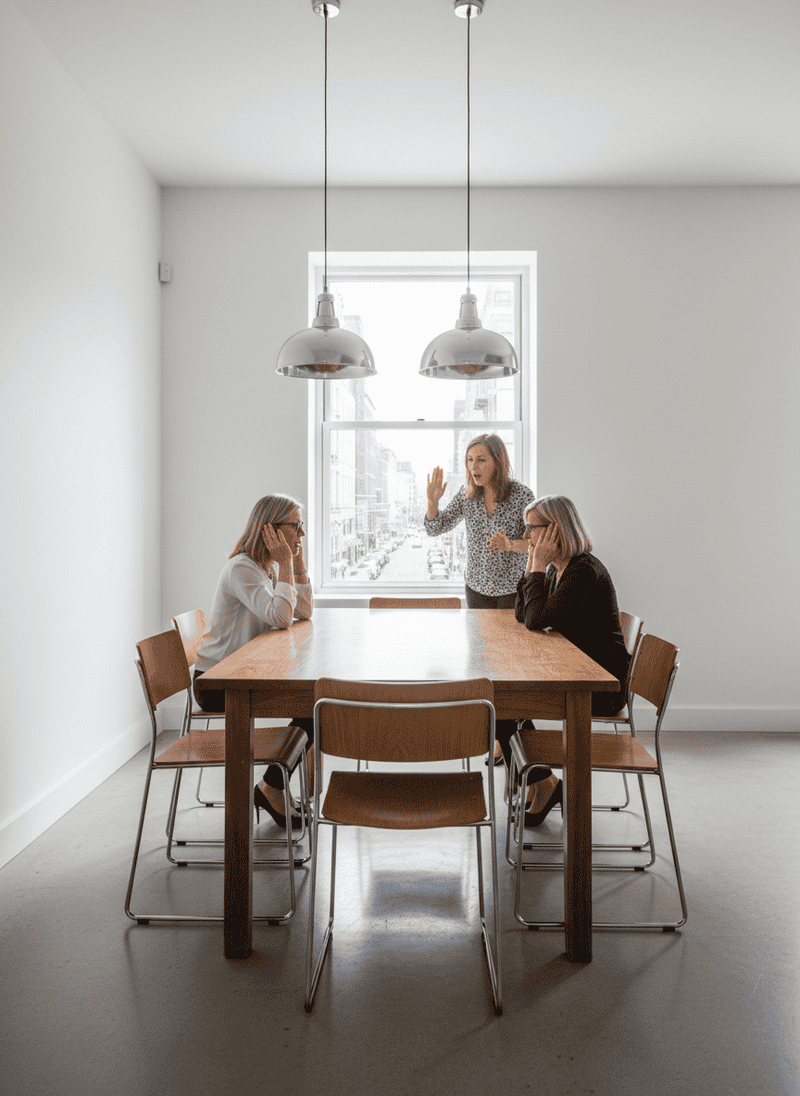
An often-overlooked aspect of dining room design is acoustic comfort. Many modern dining rooms, with their hard surfaces, high ceilings, and minimal textiles, can become echo chambers where conversations are difficult to hear and ambient noise is amplified. This can make dining uncomfortable and stressful, particularly for those with hearing sensitivities. A dining room that generates too much reverberation diminishes the pleasure of shared meals and lively conversation, turning what should be a warm social hub into a noisy, irritating environment. The trend towards bare, hard interiors often sacrifices this crucial element of comfort.
Prioritize acoustic comfort to create a more intimate and enjoyable dining experience. Incorporate elements that absorb sound and soften the space. A large area rug under the dining table is a fantastic starting point, as it significantly reduces echo. Upholstered dining chairs or banquettes also contribute to sound absorption. Consider adding soft window treatments like lined curtains or drapes. Wall art, especially pieces with texture or fabric elements, can also help. Even adding bookshelves filled with books can soften acoustics. For larger rooms or those with very high ceilings, decorative acoustic panels or ceiling tiles can be discreetly integrated. By thoughtfully layering soft furnishings and materials, you can create a dining room where conversations flow easily, laughter sounds pleasant, and every gathering feels more relaxed and inviting.
20. Lack of Intentional Storage Solutions
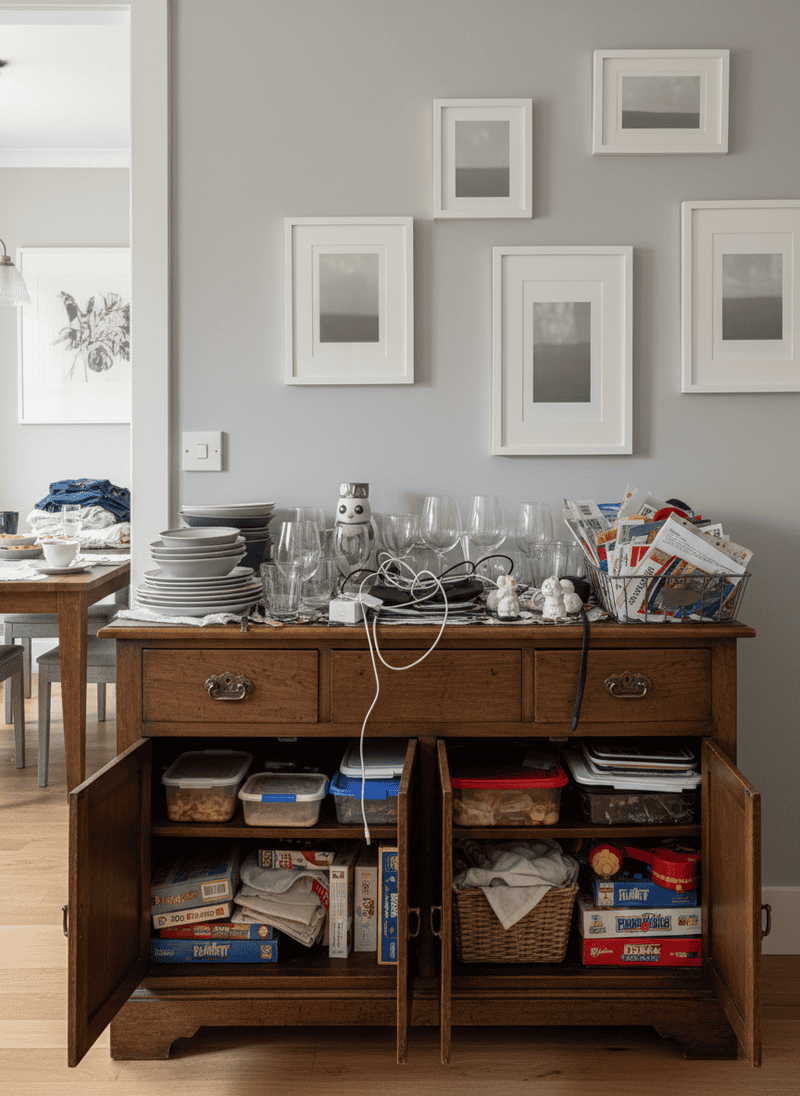
A common mistake in dining room design is a reactive approach to storage, resulting in a hodgepodge of pieces that don't quite fit or are simply inadequate. This often leads to dining rooms where serving dishes are stacked precariously, placemats are shoved into a drawer, and linens are stored elsewhere in the house. The lack of intentional, well-designed storage means the room struggles with functionality, often looking disheveled, and requiring frequent trips to other rooms to gather necessary items for entertaining. For women over 50, ease of access and organization are paramount for a stress-free home.
Invest in thoughtful and integrated storage solutions that streamline your dining experience. A stylish sideboard or credenza with both drawers and closed cabinets is an excellent foundation for storing dinnerware, serving pieces, and linens. Consider custom built-ins if your space allows, offering a tailored solution that maximizes storage while blending seamlessly with your decor. Look for pieces with organizational features like adjustable shelves or felt-lined drawers for silverware. Even a beautiful bar cart can provide additional display and serving storage. The goal is to ensure everything you need for dining and entertaining is easily accessible and neatly tucked away, reducing clutter and making setup and cleanup a breeze. Intentional storage transforms your dining room into an efficient, elegant, and enjoyable space, ready for any occasion.
21. Trends Prioritizing Aesthetics Over Function
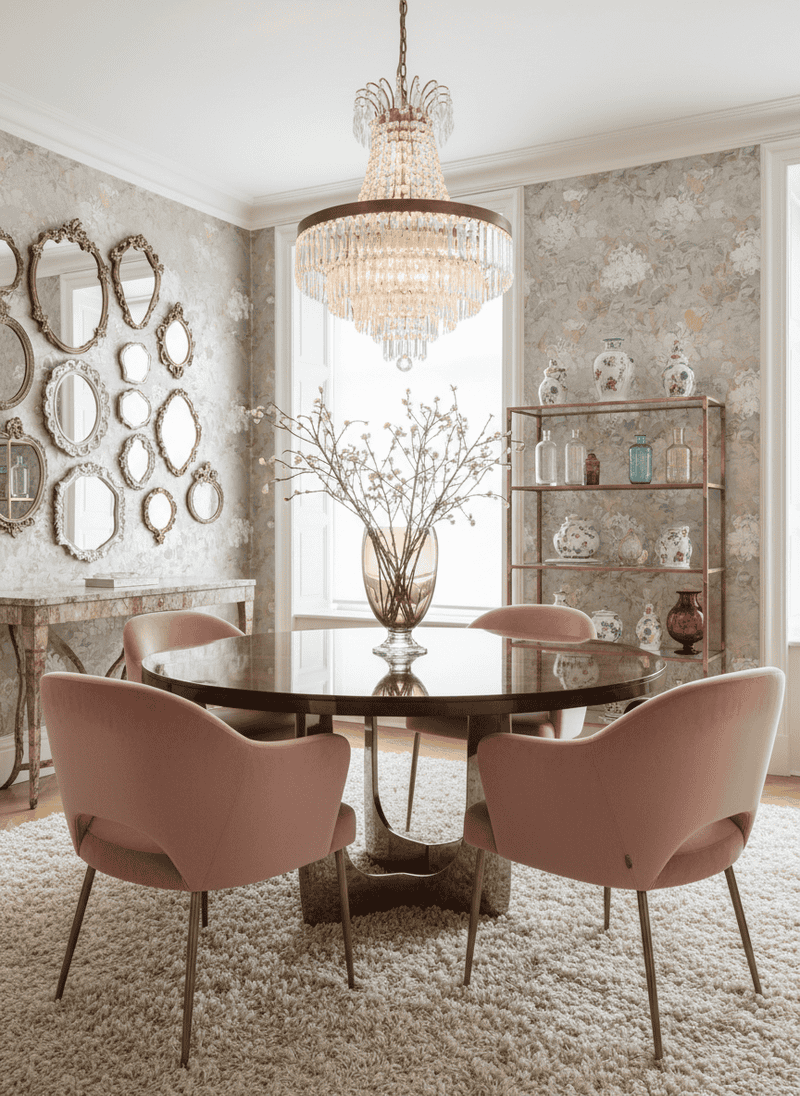
The fleeting allure of aesthetic-driven trends, especially those that compromise practicality and comfort, is something women over 50 should confidently bypass in the dining room. This includes dining tables that are too small to comfortably seat guests, chairs that look chic but are torture to sit on, or decor that creates obstacles rather than enhancing the space. Following trends blindly often leads to a dining room that is beautiful to look at but frustrating to use, making meals and gatherings less enjoyable and more of a performance. Functionality, especially as we age, is a key component of true elegance and livability.
Design your dining room with a harmonious balance of aesthetics and unwavering functionality. Before committing to a piece, consider how it will be used. Will the table comfortably accommodate your typical number of guests? Are the chairs genuinely comfortable for extended periods? Does the layout allow for easy movement and serving? Choose durable materials that can withstand everyday life. Think about practical elements like ample clearance around the table, accessible storage, and dimmable lighting. A truly elegant dining room is one where form gracefully serves function, creating an environment that is not only beautiful but also deeply comfortable, practical, and inviting for both daily use and special occasions. Prioritizing intelligent design ensures your dining room enhances your life, rather than merely decorating it.
22. Ignoring Technology Integration (or Hiding It Poorly)
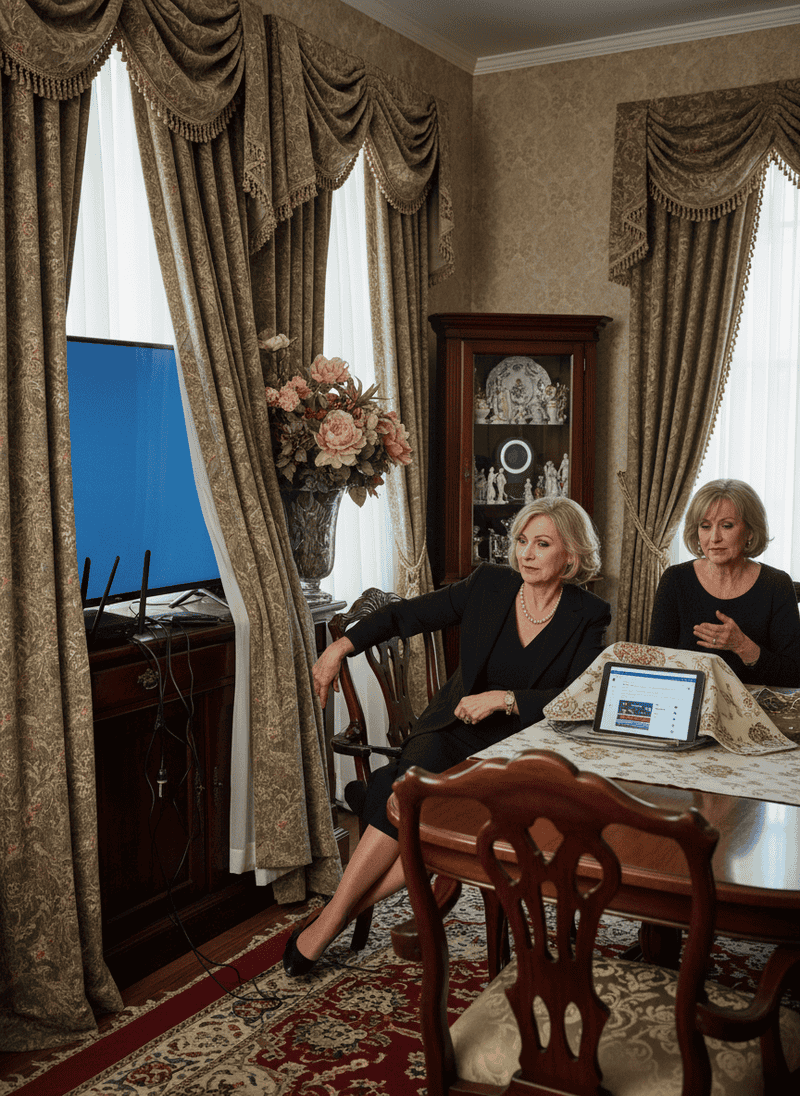
In today's connected world, ignoring the presence of technology in the dining room, or hiding it poorly, is an outdated approach. This trend often results in a scramble for charging cords when a phone dies mid-conversation, or an awkward setup when you want to discreetly play background music or display photos. For women over 50, a smart home integrates seamlessly, and denying the dining room these conveniences can make the space feel less functional and modern. Trying to conceal modern necessities with clunky solutions often backfires, creating more visual clutter than it hides.
Thoughtfully integrate technology into your dining room design for convenience and a streamlined look. Consider discreetly placed charging stations, either built into a sideboard or a small console table, keeping cords tidy and accessible. If you enjoy background music, think about incorporating a smart speaker that blends with your decor or discreet in-ceiling speakers. For those who like to display digital photo frames, choose models that look like art when off and plan power outlets accordingly. Consider smart lighting systems that allow for easy ambiance control. The goal isn't to turn your dining room into a tech hub, but to subtly incorporate modern conveniences that enhance the dining experience without detracting from its elegance. A well-designed dining room anticipates needs, making it a truly comfortable and effortless space for modern living.
23. The 'White-Glove Service' Aesthetic
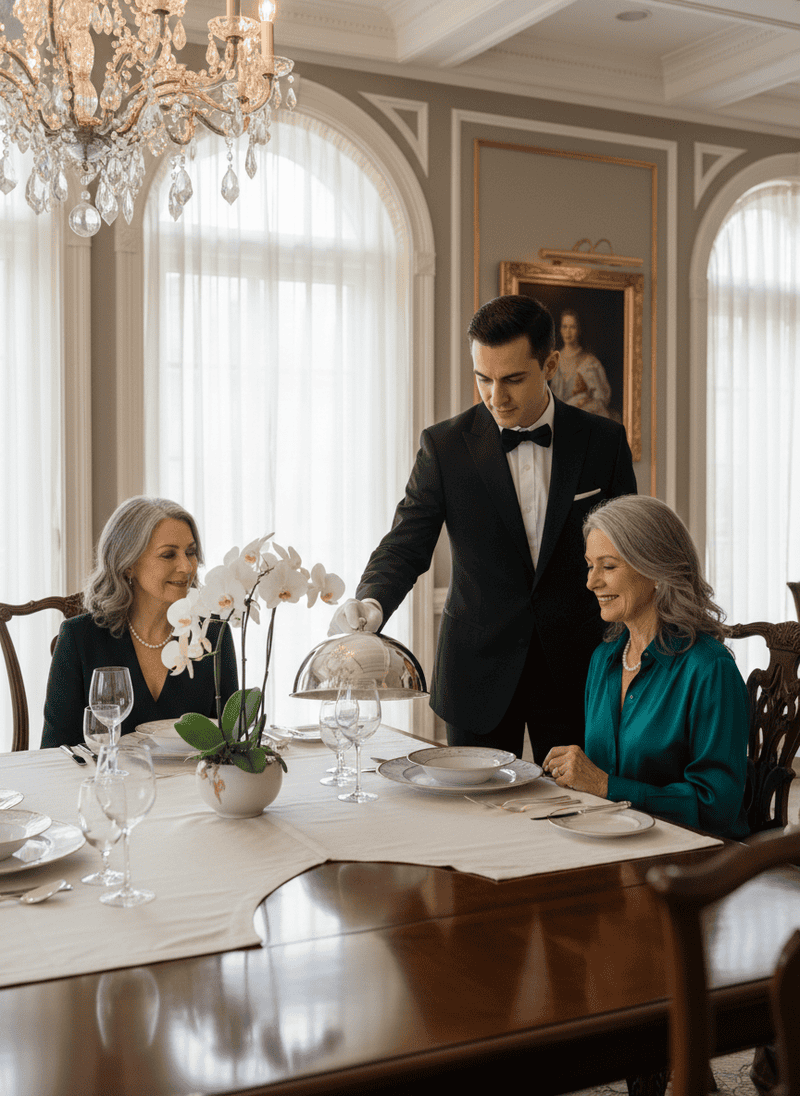
The dining room trend that mimics a 'white-glove service' restaurant aesthetic, characterized by overly stiff formality, unapproachable perfection, and a palpable air of 'don't touch,' is one women over 50 should graciously retire. This style, often seen with perfectly starched linens, untouched centerpieces, and a general air of rigidity, can make a home feel unwelcoming and intimidating, discouraging relaxation and genuine interaction. It prioritizes an outward show of perfection over the inherent warmth and comfort that a home should offer, creating a barrier between guests and true hospitality.
Instead of striving for an intimidatingly perfect facade, cultivate a dining room that exudes sophisticated yet relaxed hospitality. Embrace an aesthetic that is elegant but inviting, where comfort and conviviality are paramount. Choose beautiful, high-quality pieces, but allow for a lived-in feel. A slightly crinkled linen tablecloth, a beautifully arranged but approachable centerpiece of fresh fruit or flowers, and comfortable, inviting chairs all contribute to an atmosphere where guests feel at ease and encouraged to linger. Focus on creating an experience where people feel valued and comfortable enough to truly connect. Your dining room should be a reflection of your generous spirit and gracious living, not a display of unattainable perfection. This approach fosters genuine warmth and makes every gathering feel like a cherished memory in the making.
24. Overly Busy Wallpaper Patterns
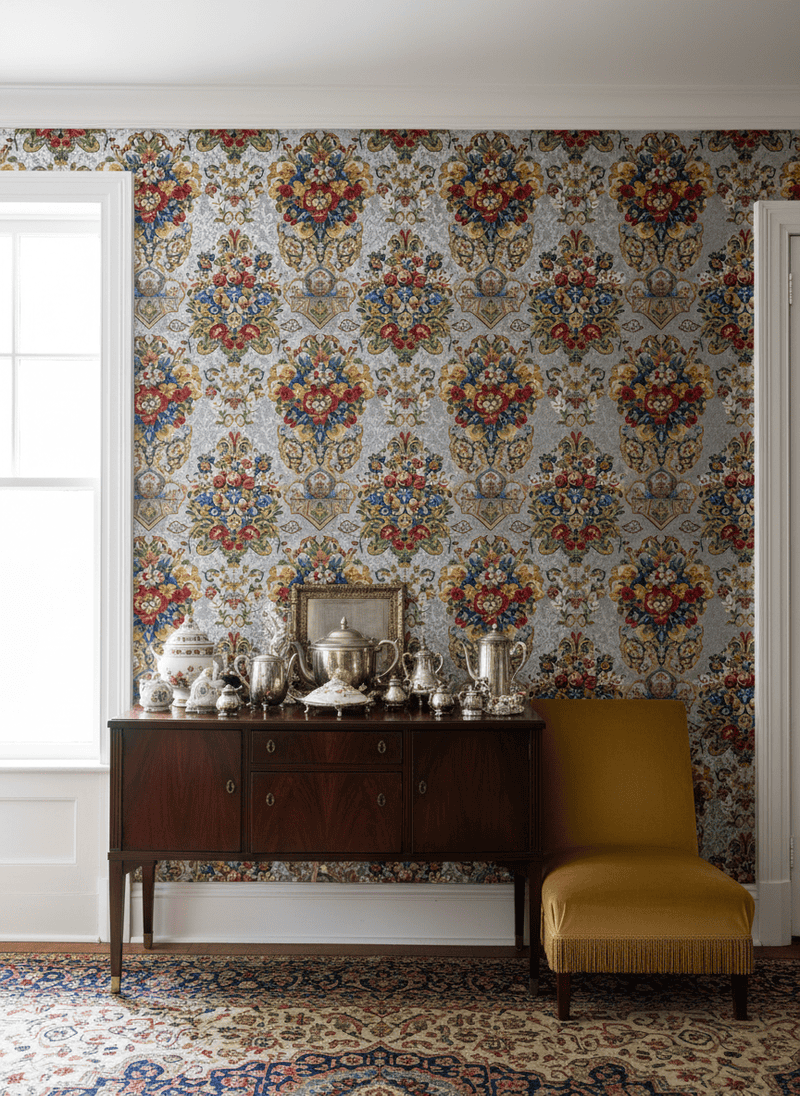
While wallpaper has made a strong comeback, the trend of selecting overly busy, large-scale, or highly repetitive patterns for the entire dining room can quickly overwhelm the space and become visually tiresome. These patterns can make a room feel smaller, more cluttered, and disorienting, especially in a room meant for focused conversation and relaxation. For women over 50, a dining room should be a sophisticated retreat, and a chaotic wallpaper choice can undermine that sense of calm, dating the room rapidly as trends shift. It often competes too much with artwork or other decorative elements.
If you love wallpaper, choose patterns that are more subtle, sophisticated, or used strategically. Consider wallpaper with a softer, textural print, a delicate botanical motif, or an elegant geometric pattern in a muted color palette. Alternatively, use a bold or busy pattern as an accent wall only, allowing it to create a focal point without dominating the entire room. This approach provides a pop of personality and visual interest while maintaining balance and serenity in the space. You can also opt for textured wallpapers that add depth without a prominent pattern, or beautiful grasscloth for an organic, refined feel. The goal is to enhance the dining room's ambiance with thoughtful design, ensuring your wall treatment adds character and elegance without creating visual chaos, contributing to a truly sophisticated and inviting environment.
25. Neglecting Ergonomic Considerations
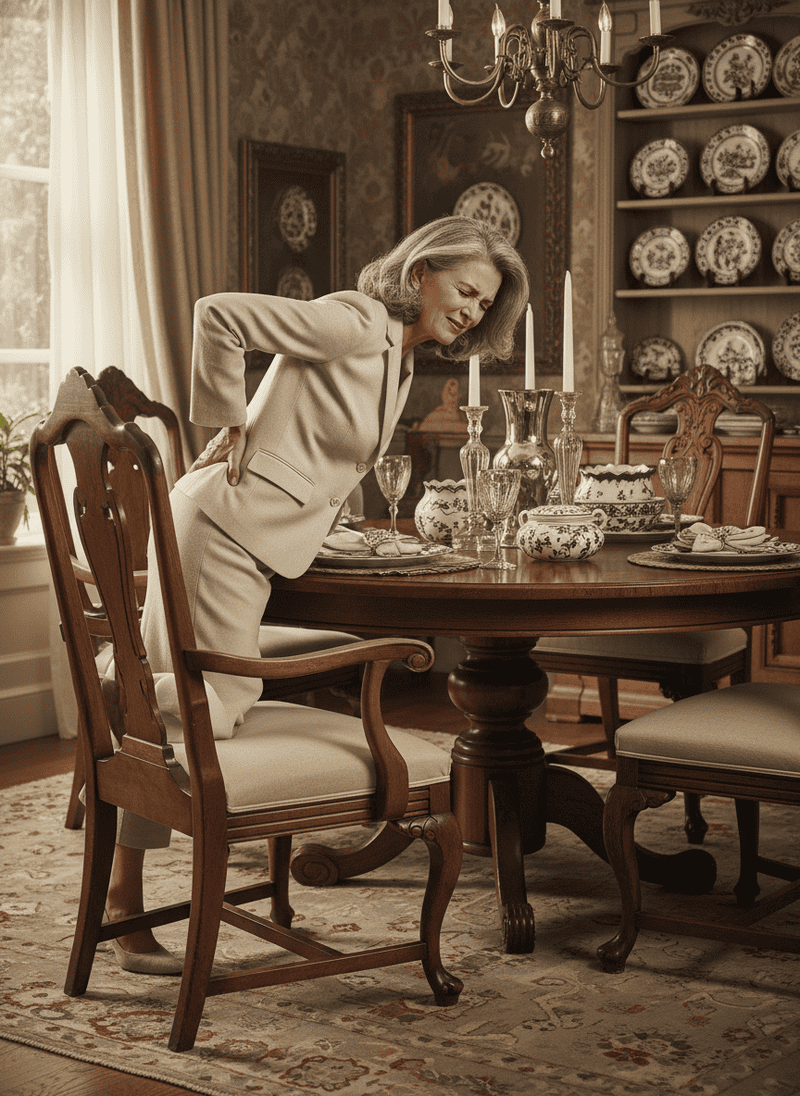
A trend that often goes unnoticed until discomfort sets in is the neglect of ergonomic considerations in the dining room. This includes chairs that are too low or too high for the table, tables with obstructive legs that hit knees, or general layouts that make it difficult to get in and out of seats. As we mature, comfort and ease of movement become increasingly important, and a dining room that ignores these factors can lead to stiffness, discomfort, and a diminished desire to use the space. A beautiful room is only truly successful if it is also comfortable and accommodating.
Prioritize ergonomic design to ensure your dining room is as comfortable as it is stylish. When selecting a dining table and chairs, pay close attention to the heights. Standard dining table height is typically 28-30 inches, and chairs should allow for about 10-12 inches between the seat and the tabletop for comfortable dining. Test chairs for proper back support, seat depth, and ease of getting in and out. Consider the table's base—a pedestal or trestle base often offers more legroom than a table with legs at each corner. Ensure there's ample space between chairs and the wall for easy maneuvering. A dining room designed with ergonomics in mind ensures that every meal is enjoyed in comfort, allowing for longer, more relaxed conversations and a greater appreciation of your space, making it truly functional and enjoyable for years to come.
26. Small, Cramped Dining Tables
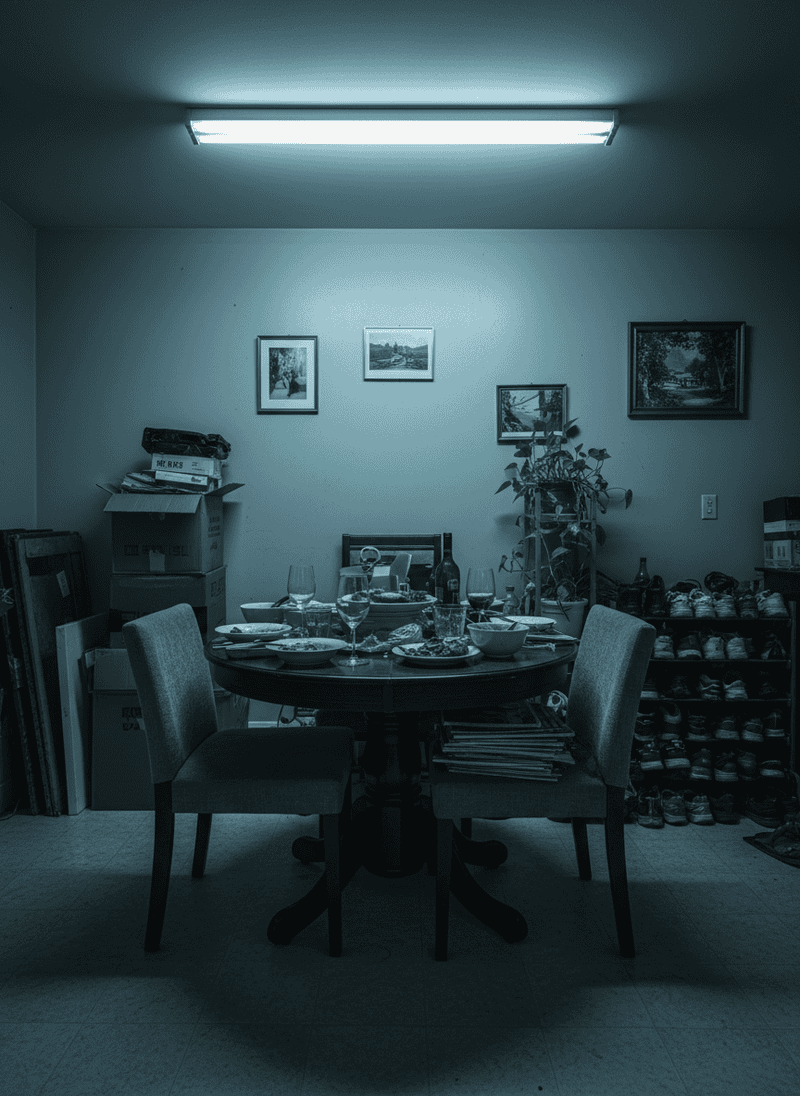
The trend of choosing a dining table that is simply too small for your space or your typical entertaining needs is a common mistake that women over 50 should actively avoid. A cramped table not only makes meals feel uncomfortable and awkward but also limits your ability to host family and friends with ease. When there's barely enough room for plates, let alone serving dishes or a centerpiece, the dining experience becomes stressful rather than enjoyable. This often happens when prioritizing a certain aesthetic or trying to fit too much into a space, sacrificing practicality for perceived style.
Instead, select a dining table that is appropriately sized for your room and, more importantly, for the number of people you typically host. Consider an extendable dining table if you frequently entertain larger groups but need a smaller footprint for daily use. Ensure there's enough surface area per person (generally 24-30 inches width per place setting) to allow for comfortable dining and elbow room. A rectangular or oval table often provides more versatile seating, while a round table fosters intimacy. Beyond the tabletop, ensure there's sufficient clearance around the table for chairs to be pulled out comfortably and for people to move around easily. A well-proportioned dining table is the heart of a functional dining room, making every meal and gathering feel relaxed, ample, and truly enjoyable for everyone.
27. Too Many Small, Fiddly Decor Items
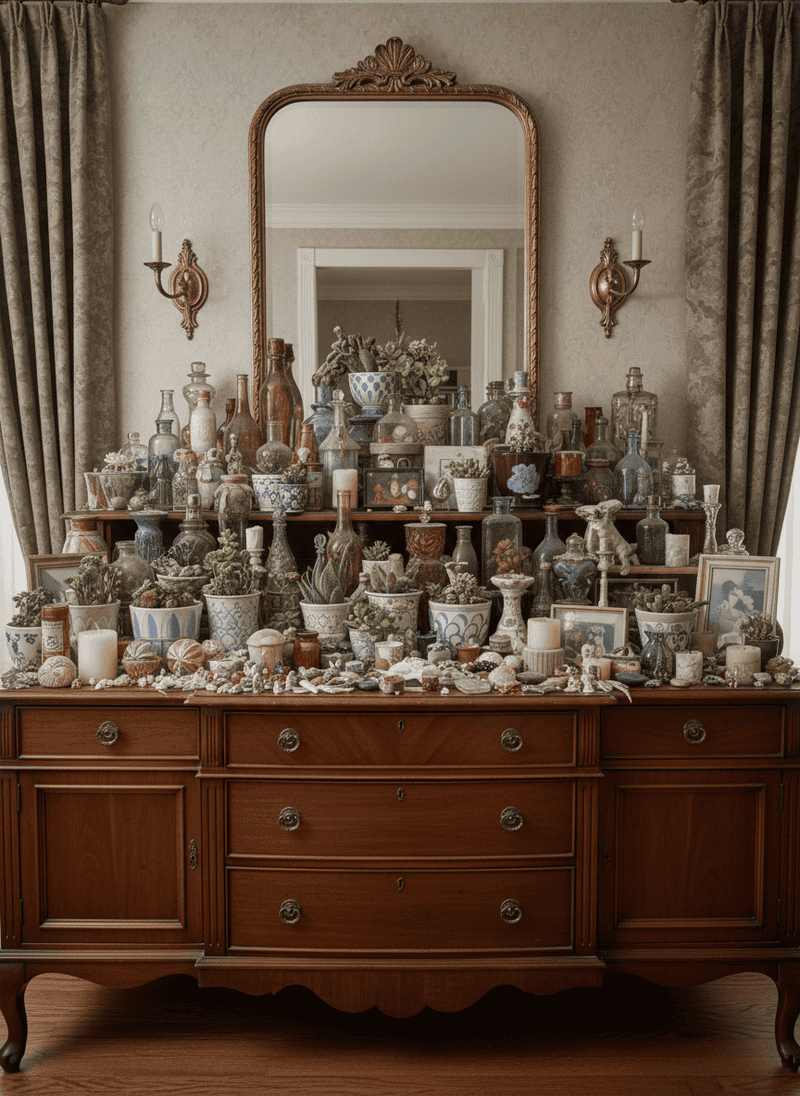
A common decorating pitfall is accumulating too many small, often unrelated, decorative items on every surface in the dining room. This trend, often a result of collecting without curation, leads to visual clutter, making the space feel busy, disorganized, and overwhelming. These 'fiddly bits' demand constant dusting and maintenance, detract from the beauty of your furniture, and make the room feel less sophisticated and more like an unedited collection of trinkets. For women over 50, a sense of calm and order is often preferred, and excessive small decor hinders that tranquility.
Embrace a more curated approach to dining room decor by focusing on fewer, more impactful pieces. Instead of many small items, select a few larger, more substantial decorative objects that truly make a statement. Think about a beautiful sculptural centerpiece, an elegant vase filled with fresh flowers, or a pair of striking candlesticks. Group similar items in odd numbers (e.g., three candles of varying heights) for a sophisticated vignette. Allow for ample negative space on your buffet or credenza, letting the beauty of your furniture and chosen decor shine. This intentional approach to decorating creates a sense of serene elegance and allows each piece to be appreciated, contributing to a sophisticated and uncluttered dining room that is both inviting and easy to maintain.
28. Ignoring the Power of Rugs
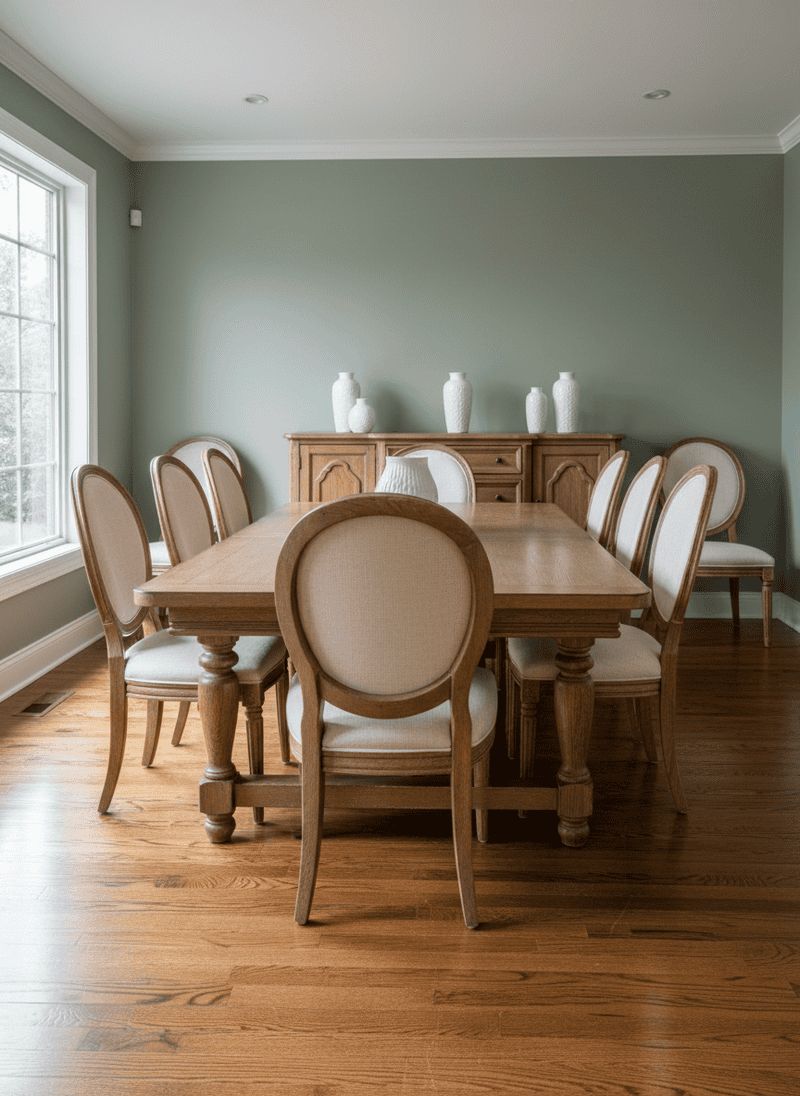
A common oversight in many dining rooms is either omitting an area rug entirely or choosing one that is incorrectly sized. Ignoring the power of rugs means missing a critical opportunity to define the dining space, add warmth, introduce texture and color, and improve acoustics. Without a rug, a dining room can feel unfinished, cold, and disconnected from the rest of the home. Furthermore, a rug that is too small for the dining table and chairs looks awkward and becomes a tripping hazard as chairs catch on its edges when pulled out, detracting from both aesthetics and functionality.
Embrace the transformative power of a properly sized and chosen area rug in your dining room. A rug instantly grounds the dining set, defines the zone, and adds a layer of sophistication and comfort. The golden rule for dining room rugs is that it should be large enough to allow all chairs to remain completely on the rug, even when pulled out from the table. This typically means adding at least 24-30 inches to each side of your dining table's dimensions. Opt for a durable, easy-to-clean material like wool, a low-pile synthetic, or an indoor-outdoor rug. Choose a color or pattern that complements your existing decor, adding warmth and visual interest. A well-placed rug not only enhances the room's aesthetic but also improves acoustics, making your dining room a cozier and more inviting space for all your gatherings.
29. An Overall Lack of Cohesion with the Rest of the Home
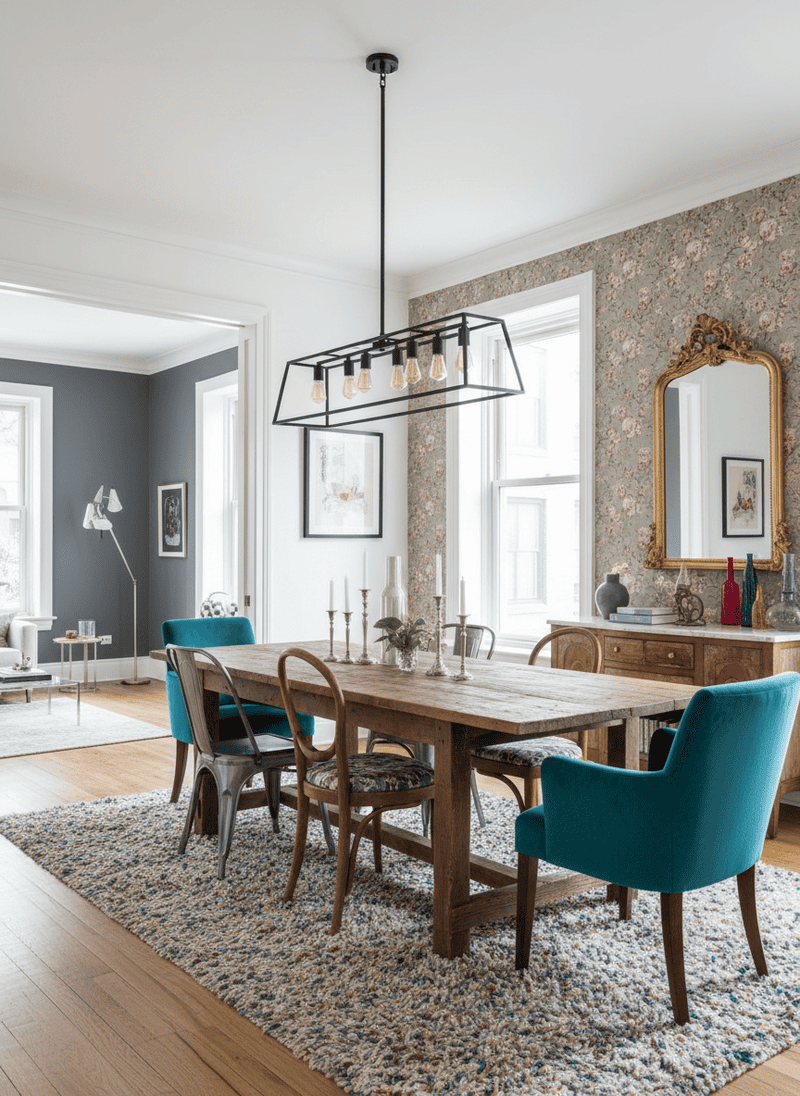
A dining room that feels like an isolated island, disconnected in style, color palette, or mood from the rest of your home, is a trend to move beyond. This often occurs when a dining room is decorated as a standalone entity without considering the flow and aesthetic continuity of adjacent living spaces. The result can be a jarring transition between rooms, making the entire home feel less harmonious and thoughtfully designed. For women over 50, a home should embody a cohesive narrative, reflecting a unified sense of style and comfort throughout.
Cultivate a sense of seamless flow and cohesion by ensuring your dining room's design elements resonate with the rest of your home. While it doesn't need to be identical, incorporate elements that bridge the gap. This could be through a consistent color palette, using similar materials (like wood tones or metal finishes) found elsewhere, or repeating design motifs. If your living room is modern farmhouse, bring in subtle touches like a rustic-chic console or natural textures. If your home has a transitional style, let that blend of traditional and contemporary continue into the dining room. The goal is to create a home where each room feels like a natural extension of the other, enhancing the overall sense of peace, elegance, and intentional design. This thoughtful integration makes your entire home feel more welcoming, sophisticated, and authentically yours.


