
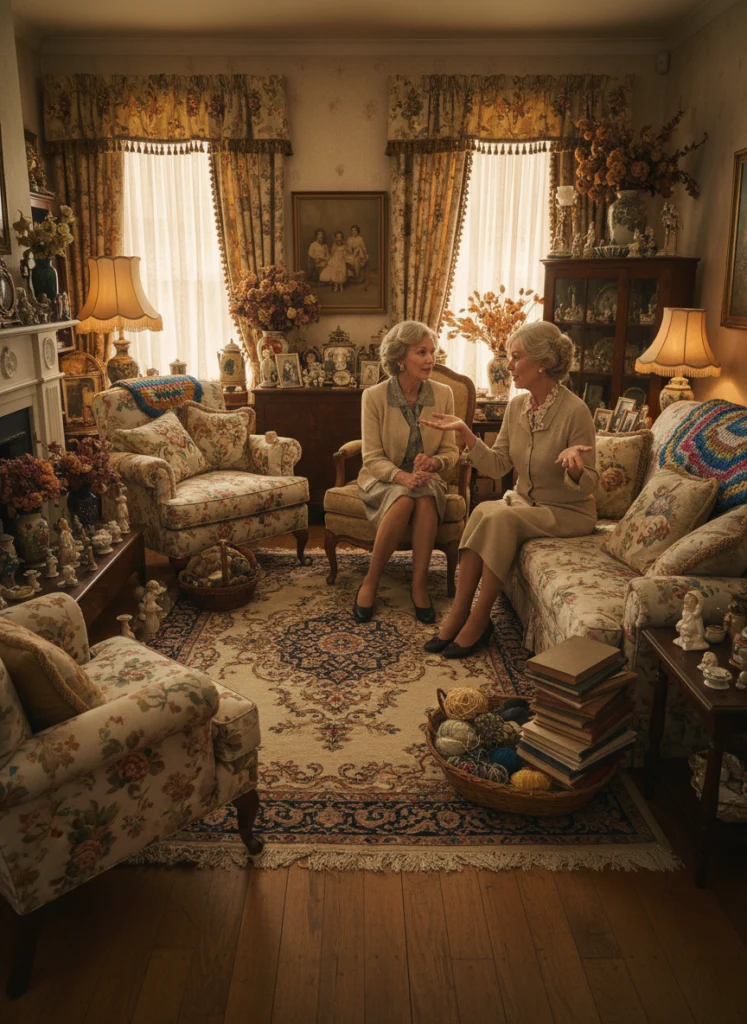
Cottage style evokes a sense of warmth, comfort, and timeless charm, a beloved aesthetic often perfected over years. Yet, even the most seasoned homemakers can inadvertently make styling choices that detract from that inviting ambiance, especially when guests come calling. Discover common cottage décor missteps women over 60 often make that subtly impact how your lovely home feels to visitors.
1. Overlooking Cohesive Color Palettes
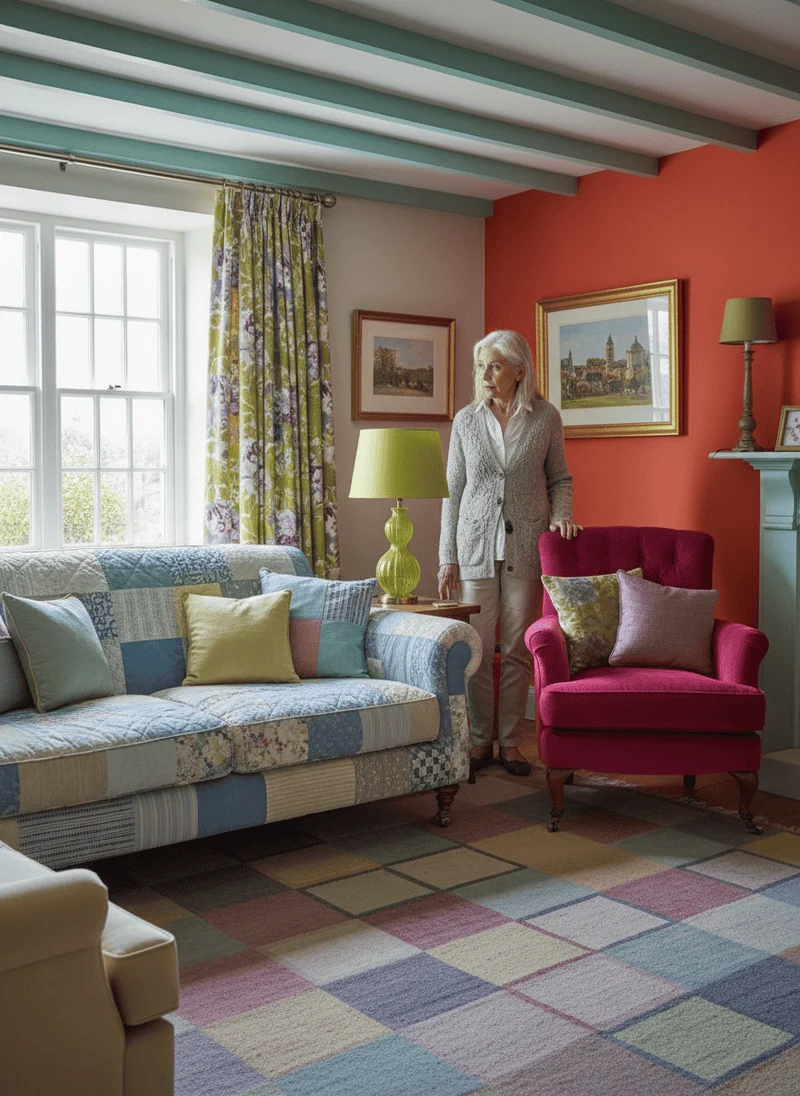
One of the most frequent cottage style mistakes is failing to establish a cohesive color palette throughout your home. While cottage decor often embraces a mix of patterns and textures, a lack of unifying colors can make spaces feel disjointed and visually chaotic rather than charmingly eclectic. Guests might notice a jarring transition from room to room, diminishing the overall sense of tranquility and flow.
To cultivate that quintessential cottage serenity, focus on a core palette of three to five colors, typically leaning into soft pastels, muted greens, gentle blues, creams, and whites. These foundational hues should appear in various elements across your rooms—from wall paint to upholstery, and from decorative accents to bedding. This thoughtful approach ensures that even with a delightful array of collected treasures and patterns, your home maintains a harmonious and inviting atmosphere that truly sings.
Think about how each room connects to the next, even if subtly. Perhaps a specific shade of sage green from your living room cushions reappears as a stripe in your kitchen towels, or a soft cream from your bedroom walls is echoed in your dining room curtains. This mindful repetition creates a visual narrative, weaving a thread of calm elegance through your entire cottage home, making it feel effortlessly put-together and deeply welcoming to all who enter.
2. Cluttering Surfaces with Too Many Knick-Knacks
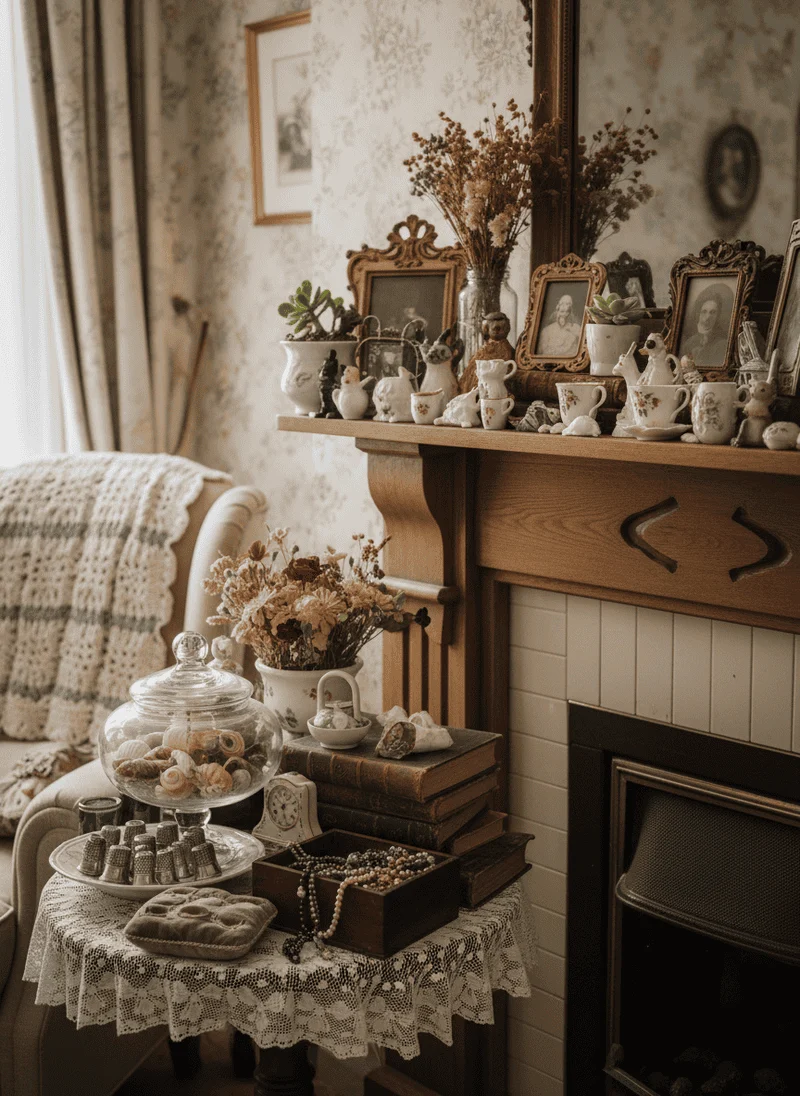
Cottage style celebrates curated collections and cherished mementos, but there's a fine line between tastefully displayed treasures and overwhelming clutter. A common misstep is adorning every available surface—mantels, side tables, bookshelves, and windowsills—with an excessive number of knick-knacks. While each item might hold sentimental value, collectively they can create visual noise, making a space feel cramped, dusty, and less inviting.
Guests often notice when a room feels overly full; it can make them hesitant to place their own belongings down or even to move comfortably. Instead of showcasing everything all at once, practice thoughtful curation. Group similar items together, or choose a few standout pieces to highlight, giving each item room to breathe and be appreciated. Rotate your collections seasonally or as your mood shifts, ensuring your displays always feel fresh and intentional.
Remember, the goal of cottage style is comfort and charm, not a museum of every possession. Strategic editing allows your most beloved pieces to shine and contributes to a sense of calm and order. Clear surfaces also simplify cleaning, ensuring your cottage always looks its best. A more restrained approach to display will make your home feel more spacious, sophisticated, and genuinely welcoming to every visitor.
3. Ignoring the Importance of Layered Lighting
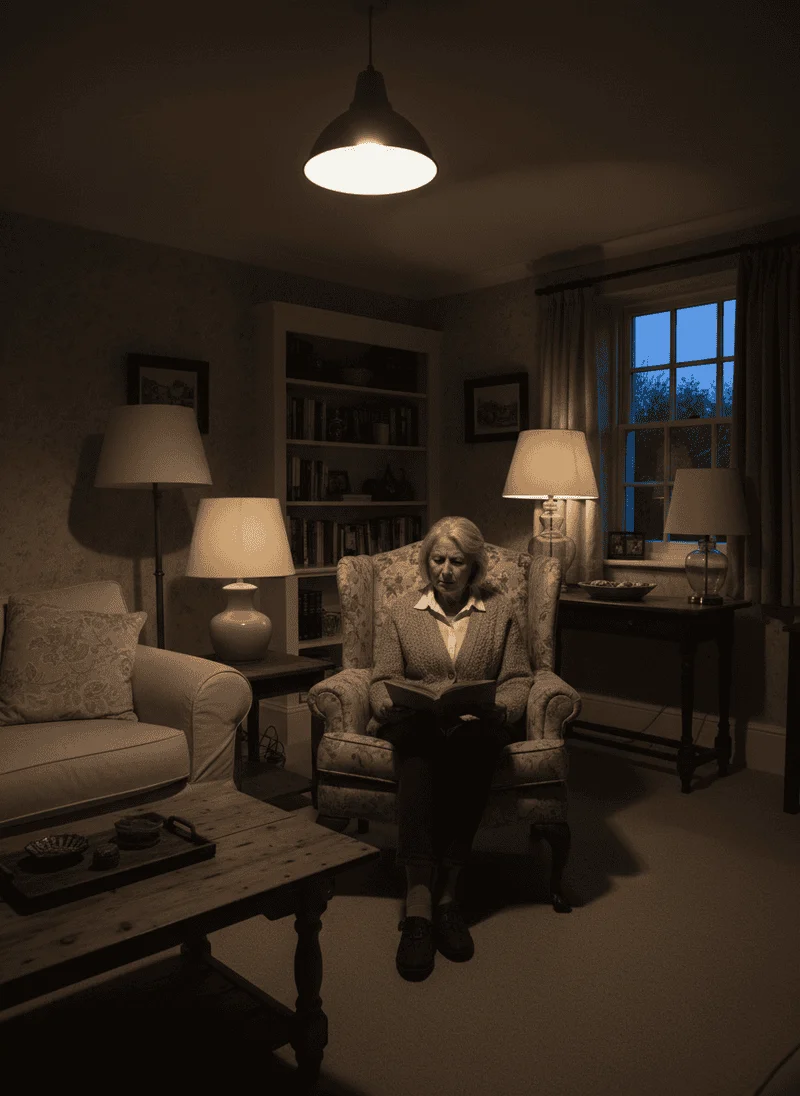
Many cottage homeowners make the mistake of relying solely on overhead lighting, which can cast harsh shadows and create an uninviting ambiance, particularly in the evening. Layered lighting is crucial for creating the soft, warm glow that is a hallmark of truly comfortable cottage style. Guests immediately pick up on the mood lighting creates, and a poorly lit room can feel cold or unappealing, despite charming decor.
Effective layered lighting incorporates three types: ambient (general illumination), task (for specific activities), and accent (to highlight features). Ambient lighting might come from a central ceiling fixture, but task lighting, such as reading lamps by a chair or under-cabinet lights in the kitchen, adds functionality. Accent lighting, like small lamps on a console table, wall sconces, or even fairy lights, adds depth and highlights architectural details or artwork, enhancing the cozy atmosphere.
Introduce a variety of light sources at different heights and intensities throughout your cottage. Use dimmer switches on overhead lights and incorporate several table lamps and floor lamps with warm-toned bulbs. This strategy allows you to adjust the lighting to suit the time of day or the mood you wish to create, ensuring your home always feels warm, welcoming, and beautifully illuminated for you and your guests.
4. Sticking to Overly Matched Furniture Sets
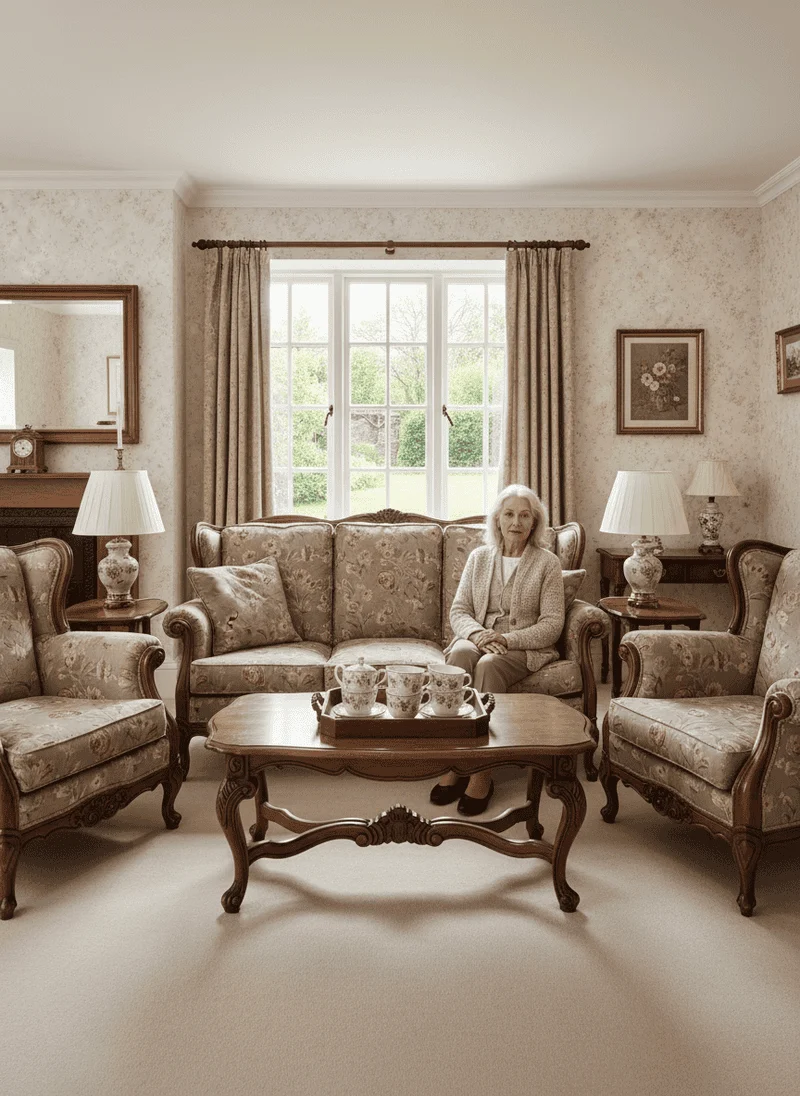
While convenient to purchase, furniture sets—especially bedroom or dining room suites—can strip a cottage-style home of its inherent character and charm. The essence of cottage decor lies in its collected, somewhat eclectic nature, making spaces feel lived-in and lovingly curated over time. Overly matched sets often appear sterile, generic, and can make a room feel less personal and inviting to guests.
Guests might notice a lack of individuality or personality when furniture is too uniform; it doesn't tell a story. Instead of buying everything from one line, mix and match pieces from different eras, styles, and finishes. Pair a vintage distressed dresser with a new upholstered headboard, or combine antique wooden dining chairs with a farm-style table. This creates visual interest and depth, reflecting a home that has evolved organically rather than being decorated all at once.
Embrace the hunt for unique pieces at flea markets, antique shops, or even second-hand stores. A touch of imperfection or a piece with a history adds soul to your cottage home. By thoughtfully combining different elements, you’ll achieve a look that is far more authentic, charming, and genuinely reflective of the cottage aesthetic, making your home feel truly special and memorable for your guests.
5. Neglecting Natural Textures and Materials
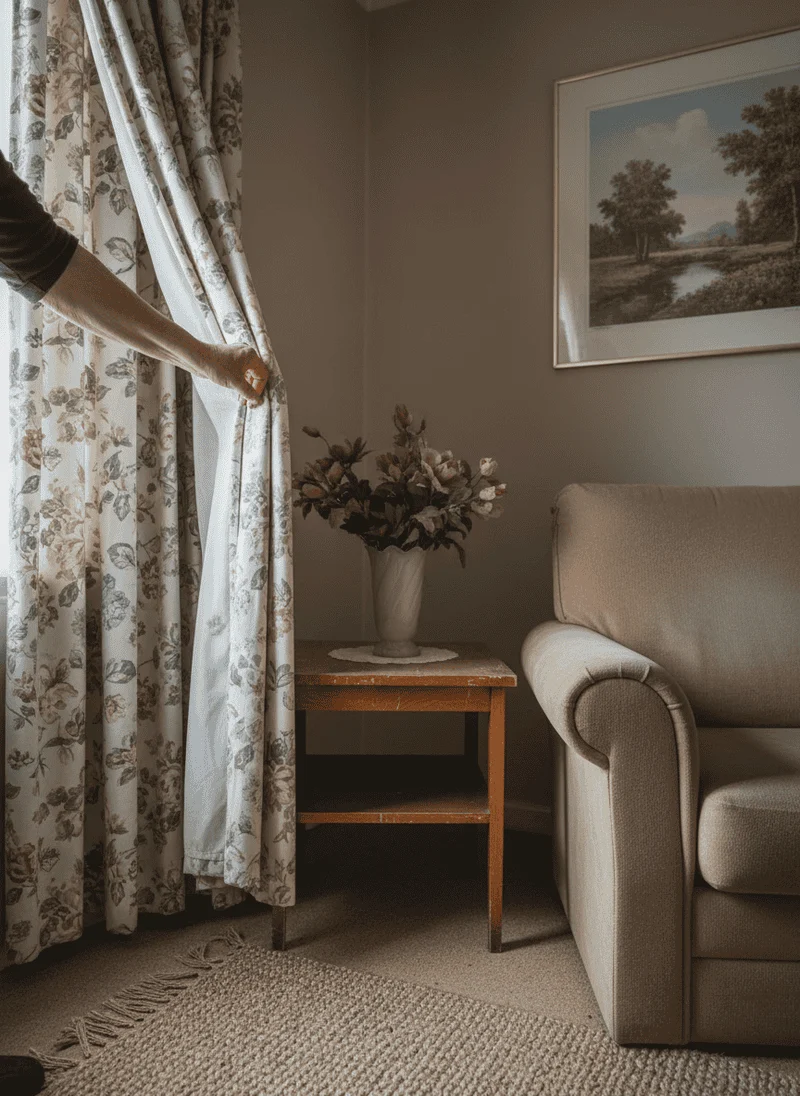
Cottage style thrives on tactile richness and an organic connection to nature, making the neglect of natural textures and materials a significant oversight. Rooms devoid of wood, linen, cotton, wool, rattan, or stone can feel flat and uninspired, lacking the warmth and depth that define this beloved aesthetic. Guests often subconsciously feel the absence of these elements, perceiving the space as less comfortable or inviting.
Incorporate a variety of natural elements to bring your cottage to life. Think about rough-hewn wooden beams, stone fireplaces, sisal rugs underfoot, or woven wicker baskets for storage. Soften hard surfaces with linen drapes, chunky knit throws, and cotton upholstery. These materials not only add visual interest but also provide a comforting sensory experience, inviting touch and creating a sense of coziness that is central to cottage living.
Even small touches make a big difference. A bouquet of fresh flowers, a bowl of polished river stones, or a collection of seashells can instantly infuse natural beauty and texture into a room. By consciously integrating various natural materials, you create a harmonious environment that feels authentic, grounded, and deeply welcoming, transforming your cottage into a true sanctuary that delights all who step inside.
6. Failing to Update Worn or Dated Textiles
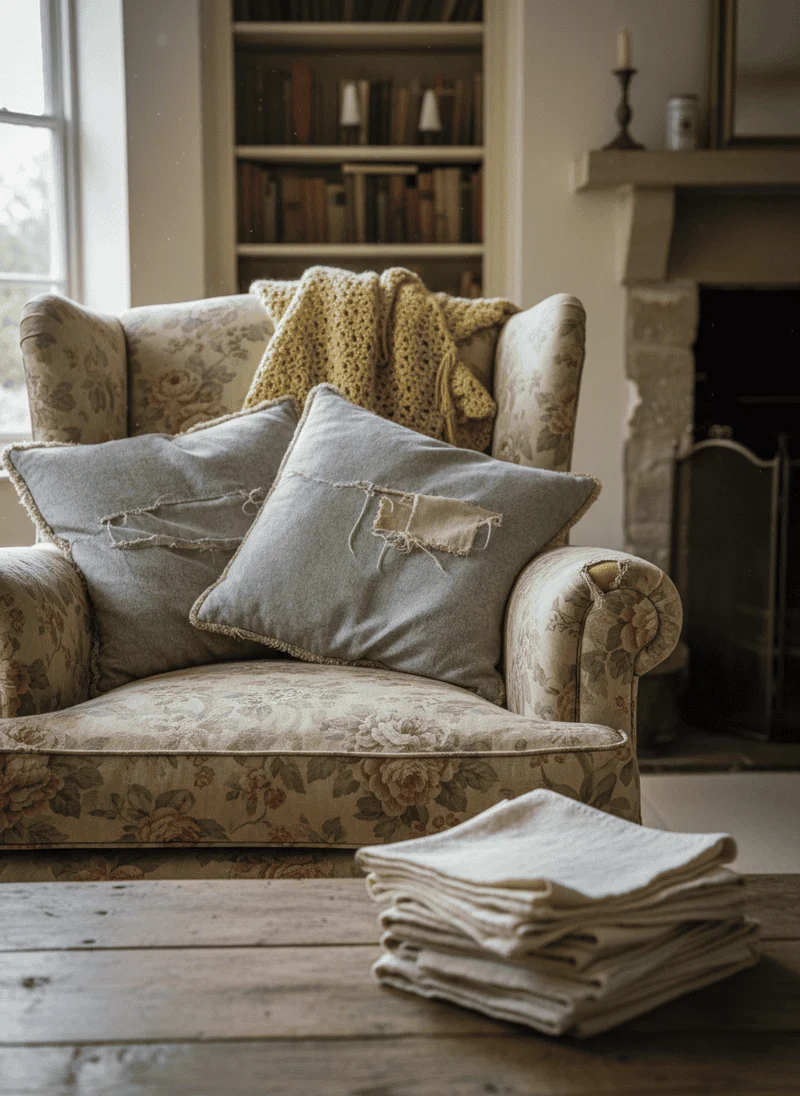
Textiles—curtains, cushions, throws, and upholstery—are paramount to cottage style, adding softness, pattern, and warmth. However, allowing these fabrics to become worn, faded, or visibly dated is a common mistake that can instantly detract from your home's appeal. What once was charmingly vintage can quickly read as simply old or neglected, a detail guests are sure to notice.
Faded floral patterns, pilled blankets, or saggy cushion covers can undermine an otherwise beautifully decorated room. These items often bear the brunt of daily life and sunlight, showing wear and tear more readily than other decor elements. Regularly inspect your textiles and be prepared to replace or refresh them. A simple update of throw pillow covers or new, crisp curtains can dramatically revitalize a space and make it feel cared for and inviting.
Embrace durable yet soft fabrics like pre-washed linen, sturdy cotton blends, or even washable velvet for a touch of luxury. Choose patterns and colors that align with your chosen cohesive palette, ensuring they complement rather than clash. Investing in good quality, fresh textiles will elevate your cottage aesthetic, making your home feel vibrant, clean, and utterly comfortable for both residents and visitors.
7. Underestimating the Power of Greenery
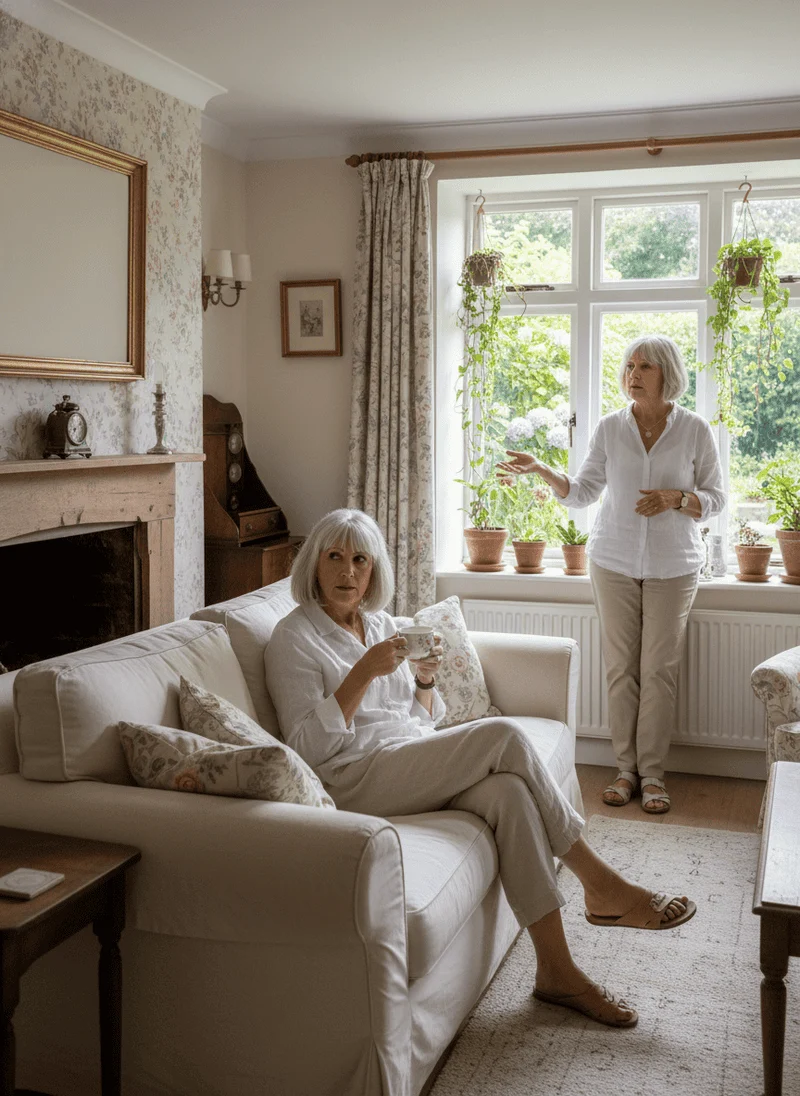
The absence or neglect of living plants and fresh flowers is a critical oversight in cottage decor. Cottage style is deeply intertwined with nature and the outdoors, and bringing greenery inside is essential for infusing life, color, and a sense of freshness into a space. A room without plants can feel sterile, incomplete, and lacking the organic vitality that guests often subconsciously expect from a charming cottage.
Plants do more than just decorate; they purify the air, add vibrant pops of color, and introduce natural textures. From a sprawling fern in a woven basket to a collection of herbs on a windowsill or a simple vase of garden roses, greenery instantly softens edges and breathes life into any room. Guests will notice the welcoming, vibrant atmosphere that living elements create, making your home feel more alive and inviting.
Don't be afraid to mix and match different types of plants, considering their varying heights, leaf shapes, and pot styles. Choose low-maintenance options if you're not a seasoned gardener, but make sure they are well-cared for—wilted or dying plants are worse than no plants at all. The thoughtful inclusion of greenery is a simple yet powerful way to enhance the natural beauty and comforting spirit of your cottage home.
8. Choosing Impractical or Uncomfortable Seating
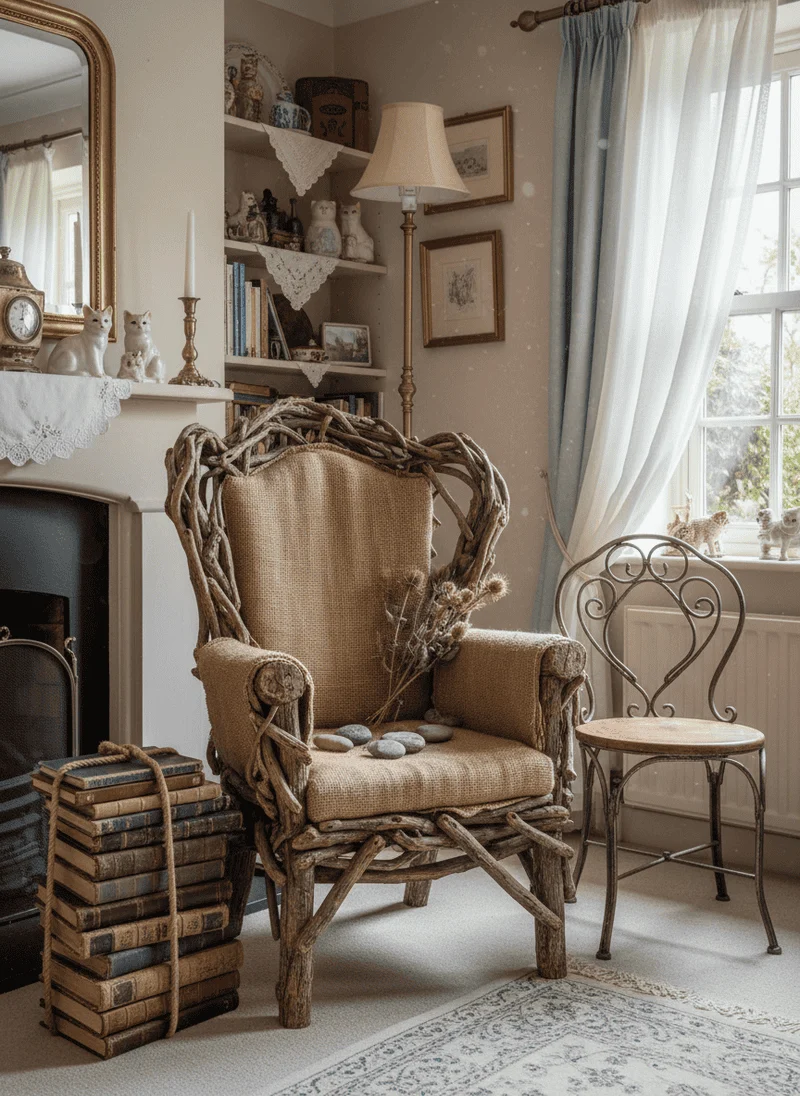
Cottage style is synonymous with comfort and coziness, making impractical or uncomfortable seating a significant misstep that guests will quickly notice. While an antique armchair might look charming, if it’s too hard, too low, or lacks proper support, it fails to fulfill its primary purpose. Guests will feel ill at ease if they can’t comfortably relax, detracting from the inviting atmosphere you aim to create.
Prioritize comfort and functionality alongside aesthetics. Sofas and chairs should be generously cushioned, offer good back support, and be upholstered in durable, pleasant-to-touch fabrics. Consider the scale of the furniture in relation to the room; oversized pieces can overwhelm a smaller cottage space, while too many small, flimsy chairs won’t provide adequate relaxation spots. Ensure there are enough comfortable seating options for everyone.
Before purchasing, always sit in a piece of furniture to test its comfort level. Don't sacrifice practicality for perceived charm; instead, seek out pieces that blend both beautifully. A plush sofa adorned with soft throw pillows, or a sturdy armchair with a cozy blanket, signals true hospitality. Comfortable seating is an unspoken invitation to unwind, making guests feel truly at home and encouraging longer, more relaxed visits.
9. Allowing Dust and Disarray to Accumulate
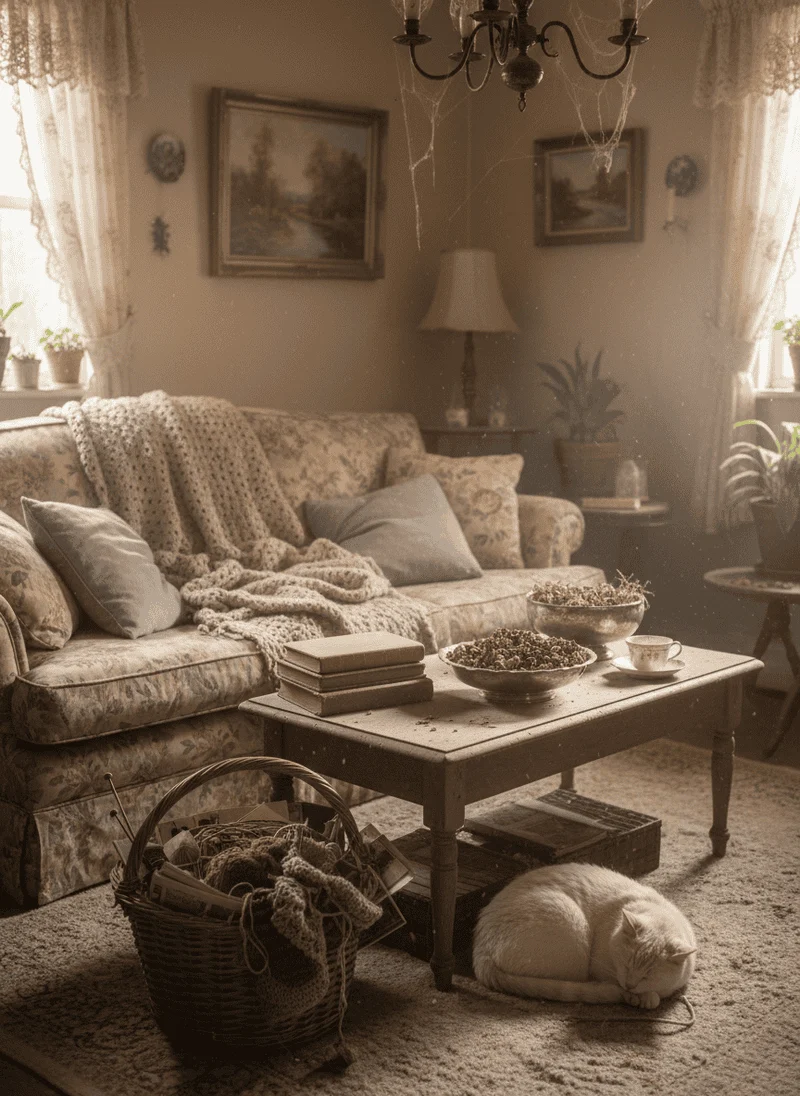
Even the most exquisitely decorated cottage can lose its luster if dust and disarray are allowed to accumulate. While a lived-in look is part of cottage charm, genuine dirt, cluttered surfaces, and unkempt areas are not. Guests invariably notice cleanliness (or lack thereof), and a dusty, disorganized home can feel unwelcoming, despite your best decorating efforts.
Common offenders include dusty baseboards, cobwebbed corners, smudged windows, and general clutter that goes beyond a few artfully arranged items. These small details can collectively create an impression of neglect rather than cozy hominess. Regularly tidying up, dusting, and performing routine cleaning tasks are essential for maintaining the fresh, inviting atmosphere that cottage style promises.
Establish simple daily habits like wiping down surfaces, plumping cushions, and putting items back in their place. Implement a weekly deeper clean to tackle dust, vacuuming, and floor care. A clean and organized home not only looks better but also feels more peaceful and relaxing. By keeping your cottage tidy and well-maintained, you ensure that its natural beauty and charm are always on display, offering a truly delightful experience for every guest.
10. Misusing Shabby Chic to the Extreme
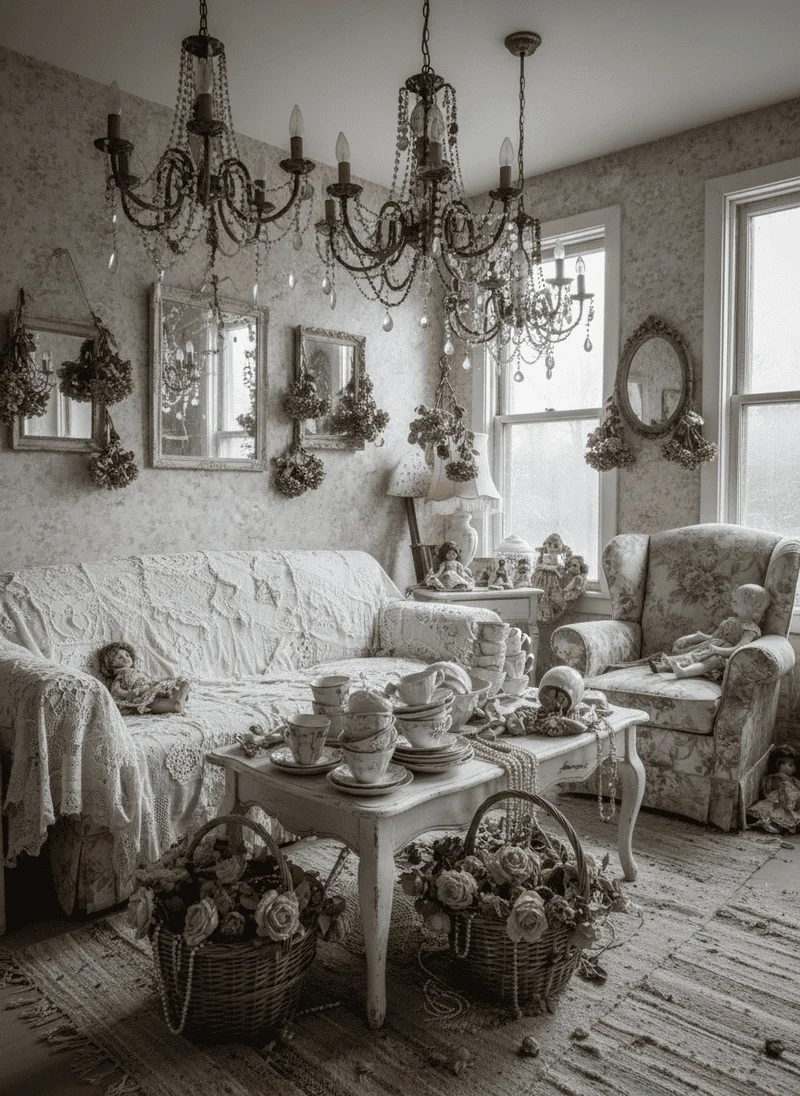
Shabby chic, a sub-style of cottage decor, embraces a distressed, worn look, but a common mistake is taking this aesthetic to an extreme. When every piece of furniture is heavily distressed, every fabric is faded, and every item looks deliberately aged, the effect can tip from charmingly antique to simply tired or even dilapidated. Guests might perceive the space as neglected rather than intentionally stylish.
True shabby chic finds beauty in imperfection and age, but it's balanced with fresh elements, soft textures, and thoughtful curation. Overdoing the distressed look without incorporating elements that feel new, clean, or vibrant can make a home feel visually heavy and past its prime. It’s important to blend the old with the new, ensuring a sense of lightness and elegance prevails.
To achieve the right balance, pair a few key distressed pieces—perhaps a painted cabinet or a vintage mirror—with crisp linens, fresh flowers, and comfortable, newer upholstery. Use a soft, airy color palette to counteract any visual heaviness. This approach celebrates the beauty of age and character while ensuring your cottage remains bright, inviting, and wonderfully charming, leaving guests with a feeling of warmth and refined comfort.
11. Overlooking Functional Storage Solutions
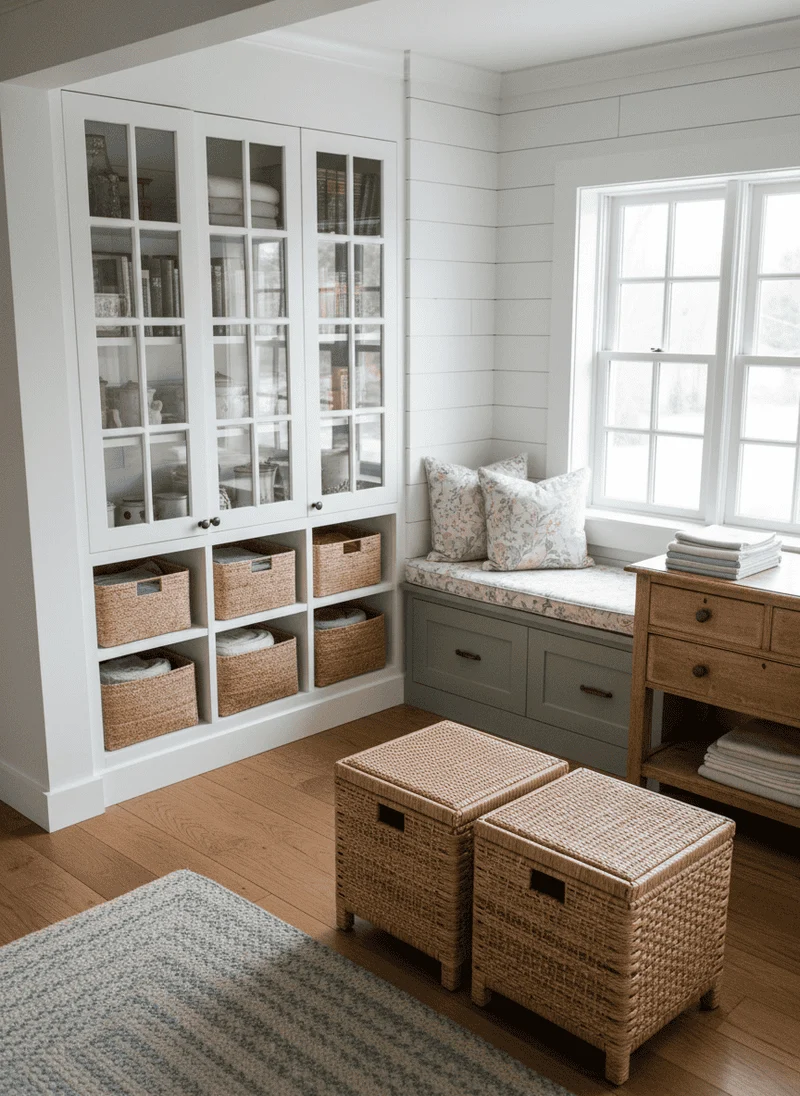
In a style that often embraces collections and cherished items, overlooking smart, functional storage solutions is a significant mistake that can quickly lead to clutter and disorganization. A cottage home without adequate storage will inevitably feel cramped and messy, impacting its serene charm. Guests will notice if surfaces are perpetually covered with items that lack a designated home, making the space feel less orderly and inviting.
Effective storage isn't just about hiding things away; it's about making your home work better and feel more spacious. Integrate storage solutions that are both practical and beautiful. Think about built-in bookshelves, charming vintage armoires, woven baskets, decorative trunks, and multi-functional furniture like ottomans with hidden compartments. These pieces blend seamlessly with cottage decor while keeping everyday essentials neatly tucked away.
Focus on decluttering regularly to minimize what needs storing, and then invest in pieces that align with your cottage aesthetic. By creating designated spots for everything from blankets and books to craft supplies and pantry items, you ensure your home remains tidy, organized, and effortlessly charming. Thoughtful storage contributes significantly to the calm, welcoming atmosphere guests expect from a truly delightful cottage.
12. Ignoring Scale and Proportion in Furniture Placement
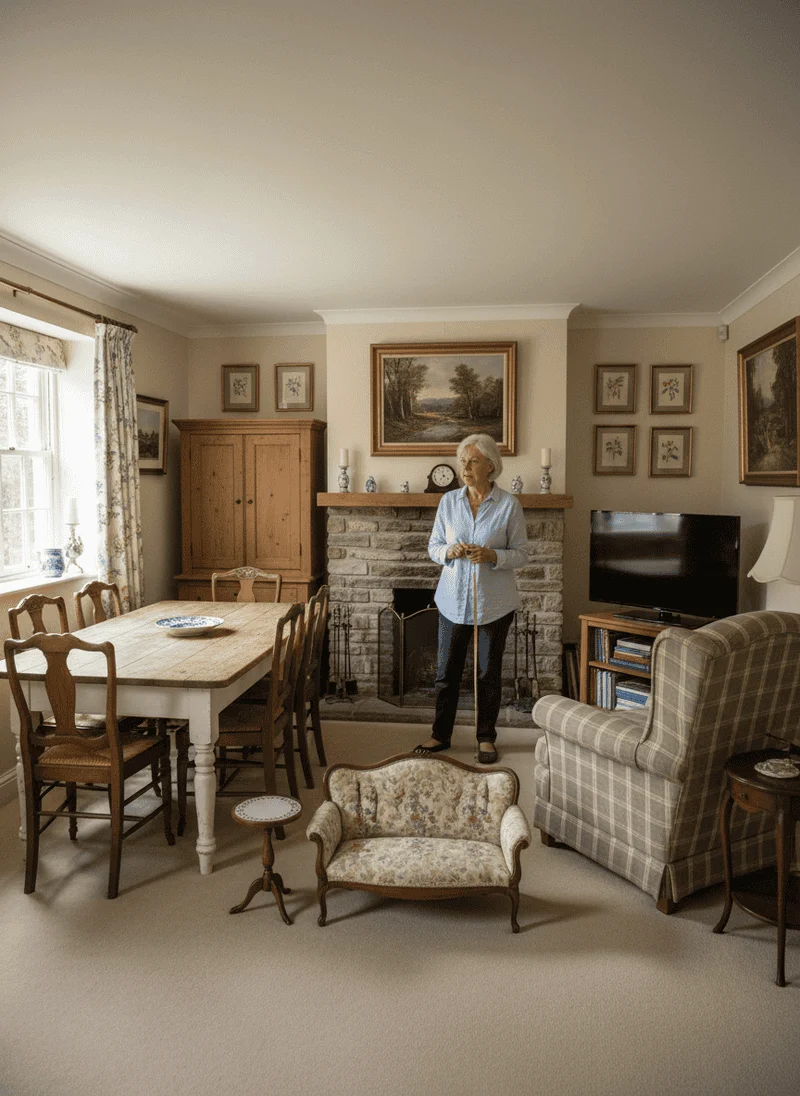
A crucial, yet often overlooked, aspect of interior design is the scale and proportion of furniture within a room. Placing pieces that are too large for a small cottage space, or too small for a grander room, can make the area feel awkward, unbalanced, and uncomfortable. Guests will instinctively feel that something is 'off,' even if they can't pinpoint why, impacting their overall experience in your home.
For smaller cottage rooms, choose furniture with lighter profiles and exposed legs, which allow more visual space beneath them, making the room appear larger. Avoid bulky, overstuffed pieces that can overwhelm. Conversely, in a larger room, ensure furniture pieces are substantial enough to anchor the space, and consider grouping items to create cozy zones rather than scattering small pieces randomly.
Before making purchases, measure your space carefully and consider drawing out a floor plan. Pay attention to how furniture relates to walls, windows, and other pieces. Proper scale and proportion create a sense of harmony and balance, making your cottage feel well-designed, comfortable, and aesthetically pleasing. This thoughtful approach ensures that every piece contributes positively to the inviting ambiance you wish to create for your guests.
13. Using Too Many Small Rugs Instead of Area Rugs
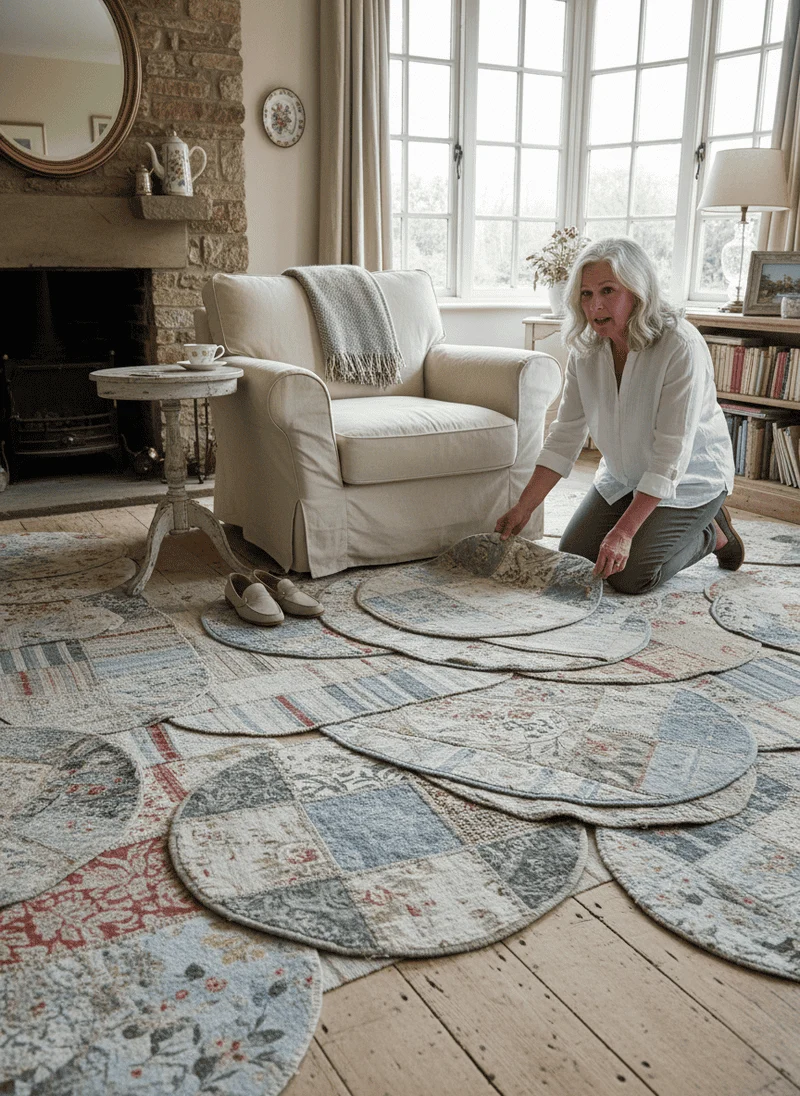
A common decorating misstep in cottage homes is the proliferation of numerous small rugs scattered throughout a room, rather than employing one or two appropriately sized area rugs. While small accent rugs can have their place, an overuse often creates a choppy, disjointed look, making the room feel smaller and less cohesive. Guests might notice the visual clutter underfoot, which detracts from the smooth flow of the space.
Area rugs serve to define zones, anchor furniture groupings, and add warmth and texture to a room, effectively pulling the space together. A rug that is too small for a seating area, for instance, can make the furniture float without purpose. Ideally, the front legs of all main seating pieces should rest on the rug, or the rug should be large enough to encompass the entire seating arrangement.
Invest in one or two well-chosen area rugs that complement your color palette and overall cottage aesthetic. Opt for natural fibers like wool, jute, or cotton in patterns or textures that add charm without overwhelming. A properly sized area rug creates a foundation for your decor, making your cottage feel more grounded, unified, and elegantly designed, ensuring a visually pleasant experience for your visitors.
14. Opting for Heavy, Dark Window Treatments
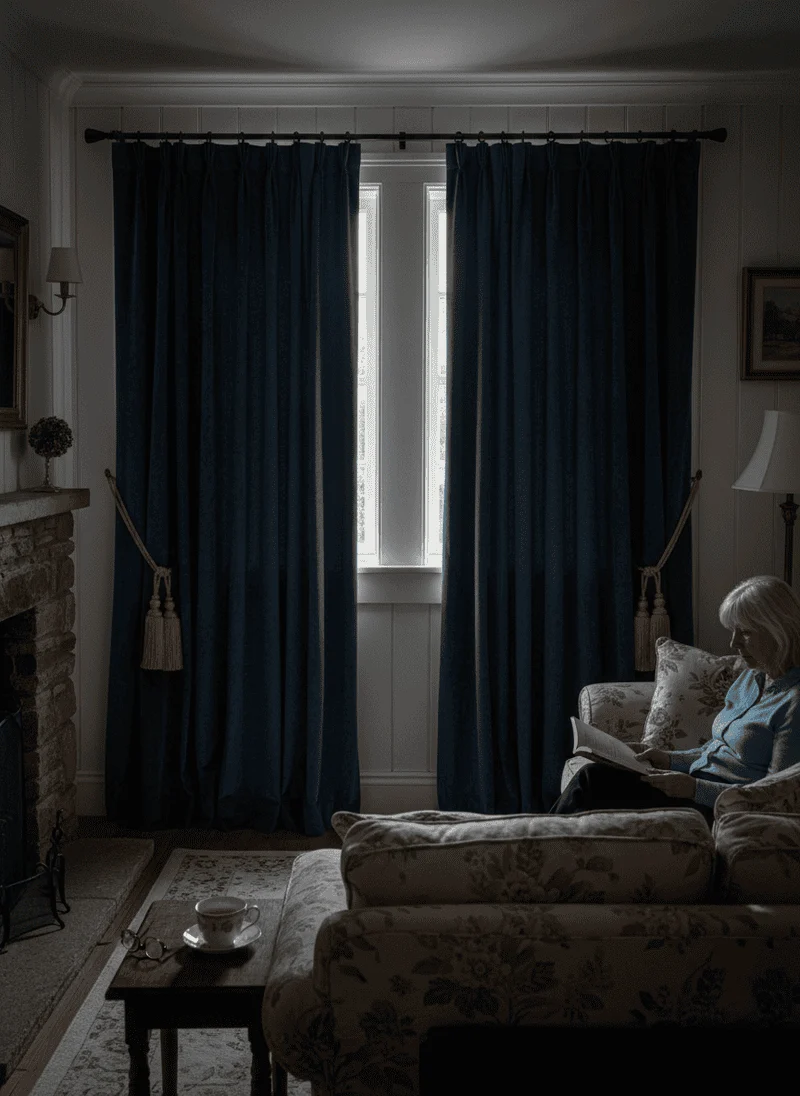
Cottage style is synonymous with natural light and a connection to the outdoors, so choosing heavy, dark, or overly ornate window treatments can be a significant mistake. Such curtains can block precious sunlight, make rooms feel dim and enclosed, and detract from the airy, fresh ambiance that defines cottage living. Guests will often notice if a room feels dark or oppressive due to inadequate light.
Instead, embrace window treatments that enhance natural light and offer privacy without sacrificing brightness. Opt for sheer linen, light cotton, or delicate lace curtains that diffuse sunlight beautifully while allowing views of your garden or surroundings. Cafe curtains, roller blinds, or Roman shades in light colors can also provide flexibility, letting you control light and privacy as needed.
Choose simple, unadorned styles that complement the relaxed elegance of cottage decor. If you need heavier drapes for insulation or complete darkness at night, ensure they can be easily drawn back to maximize light during the day. By prioritizing lightness and transparency in your window treatments, you ensure your cottage feels open, bright, and inviting, fully embracing its charming, sun-kissed spirit.
15. Neglecting the Welcoming Appeal of the Entryway
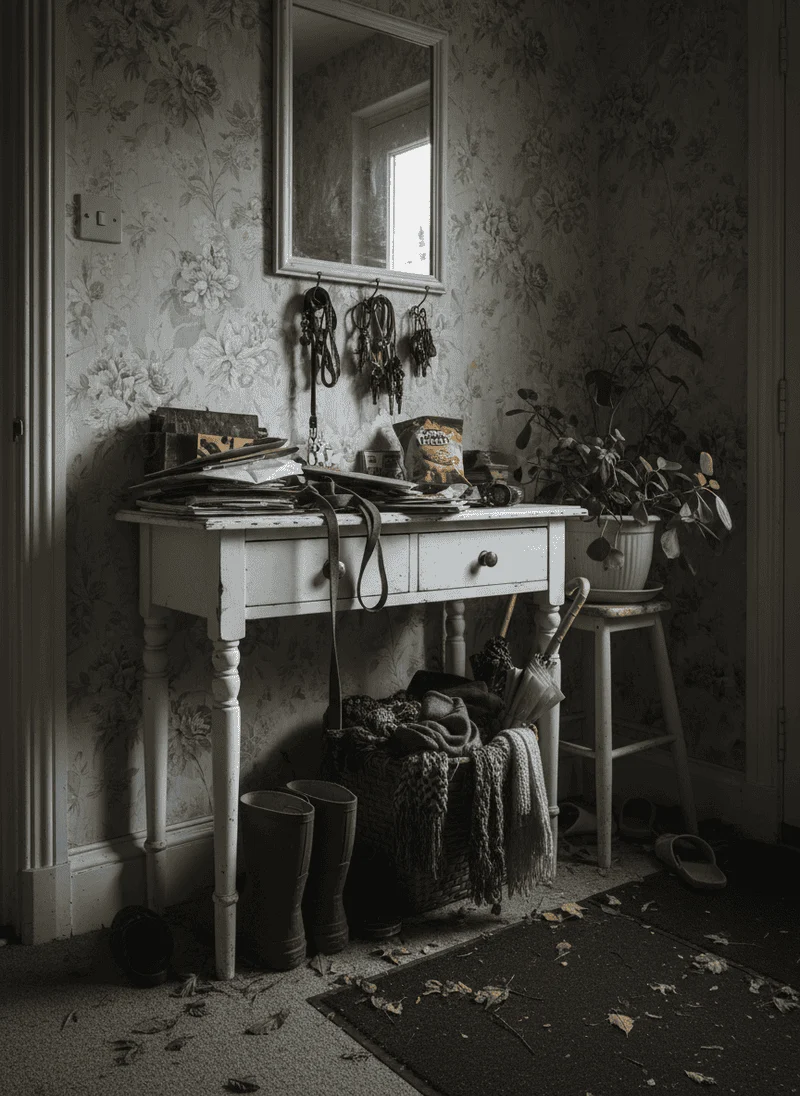
The entryway is the first impression your guests have of your home, and neglecting its appeal is a common cottage style mistake. A cluttered, dark, or uninspired entryway fails to set a welcoming tone, immediately diminishing the charm of the rest of your cottage. Guests might feel a lack of warmth or organization right from the moment they step inside, impacting their initial perception.
Even small entryways can be transformed into inviting spaces. Focus on creating a clear path, adequate lighting, and a few functional yet decorative elements. A small console table or wall-mounted shelf provides a spot for keys and mail, while a charming mirror can reflect light and open up the space. A cozy bench or small chair offers a place to sit while removing shoes.
Add personal touches like a small vase of fresh flowers, a charming piece of art, or a welcoming doormat. Ensure there's a designated spot for coats and shoes, keeping clutter at bay. By investing thought and care into your entryway, you create an immediate sense of warmth, order, and hospitality, ensuring your guests feel genuinely welcomed and intrigued from the very first moment.
16. Forgetting to Incorporate Personal Touches
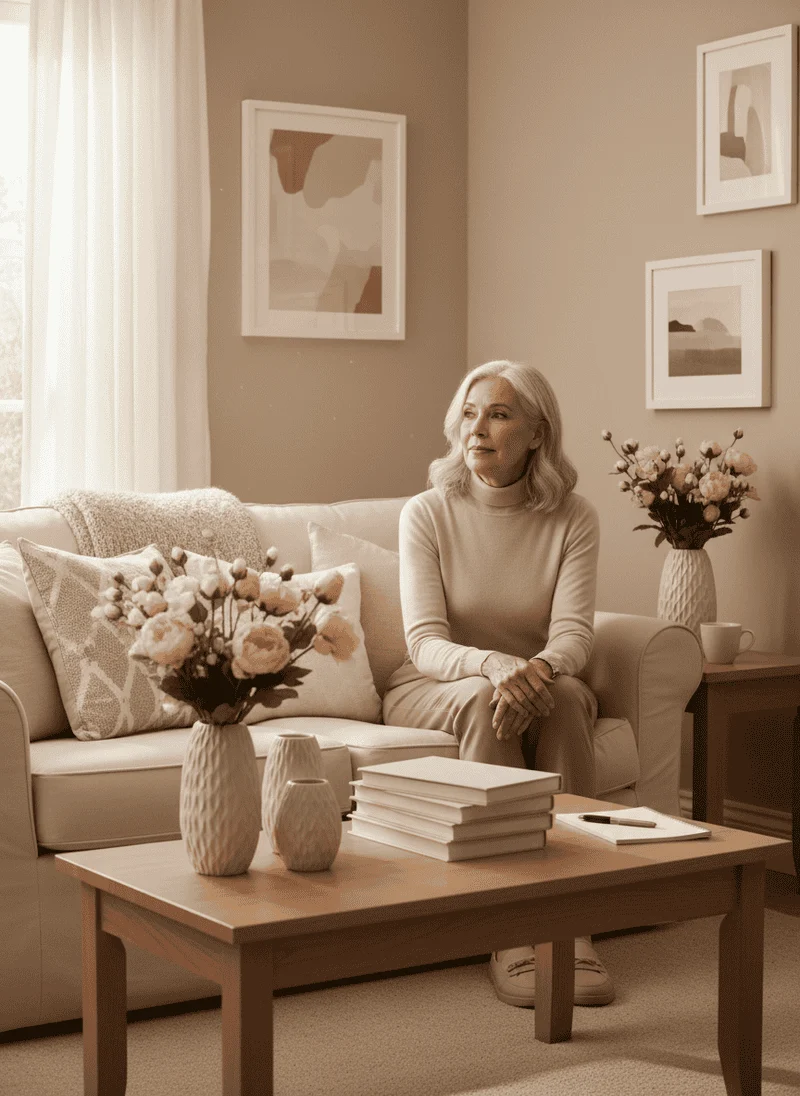
While it's easy to follow design trends, forgetting to infuse your cottage with personal touches is a significant oversight. A home that lacks unique items, cherished memories, or reflections of your personality can feel generic, impersonal, and less inviting. Guests will notice if a space feels like a showroom rather than a lived-in home with a story to tell.
Personal touches are what make a house a home. Display family photos in charming frames, showcase beloved heirlooms, exhibit travel souvenirs, or feature artwork created by family members. These elements immediately convey warmth and authenticity, inviting guests to learn more about you and feel more connected to your space. They spark conversation and create a genuine sense of history.
Integrate your passions and hobbies into your decor. If you love gardening, display vintage gardening tools or botanical prints. If you're a reader, create a cozy reading nook filled with your favorite books. By thoughtfully weaving in elements that reflect who you are, you create a home that is truly unique, deeply personal, and wonderfully welcoming, leaving a lasting impression on everyone who visits.
17. Overdoing Floral Patterns Everywhere
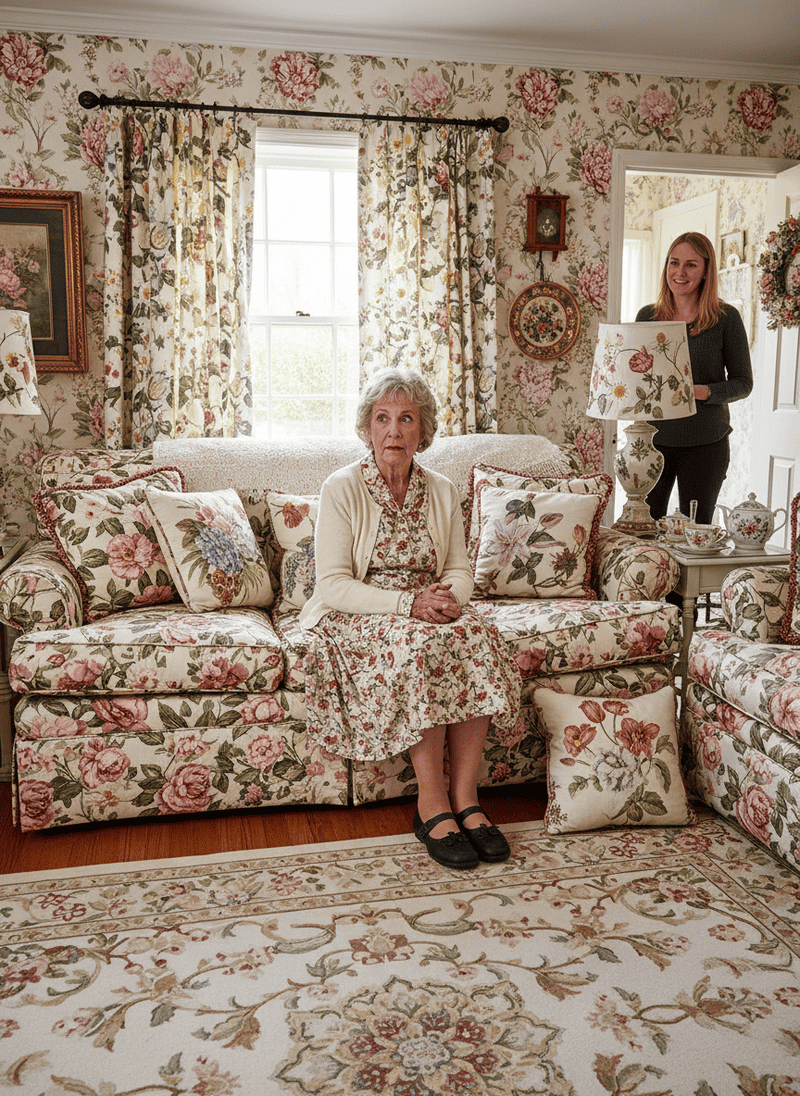
Floral patterns are a quintessential element of cottage style, evoking gardens and natural beauty. However, a common mistake is overdoing florals to the point of saturation, applying them to every surface—curtains, upholstery, wallpaper, bedding, and accessories. When florals dominate without relief, the effect can be overwhelming, visually chaotic, and even dated, rather than charmingly pastoral.
Guests might find a room with too many clashing floral patterns visually jarring or suffocating, lacking the sense of calm and balance that cottage style aims to achieve. The key is to use floral patterns strategically, allowing them to be a delightful accent rather than a dominant force.
Choose one or two primary floral patterns per room, perhaps on a feature wallpaper or a main upholstered piece, and then complement these with solid colors, stripes, or subtle textures. Balance larger, bolder florals with smaller, more delicate prints, or use them as an accent on throw pillows or a single armchair. This approach ensures your florals add beauty and charm without overwhelming the senses, creating a balanced and inviting cottage aesthetic.
18. Skipping Essential Maintenance and Repairs
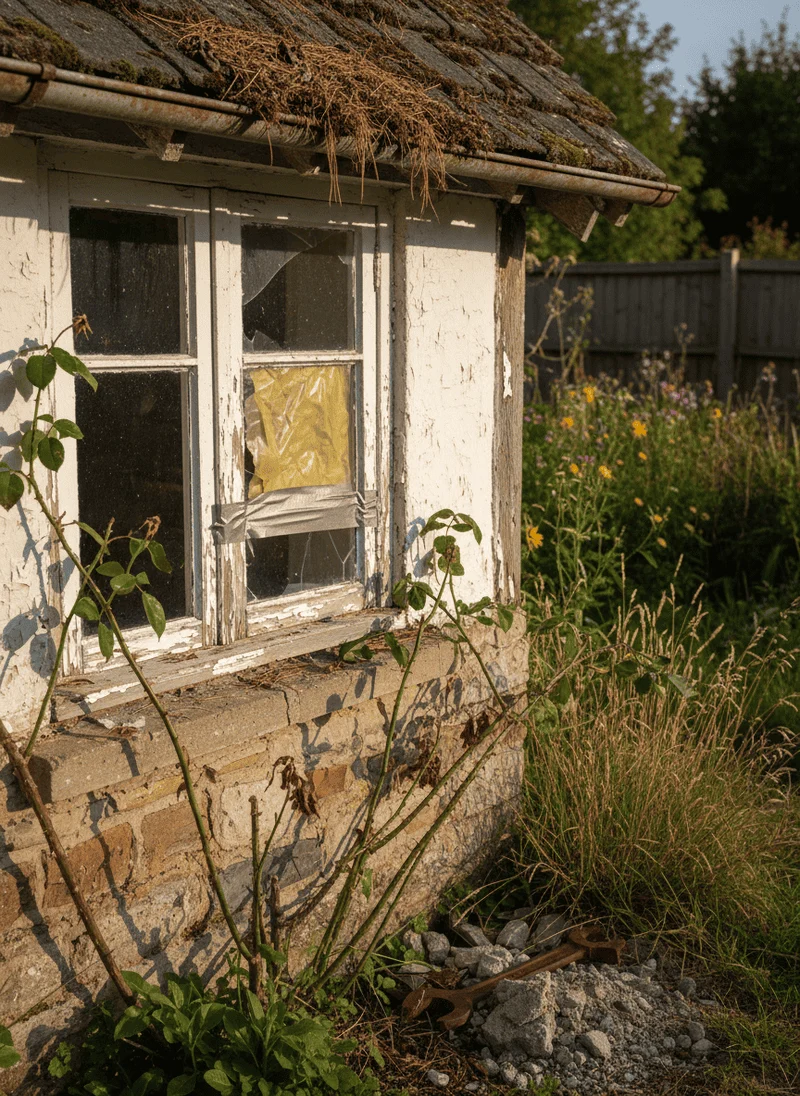
Beyond purely decorative elements, skipping essential maintenance and minor repairs can significantly detract from the overall charm and comfort of a cottage home. Things like leaky faucets, peeling paint, squeaky doors, or loose cabinet pulls might seem small, but collectively they create an impression of neglect that guests are sure to notice. Such issues can make a home feel less cared for and less inviting.
Cottage style thrives on a sense of quaint perfection and rustic elegance, and deferred maintenance undermines this completely. A creaky floorboard or a chipped piece of trim can disrupt the peaceful atmosphere. Addressing these issues promptly not only improves the aesthetics but also enhances the functionality and safety of your home, contributing to a more pleasant experience for everyone.
Regularly inspect your home for minor issues and tackle them as they arise, rather than letting them accumulate. A fresh coat of paint, tightening a loose knob, or fixing a dripping tap are small efforts that yield significant returns in comfort and appeal. By keeping your cottage in good repair, you ensure it always presents its best face, reflecting meticulous care and a truly welcoming environment for your guests.
19. Selecting Outdated Wall Decor and Art
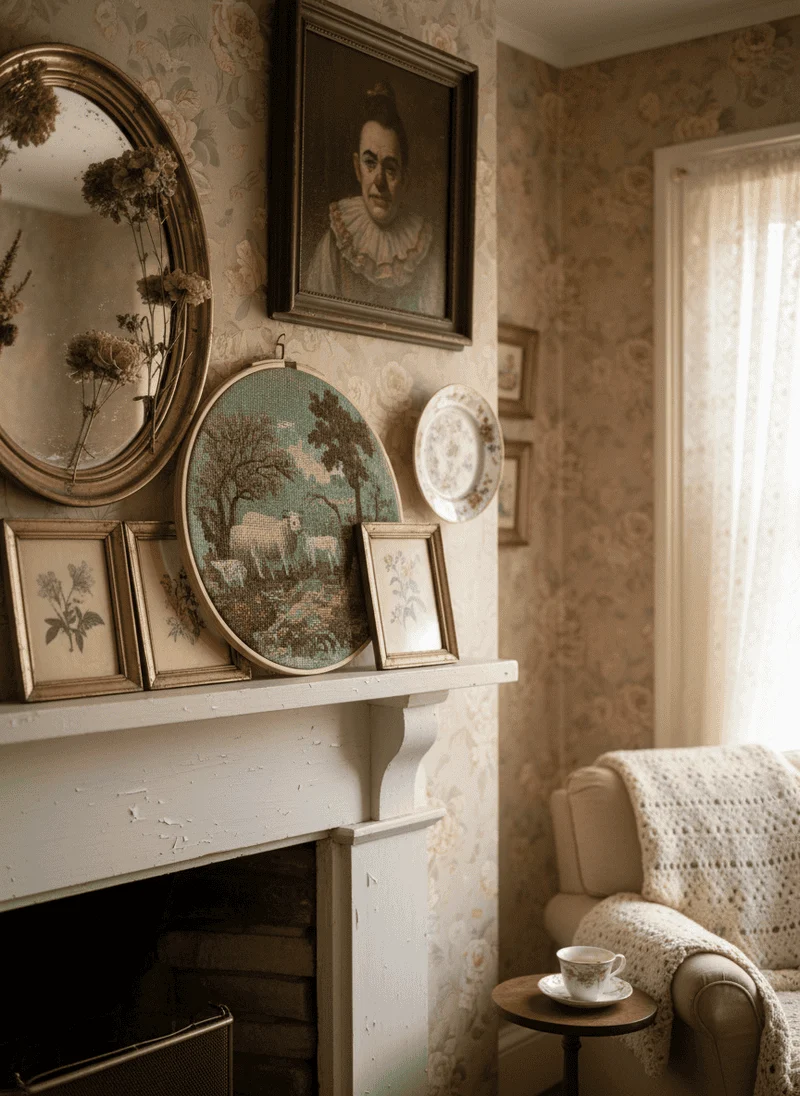
Wall decor and art are powerful tools for expressing personality and enhancing a home's aesthetic, but selecting outdated or mismatched pieces is a common mistake in cottage styling. Art that is visibly old-fashioned, or mass-produced decor that lacks character, can make a space feel stagnant and uninspired, rather than timelessly charming. Guests often notice what hangs on your walls, and it can heavily influence their perception of the room.
Avoid generic prints that don't resonate with your style or personal history. Cottage art should ideally evoke nature, warmth, and a sense of history or simplicity. Think botanical prints, landscapes, still lifes, vintage posters, or even framed textiles. The key is authenticity and a connection to the cottage aesthetic, rather than just filling empty wall space.
Curate your wall decor thoughtfully. Mix different frame styles, sizes, and orientations for an interesting gallery wall, or feature a single statement piece above a mantel. Consider incorporating mirrors to reflect light and expand space. Regularly refresh your wall art, swapping pieces out or rearranging them, to keep your cottage feeling vibrant and engaging. Well-chosen art makes a significant impact, adding depth and a refined touch that guests will appreciate.
20. Creating a Space Lacking Flow and Movement
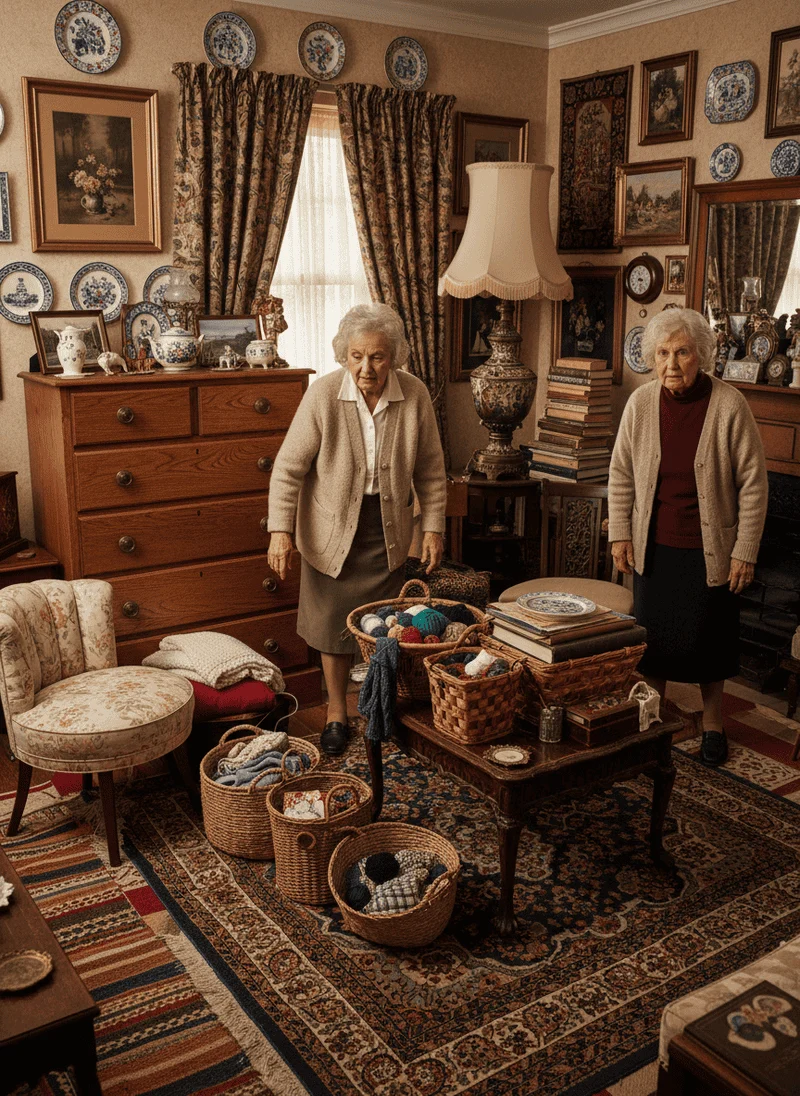
A beautifully decorated cottage can still feel uncomfortable if the furniture arrangement creates a space that lacks good flow and easy movement. Blocking pathways, pushing all furniture against the walls, or creating awkward conversational groupings are common mistakes that guests will immediately notice. A poorly laid out room can feel cramped, difficult to navigate, and less inviting for interaction.
Effective furniture placement ensures clear pathways and encourages conversation. Create distinct zones for different activities, such as a seating area for relaxation and a separate spot for dining or reading. Pull furniture slightly away from walls to create a more intimate and spacious feel. Ensure there's ample room to walk around pieces without having to squeeze or detour.
Think about the natural sightlines and how light enters the room. Arrange furniture to take advantage of windows or a fireplace. Consider the practical needs of the space and how guests will use it. By thoughtfully arranging your furniture to promote easy movement and comfortable interaction, you create a harmonious and truly welcoming cottage environment, making guests feel at ease and encouraging them to linger.
21. Ignoring Modern Comforts and Technology Integration
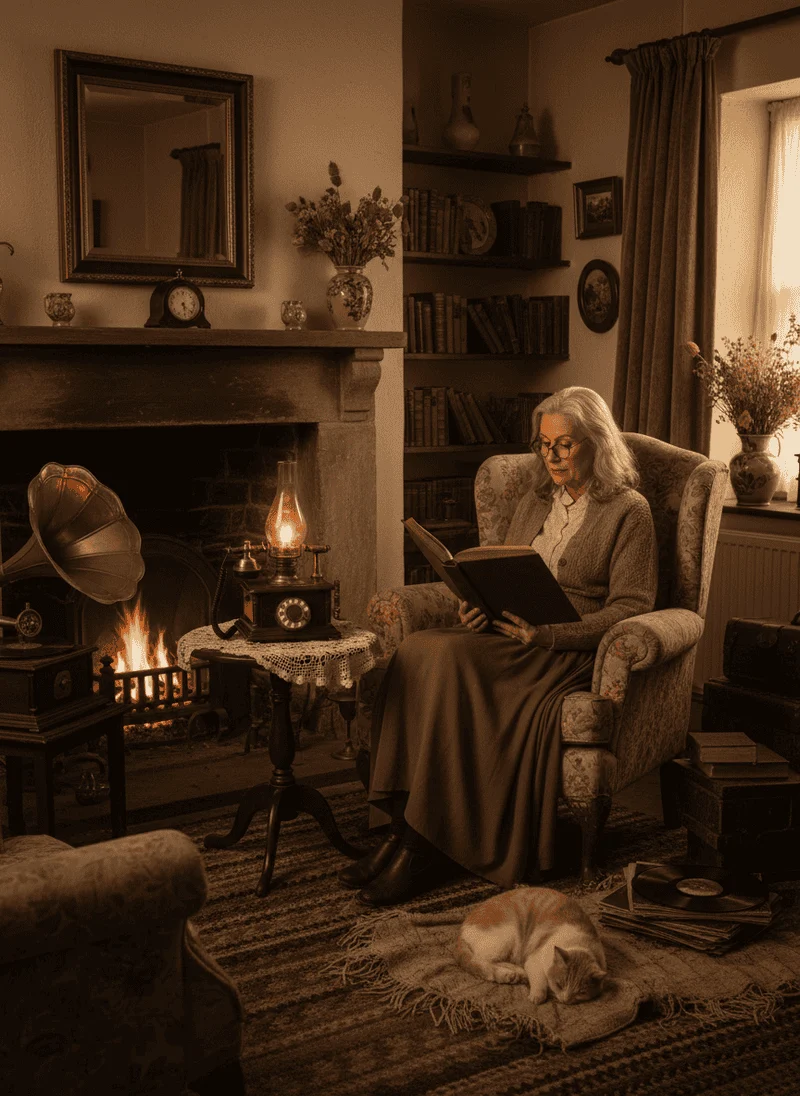
While cottage style cherishes tradition and simplicity, completely ignoring modern comforts and discreet technology integration can be a mistake. In today's world, guests appreciate conveniences, and a home entirely devoid of accessible charging ports, good Wi-Fi, or comfortable climate control can feel less accommodating. The goal is to blend modern ease with timeless charm, not to sacrifice one for the other.
Guests notice when they can't easily charge their devices or connect to the internet. These aren't just luxuries anymore; they're expected conveniences. Thoughtfully integrate technology: conceal charging stations within a decorative box, ensure Wi-Fi routers are discreetly placed, and consider smart thermostats that maintain a comfortable temperature. These small considerations enhance the guest experience significantly.
Modern comforts also extend to well-plumbed bathrooms, comfortable beds with quality mattresses, and updated kitchen appliances that function smoothly. You don't need ultra-modern design, but functional efficiency is key. By subtly incorporating modern amenities, you ensure your cottage remains a delightful retreat that offers the best of both worlds—timeless beauty and effortless comfort—for both you and your visitors.
22. Underutilizing Outdoor Living Areas
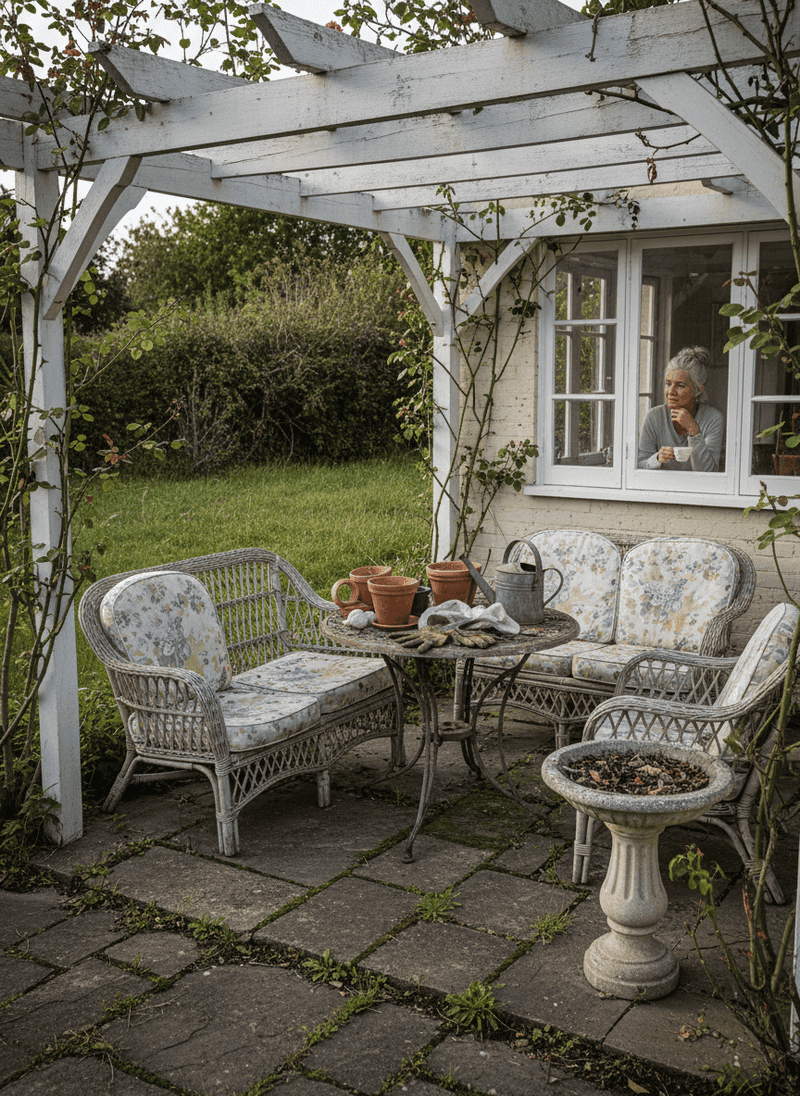
Cottage living intrinsically links indoor and outdoor spaces, making the underutilization or neglect of outdoor living areas a significant missed opportunity. A charming cottage often boasts a porch, patio, or garden space that, if overlooked, fails to extend the home’s inviting atmosphere beyond its walls. Guests will notice if an outdoor area feels unkempt, uncomfortable, or simply unused, diminishing the overall appeal of your property.
Transform your outdoor spaces into true extensions of your cottage home. A welcoming front porch with comfortable seating, a few potted plants, and perhaps a gentle swing can invite guests to linger before even entering. A backyard patio with a cozy dining set, string lights, and lush container gardens offers an ideal spot for relaxation and entertaining.
Focus on comfort, style, and practicality. Choose weather-resistant furniture with soft cushions, add outdoor rugs for warmth, and incorporate plenty of greenery and flowers. Regular maintenance, such as sweeping, weeding, and cleaning furniture, ensures these spaces are always guest-ready. By cultivating inviting outdoor havens, you amplify your cottage’s charm and offer your guests even more delightful spaces to enjoy.
23. Choosing Cold or Sterile Accessories
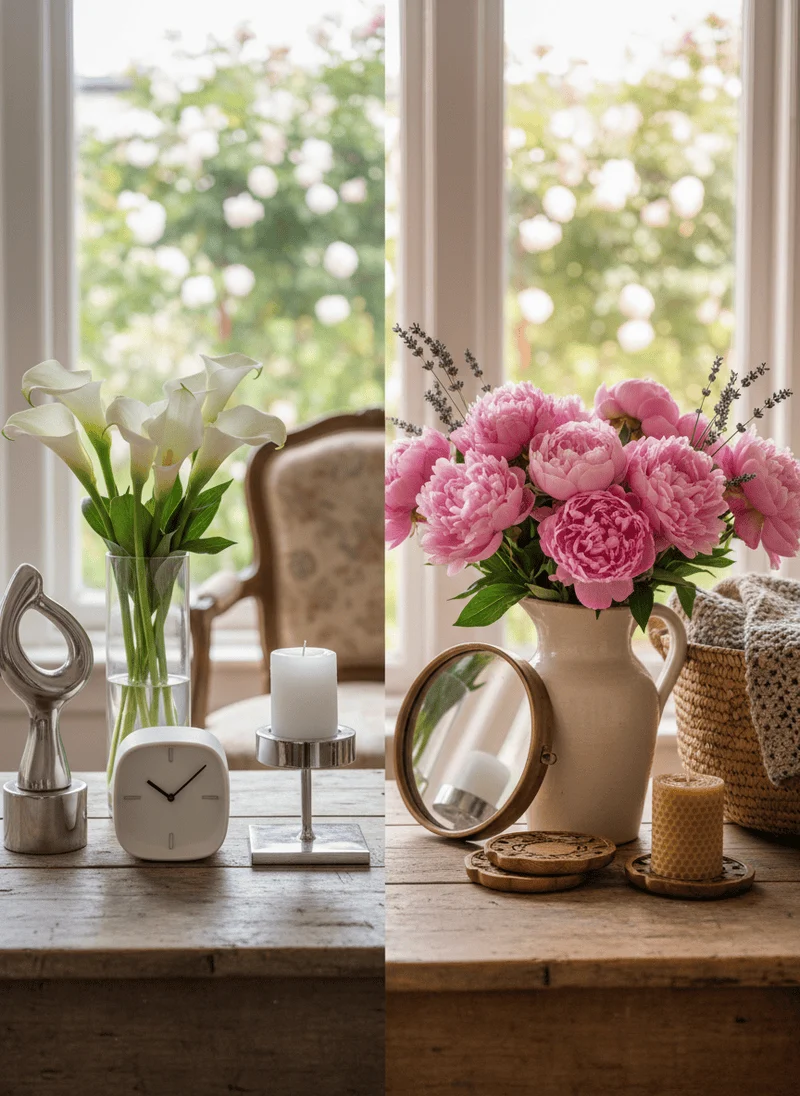
Cottage style is all about warmth, comfort, and a welcoming ambiance. Therefore, choosing cold, sterile, or overly minimalist accessories is a direct contradiction to its essence. Items like stark metallic accents, highly polished chrome, or plain, untextured ceramics can strip a cottage room of its inherent softness and inviting character. Guests might find such choices jarring, making the space feel less cozy and less personal.
Instead, embrace accessories that add warmth, texture, and a touch of artisanal charm. Think about distressed wood frames, vintage ceramic vases, woven baskets, hammered copper pieces, or soft, handcrafted textiles. These items contribute to the layered, collected look that is central to cottage decor, creating visual interest and tactile appeal.
Focus on materials with a story or a natural feel. Incorporate items that feel gentle to the touch and soothing to the eye. A display of mismatched teacups, a collection of sea glass, or a stack of worn books all contribute to the rich, inviting texture of a cottage home. By selecting accessories that speak to warmth and authenticity, you ensure your cottage feels genuinely welcoming and delightfully charming to all who visit.


