
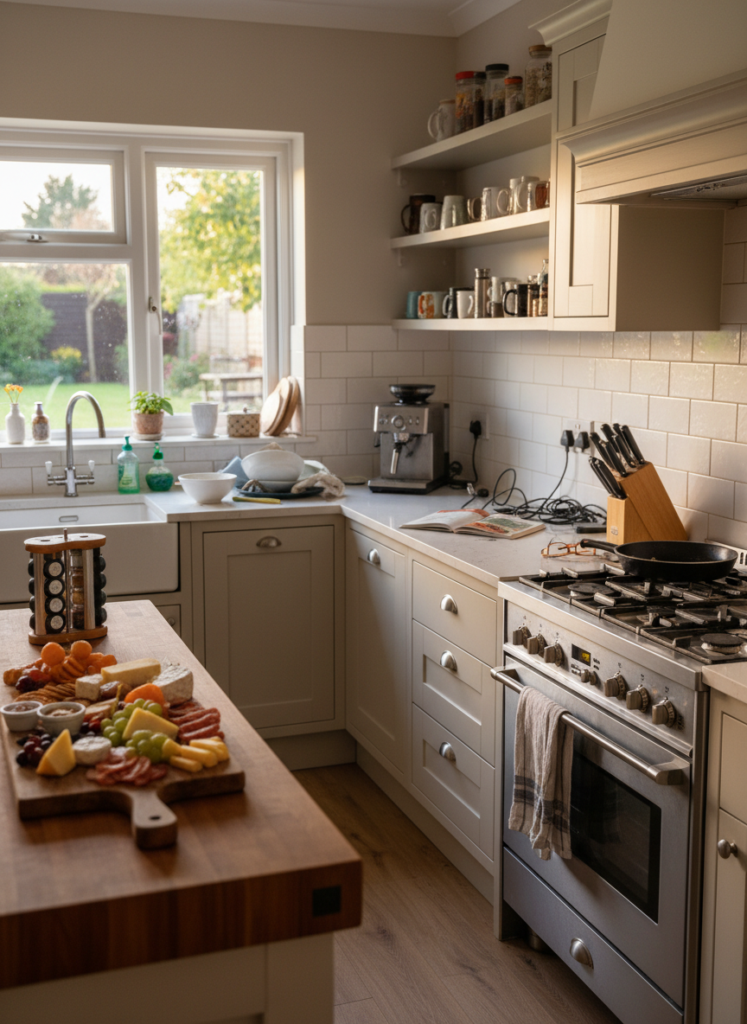
Your kitchen is the heart of your home, a place for culinary creations, family gatherings, and joyful entertaining. While you might be focused on the big picture, guests often notice the smaller, often overlooked details that can elevate or detract from the overall impression. For women over 50, who often prioritize comfort and function, these subtle touches can easily be missed, yet they significantly impact how inviting and well-cared for your space feels to others.
1. Organizing Your Pantry for Seamless Entertaining

When guests visit, their eyes naturally wander, and an open or frequently accessed pantry can quickly reveal its secrets. For women over 50, who often accumulate various staples and specialty items, an unorganized pantry might feel functional for daily use, but to a guest, it can look chaotic and even hint at a lack of attention to detail. Visible clutter, mismatched containers, and overflowing shelves create a sense of disarray that can subtly detract from the otherwise welcoming atmosphere of your kitchen.
To transform your pantry into an asset, start by decluttering. Remove expired items, consolidate duplicates, and invest in clear, uniform containers for dry goods like pasta, rice, and snacks. Labeling these containers not only adds to the aesthetic appeal but also makes it easier to find what you need quickly. Consider tiered shelving or pull-out drawers for better visibility and access, ensuring that everything has its designated place. A well-organized pantry suggests efficiency and thoughtfulness, making your kitchen feel more sophisticated and put-together, even when glimpses are caught.
2. Banishing Fingerprints from Stainless Steel Appliances
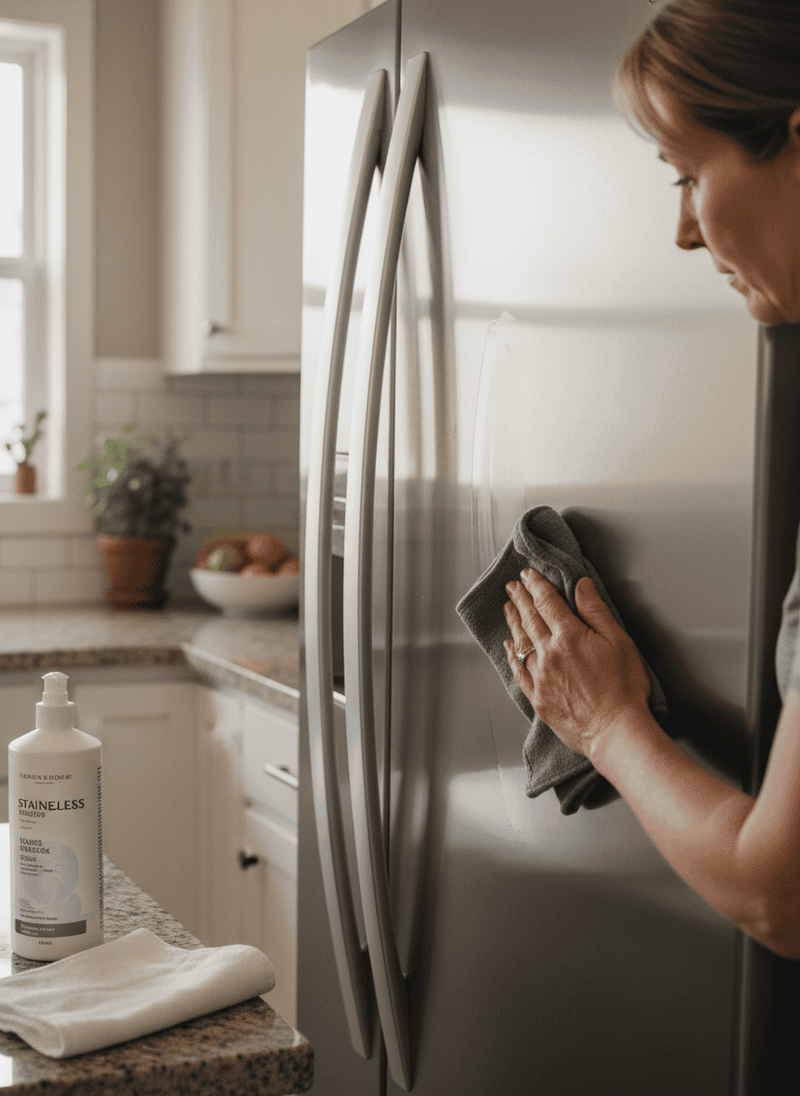
Stainless steel appliances are a hallmark of modern kitchens, offering sleek aesthetics and durability. However, their polished surfaces are notorious for attracting fingerprints, smudges, and watermarks. While you might be accustomed to these minor blemishes from daily use, guests often notice them immediately, as they stand in stark contrast to the otherwise clean lines of your kitchen. These small marks can give the impression of a less-than-spotless environment, even if the rest of your kitchen is impeccably clean.
To combat this common issue, make a habit of a quick daily wipe-down. Use a microfiber cloth specifically designed for stainless steel and a high-quality stainless steel cleaner or even a simple solution of vinegar and water. Always wipe in the direction of the grain to prevent streaking and ensure an even shine. For tougher spots, a gentle degreaser can be effective. Maintaining smudge-free appliances not only enhances their visual appeal but also demonstrates a consistent commitment to cleanliness, elevating the overall perceived tidiness and care of your kitchen space. This simple act can significantly improve your kitchen's presentation.
3. Upgrading Outdated Kitchen Linens and Textiles
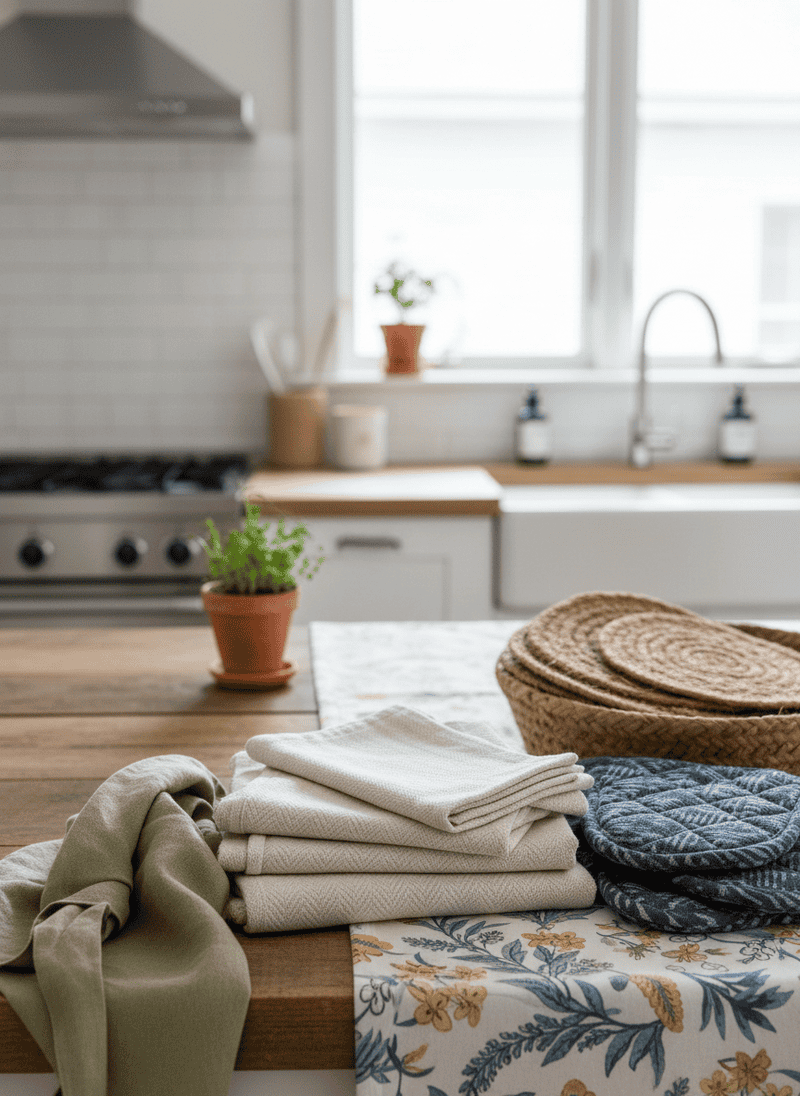
Kitchen linens, such as dish towels, oven mitts, and aprons, are functional items that see constant use and can quickly show their age. Faded colors, frayed edges, or noticeable stains on these textiles might go unnoticed in your daily routine, but to a guest, they can signal a lack of freshness or attention to detail. Guests often interact with these items directly or indirectly, and their worn appearance can subtly detract from the overall crispness and appeal of your kitchen decor.
Refresh your kitchen's aesthetic by regularly replacing or rotating your linens. Opt for cohesive sets in colors and patterns that complement your kitchen's overall design scheme. Natural fibers like cotton or linen offer both absorbency and a touch of elegance. Keep a few pristine sets reserved for when you're entertaining, ensuring that every detail, down to the dishtowels, contributes to a welcoming and well-maintained environment. Investing in high-quality, fresh kitchen textiles is an easy and affordable way to instantly uplift your kitchen's appeal for any visitor.
4. Replacing Worn-Out Cutting Boards and Utensils
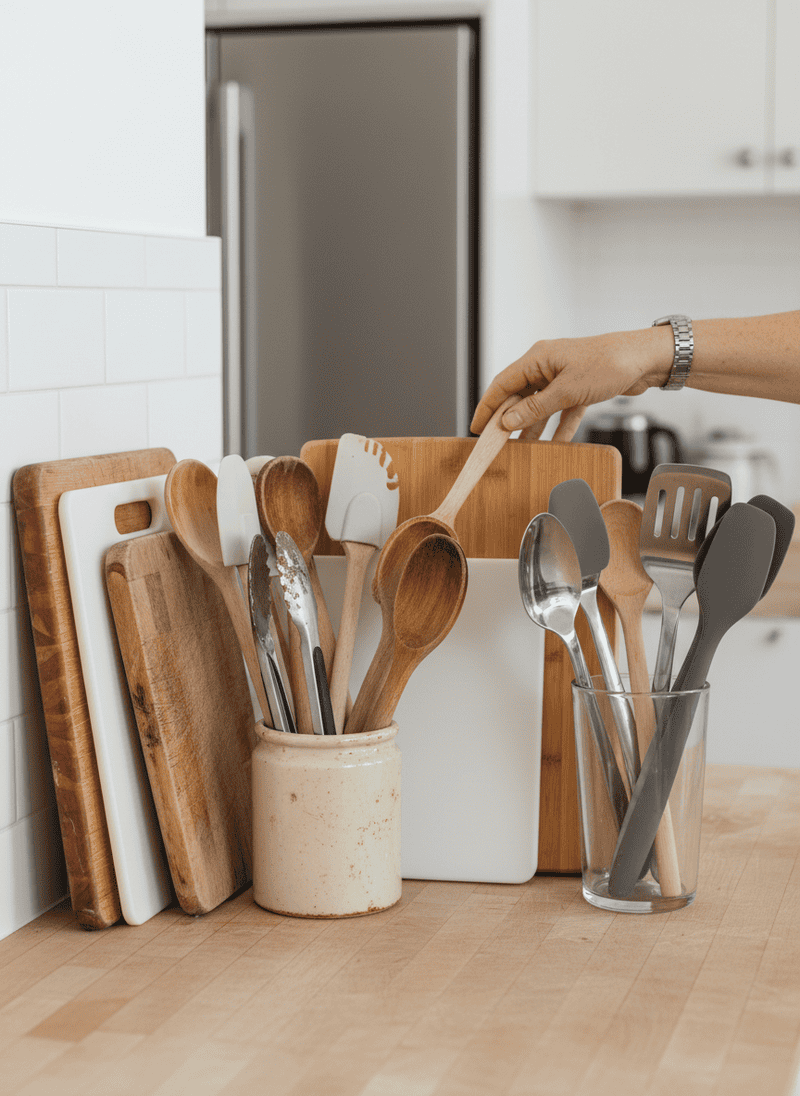
Cutting boards are essential kitchen tools, but after years of slicing and dicing, they can become deeply scarred, stained, and even warped. While you might see them as workhorses, guests often notice these signs of heavy use, especially if they are left on countertops or used during food preparation in view of others. Deep grooves can harbor bacteria, and a visibly damaged cutting board can give an impression of an unhygienic or neglected kitchen, even if it's not the case.
Regularly inspect your cutting boards and replace them when they show significant wear. For wooden boards, proper maintenance, including oiling and sanitizing, can extend their life. Consider having different boards for different types of food (e.g., one for meats, one for vegetables) to enhance hygiene. Similarly, examine your everyday utensils. Faded plastic, bent metal, or chipped handles can also send an unintended message. Upgrading these functional items not only improves the safety and efficiency of your cooking but also subtly communicates a higher standard of care in your kitchen.
5. Cleaning Sticky Cabinet Handles and Drawer Pulls
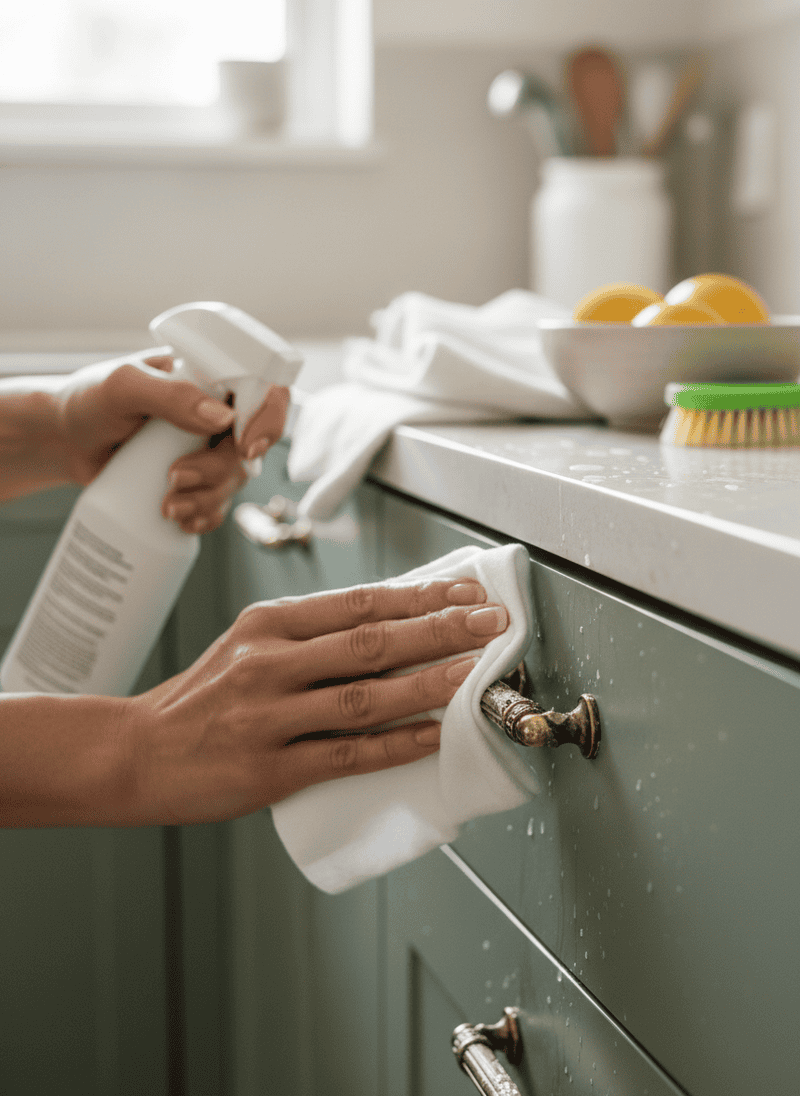
Kitchen cabinet handles and drawer pulls are among the most frequently touched surfaces in your home. Over time, grease, food residue, and hand oils can accumulate, creating a sticky, grimy film that is often overlooked in daily cleaning routines. While you might not consciously register the stickiness, guests certainly will when they reach for a glass or utensil, immediately noticing the unpleasant tactile sensation and visible grime.
This small detail can significantly detract from the perceived cleanliness of your entire kitchen. To address this, make it a point to regularly deep clean all cabinet hardware. A simple solution of warm soapy water or a gentle kitchen degreaser applied with a soft cloth can work wonders. For intricate designs or corners, use a cotton swab or a small brush. Ensuring your hardware is sparkling clean and smooth to the touch demonstrates meticulous attention to detail, making your kitchen feel much more inviting and well-cared for. It’s an easy fix that makes a big impact on guest perception.
6. Streamlining Your Disorganized Spice Rack

If your spice rack is visible, whether on a counter, wall-mounted, or inside a cabinet that guests might glimpse, its condition speaks volumes. A jumble of mismatched containers, faded labels, and spices spilling out can make even the most organized kitchen appear chaotic. For women over 50 with years of cooking experience, an accumulated collection of spices can easily become an unmanaged mess, but to a guest, it suggests disarray and perhaps even a disregard for culinary precision.
Transforming your spice collection is a simple yet impactful project. Invest in uniform spice jars, preferably clear, and create consistent, easy-to-read labels. Arrange them alphabetically or by frequency of use for both aesthetic appeal and practical accessibility. Consider decanting larger spice bags into smaller, user-friendly jars. A neatly arranged spice rack not only streamlines your cooking process but also presents a polished and thoughtful impression to anyone who steps into your kitchen, reflecting a well-ordered culinary space.
7. Sparkling Your Forgotten Light Fixtures
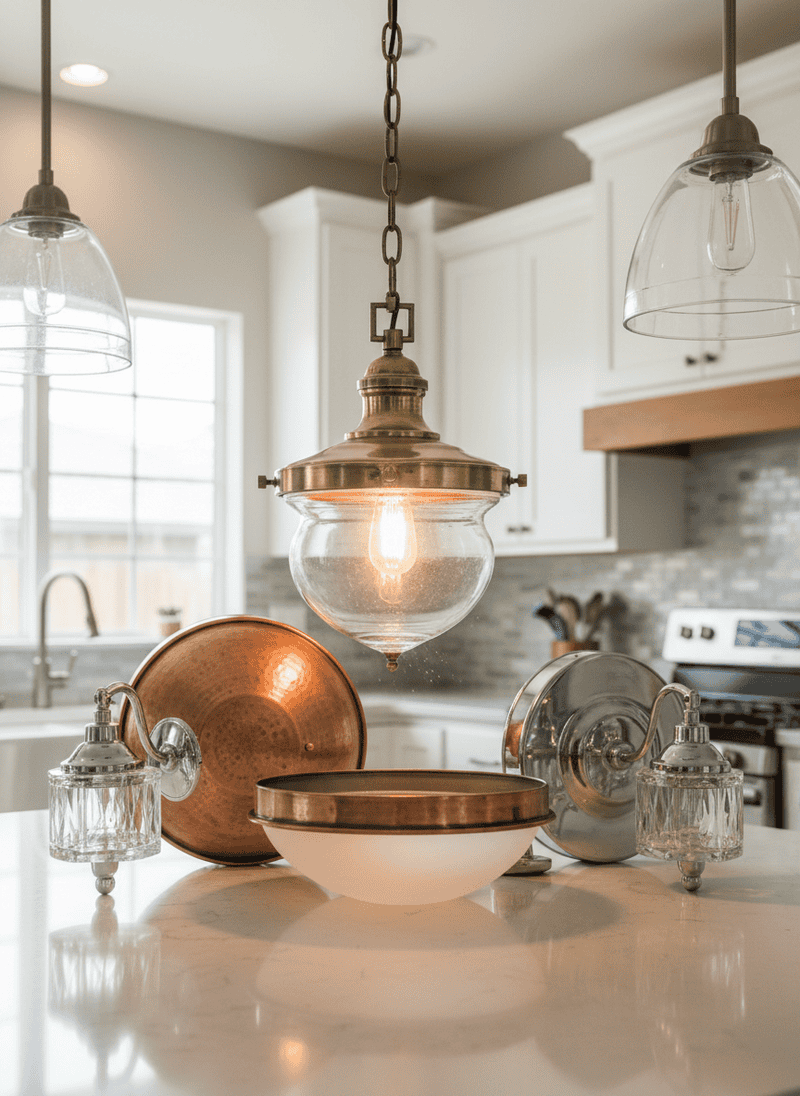
Kitchen light fixtures, whether pendant lights, recessed lights, or under-cabinet strips, are crucial for both illumination and ambiance. However, they are also magnets for dust, grease, and even small insects, often going unnoticed during routine cleaning because they are above eye level. To a guest, a dirty light fixture can appear neglected and can diminish the overall brightness and sparkle of your kitchen, casting a literal shadow on your efforts to keep things tidy.
Make it a habit to periodically clean your light fixtures. For glass shades, remove them carefully and wash with warm soapy water, drying thoroughly before reinstallation. Wipe down metal components with a damp cloth and a mild cleaner. For recessed lighting, gently wipe the trim and check for dead bugs. Also, ensure all bulbs are working and consider switching to brighter, energy-efficient LEDs for a more vibrant and welcoming glow. A well-lit and clean kitchen fixture contributes significantly to a fresh and inviting atmosphere, making a strong positive impression on visitors.
8. Concealing Scratched Up Cookware and Bakeware
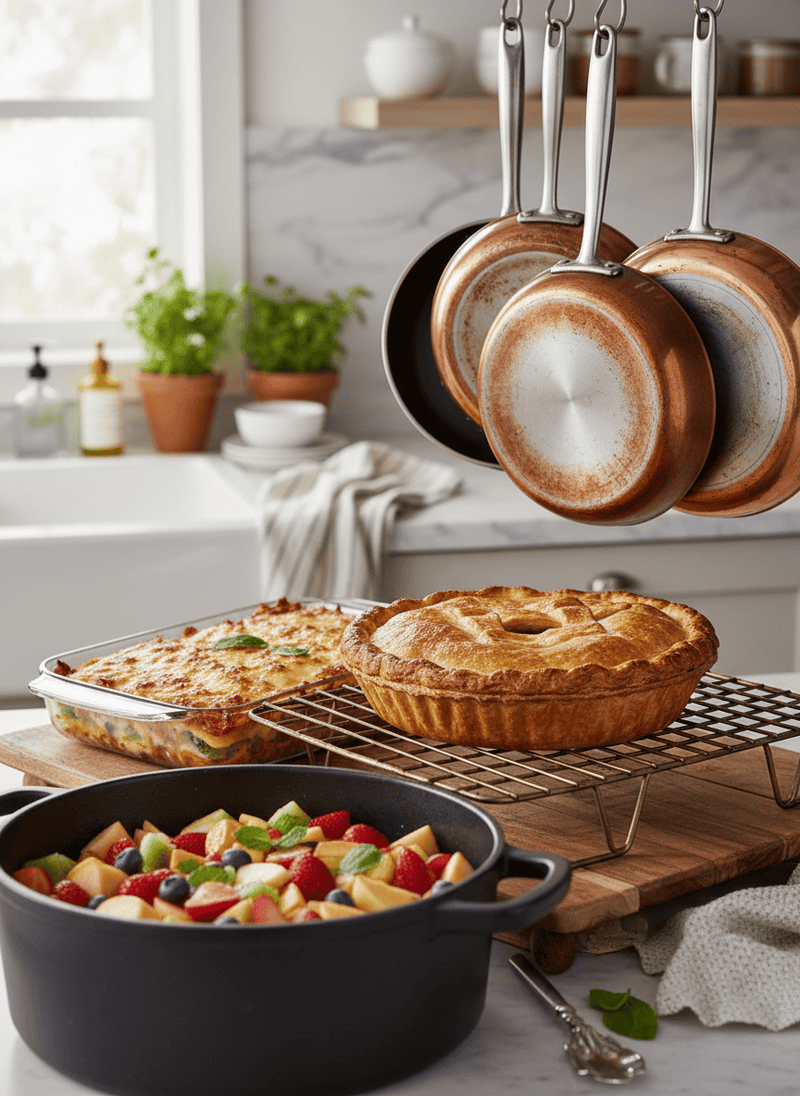
While your pots, pans, and baking sheets are tools, their appearance can subtly impact the impression of your kitchen, especially if they are visible in open shelving or drying racks. Heavily scratched non-stick coatings, warped bakeware, or tarnished copper can make even a clean kitchen appear less polished. For women over 50, who have undoubtedly amassed a collection of kitchen essentials over the years, the wear and tear might be familiar, but guests will observe these imperfections.
Consider the storage and display of your cookware. If items are visibly worn, store them neatly inside cabinets or drawers rather than on open shelves. For items you do display, ensure they are in good condition. Know when it's time to replace heavily damaged non-stick pans, as their effectiveness and safety can be compromised. Investing in a few presentable pieces for guest-facing situations or simply storing older items out of sight can significantly enhance the perceived quality and care of your kitchen. It’s about presenting your best kitchen image.
9. Restoring Your Stained Sink and Faucet to Pristine Condition
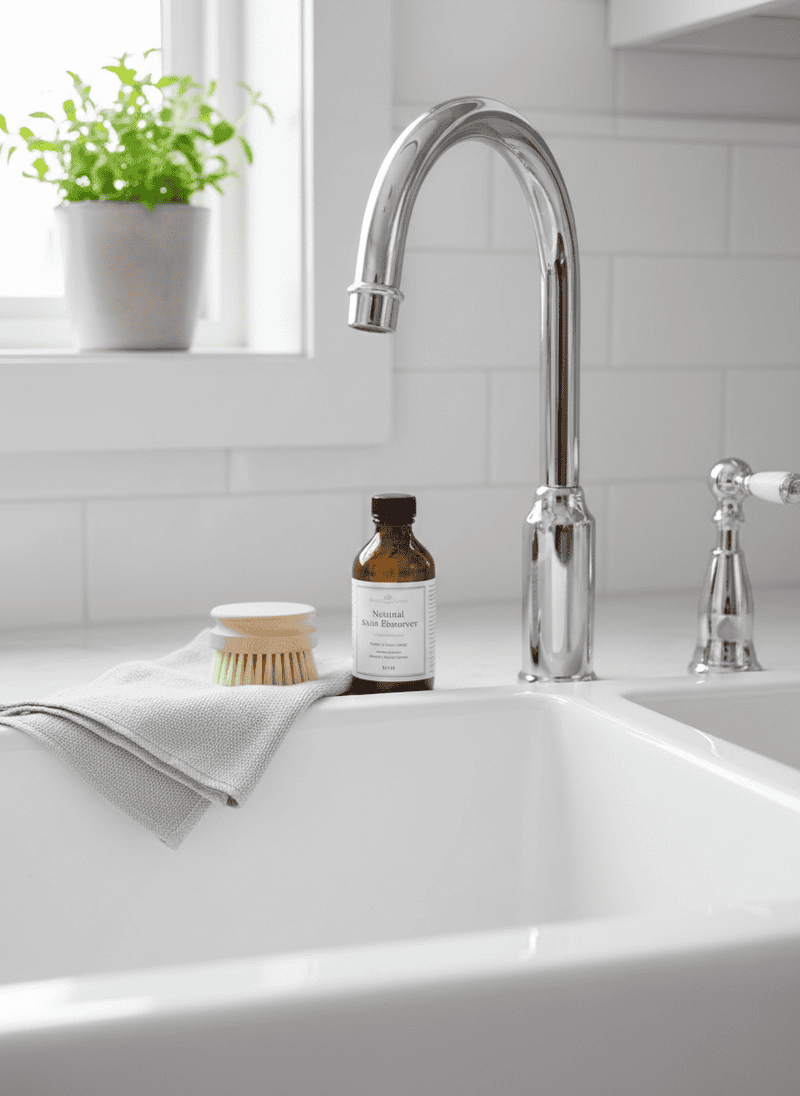
The kitchen sink and faucet are central to daily kitchen activity, constantly exposed to water, food particles, and various cleaning agents. Over time, limescale buildup, water spots, soap scum, and food stains can accumulate, making the area appear dull, dirty, and uninviting. While you might overlook these gradual changes during your everyday routine, a guest's eye is often drawn to the sink area, noticing these imperfections immediately.
To ensure your sink and faucet gleam, establish a regular cleaning regimen. For stainless steel sinks, a paste of baking soda and a scrub can remove stains and add shine, followed by a rinse and dry. For ceramic or porcelain sinks, bleach solutions can whiten. Limescale on faucets can be tackled with vinegar-soaked cloths wrapped around the fixtures for an hour before scrubbing. Polishing chrome or stainless steel faucets afterward will prevent water spots. A sparkling clean sink and faucet speak volumes about your kitchen’s overall hygiene and attention to detail, creating a welcoming and pristine impression for anyone who uses or observes it.
10. Decluttering and Cleaning the Fridge Exterior
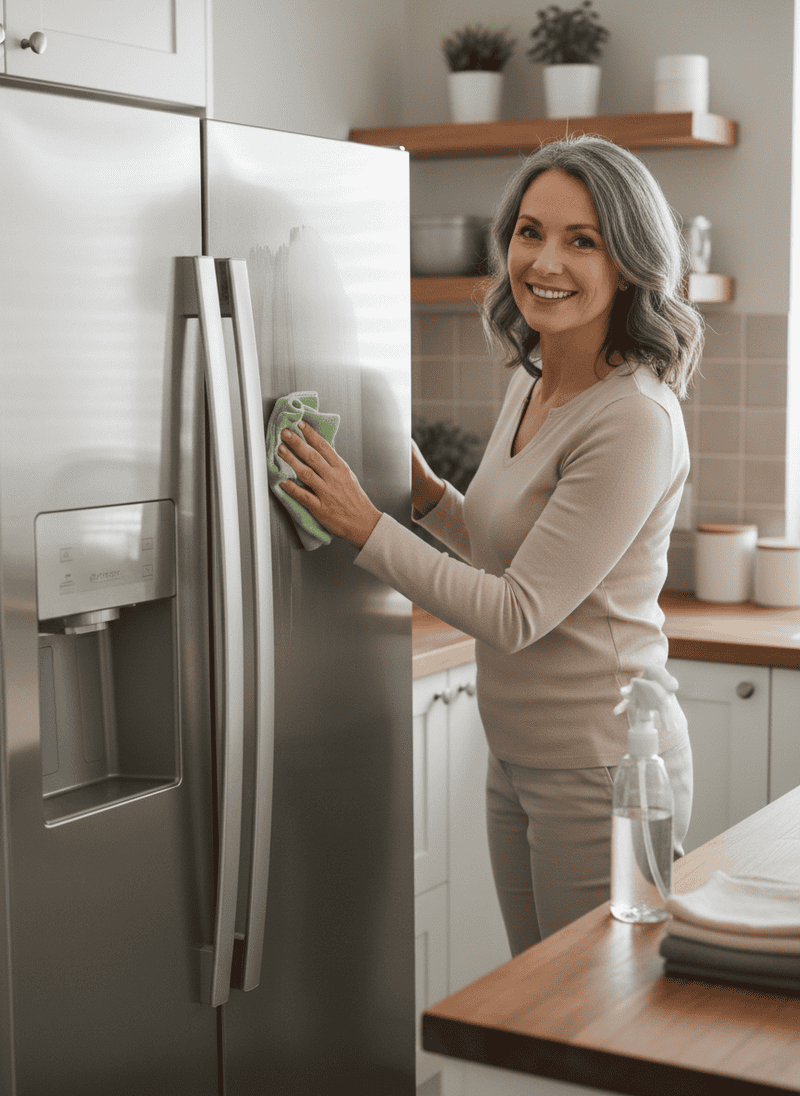
The refrigerator exterior is often a canvas for family photos, important notes, and magnetic souvenirs. While these items add a personal touch, an overabundance of magnets, papers, and even smudges or spills on the fridge door can quickly turn it into a cluttered, unkempt visual focal point. For women over 50, who might value the practicality of a 'command center' fridge, guests often perceive it as disorganized and potentially detracting from the kitchen's aesthetic appeal.
To create a cleaner and more inviting kitchen, consider decluttering your fridge door. Curate your magnet collection, perhaps using a dedicated bulletin board for important papers instead. Regularly wipe down the fridge exterior, paying special attention to the handles and any spills. Stainless steel requires specific cleaners, while other finishes can be cleaned with warm soapy water. A sleek, well-maintained refrigerator exterior instantly elevates the professionalism and neatness of your kitchen, making it feel more intentional and welcoming to visitors.
11. Auditing for Expired Food and Beverages in Plain Sight

For kitchens with open shelving, glass cabinet doors, or visible pantries, the contents are on display for all to see. While you might be accustomed to a few forgotten items, guests often notice expired food products, old condiment bottles, or dusty packages that have lingered past their prime. This detail, often overlooked by the homeowner, can give an impression of neglect, not just for the food itself, but for the overall management of the kitchen.
Make it a regular practice to audit your pantry, refrigerator, and open shelving for expired items. Remove anything past its use-by date or that looks unappealing. Consolidate nearly empty packages and consider transferring staples into attractive, clearly labeled containers. This not only enhances the visual appeal of your kitchen but also promotes better food safety and organization. A clean, current, and well-stocked pantry makes a powerful statement about your attention to detail and creates a more inviting and trustworthy culinary environment for guests.
12. Harmonizing Mismatched Food Storage Containers
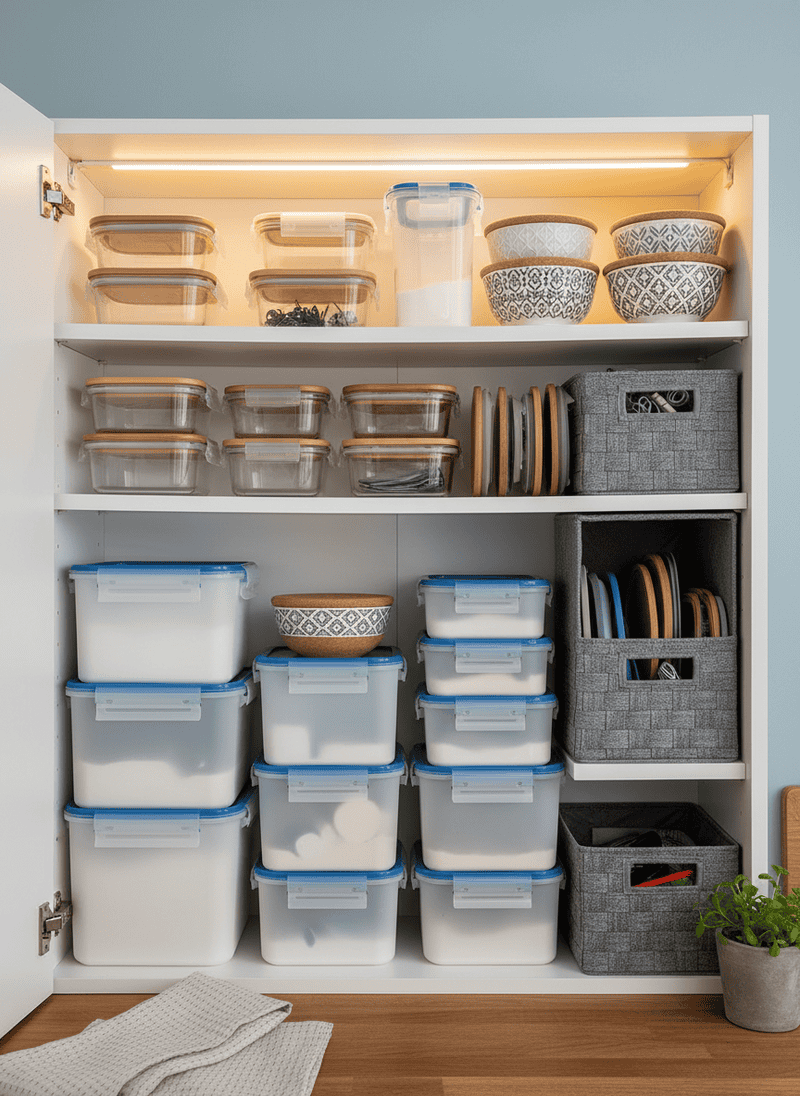
The cabinet dedicated to food storage containers can easily become a chaotic mess of mismatched lids, various plastic shapes, and stained pieces. While you might consider this a functional reality, if this cabinet is ever opened by a guest (perhaps to help find a serving dish or for storage purposes), the jumbled appearance is immediately noticeable. This disarray can subtly suggest a lack of organization throughout the rest of the kitchen, even if other areas are pristine.
To tackle this common kitchen problem, dedicate time to sorting and decluttering your food storage. Discard any containers without matching lids, those that are heavily stained, or those that are cracked. Invest in a cohesive set of stackable, clear containers. Not only do these look much neater when stored, but they also make it easier to see contents and maximize space. Organizing these containers neatly, perhaps with a designated section for lids, creates an instant sense of order and efficiency. This simple upgrade enhances both the aesthetics and functionality of your kitchen, leaving a positive impression on any visitor.
13. Cleaning the Dusty Top of Kitchen Cabinets
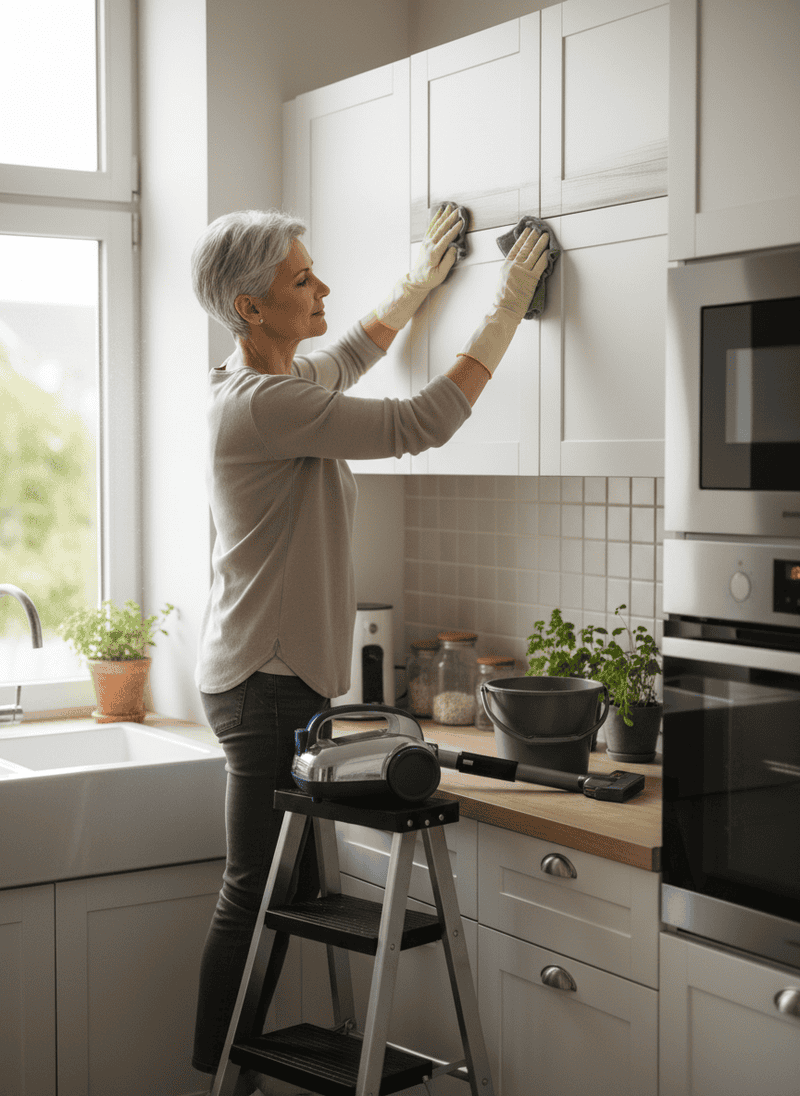
The tops of kitchen cabinets, particularly those that don't reach the ceiling, are out of direct sight for daily tasks, making them easy targets for dust, grease, and grime accumulation. While you might not notice it from eye level, guests often catch a glimpse of these neglected surfaces from different angles, whether they're sitting at an island or simply moving around the kitchen. A visible layer of dust can quickly diminish the perceived cleanliness of an otherwise spotless kitchen.
Make it a point to clean the tops of your cabinets periodically. For stubborn grease and dust, a degreasing cleaner followed by a damp cloth works best. For easier maintenance, consider laying down newspaper or parchment paper on the cabinet tops, which can be easily replaced during your next cleaning session, saving time and effort. This simple act of addressing an often-overlooked area ensures that every inch of your kitchen reflects your commitment to a clean and well-maintained home, significantly improving guest perception.
14. Refurbishing Scuffed Up Baseboards and Floor Edges
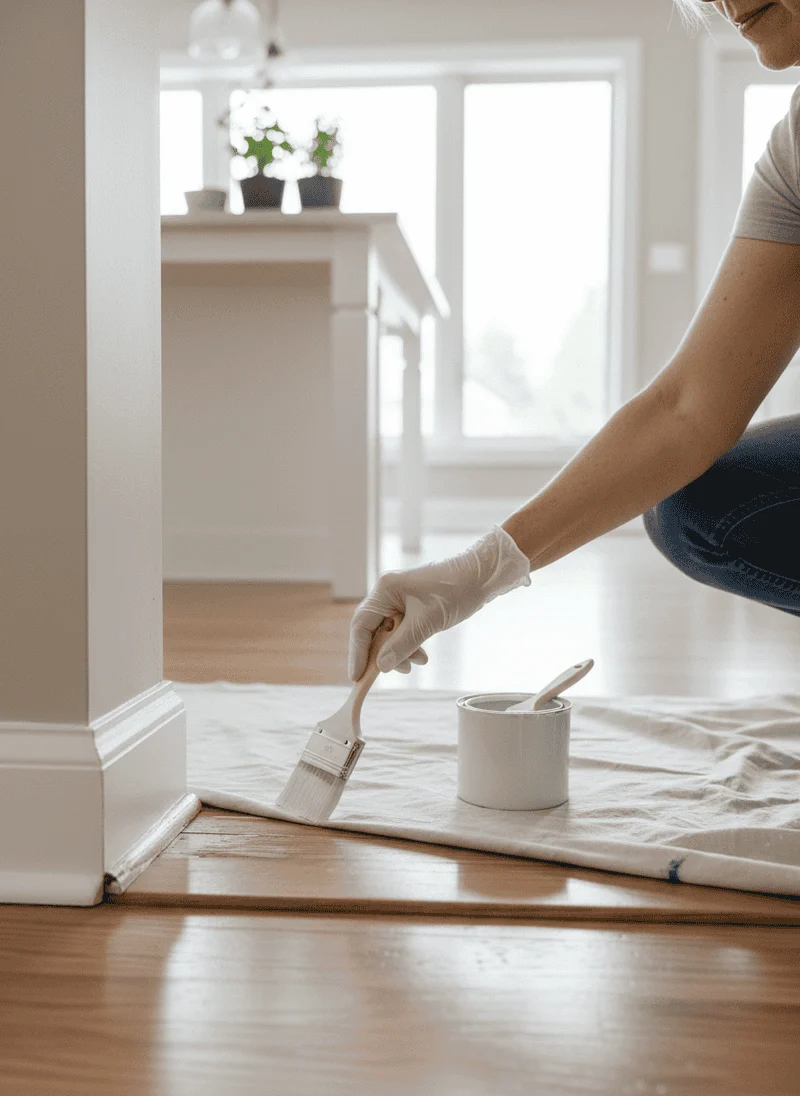
In a busy kitchen, baseboards and the edges where the floor meets the wall are high-traffic areas prone to scuffs, dirt, and general wear and tear. Splashes, mop marks, and accidental kicks can leave these areas looking dull and neglected. While you might be used to seeing these imperfections, guests will often notice the contrast between your clean floor and the less-than-pristine baseboards, suggesting an incomplete cleaning routine or a lack of attention to detail.
Regularly clean your baseboards and floor edges with a damp cloth and a mild all-purpose cleaner. For stubborn scuff marks, a magic eraser can work wonders. If your baseboards are painted, consider touch-up paint periodically to cover chips and scuffs. This small but significant detail helps to create a seamless, well-maintained look throughout your kitchen. Paying attention to these often-overlooked boundaries enhances the overall crispness and cleanliness of your space, leaving a lasting impression of a truly cared-for home.
15. Revitalizing Indoor Plants and Floral Arrangements
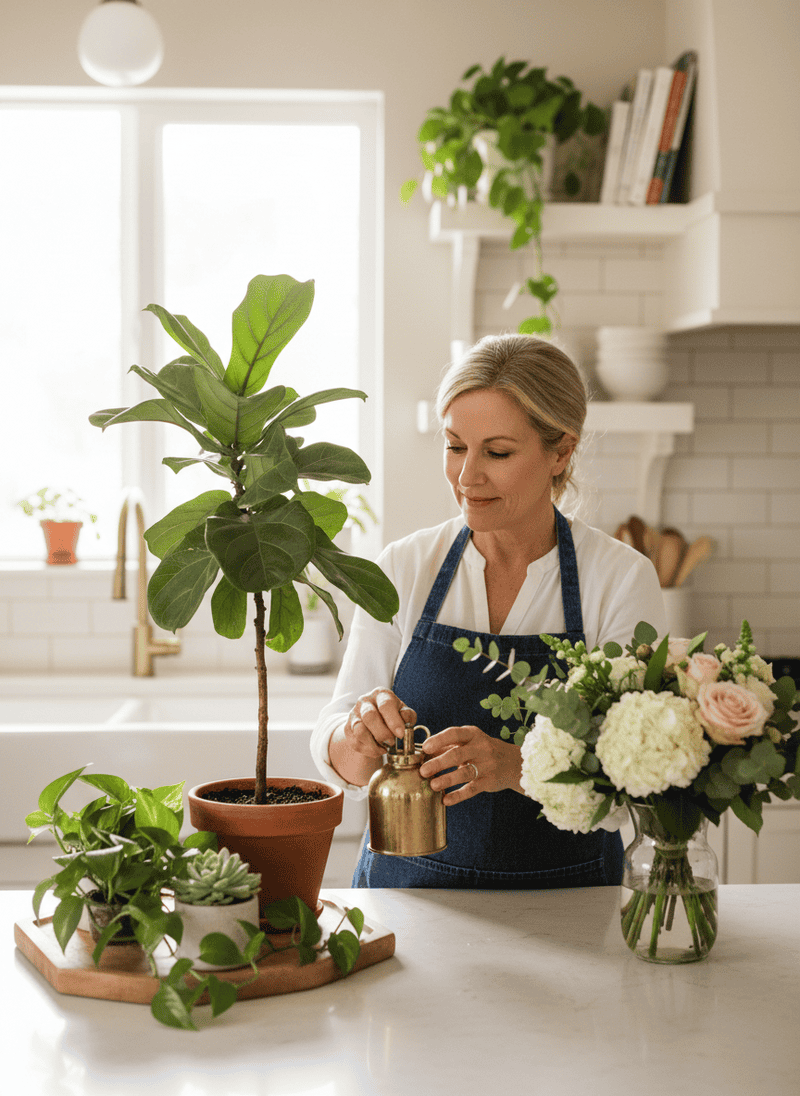
Indoor plants and fresh flowers can bring life and vibrancy to a kitchen. However, if they are neglected—with yellowing leaves, wilted blooms, or a thick layer of dust—they can have the opposite effect, making the space feel tired and unkempt. For women over 50, who might cherish long-standing plants, the gradual decline can go unnoticed, but guests will immediately spot a plant that's struggling or covered in dust.
Take time to regularly prune, water, and dust your kitchen plants. Remove any dead leaves or spent blooms. If a plant is truly past its prime, consider replacing it with a fresh, healthy one or a tasteful faux alternative. Fresh flowers, even a small bouquet, can instantly brighten a kitchen, but ensure they are vibrant and dispose of them once they start to fade. Thoughtful plant care or well-maintained floral arrangements demonstrate attention to aesthetic detail, contributing to a fresh, inviting, and lively kitchen atmosphere that guests will appreciate.
16. Decluttering Overloaded Countertops for a Spacious Feel
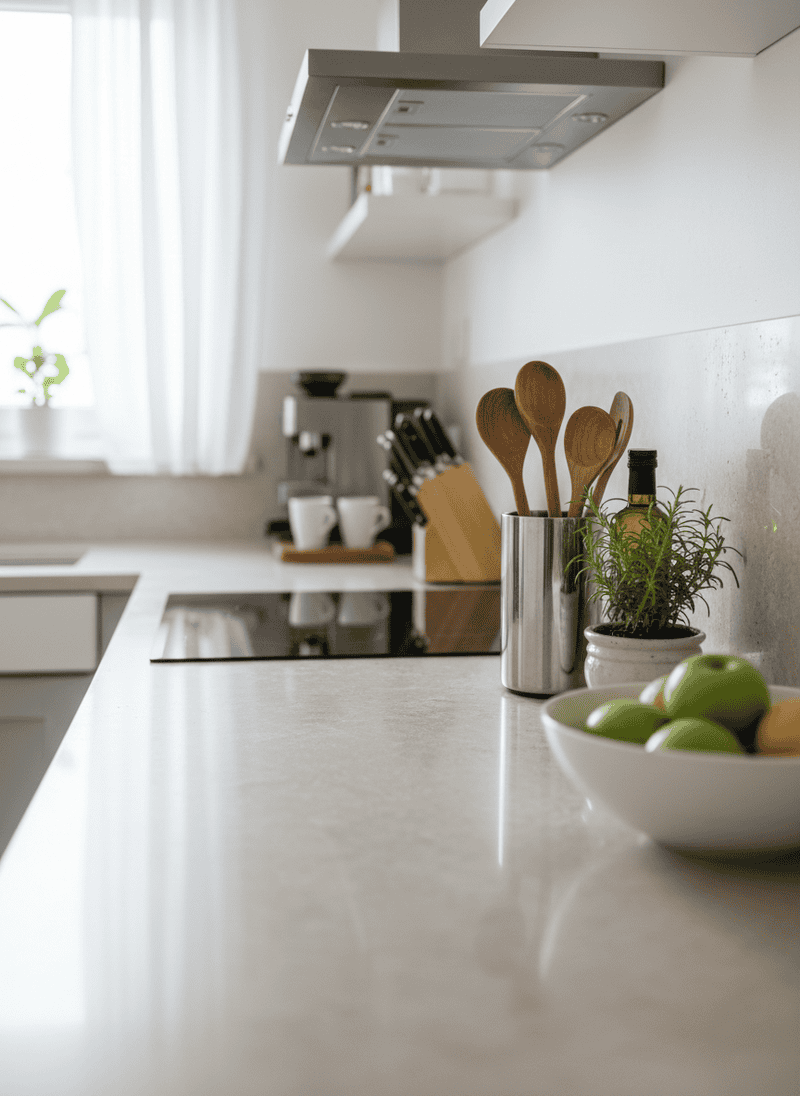
Kitchen countertops are prime real estate, often becoming catch-alls for mail, charging cables, half-used gadgets, and various decorative items. While you might find comfort and convenience in having everything within reach, an overly cluttered countertop immediately makes a kitchen feel smaller, less organized, and visually overwhelming to guests. The focus shifts from the beauty of your kitchen to the sheer volume of items, creating a sense of disarray.
Embrace the power of clear countertops to instantly elevate your kitchen's appeal. Store infrequently used appliances in cabinets or a pantry. Designate a specific spot for mail and papers, perhaps in a nearby desk area. Keep only essential, frequently used items on display, such as a nice coffee maker or a fruit bowl. For decorative elements, choose a few purposeful pieces that complement your kitchen's style rather than overwhelming it. A tidy and spacious countertop instantly communicates order, calm, and a thoughtful approach to your kitchen environment, leaving a refreshing impression on guests.
17. Organizing the Under-Sink Chaos
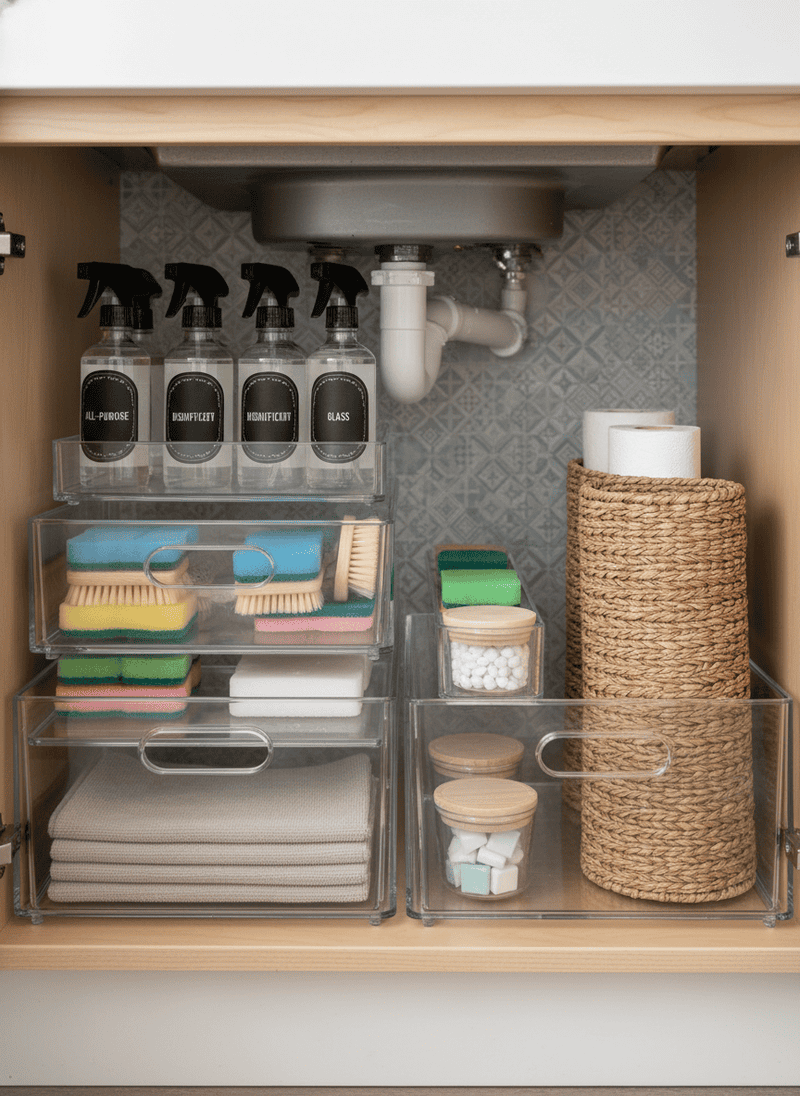
The cabinet under the kitchen sink often becomes a chaotic repository for cleaning supplies, sponges, and miscellaneous items. While it's typically out of sight, a quick peek by a guest (perhaps looking for a trash can or helping with dishes) can reveal a jumbled mess of spilled liquids, forgotten rags, and disarray. This unexpected glimpse into disorder can undermine the impression of an otherwise meticulously maintained kitchen, suggesting an underlying lack of organization.
Transform your under-sink area into an orderly and functional space. Start by decluttering, disposing of empty bottles or expired products. Invest in tiered organizers, small bins, or tension rods to maximize vertical space and contain items. Keep only the essentials for kitchen cleaning under the sink, storing overflow or less frequently used items elsewhere. A neatly organized under-sink cabinet demonstrates a comprehensive approach to home organization, assuring guests that every corner of your kitchen is thoughtfully managed and contributing to a sense of overall cleanliness and efficiency.
18. Eliminating Unpleasant Kitchen Odors
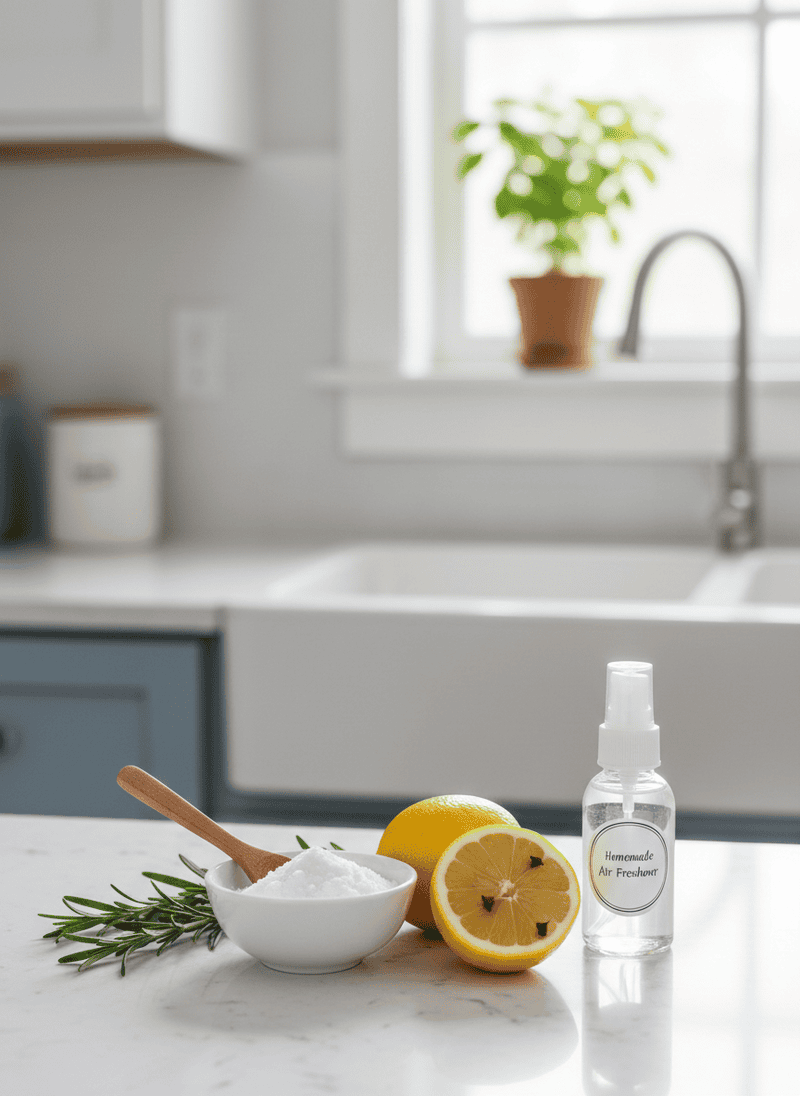
Lingering kitchen odors, whether from last night's dinner, a full trash can, or a damp dishrag, are often unnoticed by homeowners who are accustomed to them. However, to a guest entering your home, these smells are immediately apparent and can significantly impact their first impression of your kitchen. An unpleasant odor can make even the cleanest kitchen feel less inviting, suggesting a lack of freshness or proper ventilation.
Address kitchen odors proactively. Ensure your trash can is emptied regularly, especially after cooking fragrant meals. Use your range hood fan while cooking and for a short time afterward to vent cooking smells. Periodically clean your garbage disposal with ice, citrus peels, or baking soda and vinegar. Diffusers with subtle, clean scents or an open window can also help. A fresh-smelling kitchen is paramount for hospitality, creating an immediate sense of cleanliness and comfort that makes guests feel truly welcome and at ease in your culinary space.
19. Restoring Discolored Grout Lines to Brightness
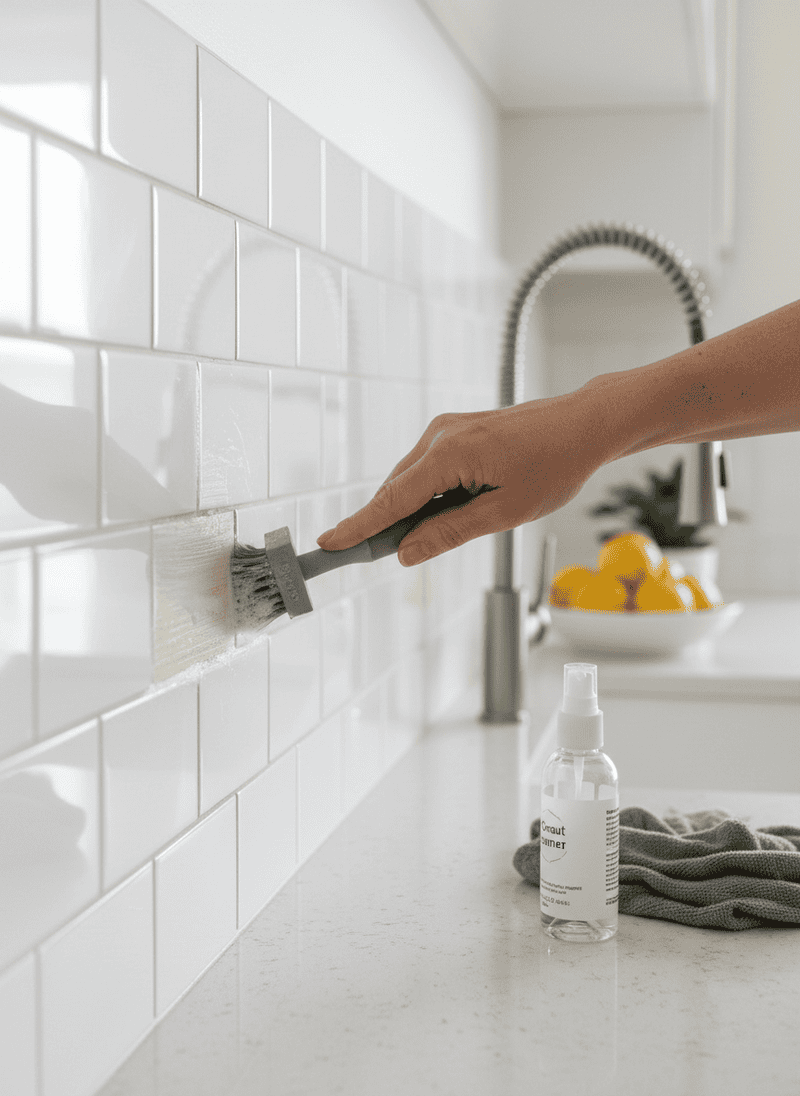
If your kitchen features tiled floors or backsplashes, the condition of the grout lines can dramatically affect the overall appearance. Over time, grout can become discolored, stained by spills, or accumulate dirt and grime, turning from white or light gray to a dingy brown or black. While you might overlook this gradual change, guests will notice these darkened lines as they contrast sharply with cleaner tiles, giving the impression of an unkempt or aged kitchen.
Restoring your grout is a highly impactful task. Begin by thoroughly cleaning the grout with a specialized grout cleaner and a stiff brush, or a paste of baking soda and hydrogen peroxide. For very stubborn stains, a steam cleaner can be effective. Once clean and dry, consider applying a grout sealer to protect against future stains. This relatively simple restoration can dramatically brighten and refresh your entire kitchen, making it feel cleaner and more modern. Spotless grout lines showcase your attention to detail and significantly elevate the perceived cleanliness of your kitchen.
20. Replacing Worn Kitchen Rugs and Mats
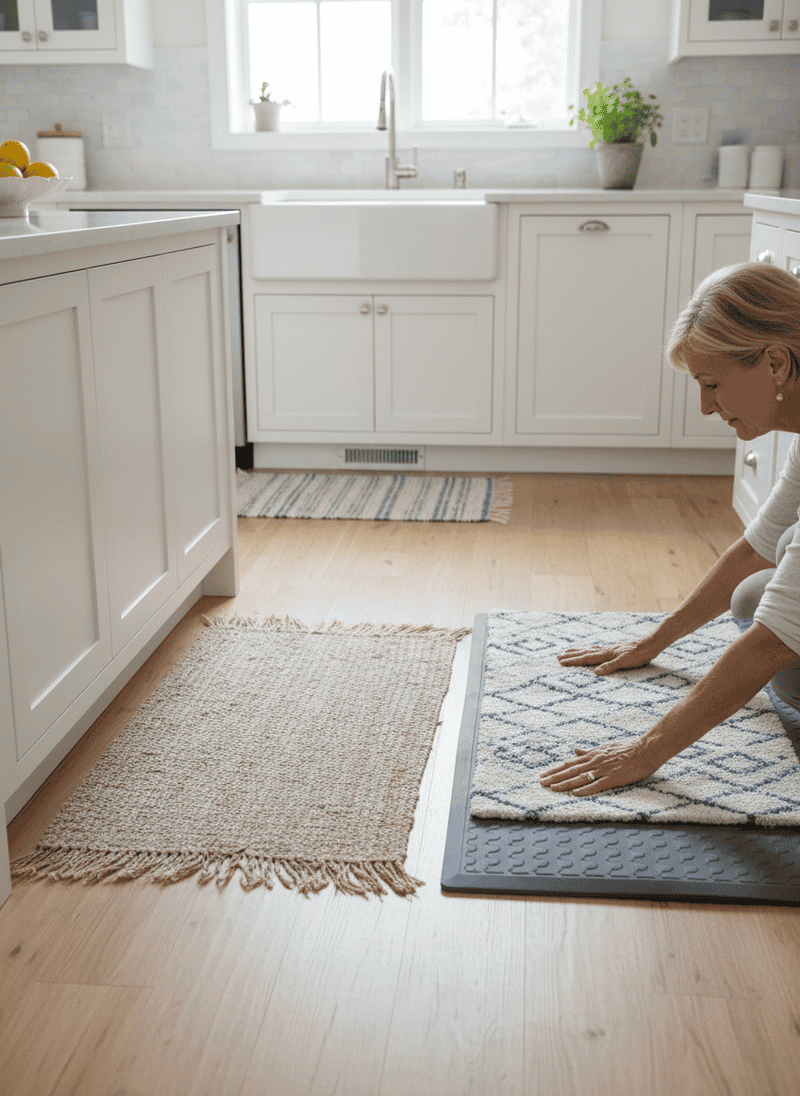
Kitchen rugs and mats provide comfort and protect your floors, but they are also subject to heavy foot traffic, spills, and wear. Over time, they can become faded, stained, frayed, or matted down, losing their original vibrancy and texture. While you might be accustomed to their worn appearance, guests will immediately notice a shabby rug, which can detract from the overall crispness and intentional design of your kitchen, signaling an area that needs refreshing.
Regularly inspect your kitchen rugs and mats for signs of wear and tear. If they are no longer easily washable or have lost their aesthetic appeal, it's time for a replacement. Opt for durable, machine-washable rugs that complement your kitchen's color scheme and decor style. Choosing mats with anti-fatigue properties can also add practical comfort. A fresh, clean, and well-maintained rug instantly elevates the look of your kitchen floor, adding a touch of warmth and demonstrating a commitment to a well-appointed and inviting home environment.
21. Polishing Your Scratched Dining Table Surface
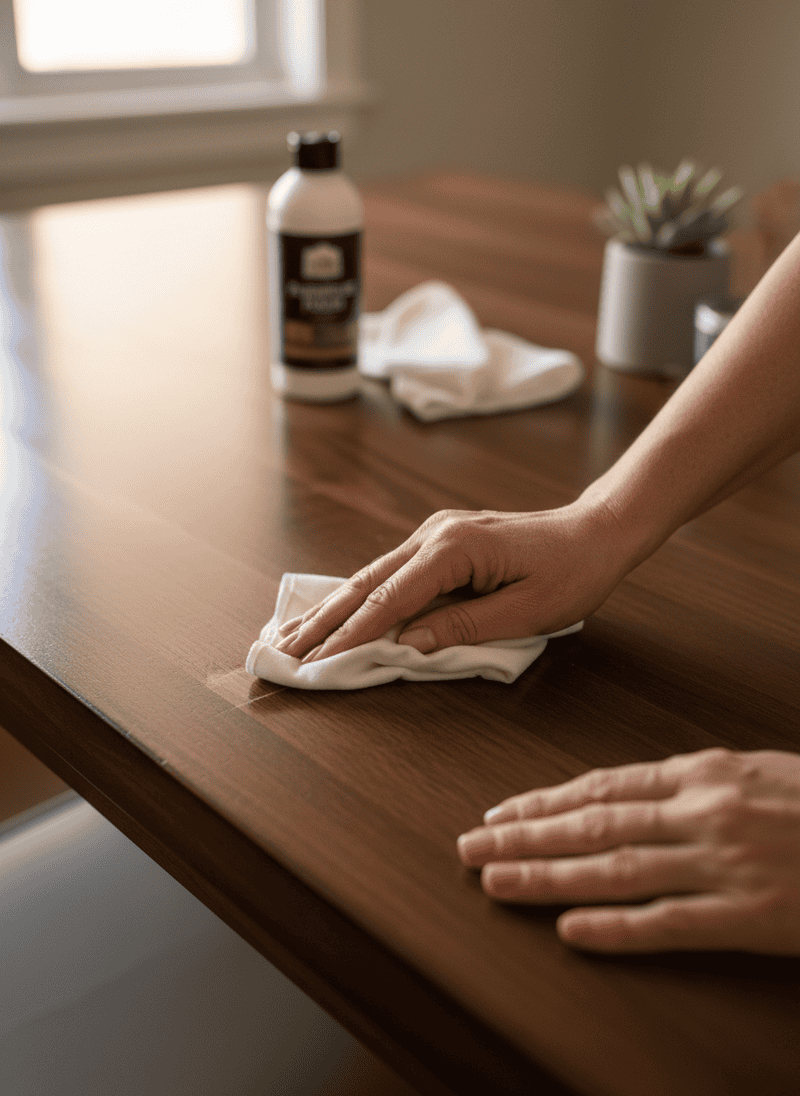
For kitchens that incorporate a dining area or an island with seating, the condition of the table or countertop surface is paramount. Scratches, water rings, and dull spots on a wooden table, or stains on a laminate surface, can significantly detract from the dining experience. While you might overlook these imperfections as part of daily life, guests are often very aware of the surface they are eating on, and these blemishes can give an impression of neglect or lack of care.
Regularly protect your dining surfaces with placemats and coasters, especially when entertaining. For wooden tables, periodically apply wood polish or wax to restore shine and minimize the appearance of minor scratches. Consider a tablecloth for special occasions to instantly elevate the look and protect the surface. For deeper scratches, professional restoration or specific repair kits can be explored. A beautifully maintained dining surface not only enhances the meal but also reflects your dedication to creating an elegant and comfortable space for your guests.
22. Cleaning the Overlooked Window Sills and Panes
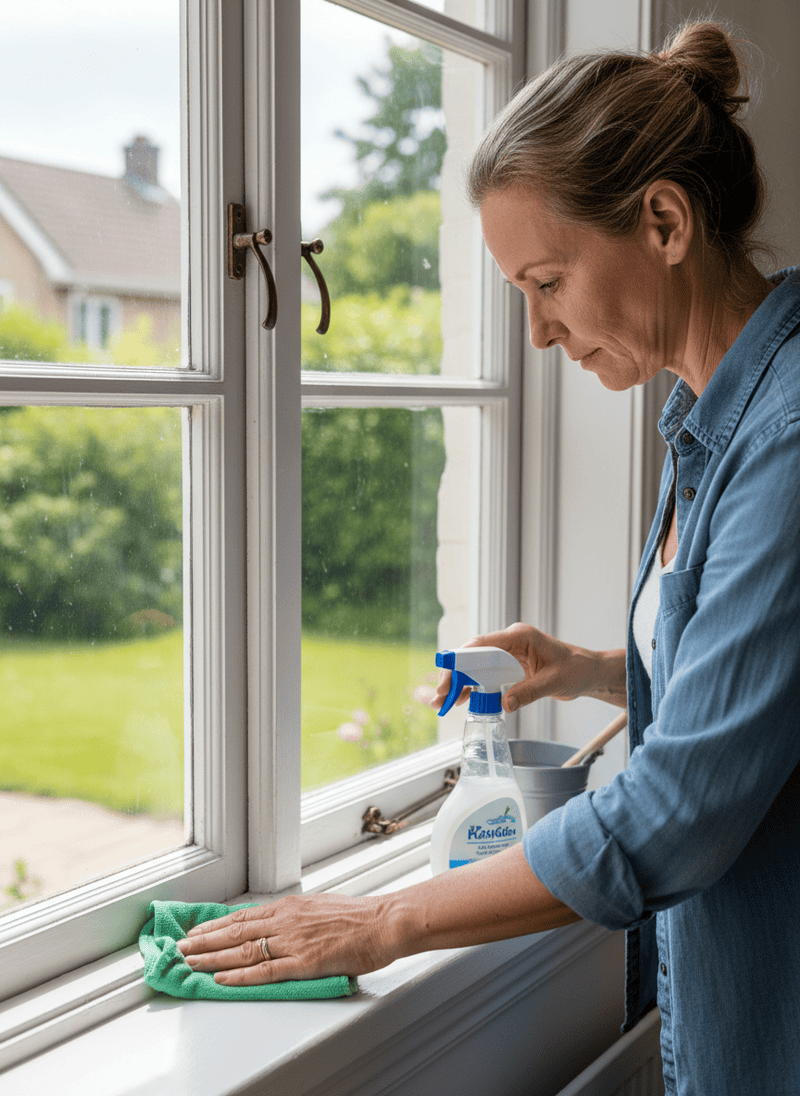
Kitchen windows are often a focal point, bringing in natural light and offering views. However, window sills are notorious for collecting dust, dead insects, crumbs, and water stains, while the panes themselves can accumulate smudges and streaks. While you might gaze past these details during your daily routine, guests will notice the grime on the sills and the streaks on the glass, which can make the entire kitchen appear less bright and meticulously cared for.
Make a point to regularly clean both your window sills and panes. Vacuum or wipe down sills to remove loose debris, then clean with an all-purpose cleaner. For streak-free window panes, use a good quality glass cleaner and a microfiber cloth, or a solution of vinegar and water with newspaper for an eco-friendly shine. Don't forget to wipe down the window frames as well. Sparkling clean windows and sills allow more natural light to flood your kitchen, creating a more inviting, airy, and impeccably maintained space that guests will surely appreciate.
23. Infusing Personal Touches for a Welcoming Atmosphere
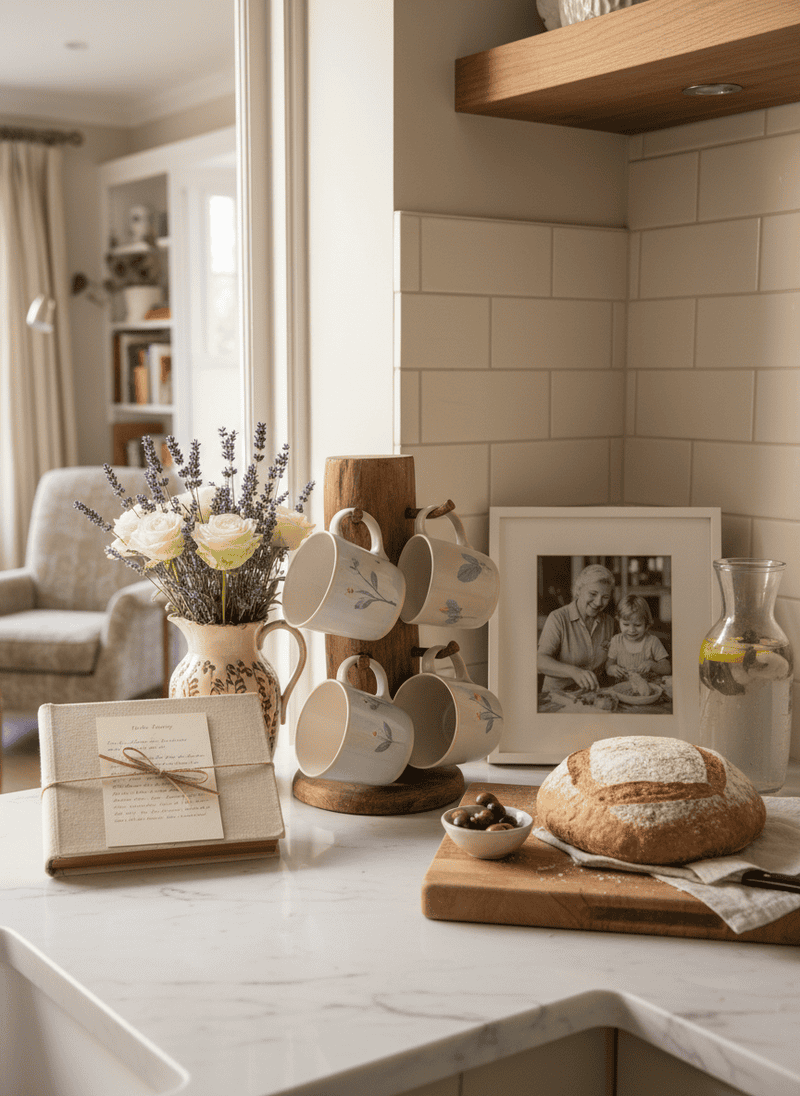
While decluttering and maintaining cleanliness are essential, a kitchen that lacks any personal touches can feel sterile and unwelcoming. For women over 50, who might have pared down their decor over the years, a kitchen devoid of personality, art, or warmth can inadvertently give guests the impression of a functional space rather than a cherished heart of the home. It's about finding the right balance between order and inviting charm.
Introduce elements that reflect your personality and make the kitchen feel lived-in and loved. This could be a thoughtfully curated piece of art, a collection of unique cookbooks, a beautiful vase with fresh flowers, or a display of sentimental family photos. Ensure these additions are tasteful and don't contribute to clutter. A few well-chosen decorative accents can transform a sterile kitchen into a warm and inviting hub. These personal touches convey warmth and individuality, making your kitchen a truly memorable and welcoming space for all your guests.


