
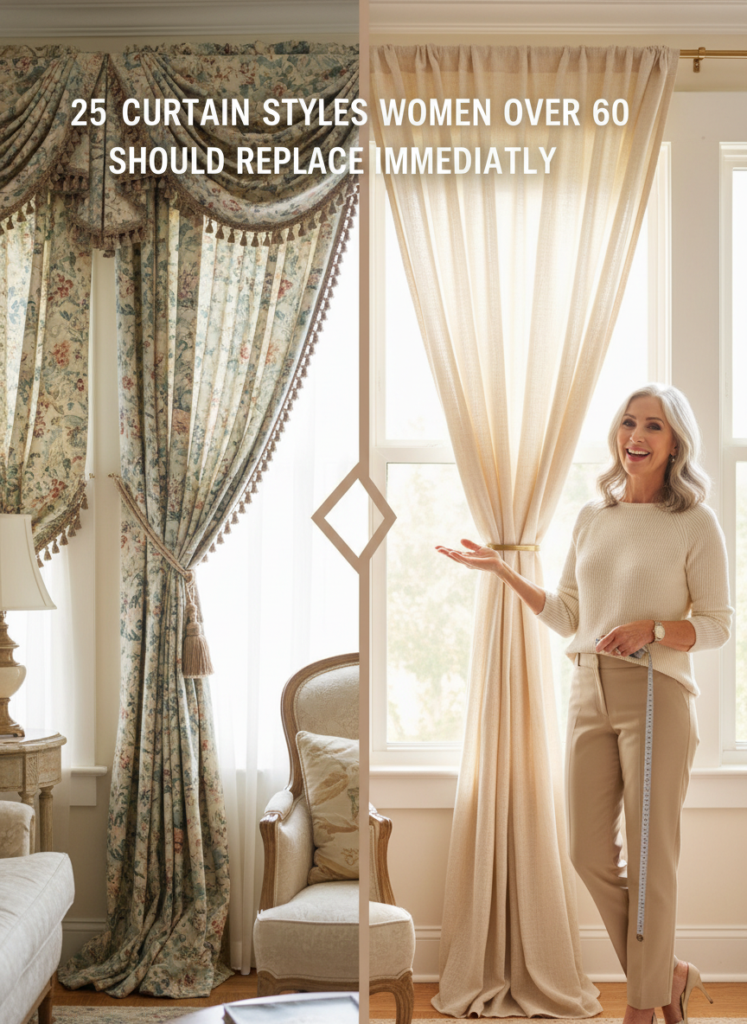
As we gracefully embrace the wisdom and elegance that come with age, our homes should reflect a sophisticated and updated style. Window treatments, often overlooked, play a pivotal role in defining a room's ambiance and can instantly modernize or inadvertently date your living space. It's time to shed those outdated curtain styles that might be diminishing your home's potential and embrace fresh, contemporary options that enhance comfort, light, and timeless beauty.
1. Heavy, Dust-Collecting Valances and Swags
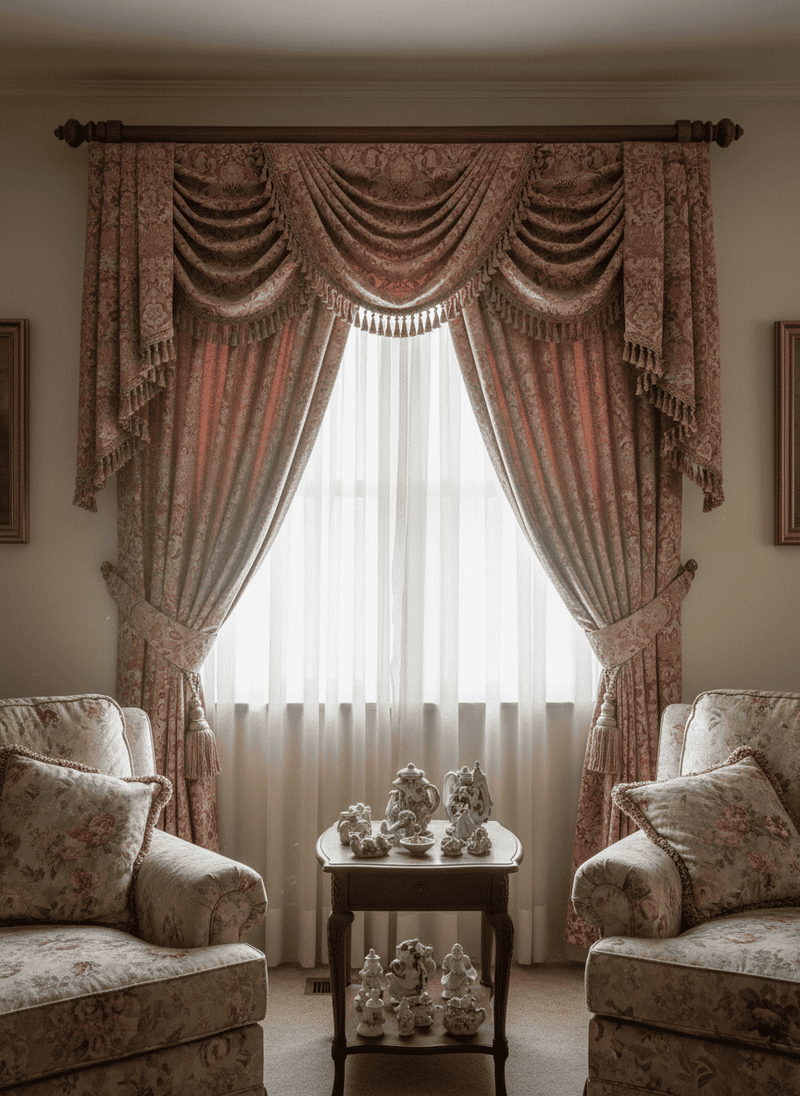
For years, ornate valances and elaborate swags were the epitome of elegance, often made from heavy brocades or velvets. While once a symbol of luxury, these voluminous window toppers have largely fallen out of favor, now often appearing bulky, dust-prone, and visually overwhelming. They tend to block a significant amount of natural light, making rooms feel darker and smaller than they are. Furthermore, the sheer amount of fabric used in these styles can be challenging to clean and maintain, often becoming a magnet for dust and allergens, which is less than ideal for a healthy living environment.
Instead of these dated behemoths, consider streamlined, tailored cornices or elegant Roman shades. A clean-lined cornice, upholstered in a subtle pattern or solid color that complements your decor, offers a sophisticated finish without the bulk. Roman shades, especially those in natural linen or cotton blends, provide excellent light control and privacy while maintaining a crisp, modern aesthetic. These alternatives not only allow more light to filter into your space, brightening your rooms instantly, but they also offer a much cleaner, more contemporary look that is both easier to care for and far more conducive to creating an airy, inviting atmosphere. Embrace simplicity and functional elegance for a refreshed window treatment that truly elevates your home.
2. Short, Ill-Fitting Cafe Curtains
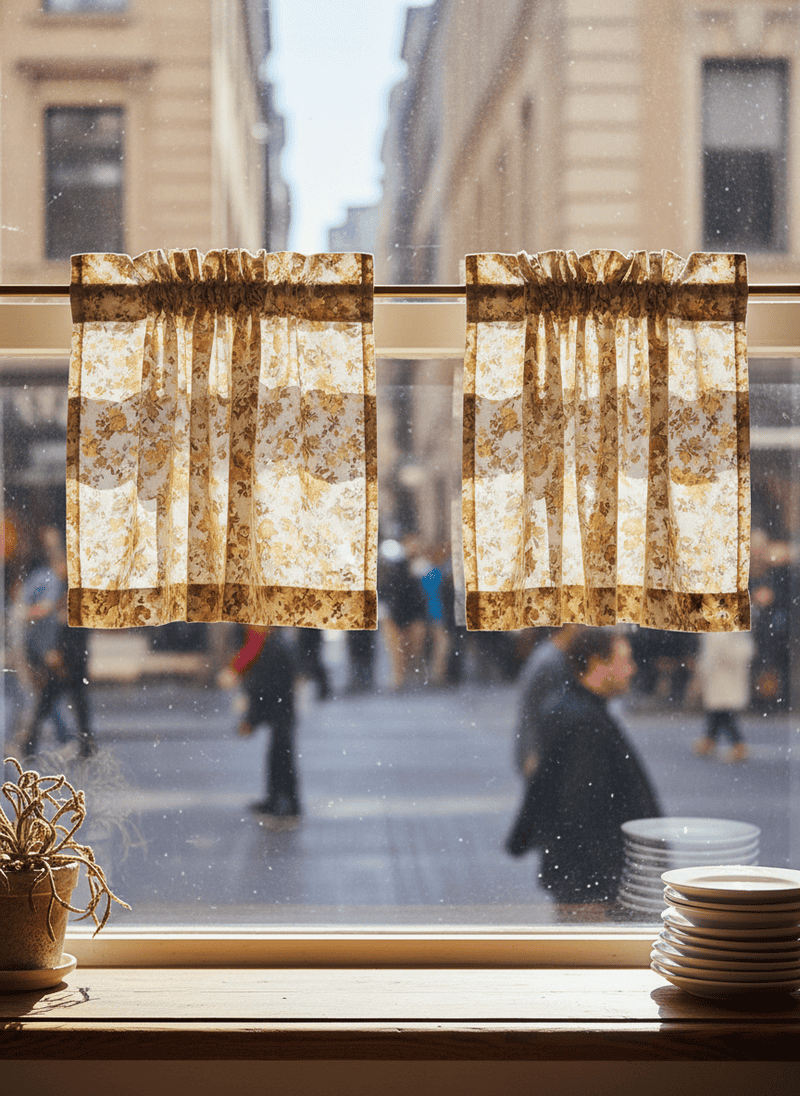
Cafe curtains, traditionally covering only the bottom half of a window, were once a popular choice for kitchens and bathrooms, offering a balance of privacy and natural light. However, many older homes still feature cafe curtains that are too short, stopping awkwardly mid-window or just below the sill, creating a truncated and unbalanced look. Often made from flimsy, outdated fabrics with overly busy patterns, these curtains can make a room feel unfinished and lack the sophisticated polish that a modern home deserves. The visual break they create can also interrupt the vertical flow of a room, making ceilings appear lower and spaces feel smaller.
It's time to elevate your window dressing beyond the humble cafe curtain. For a similar blend of light and privacy, consider tiered Roman shades or a top-down/bottom-up cellular blind. If you love the idea of fabric at the window, full-length drapes, properly installed high and wide, can completely transform a room. Even in a kitchen, a tailored Roman shade or a flat-panel cafe curtain in a contemporary fabric that extends a few inches past the sill (or to the floor if space allows) can look infinitely more chic. Opt for natural textures like linen or cotton in a subtle pattern or solid color. This thoughtful update will ensure your windows frame the view beautifully, enhance natural light, and add a touch of modern sophistication, making your entire room feel more cohesive and inviting.
3. Heavy, Dark, Light-Blocking Drapes
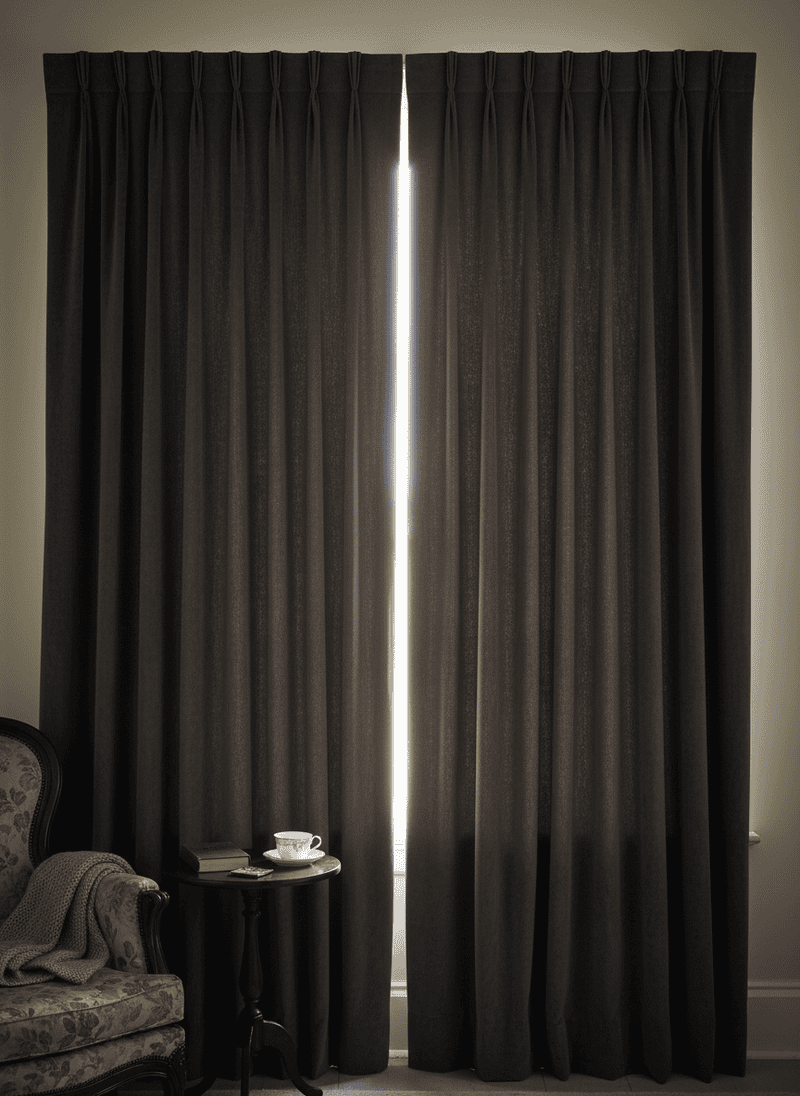
While privacy and insulation are important, heavy, dark drapes made from materials like thick velvet or brocade often do more harm than good in terms of home aesthetics. These substantial window treatments tend to absorb natural light, making rooms feel perpetually dim, oppressive, and somber, regardless of the time of day. In an era where bright, airy spaces are highly coveted, these light-blocking behemoths can instantly transport a room back to a bygone era. Their sheer weight can also make them difficult to operate and maintain, often becoming cumbersome rather than functional.
Embrace the power of light by opting for lighter-weight fabrics and brighter colors. Consider drapes made from linen, cotton, or a soft blend in neutral tones like ivory, beige, light gray, or even subtle pastels. If privacy or room darkening is a concern, layer sheer panels under more substantial drapes, or integrate blackout liners discreetly behind lighter fabric. This allows you to control light levels throughout the day without sacrificing style or creating a perpetually dark environment. Installing your curtain rod higher and wider than the window frame will also make your windows appear larger and your ceilings taller, amplifying the sense of space and light. The goal is to invite warmth and brightness into your home, fostering an uplifting and inviting atmosphere.
4. Fussy Lace and Crocheted Curtains
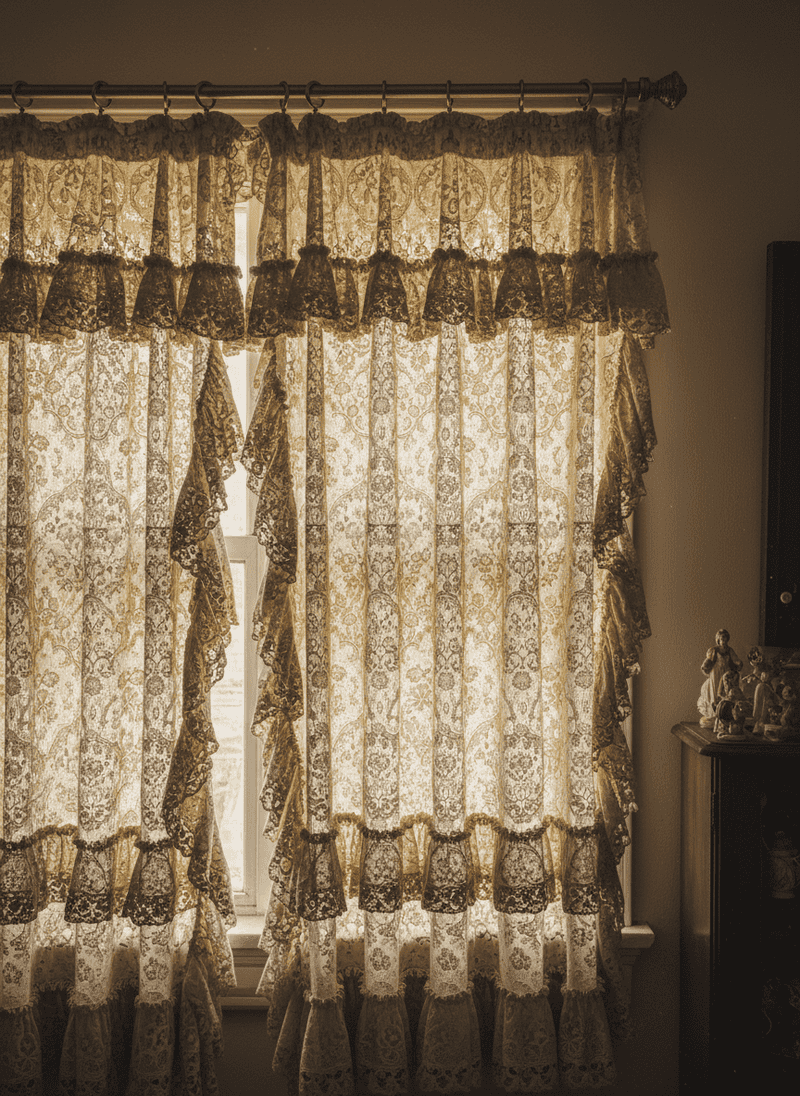
Lace and crocheted curtains, while charming in their own historical context, often contribute to an outdated and overly 'country chic' aesthetic that can feel tired and busy in a modern home. These delicate fabrics, often featuring intricate patterns, can look cluttered and visually heavy, especially when paired with other traditional decor elements. They also offer very little privacy while simultaneously filtering natural light in a way that can create peculiar shadows rather than a soft glow. Moreover, the intricate nature of lace and crochet makes them notoriously difficult to clean, often requiring delicate hand washing or professional care, which is both time-consuming and expensive.
To update this look, consider replacing fussy lace with sheer, breezy linen or cotton panels. These natural fabrics offer a similar light-filtering quality but with a much cleaner, contemporary edge. For added texture and visual interest, look for sheers with a subtle weave or a barely-there pattern. If you desire more privacy, layer these sheers with solid, full-length drapes that can be drawn when needed. Alternatively, semi-sheer cellular shades can offer excellent light diffusion and privacy without the visual clutter. These modern alternatives maintain an airy feel while providing a more sophisticated and easily maintainable window solution, transforming your space into one that feels fresh, bright, and truly current.
5. Outdated Floral and Chintz Patterns
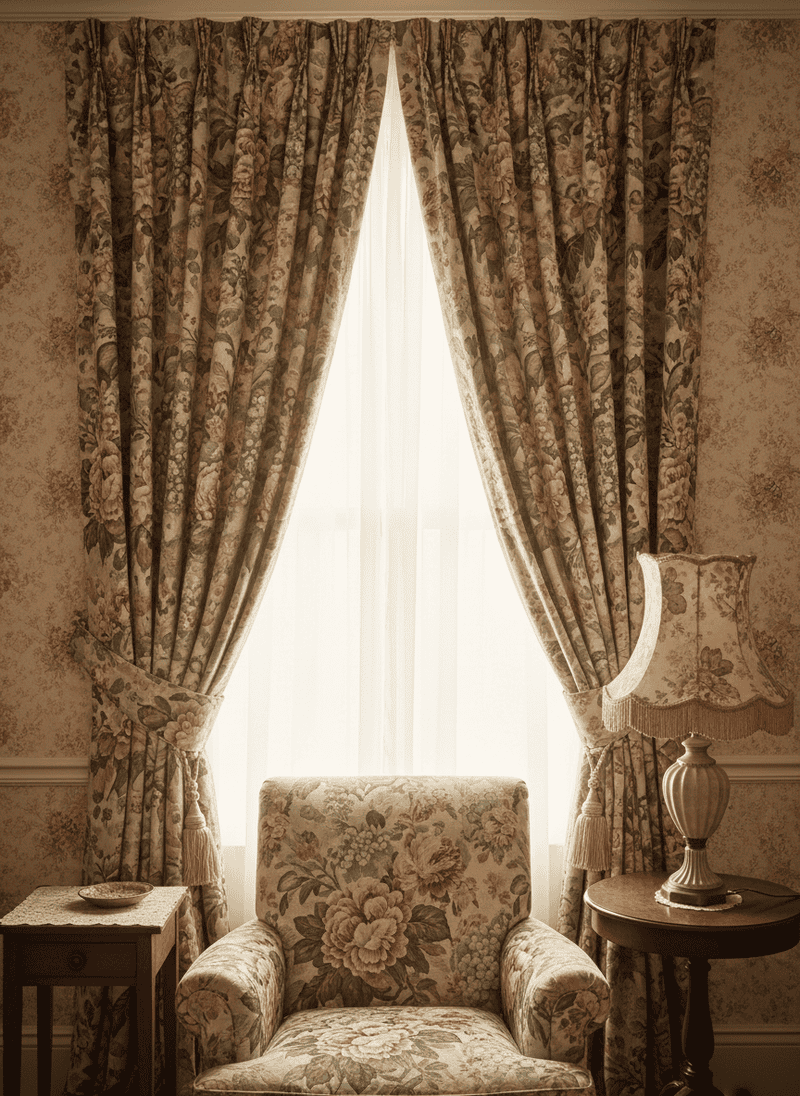
Floral and chintz patterns, particularly those with a dense, overly traditional design and muted or muddy color palettes, are hallmarks of an aesthetic that has largely been left behind. While florals can be beautiful, the specific style of chintz, often characterized by shiny glazed cotton and intricate, highly detailed flower motifs, can make a room feel overwhelmingly busy and dated. These patterns tend to clash with more modern decor trends, creating a disjointed look rather than a cohesive, inviting space. Furthermore, rooms adorned with these older floral curtains can often feel heavy and visually cluttered, detracting from the overall sense of calm and sophistication.
It's time to embrace contemporary patterns or sophisticated solids. If you love florals, opt for updated botanical prints with larger, more abstract motifs and a fresh, vibrant color scheme, or choose a design with a softer, more painterly quality. Alternatively, a sophisticated geometric pattern in a muted tone can add modern visual interest without overwhelming the space. For a truly timeless look, solid drapes in a luxurious texture like linen, silk blend, or even a subtle jacquard weave can provide elegance and versatility. These modern fabric choices will not only update your aesthetic but also allow your other decor elements to shine, creating a harmonious and stylish environment that feels fresh and inviting.
6. Too Many Layers and Excessive Frills
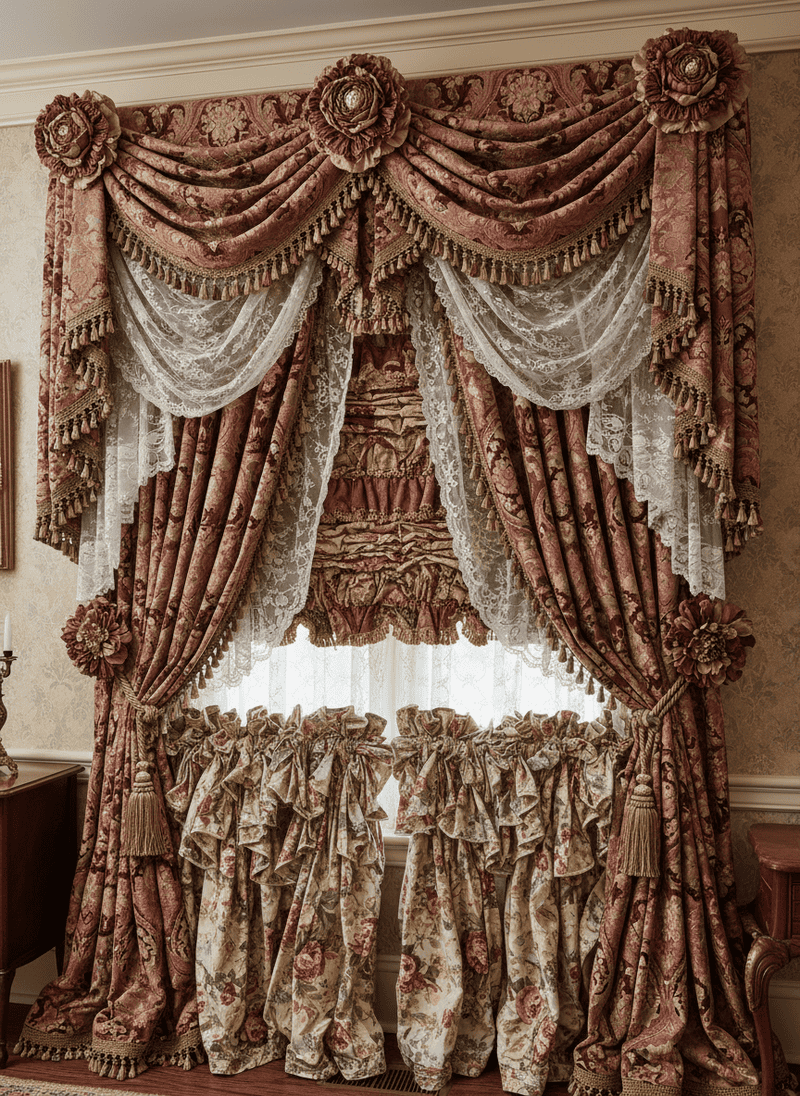
The trend of adorning windows with multiple layers—think heavy drapes, a secondary set of sheers, a valance, and perhaps even tie-backs with tassels—while once a sign of grandeur, now often appears overly fussy and cluttered. This excessive layering creates visual noise, makes windows seem smaller, and significantly reduces the amount of natural light entering a room. Frills, ruffles, and elaborate trimmings, particularly when combined with an abundance of fabric, can contribute to a dated aesthetic that detracts from the clean lines and open feel desirable in contemporary design. Furthermore, the more fabric and layers you have, the more surfaces there are to collect dust and allergens.
Simplify your window treatments to create a more sophisticated and serene environment. A single layer of elegant drapes in a quality fabric, combined with a discreet roller or cellular shade for light control and privacy, is often all that's needed. If you desire a layered look, opt for a simple sheer panel underneath a primary drape, ensuring both are made from complementary, natural-looking fabrics. Choose drapes with clean lines, perhaps a simple pinch pleat or grommet top, and avoid overly elaborate trimmings. The goal is to create a sense of effortless elegance that allows your windows to breathe, inviting light and openness into your home, rather than overwhelming them with unnecessary adornment. Embrace modern simplicity for a truly timeless appeal.
7. Overly Shiny or Flimsy Polyester Curtains
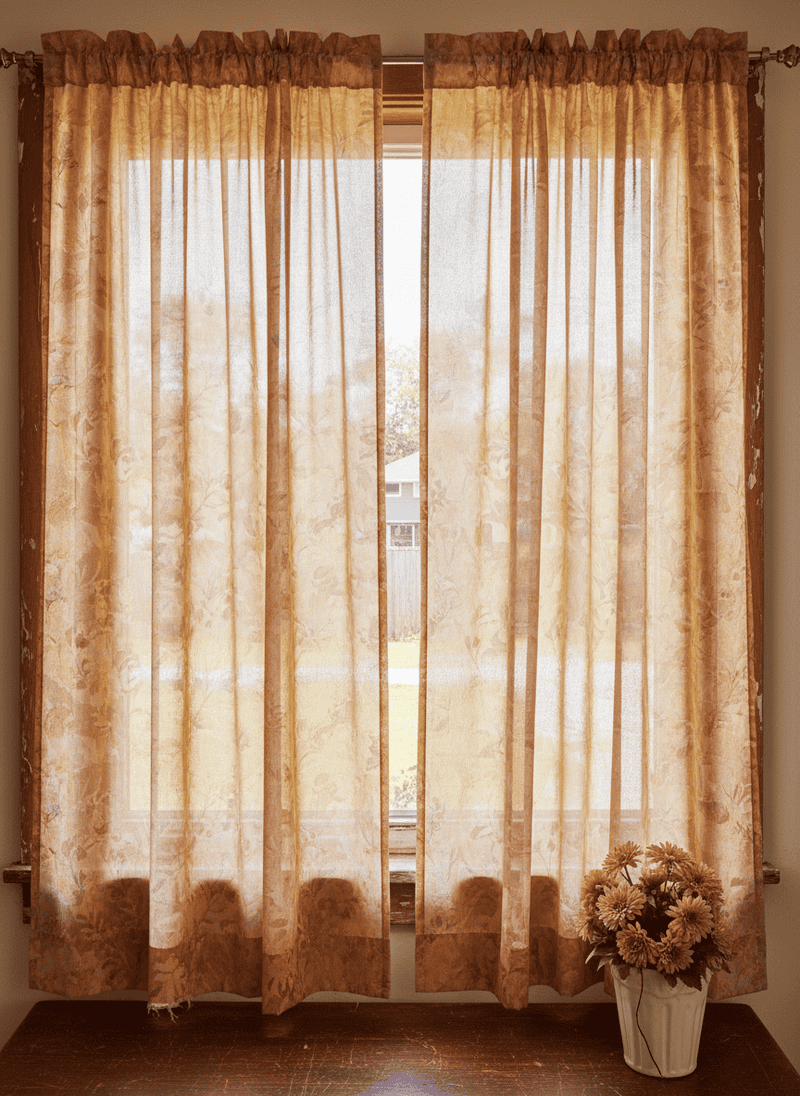
Cheap, overly shiny polyester curtains, often found in dated designs or overly bright, artificial colors, are an instant giveaway of an outdated aesthetic. While polyester has evolved, older versions often lack the luxurious drape and texture of natural fibers, appearing stiff, unnatural, and sometimes even reflective in an unflattering way. These curtains can feel flimsy to the touch and often wrinkle easily, failing to hang properly and creating a cheap, temporary look rather than a refined, permanent fixture. Beyond their poor aesthetic appeal, they also tend to trap heat and dust, offering little in the way of insulation or air quality benefits.
Invest in quality fabrics that look and feel luxurious. Modern curtain choices should prioritize natural fibers or high-quality blends that mimic their appearance and drape. Consider drapes made from linen, cotton, silk blends, or a well-made faux silk that has a matte finish. These materials offer a much richer texture, a more elegant drape, and a sophisticated finish that elevates the entire room. If you need the durability of synthetics, look for high-performance polyesters or acrylics that are specifically designed to mimic natural fibers and have a soft, matte finish. Choosing drapes with a substantial weight and a beautiful hand will make a significant difference, transforming your windows into a focal point of sophisticated style rather than an afterthought.
8. Outdated Rods and Hardware
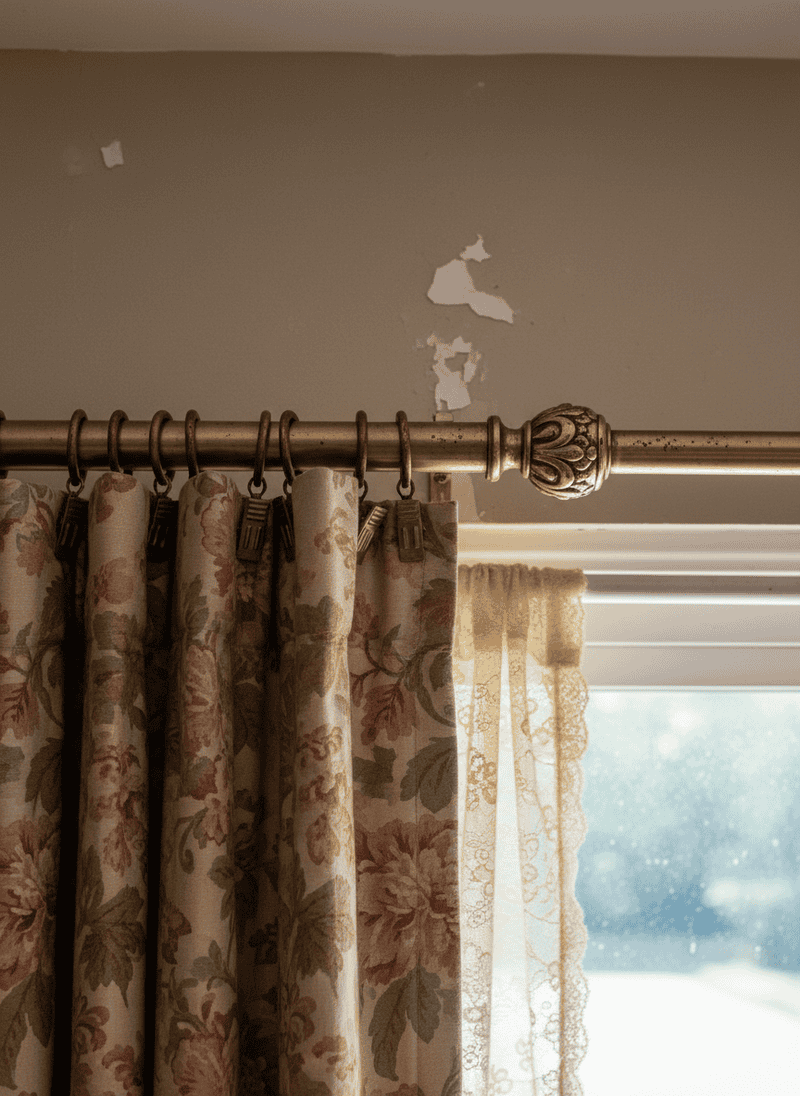
Even the most beautiful curtains can be undermined by outdated or poorly chosen hardware. Thin, flimsy curtain rods that sag in the middle, overly ornate finials from a bygone era (think intricate Victorian scrolls or overly large, dusty spheres), or cheap plastic rings can instantly date your window treatments. Furthermore, rods that are too short for the window make the window appear smaller, while visible hardware that is not aesthetically pleasing detracts from the overall elegance. Hardware that clashes with the style of the curtains or the room's decor can create a disjointed and unpolished look, signaling a lack of attention to detail.
It’s time to upgrade your curtain rods and hardware to complement your sophisticated taste. Opt for sturdy, appropriately sized rods in finishes that suit your decor, such as brushed nickel, oil-rubbed bronze, matte black, or even elegant wood tones. Choose simple, understated finials that blend seamlessly or offer a subtle design accent. For a clean, modern look, consider a track system that allows curtains to glide effortlessly without visible rings. Ensure your rod extends 8-12 inches beyond the window frame on each side and is mounted 4-6 inches above the frame. This simple adjustment allows curtains to be pulled back fully, maximizing light and making the window appear larger. Thoughtful hardware selection is the finishing touch that elevates your entire window ensemble, making it truly shine.
9. Patterned Curtains with Busy Wallpaper
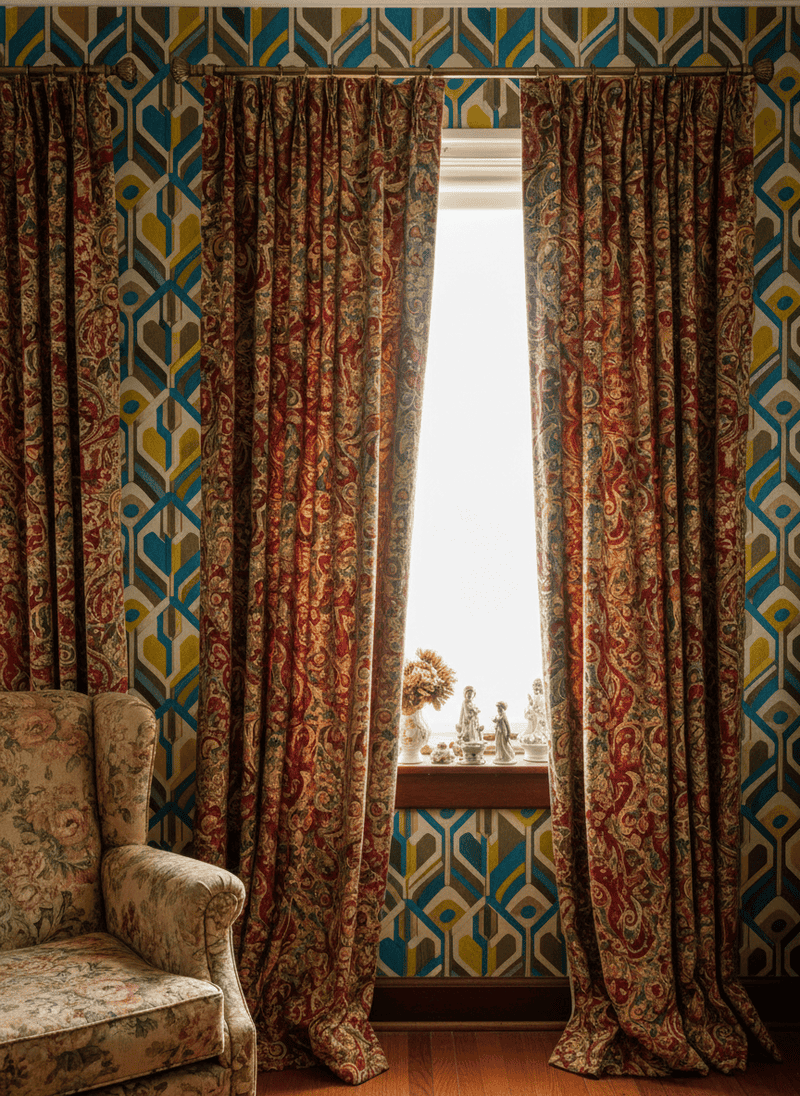
Pairing boldly patterned curtains with equally busy or patterned wallpaper often results in a visual cacophony that overwhelms the senses and makes a room feel cluttered and claustrophobic. When both your walls and your windows are competing for attention with intricate designs, the eye has nowhere to rest, leading to a restless and unharmonious atmosphere. This design choice, while perhaps once intended to convey opulence, now typically signifies a lack of modern design sensibility and can make a space feel dated and disorganized. The result is a room that lacks a clear focal point and feels overly stimulating.
To create a balanced and sophisticated space, when you have patterned wallpaper, opt for solid-colored curtains in a complementary hue. Choose a color pulled directly from the wallpaper's palette to ensure cohesion, or select a neutral shade that provides a calming contrast. The key is to allow one element to be the star, while the other provides a supportive backdrop. If you prefer subtle pattern, consider curtains with a quiet texture, such as a delicate weave or a tone-on-tone damask, rather than a contrasting print. This strategic approach ensures your patterned wallpaper can truly shine without competition, creating a harmonious and elegant environment where both elements enhance each other rather than detracting. A thoughtful balance of pattern and solid will create a truly timeless and inviting space.
10. Velcro-Attached or Tie-Up Curtains
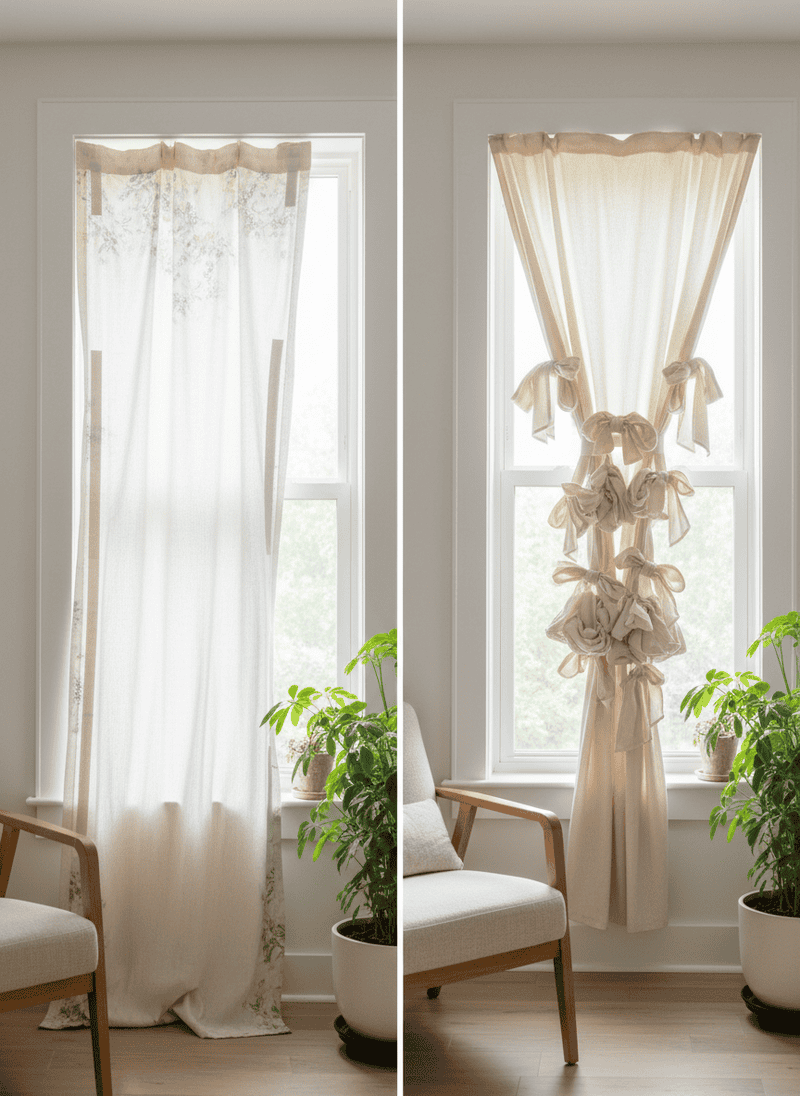
Velcro-attached valances or curtains, often seen in older kitchens or casual spaces, typically appear cheap and temporary. The visible Velcro strips, often prone to collecting dust and losing their grip over time, detract significantly from any sense of elegance or permanence. Similarly, tie-up curtains, while attempting a cottage-core charm, often look messy and juvenile, failing to provide the tailored finish that women over 60 often desire. The ties can become uneven, creating a disheveled appearance that undermines the overall decor. Both styles lack the sophisticated drape and polished look of more established window treatments, making a room feel less refined and more like a work in progress.
It's time to upgrade to more sophisticated and functional window treatments. For a clean, tailored look, consider a sleek Roman shade or a flat-panel valance mounted on a hidden board. If you prefer curtains, opt for options with grommets, tab tops (if the fabric and style are very modern), or a classic rod pocket that creates a clean, gathered look. For an even more elegant presentation, drapes hung with rings on a decorative rod offer effortless movement and a beautiful, consistent drape. These alternatives provide a much more polished and permanent solution, elevating the overall aesthetic of your room. By choosing more refined attachment methods, you ensure your window treatments contribute to a sophisticated and well-appointed home, rather than detracting from it.
11. Curtains That Just Touch the Sill
Curtains that just barely touch the windowsill, or worse, end a few inches above it, often create an awkward and unfinished appearance. This 'short' look can make windows seem smaller than they are and disrupts the vertical flow of a room, leading to a visually choppy effect. While practical for some specific areas like kitchens with sinks, in living rooms, bedrooms, or dining areas, this length choice typically looks dated and less luxurious. It gives the impression of a makeshift solution rather than a deliberate design choice, failing to contribute to the sophisticated and polished ambiance many desire.
For a truly elegant and timeless look, aim for drapes that either 'kiss' the floor or 'puddle' slightly. Curtains that just graze the floor (the 'kissing' length) create a clean, tailored line and enhance the height of your room. This is the most popular and versatile length for a refined look. Alternatively, allowing drapes to 'puddle' slightly on the floor (an extra 1-3 inches) can add a touch of romantic luxury, though it does require more careful styling and maintenance. In situations where floor-length isn't feasible, such as above a radiator, opt for tailored Roman shades or elegant cellular blinds that provide a sleek, custom fit. Investing in the correct curtain length is a simple yet powerful design choice that dramatically elevates your home's aesthetic, creating a sense of grandeur and completeness.
12. Matching Curtains, Bedding, and Upholstery
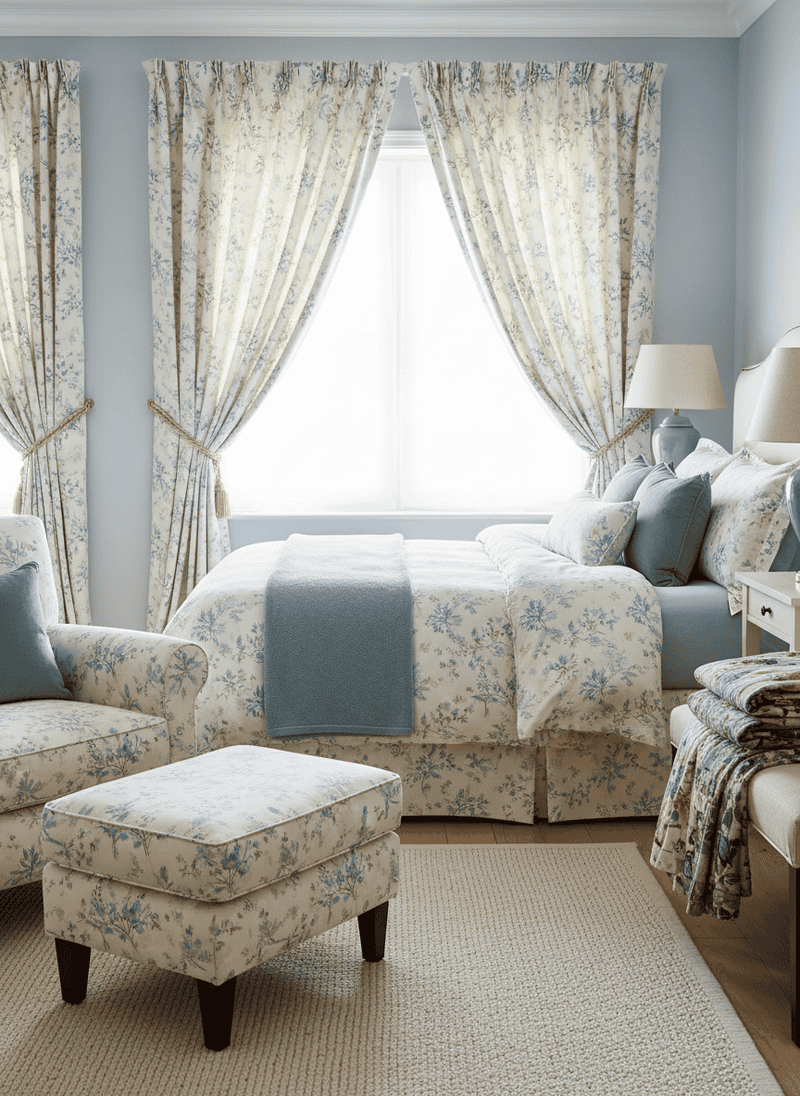
The trend of perfectly matching curtains, bedding, and sometimes even upholstery fabrics, often seen in older design schemes, creates a look that is overly coordinated and lacks depth and personality. While harmony in design is important, an identical match across multiple elements can make a room feel monotonous, uninspired, and dated, rather than curated. It suggests a lack of individual style and creativity, as if everything was bought as a single 'set,' which often results in a less sophisticated and more generic aesthetic. Modern design embraces a more nuanced approach to coordination, allowing for individual elements to shine.
Instead of a direct match, aim for complementary colors, textures, and patterns. Choose curtains that pull a color from your bedding or rug, but in a different pattern or a solid, luxurious texture. For instance, if your bedding features a subtle floral, consider solid linen drapes in one of the floral's accent colors. If your sofa is a solid neutral, introduce a subtle pattern or a rich texture in your curtains to add visual interest. Layering different yet harmonious elements creates a much richer, more dynamic, and sophisticated interior. This approach allows each component to contribute to the overall aesthetic while maintaining its unique appeal, resulting in a home that feels thoughtfully designed, collected over time, and uniquely yours.
13. Heavy Wood Blinds with Wide Slats
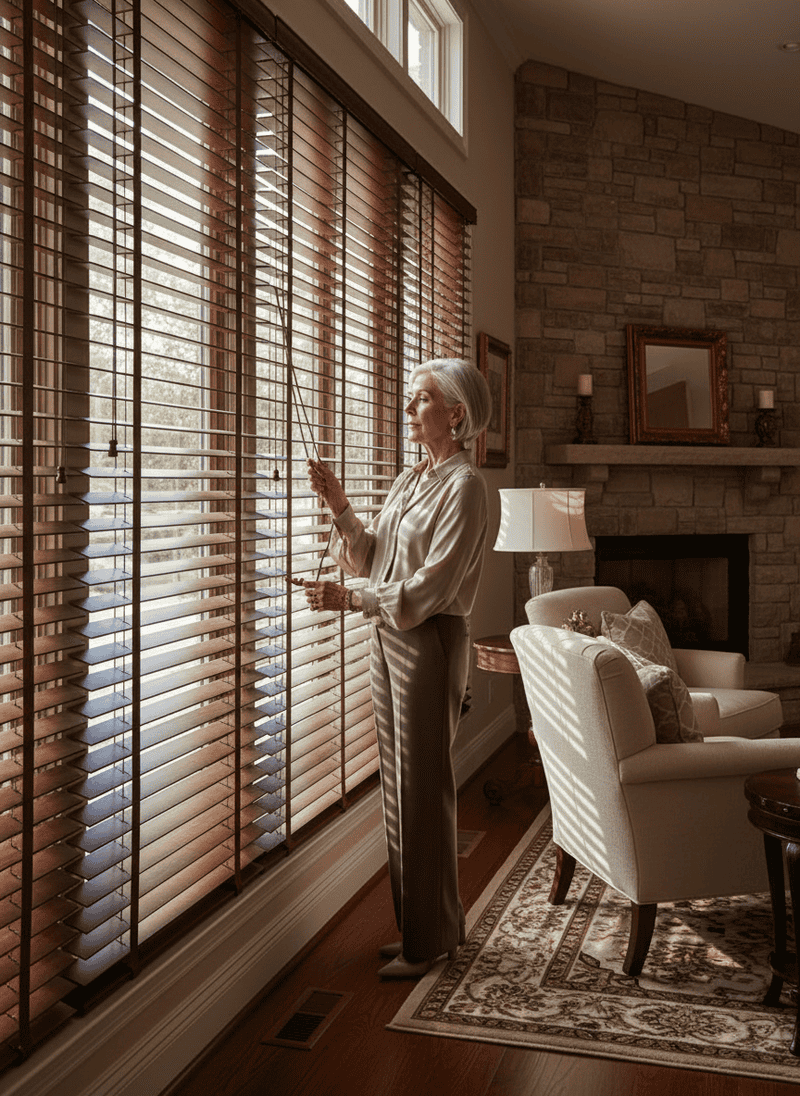
While wood blinds can offer a classic appeal, older versions with overly wide slats (typically 2 inches or more) can appear cumbersome and block a significant amount of natural light even when open. The weight and bulk of these blinds can make them feel heavy and oppressive, particularly in smaller rooms or those with limited natural light. Furthermore, wide-slat wood blinds, especially in dated wood tones, can often contribute to a visually dense aesthetic that clashes with the desire for brighter, more open spaces. They can also be challenging to keep clean, as the broad surfaces attract and collect dust easily.
Consider upgrading to more refined and light-friendly alternatives. Sleeker, narrower-slat wood or faux wood blinds (around 1-1.5 inches) offer a more contemporary profile and allow for more precise light control and a less obstructed view. For a truly modern update, explore cellular or honeycomb shades, which provide excellent insulation and come in a wide array of textures and colors, offering a soft, diffused light. Roller shades, especially those in sophisticated fabrics or with subtle patterns, offer a minimalist, clean look that maximizes light when retracted. These modern options provide superior functionality and a much lighter, airier aesthetic, enhancing both the comfort and style of your home while maintaining privacy and light control with contemporary elegance.
14. Pleated or Gathered Shades and Blinds
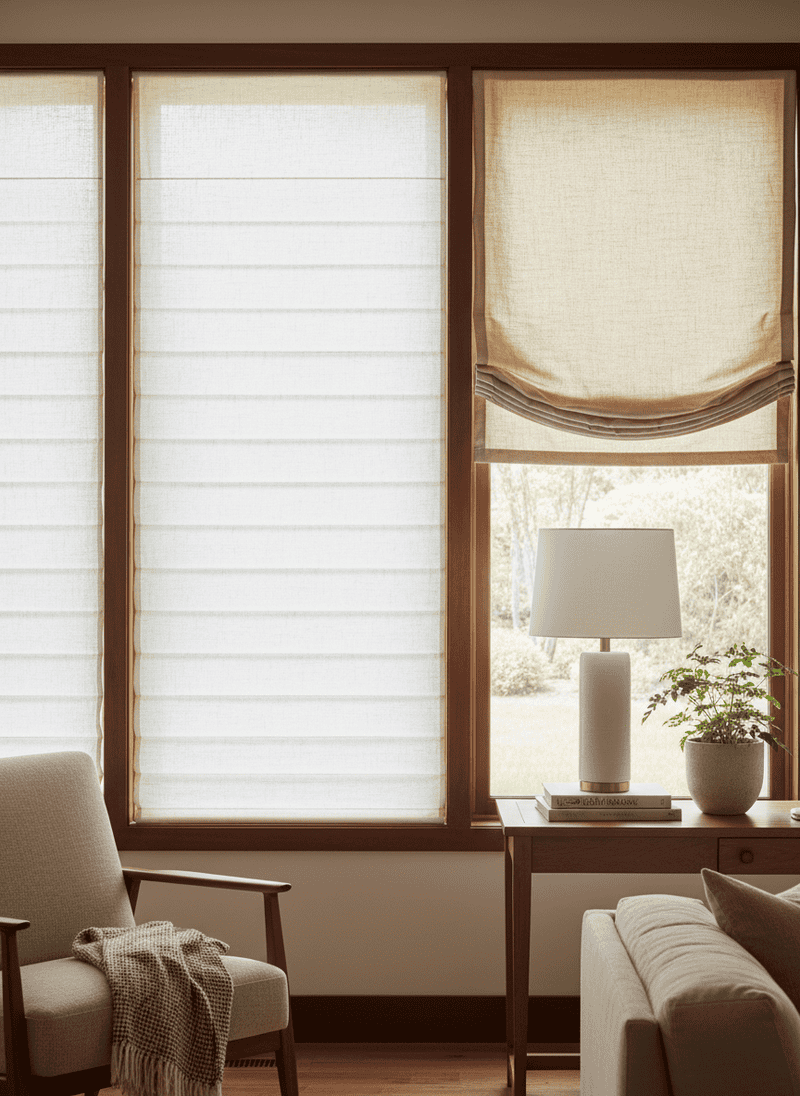
Dated pleated or gathered fabric shades and blinds, often characterized by their stiff appearance and tendency to collect dust in their folds, can make a room feel stuffy and uninspired. These styles, particularly those made from older synthetic fabrics or sporting outdated patterns, lack the sleek functionality and clean lines demanded by modern interior design. They often appear bulky when raised and lose their crispness over time, sag, or become discolored, detracting from the overall freshness of a room. The deep folds also present a cleaning challenge, making them less practical for a low-maintenance home.
It’s time to move towards more streamlined and functional shades. Consider flat Roman shades, which offer a smooth, tailored appearance when lowered and stack neatly when raised, presenting a clean, contemporary silhouette. Cellular or honeycomb shades are another excellent option, known for their energy efficiency, clean lines, and ability to diffuse light beautifully while offering privacy. For a minimalist approach, roller shades in a natural-looking fabric or a subtle texture provide a sleek, uncluttered window treatment that disappears almost entirely when raised. These updated choices offer superior aesthetics, ease of use, and are often simpler to maintain, ensuring your windows contribute to a chic and effortless living space. Embrace functionality fused with modern elegance to instantly refresh your home.
15. Heavy Tassels and Fringes
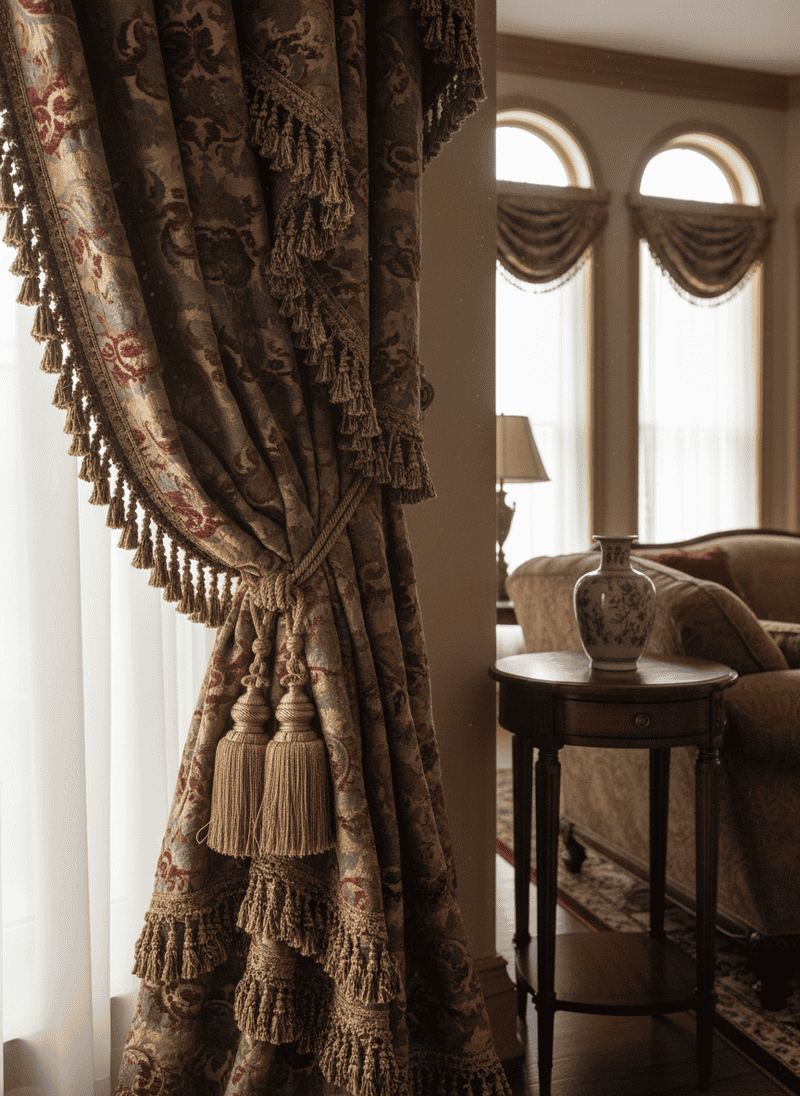
Elaborate tassels, fringes, and other ornate trimmings, while once a sign of luxurious curtain design, now often contribute to an overly fussy and dated aesthetic. These heavy embellishments can visually weigh down drapes, making them appear cumbersome and old-fashioned. They distract from the clean lines and elegant simplicity that define contemporary window treatments, drawing attention to themselves rather than enhancing the overall design. Furthermore, these decorative additions are notorious dust collectors, adding another layer of maintenance and potentially compromising air quality, which is far from ideal for a modern, comfortable living environment.
Embrace a more minimalist and refined approach to curtain embellishment. Instead of heavy trimmings, focus on the quality of the fabric and the elegance of the drape itself. If you desire a touch of decorative flair, consider subtle details like a contrasting banding along the leading edge of a solid curtain, a delicate embroidery pattern, or a sophisticated hem detail. For tie-backs, choose simple, fabric holdbacks that match or complement the drapes, or elegant metal options that are sleek and understated. The goal is to let the fabric and the window treatment’s silhouette speak for themselves, creating an atmosphere of understated luxury and timeless appeal. By removing these dated adornments, you instantly elevate your home's style to a more contemporary and sophisticated level.
16. Curtains Hung Too Low Above the Window
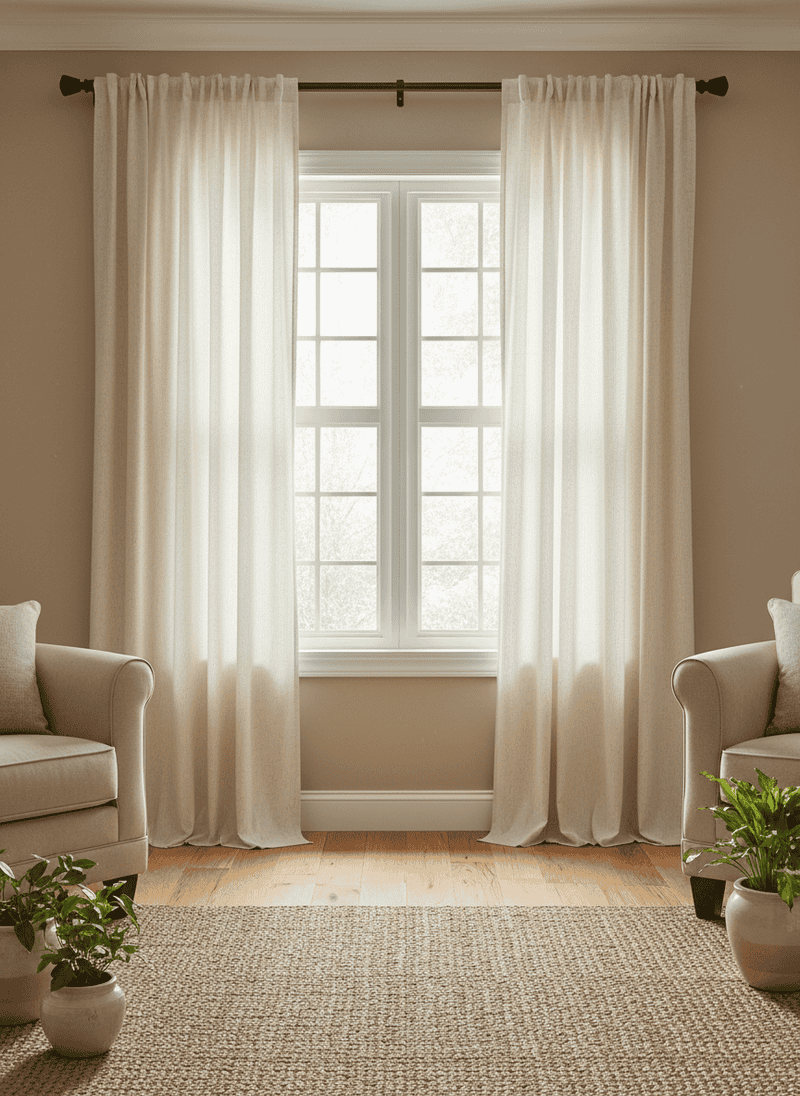
A common mistake that instantly dates a room and makes windows appear smaller is hanging curtain rods just above the window frame, or worse, directly on it. This placement cuts off the window visually, compressing the vertical space and making your ceilings appear lower than they are. The result is a cramped, less expansive feel, which completely undermines the potential for an airy and open aesthetic. This dated approach fails to maximize the architectural potential of your windows and can make even large rooms feel confined and less grand.
To create the illusion of taller ceilings and larger windows, always hang your curtain rods significantly higher than the window frame. A good rule of thumb is to place the rod 4-6 inches above the window frame, or even halfway between the top of the window and the ceiling, if space allows. This simple adjustment draws the eye upward, making the room feel more spacious and luxurious. Furthermore, ensure your curtains are long enough to properly kiss or slightly puddle on the floor. This combination of higher rods and full-length drapes dramatically transforms the perception of your room, creating an elegant, expansive, and decidedly modern aesthetic. It’s a small change with a huge impact on your home's overall feel and sophistication.
17. Too Narrow Curtains That Don't Cover the Window
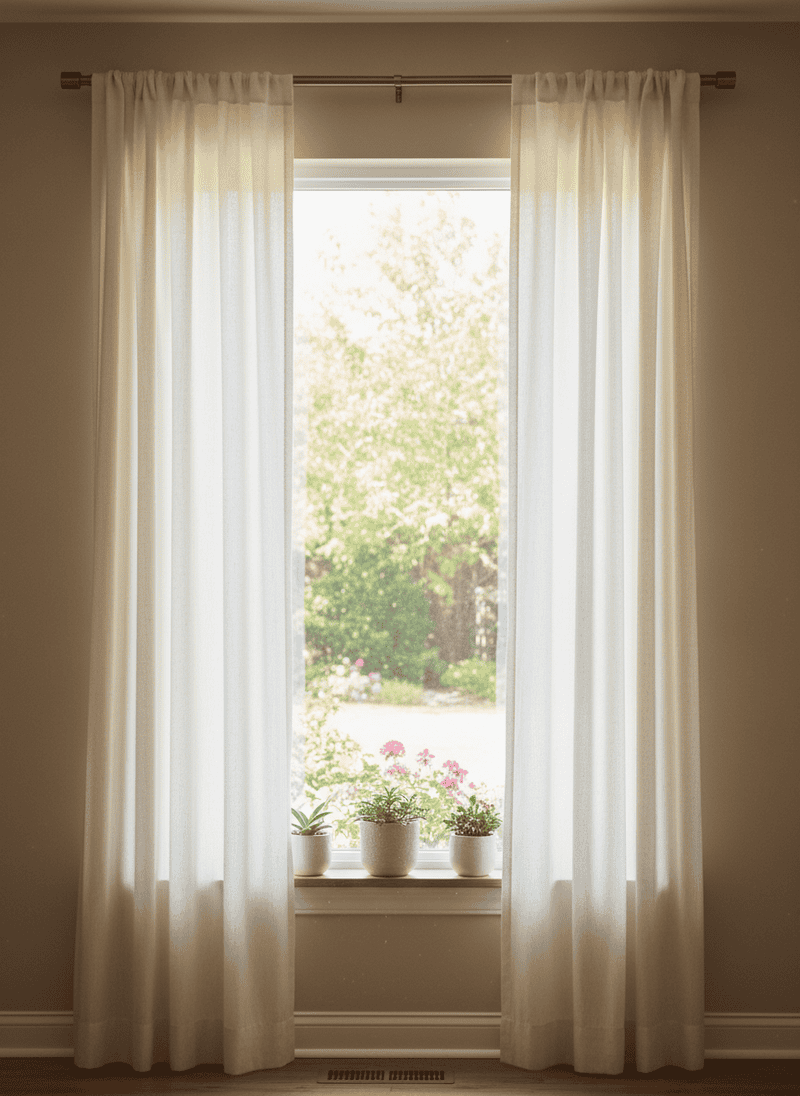
Curtains that are too narrow for the window, failing to fully cover the entire width when closed, are a tell-tale sign of an outdated or poorly planned window treatment. When curtains are stretched taut or leave gaps, they not only fail to provide adequate privacy and light control but also look skimpy and ill-fitting. This creates an unfinished, almost temporary appearance, detracting from the sophistication and tailored feel a home deserves. Visually, insufficient width can make a window look smaller and less significant, rather than framing it as a focal point in the room.
For a truly elegant and functional window treatment, always ensure your curtains have ample fullness. The general rule of thumb is that the total width of your curtain panels should be 2 to 2.5 times the width of your window (including the rod extension on either side). This generous allowance creates beautiful, soft pleats and gathers when the curtains are closed, even when they are fully extended. When open, they should stack neatly to the sides without obstructing the window. Investing in properly wide panels ensures your curtains drape beautifully, provide optimal privacy and light control, and add a luxurious, full-bodied look that elevates the entire room. Proper fullness is key to achieving a polished and inviting aesthetic that exudes sophistication.
18. Stiff, Unlined Curtains
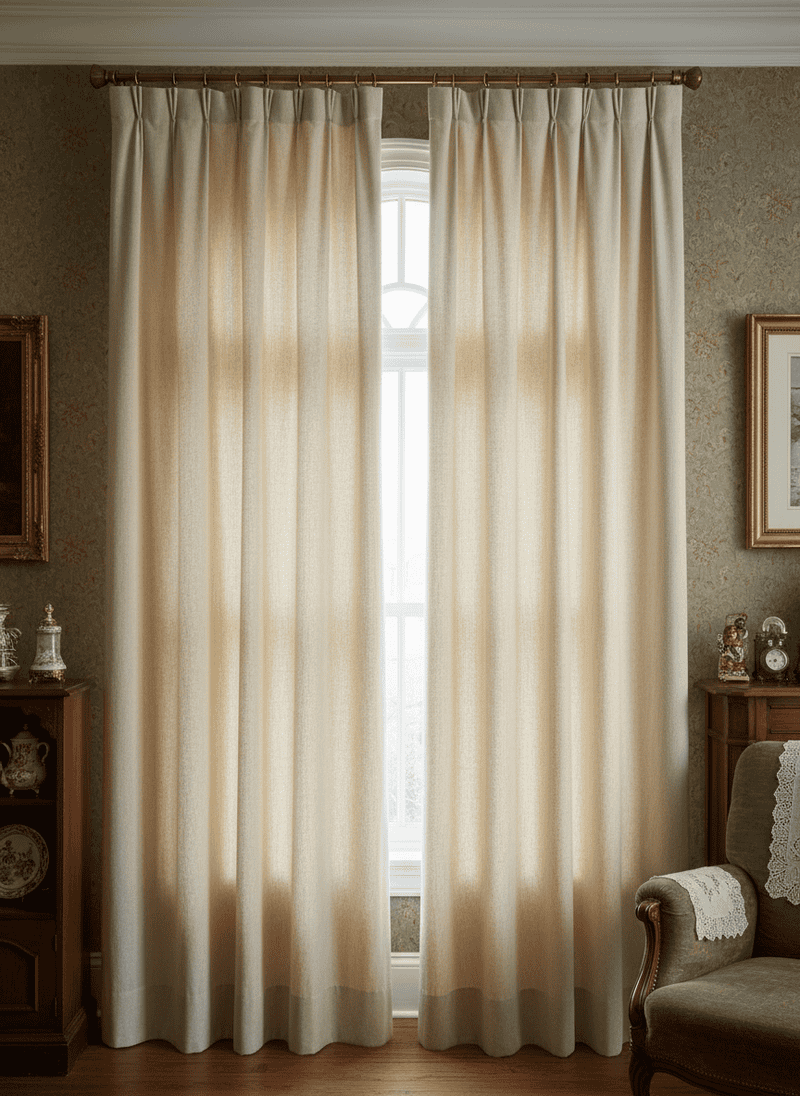
Curtains that are stiff, unlined, and lack body often appear cheap and unfinished, failing to provide the elegant drape that defines a sophisticated window treatment. Unlined curtains can look flimsy and translucent, especially when natural light shines through them, revealing seams and imperfections. They offer minimal privacy and poor insulation, allowing heat to escape in winter and enter in summer, impacting energy efficiency. Furthermore, the fabric of unlined curtains can fade more quickly due to direct sun exposure, diminishing their color and overall lifespan. This creates a less polished look that can detract from the overall ambiance of a room.
Invest in lined curtains to instantly elevate their appearance and functionality. A quality lining adds substance and body, allowing the curtains to hang beautifully and create a much more luxurious drape. Lining also provides enhanced privacy, protects the fabric from sun damage, and offers better insulation, contributing to a more comfortable and energy-efficient home. For an even more opulent feel, consider interlined drapes, which feature an extra layer of flannel-like material between the face fabric and the lining, adding significant weight, fullness, and insulation. Opting for lined drapes is a simple yet impactful upgrade that transforms a window treatment from a basic necessity into a statement of refined taste and practical elegance, ensuring longevity and lasting beauty.
19. Curtains with Visible Headings or Tabs
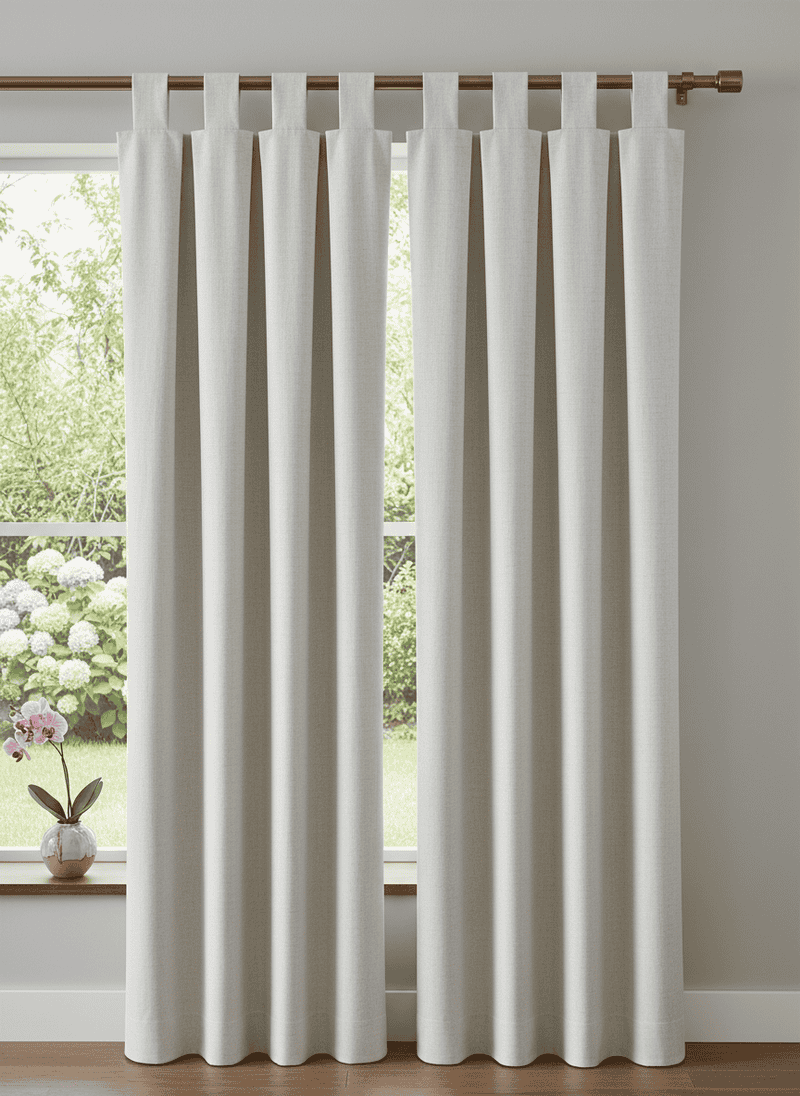
Curtains with visible and bulky headings, such as large, widely spaced tab tops, or older styles of exposed grommets in shiny metals, can often look casual, dated, or even a bit childish depending on the fabric. While tab tops can offer a relaxed feel, many older styles lack the refined finish that a sophisticated home deserves, often sagging between tabs or appearing too informal. Similarly, oversized, brightly finished grommets can distract from the fabric itself and look out of place in a more elegant setting, breaking up the smooth flow of the curtain and making it appear less polished. These styles tend to draw attention to the hardware rather than the beauty of the fabric.
For a more elegant and seamless look, opt for curtain styles that conceal the hardware or integrate it discreetly. Consider tailored pinch pleat or goblet pleat drapes, which offer a classic, formal, and structured look. For a slightly more relaxed yet still sophisticated feel, back-tab curtains provide a clean, gathered look without exposing the rod, creating a beautiful continuous flow of fabric. If you prefer grommets, choose smaller, matte-finished options that blend with the fabric or the rod. A well-designed track system, completely hidden behind a cornice or a simple, ceiling-mounted track, offers the most minimalist and contemporary solution. By selecting a heading style that complements your desired aesthetic, you ensure your window treatments contribute to a refined and timeless interior.
20. Outdated Sheers with Overly Structured Patterns
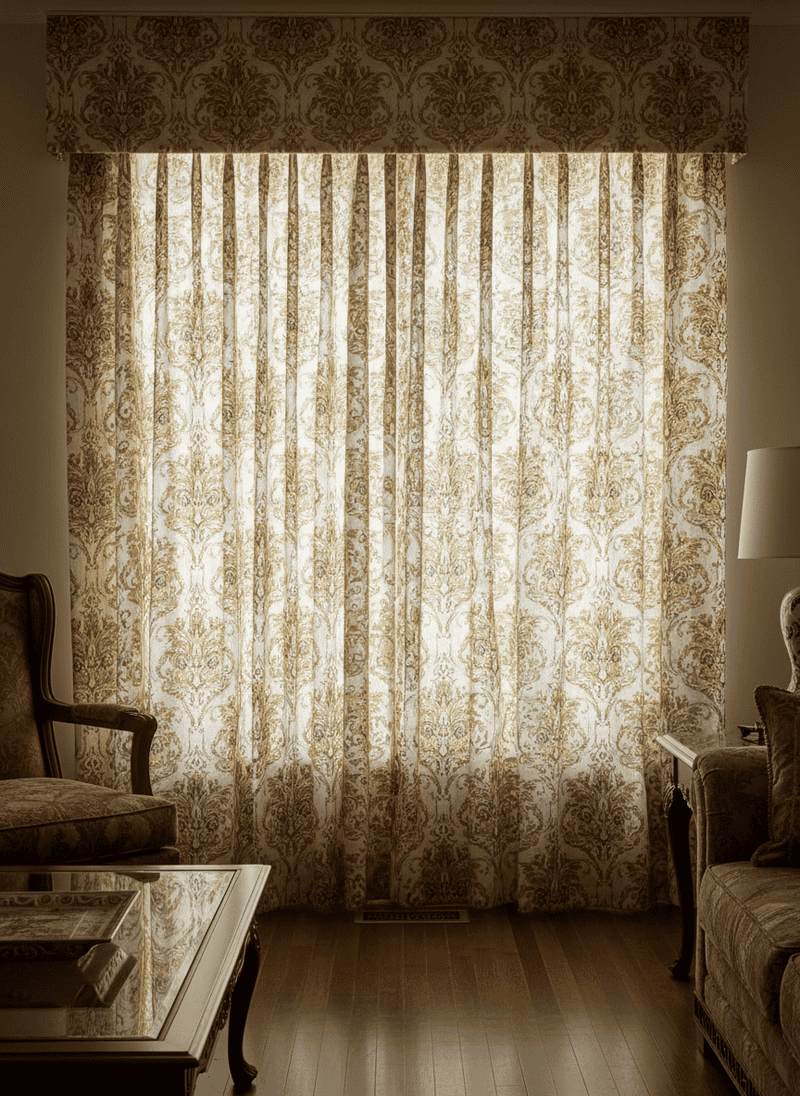
Sheer curtains with heavily embroidered, flocked, or overly structured patterns from past decades often contribute to a dated and somewhat 'grandma' aesthetic. These patterns can feel busy, visually heavy, and detract from the light, airy quality that sheer curtains are meant to provide. Instead of diffusing light beautifully, they can cast odd shadows or create a cluttered look, especially when paired with other decor elements. Furthermore, the intricate nature of these older patterns can often make the sheers appear less clean and more prone to showing signs of age or yellowing.
It’s time to embrace modern sheers that prioritize natural textures and subtle elegance. Opt for sheer panels made from linen, cotton, or a soft, flowing voile in solid colors or with incredibly subtle, organic textures. Think delicate slubs in the weave or a barely-there stripe that adds interest without overwhelming. These contemporary sheers allow maximum natural light to filter into your home, creating a soft, ethereal glow that instantly brightens and expands a room. They offer a sense of privacy without sacrificing light and contribute to a serene, sophisticated atmosphere. Layering these updated sheers under more substantial drapes provides both flexibility and depth, ensuring your window treatments are both functional and fashion-forward, bringing a fresh, airy feel to your living spaces.
21. Flimsy, Untailored Roller Blinds
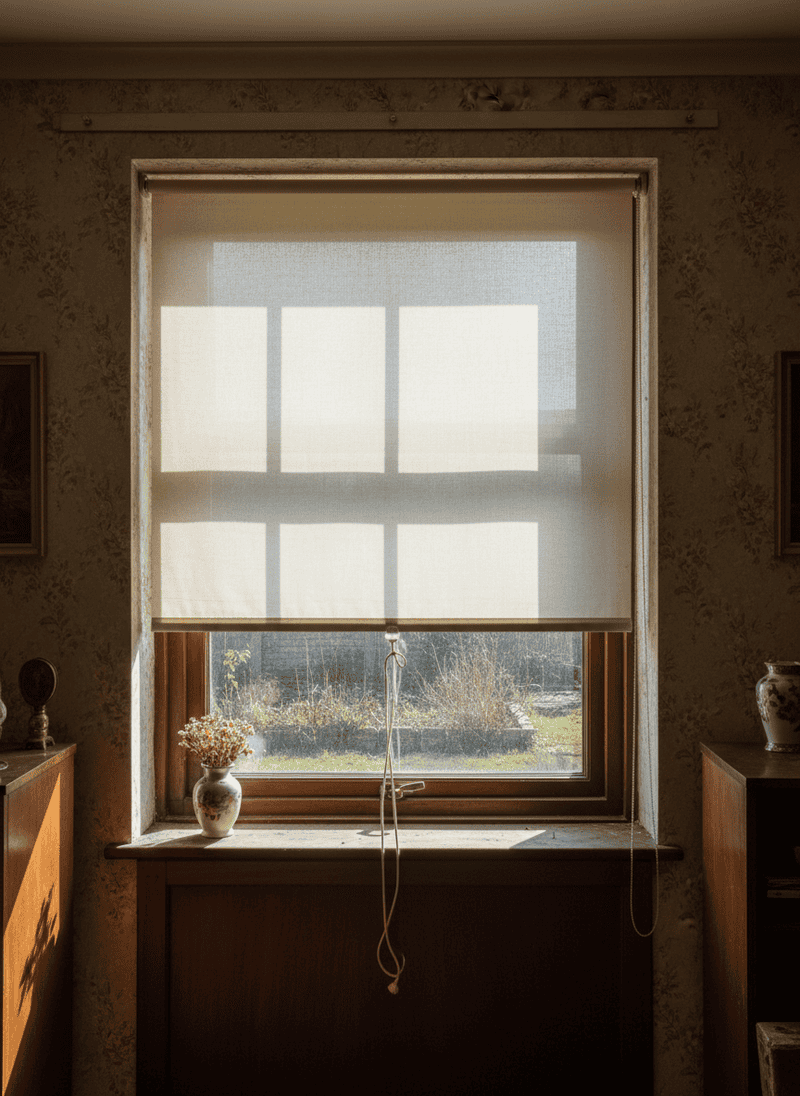
Older, flimsy roller blinds, particularly those made from cheap vinyl or basic fabric with exposed plastic mechanisms, can instantly make a room feel unfinished and utilitarian rather than stylish. These blinds often sag, wrinkle, or fail to roll up smoothly, creating a messy and unkempt appearance. Their lack of substantiality means they offer poor insulation and light control, and their typically bland or outdated colors do little to enhance a room's aesthetic. They convey a sense of transience, as if they were a temporary solution rather than a thoughtful design choice for a sophisticated home.
Upgrade to contemporary roller shades that combine functionality with elegance. Modern roller shades come in a wide array of high-quality fabrics, including light-filtering, blackout, and even solar options, offering superior light control and energy efficiency. Look for shades with clean lines, concealed hardware, and perhaps a decorative bottom hem or a subtle pattern. Many modern roller shades feature slow-rise mechanisms for smooth, effortless operation, and some even offer motorization for ultimate convenience. These updated blinds provide a sleek, minimalist look that recedes beautifully when open, maximizing your view and natural light, and offers a tailored finish when closed. Choosing quality roller shades is a practical and stylish update that brings a refined, contemporary edge to your windows.
22. Horizontal Blinds with Exposed Cords
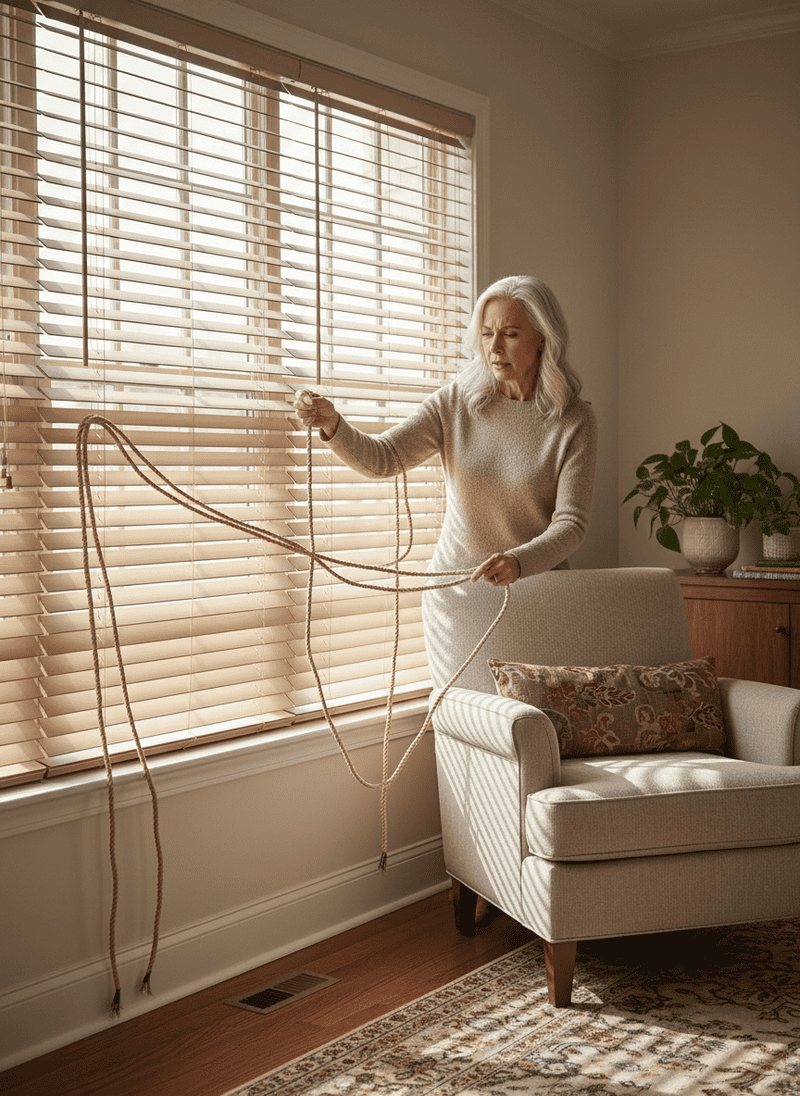
Traditional horizontal blinds, especially older plastic or aluminum versions with exposed cords and visible tilt wands, often look dated and can be a visual distraction. The numerous cords not only contribute to a cluttered appearance but also pose a potential safety hazard for grandchildren or pets. These blinds can be noisy when adjusted and tend to collect dust on each slat, making them tedious to clean. Furthermore, the standard, often stark white or beige plastic slats lack the warmth and texture needed to create an inviting and sophisticated atmosphere in a modern home, making rooms feel more institutional than residential.
It's time to upgrade to safer, sleeker, and more aesthetically pleasing alternatives. Consider cordless horizontal blinds, which offer a cleaner look and eliminate the safety concerns associated with dangling cords. For an even more modern approach, explore wood or faux wood blinds with a cord-free lift system and wand-less tilt. Alternatively, Venetian blinds with wider, more elegant slats in a subtle finish can provide a refined update. For a complete departure, consider cellular shades or modern roller shades, which offer superior insulation, light diffusion, and a minimalist design. These updated options provide excellent light control and privacy without the visual clutter and maintenance issues of older horizontal blinds, enhancing both the safety and sophistication of your home.
23. Dated Tie-Backs and Holdbacks
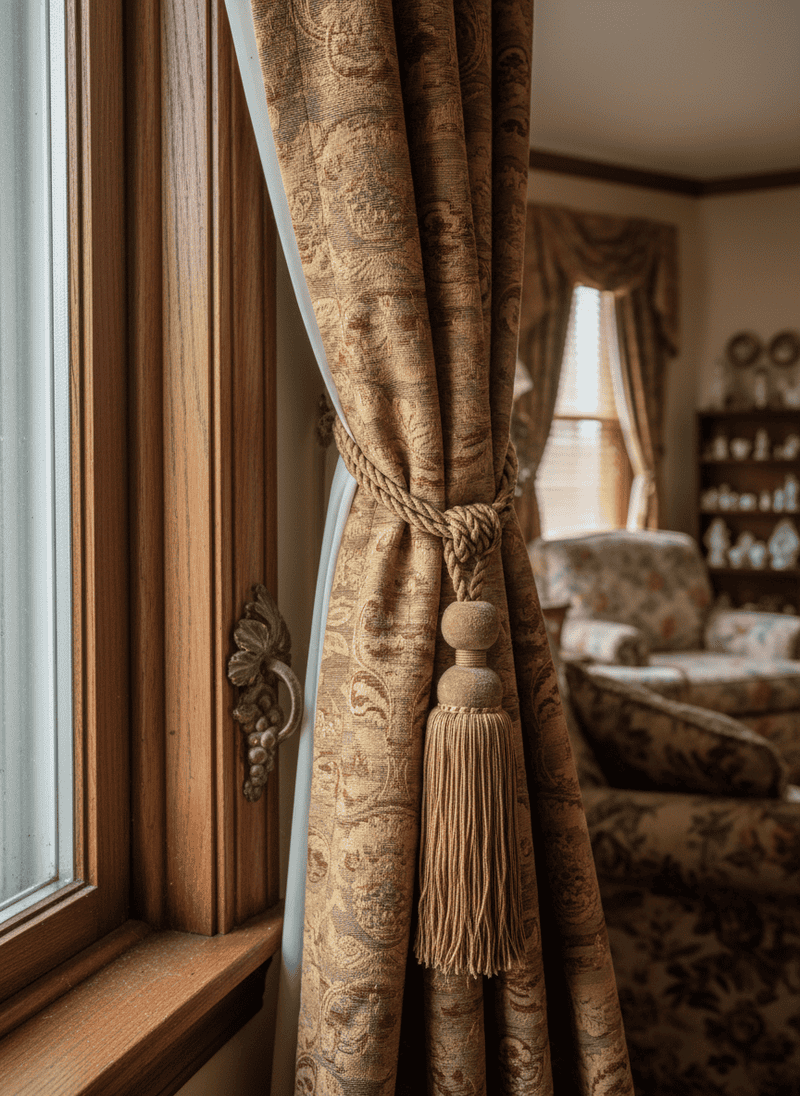
While tie-backs and holdbacks serve a functional purpose in keeping drapes open, older styles can significantly date your window treatments. Think of overly elaborate fabric ties with large bows, stiff fabric holdbacks that resemble shoulder pads, or overly ornate metal holdbacks with fussy designs from a past era. These dated accessories often look cumbersome, detract from the elegance of the drapes themselves, and can create a visually heavy or overly traditional aesthetic. They draw attention to an element that should ideally blend seamlessly or offer subtle support, rather than becoming a focal point of outdated design.
Modernize your tie-backs and holdbacks by opting for clean, understated designs. For a soft, elegant look, consider simple fabric bands that match or subtly contrast your drapes, or a sleek, minimalist rope tie-back with a magnetic clasp. If you prefer metal holdbacks, choose simple, elegant designs in brushed finishes like nickel, bronze, or matte black, ensuring they complement your curtain rod and room hardware. Positioning holdbacks at the correct height (typically around two-thirds of the way up the window) is also crucial for a graceful drape. The goal is to choose accessories that enhance the natural flow and beauty of your curtains without overwhelming them. A sophisticated tie-back or holdback adds a refined touch that speaks to discerning taste, rather than an outdated accessory that detracts from it.
24. Excessively Textured or Shaggy Curtains
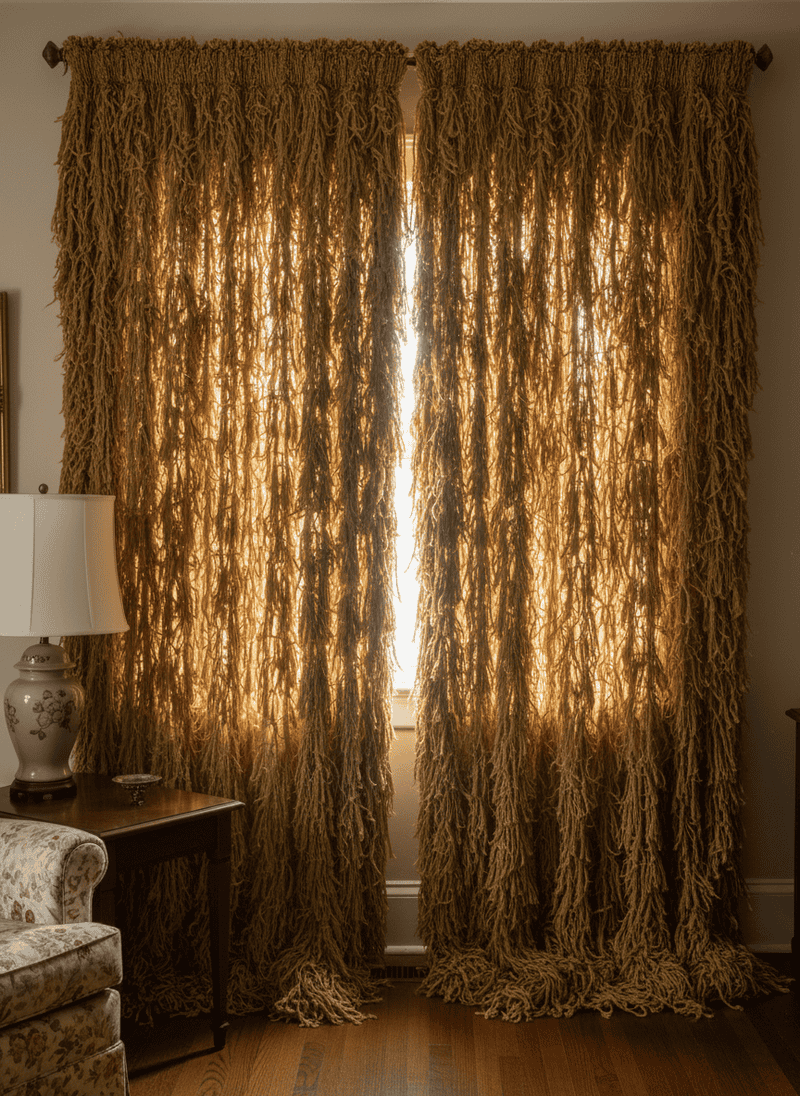
Curtains with excessively textured or shaggy fabrics, such as older chenille, heavily ribbed corduroy, or those with very long, untamed fringes, can often look dated and contribute to a cluttered aesthetic. While texture is important for adding depth, these particular textures tend to appear bulky, absorb light, and can feel visually heavy, making a room seem smaller and less refined. Moreover, the deep, intricate textures of these fabrics are notorious dust and allergen traps, making them challenging to clean and maintain, which is less than ideal for a healthy and pristine home environment. They often lack the elegant drape of more contemporary fabrics.
Embrace subtle, sophisticated textures that add depth without overwhelming the eye or collecting excessive dust. Consider natural fabrics like linen with its characteristic slubs, cotton sateen for a soft sheen, or a refined velvet that offers a luxurious feel without being overly shaggy. Fabrics with a subtle basketweave, a delicate jacquard pattern, or a slight boucle can also introduce interest and richness. The key is to choose textures that enhance the visual appeal and tactile experience without becoming the sole focus or making maintenance a chore. These updated texture choices contribute to a comfortable, inviting, and sophisticated atmosphere, allowing your curtains to provide visual interest and a luxurious feel while remaining effortlessly chic and easy to care for.
25. Curtains That Obscure Architectural Features
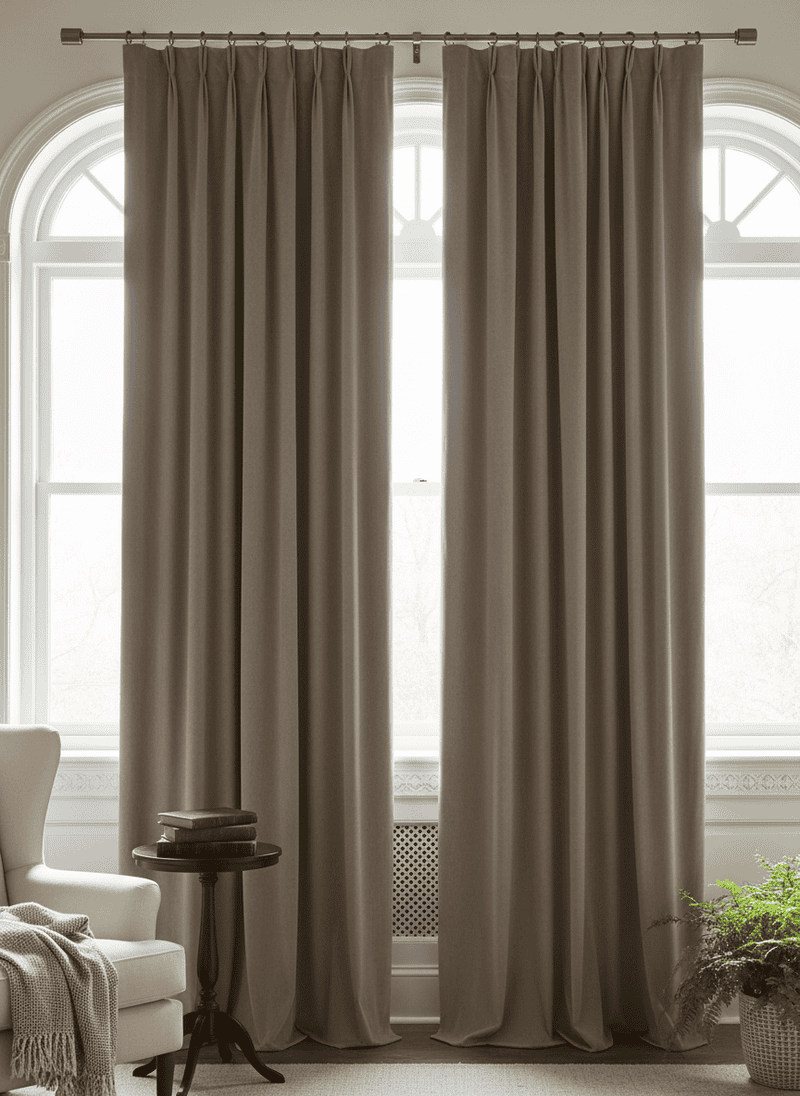
A common mistake in curtain placement is allowing them to obscure beautiful architectural features such as ornate window frames, decorative moldings, or even interesting window shapes. This often happens when curtains are hung too narrowly or too low, forcing the fabric to cover parts of the window itself or the surrounding trim. When curtains hide these details, they diminish the unique character of your home and prevent light from entering fully. It's a missed opportunity to celebrate the inherent beauty and craftsmanship of your living space, making windows feel less significant and the room less grand.
Instead, use your curtains to frame and enhance your architectural details. Hang your curtain rods significantly wider than the window frame, allowing the drapes to be pulled back entirely to reveal all the beautiful trim and natural light when open. Ensure the rod is mounted high enough (at least 4-6 inches above the frame, or even closer to the ceiling) to make the window appear taller and grander, rather than cutting it off. When selecting curtain styles, choose those that complement the existing architecture, whether that means clean, tailored drapes for a modern space or more traditional pinch-pleats for a historic home. The goal is to use curtains to highlight, not hide, the inherent beauty of your windows, allowing them to be a proud focal point that enhances your home's unique character and inviting natural light.
26. Curtains with Multiple, Disparate Patterns
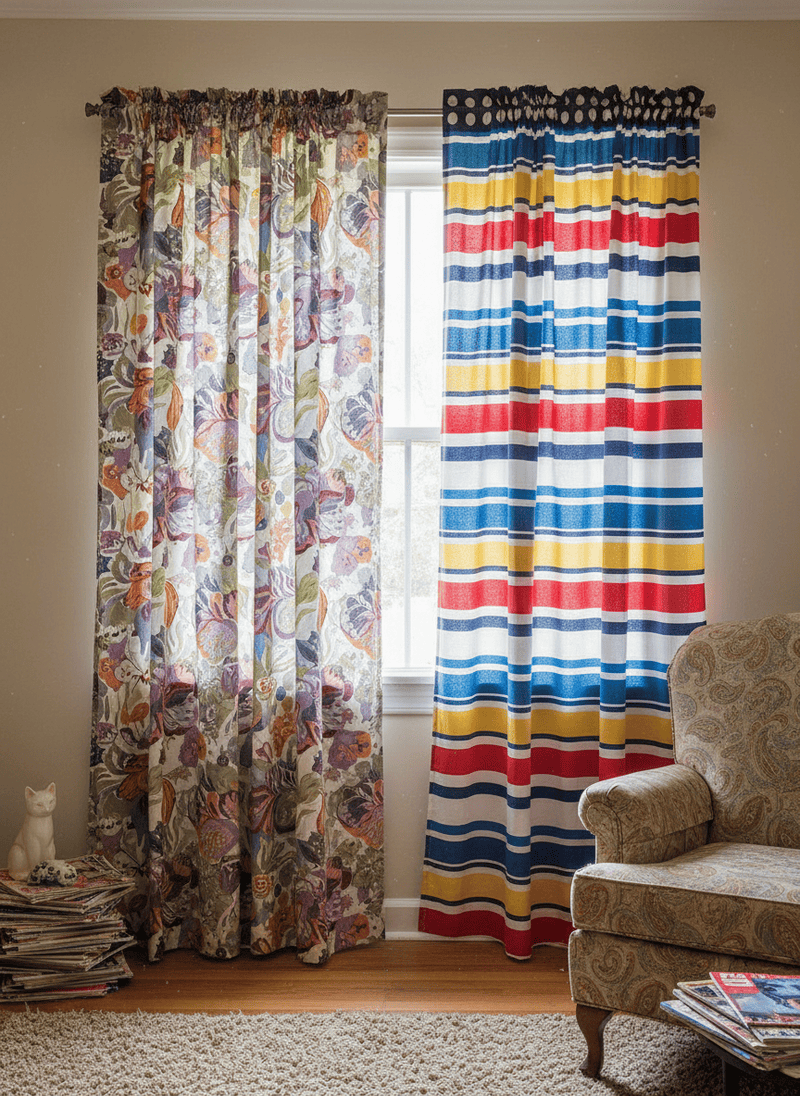
Curtains that feature multiple, clashing patterns or an overly intricate combination of different motifs, colors, and textures can create a visual overload that is both jarring and dated. This design choice often indicates an attempt to incorporate too many elements into one piece, resulting in a confused and chaotic aesthetic that lacks cohesion and sophistication. When your window treatments are too busy, they compete with other decor elements, making the room feel cluttered, restless, and visually exhausting. The eye struggles to find a focal point, leading to an uncomfortable and unharmonious environment that is far from the serene retreat a home should be.
Simplify your curtain patterns for a more sophisticated and harmonious look. Opt for a single, elegant pattern that complements your room's existing decor, or choose sophisticated solids that feature subtle texture. If you love patterns, select one that is thoughtfully designed, with a clear color palette and a balanced motif, allowing it to be a statement piece without overwhelming the space. For example, a single botanical print in a refined color scheme or a subtle geometric in a neutral tone can add visual interest without chaos. When combining patterns in a room, ensure your curtains either carry a main pattern or are a solid complement to other patterned elements. This thoughtful approach ensures your window treatments contribute to a balanced, elegant, and inviting atmosphere, allowing your home to feel truly curated and calming.


