
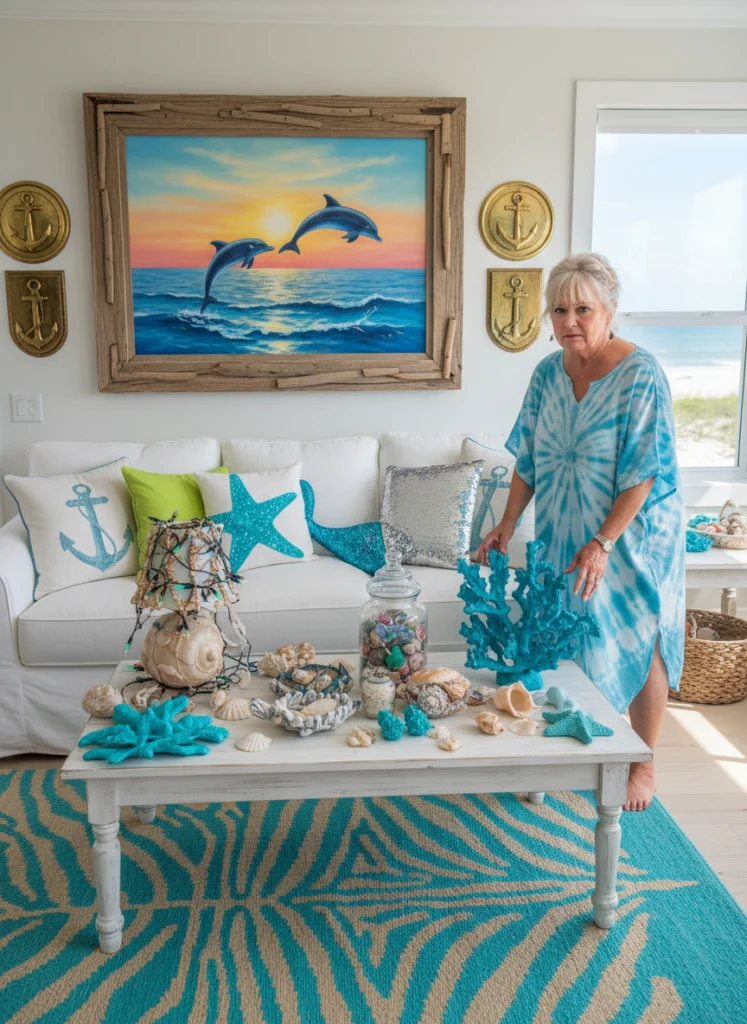
Embrace the tranquility and beauty of coastal living in your home without falling into common decor pitfalls. For women over 60, creating an elegant, sophisticated seaside retreat is entirely achievable, but sometimes well-intentioned choices can inadvertently lead to a less refined look. Discover the 21 coastal decor mistakes that can make your space appear less chic and more, well, tacky, and learn how to infuse timeless elegance into your cherished abode.
1. Excessive Use of Seashells and Novelty Items
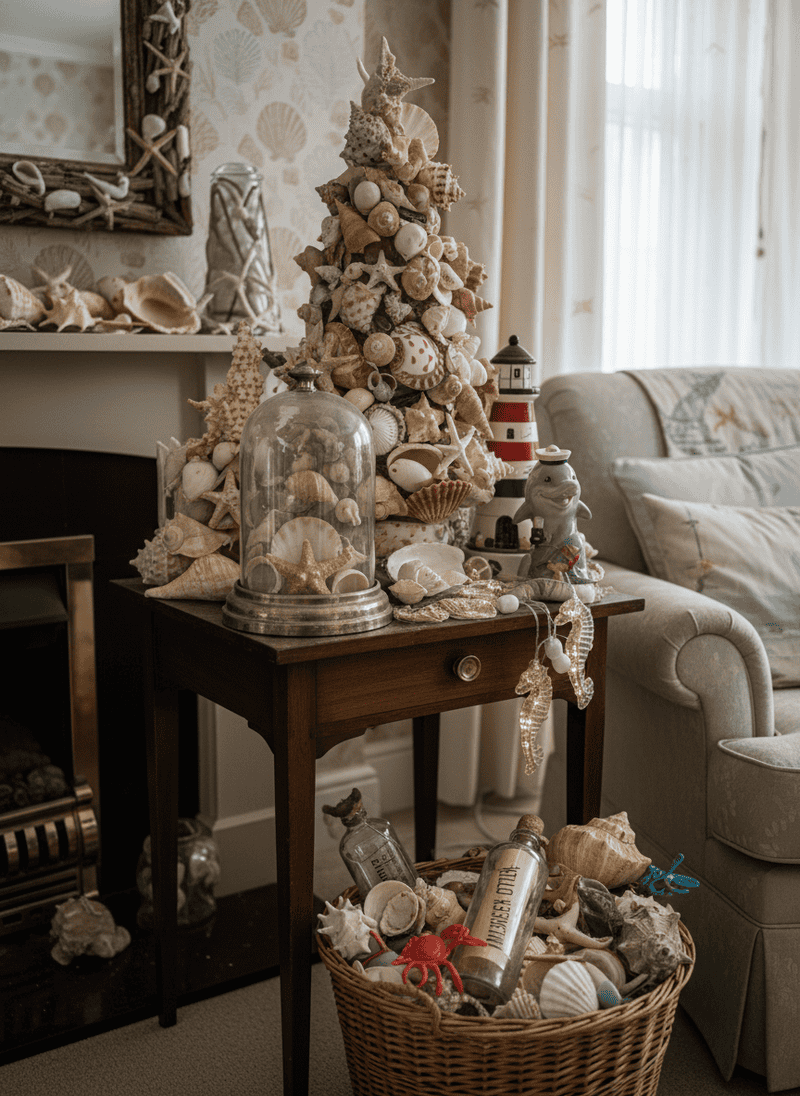
Many women over 60, charmed by the allure of the ocean, can inadvertently transform their coastal-inspired homes into a veritable beach gift shop by overdoing it with seashells and overt sea creature motifs. While a handful of carefully selected shells or a tasteful coral piece can add an authentic touch, covering every available surface with generic starfish, brightly painted crabs, or small, scattered shells often creates a cluttered, juvenile, and frankly, tacky appearance. This approach diminishes the natural elegance and tranquility that true coastal design aims to achieve, making your space feel less like a serene escape and more like a novelty shop.
The secret to sophisticated coastal decor lies in curation and restraint. Instead of displaying every shell you’ve ever collected, choose a few truly unique and beautiful specimens. Arrange them artfully in a chic glass cloche, an antique wooden bowl, or within a shadow box to create a focal point. This allows the beauty of each piece to truly shine, elevating them from mere souvenirs to genuine elements of design. The aim is to whisper "coast" rather than shout it, creating an atmosphere that feels naturally inspired by the sea rather than overtly themed.
Furthermore, consider alternatives to literal sea creature representations. Instead of plastic crabs, opt for textures reminiscent of marine life, such as woven baskets, natural linen fabrics, or even abstract art that hints at underwater scenes. Focus on organic shapes and muted, sophisticated tones that evoke the ocean's calm rather than its kitschy caricatures. By exercising selectivity and embracing subtlety, you can ensure your home exudes a timeless, elegant coastal charm that is far from tacky and truly reflective of refined taste.
2. Adopting a Strictly Themed Approach
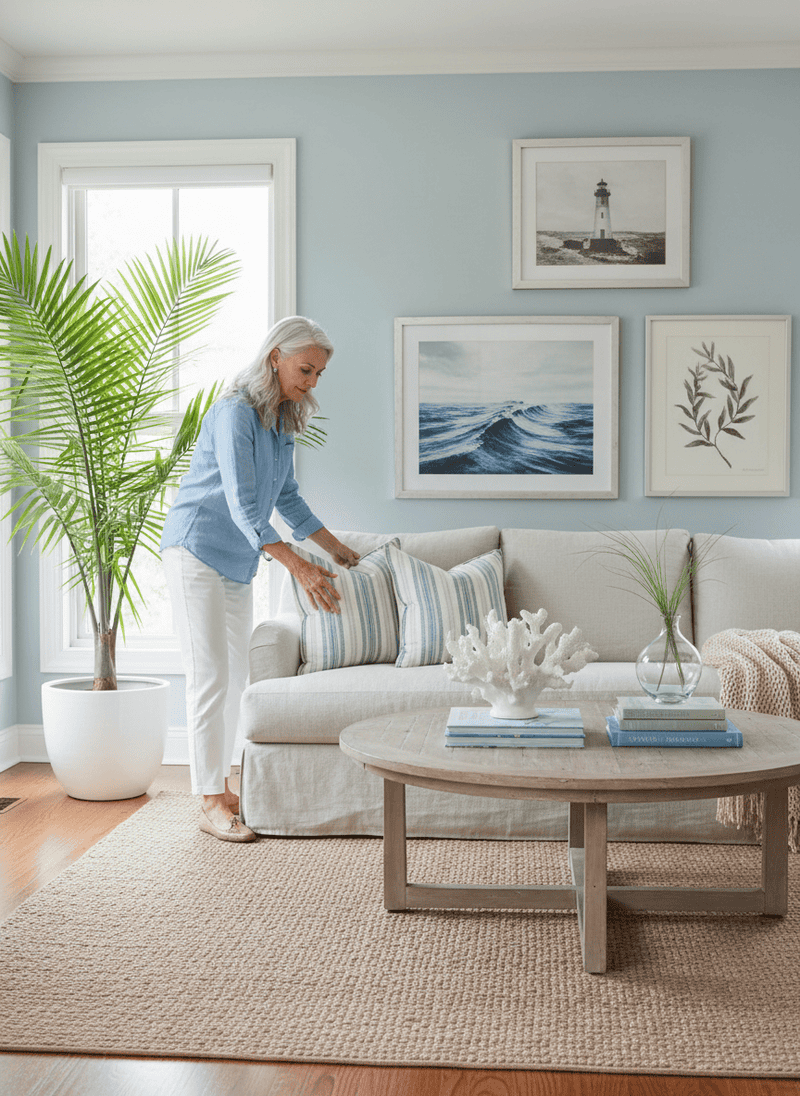
A common misstep in coastal decor, especially for women of a certain age, is to lean too heavily into a singular, overarching "theme" rather than an inspired aesthetic. Picture rooms where every single item screams "beach house," from the bedding to the tableware, leaving no room for personal expression or design nuance. This highly thematic approach, often seen with overly literal interpretations of lighthouses, anchors, or fishing nets, can quickly become repetitive, visually tiring, and ultimately, quite tacky, losing any sense of sophisticated design.
True coastal elegance is about evoking a feeling and incorporating elements that suggest the seaside, rather than creating a replica of a souvenir shop. It's about drawing inspiration from the colors, textures, and natural beauty of the coast, blending them seamlessly with your existing personal style. Think about how a gentle sea breeze feels, or the soft light of a sunset over the water, and try to translate those sensory experiences into your decor choices, rather than relying on cartoonish illustrations or clichéd motifs.
Instead of a strictly themed space, consider a more eclectic, layered approach. Mix subtle coastal elements – a weathered piece of driftwood, a linen throw in seafoam green, or a piece of abstract art inspired by the ocean – with timeless furniture and decor that reflects your personality and taste. This creates a much richer, more inviting, and undeniably more elegant home that feels curated and lived-in, not just decorated to a rigid theme. Your home should tell your story, not just mimic a catalog.
3. Overdoing Nautical Stripes and Motifs
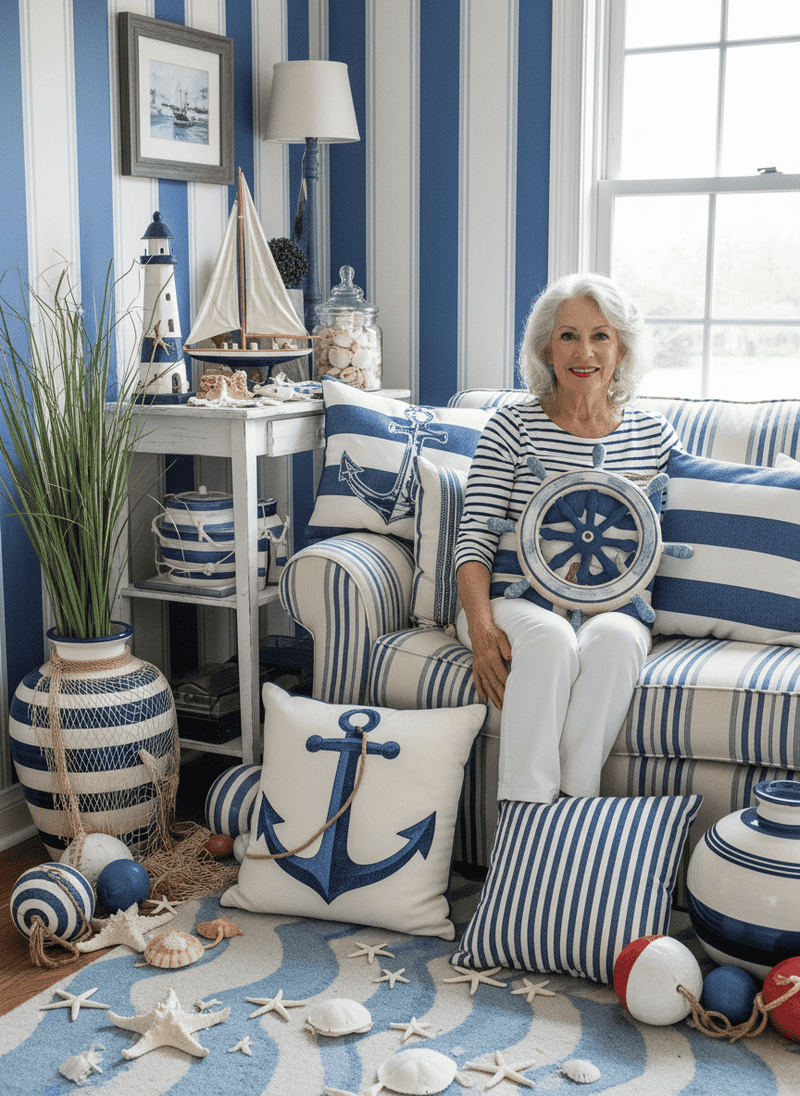
While classic navy and white stripes are undeniably iconic and part of the coastal vernacular, their overuse can quickly tip your decor from chic nautical to overtly themed and even tacky. Many women over 60, perhaps remembering traditional seaside imagery, might incorporate stripes on every textile – from cushions and rugs to drapes and upholstery – creating a dizzying, repetitive visual that lacks sophistication and warmth. This singular focus on one motif can make a room feel less like a serene retreat and more like a child's bedroom or a uniform, rather than a beautifully appointed adult living space.
The key to incorporating nautical stripes elegantly is moderation and thoughtful placement. Consider stripes as an accent, not the main event. A single striped throw pillow, a subtly striped area rug, or a striped ceramic vase can add that touch of maritime charm without overpowering the entire room. Balance them with solid colors, varying textures, and other natural elements to create visual interest and depth. The goal is to hint at the nautical influence, allowing it to complement your overall design rather than dominate it.
Furthermore, explore different scales and types of stripes. Instead of bold, uniform bands, consider delicate pinstripes, varying widths, or even subtly textured woven fabrics that mimic stripes. Pair them with organic materials like jute, rattan, and linen, and introduce other patterns like subtle geometrics or soft botanicals to break up the visual monotony. By exercising restraint and combining stripes with a diverse array of textures and patterns, you can achieve a refined coastal look that feels both timeless and sophisticated, avoiding the common pitfall of overt, tacky theming.
4. Choosing Cheap, Synthetic Materials
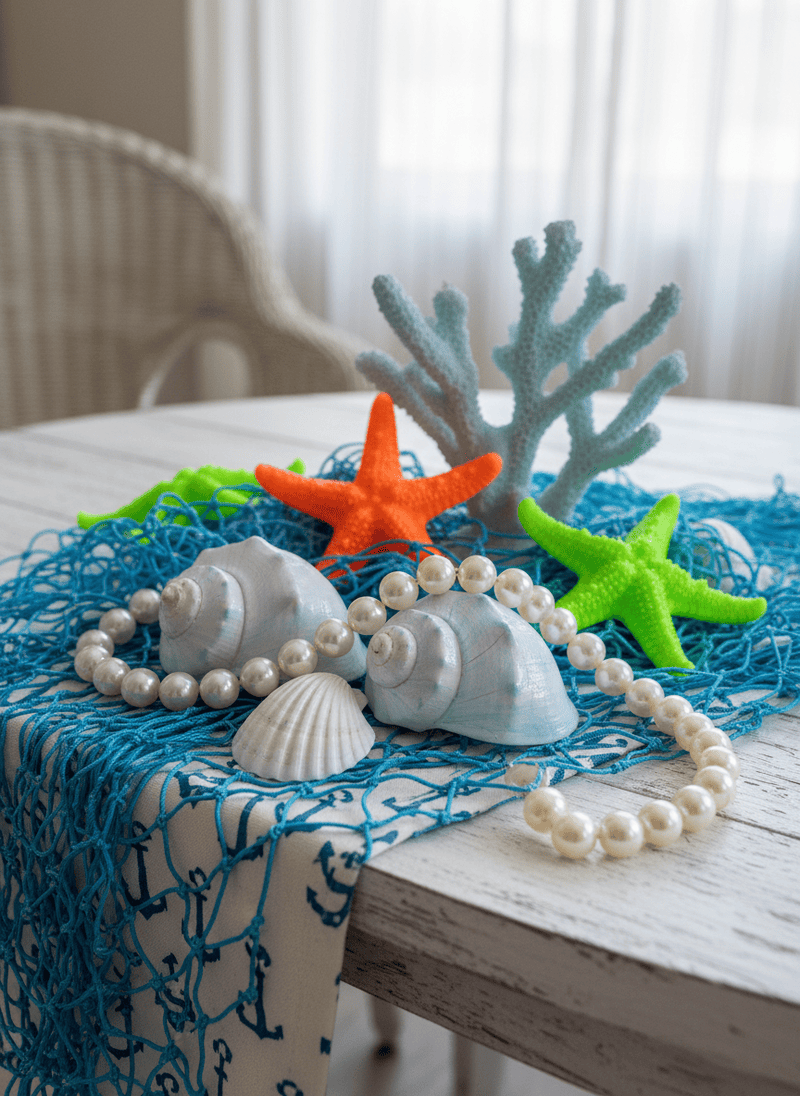
A significant error that can quickly undermine the elegance of a coastal home is the reliance on cheap, synthetic materials. While these options might seem budget-friendly initially, they often look and feel artificial, contributing to a tacky aesthetic rather than the sophisticated, natural vibe inherent to coastal design. Think of shiny polyester fabrics, plastic-coated furniture, or faux wood finishes that lack the tactile quality and timeless appeal of genuine materials. For women over 60 aiming for a serene and inviting space, these choices can inadvertently make a home feel less luxurious and more disposable.
Coastal design, at its core, celebrates nature – the rough texture of sand, the smoothness of sea glass, the softness of a sea breeze. To truly capture this essence, prioritizing natural materials is paramount. Opt for linens, cottons, jute, rattan, sisal, and genuine wood. These materials not only age beautifully but also add rich texture, comfort, and authenticity to a room. A simple linen slipcover on a sofa, a jute rug underfoot, or a solid wood coffee table immediately elevates the space, giving it a more refined and enduring quality that synthetics simply cannot replicate.
Investing in quality natural materials doesn't necessarily mean breaking the bank; it's about making conscious choices. Even a few key pieces made from natural fibers can make a significant impact. Consider adding a beautiful wool throw, a few cotton cushions, or a woven seagrass basket. These elements contribute to a layered, tactile environment that feels genuinely inviting and luxurious, a far cry from the plastic-laden interiors that often scream "tacky." Focusing on natural textures ensures your home embodies true coastal elegance, making it a comfortable and stylish sanctuary.
5. Ignoring Texture and Depth
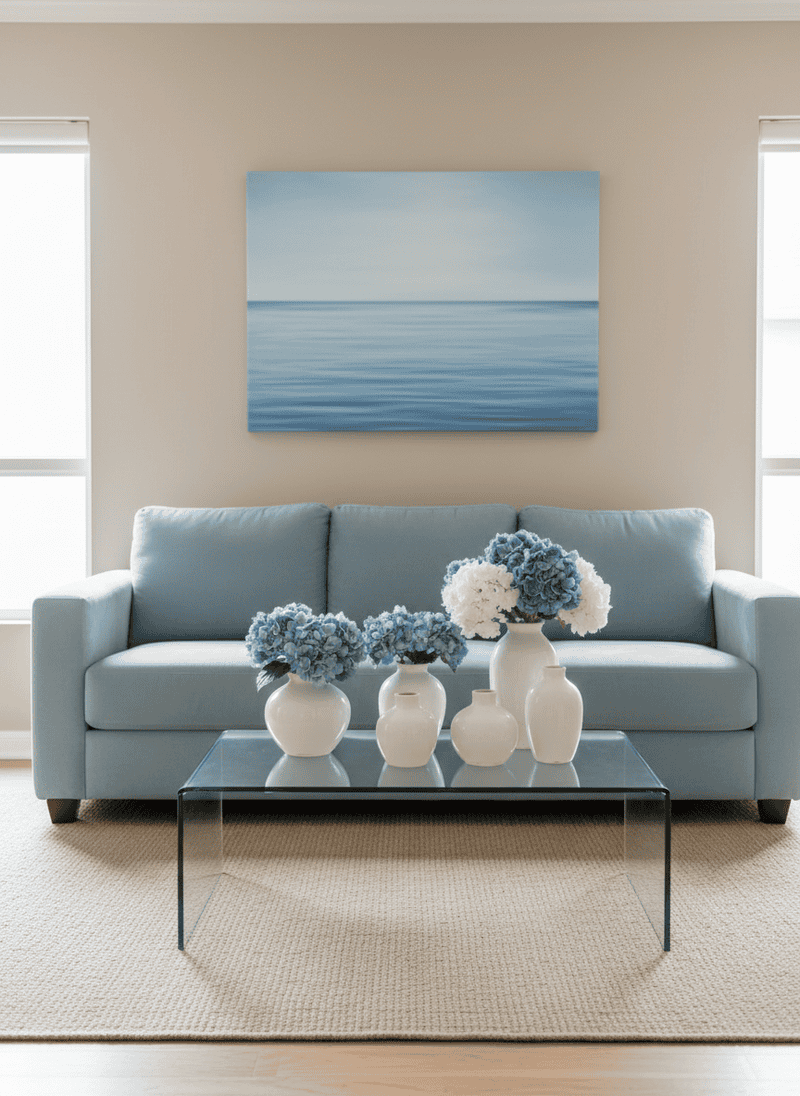
A common mistake, particularly evident in coastal decor, is creating a visually flat and uninteresting space by neglecting to incorporate a variety of textures. When women over 60 fall into the trap of using too many smooth, uniform surfaces or fabrics that all feel the same, the room can lose its warmth, depth, and inviting appeal. This lack of tactile and visual variety often results in a sterile, one-dimensional look that, rather than being sophisticated, can come across as dull and even tacky, failing to capture the rich, sensory experience of the coast.
Coastal environments are inherently rich in texture: the rough bark of driftwood, the smooth worn glass, the soft ripple of sand, the crispness of ocean air. Bringing these elements into your home is crucial. Instead of all smooth cottons, consider layering linen, chunky knits, wool, or even subtly textured performance fabrics. On surfaces, mix smooth polished ceramics with rougher terracotta, woven rattan, or weathered wood. These juxtapositions create visual and tactile interest, making a room feel dynamic and inviting.
Think about how different textures interact. A plush chenille throw draped over a linen sofa, a woven jute rug contrasting with smooth wooden floors, or a matte ceramic vase next to a shiny glass piece – these combinations add layers of intrigue and comfort. Incorporating textures doesn't just mean fabrics; it extends to wall treatments like grasscloth, architectural details, and even the natural grain of wooden furniture. By consciously layering diverse textures, you can transform a bland, flat space into a richly tactile and visually engaging coastal retreat that feels truly luxurious and far from tacky.
6. Sticking to a Monochromatic Blue Palette
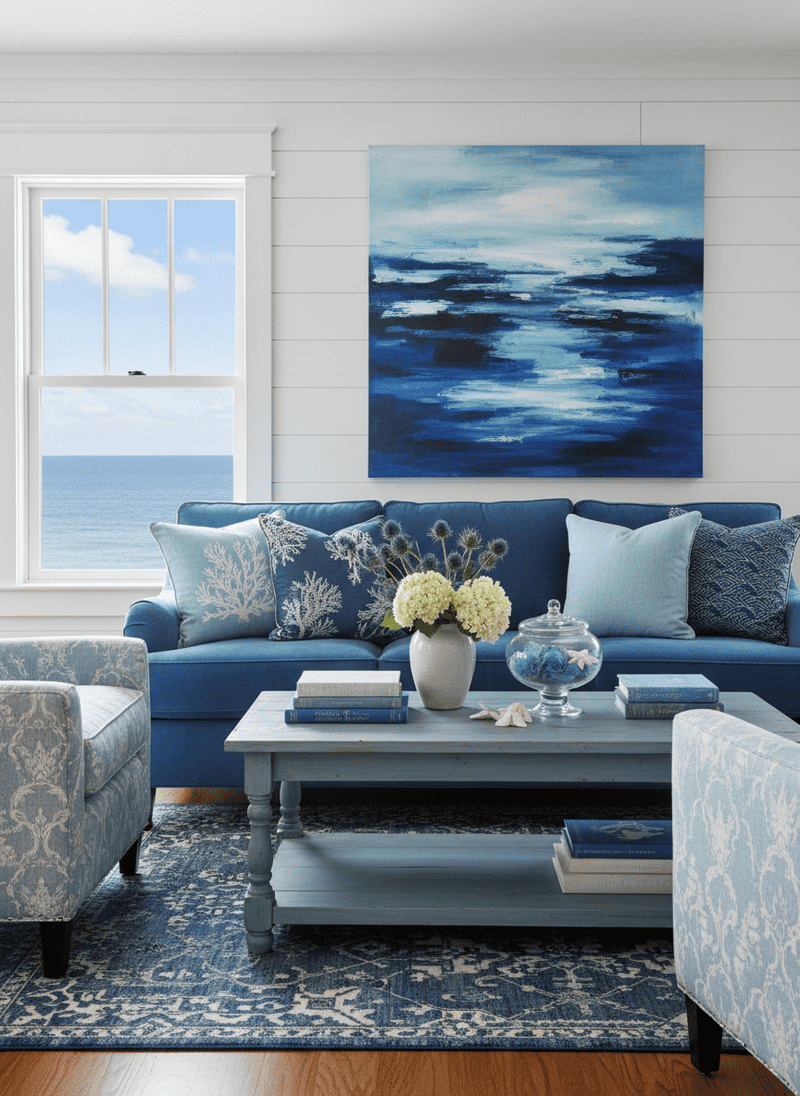
While blue is undeniably the quintessential coastal color, relying solely on various shades of blue throughout your entire home can quickly lead to a monotonous, sterile, and ultimately tacky appearance. Many women over 60, in an effort to evoke the ocean, inadvertently drench every room in blues and whites, creating a look that lacks warmth, personality, and visual interest. This singular color approach, without careful balancing, often results in a space that feels more like a cold, themed exhibit than a welcoming, elegant home.
Sophisticated coastal design thrives on a broader spectrum of natural hues. Think beyond just blue. The coast is also about sandy beiges, soft greys of pebbles and misty mornings, the greens of seagrass and dune grasses, and the occasional subtle pops of coral or sunrise pink. These complementary colors provide warmth, depth, and a more authentic connection to the varied palette found in nature. Integrating these softer, earthy tones alongside your blues will create a more sophisticated and inviting atmosphere.
Consider using blues as an accent rather than the dominant force. Pair deep navy with crisp whites and sandy neutrals, or soft sky blue with muted greens and driftwood grays. Introduce textures through these varied colors – a pale green woven throw, a beige linen armchair, or a piece of abstract art with subtle coral accents. By diversifying your color palette and embracing the full spectrum of nature’s coastal hues, you can craft a home that feels rich, nuanced, and beautifully serene, moving far beyond the potentially tacky trap of an all-blue environment.
7. Cluttering Surfaces with Small Decor
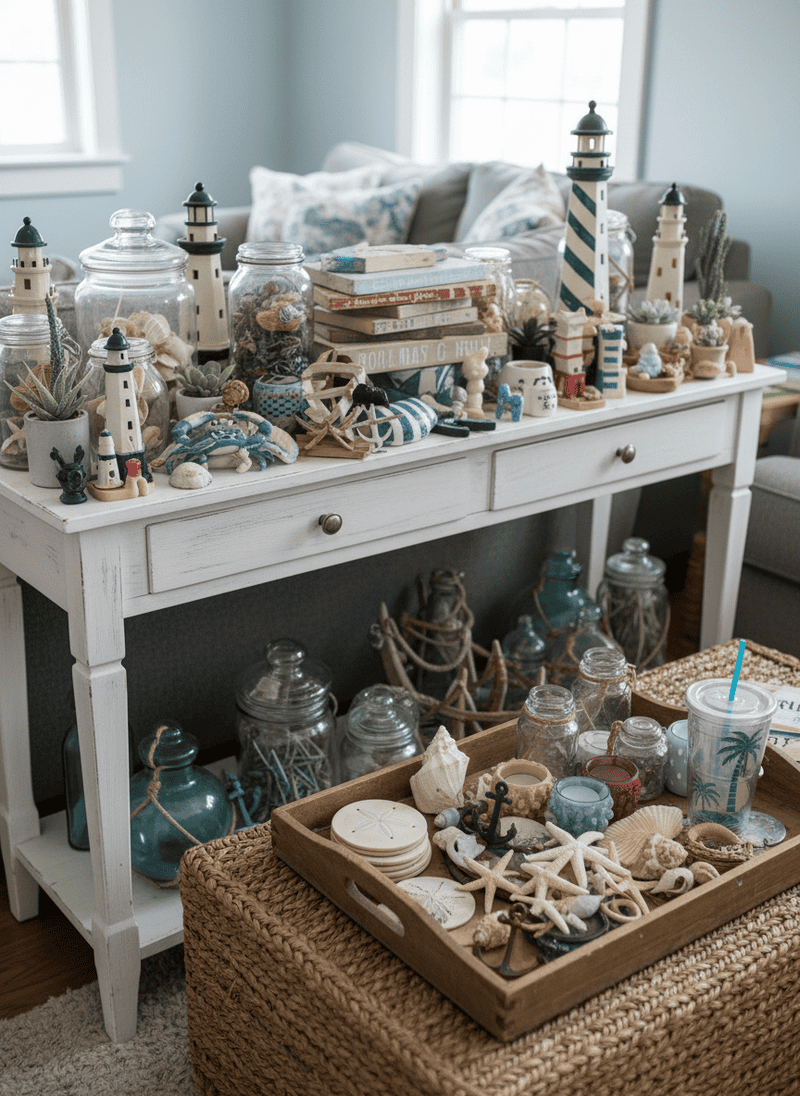
A common mistake that instantly diminishes the elegance of any home, especially a coastal one, is the tendency to clutter every available surface with an array of small, often mismatched, decorative items. For women over 60, this can often stem from a desire to display cherished trinkets or souvenirs, but the result is frequently a busy, disorganized look that feels more overwhelming than inviting. Instead of creating serene coastal vignettes, surfaces become a jumble, making the space feel cramped, messy, and decidedly tacky, obscuring any true beauty that might be present.
Elegant coastal decor embraces simplicity and intentionality. The goal is to create a sense of calm and spaciousness, much like the open expanse of the ocean. To achieve this, practice the art of curation. Instead of displaying ten small items, choose two or three larger, more impactful pieces that truly resonate with your aesthetic. Allow each object to have its own moment and space to breathe, becoming a focal point rather than just one item in a sea of many.
When styling surfaces like coffee tables, mantels, or bookshelves, group items in odd numbers (threes or fives work well) and vary their heights and textures. For example, a beautiful piece of coral next to a stack of art books and a simple glass vase with a single branch can create a sophisticated vignette. Regularly edit your decor, removing anything that doesn't bring joy or contribute to the overall aesthetic. A less-is-more approach to surface styling will ensure your coastal home exudes a sense of tranquility, sophistication, and timeless elegance, rather than appearing cluttered and unkempt.
8. Neglecting Proper Lighting
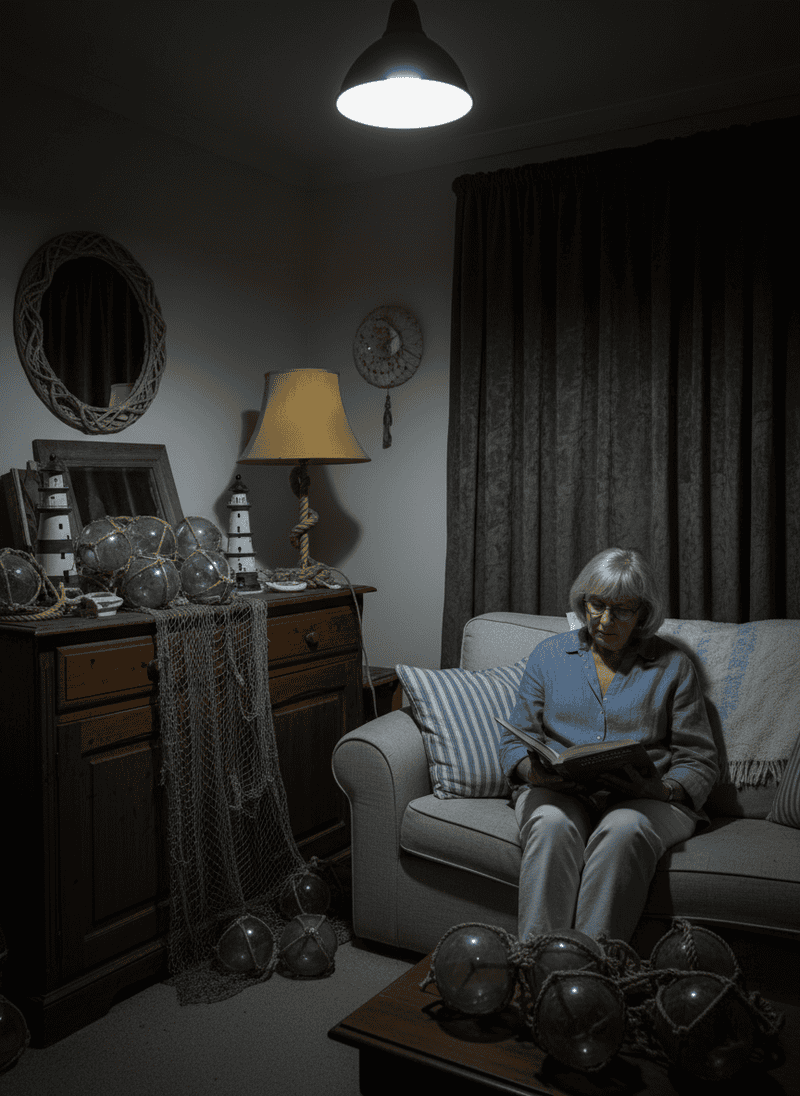
Lighting is one of the most transformative elements in interior design, yet it's often overlooked or poorly executed, especially in coastal homes where natural light is so crucial. Many women over 60 might rely on a single overhead fixture or dated lamps, leading to a flat, dull, and uninviting ambiance. Inadequate or harsh lighting can instantly make a beautifully decorated room feel less appealing, even tacky, by failing to highlight key features and creating an uninviting atmosphere rather than a warm, serene coastal glow.
Sophisticated coastal design capitalizes on light, both natural and artificial, to evoke the bright, airy feeling of the seaside. Start by maximizing natural light: keep window treatments light and airy, opting for sheer curtains, linen drapes, or natural woven shades that can be easily pulled back. Avoid heavy, dark curtains that block precious sunlight. Once the sun sets, thoughtful artificial lighting becomes paramount for setting the right mood and enhancing the decor.
Layering light sources is key to creating depth and warmth. Beyond a central overhead fixture, incorporate task lighting (like reading lamps next to seating) and accent lighting (such as wall sconces or picture lights to highlight art). Choose lamps with natural materials like rattan bases or linen shades to complement the coastal aesthetic. Soft, warm-toned bulbs create a cozy, inviting glow, rather than the stark, cool light that can feel clinical. Proper lighting ensures your coastal home feels bright, airy, and inviting at all times, transforming it into a welcoming sanctuary instead of a dimly lit, uninspired space.
9. Using Heavy, Dark Furniture
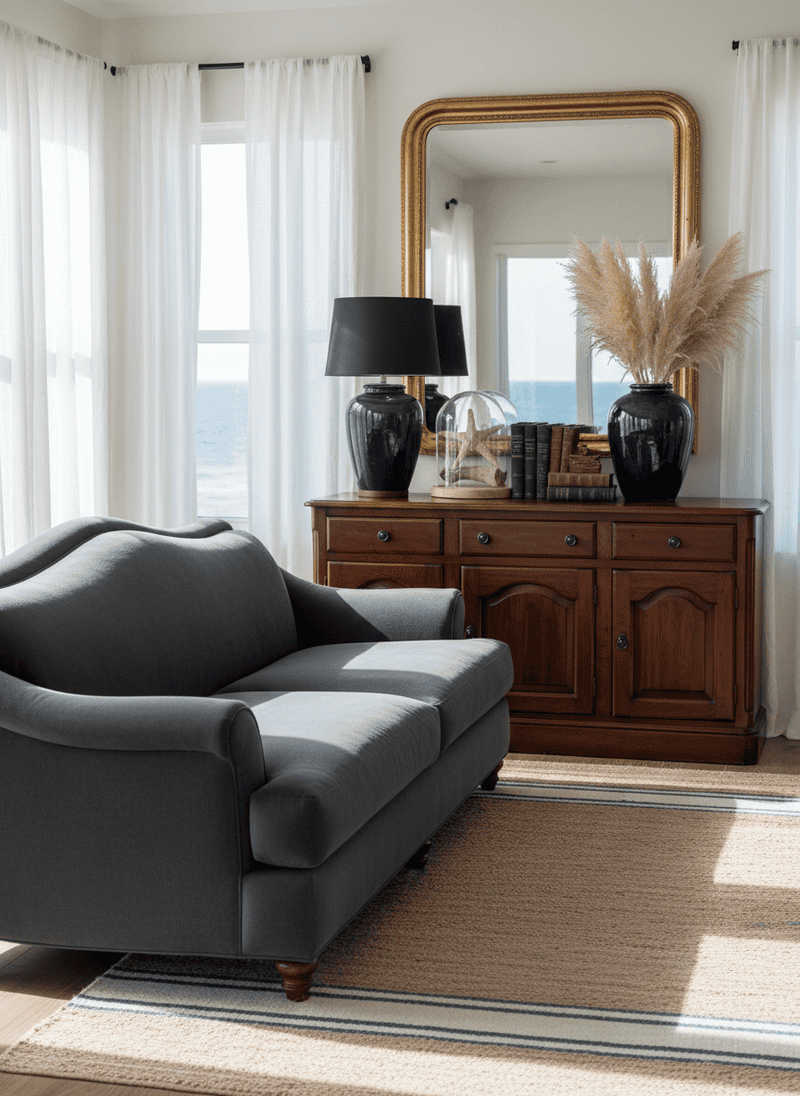
One of the most significant missteps in coastal decor is the inclination to use heavy, dark, and overly ornate furniture pieces that are entirely out of sync with the light, breezy essence of the seaside. Many women over 60 might carry over furniture from previous decor styles or choose pieces that feel substantial, but these dark, bulky items, often made from heavy woods like mahogany or dark oak, can instantly weigh down a room. This creates a somber, oppressive atmosphere that clashes starkly with the desired airy, relaxed coastal vibe, making the entire space feel dated and somewhat tacky.
Coastal elegance is characterized by an open, unencumbered feel, reminiscent of the expansive horizon and open skies. Furniture should reflect this lightness. Opt for pieces made from lighter-toned woods such as bleached oak, natural pine, or whitewashed finishes. Materials like rattan, wicker, bamboo, and distressed painted wood are also excellent choices, as they inherently bring a natural, airy texture and a relaxed elegance to the space.
Consider the scale and silhouette of your furniture as well. Instead of large, heavy armoires or overstuffed, dark leather sofas, choose pieces with cleaner lines and a more open design. Sofas and chairs with visible legs, open shelving units, and glass-top tables can contribute to a feeling of spaciousness and airiness. By embracing lighter colors, natural materials, and streamlined forms, you can ensure your coastal home feels bright, inviting, and truly reflective of a sophisticated seaside retreat, rather than a heavy, dated relic from another era.
10. Forgetting Functionality and Comfort
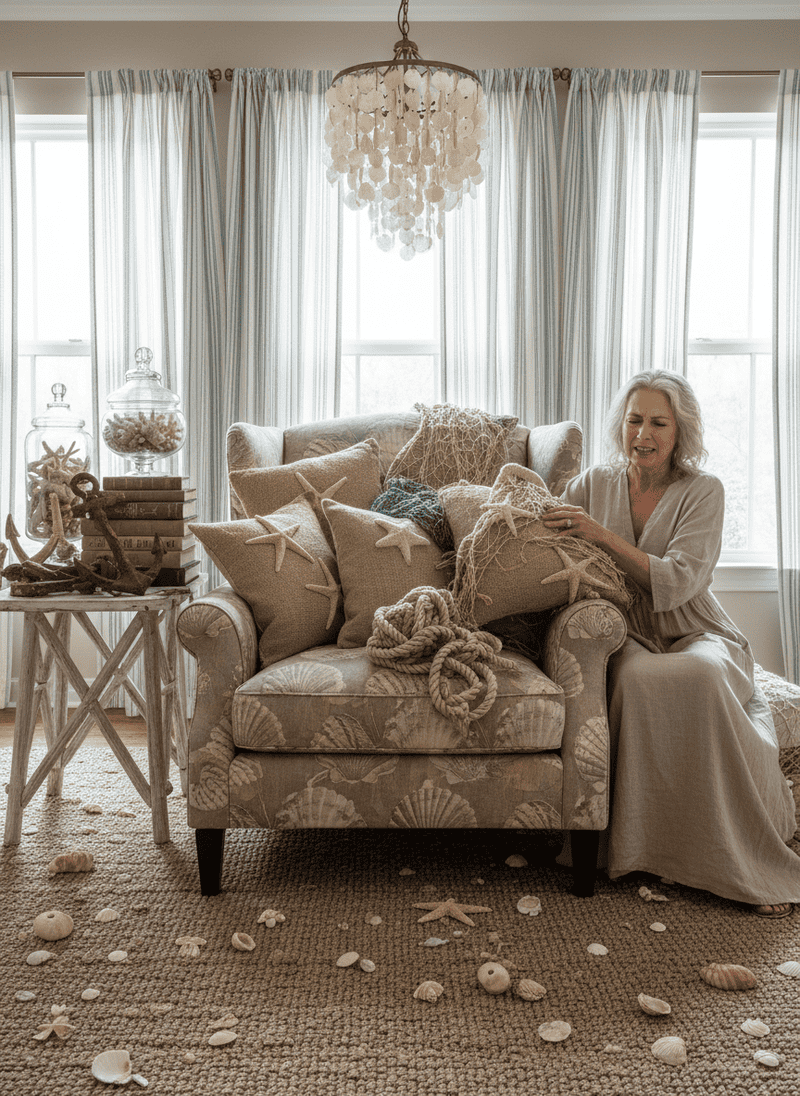
In the pursuit of a visually appealing coastal aesthetic, many women over 60 can inadvertently overlook the crucial elements of functionality and comfort, leading to a beautiful-to-look-at-but-unlivable space. If a room is designed purely for show, with uncomfortable seating, impractical layouts, or fragile decor that can't withstand everyday life, it quickly loses its charm. A home that doesn't prioritize the needs of its inhabitants, especially those seeking relaxation and ease, can feel cold, unwelcoming, and ultimately, quite tacky in its impracticality.
Coastal living is inherently about ease, relaxation, and embracing a laid-back lifestyle. Your home should reflect this by being genuinely comfortable and functional. This means choosing sofas and armchairs that invite you to sink in, selecting durable fabrics that can withstand sun and occasional spills, and ensuring there's adequate storage to keep clutter at bay. Think about how you and your guests will actually use the space – where will you sit, place a drink, or read a book?
Design choices should enhance daily living, not hinder it. Opt for slipcovered furniture that can be easily cleaned, sturdy coffee tables, and accessible shelving. Ensure pathways are clear and furniture is arranged to facilitate conversation and movement. Incorporate soft throws, plump cushions, and cozy rugs that invite you to relax. By blending beauty with practicality, your coastal home will not only look elegant but also feel genuinely lived-in, comfortable, and inviting – a true sanctuary that embodies sophisticated ease, far removed from the stiff, unapproachable atmosphere of a poorly designed space.
11. Poor Quality or Overly Kitschy Art
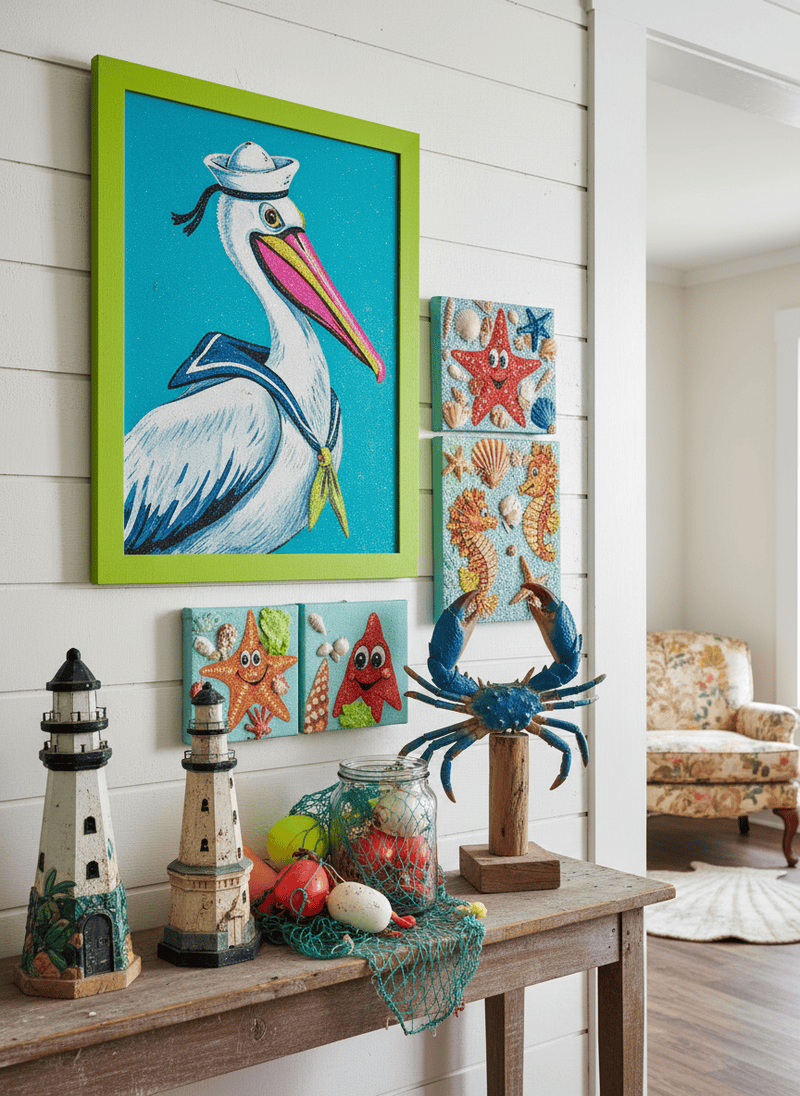
Art plays a pivotal role in defining the character and sophistication of a room, but choosing poor quality or overly kitschy pieces is a common mistake that can instantly make a coastal home feel tacky. Many women over 60 might be drawn to mass-produced prints of generic lighthouses, cartoonish seagulls, or overly sentimental beach scenes that lack artistic merit and individuality. These choices, while seemingly fitting the theme, often cheapen the overall aesthetic and fail to contribute to a genuinely elegant or personal space.
Sophisticated coastal art doesn't have to be expensive, but it should be thoughtful and evoke a feeling rather than just state a theme. Instead of literal interpretations, consider abstract pieces in ocean-inspired hues, photography of natural coastal landscapes, or even serene watercolor paintings. The art should complement your decor, adding depth, color, and a sense of personality without being overtly clichéd. Look for pieces that resonate with you personally and offer a sense of calm and beauty, rather than simply filling a blank wall with a generic image.
Seek out original art from local artists, explore art fairs, or consider high-quality giclée prints of more sophisticated coastal themes. Even a framed piece of beautiful sea glass, a collection of curated shells in a shadow box, or a simple piece of driftwood can be elevated to art if presented thoughtfully. Focus on quality, emotional connection, and originality over cheap, mass-market reproductions. By investing in meaningful and tasteful art, you can ensure your coastal home feels authentically beautiful and inspiring, moving far beyond the realm of tacky, uninspired wall decor.
12. Relying on Obvious Beach Signage

Perhaps one of the most pervasive and easily avoidable mistakes in coastal decor, especially for women over 60, is the overuse of obvious beach signage and word art. Items emblazoned with phrases like "Beach Life," "Salty Kisses," "Life's a Beach," or "Welcome to the Beach House" can quickly make a sophisticated home feel childish, generic, and undeniably tacky. While these items might seem charming in a souvenir shop, incorporating them excessively into your interior design strips the space of its elegance and originality, reducing it to a theme park caricature.
True coastal elegance is about subtlety and suggestion, not literal declarations. The goal is to evoke the feeling and atmosphere of the coast through colors, textures, natural elements, and carefully chosen artwork, rather than explicitly telling visitors where they are or what the theme is. Let the overall ambiance of your home speak for itself, conveying a serene, relaxed, and chic seaside vibe without the need for written instructions or overt branding.
Instead of word art, consider alternative ways to personalize your space and celebrate the coastal lifestyle. Use photography of your favorite beaches, incorporate meaningful art that evokes seaside memories, or display unique natural elements collected from your travels. If you desire text, opt for a framed map of a beloved coastal area, a calligraphic quote about the sea (used sparingly), or a subtle initial in a sophisticated font. By ditching the overt beach signage, you empower your home to exude a timeless, understated elegance that is genuinely sophisticated and welcoming, rather than overtly themed and tacky.
13. Ignoring Natural Elements and Greenery
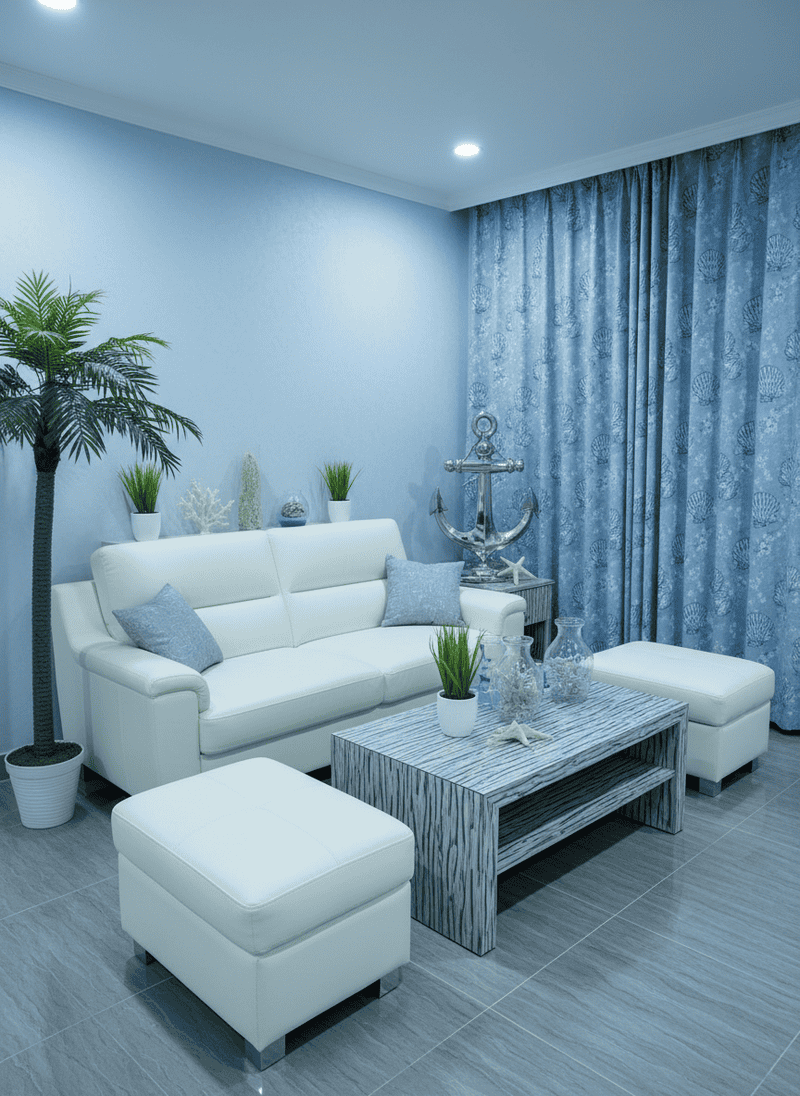
A significant oversight that can make a coastal home feel sterile and uninspired is the neglect of natural elements and greenery. While the focus is often on blues, whites, and shells, forgetting to incorporate living plants or organic textures can leave a space feeling cold, flat, and somewhat artificial. Many women over 60 might shy away from plants due to perceived maintenance, but their absence can result in a decor scheme that, despite its best intentions, comes across as lifeless and tacky, lacking the vibrant energy found in nature.
Coastal environments are rich with life – lush palm fronds, swaying grasses, and vibrant succulents. Bringing these natural elements indoors instantly infuses a room with freshness, warmth, and vitality. Plants add a crucial layer of organic texture, pops of natural color, and a sense of calm that synthetic decor simply cannot replicate. They connect your interior to the outside world, enhancing the serene and restorative qualities of a true coastal sanctuary.
Even if you're not a seasoned gardener, there are many low-maintenance options perfect for coastal homes. Consider resilient plants like ZZ plants, snake plants, or succulents for easy care. Trailing Pothos or a dramatic Fiddle Leaf Fig can add architectural interest. If live plants aren't feasible, high-quality preserved moss, dried botanicals like pampas grass, or even a simple vase of fresh cut flowers can make a huge difference. Incorporating these touches of greenery and natural forms ensures your coastal home feels vibrant, alive, and genuinely sophisticated, avoiding the common pitfall of a sterile and uninviting space.
14. Overlooking Scale and Proportion
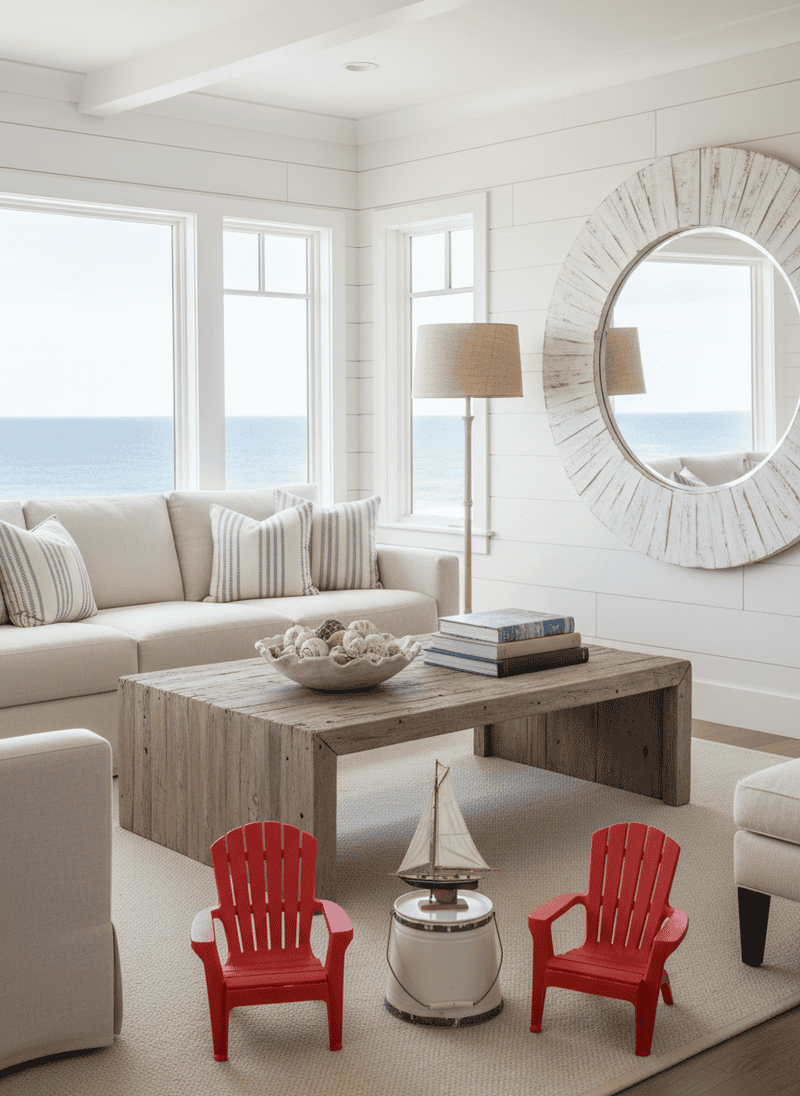
Ignoring the principles of scale and proportion is a critical design error that can make even the most beautiful coastal pieces look awkward and out of place, leading to an overall tacky appearance. Many women over 60 might struggle with choosing furniture or decor that is either too large for a small room, making it feel cramped, or too small for a spacious room, leaving it feeling sparse and unbalanced. This mismatch in size creates visual disharmony, preventing the space from feeling cohesive, elegant, or thoughtfully designed.
Good design ensures that all elements in a room relate harmoniously to each other and to the room's overall dimensions. For coastal decor, this often means selecting furniture that feels appropriately scaled for a relaxed, open atmosphere. For instance, a petite accent chair can get lost next to a grand sofa, just as an oversized coffee table can dominate a cozy sitting area. Before purchasing, measure your space and envision how new pieces will fit within it, considering not just length and width, but also height and visual weight.
When arranging decor, remember to vary heights and sizes to create interest. A large piece of wall art should be balanced by smaller items on a console below, or a tall vase paired with shorter decorative objects. Avoid placing too many tiny items in a vast space, as they tend to look insignificant and contribute to clutter rather than style. By paying close attention to how objects relate in terms of size and visual impact, you can ensure your coastal home feels balanced, harmonious, and exquisitely designed, far from the jarring effect of poorly proportioned elements.
15. Using Dated Anchor and Lighthouse Motifs
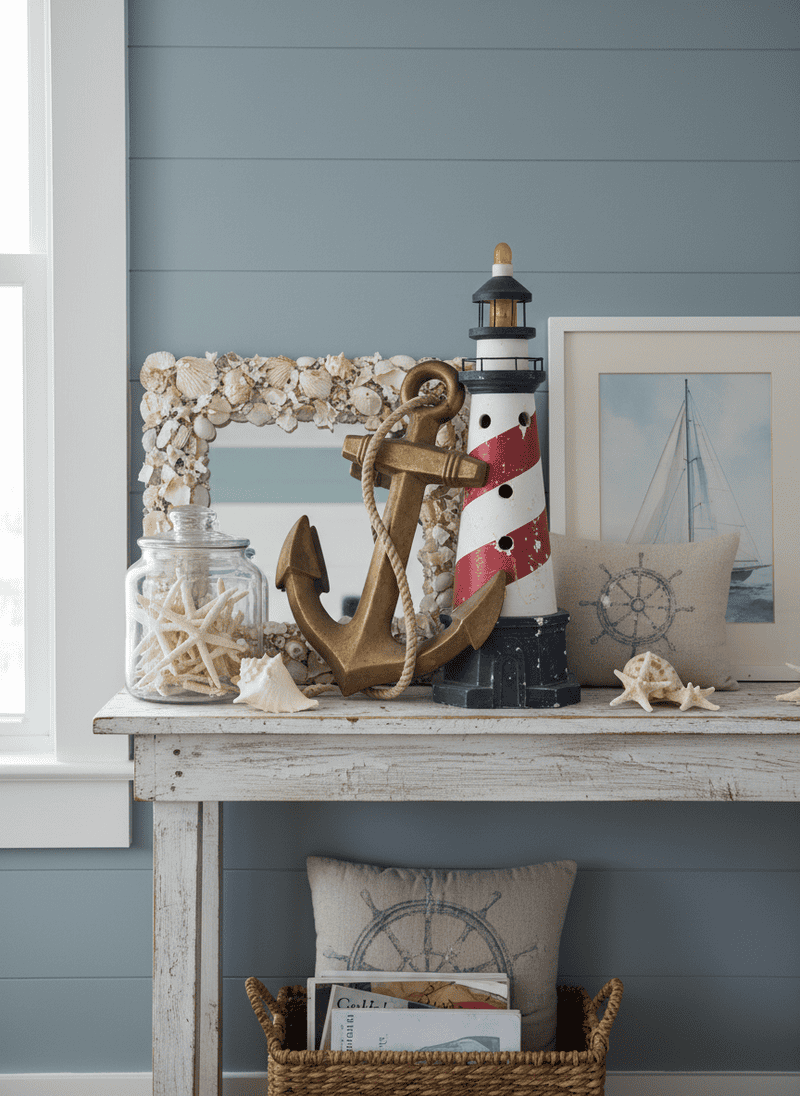
While anchors and lighthouses are classic symbols of the coast and nautical history, their overuse or depiction in a dated, kitschy manner can quickly render a coastal home tacky and uninspired. Many women over 60, perhaps with fond memories of traditional maritime themes, might gravitate towards mass-produced items featuring cartoonish anchors or brightly painted lighthouses, scattering them throughout their space. This approach often results in a decor scheme that feels more like a child's playroom or a budget motel than a sophisticated, elegant seaside retreat.
Sophisticated coastal decor takes a much more subtle and refined approach to nautical symbols. If you love anchors or lighthouses, consider them in abstract forms, as part of vintage blueprints, or in sculptural, natural materials. A beautifully crafted brass anchor accent, a framed historical map with a lighthouse depicted, or a piece of art that subtly hints at these forms through lines and shapes can be far more elegant than overt, brightly colored representations. The key is to whisper, not shout, your appreciation for these iconic symbols.
Instead of literal motifs, focus on the essence they represent: stability, guidance, and resilience. Incorporate elements that evoke these feelings without being explicit. Think about textures like sturdy rope accents, elegant brass fixtures reminiscent of ship hardware, or a clean, strong architectural line that suggests a lighthouse. By choosing refined, subtle interpretations or even foregoing these literal symbols altogether in favor of a broader coastal aesthetic, you can ensure your home exudes timeless elegance rather than a dated, theme-park feel.
16. Neglecting Thoughtful Layering
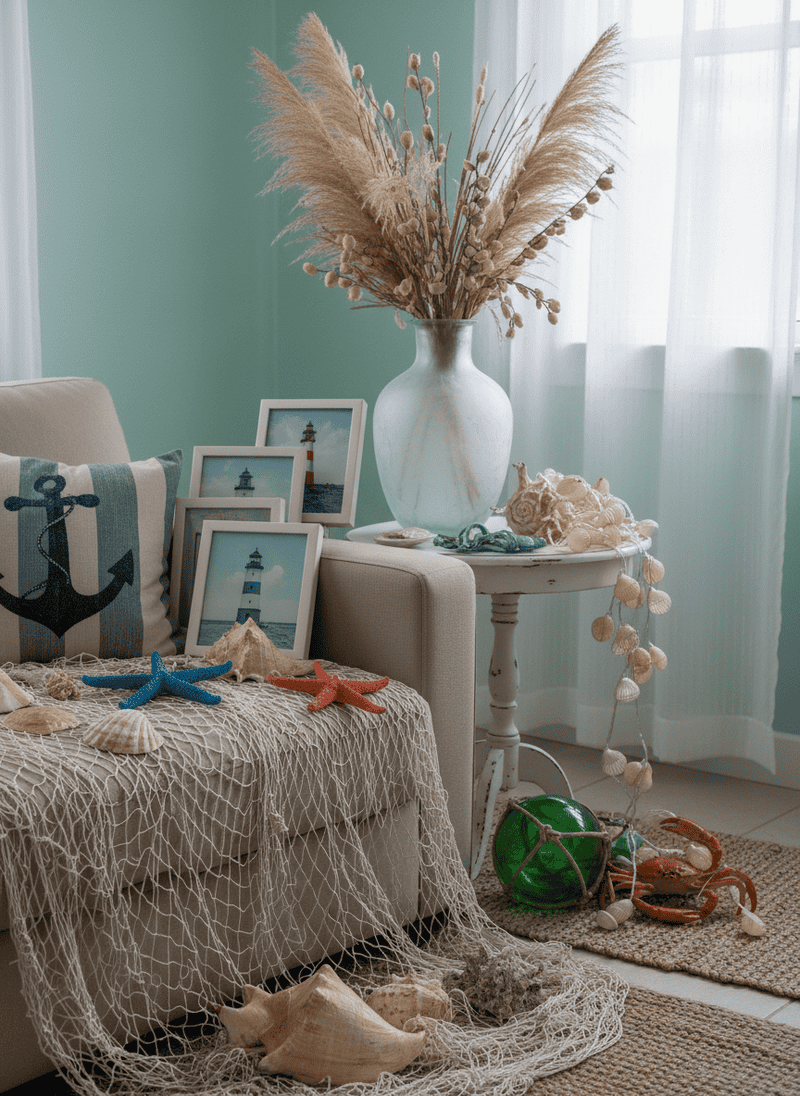
A common pitfall that can make a coastal home feel flat and unfinished is the neglect of thoughtful layering. Many women over 60 might place furniture and a few decor items, but then stop, failing to add the crucial layers of textiles, accessories, and varied textures that bring warmth, depth, and personality to a space. This lack of layering can leave a room feeling sparse, uninviting, and somewhat sterile, contributing to a look that, while perhaps clean, ultimately lacks the sophistication and comfort of a truly elegant coastal home.
Layering is what transforms a house into a home, adding richness and visual interest. In coastal design, this means building up textures and colors through various elements. Start with a foundational rug, then add furniture, and then layer on textiles: throws draped casually over a sofa, an array of decorative pillows in varying textures and subtle patterns, and window treatments that add softness without blocking light. These soft layers invite relaxation and provide comfort, essential for a cozy coastal retreat.
Beyond textiles, layering extends to accessories. On a coffee table, combine items of different heights and materials – a stack of books, a piece of coral, and a small ceramic bowl. On a bookshelf, intersperse practical items with decorative objects and framed photos. Even lighting can be layered, combining ambient, task, and accent lights. By consciously building up these layers, you create a rich, inviting environment that feels curated and cohesive, providing depth and warmth that prevents the space from appearing bland or unfinished, ensuring a truly sophisticated and personalized coastal aesthetic.
17. Choosing Bright, Primary Beach Colors
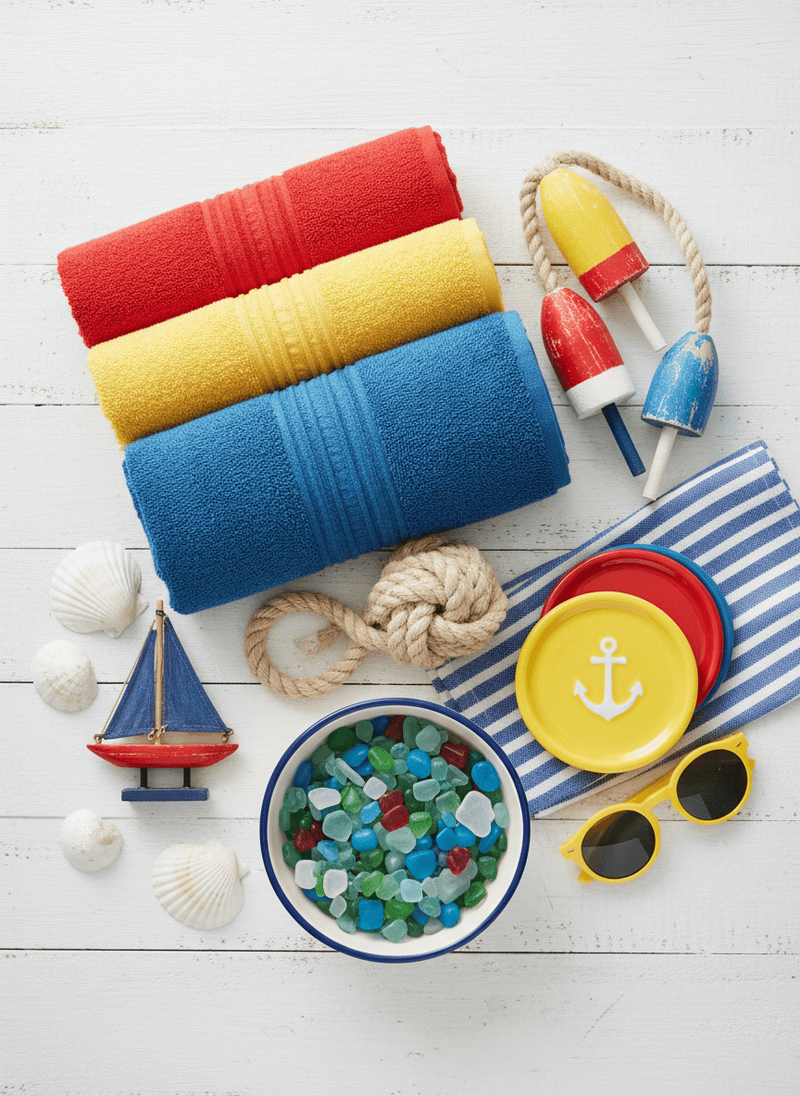
While the beach is vibrant, translating its most intense hues directly into home decor can be a significant mistake, often leading to a tacky and overwhelming result. Many women over 60, in an attempt to capture a lively beach vibe, might opt for bright, primary blues, reds, and yellows – think stark lifeguard stand red, electric blue ocean, and glaring yellow sun. These intense colors, when used extensively, can make a space feel garish, juvenile, and visually jarring, losing any sense of the serene and sophisticated coastal ambiance.
Sophisticated coastal decor embraces a more muted, natural palette that reflects the subtle beauty of the seaside. Instead of primary colors, think about the softer, more nuanced tones found in nature: dusty blues of the horizon, soft greens of sea glass, sandy beiges, muted corals, and sun-bleached whites. These colors are inherently calming and create a much more serene and elegant atmosphere that is timeless and sophisticated, rather than overtly loud and theme-park like.
If you love a pop of color, incorporate it strategically and sparingly. A vibrant coral throw pillow, a single piece of art with a splash of seafoam green, or a vase of bright yellow flowers can provide an energetic accent without dominating the room. Pair these brighter moments with a foundation of neutrals and soft, organic textures to maintain balance and elegance. By toning down the intensity and choosing a more harmonious, nature-inspired palette, you can create a coastal home that feels beautifully serene and stylish, rather than aggressively themed and tacky.
18. Forgetting the Power of Neutrals
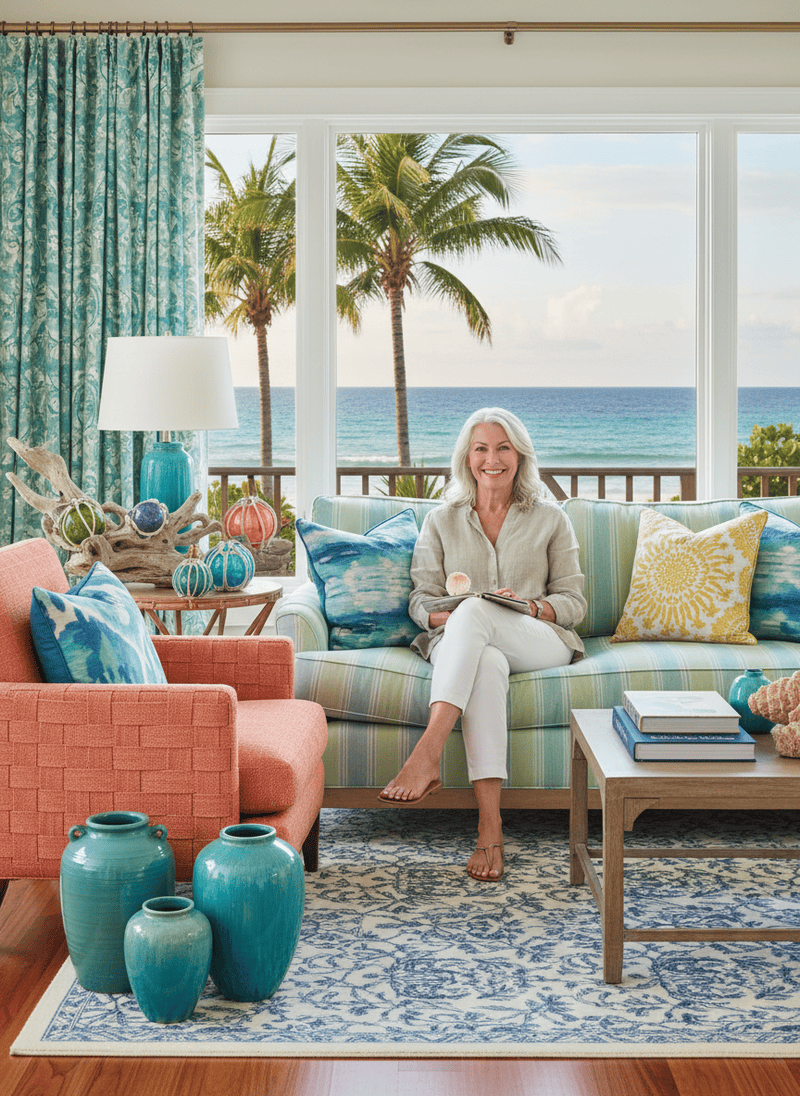
A common mistake, particularly when aiming for a coastal aesthetic, is to underestimate or entirely neglect the transformative power of neutrals. Many women over 60 might focus heavily on blues, greens, and other sea-inspired hues, forgetting that a strong foundation of sophisticated neutrals is what truly grounds and elevates a coastal design. Without a thoughtful integration of these calming tones, a room can feel chaotic, overwhelming, and ultimately lose its elegance, teetering into the realm of tacky visual clutter.
Neutrals—think creamy whites, sandy beiges, soft grays, and warm taupes—are the unsung heroes of sophisticated coastal decor. They provide the necessary breathing room, allowing accent colors and natural textures to truly shine without competing for attention. These serene backdrops mimic the vastness of sand dunes, mist, and clouds, creating a sense of calm and spaciousness that is essential for a tranquil seaside retreat. They make a room feel inherently brighter, airier, and more expansive.
Use neutrals generously on large surfaces like walls, sofas, and major furniture pieces. Then, layer in your coastal-inspired blues, greens, or corals through throw pillows, artwork, and decorative accents. This approach ensures that your home feels balanced, sophisticated, and incredibly inviting. Neutrals also provide a timeless foundation that can easily be updated with different accent colors as your taste evolves, preventing your decor from feeling dated or stuck in a single theme. Embrace neutrals, and watch your coastal home transform into an oasis of understated elegance and serenity.
19. Not Incorporating Personal History
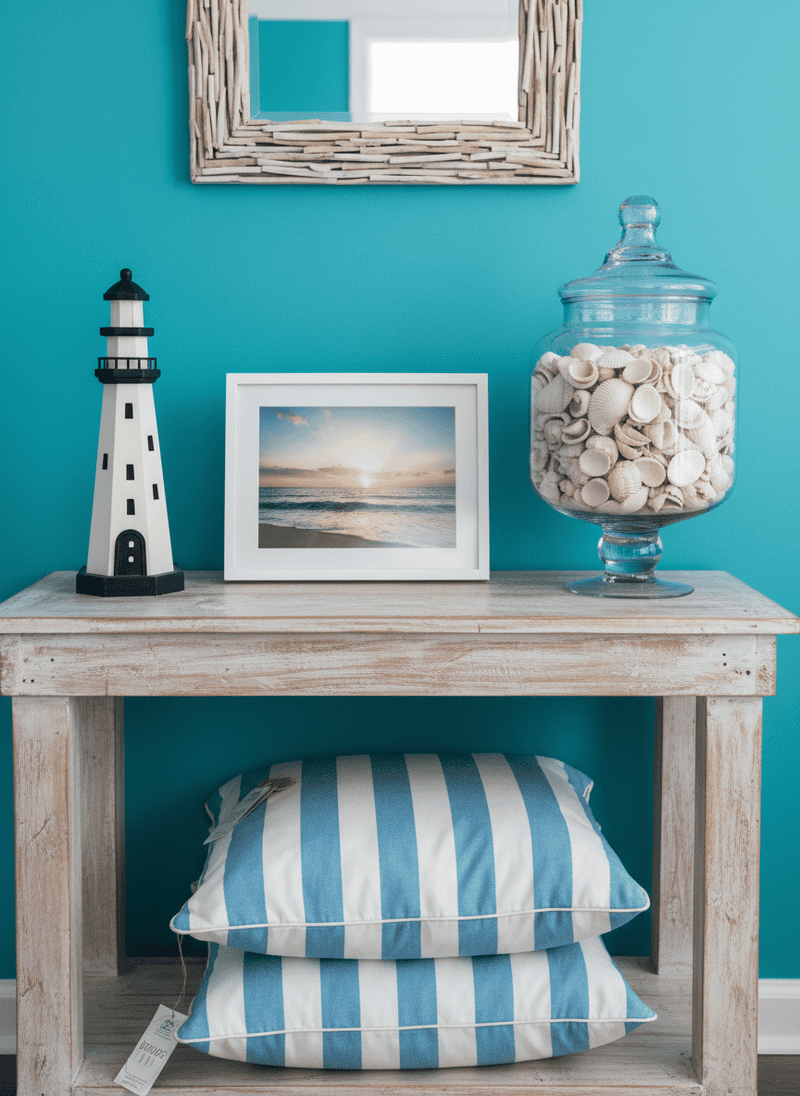
One subtle yet significant mistake in coastal decor is creating a space that feels entirely generic, devoid of any personal history or unique story. Many women over 60 might adhere strictly to catalog-perfect coastal styles, resulting in a beautiful but ultimately impersonal home that lacks soul and authenticity. When a space doesn't reflect the individual who lives there – their travels, their memories, their passions – it can feel cold, uninviting, and surprisingly, a little tacky in its lack of genuine character, failing to truly be a sanctuary.
An elegant home, regardless of style, tells a story. For a coastal home, this means weaving in elements that speak to your personal connection to the sea. Perhaps it's a piece of driftwood found on a memorable vacation, a framed photograph from a favorite beach trip, or a cherished heirloom that, while not explicitly coastal, harmonizes with the natural textures and colors of the space. These personal touches are what elevate decor from merely thematic to genuinely meaningful and unique.
Consider how to subtly integrate your life's journey into your coastal design. Instead of generic wall art, display travel souvenirs that evoke a sense of adventure or a framed collection of pressed botanicals from a beloved seaside garden. Mix antique pieces with modern finds. Let your collection of books, an inherited piece of furniture, or a framed family photo add warmth and authenticity. By infusing your personal history and individuality, your coastal home will not only be beautiful but also deeply resonant and truly yours, exuding an elegant charm that is impossible to replicate with purely generic decor.
20. Letting Dust and Disarray Accumulate
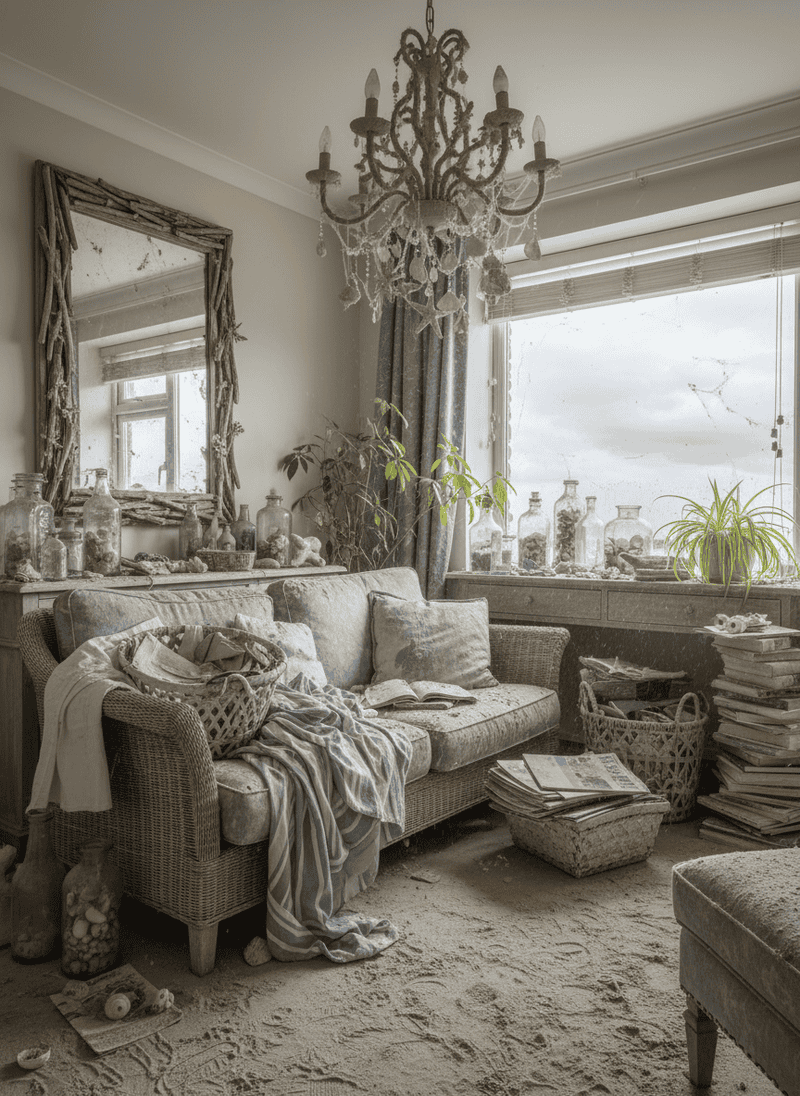
Regardless of how meticulously a room is designed, neglecting basic cleanliness and allowing dust and disarray to accumulate is a critical error that instantly makes any coastal home, or any home for that matter, look tacky. For women over 60, maintaining a pristine environment can sometimes be challenging, but a dusty surface, a cluttered countertop, or an unkempt floor immediately undermines even the most exquisite decor. The airy, fresh, and serene essence of coastal living is completely lost amidst dirt and disorder, making the entire space feel neglected and uninviting.
Coastal design is intrinsically linked to a sense of purity, freshness, and open space, much like a clean beach or a clear ocean view. To truly embody this aesthetic, cleanliness is paramount. Dust accumulation on shelves, grimy windows, or smudged surfaces will detract from the brightness and tranquility you're striving to achieve. A cluttered space not only looks messy but also creates visual noise, overwhelming the senses rather than offering a calming escape.
Establish a simple, consistent cleaning routine. Regular dusting, vacuuming, and tidying up surfaces can make a huge difference in maintaining the crisp, fresh look of your coastal home. Utilize smart storage solutions – woven baskets, elegant cabinets, or decorative boxes – to keep clutter out of sight. A clean, organized, and fresh-smelling home is the ultimate foundation for sophisticated coastal decor. By prioritizing tidiness, you ensure that your beautiful design choices are always showcased in their best light, exuding an inviting elegance rather than a disappointing disarray.
21. Failing to Update Periodically
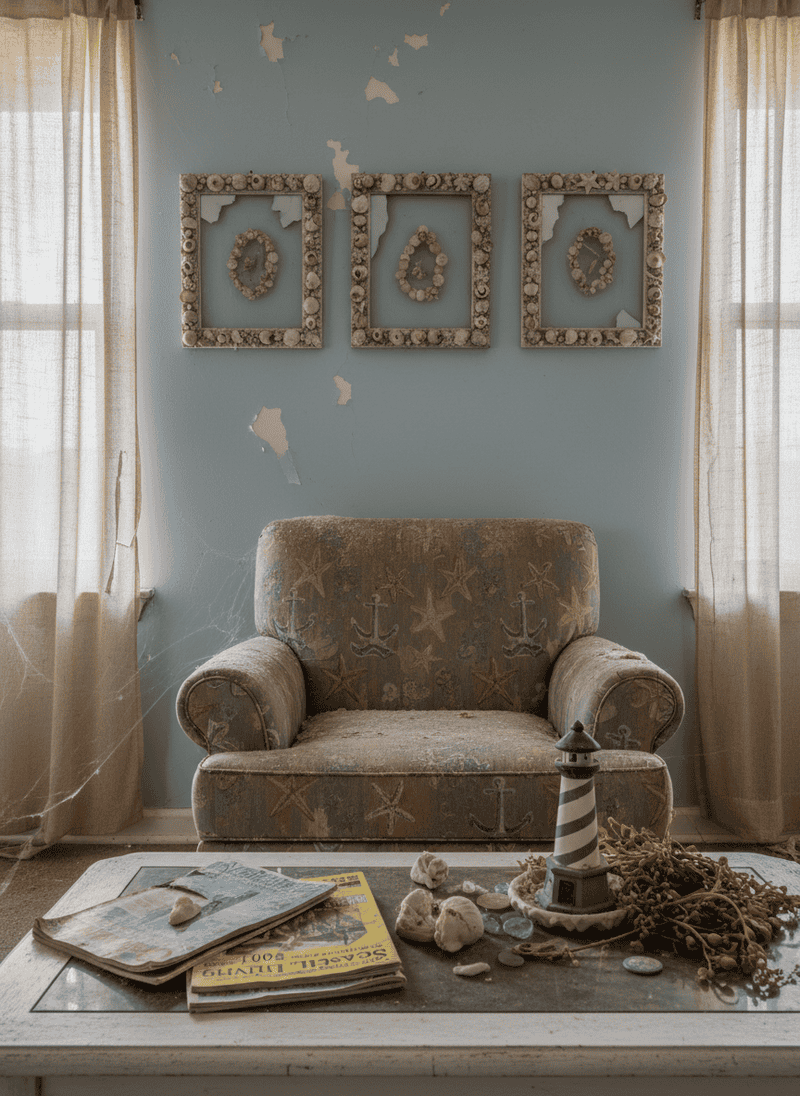
Even the most charming coastal decor can eventually look dated and tired if it’s not periodically refreshed and updated. Many women over 60 might settle into a decor scheme they love, but without an occasional refresh, what was once stylish can subtly shift into appearing stagnant, or worse, tacky. Trends evolve, materials wear, and personal tastes change, and failing to acknowledge these shifts can leave your home feeling stuck in a past era rather than radiating timeless elegance.
Sophisticated design, including coastal, isn't about chasing every fleeting trend, but rather about thoughtful evolution. This doesn't mean a complete overhaul every year, but rather strategic updates that keep your space feeling fresh, relevant, and well-maintained. Perhaps it's updating an outdated light fixture, swapping out worn throw pillows, repainting a wall, or introducing a contemporary piece of art that complements your existing style without disrupting it.
Think about injecting subtle newness that reinvigorates your space. This could be a new arrangement of plants, a modern textured rug, or new drapes in a fresh, airy fabric. Pay attention to wear and tear – faded fabrics, chipped paint, or damaged furniture should be addressed promptly. A home that feels current and well-cared-for conveys a sense of sophistication and vitality. By embracing the idea of periodic, intentional updates, you ensure your coastal sanctuary remains a timeless, elegant, and inviting reflection of your evolving style, far from the dull appearance of a forgotten space.


