
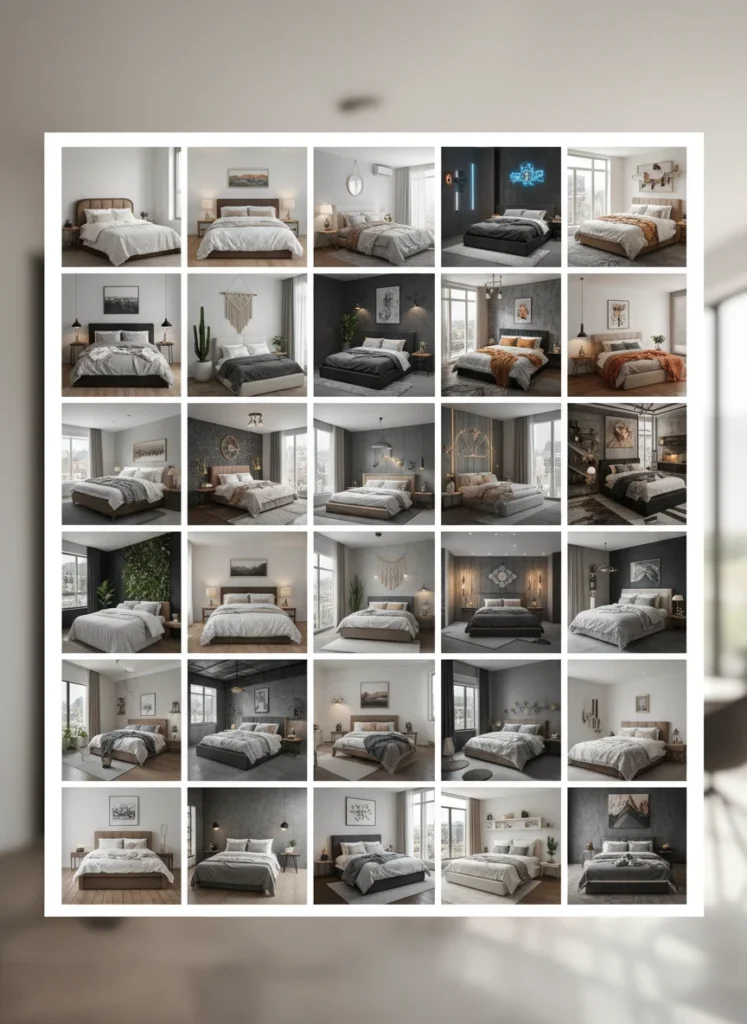
Designing a modern bedroom is about creating a space that speaks to your personal style and offers true respite. With thoughtful choices in furniture, color, and accents, you can build a restful haven that feels both current and uniquely yours. Discover these 21 inspiring looks that prove contemporary design can be both sophisticated and utterly achievable.
1. Minimalist Sanctuary
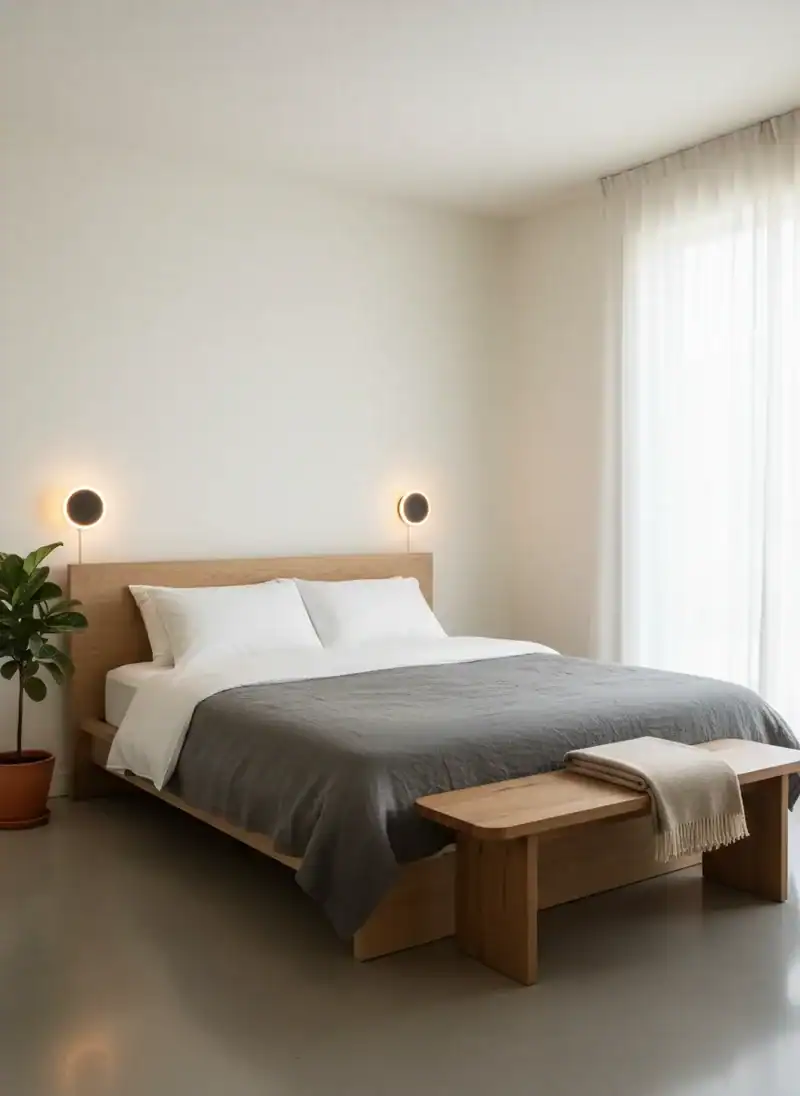
The essence of a minimalist bedroom lies in its deliberate simplicity. This approach prioritizes clear spaces, functional furniture, and a tranquil atmosphere. Think clean lines, uncluttered surfaces, and a careful selection of items that serve a purpose or bring genuine joy. It is about removing the extraneous to highlight the beauty of what remains, creating an environment where the mind can truly unwind.
A monochromatic or subdued color palette forms the backbone of this style, often featuring whites, grays, and natural wood tones. Consider a platform bed with integrated storage, sleek bedside tables, and a single piece of impactful artwork rather than a gallery wall. Materials like linen, polished concrete, and light wood contribute to the calm, tactile experience. Soft, diffused lighting further enhances the feeling of serenity.
Achieving this look requires a disciplined eye but offers immense rewards in daily living. Each item chosen should contribute to the overall feeling of peace and order. A minimalist bedroom isn’t sparse, it is simply focused, offering a clear escape from daily chaos into a calm, personal retreat.
2. Industrial Chic Retreat
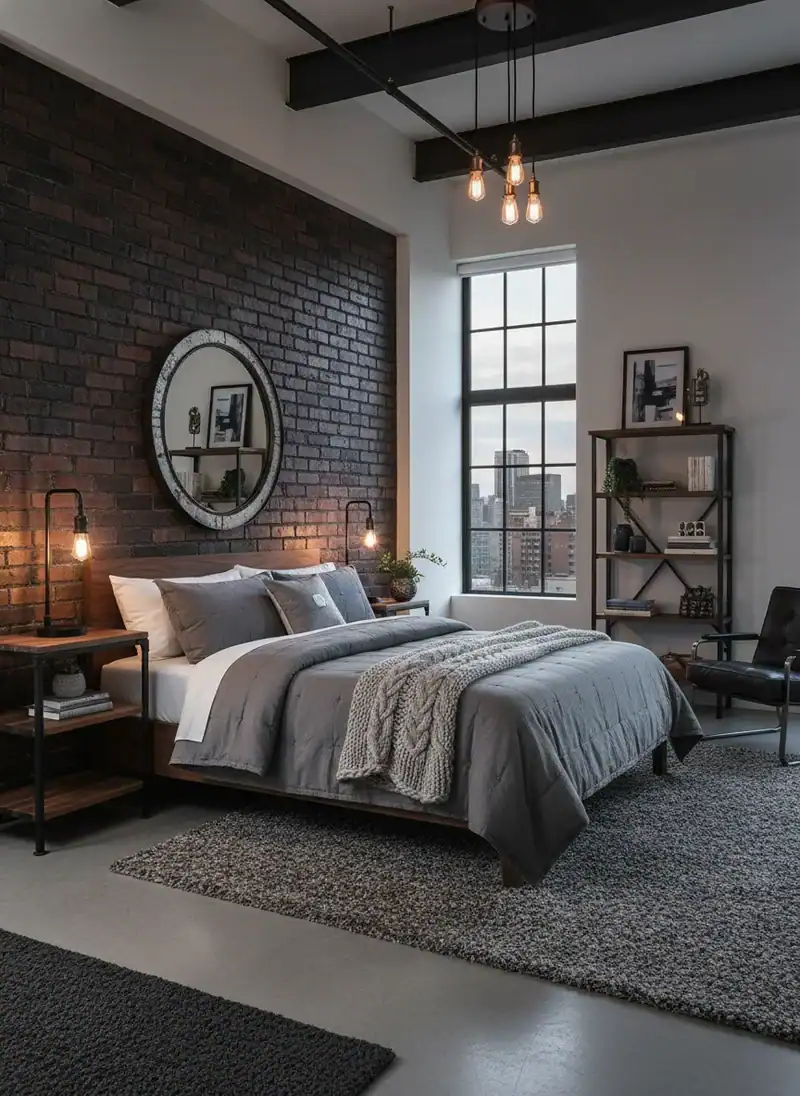
Industrial chic embraces raw materials and utilitarian design, bringing an urban edge to the sleeping space. This style celebrates visible structural elements and a sense of history, even in new constructions.
Exposed brick walls, concrete ceilings, or metal accents instantly anchor this aesthetic. Focus on robust furniture pieces, perhaps a metal-framed bed or reclaimed wood nightstands. Incorporate a mix of textures, from rough-hewn wood to polished steel, to add depth and interest.
Lighting plays a key role, with exposed Edison bulbs, task lamps, or caged fixtures casting a warm, inviting glow. A color palette dominated by grays, blacks, browns, and whites allows the textures and materials to take center stage. Avoid overly plush or ornate items; instead, opt for simple, durable textiles.
Balance the starkness with comfort by adding a chunky knit throw or a few strategically placed plants. The result is a bedroom that feels grounded, authentic, and undeniably cool.
3. Bohemian Rhapsody Reimagined
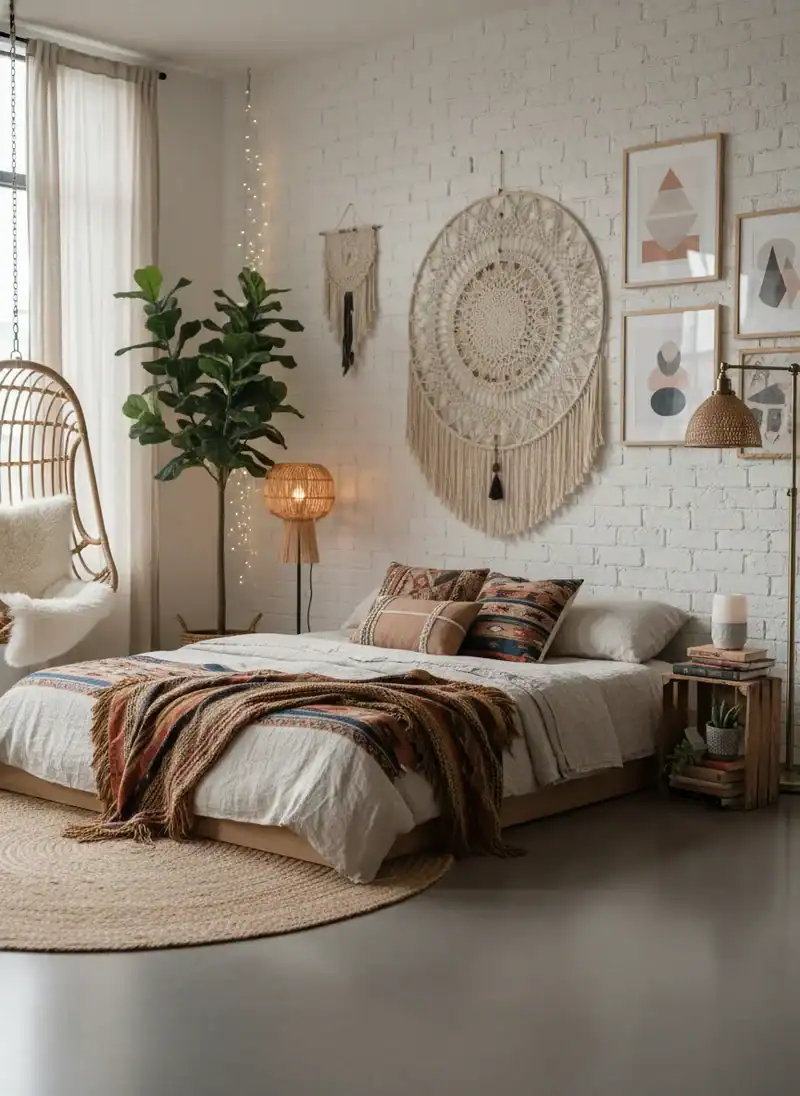
Modern bohemian design takes the free-spirited ethos of traditional boho and refines it with cleaner lines and a more deliberate approach. It’s about creating a warm, inviting space that feels worldly and well-traveled, but without excessive clutter.
Start with natural materials like rattan, jute, and linen. A low-slung bed, perhaps a platform style, instantly sets a relaxed tone. Incorporate textiles with subtle patterns, such as mud cloth or block prints, in muted, earthy tones like terracotta, sage, and cream. Layering different textures is key here, from a sheepskin rug to a macramé wall hanging.
Plants are essential for a modern bohemian bedroom, bringing life and organic shapes into the room. Consider large floor plants like a Fiddle Leaf Fig or a few trailing Pothos. Personal touches, like artisanal pottery or souvenirs from your travels, add to the narrative of the space without overwhelming it. This style encourages comfortable imperfection and a personal connection to every object within the room.
4. Scandi-Nordic Serenity
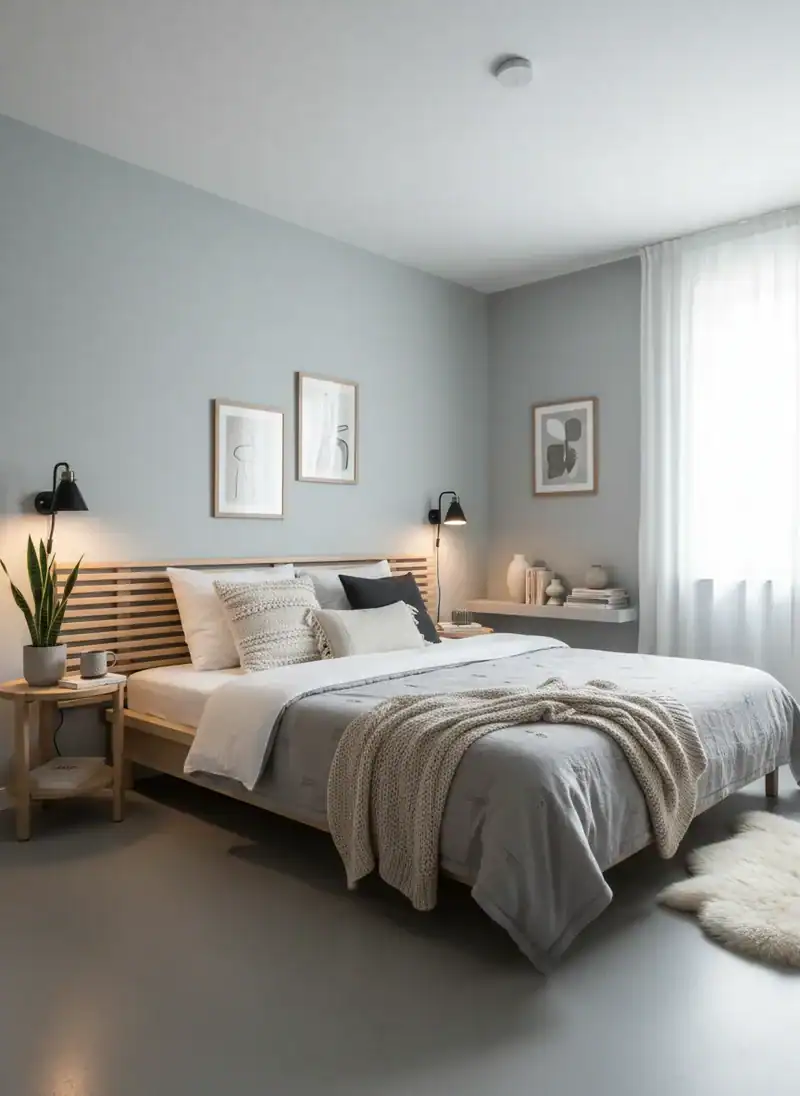
The Scandi-Nordic bedroom aesthetic prioritizes light, functionality, and connection to nature. It’s a design philosophy that values comfort and coziness, known in Denmark as ‘hygge,’ and in Norway as ‘koselig.’ This style often features bright, open spaces and a welcoming atmosphere.
Key elements include light-colored wood, especially birch or pine, and a predominantly white or very light gray color scheme. Keep furniture simple and functional, like a well-designed wooden bed frame and minimalist nightstands. Textiles are crucial; think soft linen bedding, chunky knit throws, and faux fur rugs that invite touch and provide warmth.
Natural light is maximized, often with sheer curtains or no window treatments at all. When artificial lighting is needed, opt for simple, well-designed fixtures that provide a soft, ambient glow. Green plants bring a touch of the outdoors in, complementing the natural materials.
Accessories are kept minimal but meaningful, focusing on ceramics, simple artwork, and perhaps a stack of books. The overall effect is a clean, calm, and utterly comfortable bedroom, perfect for unwinding after a long day.
5. Mid-Century Modern Retreat
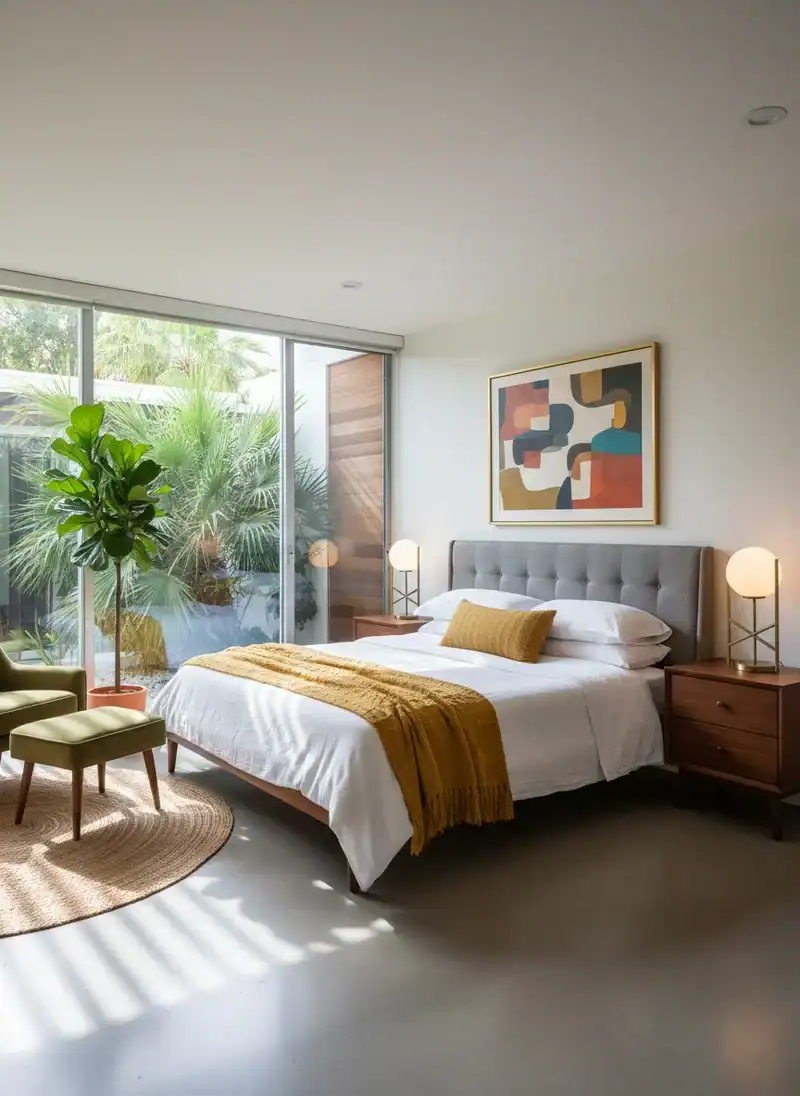
Mid-century modern design offers a nostalgic yet timeless appeal, characterized by clean lines, organic shapes, and a blend of natural and man-made materials. This style, popular from the mid-20th century, still feels incredibly fresh today and is often celebrated for its enduring quality and distinctive aesthetic.
Look for iconic furniture pieces such as a platform bed with tapered legs, a sleek dresser, or an armchair in a rich wood like walnut or teak. Upholstery often features geometric patterns or solid colors in muted tones, sometimes with a pop of mustard yellow, avocado green, or burnt orange. These colors provide visual interest without overpowering the room.
Consider incorporating a Sputnik chandelier or a sculptural table lamp to introduce distinctive lighting. Artwork from the period, or inspired by it, can further anchor the aesthetic. Don’t forget the details, like a starburst clock or an abstract ceramic vase, which contribute significantly to the overall feel of the space.
This look balances retro charm with contemporary functionality. It’s a sophisticated choice for those who appreciate design history and seek a bedroom that feels both polished and deeply comfortable.
6. Coastal Calm Bedroom
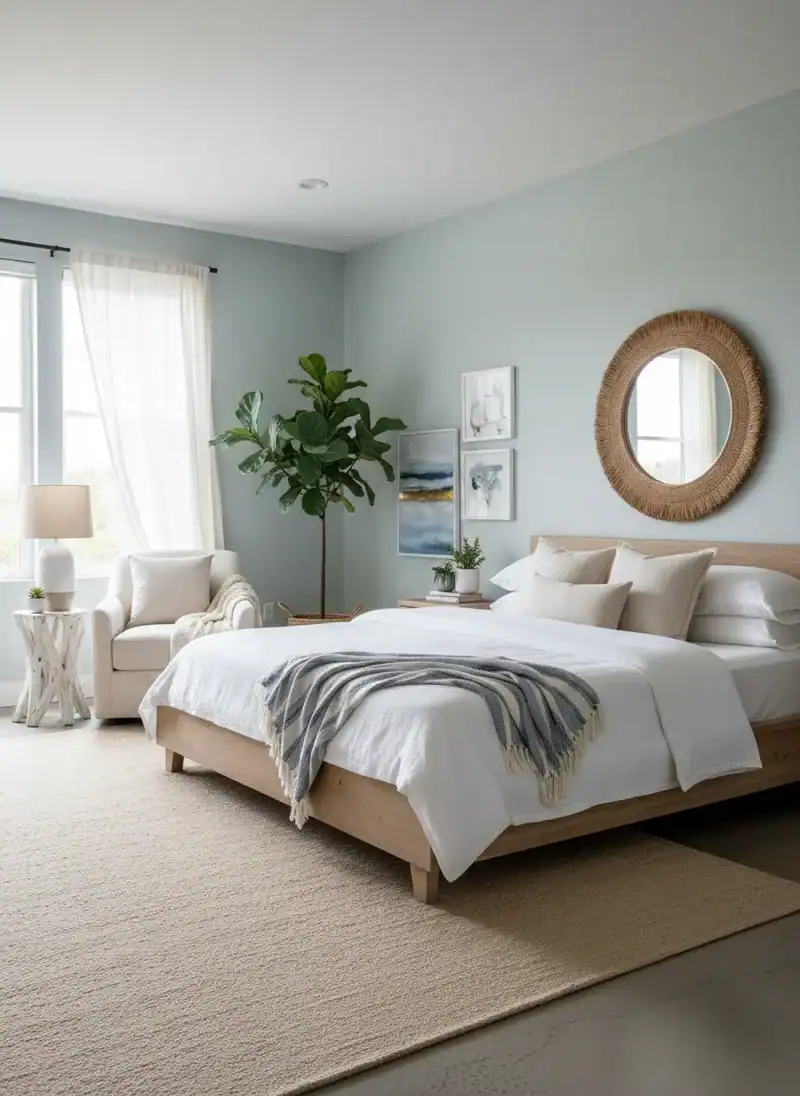
A modern coastal bedroom evokes the serene feeling of the seaside without resorting to overt nautical clichés. It is about creating a light, airy, and refreshing atmosphere that suggests proximity to the ocean through subtle design cues.
The color palette is paramount, focusing on soft blues, sandy neutrals, crisp whites, and muted greens. These colors mimic the sky, sand, and water, instantly creating a soothing backdrop. Natural light should be maximized, perhaps through sheer white curtains or blinds that can be easily opened.
Furniture pieces often feature light-toned woods, such as bleached oak or white-washed finishes. A simple bed frame, perhaps with a slatted headboard, fits well within this style. Incorporate textured elements like woven jute rugs, linen bedding, and rattan accents to add warmth and a connection to natural materials. These textures prevent the room from feeling too stark.
Accessories should be carefully chosen: a piece of coral, some artisanal pottery, or abstract art that suggests ocean waves. Avoid anything too literal like anchors or seashells. The goal is a refined, comfortable space that whispers rather than shouts ‘beach house,’ offering a tranquil escape.
7. Urban Loft Vibe
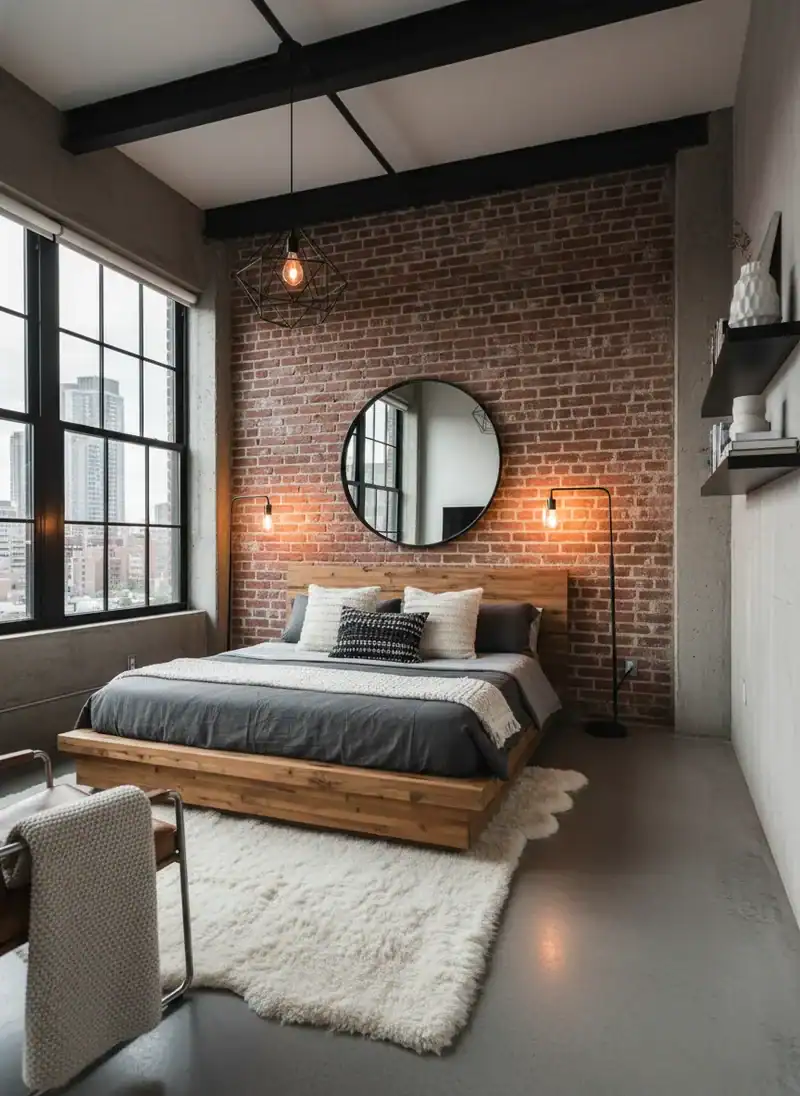
The urban loft aesthetic brings a sophisticated, city-dwelling sensibility into the bedroom. It draws inspiration from converted industrial spaces, characterized by open layouts, architectural details, and a slightly edgy appeal. This style is often favored by those who appreciate raw textures and a contemporary, unpolished finish.
High ceilings and large windows are often features of this look, allowing abundant natural light to flood the space. Focus on structural elements, such as exposed ductwork or brick walls, letting them become integral parts of the design. A concrete floor or polished wood adds to the authentic urban feel. If real brick is not an option, a well-placed brick wallpaper can provide a convincing illusion, though the texture of actual brick is unmatched.
Furniture tends to be robust and modern, often with metallic or dark wood accents. A low-profile bed, an industrial-style dresser, and perhaps a leather armchair create a cohesive look. Layering in soft textiles, like a plush rug or velvet cushions, helps to temper the harder elements, ensuring comfort alongside style.
Lighting fixtures are typically minimalist and often metal, such as track lighting or oversized pendant lamps. Artwork might lean towards abstract pieces or photography depicting cityscapes. The urban loft bedroom feels current, sophisticated, and deeply connected to its metropolitan roots.
8. Dark Academia Inspired
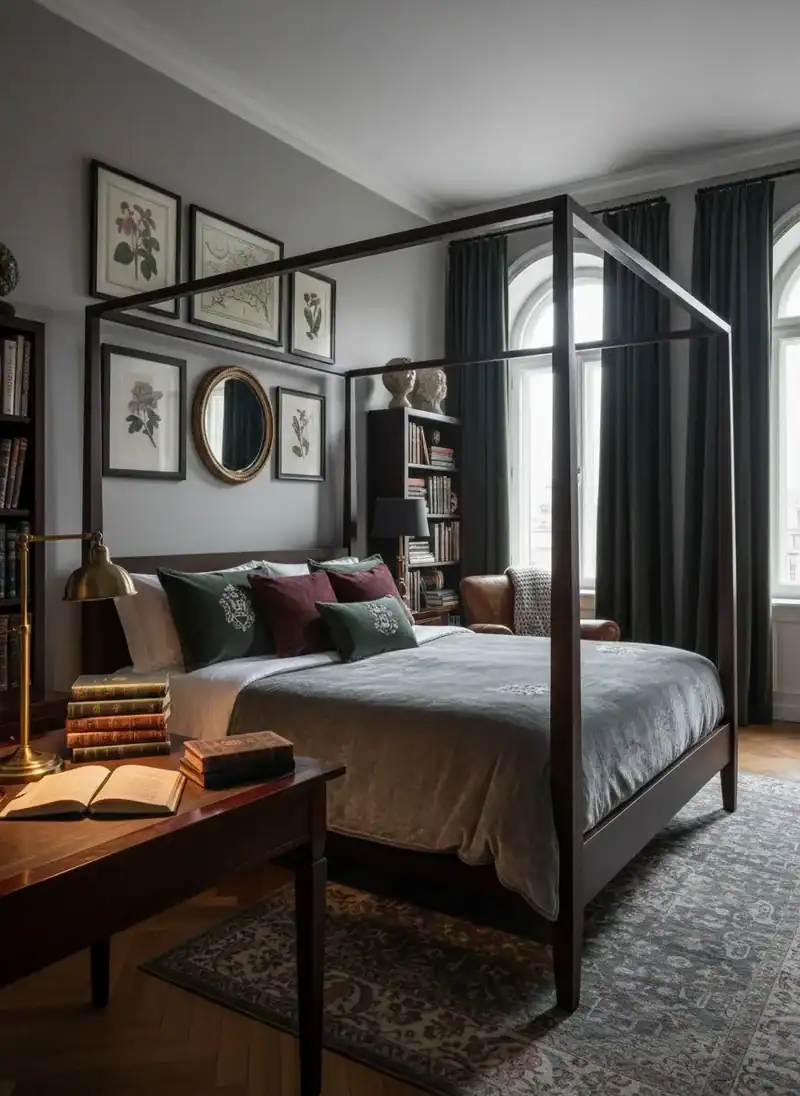
A dark academia bedroom channels the intellectual and moody atmosphere of old libraries and university halls. It’s a sophisticated style that celebrates knowledge, literature, and a slightly melancholic beauty. This aesthetic is rich in character and demands a keen eye for historical detail.
The color palette for this look leans heavily into deep, muted tones: forest greens, navy blues, charcoal grays, and rich browns, often paired with creamy whites or antique gold accents. Walls might be painted a dark, contemplative color, providing a dramatic backdrop for the other elements. Wooden furniture with an aged or antique appearance is essential, such as a sturdy writing desk or a dark wood bed frame.
Books are central to this design, whether neatly stacked on shelves or artfully arranged on bedside tables. Incorporate vintage finds like old globes, antique maps, framed botanical prints, or classic artworks. Textiles should be luxurious and textural, such as velvet curtains, plaid throws, and linen bedding in deeper hues. A Persian-style rug can anchor the space with its intricate patterns and rich colors.
Lighting is typically soft and warm, provided by desk lamps, floor lamps, or sconces that cast inviting pools of light. The overall impression is one of a cozy, scholarly retreat, perfect for reading, contemplation, and quiet introspection. It’s a bedroom that feels steeped in story and character.
9. Monochromatic Modernity
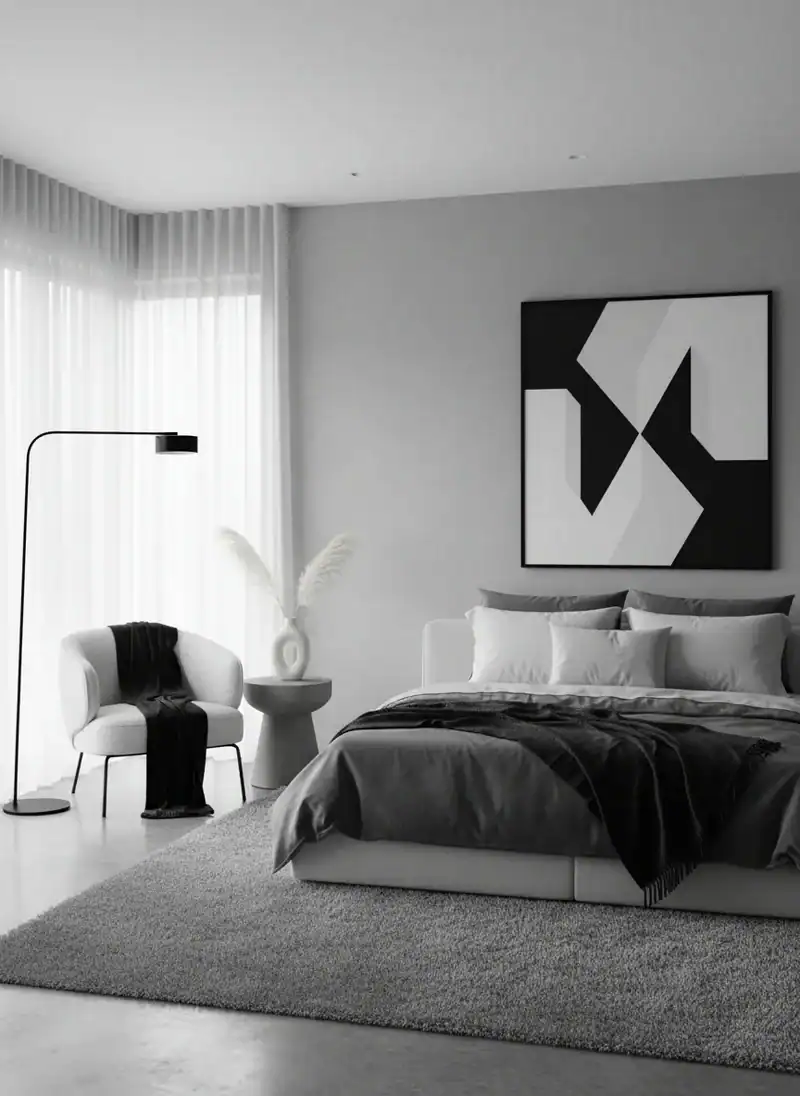
Creating a monochromatic bedroom involves using variations of a single color to achieve a sophisticated and cohesive look. This approach relies on subtle shifts in shade, tone, and texture rather than relying on multiple hues. It can produce an incredibly calming and elegant space, provided it is executed with precision.
Start by selecting your primary color. Grays, creams, blues, or even deep greens work exceptionally well for this style. Then, incorporate that color in different saturations across the room. For example, a gray monochromatic scheme might feature charcoal gray walls, a lighter silver-gray rug, and bedding in a pale dove gray. This layering prevents the room from feeling flat.
Texture becomes incredibly important in a monochromatic scheme, as it adds visual interest where color contrast is minimized. Think plush velvet pillows, a ribbed knit throw, a rough-sawn wood headboard, or a sleek metal lamp. These tactile differences create depth and dimension without introducing new colors.
Introduce hints of an accent neutral, such as black or white, in small doses through accessories like picture frames or lamp bases, but maintain the dominance of your chosen primary color. The result is a serene, intentional bedroom that feels effortlessly chic and remarkably peaceful.
10. Japandi Harmony
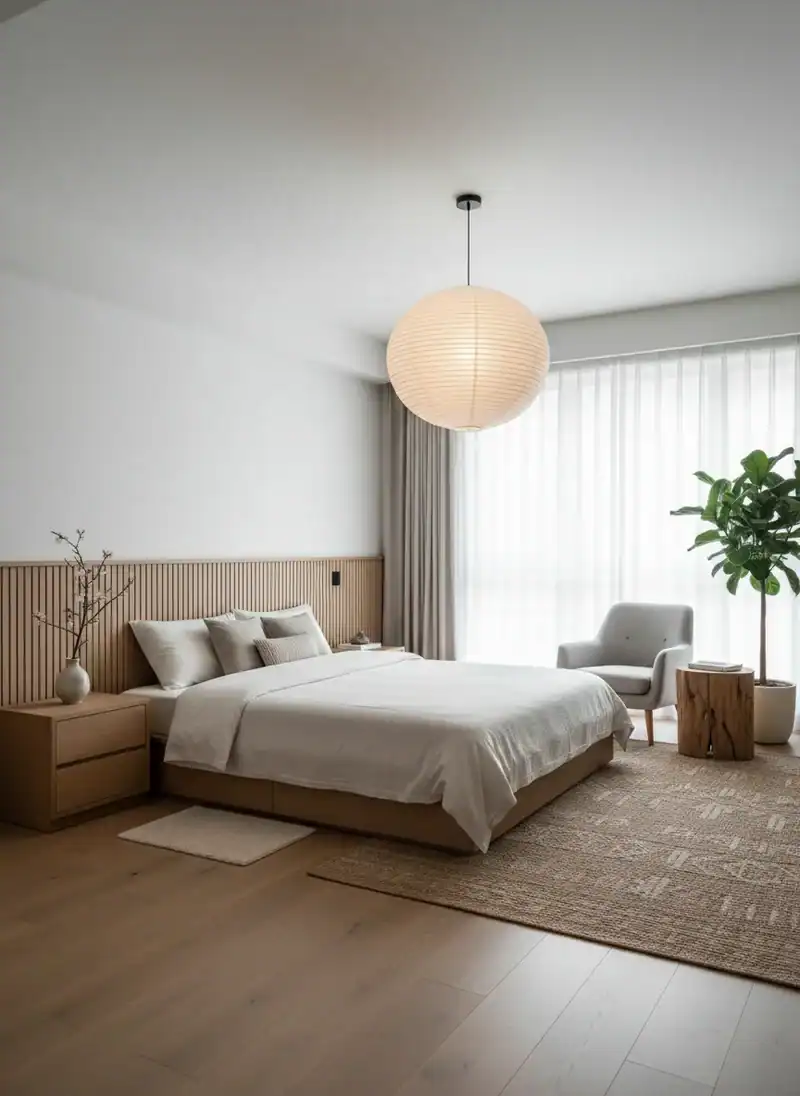
Japandi is a design aesthetic that marries Japanese minimalism with Scandinavian functionality and warmth. It results in a space that is both elegantly simple and incredibly inviting, focusing on natural materials, muted colors, and thoughtful organization. This fusion creates a unique balance of clean lines and cozy textures.
The core of Japandi style lies in its restrained color palette, typically featuring soft neutrals like cream, beige, light gray, and muted blues or greens. Materials such as light-colored wood (like birch or pine), bamboo, and natural fibers like linen and cotton are prominent. Furniture is usually low-profile, reflecting the Japanese influence, with clean, understated lines characteristic of Scandinavian design.
Decluttering is essential; every item should have a purpose and a place, contributing to a sense of order and tranquility. Storage solutions are often integrated and unobtrusive. Textiles add warmth, with simple, unpatterned bedding and perhaps a woven rug in natural tones. Avoid excessive ornamentation.
Live plants, particularly those with simple, elegant forms like a Snake Plant or a Fiddle Leaf Fig, bring life and a connection to nature into the room. The overall impression of a Japandi bedroom is one of calm, uncluttered elegance, fostering a sense of peace and mindful living.
11. Glamorous Decadence
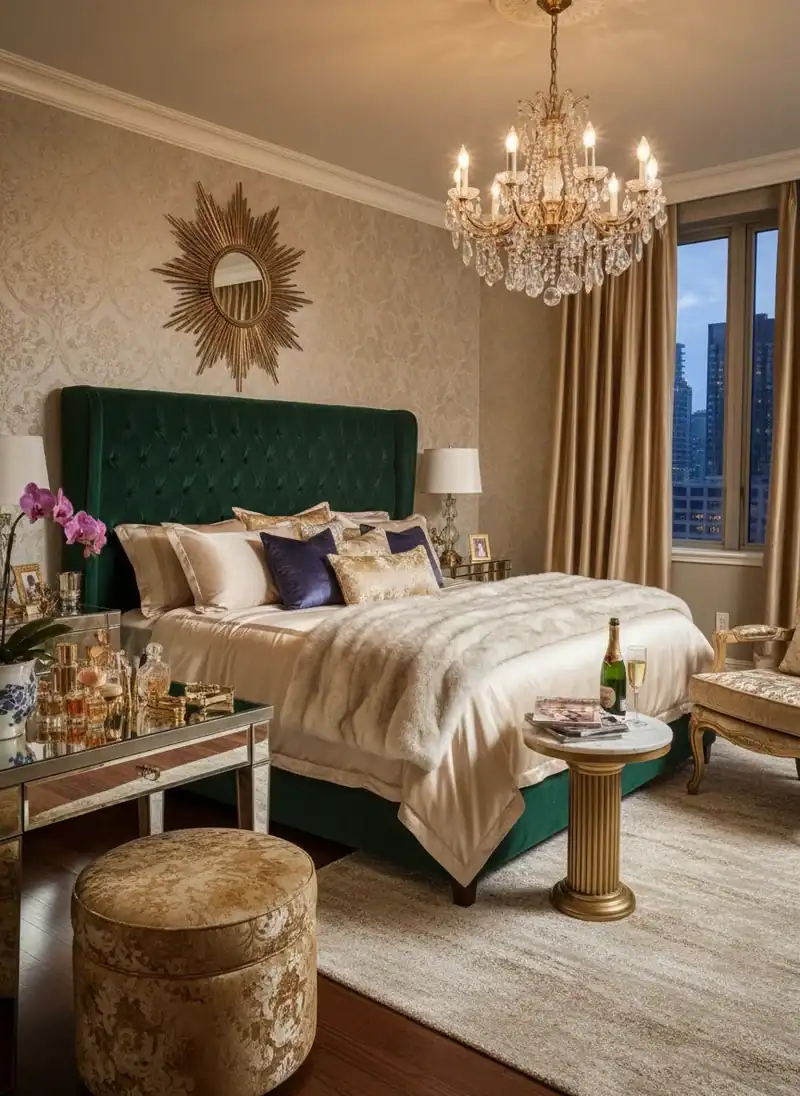
A glamorous bedroom speaks to luxury and opulence, creating a space that feels indulgent and sophisticated. This look often incorporates shiny surfaces, plush fabrics, and a touch of dramatic flair. It is a style that truly makes a statement and provides a sense of escape within your own home.
Start with a rich color palette, such as deep jewel tones like emerald green, sapphire blue, or amethyst purple, paired with metallics like gold, silver, or rose gold. A neutral base of cream or gray can allow these bolder colors to truly shine. Consider a padded headboard, perhaps in velvet or tufted fabric, as a centerpiece.
Furniture pieces often feature polished metals, mirrored surfaces, or high-gloss finishes. A crystal chandelier or elegant sconces provide a soft, glittering light. Incorporate luxurious textiles: velvet throw pillows, silk bedding, faux fur rugs, and full-length, heavy drapes that pool slightly on the floor. These fabrics add layers of comfort and visual richness.
Accessories should be equally exquisite, from decorative trays and ornate picture frames to striking vases. The key is to achieve a balance between richness and refinement, creating a bedroom that feels lavish without being ostentatious. This style aims for a personal sanctuary that feels exclusive and utterly pampered.
12. Rustic Modern Farmhouse
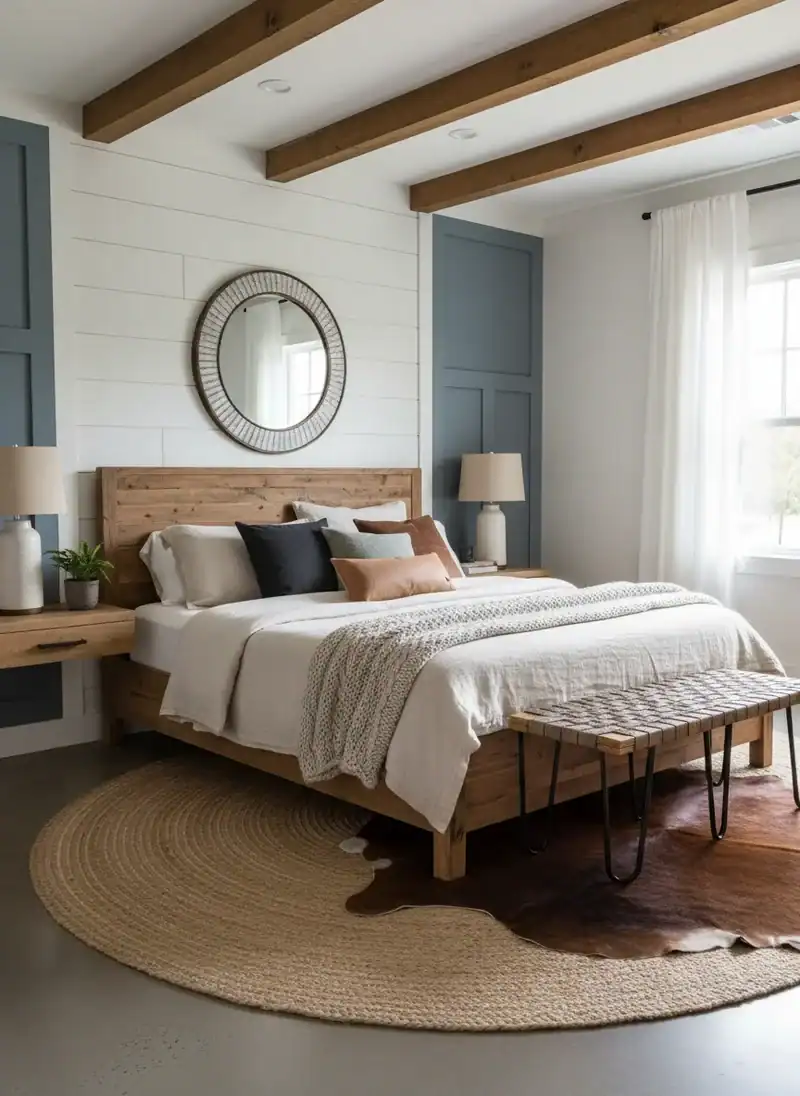
The rustic modern farmhouse bedroom blends the cozy, inviting appeal of traditional farmhouse style with contemporary clean lines and simplified aesthetics. It’s about creating a warm, comfortable space that feels authentic and lived-in, but still fresh and current.
Natural materials are at the heart of this design. Think distressed wood, reclaimed barn wood, or shiplap walls that add texture and character. A sturdy, wooden bed frame is often the focal point, perhaps with a chunky, handcrafted look. The color palette typically features warm neutrals: whites, creams, grays, and earthy browns, with occasional subtle pops of muted blue or green.
Focus on comfortable, practical furniture that feels substantial. Nightstands might be simple wooden blocks or repurposed vintage pieces. Lighting fixtures can incorporate black metal or industrial elements to introduce a modern edge. Consider open shelving for displaying a few decorative items or books rather than enclosed cabinets.
Soft textiles are crucial for warmth: cotton or linen bedding, knitted blankets, and perhaps a braided rug. While avoiding excessive clutter, a few carefully chosen, antique-inspired accessories or natural elements like a vase of dried flowers can complete the look. The goal is a relaxed, welcoming bedroom that feels both timeless and perfectly suited for modern living.
13. Eclectic Charm Bedroom
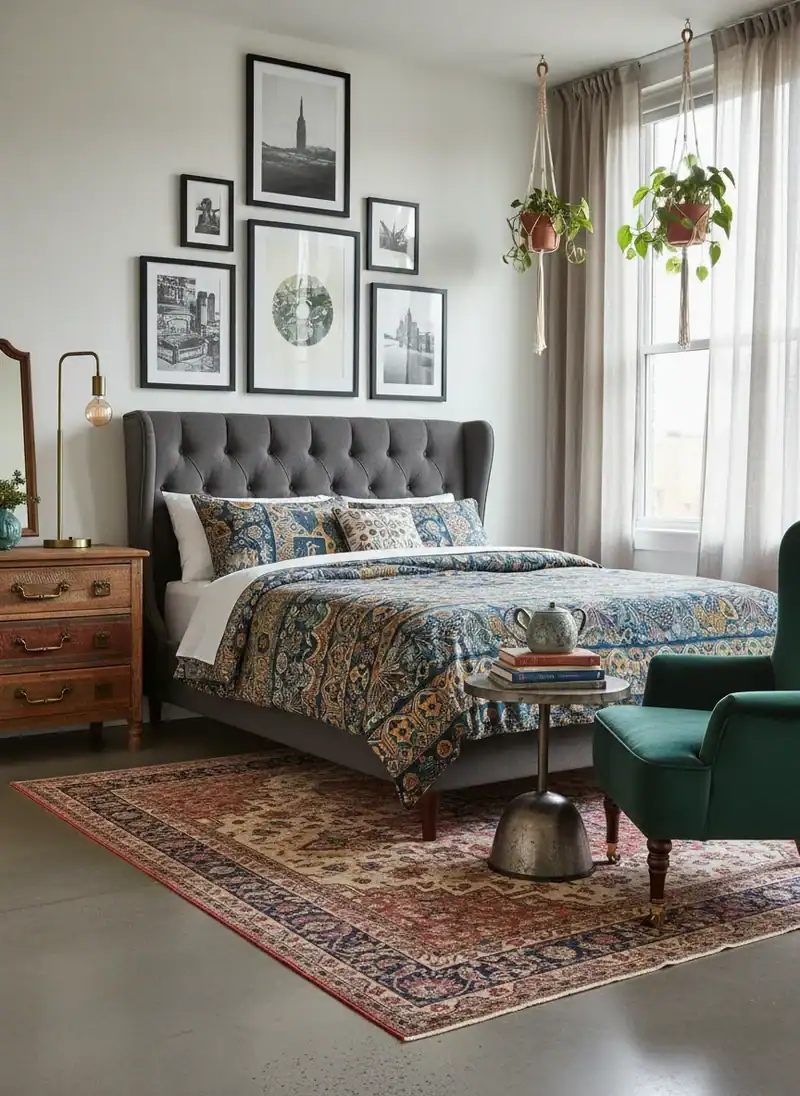
An eclectic bedroom is a celebration of individuality, combining diverse styles, periods, and origins into a harmonious whole. It’s a look that reflects personality and tells a unique story, avoiding uniformity in favor of thoughtful juxtaposition. This style often feels deeply personal and richly layered.
The secret to successful eclecticism is finding common threads, such as a consistent color palette, a recurring texture, or a shared sense of scale, to tie disparate elements together. You might pair a vintage dresser with a modern platform bed, or a global-inspired rug with contemporary artwork. The unexpected combinations are what make this style so appealing.
Introduce different patterns and textures fearlessly, but ensure they don’t clash aggressively. A floral throw, a geometric rug, and plain linen bedding can coexist if their colors are complementary. Art is a great way to express eclecticism, mixing abstract pieces with family photos or antique prints.
Don’t be afraid to mix high-end pieces with flea market finds; the blend creates character. The room should feel collected over time, rather than decorated all at once. An eclectic bedroom is an authentic reflection of its occupant, a comfortable and visually stimulating haven.
14. Zen Garden Bedroom
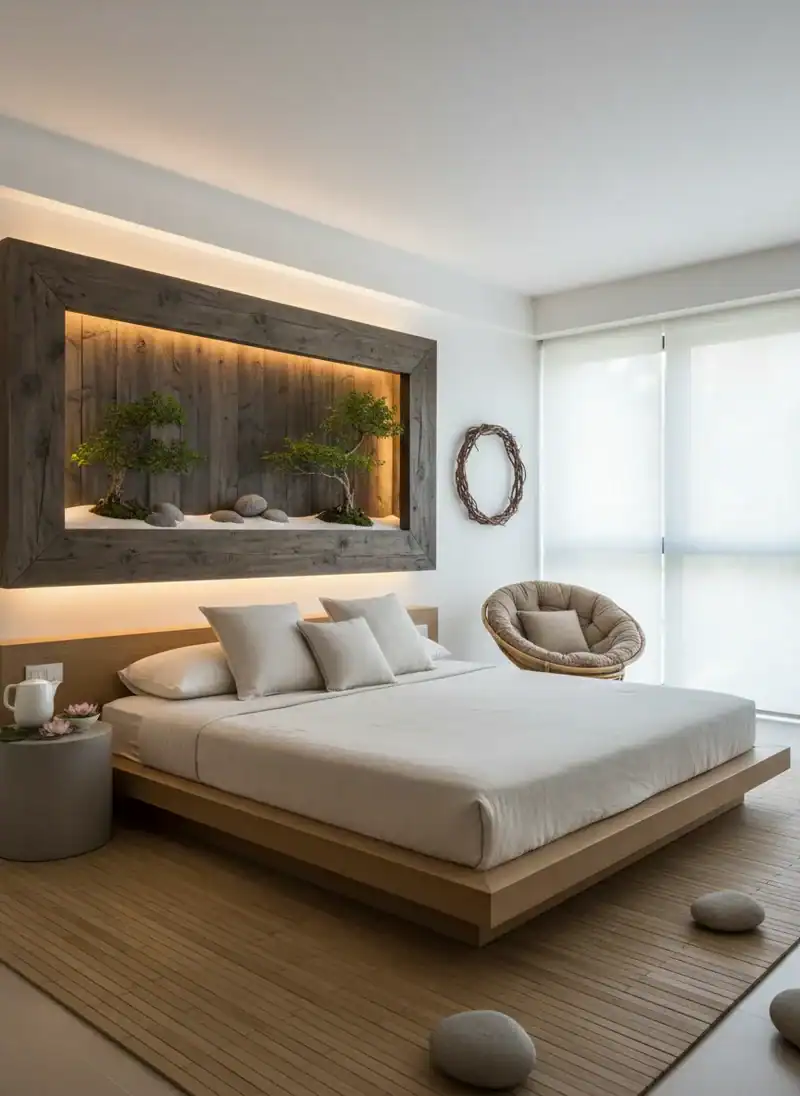
A Zen garden inspired bedroom aims to create a profound sense of tranquility, balance, and natural harmony. Drawing from Japanese aesthetics, this style focuses on simplicity, natural elements, and a connection to the outdoor world. It’s a design philosophy that encourages relaxation and mindfulness.
The color scheme is typically very muted and natural, featuring earthy tones like soft greens, grays, whites, and light browns. Avoid bright, jarring colors. Furniture is low-profile and minimalist, often crafted from natural wood. A platform bed is ideal, keeping the visual height of the room open and expansive. Integrated storage helps maintain a clutter-free environment.
Natural materials are paramount: bamboo, stone, raw wood, and linen. Consider incorporating elements that mimic a traditional Zen garden, such as a small indoor water feature for a gentle sound, or carefully placed river rocks on a bedside table. Live plants, especially those with calming forms like bonsai or bamboo, enhance the connection to nature.
Lighting should be soft, warm, and indirect, perhaps using rice paper lanterns or dimmable sconces. Keep accessories minimal and purposeful, focusing on quality over quantity. The aim is to create an uncluttered, peaceful space that feels deeply restorative and calming, perfect for meditation and rest.
15. Art Deco Revival
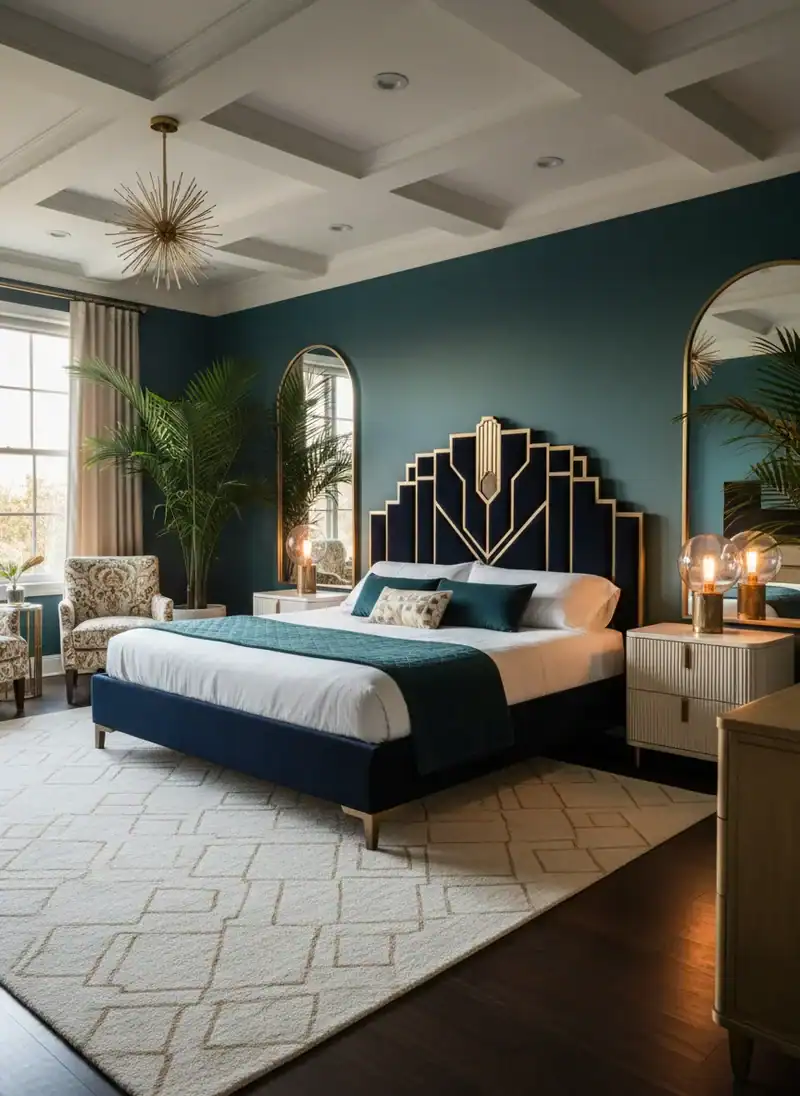
The Art Deco revival bedroom brings the geometric glamour and luxurious materials of the 1920s and 30s into a contemporary setting. This style is characterized by bold shapes, opulent finishes, and a sophisticated sense of drama. It offers a chance to infuse your space with historic elegance and unmistakable flair.
Central to this look are geometric patterns, often seen in wallpaper, textiles, or decorative accents. Look for furniture with sleek, curved lines or strong, angular silhouettes, perhaps featuring mirrored surfaces, lacquered wood, or chrome details. A headboard with an ornate fan shape or a fluted design can be a stunning focal point.
Color palettes often feature deep, rich jewel tones like sapphire blue, ruby red, or emerald green, contrasted with metallics such as gold, silver, or brass, and neutrals like black or cream. Luxurious fabrics are essential, including velvet, satin, and faux fur, used in bedding, throws, or upholstered pieces. These textures add to the room’s decadent feel.
Lighting should be equally dramatic, with crystal chandeliers, stepped sconces, or table lamps featuring geometric bases. Accessorize with vintage-inspired pieces like a sunburst mirror, sculptural objets d’art, or ornate glass vases. An Art Deco bedroom feels refined, sophisticated, and undeniably chic, offering a step back into an era of grand style.
16. Bold Color Statement
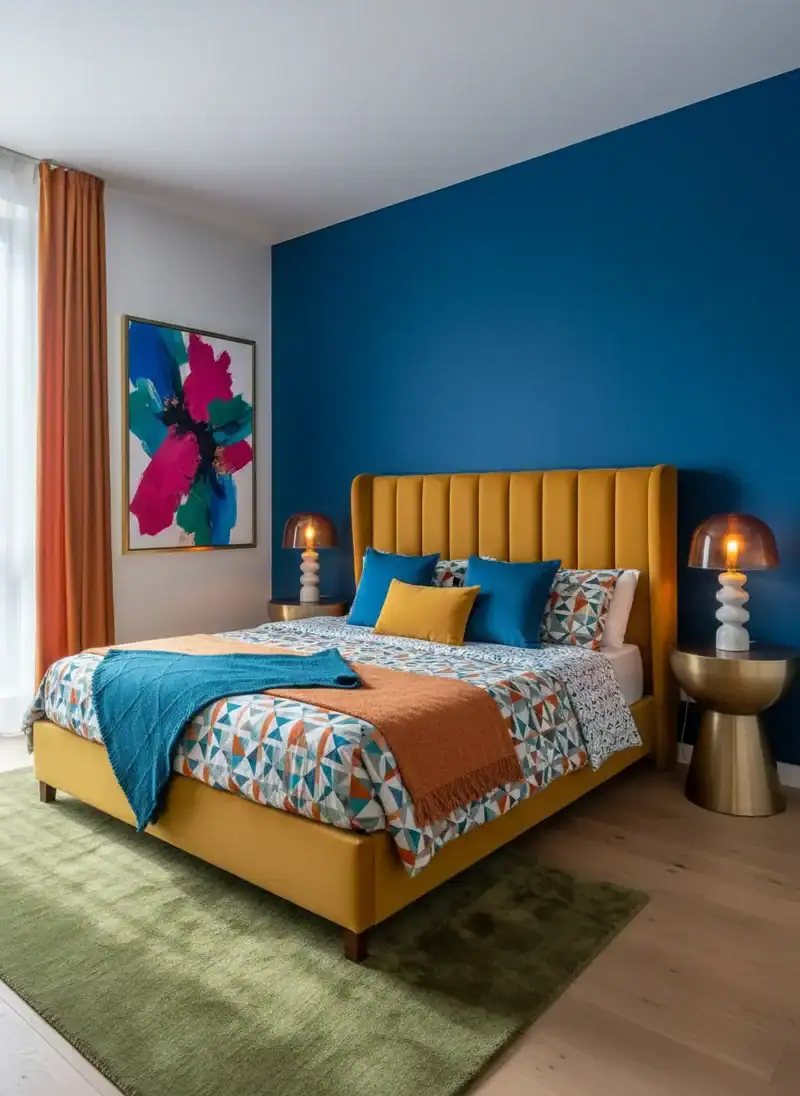
A bold color statement bedroom is for those who aren’t afraid to inject personality and vibrancy into their sleeping space. This approach centers around using a single, impactful color, or a striking combination, to create a memorable and energetic atmosphere. It’s about making a confident design choice that defines the room’s character.
Select a dominant color that resonates with you – perhaps a deep teal, a vibrant mustard, or a rich terracotta. This color can be applied to an accent wall, used for a large piece of furniture like a bed frame, or even painted across all walls for a truly immersive effect. The trick is to then balance this boldness with complementary neutrals.
Pair your main color with lighter tones in your bedding, curtains, or rug to provide visual relief and prevent the room from feeling overwhelming. Alternatively, introduce a contrasting, but harmonious, secondary color in smaller doses through throw pillows or artwork. For instance, a deep blue wall could be softened with cream bedding and a few ochre accents.
Texture is also important to add depth when working with strong colors. Think about velvet upholstery, linen curtains, or a textured rug. This style requires a certain confidence, but the reward is a bedroom that feels lively, unique, and truly reflects your individual taste.
17. Geometric Playfulness
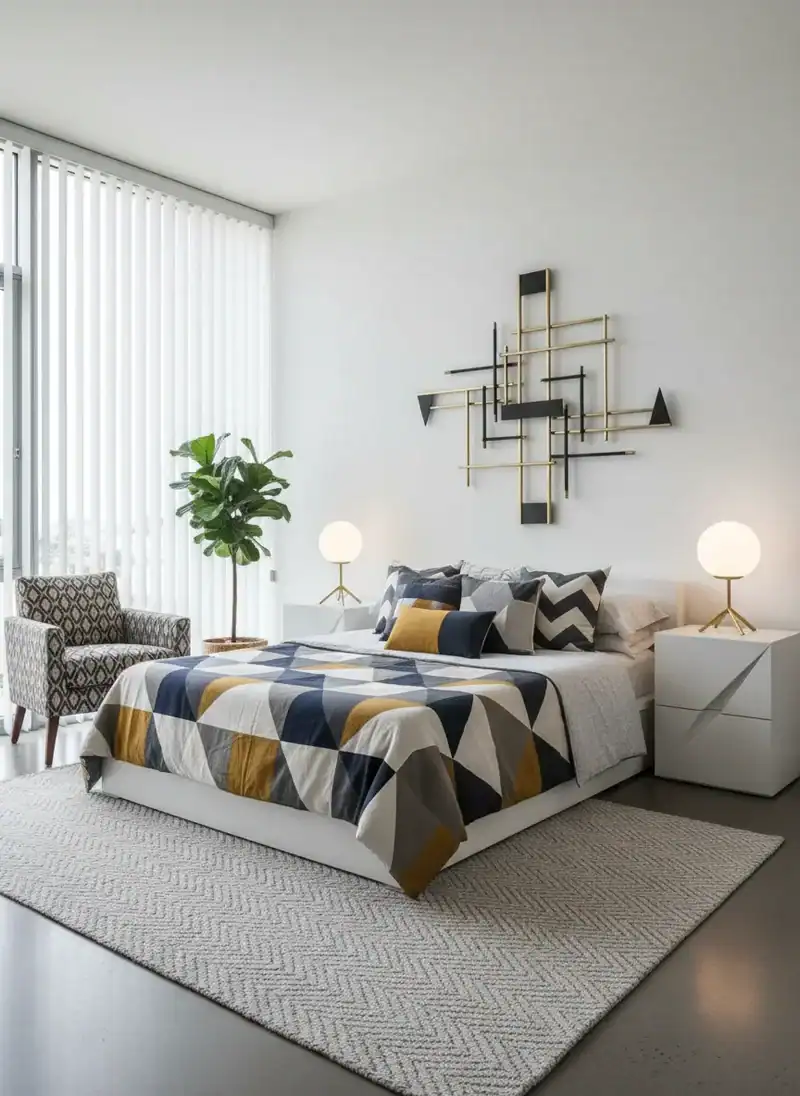
Infusing a bedroom with geometric playfulness means using shapes, lines, and patterns to create a dynamic and visually interesting space. This style brings a contemporary edge and a sense of deliberate design, often feeling fresh and energetic. It’s a great way to add personality without relying solely on color.
Start with a foundation of clean lines in your furniture. A platform bed or a dresser with crisp angles provides a modern base. Then, introduce geometric patterns through textiles, such as a duvet cover with a repetitive triangle motif, throw pillows featuring abstract shapes, or a rug with a bold, linear design. These patterns can be subtle or quite pronounced, depending on your preference.
Wall art is an excellent canvas for geometric expression. Consider a gallery wall of prints featuring different geometric designs, or a single large piece that makes a statement. Even lighting fixtures can contribute, with pendant lamps or sconces boasting angular forms. Mixing different scales of geometric patterns can add depth, just ensure the colors complement each other to maintain cohesion.
Color choices can range from monochromatic schemes that highlight the forms, to vibrant palettes that make the shapes pop. The key is to let the interplay of lines and forms create a sense of movement and modern flair. A geometrically playful bedroom feels thoughtful and spirited.
18. Tech-Integrated Smart Room
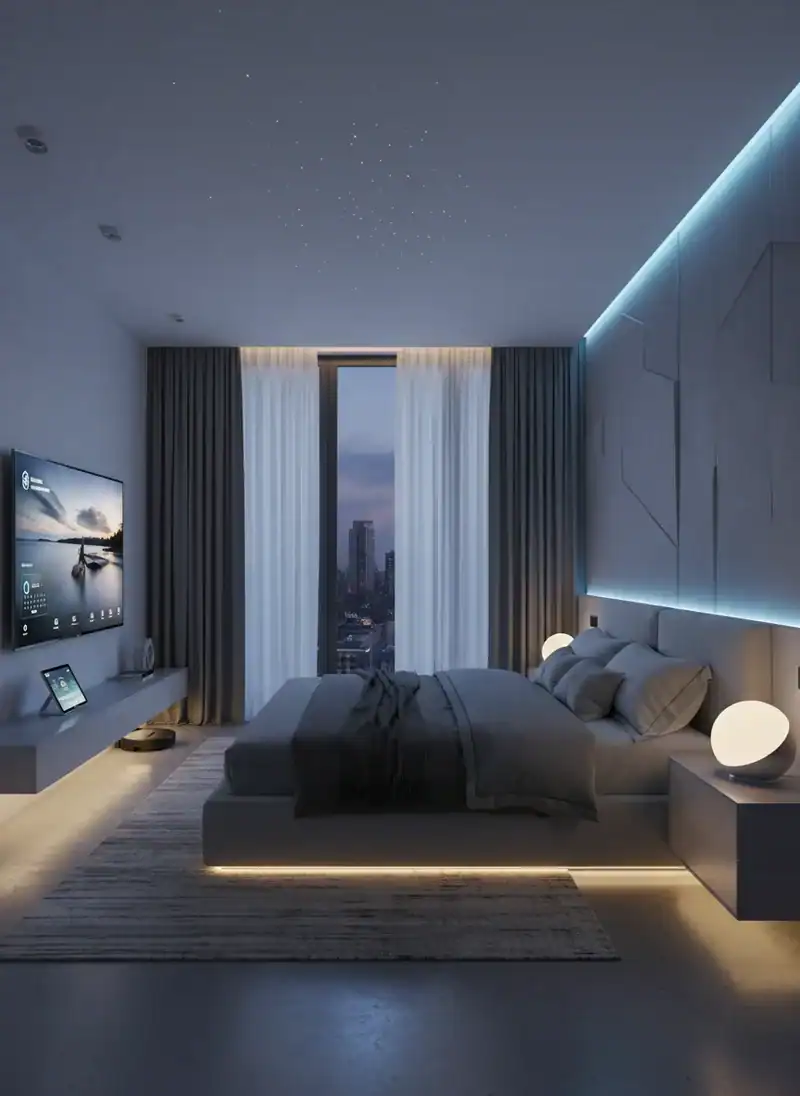
A tech-integrated smart bedroom prioritizes convenience, efficiency, and a truly personalized environment through modern technology. This style is about more than just aesthetics; it’s about creating a responsive and intuitive space that adapts to your needs. It is the future of comfort and control, right at your fingertips.
Start with a smart lighting system that allows you to adjust brightness, color temperature, and even schedule lighting scenes from your phone or voice assistant. This provides optimal light for different activities, from reading to relaxing. Integrated smart blinds or curtains can be programmed to open and close with sunrise and sunset, or at your command.
Consider a smart thermostat to maintain ideal sleeping temperatures and a sound machine or smart speaker to create a soothing audio environment. Wireless charging pads built into nightstands or headboards keep devices powered without unsightly cables. A smart display on your bedside table can act as an alarm clock, music player, and information hub.
Furniture might feature hidden outlets or USB ports for discreet charging. The overall design should still be clean and modern, allowing the technology to enhance the experience without being overtly distracting. A tech-integrated bedroom offers unparalleled comfort and control, making your personal space truly intelligent.
19. Biophilic Oasis
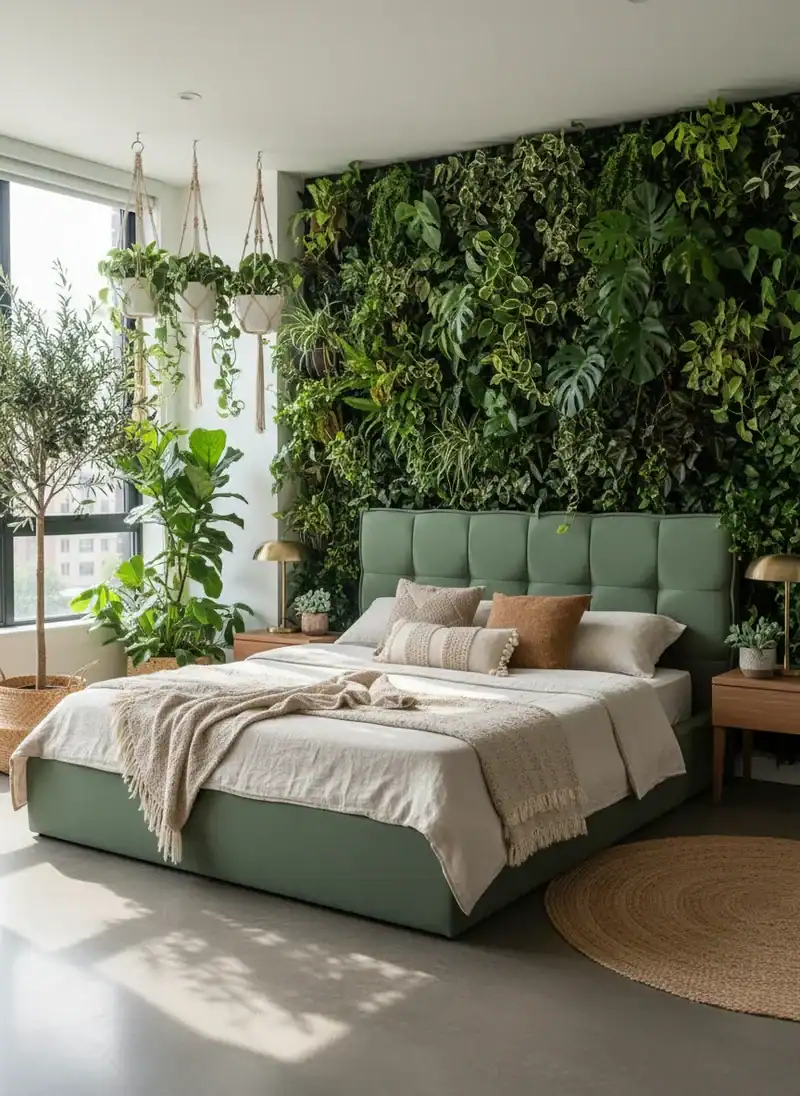
A biophilic oasis bedroom is designed to strengthen your connection to nature, promoting well-being, calm, and fresh air. This style intentionally incorporates natural elements, patterns, and light to create a deeply restorative environment. It’s a space that feels alive and nurturing.
Plants are the star of this show. Incorporate a variety of live plants, from large floor-standing specimens like a Monstera to smaller potted plants on shelves and windowsills. Consider plants that are known for air purification or their calming presence. Terrariums or a vertical garden can also add dynamic green elements.
Natural light is crucial, so maximize window exposure with minimal, sheer coverings. The color palette should reflect nature: greens, blues, earthy browns, and sandy neutrals. Use natural materials extensively: wooden furniture, stone accents, and organic textiles like linen, cotton, and jute. A wood-slat headboard or a bedside table made from a tree stump can anchor the theme.
Incorporate patterns found in nature, such as leaf motifs or subtle wave patterns, in your bedding or artwork. Even the sounds of nature, like a small indoor fountain, can enhance the biophilic experience. This bedroom isn’t just decorated, it is designed to feel like a living ecosystem, fostering peace and natural balance.
20. Vintage Finds with Modern Twist
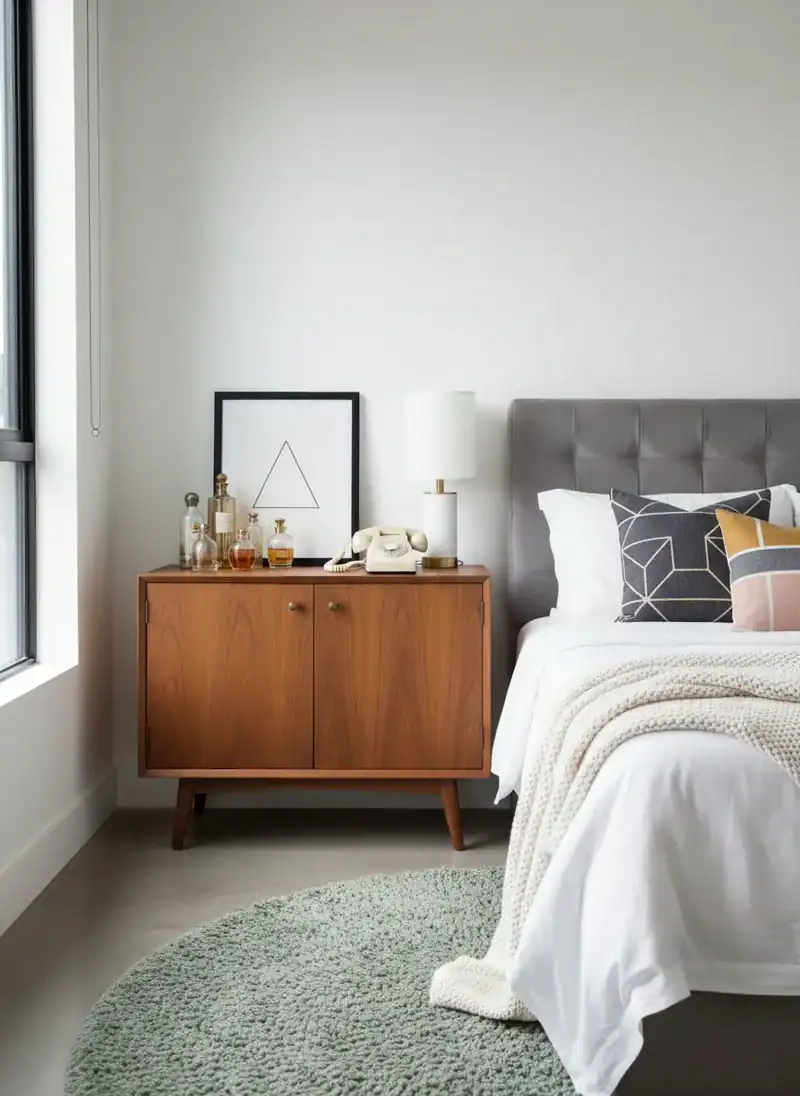
This style beautifully merges the character and history of vintage pieces with the clean lines and contemporary functionality of modern design. It’s about creating a space that feels unique, layered, and full of personality, without appearing cluttered or dated. The contrast between old and new is what makes this look so compelling.
Start with a modern foundation, such as a simple, sleek bed frame or minimalist bedside tables. Then, introduce a few carefully selected vintage items that bring warmth and story. This could be a mid-century dresser, an antique armchair, or a retro-inspired floor lamp. The key is quality over quantity, ensuring each vintage piece truly stands out.
Choose a subdued color palette for the overall room, like whites, grays, or soft blues, which allows the vintage items to pop without clashing. Use modern textiles in solid colors or subtle patterns to complement both the new and old elements. A modern rug can ground the space, while vintage throws or pillows add texture and a touch of the past.
Accessorize with a mix of old and new: perhaps a collection of antique books next to a contemporary vase, or vintage framed prints on a freshly painted wall. The resulting bedroom is one that feels rich in history yet perfectly suited for today, showing off your individual taste and appreciation for enduring design.
21. Soft Neutrals and Textures
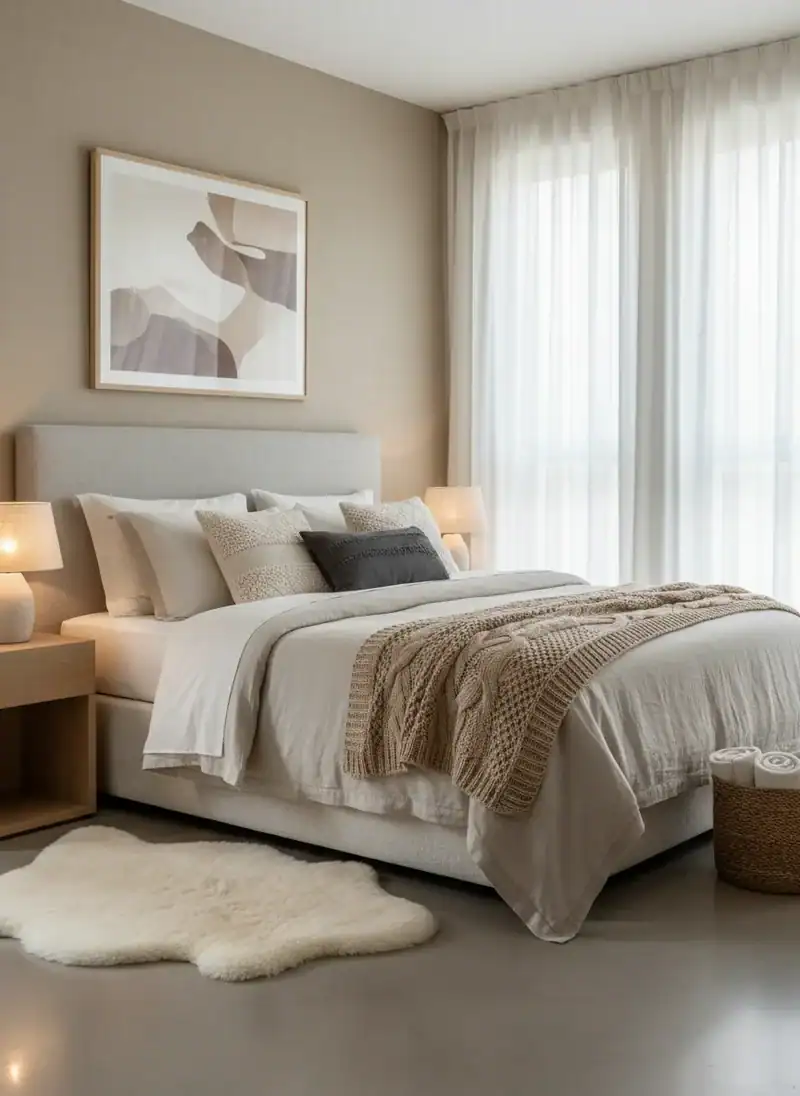
A bedroom designed with soft neutrals and rich textures creates an incredibly soothing and sophisticated environment. This approach relies on subtle variations in color and abundant tactile elements to build depth and interest, rather than relying on bold statements. It’s a strategy for creating a truly calming and elegant retreat.
The color palette is strictly neutral, focusing on a range of creams, beiges, off-whites, pale grays, and warm taupes. These colors create a serene backdrop that feels expansive and peaceful. The absence of strong color allows the various textures to truly shine and become the main visual attraction of the room. This makes the space feel luxurious.
Layering different textures is paramount. Think a plush wool rug, crisp linen bedding, a chunky knit throw, velvet pillows, and perhaps a bouclé armchair. Wood furniture in a light, natural finish, or upholstered pieces in soft, natural fabrics, contribute to the tactile experience. Even the walls can add texture, through limewash paint or a subtle grasscloth wallpaper.
Lighting should be soft and warm, enhancing the coziness of the space. Accessories are kept minimal but meaningful, perhaps a ceramic vase with dried grasses or a simple sculptural object. This bedroom feels like a comforting hug, a deeply restful space that appeals to the senses through its understated elegance and inviting feel.


