As women approach and pass the age of 65, the practicalities of daily living within their homes often come into sharper focus. Small adjustments, often overlooked in younger years, can dramatically improve comfort, safety, and overall ease of life. We’ve gathered insights from women over 65 who have made thoughtful modifications, sharing their most impactful changes that truly simplified their routines and brought greater independence.
1. No-Curbs Walk-In Showers
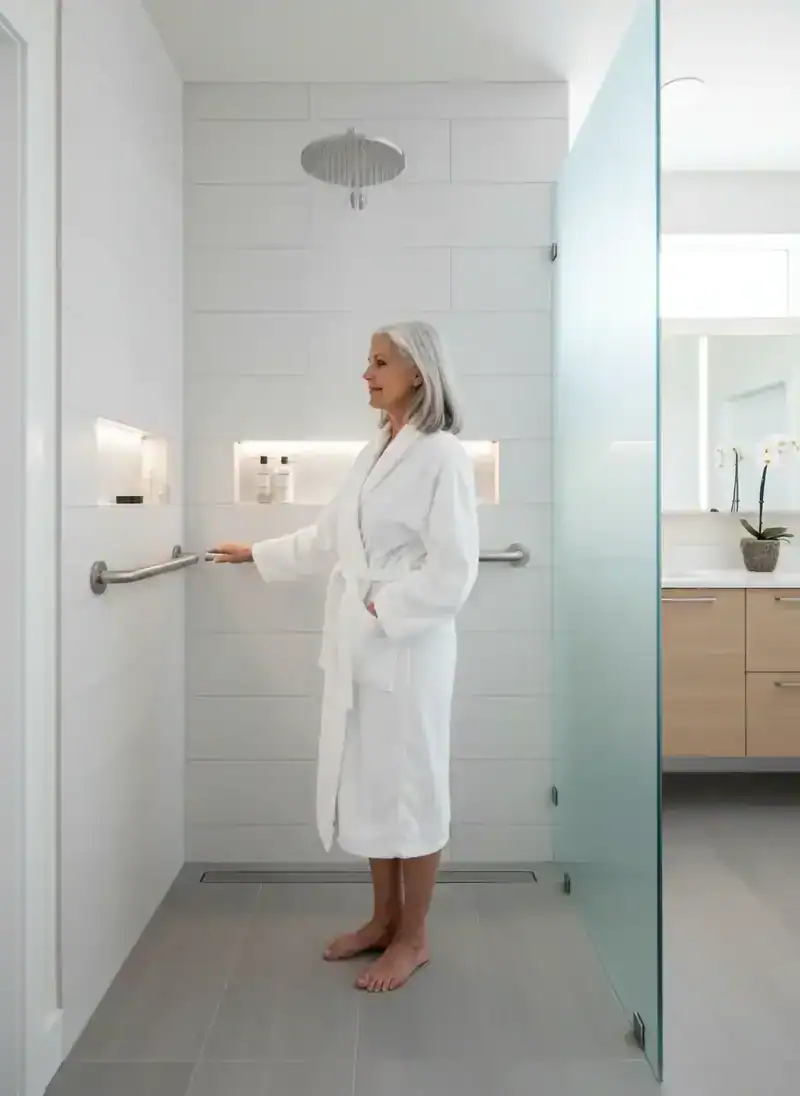
Many women cite the removal of traditional shower curbs as one of the most liberating home improvements. The simple act of stepping over a ledge, while seemingly minor, can become a significant hurdle and a fall risk as mobility changes. A no-curb, roll-in, or walk-in shower allows for a smooth transition from the bathroom floor directly into the shower space, making daily hygiene less of a balancing act and more of a relaxing experience.
Eliminating this barrier not only enhances safety but also provides peace of mind. Some women mentioned they initially resisted the idea, fearing it might look too clinical, but found modern designs blend beautifully with existing bathroom aesthetics. The practical benefits of reduced strain and improved accessibility far outweigh any initial hesitations, proving to be a truly beneficial investment for long-term home comfort and independent living.
2. Strategically Placed Grab Bars
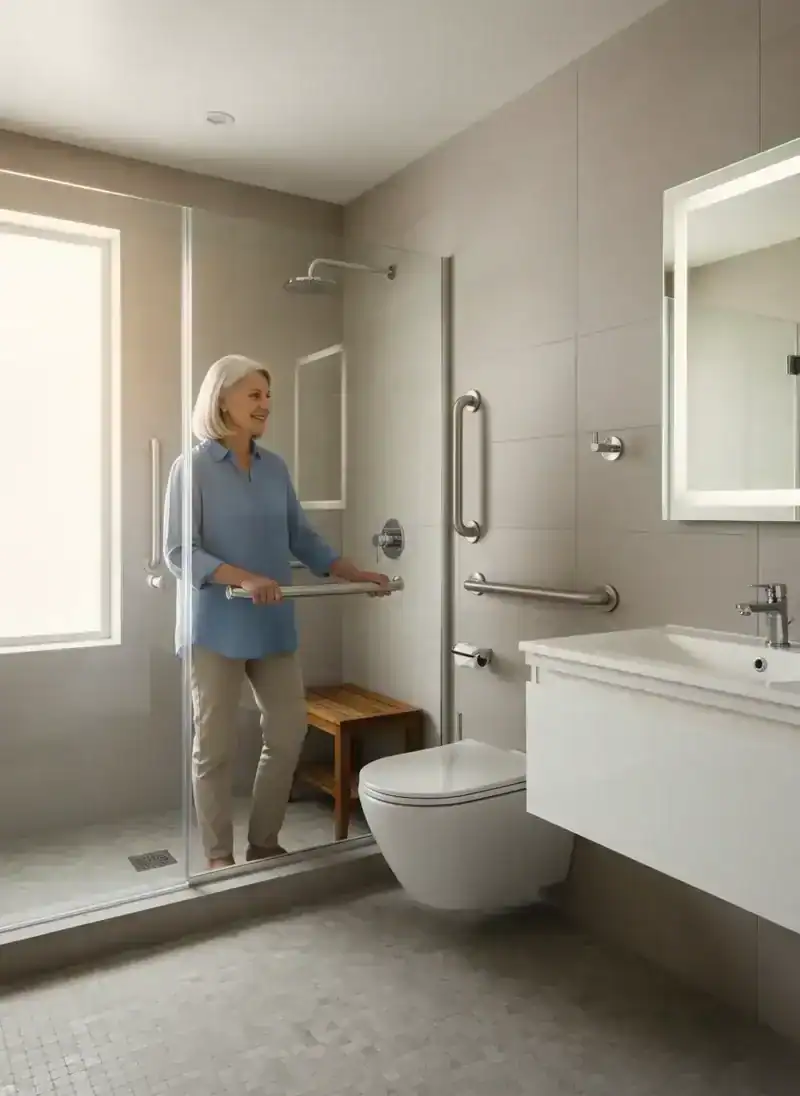
Another frequent change mentioned by women over 65 is the strategic installation of grab bars, especially in bathrooms near toilets and within showers. These seemingly small additions offer crucial support, preventing slips and falls that can lead to serious injury. The key, according to those who have them, is proper placement: they should be within easy reach from a sitting or standing position and installed into wall studs for maximum stability.
These devices come in various styles and finishes now, moving beyond the stark white hospital-esque look. Many women chose decorative options that blend with their bathroom decor, turning a safety feature into a functional design element. Having a secure handhold provides confidence during vulnerable moments, whether stepping out of the shower or simply needing a little extra balance, making daily routines much safer and less stressful.
3. Lever Style Door Handles
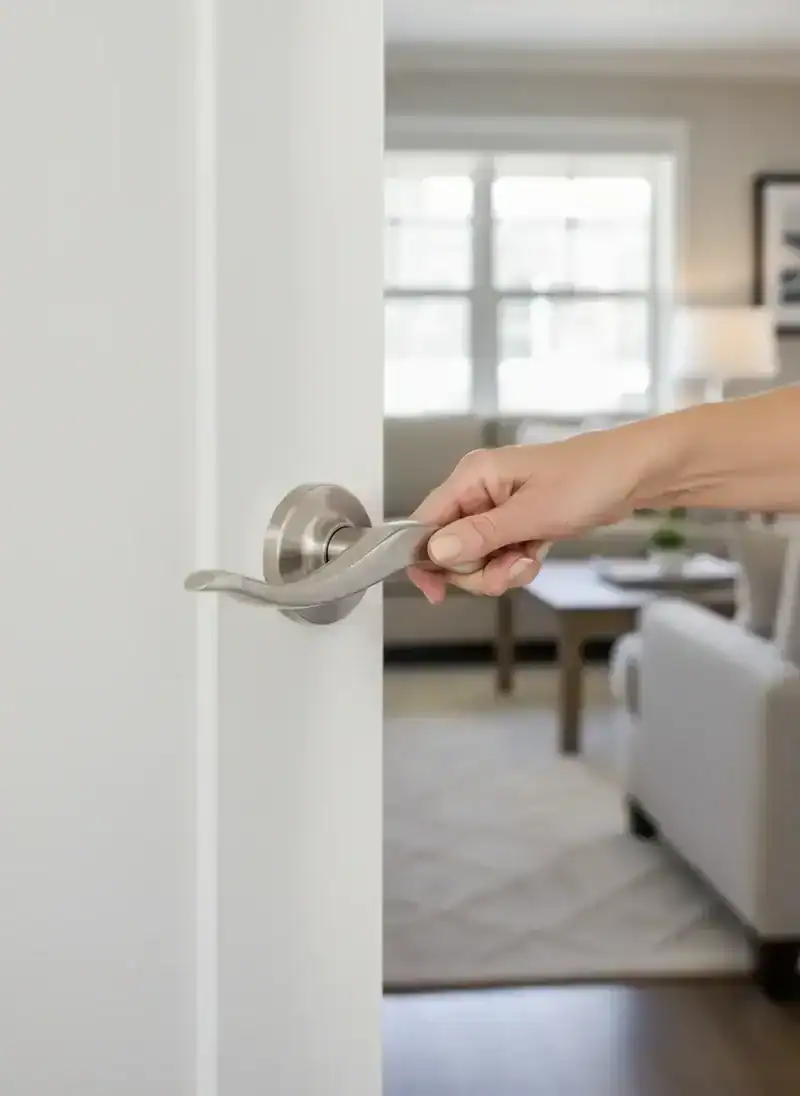
Addressing door handles throughout the home might seem like a minor detail, but for many women, switching to lever-style handles made a surprising difference. Traditional doorknobs can be difficult to grasp and turn, especially for those with arthritis or reduced hand strength. The simple push-down motion of a lever handle requires less dexterity and force, allowing for easier movement between rooms.
Temporary adaptations, such as doorknob extenders, can offer a short-term solution, but a full replacement provides the most seamless experience. This modification is often inexpensive and can be installed by a homeowner or a local handyman in just a few hours. This small but mighty change significantly reduces daily frustration and discomfort, making every doorway an invitation rather than a challenge.
4. Enhanced and Layered Lighting
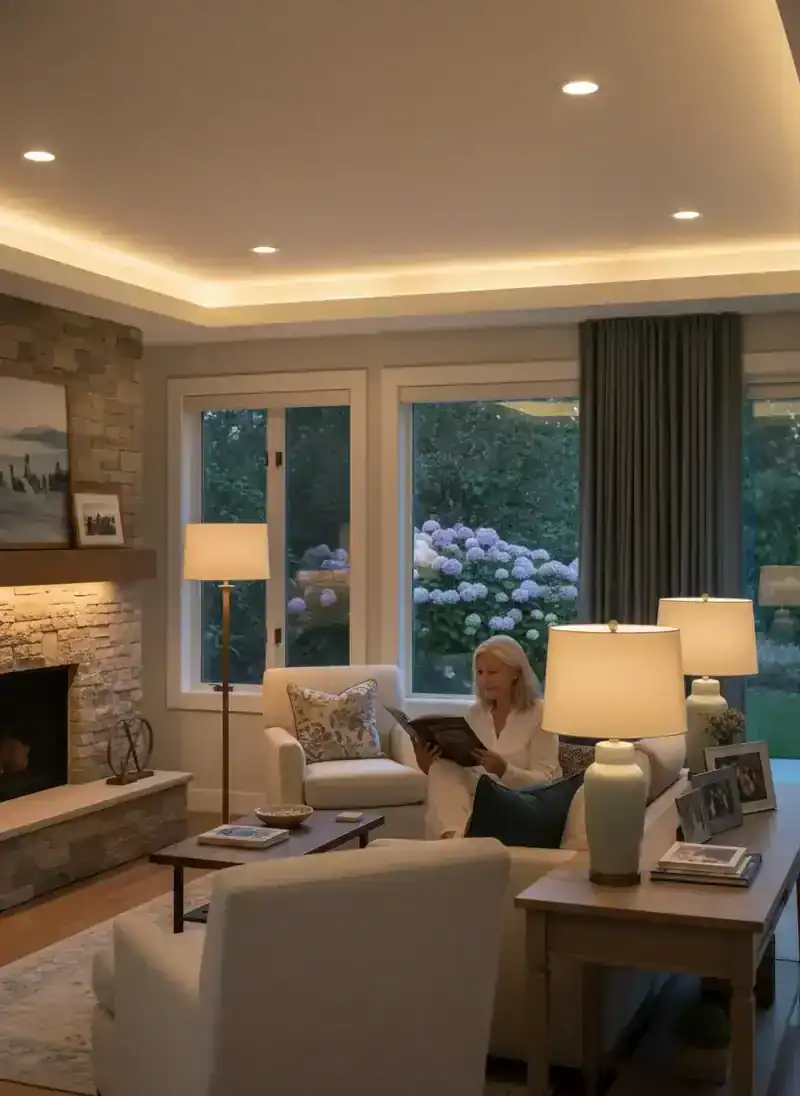
One of the easiest yet most effective home changes is upgrading and augmenting lighting. As we age, our eyes require more light to see clearly, and shadows can create trip hazards. Women reported adding brighter, more diffused overhead lights, under-cabinet lighting in kitchens, and task lighting in reading nooks or craft areas. Motion-sensor lights in hallways and bathrooms also proved incredibly helpful for nighttime navigation.
Good lighting not only improves visibility but also contributes to a brighter, more inviting home atmosphere. Many women found that replacing old, dim bulbs with higher-wattage LED options instantly made spaces feel safer and more comfortable. Investing in various light sources allows for flexible illumination, ensuring every corner of the home is well-lit for any activity, reducing eye strain and preventing accidental stumbles.
5. Thoughtful Decluttering and Organization
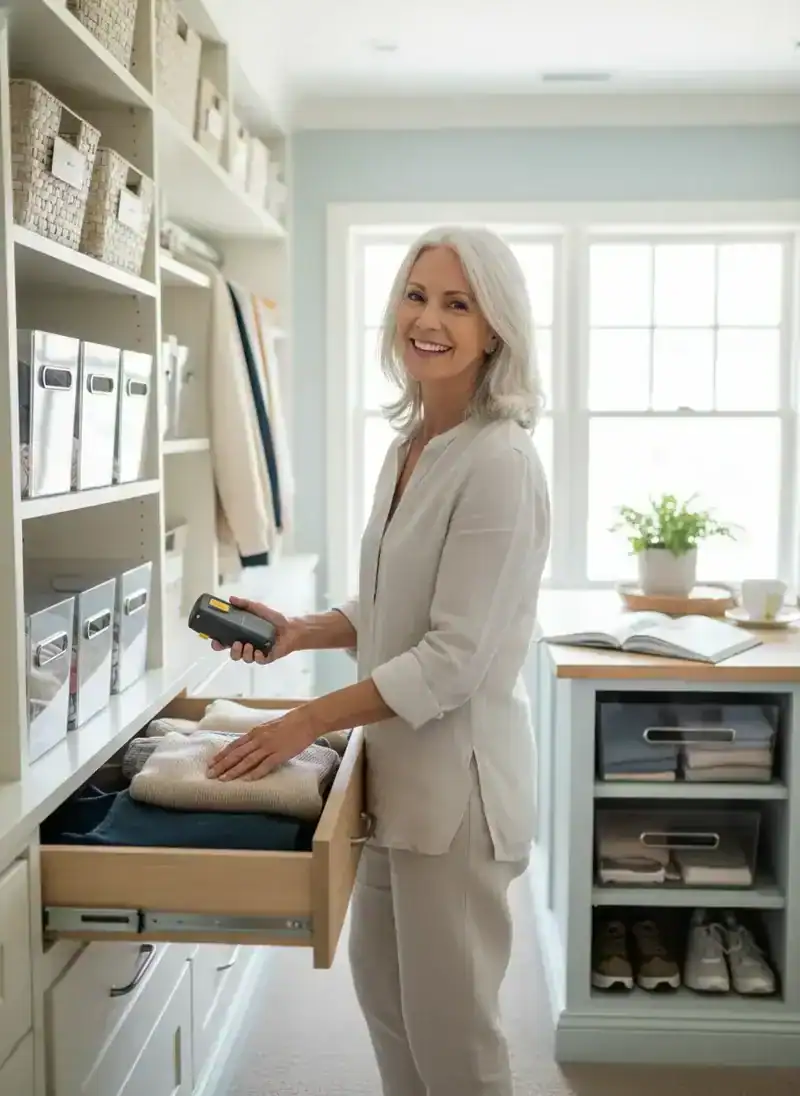
A common theme among women over 65 is the profound impact of strategic decluttering and organization. Over decades, possessions accumulate, often creating obstacles and making spaces feel chaotic. Many found that systematically going through each room, donating, selling, or discarding items no longer used or loved, created a sense of calm and openness. This process frees up space and reduces tripping hazards from misplaced items or overloaded surfaces.
Reducing clutter also simplifies cleaning, an unexpected but welcome benefit. Organizing remaining items into accessible storage, like pull-out pantry shelves or clear bins, ensures everything has a designated place and is easy to retrieve. This deliberate simplification of surroundings provides not just physical ease but also mental clarity, allowing for a more serene and functional living environment.
6. Smart Home Technology Integration

In a world increasingly connected, many women over 65 have found unexpected ease with smart home technology. Simple additions like smart light bulbs controlled by voice or an app mean never having to fumble for a switch in the dark. Smart thermostats allow for temperature adjustments without getting up, providing comfort with minimal effort. Doorbell cameras offer security and the ability to see who is at the door from anywhere in the house.
Smart lighting systems, for instance, can be programmed to turn on at dusk or when motion is detected, enhancing safety and security. While some initially found the technology intimidating, they discovered that many devices are user-friendly once set up. These tools provide not just convenience but also a significant boost in feelings of independence and control over one’s environment, proving that technology can indeed simplify daily life for everyone.
7. Adjustable or Lowered Kitchen Cabinets
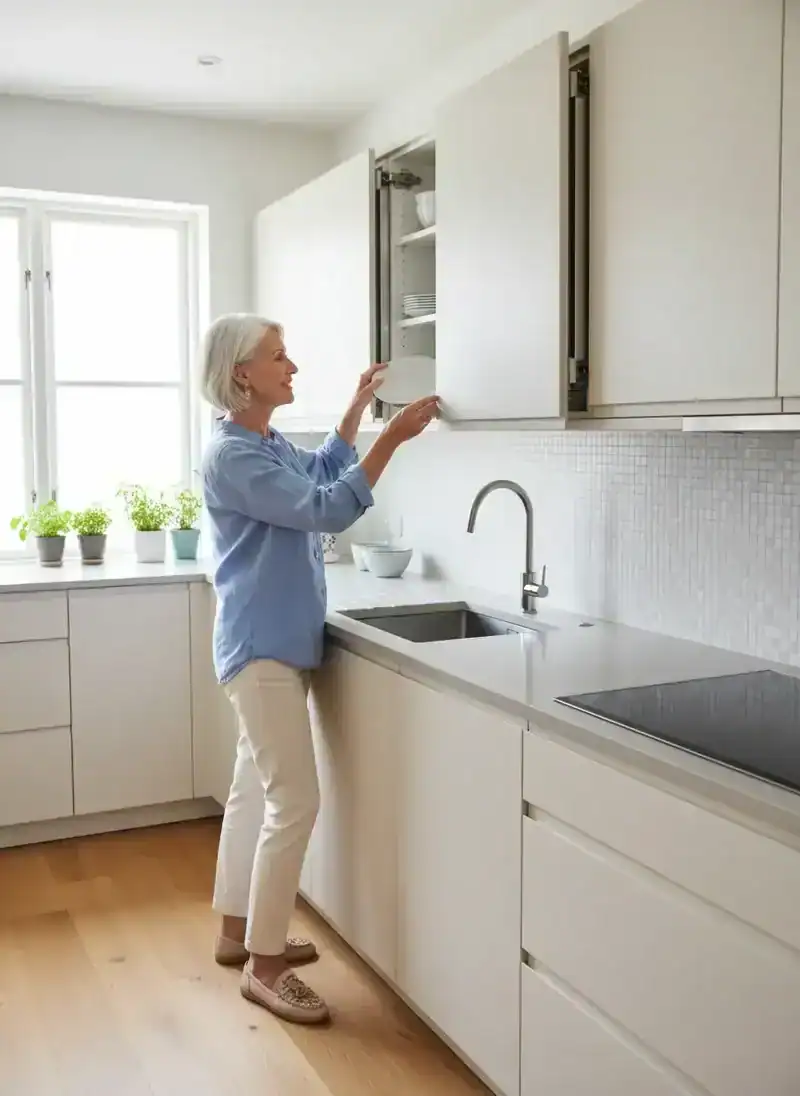
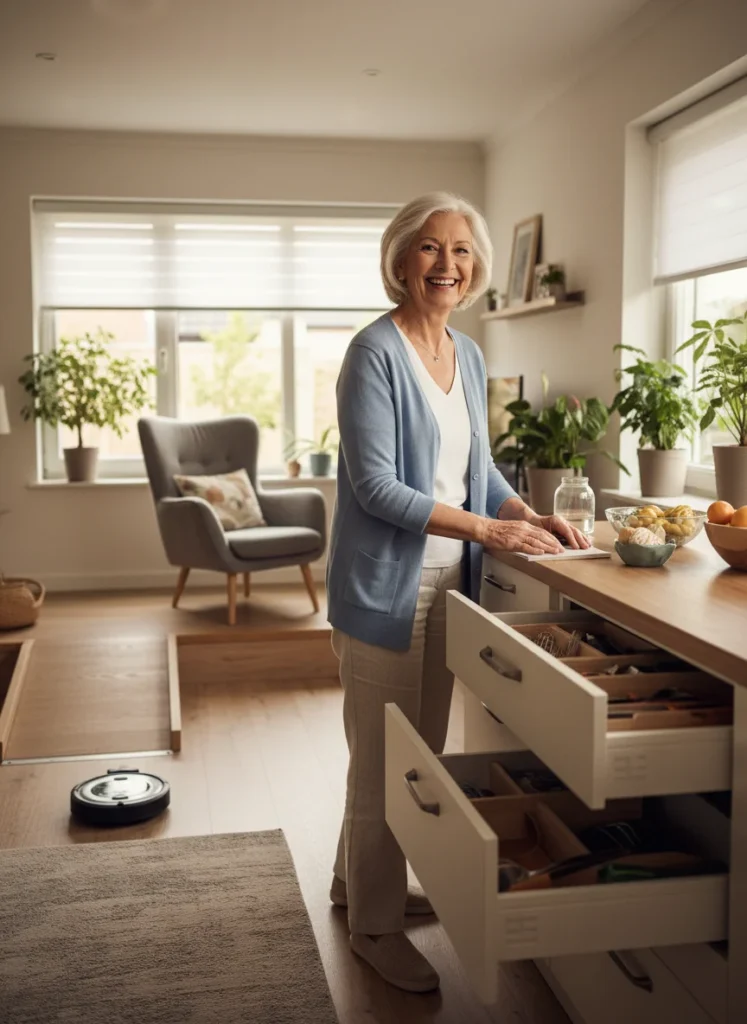
Kitchen functionality is paramount, and many women found that making cabinets more accessible dramatically improved their daily cooking and storage routines. High shelves can become difficult to reach, requiring stretches or unstable step stools. One solution involved lowering a few key upper cabinets to a more comfortable height, while another popular choice was installing pull-down shelving systems inside existing cabinets.
Pull-out shelves and drawers for lower cabinets also received high praise, eliminating the need to bend and reach deep into dark recesses. This modification keeps pots, pans, and heavier items within easy grasp, reducing strain on the back and knees. Investing in these kitchen updates makes meal preparation and item retrieval safer and far more efficient, ensuring the kitchen remains a joyful and functional space for years to come.
8. Comfortable and Supportive Furniture
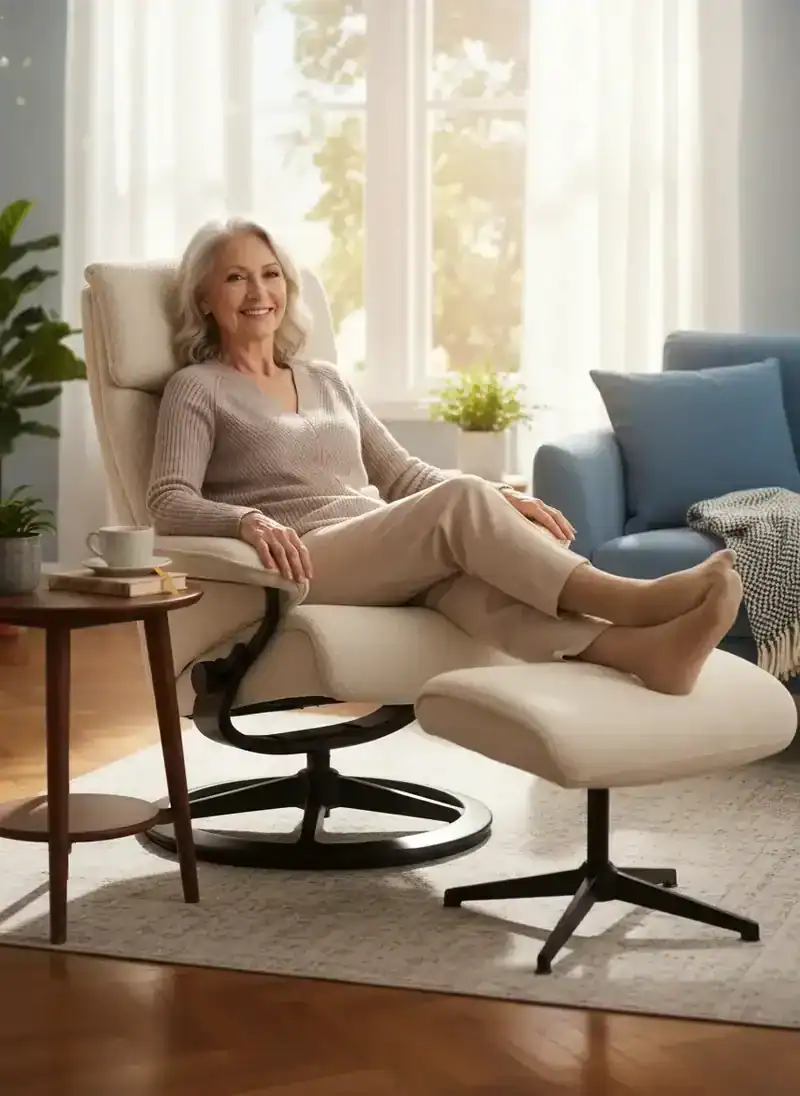
Beyond safety features, comfort in the home environment becomes increasingly important. Many women mentioned updating furniture to prioritize ergonomics and support over purely aesthetic appeal. This meant choosing sofas and chairs that were easier to get in and out of, with firmer cushions and appropriate seat heights. Reclining chairs with power lift mechanisms were also frequently cited as game-changers for those needing assistance standing.
Consider sofas or armchairs with sturdy arms that provide leverage when rising. It is not just about avoiding future discomfort, but actively finding pieces that make relaxation truly relaxing. These furniture choices contribute significantly to daily comfort, allowing for longer periods of enjoyment without aches and pains, making every moment spent sitting or resting more restorative.
9. Non-Slip Flooring Throughout
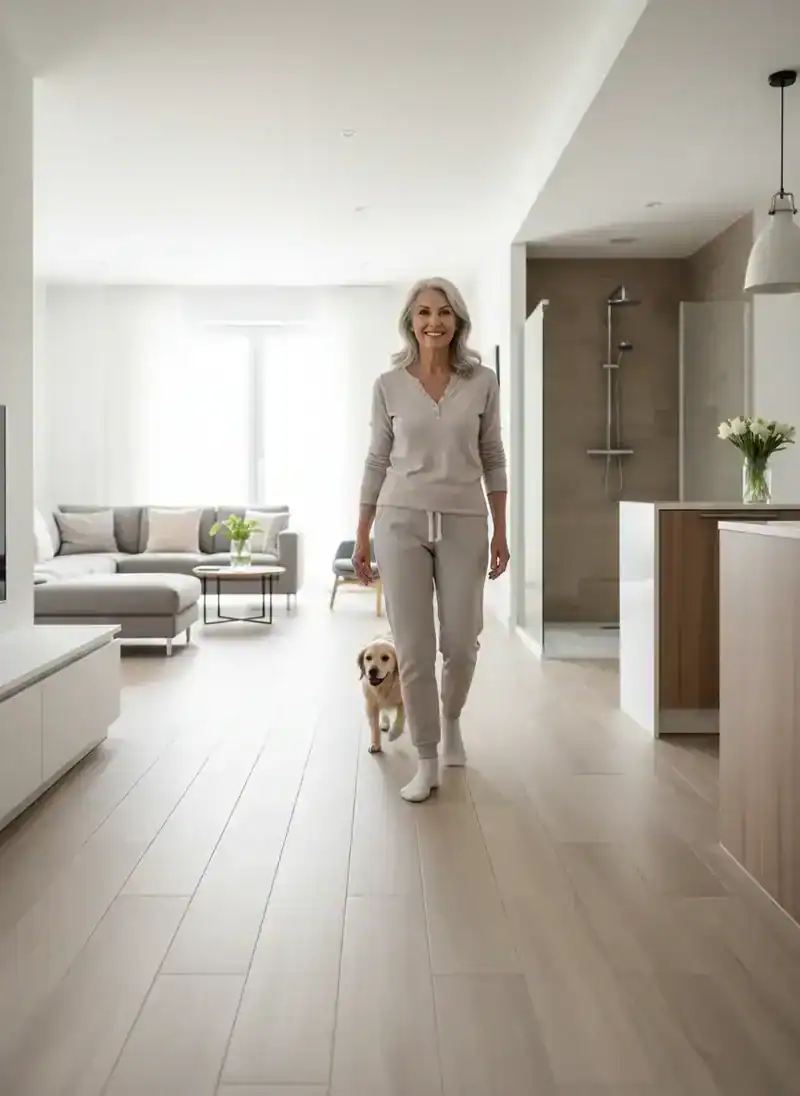
The fear of falling is a pervasive concern, and flooring plays a critical role in mitigating this risk. Replacing slick tiles or highly polished wood with non-slip alternatives was a common and highly valued change. Many opted for textured vinyl plank flooring, matte ceramic tiles with good grip, or low-pile carpeting with minimal padding to prevent tripping. Area rugs, if kept, were secured with non-slip pads or removed entirely in high-traffic areas.
Replacing slick surfaces greatly reduces the chance of accidental slips, particularly when navigating wet bathroom floors or entering from outdoors. This practical update offers significant peace of mind, allowing women to move freely and confidently within their homes without constantly worrying about their footing. The visual appeal of modern non-slip options ensures safety does not compromise style.
10. Main Floor Laundry Facilities
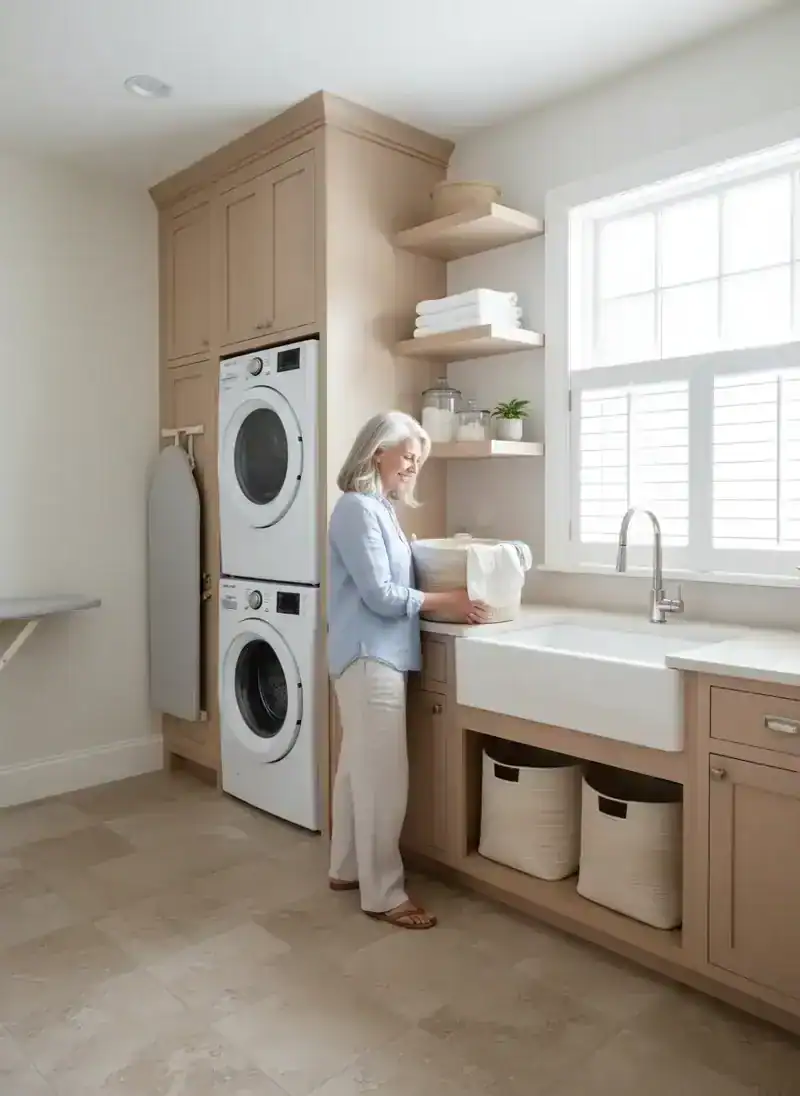
Doing laundry often involves carrying heavy baskets and navigating stairs, tasks that become increasingly challenging with age. Relocating laundry facilities from a basement or second floor to the main living level was a significant improvement for many women. This could mean installing a stackable unit in a large closet, converting a pantry, or dedicating a corner of a mudroom or bathroom.
Relocating the washer and dryer eliminates the strenuous and potentially dangerous trips up and down stairs. This change simplifies a regular chore, making it less physically demanding and much more convenient. Women appreciated having their laundry accessible, reducing the overall effort and time spent on household management, allowing more energy for other activities they enjoy.
11. Raised Garden Beds
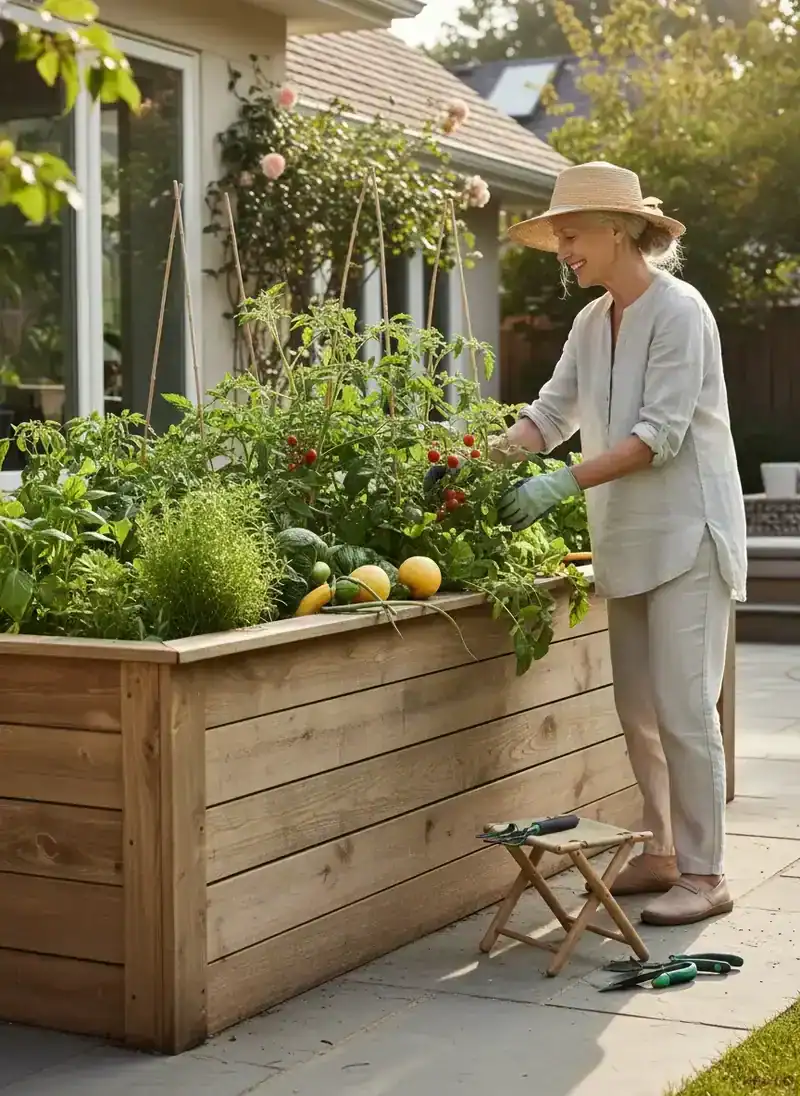
For those who enjoy gardening, the bending, kneeling, and reaching involved in tending traditional ground-level plots can become painful. Many women enthusiastically endorsed installing raised garden beds. These beds lift the planting area to a comfortable height, allowing gardening to be done from a standing or seated position, significantly reducing strain on the back and knees.
Raised garden beds also provide better drainage and can be filled with quality soil, often leading to more successful planting. The physical relief these beds offer allows passionate gardeners to continue their beloved hobby for many more years without the associated discomfort. This simple landscape modification helps maintain an active lifestyle and connection to nature, proving that passion doesn’t have to yield to physical limitations.
12. Wider Doorways
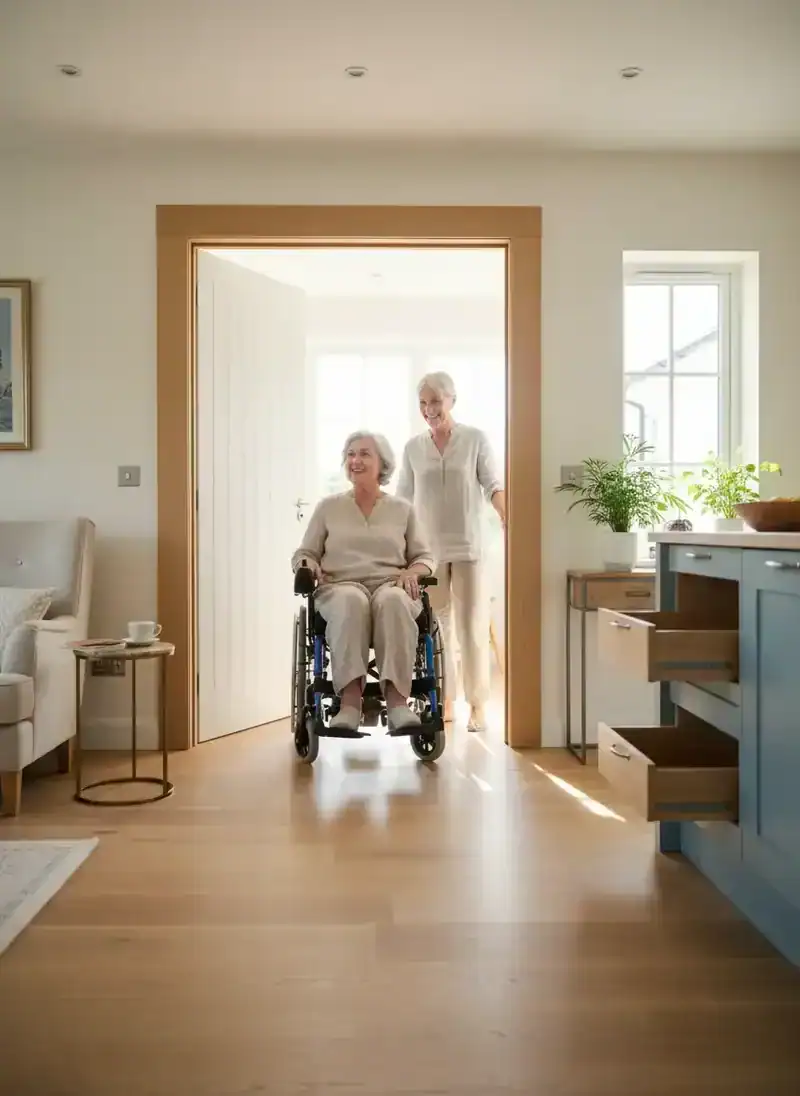
Navigating narrow doorways can become cumbersome, particularly if using a walker or wheelchair later on. While a more involved renovation, widening key doorways to at least 32 inches, or ideally 36 inches, was a proactive step many women took to future-proof their homes. This change ensures easy passage and prevents scrapes or bumps when moving between rooms.
While widening all doorways might not be feasible, focusing on primary entry points like the front door, bathroom, and bedroom entrances can make a substantial difference. This foresight ensures the home remains comfortable and accessible, accommodating any future mobility needs without major disruptive renovations down the line. It is about creating a living space that truly grows with you.
13. Stair Lifts for Multi-Story Homes
For homes with multiple stories, the stairs can quickly become a barrier to accessing all areas of the house. Women in multi-level residences often described stair lifts as a truly life-changing addition. These motorized chairs smoothly transport an individual up and down the staircase, eliminating the risk and exhaustion associated with climbing stairs.
These specialized mobility aids ensure that all levels of the home remain accessible, preserving independence and comfort. While an investment, the ability to safely and easily move throughout the entire house provides immense peace of mind and prevents the need for a costly move or extensive home redesign. It allows continued enjoyment of a beloved home without the daily physical challenge.
14. Easy-to-Reach Electrical Outlets and Switches
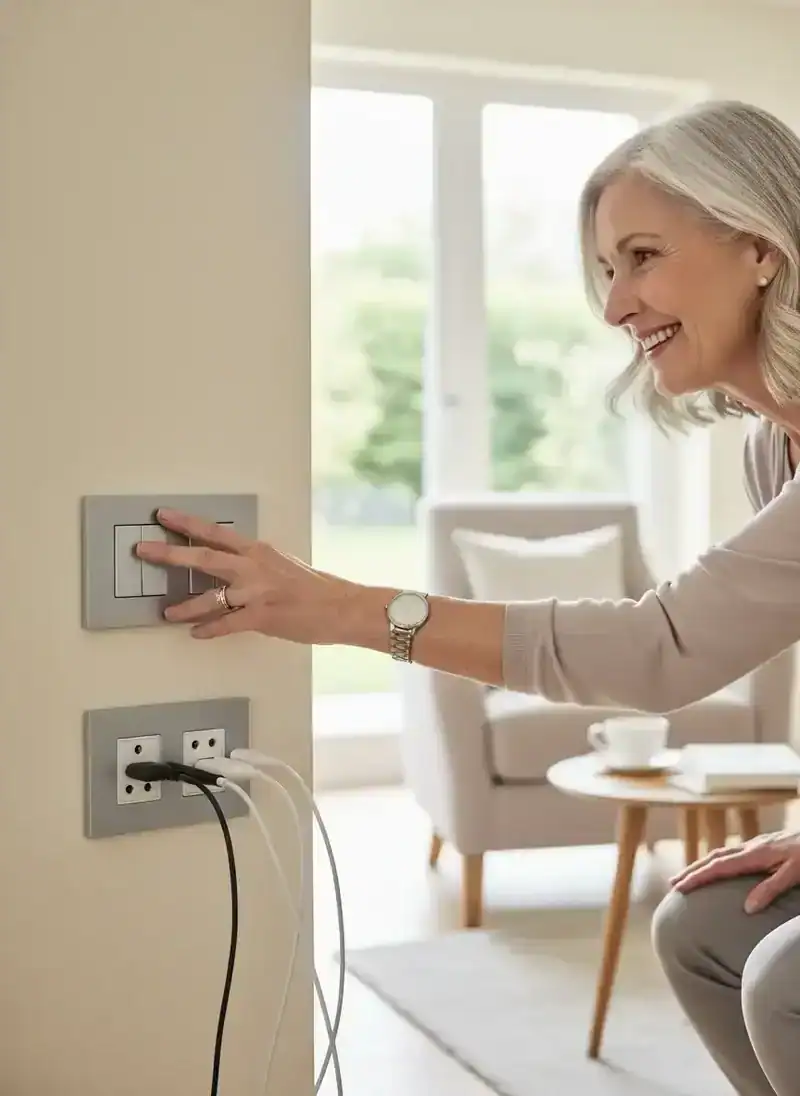
Simple actions like plugging in a lamp or turning on a light can sometimes pose a challenge when outlets are too low or switches are out of comfortable reach. Many women found that adjusting the height of electrical outlets and light switches to a more accessible level significantly improved daily convenience. Raising outlets a few inches higher from the floor means less bending, while lowering switches on the wall makes them easier to operate.
Switch plates with larger rocker-style buttons are also much simpler to activate than traditional toggle switches, especially for those with hand dexterity issues. These minor electrical adjustments make interacting with the home’s infrastructure far less straining. This thoughtful consideration for everyday interactions ensures that basic home functions remain simple and within comfortable reach, reducing daily frustrations.