

In today's fast-paced digital world, texting has become an indispensable form of communication, a bridge connecting us instantly with loved ones and colleagues. While incredibly convenient, the nuances of text etiquette can sometimes be a labyrinth, and even the most well-meaning individuals might unknowingly commit digital faux pas. This guide aims to shed light on common texting habits that, while unintentional, can sometimes come across as less than polite, especially for women over 60 navigating the evolving landscape of digital interaction.
1. Overusing Ellipses in Text Messages
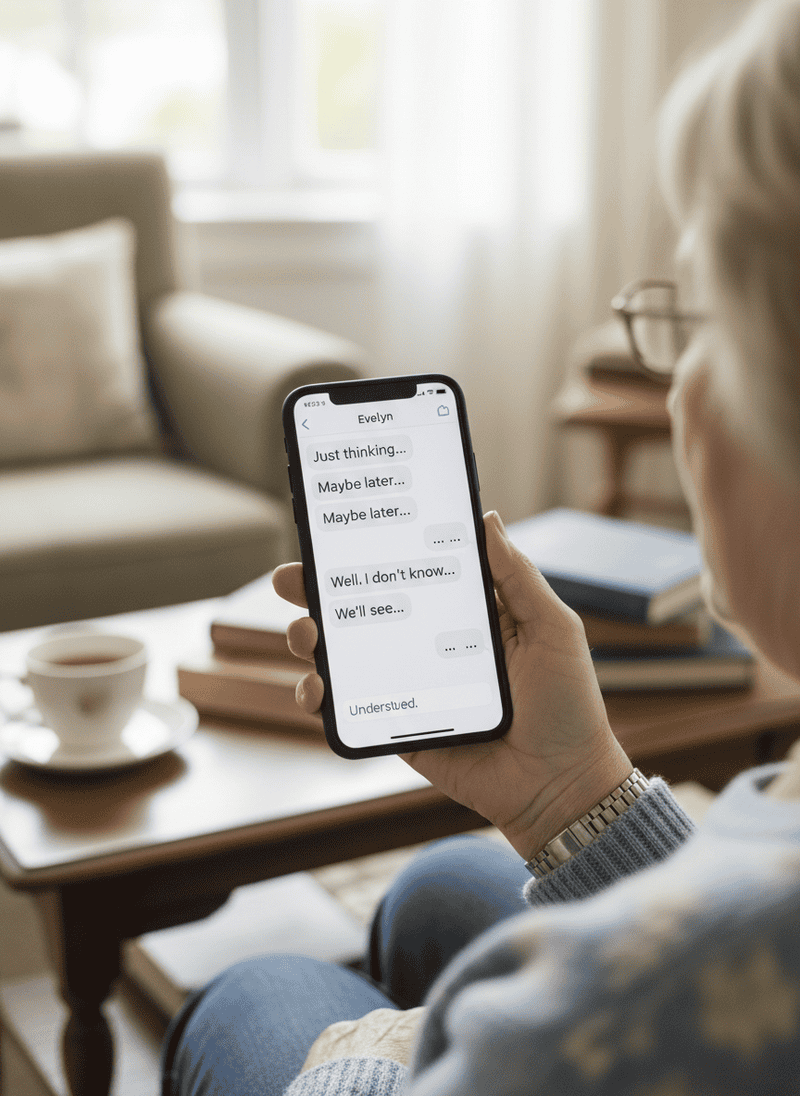
One common texting habit that can unintentionally come across as vague or even passive-aggressive is the excessive use of ellipses (…). While traditionally used to indicate a pause, an omission of words, or a thought trailing off, in the context of a quick text message, multiple ellipses can often create confusion. For the recipient, it might feel like there's something unsaid, a hesitancy, or even a hint of disapproval, leading them to second-guess the sender's true intent. This ambiguity can be particularly frustrating in conversations requiring clear, concise answers.
Instead of punctuating nearly every thought with three dots, consider using full stops to denote the end of a complete sentence. If you genuinely want to convey a pause for thought, one set of ellipses is usually sufficient and less likely to be misinterpreted. Aim for clarity and directness in your messages, which helps prevent misunderstandings and keeps the conversation flowing smoothly. Remember, the goal of modern texting is often quick information exchange, and excessive punctuation can slow down or muddy that process, making your texts harder to interpret at a glance.
Sometimes, the overuse stems from a desire to soften a message or avoid sounding too abrupt. However, there are more effective ways to achieve this, such as using warm language, adding a friendly emoji where appropriate, or simply phrasing your sentence as a question if you're looking for input. Practicing more intentional punctuation habits can significantly enhance how your messages are received, ensuring your valuable insights are communicated exactly as you intend them, fostering clearer and more positive digital interactions with family and friends.
2. Sending One-Word Responses Repeatedly
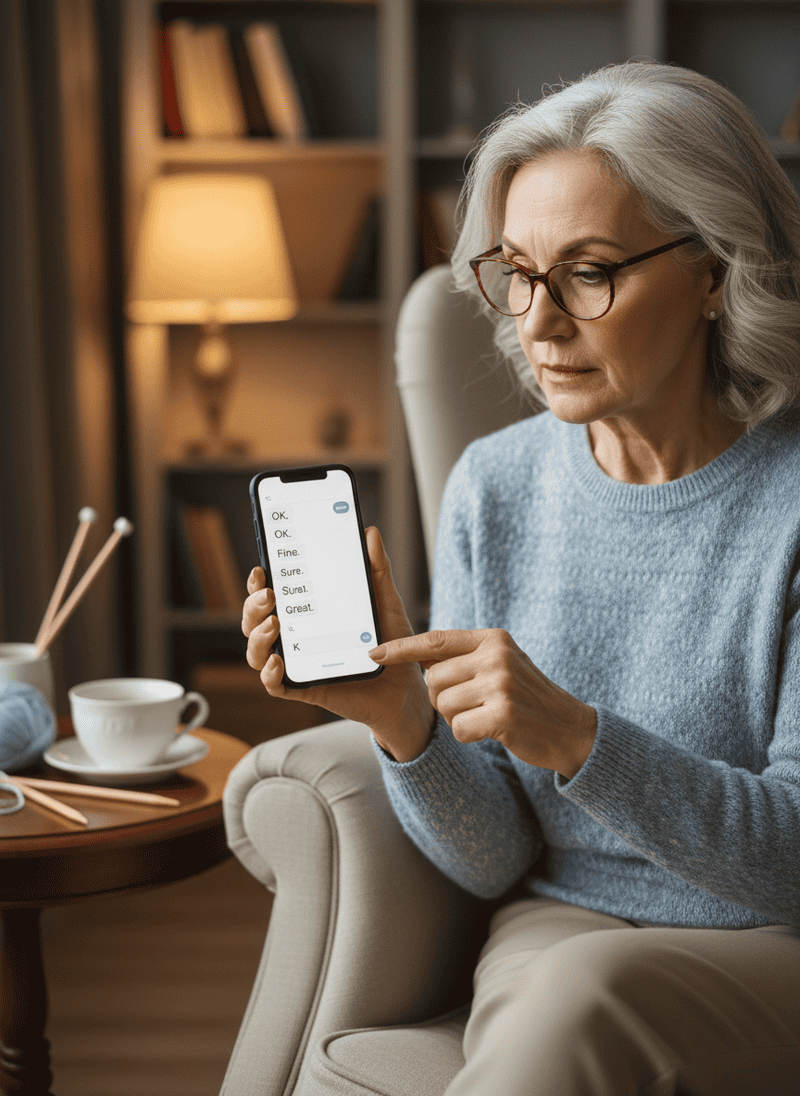
Responding with consistent one-word texts like “Okay,” “Yep,” “Sure,” or “K” can inadvertently make a conversation feel like pulling teeth, leaving the recipient feeling dismissed or that you're uninterested. While convenient for quick acknowledgments, when every response is brief and lacking substance, it can signal a lack of engagement or enthusiasm. This can be particularly frustrating when someone has sent a longer message or is trying to convey something important, as it minimizes their effort and the value of their communication.
To foster more engaging and meaningful digital conversations, try to expand your responses slightly, even if just by adding a few extra words or a follow-up question. For instance, instead of just “Okay,” you could say, “Okay, got it!” or “Okay, thanks for letting me know.” If it’s a plan, you might say, “Sounds good, what time?” These small additions demonstrate that you’ve read and processed the message, and you’re actively participating in the exchange, showing respect for the sender's time and effort.
It’s about striking a balance. Not every text needs to be a lengthy discourse, but consistent brevity can stifle communication. By adding a little more detail or warmth, you can transform a curt exchange into a pleasant interaction, reinforcing your connection with the person on the other end. This simple adjustment can significantly improve how your texting habits are perceived, making your digital presence more inviting and less abrupt.
3. Ignoring Group Chat Etiquette

Group chats are fantastic for coordinating plans or sharing updates with multiple people simultaneously, but they come with their own set of unspoken rules. A common misstep is treating a group chat like a direct message, sharing personal anecdotes or asking questions only relevant to one individual. This can clutter the conversation for everyone else, leading to endless notifications and irrelevant information that many recipients might not appreciate, especially if they are trying to follow a specific discussion.
Another frequent faux pas is sending multiple short, rapid-fire messages instead of consolidating your thoughts into one longer text. This creates a flurry of alerts on everyone’s devices, which can be highly disruptive. Before sending, take a moment to compose your full message, ensuring it's concise but complete, thereby minimizing the number of notifications each member receives. Also, be mindful of the group's purpose; if it’s for family updates, avoid political rants. If it’s for event planning, stick to details about the event.
When a conversation within a group chat shifts to a topic relevant to only one or two people, it's often more considerate to move that discussion to a private message. This keeps the main group chat focused and prevents others from feeling overwhelmed or annoyed by irrelevant content. By being thoughtful about what and how you share in group settings, you contribute to a more positive and efficient communication environment for all participants, making group chats a more enjoyable experience rather than a source of frustration.
4. Texting Entire Essays or Long Monologues

While it's important not to be too brief, going to the opposite extreme and sending multi-paragraph essays via text can also be perceived as rude or overwhelming. Text messages are typically designed for concise, quick communication. When a recipient opens a text to find a wall of unbroken text or a series of deeply intricate thoughts, it can feel like a burden to read and process on a small screen, especially when they're on the go or in the middle of something else.
Lengthy texts often demand immediate attention and a significant chunk of time to digest, which contradicts the convenience of texting. If your message requires extensive detail, nuanced explanation, or covers several distinct points, it might be better suited for a phone call, an email, or even a video call. These formats are designed to accommodate more comprehensive conversations and allow for better give-and-take, ensuring your message is fully understood without overwhelming the recipient.
Consider breaking down longer messages into shorter, digestible texts if you must use the format. However, a good rule of thumb is to assess the complexity and length of what you want to communicate. If it's going to take more than a minute or two for the other person to read and respond thoughtfully, it's probably time to switch mediums. This mindful approach respects the recipient's time and device, ensuring your important messages are received positively and efficiently, enhancing your overall digital communication etiquette.
5. Expecting Instant Replies to Your Messages

One of the most common unspoken rules of digital communication is understanding that not everyone is tethered to their phone or available to respond immediately. Expecting instant replies to every text message can be seen as demanding and shows a lack of consideration for the other person's schedule and activities. When a response doesn't come within minutes, some might send follow-up texts like “?” or “Hello?” which only adds pressure and can be quite irritating.
People have busy lives, work commitments, family obligations, and personal time where checking their phone might not be a priority. Texting is asynchronous by nature; it allows for replies at convenience. Assuming someone is deliberately ignoring you because they haven't responded within a short timeframe often leads to unnecessary frustration and can strain relationships. It's important to remember that a lack of immediate reply rarely signifies disrespect or disinterest.
Cultivating patience in your digital interactions is key. If a matter is urgent and requires an immediate response, a phone call is almost always the more appropriate communication method. Otherwise, send your text and trust that the recipient will reply when they are able. This approach demonstrates respect for their autonomy and schedule, fostering healthier and more relaxed communication habits. Letting go of the expectation of instant gratification makes texting a more enjoyable experience for everyone involved.
6. Not Identifying Yourself in Initial Texts

For many women over 60, who may have a wide circle of friends, family, and acquaintances in their phone contacts, receiving an unidentified text message can be confusing and even unsettling. If your phone number isn't stored in their device, or if they haven't updated their contacts in a while, a message that simply says “Hi, it’s me!” or “What are you doing?” forces them to play a guessing game, which can be irritating or lead to anxiety about who is contacting them.
This habit is not only inconvenient but can also be perceived as a lack of consideration. It places the burden on the recipient to figure out your identity, taking time away from their day. In an era of increasing spam and phishing attempts, unidentified texts can also raise red flags, causing recipients to be wary or even to delete your message without responding, thinking it might be an unsolicited contact.
To avoid this common faux pas, always start your initial text message with a clear identification. A simple “Hi [Recipient’s Name], it’s [Your Name]” or “Hey [Recipient’s Name], this is [Your Name] from [Context, e.g., the book club]” provides instant clarity. This small courtesy goes a long way in ensuring your message is well-received, fostering positive communication, and preventing unnecessary confusion or suspicion. It’s a simple step that significantly improves the politeness and effectiveness of your digital outreach.
7. Using All Caps for Emphasis
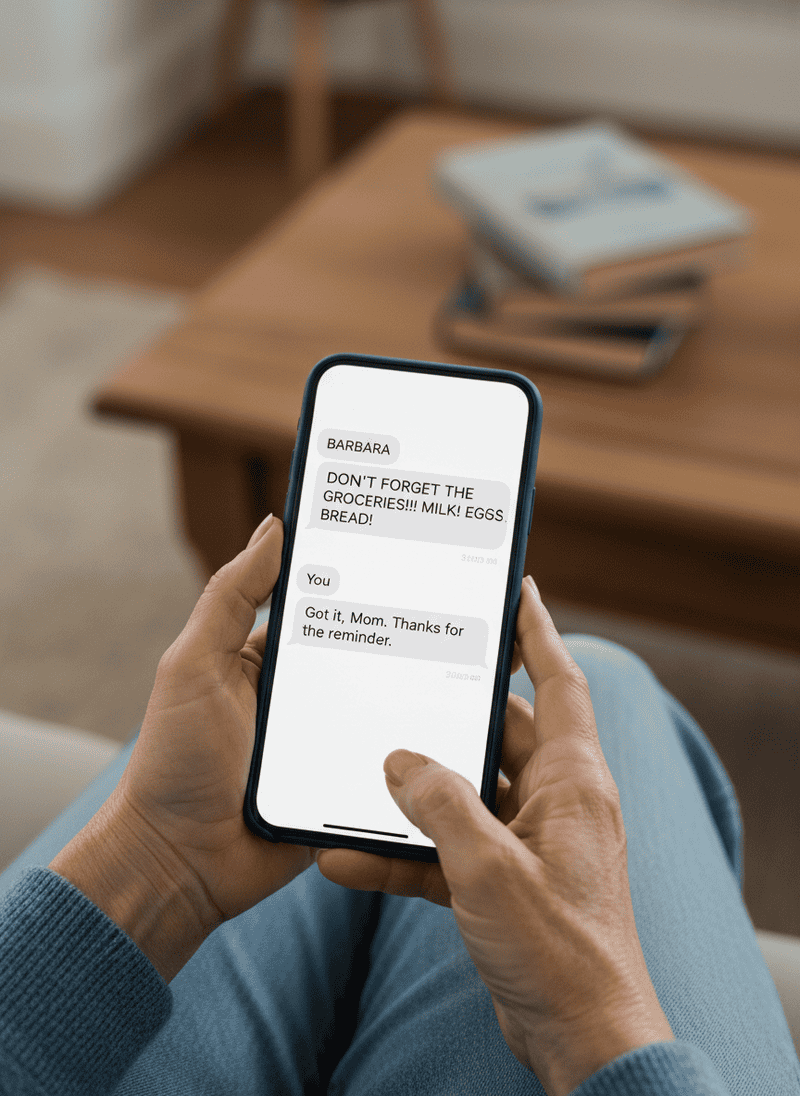
While using all capital letters might seem like a straightforward way to add emphasis or express excitement in a text message, in the digital world, it’s widely interpreted as shouting. Receiving a message in all caps can feel aggressive, demanding, or even accusatory, regardless of the sender's actual intent. This can inadvertently escalate the tone of a conversation, making the recipient feel uncomfortable, offended, or put on the defensive, even if you were merely trying to highlight an important point or share joyful news.
Communicating solely in capital letters also makes texts much harder to read. The uniform shape of capital letters hinders readability, forcing the recipient to exert more effort to decipher your message. This can be particularly frustrating for those with visual impairments or when reading on smaller screens, making your message less accessible and more taxing to engage with.
To effectively convey emphasis without resorting to shouting, consider using other formatting options if available (like bolding, if the platform supports it), or simply choosing stronger descriptive words. Emojis can also add tone, indicating excitement or humor without the harshness of all caps. If you want to underscore importance, a polite phrase like “Please note:” or “This is crucial:” will be far more effective and respectful. Adopting these alternatives ensures your messages are not only clear but also received with the friendly tone you intended, fostering better digital etiquette.
8. Forwarding Chain Messages or Hoaxes
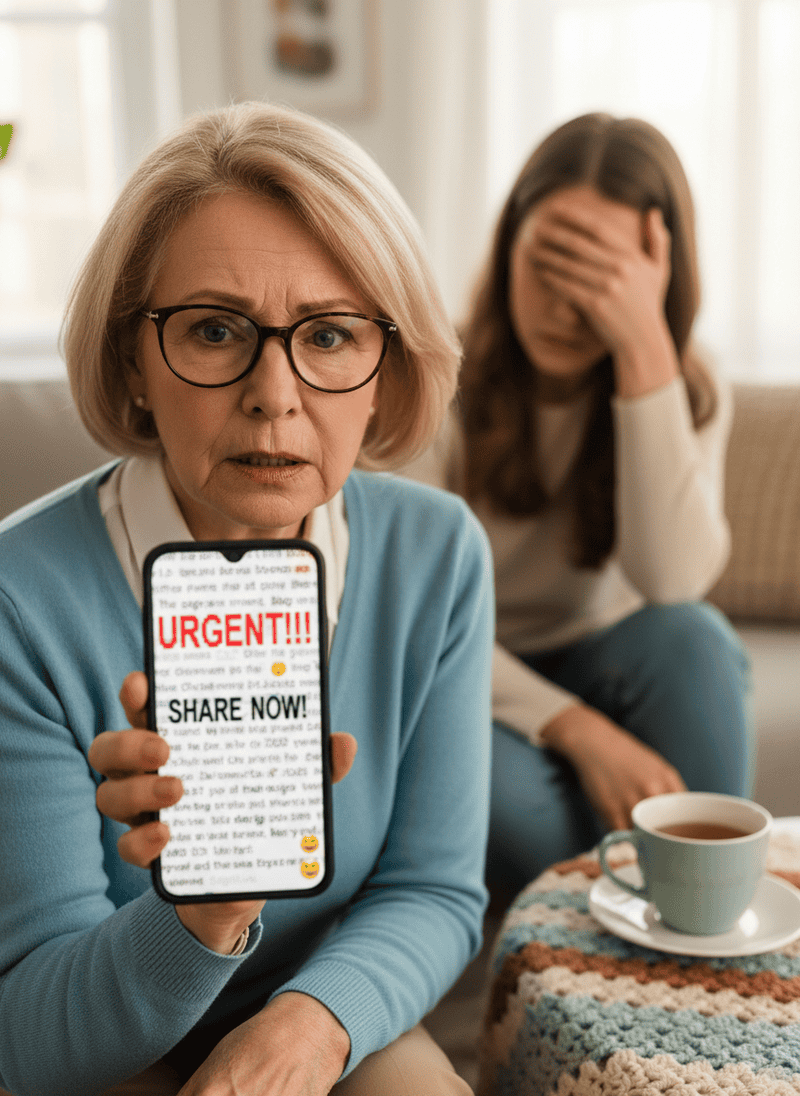
In the digital age, the rapid spread of misinformation, internet hoaxes, and chain messages remains a persistent problem, and forwarding these can inadvertently be seen as rude or inconsiderate. While your intention might be to share something interesting, cautionary, or amusing, many recipients find these unsolicited forwards annoying and a waste of their time. Often, these messages are filled with inaccurate information, sensational claims, or requests to forward to X number of people, which can clog up inboxes and contribute to digital fatigue.
Before forwarding any message, especially those that claim dire consequences if not shared or promise unbelievable rewards, take a moment to verify its authenticity. A quick search on a reputable fact-checking website can often reveal if the message is a known hoax or scam. Sharing unverified information can not only spread falsehoods but can also make you appear gullible or careless with information, potentially eroding trust among your contacts.
Respecting your contacts' time and inbox space is a crucial aspect of good texting etiquette. Unless you are absolutely certain that the content is factual, relevant, and genuinely desired by the recipient, it’s best to refrain from forwarding chain messages. Focus on sending personalized messages and sharing genuine news or thoughts. This mindful approach helps maintain clean communication channels and ensures your digital interactions are always positive and valuable, avoiding the spread of digital clutter and misinformation.
9. Calling Instead of Texting Back

In a world where texting has become the preferred method for quick, non-urgent communication, responding to a text message with an unannounced phone call can be perceived as an intrusion or a disregard for the sender’s chosen communication preference. When someone texts you, they're often signaling that their availability or the nature of the message doesn't require an immediate, synchronous conversation. They might be in a meeting, at an event, or simply prefer written communication for their convenience.
An unexpected phone call can disrupt their activities, forcing them to drop what they’re doing to answer. This is especially true if the text message was straightforward and could have been easily answered with another text. It implies that your urgency or preferred method of communication overrides theirs, which can come across as inconsiderate or even rude, particularly if the call is about a trivial matter.
Before initiating a call in response to a text, consider the urgency and complexity of the message. If the topic is complex, highly personal, or truly requires a real-time discussion, it's polite to text back first, asking, “Would it be okay if I called you to discuss this?” This simple courtesy gives the recipient a chance to prepare or indicate their availability, showing respect for their time and communication preferences. By acknowledging their initial choice of texting, you foster more respectful and effective digital interactions.
10. Misunderstanding Autocorrect and Not Proofreading

Autocorrect can be a helpful tool, but it's also notorious for creating hilarious, embarrassing, or utterly nonsensical text messages if not carefully monitored. One common texting habit that can come across as rude or simply confusing is sending messages riddled with autocorrect errors without bothering to proofread. These unintentional word substitutions can completely change the meaning of your message, leading to misunderstandings, frustration, or even unintended offense on the part of the recipient.
For the person receiving the text, deciphering a message filled with typos or bizarre autocorrect changes can be an annoying task. It requires them to spend extra time trying to interpret what you actually meant, which can be particularly challenging when context is lost. This can inadvertently make you seem careless or inattentive, as if you didn't value their time enough to ensure your message was clear before hitting send.
Developing a quick habit of proofreading your texts before sending is a simple yet effective way to avoid these pitfalls. Even a glance can catch glaring errors. If you're prone to autocorrect mishaps, consider typing slower or disabling the feature for certain words. Clear, error-free communication demonstrates respect for the recipient and ensures your message is delivered as intended, making your digital interactions smoother and more professional. A moment of review can save a lot of confusion and potential embarrassment.
11. Sending Blurry or Unclear Photos/Videos
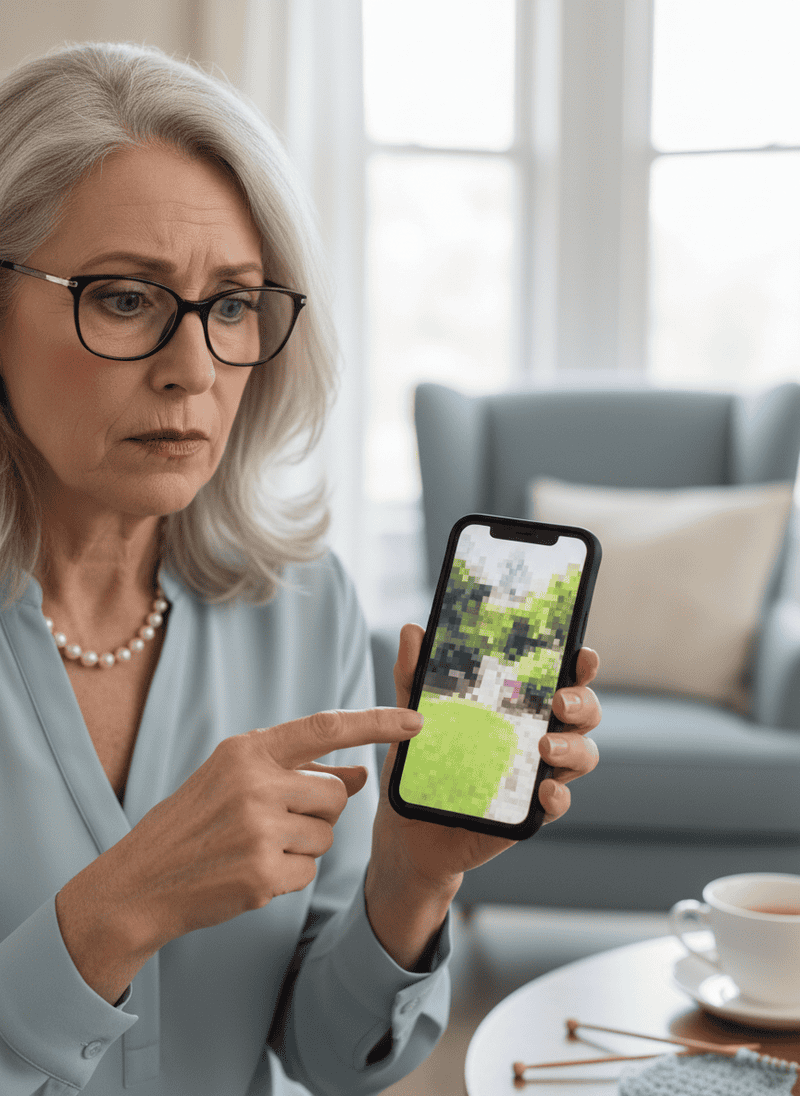
Sharing photos and videos via text is a wonderful way to capture and share moments, but sending blurry, poorly lit, or unfocused media can inadvertently be seen as inconsiderate. When a recipient opens a photo or video only to find it's impossible to discern what’s happening, it can be frustrating and feel like a wasted notification. The effort to send the media is there, but the lack of clarity detracts from the shared experience, leaving the viewer confused rather than engaged.
Poor-quality media often requires the recipient to ask for clarification, prompting additional messages to explain what should have been obvious. This creates unnecessary back-and-forth and can interrupt the flow of conversation. It may also suggest a lack of attention to detail or care when sharing, making the recipient feel that the quality of what you're sharing doesn't matter to you, and by extension, their viewing experience doesn't either.
Before hitting send on any photo or video, take a moment to quickly review it yourself. Is it in focus? Is the lighting adequate? Can the subject matter be clearly seen? If not, consider retaking it or choosing a different image. The goal of sharing media is to convey information or a feeling effectively, and clear, high-quality visuals achieve this best. This small act of consideration ensures your visual messages are always a delight to receive, enhancing the quality of your digital communication and showing respect for your contacts.
12. Texting Sensitive or Private Information
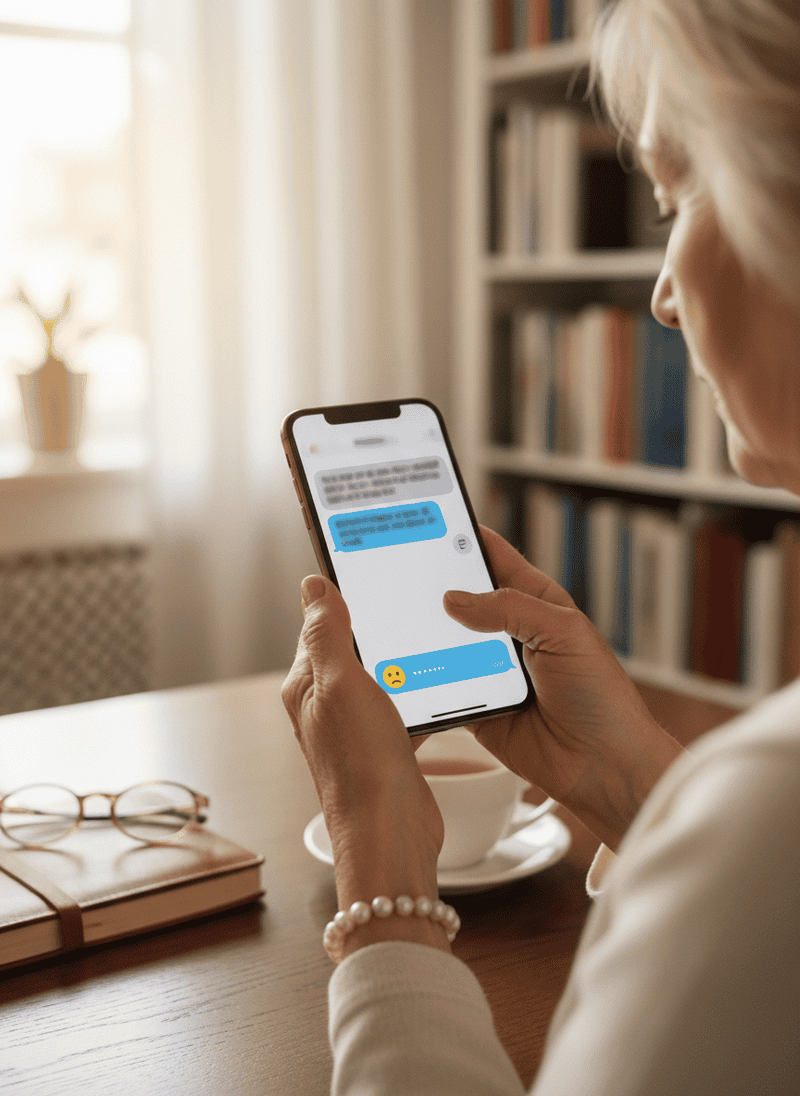
While texting offers a quick and convenient way to communicate, it is generally not the most secure or appropriate channel for sensitive or private information. Discussing personal health matters, financial details, relationship struggles, or confidential news via text can inadvertently be seen as reckless or insensitive. Text messages can be easily intercepted, read over someone's shoulder, or accessed if a phone is lost or stolen, posing significant privacy risks to yourself and others involved.
Furthermore, sensitive topics often require a nuanced discussion that text messages, with their inherent brevity and lack of immediate verbal and non-verbal cues, cannot adequately provide. Misunderstandings can easily arise when discussing delicate subjects without the benefit of tone of voice, facial expressions, or the ability to ask clarifying questions in real-time. This can lead to hurt feelings, misinterpretations, or unresolved issues that fester.
For any communication that involves sensitive personal information, important decisions, or emotionally charged discussions, it is far more appropriate and respectful to opt for a phone call, a secure video call, or an in-person conversation. These methods allow for a private, direct, and comprehensive exchange, ensuring that sensitive details are handled with the care they deserve and that complex emotions can be properly conveyed and understood. Choosing the right medium for your message is paramount to effective and respectful digital communication.
13. Overdoing Emojis in Every Message
Emojis are fantastic tools for adding emotion, tone, and personality to text messages, bridging the gap that a lack of vocal inflection creates in written communication. However, using too many emojis in every single message, or stringing together a long sequence of them, can become overwhelming, distracting, and even childish. What might start as an attempt to be friendly or expressive can quickly turn into digital clutter, making your message harder to read and the true sentiment difficult to grasp.
When a text is inundated with emojis, the actual words can get lost, or the overall message can lose its sense of seriousness or maturity. For some recipients, especially those who prefer more direct communication or are less familiar with extensive emoji use, it can be perceived as an inability to articulate thoughts clearly with words alone. It can also create a perception of frivolity when the message might actually be important.
To ensure your emoji use enhances rather than detracts from your messages, aim for balance and intention. Use emojis judiciously, selecting one or two that genuinely add to the meaning or emotion of your text. Consider the context and the recipient; some conversations or individuals might appreciate more emojis than others. By being selective and thoughtful with your emoji choices, you can effectively convey warmth and tone without overwhelming your contacts, demonstrating a polished and respectful digital communication style.
14. Curiously Sending Just 'K' or 'Ok'
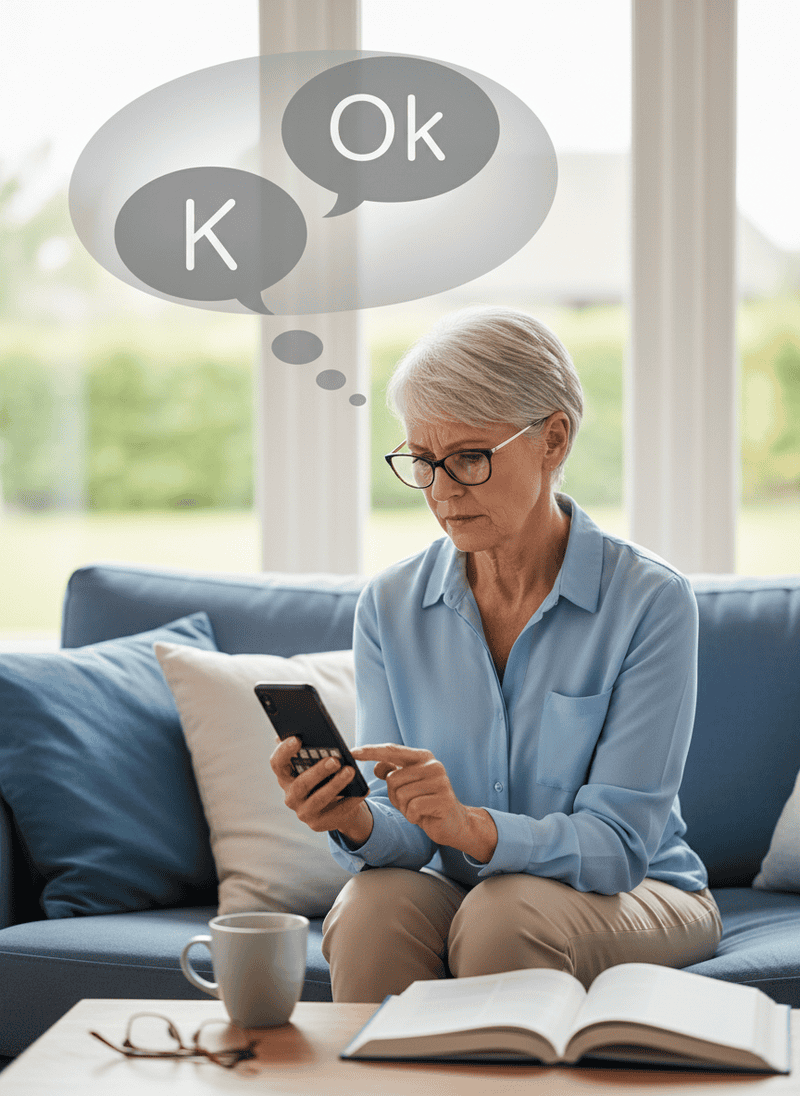
While 'Ok' or 'K' are widely recognized abbreviations for 'okay,' sending them as a sole response can often come across as curt, dismissive, or even annoyed, even if that's not your intention. These one-letter or two-letter replies provide minimal feedback, making the recipient feel like the conversation is being abruptly ended or that their message was not fully appreciated. It can put a dampener on the interaction, leaving the other person feeling unheard or undervalued.
In many texting circles, a simple 'K' is often associated with a passive-aggressive tone or a lack of enthusiasm. It signals the bare minimum of acknowledgement, which, in digital communication, can be easily misinterpreted as indifference or a desire to end the discussion. This is particularly true if the preceding message involved a question, an exciting update, or a detailed plan that warrants a more engaged response.
To avoid this common faux pas and foster warmer digital interactions, try to offer a slightly more elaborate response. Even adding an exclamation point, a brief follow-up, or a single emoji can soften the tone considerably. For example, 'Okay, got it!' or 'K, thanks!' or 'Ok 👍' conveys a more positive and engaged sentiment. These small additions show that you've processed the message and are responding thoughtfully, ensuring your replies contribute positively to the conversation rather than inadvertently shutting it down.
15. Texting at Inappropriate Hours

In our always-connected world, it's easy to forget that not everyone keeps the same schedule, and texting at very early or late hours can be inadvertently rude. Sending messages late at night or very early in the morning can disturb a recipient's sleep, as phone notifications often vibrate or ring, even if the sound is muted. This disregard for another person's rest can cause annoyance and frustration, particularly if the message is non-urgent.
While some phones have 'Do Not Disturb' modes, not everyone uses them consistently, or they might rely on their phone for emergencies. Therefore, the responsibility often falls on the sender to be mindful of timing. Urgent matters are an exception, of course, but routine updates, casual chats, or non-time-sensitive questions are best sent during conventional waking hours, typically between 8 AM and 9 PM.
Before sending a text, especially outside of regular hours, take a moment to consider if the message is truly urgent. If it can wait, schedule it for the morning or hold off until a more appropriate time. If you absolutely must send it, you might add a small note like, “No need to respond until morning!” This small act of consideration demonstrates respect for the recipient's personal time and peace, contributing to more thoughtful and polite digital communication habits.
16. Neglecting to Acknowledge Read Receipts

Many messaging platforms offer 'read receipts,' which inform the sender when their message has been seen. While these can be convenient, consistently ignoring a message after it's been read, as indicated by the receipt, can be perceived as rude or dismissive. When a sender knows you've seen their message but haven't responded, it can make them feel unheard, unimportant, or that you're deliberately avoiding them, especially if the message warranted a reply.
While an instant response isn't always possible or expected, a prolonged silence after a read receipt can create anxiety for the sender. They might wonder if you're upset, too busy, or simply don't care about what they've communicated. This can strain relationships and lead to misunderstandings, as the absence of a response often speaks volumes, sometimes inaccurately.
If you've read a message and can't respond immediately, a quick text like, “Got it, will reply soon!” or “Busy now, I’ll get back to you later!” is a courteous way to acknowledge receipt and manage expectations. This shows respect for the sender and validates their communication, letting them know you're not ignoring them. If you prefer not to feel pressured, you can always disable read receipts, but if they're on, it’s considerate to act accordingly, fostering more transparent and thoughtful digital interactions.
17. Double Texting Excessively

Double texting refers to sending multiple messages in a row without a response from the recipient. While an occasional follow-up text isn't a problem, excessive double texting can be perceived as pushy, impatient, or even desperate. It implies an expectation of an immediate reply and can make the recipient feel pressured or overwhelmed by a barrage of notifications, particularly if they are busy or haven't had a chance to respond yet.
When you send several texts consecutively, it can also create a sense of urgency that might not be warranted, escalating the perceived importance of the conversation. The recipient might feel like they are being hounded or that you are not respecting their time and space. This can lead to frustration and a reluctance to engage, making them less likely to respond quickly in the future.
Give the recipient time and space to respond. Unless the matter is truly urgent and time-sensitive, it's best to send one well-composed message and wait for their reply. If you realize you forgot to add something important, you can certainly send a second text to clarify. However, for casual conversations, practicing patience and avoiding a string of unanswered messages shows respect for the other person’s schedule and autonomy, fostering a more relaxed and positive texting environment.
18. Relying Too Heavily on Voice Memos

Voice memos can be a convenient alternative to typing, especially for longer messages or when driving, but relying too heavily on them can sometimes be rude. The recipient of a voice memo might be in a situation where they cannot listen to audio, such as in a quiet office, a noisy public space, or when they don't have headphones. Forcing them to find a private moment or suitable environment to listen can be inconvenient and inconsiderate.
Unlike text, which can be quickly scanned and processed at a glance, voice memos require active listening and cannot be easily skimmed for key information. This means they demand more dedicated time and attention from the recipient, which might not align with their preference for quick, asynchronous communication via text. It can also be frustrating if they need to refer back to a specific piece of information within the memo, as they have to re-listen to find it.
Consider the context and the recipient before sending a voice memo. If the message is short and simple, typing it out is usually more efficient for everyone. If it’s a lengthy or complex message, consider if a phone call or an email might be a better option. If you do send a voice memo, it's polite to offer a brief text summary of its content or ask if it’s a good time to send one. This thoughtful approach ensures your chosen communication method is convenient for both parties.
19. Assuming Everyone Knows Who You Are

Forgetting to identify yourself in text messages, particularly when reaching out to someone you haven't texted in a while or whose contact information you might not be certain they have saved, can be a common oversight. While you might assume your name is saved in their phone, or that your familiar voice would be recognizable through text, this isn't always the case. Receiving a text from an unknown number or a message like 'Hey, it's me!' forces the recipient to play a guessing game, which can be frustrating, time-consuming, and even concerning in an era of spam calls.
This habit places the burden of identification on the recipient, inadvertently demonstrating a lack of consideration for their time and mental effort. They might have hundreds of contacts, and without an immediate identifier, your message could be mistaken for spam, a scam, or simply ignored because they don't recognize the sender. It can also cause awkwardness if they have to text back asking 'Who is this?' or pretend they know, only to realize later they were mistaken.
To ensure your messages are always welcomed and understood, make it a habit to identify yourself, especially in the first text of a new conversation or after a long break. A simple 'Hi [Recipient’s Name], it’s [Your Name]' or 'This is [Your Name] from [Context]' is all it takes. This small act of courtesy goes a long way in facilitating clear, respectful communication and avoiding any potential confusion or annoyance, making your digital interactions smoother and more pleasant for everyone involved.
20. Using Outdated or Misunderstood Slang

The landscape of internet slang and abbreviations is constantly evolving, and using outdated or incorrectly applied slang in text messages can sometimes come across as awkward or even unintentionally rude. While an attempt to sound current or hip might be well-intentioned, employing terms that are no longer in common use, or misinterpreting the nuance of popular acronyms, can lead to confusion, miscommunication, or even mild embarrassment for the recipient who has to decipher your meaning or subtly correct you.
For example, using abbreviations that were popular decades ago but have since fallen out of favor, or trying to use modern slang without fully grasping its context, can create a disconnect. The recipient might struggle to understand your message, or the intended meaning might be completely lost, making the conversation less effective and occasionally causing them to feel uncomfortable. It can also inadvertently highlight a generational gap in a way that feels less connecting and more alienating.
While it’s natural to want to bridge generational gaps, it's often more effective to stick to clear, universally understood language in your texts. If you’re unsure about a piece of slang, it’s best to avoid it or use full words instead. The goal of texting is clear and efficient communication. Relying on well-understood language ensures your messages are always received as intended, promoting respectful and effective digital exchanges, and keeping your conversations flowing smoothly without unnecessary linguistic hurdles.
21. Complaining About Texting Instead of Calling

In a world increasingly reliant on digital communication, complaining via text about the preference for texting over calling can be an ironic and inadvertently rude habit. When you receive a text and respond with a message like, “Why didn’t you just call?” or “This would be easier over the phone,” you’re essentially invalidating the sender’s chosen method of communication. This can make the sender feel criticized or that their efforts to reach out are not appreciated, putting a dampener on the interaction.
While you might genuinely prefer phone calls for certain types of conversations, expressing that preference by complaining through text can seem dismissive of the other person’s convenience or situation. They might have texted precisely because they were unable to talk at that moment, or because the message was simple enough that a call felt unnecessary. Your complaint forces them to justify their communication choice, creating an uncomfortable dynamic.
If you truly believe a conversation is better suited for a phone call, a more polite and constructive approach is to suggest it gracefully. For example, you could text back, “That’s a bit much to text; would you mind if I called you quickly?” or “I’d love to chat more about this; when’s a good time to call?” This approach respects their initial outreach while guiding the conversation to your preferred medium, fostering more polite and effective digital communication without causing offense or frustration.


