
Years in a long-term marriage can feel like a comfortable, well-worn sweater, familiar and safe, but sometimes a little faded around the edges. That initial spark, the electric feeling of being truly seen and specifically chosen, can quiet into a background hum. You’re no longer navigating the early days, but rather the deep currents of shared history, raising children, building careers, and perhaps caring for aging parents. It’s a profound shift, and it’s natural to sometimes yearn for that distinct sense of being your partner’s first and most important choice, not just a fixture in their life.
1. Reclaiming Shared Future Planning
Your calendar used to be ‘ours,’ now it just lists separate obligations and personal appointments.

One common experience in long marriages is the subtle erosion of joint future planning. We often move from discussing dreams to simply coordinating logistics, like who will pick up groceries or manage the utilities. This quiet shift can make a partnership feel more like a functional co-parenting or co-habiting arrangement than an intimate bond. Couples therapists, particularly those focused on long-term compatibility, often highlight how crucial it is to maintain a shared vision for the years ahead.
This means actively discussing retirement planning together, not just as a financial task, but as a lifestyle design project. Where will you live? What will your days look like? My own husband and I fell into this trap, letting our individual career paths dictate our calendar until one day I realized we hadn’t genuinely planned a trip together in years, just booked a convenient week. We were focused on different things for too long. We often forget that these conversations, the ones that map out the next five, ten, or even twenty years, are not just about numbers or locations. They are about reaffirming that your lives are still intertwined by choice, not just by inertia. These are the kinds of discussions that a mediator might facilitate later, but they are infinitely more powerful when they come from a place of active, loving engagement today.
2. Prioritizing One-on-One, Undistracted Time
You sit on the couch together, but you’re both staring at different screens, barely making eye contact.

The myth of ‘quality time’ often gets misinterpreted as merely being in the same room. Real connection in a long marriage requires dedicated, undistracted attention, something that often diminishes with the demands of careers, children, and personal hobbies. I find myself guilty of this, sometimes reading my book while my husband watches a show, thinking we are ‘together.’ However, this isn’t the same as truly engaging. Psychologists who study attachment styles emphasize the importance of consistent, focused interaction to reinforce secure attachment bonds. It’s about turning towards each other, not away.
This means putting down the phone during dinner, turning off the television for at least an hour a few nights a week, and consciously engaging in conversation. It could be a simple walk after dinner, a weekly coffee date, or even just sitting on the porch talking about your day without interruption. These small pockets of time are where you rebuild the intimacy that life’s distractions slowly erode. The financial cost of ignoring this cannot be overstated. Neglecting emotional intimacy leads to a growing distance, which can quietly become the kind of emotional neglect a divorce attorney often sees as a core complaint, far more damaging than any single financial dispute. It’s the silent withdrawal, not the loud arguments, that often signals deeper trouble.
3. Practicing Active Listening Without Offering Solutions
You hear their words, but you’re already formulating your brilliant advice before they finish speaking.

It’s a natural human inclination, especially for women who often take on a ‘fixer’ role, to hear a problem and immediately want to solve it. In a long-term marriage, this can inadvertently communicate a lack of understanding or empathy, making your partner feel unheard rather than supported. What often gets lost is the simple act of truly listening, without the pressure to provide answers. Research on communication in relationships consistently shows that feeling understood is more important than feeling ‘fixed.’ Consider the impact when one partner is struggling with a career change, perhaps facing a difficult decision about early retirement or shifting their professional path. They might just need to vent their anxieties, not be told what steps to take next. I confess, I still struggle with this.
My husband often starts talking about a work issue, and my mind races to offer practical advice. He’s often just looking for a sounding board. This habit can erode trust over time, leading your partner to simply stop sharing the deeper, more vulnerable parts of their experience. Learning to pause, to reflect back what you’ve heard, and to ask ‘Do you want advice, or do you just need me to listen?’ can be a powerful repair mechanism, helping both of you feel chosen and genuinely supported, rather than just managed.
4. Revisiting Shared Memories and Inside Jokes
The stories you once told about ‘that time we…’ have become dusty relics, rarely pulled out.

Every long marriage is a rich archive of shared experiences, triumphs, silly mishaps, and private jokes. These memories are the bedrock of your unique couple identity, the ‘us’ against the world. When you stop revisiting them, you subtly diminish the sense of shared history and connection. Think about how often you used to retell stories of your early dating days, funny vacation blunders, or the challenges of raising young children. Now, with adult children perhaps out of the house, those anecdotes might feel less relevant.
Yet, these are precisely the moments that remind you of the specific, unique bond you share. It’s not about living in the past, but about anchoring your present in a rich, meaningful history. Couples who continue to share these narratives often report higher levels of marital satisfaction, as it reinforces their ‘couple bubble’ against external stressors, like the difficult decisions around care for aging parents. When you stop reminiscing, it’s easy to feel like you’ve drifted into parallel lives, losing touch with the essence of what brought you together and what makes your relationship distinct. Sometimes, a quiet evening spent just flipping through old photos or reminiscing about a trip can be a profound way to feel chosen, to remember that specific joy you created together, something no one else shares quite the same way. We tend to forget that shared laughter is a powerful emotional currency, and its neglect can quietly impoverish a relationship over decades.
5. Expressing Gratitude for the Mundane
You appreciate their contributions, but those feelings rarely make it into words
After years, partners can start to take each other for granted, not out of malice, but out of sheer habit. The everyday acts of kindness, the quiet contributions to household stability, the consistent presence become invisible. Saying ‘thank you’ for the mundane – for taking out the trash, for making coffee, for managing a difficult conversation with an adult child, for handling the joint account statements – is not about being overly polite. It’s about consciously acknowledging the effort and presence your partner brings to your shared life.
Gottman Institute research on stable marriages consistently points to the power of daily appreciation, particularly for seemingly small things. These affirmations act as micro-deposits in the emotional bank account of the relationship. When you stop making these deposits, the account can slowly deplete, leaving you both feeling unappreciated and unseen. I know I often forget to thank my husband for simply being the one who always remembers to pay the property taxes, a significant financial responsibility. We expect it, and expectations can suffocate gratitude. This isn’t about grand gestures; it’s about noticing and vocalizing appreciation for the consistent, reliable actions that make your life run smoothly. It’s a way of saying, ‘I see you, and I value what you do for us,’ which is a profound way to feel chosen, recognizing their unique role in your shared world.
6. Engaging in Thoughtful, Non-Sexual Touch
Physical touch has become functional or sexual, losing its everyday, comforting presence.

In long-term relationships, physical intimacy often narrows to specific moments, rather than permeating daily life. The casual hand-holding, the comforting arm around the shoulder, the gentle back rub while doing dishes – these non-sexual forms of touch are vital for maintaining emotional connection and feelings of closeness. Research on oxytocin, often called the ‘love hormone,’ shows it’s released not just during sex, but also through affectionate touch, reinforcing feelings of bonding and security.
When these subtle physical affirmations disappear, a quiet emotional distance can creep in. You might feel a growing loneliness even while sharing a bed, or a deeper disconnect when facing stressful family dynamics, such as navigating conflicting wills or financial decisions related to aging parents. My own husband and I went through a phase where our physical contact was minimal, and I realized how much I missed just a casual touch. I had to consciously start initiating it again. This kind of non-sexual intimacy communicates ‘I’m here, I care, you’re safe with me.’ It’s a primal form of reassurance that can mitigate the stress of major life transitions like career changes or adapting to the empty nest. Reintroducing these small, thoughtful touches can reignite a sense of being specifically chosen and cherished, reminding both partners of the warm, protective bubble you built together long ago.
You Need To Read This
More Articles Women Are Talking About Right Now
17 Relationship Reset Ideas That Actually Work →
7. Confronting Resentments, Big and Small
You’ve tucked away old hurts like forgotten receipts, now a growing pile beneath the surface.

Resentment is a slow poison in a long marriage. It accumulates over years, often starting with small, unaddressed grievances that fester and grow into deep-seated bitterness. These aren’t necessarily explosive fights, but rather silent disappointments: unfulfilled expectations around shared finances, an uneven division of labor, a lack of support during a tough career transition, or feeling unheard during discussions about adult children’s struggles. The truth is, I’ve held onto some minor resentments from years ago, things I thought were too small to mention, but they still sting. This emotional baggage often becomes visible to couples therapists as a primary cause of breakdown, often more damaging than any single event.
When couples reach the point of legal consultation, these long-simmering resentments are frequently unearthed as the core of the breakdown. It’s crucial to understand that avoiding conflict to ‘keep the peace’ often leads to a more profound absence of peace internally. Learning to address these issues directly, but kindly, is an act of profound courage and love. It’s a way of saying, ‘Our connection is important enough for me to risk discomfort to make it right.’ This process, though difficult, reaffirms that you both choose to actively maintain the relationship’s health, rather than letting silent anger slowly erode it. Ignoring these unresolved issues can be more costly than any hidden financial secret; it costs you intimacy and trust.
8. Supporting Their Individual Passions and Pursuits
You used to cheer for their dreams, now you mostly just tolerate their hobbies.

In long marriages, partners sometimes fall into the trap of assuming their individual lives are entirely separate, or worse, competing for attention. However, truly feeling chosen means your partner champions your growth and personal happiness, even in areas that don’t directly involve them. This extends beyond merely tolerating their golf trips or book club nights. It means actively showing interest, asking questions, and providing support for their unique passions, whether it’s a new career venture, a creative hobby, or community involvement.
My husband started a new woodworking hobby a few years ago, and I admit, I initially saw it as just ‘another thing’ taking up his time. I realized I needed to shift my perspective. This kind of support is particularly important during major life transitions, such as navigating the empty nest phase, where individual identities might feel less defined, or a significant career change that redefines their self-worth. It is a way of saying, ‘I love you not just for who you are to me, but for who you are as an individual, with your own unique aspirations.’ This kind of emotional endorsement reinforces their sense of self and their value within the partnership. It also helps prevent the kind of emotional isolation that can make someone feel like their personal world shrinks after decades of being primarily a spouse or parent, something that divorce attorneys often cite as a reason for partners drifting apart later in life.
9. Creating New Shared Experiences
Your ‘firsts’ together are a distant memory, replaced by routines and predictable patterns.

Novelty is a powerful stimulant for connection and excitement. In a long marriage, the everyday routines can become so entrenched that opportunities for new, shared experiences dwindle. This isn’t about chasing fleeting thrills, but about consciously injecting newness into your life together. It could be something as simple as trying a new restaurant, taking a cooking class, exploring a different neighborhood, or planning a weekend getaway to an unfamiliar place. These new experiences create fresh memories, provide new topics for conversation, and challenge you both to adapt and react together, just like you did in the earlier, more spontaneous days. I’ve found that sometimes, even just driving a different route to a familiar destination can spark a conversation.
Psychologists studying long-term relationships note that couples who actively seek out and engage in novel, challenging, or enjoyable activities together tend to report higher levels of relationship satisfaction and feel more in love. This is especially vital as you navigate the empty nest, where the focus shifts from children to the couple, or as you consider retirement. It reminds you both that your story is still being written, and you are still active participants in each other’s evolving lives, choosing to discover new things together. It’s an investment in the vitality of your relationship, far more enriching than any financial gain.
10. Owning Your Part in Recurring Conflict Cycles
You can predict the argument before it even starts, always playing the same tired roles.

Every long-term couple has recurring arguments, those circular debates where the same patterns emerge, leaving both partners frustrated and unheard. These cycles are often rooted in deeper, unexpressed needs or fears, and they contribute significantly to emotional distance. Instead of focusing solely on your partner’s ‘faults,’ feeling chosen again often means taking radical responsibility for your own contribution to these patterns. What is your trigger? What role do you automatically step into? Perhaps you shut down, or you escalate, or you withdraw. The Gottman Method, a widely respected approach to couples therapy, emphasizes identifying these negative interaction cycles and consciously choosing to break them.
I know I tend to get defensive when I feel misunderstood, which often just fuels the fire instead of diffusing it. Understanding your own attachment style – whether anxious, avoidant, or secure – can shed immense light on why you react the way you do. This self-awareness is not about self-blame, but about empowerment. It’s a courageous act to say, ‘I want to change my part of this,’ because it signals a profound commitment to the health of the relationship. It’s a personal growth opportunity that affects not just your marriage, but also how you manage other complex family dynamics, like dealing with an estranged adult child or an overly demanding parent. Taking ownership means you are actively choosing to heal the patterns, rather than just enduring them.
11. Honoring Individual Space and Autonomy
You’ve become so intertwined, it’s hard to remember where one of you ends and the other begins.

While connection is vital, so is the preservation of individual identity. In long marriages, especially after decades of shared lives, careers, and child-rearing, partners can sometimes lose a sense of their distinct selves. This can lead to a feeling of being stifled or ‘lost’ within the relationship. Truly feeling chosen means your partner recognizes and respects your need for personal space, individual friendships, and separate pursuits. It’s not about detachment, but about allowing for healthy differentiation. I remember when my husband took up a new hobby that required him to spend evenings out, and I initially felt a pang of loneliness, perhaps even slight resentment. I realized, though, that this was important for him.
This balance is particularly crucial during life transitions like the empty nest phase, where individual identities, once defined by parenthood, need to be re-established. It also plays into the dynamics of joint finances, where each partner should ideally maintain some level of financial autonomy or at least transparency in personal spending without constant oversight, preventing the kind of hidden spending or resentment that sometimes comes to light in a mediator’s office. When you allow each other the space to grow as individuals, you bring richer, more well-rounded selves back to the partnership, reaffirming that you are chosen for who you are, not just for your role in the relationship.
You Need To Read This
More Articles Women Are Talking About Right Now
12 Small Things Women Over 50 Do That Make Men Lose Interest Overnight →
25 Emotional Signals Men Are Sending That Most Women Miss →
15 Things Your Guests Wish You’d Stop Doing When They Visit →
12. Practicing Empathetic Curiosity About Their Inner World
You think you know what they’re thinking and feeling, so you stop asking deeply inquisitive questions.
After decades together, it’s easy to assume you know everything there is to know about your partner. You might finish their sentences, anticipate their reactions, and stop asking genuinely curious questions about their inner world. This presumption, however well-intentioned, can lead to a profound emotional distance. People change, evolve, and experience new thoughts and feelings, especially when navigating major life transitions like a significant career change, grappling with chronic illness, or dealing with the complexities of aging parents.
Attachment theory highlights the importance of ‘felt security,’ which comes from feeling truly known and understood, and this requires ongoing curiosity. When you ask open-ended questions and truly listen to the answers, without judgment or expectation, you are signaling, ‘I’m still interested in who you are becoming.’ I’ve noticed this tendency in myself, sometimes just nodding along when my husband is talking, without truly digging into how he feels about a particular work challenge. This act of empathetic curiosity can re-establish that profound sense of being chosen, of being the one person your partner trusts to share their evolving self with. It’s a continuous act of discovery, a recognition that even after all these years, there are still layers to uncover, ensuring your partner never feels like a forgotten book on a shelf.
13. Acknowledging and Adapting to Menopause and Health Changes
Your bodies and hormones are changing, but your expectations for intimacy haven’t evolved.

The physical and hormonal shifts that come with aging, particularly for women experiencing menopause, can profoundly impact intimacy and the overall dynamics of a long marriage. Many couples navigate these changes in silence, leading to misunderstandings, frustration, and a diminished sense of connection. Menopause, for instance, can bring about mood swings, changes in libido, and physical discomfort that affect a woman’s desire and comfort with intimacy. When a partner dismisses these realities or fails to adapt, it can feel like a profound rejection, a failure to be chosen for who you are now, not just who you once were.
My own experience with perimenopause was a challenge, and I felt isolated trying to explain the shifts. Health challenges, whether chronic illness in one partner or the demands of caring for an aging spouse, also reshape intimacy. These are not just medical issues; they are relationship issues that require open, honest, and compassionate dialogue. Acknowledging these changes, educating yourselves together, and finding new ways to express intimacy and affection can strengthen the bond. It’s an opportunity to reaffirm your commitment to each other’s well-being and happiness, choosing to adapt and grow together through every phase of life, rather than letting silence and unaddressed discomfort drive a wedge between you. This willingness to adapt is a powerful sign of enduring love, far more meaningful than any simple physical attraction.
14. Taking Initiative in Thoughtful Gestures
You wait for them to initiate, for them to show you they care, instead of leading the way.
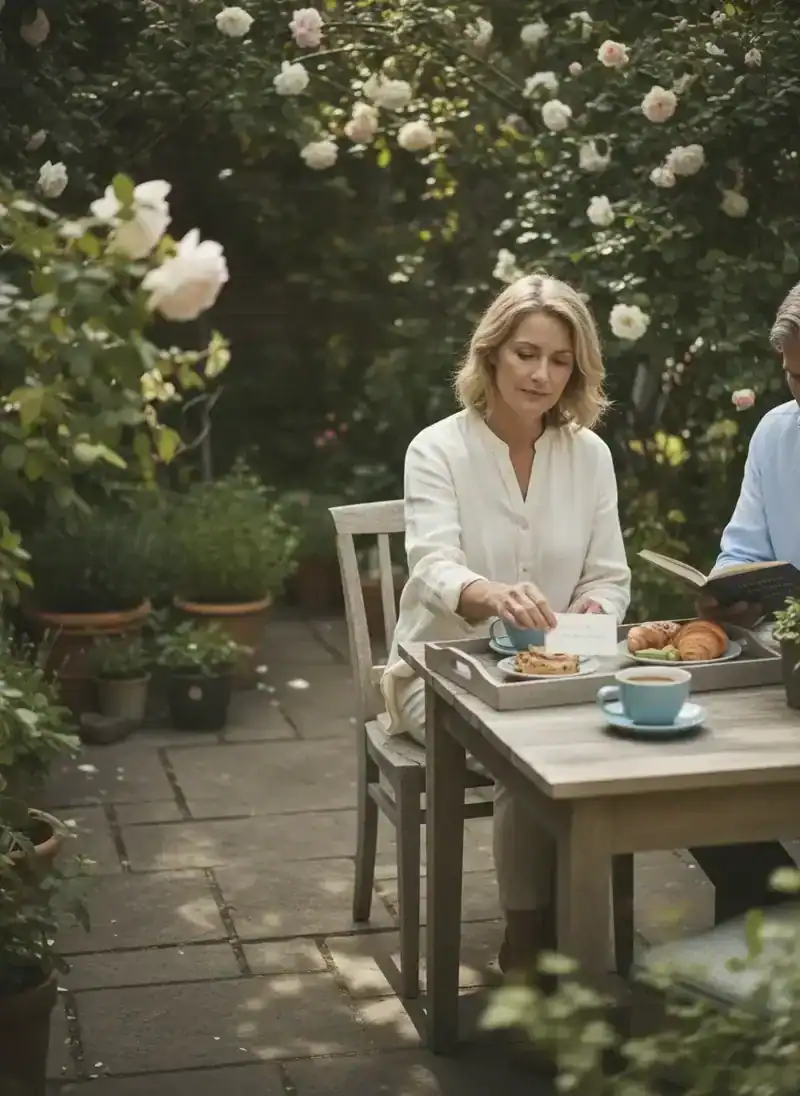
In a long marriage, it’s easy to fall into a pattern of reactive affection, where you reciprocate gestures rather than proactively initiating them. This ‘waiting game’ can leave both partners feeling unchosen and unappreciated, wondering if the other still genuinely cares. Feeling chosen often means seeing your partner take the initiative – surprising you with your favorite coffee, handling a chore you despise, planning a weekend activity, or sending a thoughtful text during a busy day.
These aren’t necessarily grand, expensive displays, but small, deliberate acts of love that communicate ‘I was thinking of you.’ I have been guilty of thinking, ‘He should know I’m tired, he should just do X or Y,’ instead of just doing something thoughtful for him. These gestures become even more significant when navigating stressful family dynamics, such as the financial strain of supporting adult children, or the emotional toll of dealing with declining parental health. They serve as tangible reminders that, despite the daily pressures, you are still top of mind. This proactive love, this choosing to go first, is a powerful antidote to the emotional neglect that can creep into long-term partnerships. It reinforces the idea that your partner is still actively choosing to invest in your happiness and well-being, not just maintaining the status quo out of obligation.
15. Setting Healthy Boundaries with Extended Family
Your loyalty to your marriage sometimes feels secondary to the demands of your parents or children.

One of the most complex areas in long marriages is navigating the intricate web of extended family relationships. Children grow up, parents age, and their needs or demands can sometimes overshadow the needs of the marital unit. Setting healthy boundaries with adult children, in-laws, or even your own aging parents is not an act of selfishness, but an act of self-preservation for your marriage. It means prioritizing your partnership and ensuring that decisions around shared finances, time, and emotional energy are made by you and your spouse, for your family unit.
I confess, sometimes I find it hard to say no to my adult children’s requests, even when it puts a strain on my husband and me. Couples therapy often addresses these boundary issues as critical to marital stability, especially when one partner feels their spouse is consistently choosing their family of origin over the marital unit. These are the kinds of difficult conversations that, if left unaddressed, can lead to deep-seated resentment and a feeling of being unchosen by your partner. When you and your spouse present a united front, when you jointly decide how to manage financial requests from adult children or the demands of caretaking for an elderly parent, you reaffirm your primary loyalty to each other. It strengthens your ‘couple bubble’ and ensures that your marriage remains the central pillar of your shared life, not an afterthought.
You Need To Read This
More Articles Women Are Talking About Right Now
21 Proven Ways to Make Your Husband Fall in Love With You Again →
16. Revisiting Shared Values and Life Purpose
You’re running on autopilot, forgetting the core beliefs that once brought your lives together.

In the early days, couples often bond over shared values, beliefs, and a collective vision for their lives. Over decades, as responsibilities mount and routines solidify, these foundational elements can recede into the background. Reconnecting means actively revisiting what truly matters to both of you, not just individually, but as a unit. Have your values shifted? Are there new causes you care about, new purposes you want to pursue together? This isn’t about deep philosophical debates every night, but about intentional conversations that ensure you’re still aligned on the big picture. Perhaps one partner is nearing retirement and re-evaluating their life’s purpose, or a career change has shifted their perspective on what they want their remaining years to mean.
My husband and I recently realized we had very different ideas about how we wanted to spend our empty nest years, something we hadn’t discussed in depth for a decade. This kind of dialogue provides an opportunity to reaffirm that you are still choosing to walk through life together, sharing a moral compass and a sense of direction. It prevents the quiet drift that can happen when partners wake up years later feeling like strangers, sharing a house but not a soul. It’s an ongoing conversation that keeps the marriage vibrant, ensuring that your long-term compatibility is actively nurtured, rather than passively assumed.
17. Celebrating Each Other’s Growth and Accomplishments
You’re so used to their strengths, you rarely pause to genuinely celebrate their evolving achievements.

In a long marriage, partners become so accustomed to each other’s capabilities and successes that they sometimes forget to genuinely celebrate them. What might have elicited enthusiastic praise in the early years now gets a casual ‘good job.’ Feeling chosen means feeling seen and celebrated for your ongoing growth, your evolving accomplishments, and even your courageous attempts. This is especially vital when one partner navigates a significant career change, achieves a professional milestone, or tackles a personal challenge like a new health regimen. Psychologists often highlight ‘capitalization’ – sharing positive events and having a partner respond enthusiastically – as a key factor in relationship satisfaction.
When you actively celebrate your partner’s wins, big or small, you reinforce their sense of self-worth and their value within the relationship. I admit, sometimes I forget to be genuinely effusive about my husband’s work successes because I just expect him to do well. This isn’t about inflated praise, but about authentic recognition. It’s a profound way to reaffirm that you are still their biggest fan, that you actively choose to revel in their individual triumphs, and that their personal happiness and success contribute to your shared joy. This continued affirmation builds a strong foundation, allowing both partners to feel cherished and supported through all of life’s transitions, ensuring the bond stays fresh and appreciative.