
Years together in a marriage or long-term partnership are a testament to resilience, shared history, and deep commitment. Yet, the quiet hum of routine can sometimes drown out the passionate melody that once defined your connection. You are past the quick fixes and fleeting gestures, seeking genuine, lasting ways to rekindle the warmth and understanding that brought you together. This isn’t about dramatic overhauls, but rather a deliberate, gentle uncovering of the profound love that still rests beneath the surface.
1. Acknowledging the Quiet Drift
The person next to you feels familiar, but the emotional distance is growing.
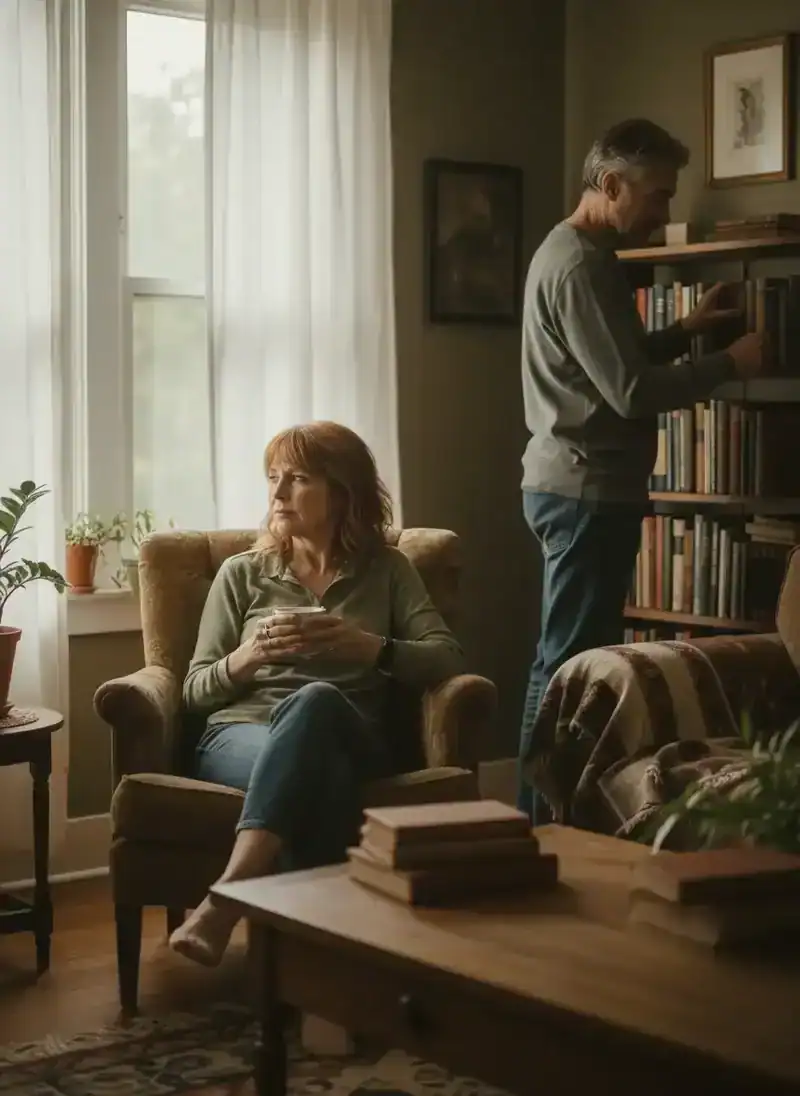
It is a peculiar sensation, isn’t it, to wake up beside someone you know intimately, yet feel a growing chasm in the space between you? This quiet drift, often imperceptible day-to-day, can slowly erode the foundation of a long-term relationship. Many couples only truly acknowledge this distance when a significant life transition forces a recalibration, like the children leaving home, or a major career change that shifts personal priorities.
The subtle neglect of daily connection can accumulate, much like small debts that balloon into an insurmountable financial burden if ignored. Family therapists often see this pattern as a precursor to deeper marital dissatisfaction, something that requires conscious effort to address before one partner feels isolated and begins to consider the ‘cost of staying versus leaving,’ not just emotionally, but financially too. My own observation is that we often wait for a crisis to address what has been simmering for years, and that is a shame. Start by simply admitting to yourself that the connection feels different, and that is enough. That is the true starting point.
2. Scheduling Dedicated Connection Time
You used to spontaneously connect, now you are just ships passing in the night.

The idea of ‘scheduling’ intimacy might sound unromantic, perhaps even clinical, but for couples navigating busy lives, aging parents, or even the demands of adult children, it becomes a necessity. Think of it less as a chore and more like protecting a vital asset. Just as you allocate time for financial planning or health appointments, setting aside a weekly ‘relationship check-in’ can prevent a cascade of emotional neglect.
This dedicated time isn’t about solving every problem, but simply about being present, truly present, with one another. Some couples find that creating a shared calendar specifically for these non-negotiable moments helps, especially if one partner tends to be more organized with appointments. This deliberate effort counters the natural tendency for relationships to default to transactional interactions, particularly during phases like chronic illness caregiving, where the ‘strong one’ can silently bear the emotional brunt, feeling unheard. I admit I struggled with this myself, initially viewing it as forced, until I saw the quiet desperation in my partner’s eyes for just 30 minutes of undivided attention.
3. Rediscovering Individual Passions
You’ve become ‘we,’ and a part of ‘me’ feels lost and forgotten.

It is easy, over decades, to merge identities, allowing individual hobbies and interests to fade into the background. While shared activities are important, nurturing separate passions is equally vital for a thriving relationship. When one partner sacrifices too much of their personal identity, it can lead to simmering resentment and a feeling of being unfulfilled, which inevitably impacts the couple dynamic. Think about the energy a new personal pursuit can bring into your shared space, sparking new conversations and injecting fresh vitality.
This isn’t about creating distance, but about cultivating a richer personal life that you then bring back to the relationship, avoiding the common pitfall of relying solely on your partner for all your emotional needs. Sometimes, the desire for personal growth, like pursuing a new career path later in life, can even be perceived as a threat to a stable relationship, but it genuinely often enriches it. I truly believe a partner who feels whole in themselves is a better partner overall.
4. Revisiting Shared Dreams for the Future
Your future plans once aligned, but now they feel like separate trajectories.

Remember those early conversations about where you would live, what retirement might look like, or the adventures you hoped to have? Over the years, these dreams can shift, often subtly, as career paths change, financial priorities realign, or the demands of supporting adult children become central. It is crucial to revisit these collective visions, not with an assumption that they remain unchanged, but with genuine curiosity.
What one partner envisioned for retirement, for instance, might be dramatically different from the other’s, creating silent tension around major decisions like selling the family home or relocating after decades in one place. These are the kinds of profound conversations that often only truly surface when divorce attorneys are involved, discussing property division or future living arrangements, rather than as proactive, loving dialogues. My advice is to have these frank discussions now, perhaps even imagining a few different scenarios, so you can adapt together. Pretending your unspoken desires are still identical is a dangerous illusion, I have seen it break good marriages apart.
5. Practicing Active Listening Without Fixing
You hear words, but you rarely truly listen to what lies beneath them.

One of the most profound acts of intimacy is simply listening, truly listening, without immediately jumping to solutions, critiques, or personal anecdotes. In long-term relationships, we often fall into the habit of anticipating our partner’s thoughts or feelings, believing we ‘know’ what they are going to say. This shorthand, while efficient, can lead to emotional neglect, leaving one partner feeling unheard and dismissed.
This is particularly salient during challenging times, such as navigating a spouse’s chronic illness, where the care receiver often just needs a compassionate ear, not a medical or logistical consultant. A good exercise is to reflect back what you hear, not just the words, but the underlying emotion. This shows you are not just waiting for your turn to speak, but genuinely processing their experience. I confess, I often catch myself formulating my response before they have even finished, and it takes real effort to simply be present. It is harder than it sounds for most of us.
6. Navigating Financial Stressors Together
Money talk often turns into arguments, rather than mutual planning.

Financial stability is a cornerstone of adult life, and shared finances are a constant presence in a marriage. Tensions often arise when one partner’s hidden spending habits come to light, or when differing philosophies on saving for retirement or supporting adult children clash. These aren’t just practical disagreements, but often reflections of deeper values, fears, and attachment styles around security and provision. A therapist might point out that unresolved financial disagreements are a common predictor of marital strife, often surfacing acutely during periods like job loss or significant career changes that shift household power dynamics.
Couples who can sit down regularly, review joint account statements without blame, and openly discuss inheritance planning or unexpected expenses, even the uncomfortable ones, build stronger trust. My own experience taught me that avoiding these conversations only breeds resentment, turning what should be a partnership into a silent battleground. The cost of remaining financially misaligned can, in the worst cases, exceed the cost of professional mediation or financial counseling.
7. Addressing Unspoken Resentments
Small slights accumulate like silent stones, building a wall between you.

Resentment is a slow poison in a long-term relationship. It rarely announces itself with a bang, but rather accumulates through unacknowledged slights, unmet expectations, and perceived injustices that are never openly discussed. Perhaps one partner feels they always shoulder the burden of aging parents, or that their career sacrifices were never truly appreciated. These unspoken grievances can silently erode the emotional intimacy, making it harder to connect on a deeper level.
Couples therapy often focuses on creating a safe space to articulate these buried feelings, emphasizing that ignoring them will not make them disappear, but rather cause them to fester. It requires courage to open these old wounds, but the alternative is a relationship built on a shaky foundation of unaddressed pain. I have seen too many couples reach a point where the only conversation about these long-held resentments happens in a mediator’s office, which is a tragic outcome. It is far better to risk a difficult conversation now than face the profound regret of what might have been.
8. Prioritizing Physical Intimacy Beyond Sex
Touch has become functional, rather than a language of connection.

As years pass, physical intimacy can morph from passionate spontaneity into something more habitual, or sometimes, sadly, nearly absent. For many women, menopause and other aging dynamics can profoundly reshape their relationship with their bodies and their desire, impacting the couple’s sexual dynamic. It is crucial to remember that physical intimacy is not solely defined by sexual acts. It encompasses holding hands, a lingering touch on the arm, a comforting hug, or simply sitting close on the sofa. These smaller gestures are often what sustain emotional closeness, especially when major health changes or chronic illness reshape a couple’s physical realities.
Reclaiming these gentle forms of touch can rebuild a sense of closeness and safety, which often paves the way for deeper sexual connection if and when that feels right. My honest opinion is that we often underestimate the power of non-sexual touch to repair emotional wounds and reaffirm commitment. It is a powerful antidote to feeling alone in a crowded room.
You Need To Read This
More Articles Women Are Talking About Right Now
12 Things Women Over 50 Do at Restaurants That Embarrass Their Friends →
21 Signs a Friend Is Distancing Herself From You After 50 →
12 Small Things Women Over 50 Do That Make Men Lose Interest Overnight →
9. Rethinking Household Labor Division
The division of duties feels unfair, creating silent friction and exhaustion.

The distribution of household responsibilities, often an unspoken agreement forged early in a relationship, can become a major source of contention over time. What felt equitable when children were small or careers were just starting can feel profoundly imbalanced decades later, especially as care for aging parents or the needs of adult children add new layers of complexity. This isn’t just about chores, but about the mental load, the invisible labor of planning and remembering that often falls disproportionately on one partner.
The unfairness can breed deep resentment, affecting emotional intimacy and even sexual desire. Couples might find value in explicitly listing all household tasks, discussing who does what, and openly negotiating a more balanced approach, perhaps even considering external help if finances allow. It is a conversation I myself have found difficult to initiate, precisely because it feels mundane, yet its impact on daily marital satisfaction is immense. Neglecting this often leads to one partner feeling like a permanent employee rather than an equal partner.
10. Supporting Each Other Through Health Changes
Illness became a wedge, rather than a bond that strengthened your love.

Aging inevitably brings health challenges, and how a couple navigates these trials can profoundly shape their relationship. A chronic illness in one partner can shift the entire dynamic, casting one spouse into a caregiver role and the other into a recipient of care, roles that require immense patience and adaptability. The ‘loneliness of being the strong one’ is a real phenomenon for caregivers, who often suppress their own needs and fears. Intimacy can suffer as physical limitations change the nature of connection, and the emotional toll of illness creates new kinds of stress.
It is during these times that couples therapy can offer vital tools for maintaining empathy and open communication, reminding both partners that their shared identity as a couple remains, even as individual circumstances shift. I know firsthand how easy it is to focus solely on the medical aspects, forgetting the emotional and relational impact. It is a time for profound grace and intentional connection, even when it feels difficult.
11. Creating New Rituals of Affection
The small, sweet gestures that once defined your love have faded.

Over time, the spontaneity of early affection can give way to predictability, or worse, absence. Familiarity can sometimes breed a casualness that overlooks the daily acts of love that truly sustain a long-term bond. Creating new rituals of affection, no matter how small, can reignite that spark. This could be a shared cup of coffee in the morning without phones, a specific goodnight routine, or a weekly ‘date night in’ where you cook together.
These consistent, intentional gestures communicate care and priority, especially during periods of high stress like managing financial obligations for adult children or navigating a demanding career change. They remind both partners that they are seen and valued, even amidst the everyday chaos. My own family found that a simple nightly chat about ‘three good things’ from the day, even after the kids left, kept us connected to each other’s inner worlds. It is not about grand gestures, but about consistency and authenticity.
12. Processing Old Wounds From the Past
Unresolved hurts from years ago still echo in your current arguments.

Every long-term relationship carries its share of historical baggage, unspoken hurts, and unresolved conflicts. These old wounds, if not properly processed, can resurface during current disagreements, coloring new situations with past pain. Perhaps there was an old betrayal, a period of financial hardship that caused significant stress, or a conflict over parenting choices that was never fully healed. Couples therapy often becomes a safe harbor for addressing these deep-seated issues, helping partners develop new communication patterns and find genuine forgiveness, or at least understanding.
Ignoring them is like building a house on a fault line, always susceptible to tremor. The emotional cost of carrying these unaddressed hurts often manifests as emotional distance or chronic low-grade conflict, subtly undermining the potential for intimacy. I believe it is brave, not weak, to revisit these painful memories with an open heart, seeking true resolution rather than continued avoidance. True healing requires facing the past, not just burying it.
13. Setting Boundaries with Extended Family
Family dynamics sometimes overshadow your needs as a couple.

Extended family, while often a source of support and love, can also become a significant stressor on a marriage, particularly when boundaries are unclear or consistently overstepped. This is especially true as parents age and one partner takes on the primary caregiver role, or when financial pressures mean supporting adult children for longer than anticipated. Disagreements over holiday plans, unsolicited advice, or perceived interference can chip away at the couple’s sense of unity and privacy. Establishing clear, respectful boundaries isn’t about rejection, but about protecting the sanctity of your relationship.
It ensures that your needs as a couple are prioritized, allowing you to present a united front. This can be a tricky conversation, requiring careful thought and mutual agreement, as the emotional consequences of failing to do so can be profound and long-lasting, sometimes even mirroring the kinds of family disputes that end up in probate court over inheritance matters. It is tough, I know, to disappoint family, but sometimes it is essential for the health of your primary partnership.
14. Learning Each Other’s Love Languages Anew
You speak a different language of love, often missing each other’s messages.

The concept of ‘love languages’ is more than just a pop psychology buzzword; it offers genuine insight into how we give and receive affection. Over years, these ‘languages’ can subtly shift, or perhaps you never truly understood your partner’s primary language to begin with. One partner might feel loved through ‘acts of service’ while the other primarily recognizes ‘words of affirmation,’ leading to unintentional miscommunication and a feeling of being unappreciated. What felt like an obvious gesture of love to you might be entirely missed by your partner.
For instance, after decades of marriage, a spouse providing constant care during an illness might feel utterly burnt out, needing ‘quality time’ or ‘physical touch’ themselves, while their partner assumes the provision of care is the love language. Re-exploring these preferences, perhaps even taking a simple quiz together, can open new channels of understanding and connection. It is not about changing who you are, but about consciously tailoring your expressions of affection. I admit I have often made assumptions about what my partner needed, only to realize I was completely off the mark.
You Need To Read This
More Articles Women Are Talking About Right Now
21 Texting Habits Women Over 60 Don’t Realize Are Rude →
15 Things Your Guests Wish You’d Stop Doing When They Visit →
21 Proven Ways to Make Your Husband Fall in Love With You Again →
15. Seeking Professional Guidance, Unafraid
You consider therapy a last resort, missing its power as a first step.

For many, the idea of couples therapy carries a stigma, often seen as a final, desperate act before separation. This perspective fundamentally misunderstands the preventative and reparative power of professional guidance. A skilled therapist offers a neutral space and provides tools to navigate complex dynamics, address attachment injuries, and improve communication patterns. It is an investment, not a failure, particularly when significant life transitions, like retirement planning or managing the financial burden of aging parents, strain the relationship.
Therapy insights, such as those from the Gottman method, can equip you with research-backed strategies for conflict resolution and friendship building that you simply cannot learn elsewhere. The cost of a few therapy sessions pales in comparison to the emotional and financial cost of unresolved marital discord or, ultimately, divorce. My own experience taught me that sometimes, you need an unbiased third party to help you hear each other, truly hear each other, for the first time in years. It is a sign of strength, not weakness, to ask for help.
16. Discussing the Empty Nest Dynamic
The kids left, and now you are left wondering who you are as a couple.

The departure of children from the home, the ’empty nest,’ is a profound life transition that can reconfigure a couple’s identity. For decades, parental roles often dominated, sometimes overshadowing the marital bond. When that structure dissolves, couples can find themselves facing each other, sometimes as strangers, wondering what is left. This period is ripe for recalibration, to rediscover shared interests, or to confront long-ignored individual needs. It is also a time when differing financial philosophies can become glaringly apparent, especially if one partner wants to travel while the other prefers to save for supporting adult children or inheritance.
Therapists often see couples struggling to redefine intimacy and purpose during this phase. This isn’t a problem to be fixed, but a new chapter to be written deliberately. My advice is to approach this time with openness, acknowledging that both partners may feel a sense of loss and liberation simultaneously. It is an opportunity to rewrite your story together, but it requires honest dialogue.
17. Planning for Retirement as a Unit
Retirement means something different to each of you, creating unspoken tension.

Retirement is often envisioned as a golden age of freedom, but for many couples, it becomes a period of unexpected friction. What one partner dreams of—travel, hobbies, volunteering—might starkly contrast with the other’s vision of quiet domesticity or continued part-time work. These differing aspirations, often left unexamined for years, can lead to serious disagreements about shared finances, where to live, and how time is spent. It is not just about the money in the joint account, but about fundamental values concerning purpose and daily rhythm.
These are the kinds of conversations that, if neglected, often lead to profound unhappiness, or even to the kind of estrangement that divorce attorneys discuss during asset division. Proactively planning, perhaps with a financial advisor who can facilitate these conversations, allows for compromise and mutual understanding. I always thought our retirement plans were aligned, until one quiet evening revealed just how divergent our visions truly were, forcing an uncomfortable but necessary discussion. Assuming alignment can be a costly mistake, financially and emotionally.
18. Confronting Unmet Emotional Needs
You feel a constant, subtle yearning for something your partner isn’t providing.

Beneath the surface of every long-term relationship lie a myriad of emotional needs, some expressed, some unacknowledged, and some unmet. These needs can range from a desire for more appreciation, deeper emotional validation, or simply feeling truly ‘seen’ by your partner. When these core needs consistently go unmet, it creates a void, a subtle yearning that can lead to emotional neglect and a feeling of isolation within the partnership. Attachment theory suggests that our earliest relational experiences shape these needs, and they do not simply disappear with time.
Acknowledging that you have unmet needs, and finding a way to articulate them kindly and clearly, is a courageous act. It requires vulnerability from you and genuine empathy from your partner. My own mistake was believing my partner should ‘just know’ what I needed, a silent expectation that only bred frustration. It is unfair to expect someone to read your mind, even after decades together. The responsibility to voice your needs rests with you.
19. Showing Appreciation in Concrete Ways
You appreciate them deeply, but your actions rarely convey that sentiment.

After years, it is easy to take a partner for granted, to assume they ‘know’ you appreciate them. Yet, genuine appreciation, expressed in concrete and consistent ways, is the lifeblood of a thriving relationship. This isn’t about grand gestures, but about noticing the small things: thanking them for handling a difficult family situation, acknowledging their hard work in a career transition, or simply verbalizing gratitude for their daily contributions to the household. It combats the quiet erosion of value that can occur in long-term partnerships.
This is especially vital during periods where one partner might be struggling with health issues or the demands of caring for aging parents, feeling unseen and overwhelmed. A simple ‘thank you for being so strong’ can cut through immense stress. I have often found myself simply thinking ‘I appreciate that,’ rather than saying it aloud, and that silent thought does nothing to nourish the relationship. True appreciation must be communicated, not merely felt.
20. Accepting Imperfections, Yours and Theirs
You find yourself wishing they were different, subtly rejecting who they are.

One of the profound lessons of a long marriage is learning to accept your partner, flaws and all, without trying to change them. This acceptance extends to your own imperfections too. Over years, the irritations that once seemed minor can become magnified, especially during high-stress periods like managing joint finances or dealing with the unexpected costs of supporting adult children. The constant desire for a ‘better’ version of your partner, or yourself, creates an impossible standard that fosters resentment and disappointment.
It is a subtle form of emotional neglect. True intimacy blossoms when you can love the actual person standing before you, not an idealized version. This doesn’t mean condoning harmful behavior, but rather making peace with the small quirks and enduring traits that make them uniquely them. My own tendency to point out small flaws rather than celebrate strengths was a painful realization. Learning to let go of the need for perfection is truly liberating for both parties.
21. Creating a ‘No Phone’ Zone Together
Screens often capture your attention, stealing precious moments of connection.

In our always-on world, digital distractions are a constant threat to intimacy. The subtle presence of a phone, even face down on the table, can signal a divided attention, hindering genuine connection. Establishing a ‘no phone’ zone, whether it is during dinner, for the first hour after waking, or during your scheduled connection time, can create pockets of uninterrupted presence. This small discipline communicates a powerful message: ‘you are more important than anything on my screen right now.’ It can counteract the creeping feeling of emotional neglect that arises when one partner feels constantly competing with a device.
This simple boundary can be particularly powerful during moments of shared joy or stress, like discussing retirement plans or navigating a spouse’s health diagnosis, where undivided attention is paramount. I admit I am as guilty as anyone of unconsciously reaching for my phone, and it often takes a gentle reminder to truly put it away and be present. These small acts make a surprisingly big difference.
You Need To Read This
More Articles Women Are Talking About Right Now
12 Small Things Women Over 50 Do That Make Men Lose Interest Overnight →
21 Proven Ways to Make Your Husband Fall in Love With You Again →
15 Things Your Guests Wish You’d Stop Doing When They Visit →
22. Understanding Attachment Styles in Action
Your different needs for closeness often cause conflict, not connection.

The concept of attachment styles, originally developed by John Bowlby, offers a profound lens through which to understand relationship dynamics, especially after decades together. Whether you tend towards anxious, avoidant, or secure attachment, these patterns deeply influence how you seek intimacy, react to conflict, and handle emotional closeness or distance. One partner’s need for space might trigger the other’s fear of abandonment, leading to a frustrating dance of pursuit and withdrawal. Recognizing these underlying patterns, perhaps through insights gained from a couples therapist, can depersonalize conflict and foster empathy.
It helps you understand that your partner’s reaction isn’t always about you, but about their core relational programming. This understanding is particularly powerful when navigating major transitions like career changes that impact a partner’s sense of security, or dealing with the stress of aging parents, which can trigger old anxieties. My own journey through this revealed that what I perceived as my partner pulling away was often their way of processing overwhelming feelings. It changes everything when you see it this way.
23. Grieving the Lives You Didn’t Live
You sometimes mourn the paths not taken, and the person you might have been.

In a long-term partnership, choosing one life often means letting go of many others. The ‘grief for the lives you didn’t live’ is a real, albeit often unspoken, emotional experience. This could be mourning a career path not pursued, a geographical move never made, or even the person you might have become had circumstances been different. It is a natural part of growing older and reflecting on choices made. Acknowledging this quiet sorrow, both for yourself and for your partner, without blame or regret, can be an unexpectedly powerful way to deepen connection.
It creates a space for vulnerability and shared humanity, recognizing that every life, no matter how rich, involves sacrifice. This is particularly relevant when discussing retirement or empty nest transitions, where old dreams can resurface. Therapists sometimes guide couples through this process, helping them validate these feelings without allowing them to overshadow the gratitude for the life they did build. It is not about discontent, but about honest introspection and allowing yourselves to be fully human, together. This kind of shared vulnerability is the very fabric of profound love.