Hosting friends and family is a true pleasure, a chance to forge deeper connections and create lasting memories. However, even with the best intentions, we might sometimes unknowingly engage in habits that subtly diminish our guests' comfort or enjoyment. To ensure every visit to your home is a genuinely welcoming and unforgettable experience, let's explore some common hosting missteps and how to elegantly avoid them.
1. Enforcing a "No Shoes" Policy Without Proper Preparation

It's perfectly understandable to want to keep your home clean, and a "no shoes" policy is a common way to achieve this. However, the delivery of this request can significantly impact your guests' comfort level. Announcing it abruptly at the door, especially when they might be wearing elaborate footwear or have foot sensitivities, can start the visit on an awkward note. Your guests might feel judged or unprepared, particularly if they haven't been informed in advance.
To make your "no shoes" policy a seamless part of your guest experience, preparation is key. Consider having a designated, comfortable area near the entrance where shoes can be easily removed and stored without creating a tripping hazard. This space should ideally be clean and inviting, perhaps with a small bench or stool for convenience. Providing a mat or rug ensures they don't have to step onto a cold, hard floor immediately.
Furthermore, offer comfortable alternatives. Stock a small basket with clean, guest-sized slippers or cozy socks. This thoughtful gesture transforms a potentially awkward request into a welcoming amenity. If you anticipate guests who might have mobility issues or prefer to keep their shoes on for support, consider a soft disclaimer in advance or offer shoe covers as an alternative, making it clear that their comfort is paramount. Ultimately, the goal is cleanliness without sacrificing hospitality, ensuring your home entertaining is always a delight.
2. Failing to Offer a Drink or Snack Promptly

Upon arrival, many guests have been traveling, are a little thirsty, or simply feel a bit peckish. One of the simplest yet most impactful gestures of hospitality is to immediately offer a drink or a small snack. Leaving guests to sit awkwardly without refreshment for an extended period can make them feel overlooked or unsure of how to ask, dampening their initial enthusiasm for the visit.
Think about having a few easy options ready: water, coffee, tea, or a soft drink are usually safe bets. For snacks, a bowl of nuts, some fruit, or crackers with cheese are quick to prepare and universally appreciated. The key is the promptness of the offer, not the complexity of the fare. It signals that you've been anticipating their arrival and are genuinely pleased to have them.
This small act sets a warm and inviting tone for their entire stay, demonstrating that their comfort is a top priority. It's an integral part of creating a positive guest experience, showing attention to detail in your home entertaining. Don't wait for them to ask; take the initiative to ensure they feel comfortable and cared for from the moment they step through your door, enhancing their overall visitor comfort.
3. Ignoring or Forgetting Dietary Restrictions and Preferences
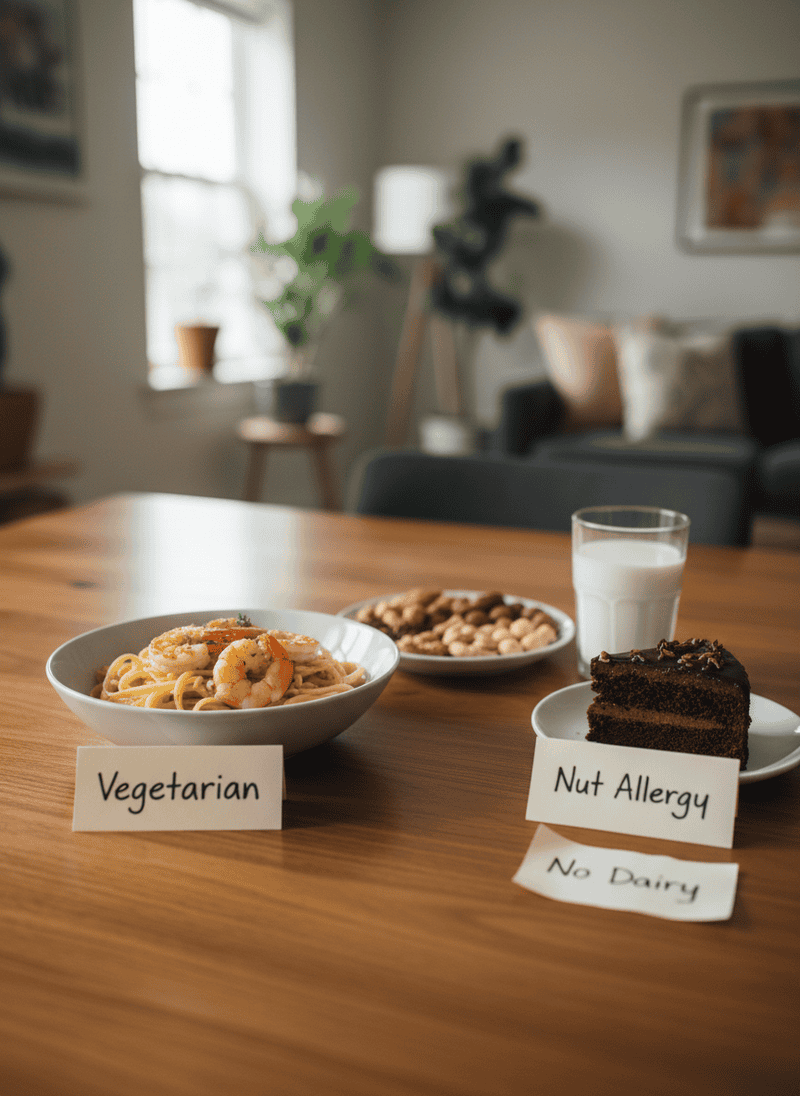
In today's diverse world, dietary restrictions and preferences are more common than ever. From allergies and intolerances to vegetarian, vegan, or gluten-free choices, ignoring these can turn a meal into a minefield of anxiety for your guests. Serving food that doesn't accommodate their needs not only puts their health at risk but also makes them feel undervalued and excluded from the shared dining experience.
Before their visit, make it a point to discreetly ask about any dietary requirements. A simple text or call can prevent a lot of stress: "Just checking in on any food allergies or preferences so I can plan meals accordingly!" This proactive approach shows immense thoughtfulness and concern for their well-being, which is a cornerstone of excellent hosting tips.
Once informed, make a conscious effort to prepare at least one safe and delicious option that everyone can enjoy. If you're unsure about specific ingredients, err on the side of caution or ask again. Clear labeling of dishes at a buffet or potluck can also be incredibly helpful. Prioritizing their dietary needs ensures that every meal is a joyful occasion rather than a source of worry, significantly improving their guest experience.
4. Expecting Them to "Help Themselves" Without Clear Guidance

While the phrase "make yourself at home" is meant to be welcoming, it can sometimes leave guests feeling lost or hesitant, especially when it comes to practicalities like getting a drink, finding a towel, or locating the Wi-Fi password. Expecting them to intuit your home's setup without any guidance can lead to awkward moments or unnecessary rummaging, rather than true visitor comfort.
Instead of a blanket statement, offer specific instructions and make resources readily available. For instance, show them where the water pitcher is and offer to pour them a glass. Point out where extra towels are kept in the bathroom. If you'd like them to grab snacks, indicate the designated cupboard. A small, laminated card with the Wi-Fi password prominently displayed is also a lifesaver.
This approach removes guesswork and empowers your guests to feel genuinely comfortable and independent without feeling like they're imposing or searching. It’s about striking a balance between offering freedom and providing gentle direction. Thoughtful preparation in these areas greatly enhances the overall guest experience and reflects excellent home entertaining etiquette, making their stay much more relaxing and enjoyable.
5. Giving an Unnecessary and Overly Detailed House Tour

While a brief orientation to your home can be helpful, launching into a lengthy, room-by-room tour of every nook and cranny can quickly become tedious for your guests. They're likely tired from traveling or eager to settle in and socialize, not to memorize the intricate details of your decor or the contents of your linen closet. An exhaustive tour can feel more like a forced march than a warm welcome, particularly when it's not relevant to their stay.
Focus on the essentials: show them where they'll be sleeping, point out the bathroom they'll use, and indicate where common areas like the living room or kitchen are. Mention anything specific they might need, such as light switches, charging outlets, or where to find a glass of water. Keep it concise and practical, allowing them to absorb information without feeling overwhelmed.
Offer to answer any questions they might have, but avoid anticipating every possible query with an exhaustive pre-emptive explanation. Allow them to discover your home's charms at their own pace. A streamlined approach respects their time and energy, allowing for more genuine interaction and a more relaxed guest experience from the outset, demonstrating thoughtful home entertaining.
6. Leaving the Bathroom Unprepared or Untidy
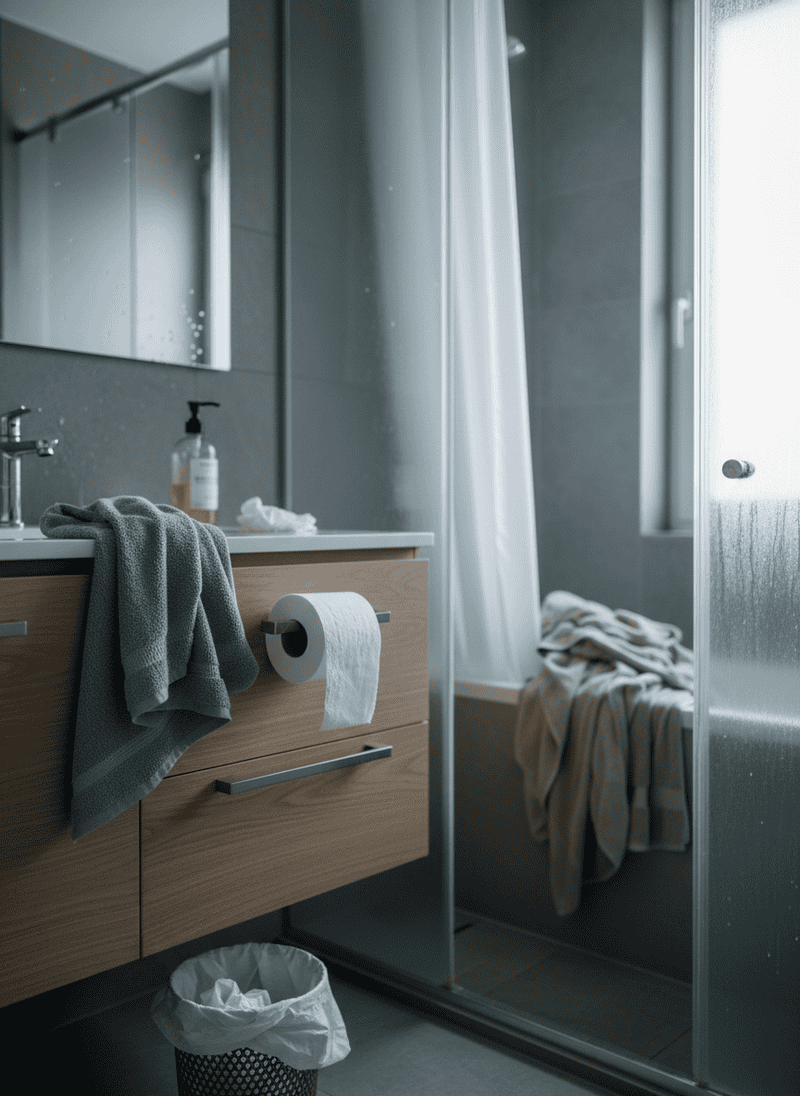
The guest bathroom is a critical component of visitor comfort. Discovering a bathroom that's less than pristine—perhaps with a used towel, an empty toilet paper roll, or a missing hand soap—can immediately make a guest feel uncomfortable and less welcome. It suggests a lack of foresight and attention to their basic needs, which is counterproductive to creating a positive guest experience. A messy or unstocked bathroom can be a major hosting misstep.
Before guests arrive, dedicate time to ensuring the guest bathroom is spotless. Clean the sink, toilet, and shower, and wipe down all surfaces. Stock it generously with fresh towels, ensuring they are easily accessible and clearly designated for guests. Replenish toilet paper, hand soap, and perhaps even a small air freshener or candle.
Consider adding a few thoughtful touches like a small basket with travel-sized toiletries (shampoo, conditioner, lotion) or a fresh bar of soap. These small details go a long way in making guests feel pampered and cared for. A clean, well-stocked bathroom communicates respect and genuine hospitality, allowing your guests to relax and feel truly at home during their visit. It's a fundamental aspect of excellent hosting tips and home entertaining.
7. Monopolizing the Conversation with Your Own Affairs

While it's natural to want to share updates on your life, monopolizing every conversation with endless stories about your kids, pets, work, or recent triumphs (or woes) without reciprocating interest in your guests' lives can quickly become tiresome. Guests want to feel heard and valued, not just like a captive audience. This conversational imbalance can leave them feeling disconnected and unseen, detracting from the social aspect of their visit.
Good conversation is a two-way street. Make a conscious effort to ask open-ended questions about their journey, their lives, their interests, and what they've been up to since you last saw them. Listen actively to their responses, engaging with follow-up questions that show genuine curiosity. Share your own news, but ensure it's balanced with a focus on them.
Remember, your guests are there to connect with you, but also to feel a sense of mutual engagement. By creating space for their stories and experiences, you foster a more dynamic and enjoyable dialogue. This ensures that the social interaction is a highlight of their guest experience, reinforcing that they are valued participants, not just passive listeners, vital for truly successful home entertaining.
8. Pressuring Them to Stay Longer or Participate in Unwanted Activities

While hosts often enjoy their guests' company and wish for their visit to extend, pressuring them to stay longer than they originally planned or to participate in activities they're clearly not enthusiastic about can create significant discomfort. Guests might feel trapped or guilty for wanting to stick to their schedule or decline an invitation, leading to an awkward departure or a less enjoyable stay. True hospitality respects boundaries.
Be attuned to your guests' cues and stated plans. If they mention needing to leave at a certain time, respect it without argument or guilt-tripping. Similarly, if they politely decline an outing or express a desire for quiet time, honor their preferences. It’s about offering options, not enforcing an agenda. The goal of their visit is their enjoyment, not fulfilling your own desires for their time.
Allowing guests the freedom to choose how they spend their time, whether it's relaxing in their room or joining every activity, ensures they feel respected and autonomous. This approach prevents feelings of obligation and fosters a relaxed atmosphere, which is crucial for a positive guest experience. Ultimately, the best hosting tips prioritize visitor comfort and freedom, making their departure as pleasant as their arrival.
9. Not Providing a Designated Space for Coats and Bags

Upon entering, guests are often laden with coats, handbags, overnight bags, or even small gifts. A common hosting oversight is the lack of a clear, easily accessible spot for these items. Leaving guests to awkwardly drape their coats over furniture, balance bags on the floor, or hold onto their belongings can create immediate clutter and discomfort, signaling a lack of preparation for their arrival.
Designating a specific area for guest belongings is a simple yet impactful gesture of hospitality. This could be a clear coat rack near the entry, an empty closet with hangers, or a tidy bench where bags can be placed out of the way. The key is to make it obvious and convenient, so they don't have to ask or search for a suitable spot. This small consideration significantly contributes to visitor comfort and a seamless arrival.
By providing a dedicated space, you not only help keep your home tidy but also communicate that you've thought about their practical needs. It allows them to unburden themselves, settle in, and feel organized from the moment they arrive. This thoughtful detail elevates the overall guest experience, ensuring their initial impression is one of warmth and preparedness, reflecting excellent home entertaining practices.
10. Having the House Temperature Uncomfortably Hot or Cold

Temperature is a foundational element of comfort, and having your home either too hot or too cold can significantly detract from a guest's enjoyment. What feels normal to you might be unbearable to someone else, and being stuck in an uncomfortable climate can make relaxation difficult, disrupt sleep, and even impact their overall health. This oversight can quickly sour an otherwise pleasant visit.
Before your guests arrive, make an effort to set your thermostat to a moderate, comfortable temperature. Consider asking them in advance if they have any temperature preferences, especially if they're staying overnight. During their stay, be observant of their cues; if they're shivering or fanning themselves, take that as a signal to adjust the thermostat.
Providing options can also be incredibly helpful. Offer an extra blanket if it's chilly, or point out a fan if the room feels stuffy. The goal is to create an environment where they feel at ease and can truly unwind. Prioritizing their thermal comfort demonstrates genuine care and greatly enhances the overall guest experience, solidifying your reputation for excellent hosting tips and home entertaining.
11. Over-scheduling Their Visit with Too Many Activities

While it's natural to want to show your guests a good time and introduce them to all your favorite local spots, over-scheduling their visit can lead to exhaustion rather than enjoyment. A packed itinerary with back-to-back activities leaves little room for spontaneous relaxation, personal downtime, or simply enjoying your company in a low-key setting. Guests might feel like they're on a forced march rather than a leisurely visit.
Strike a balance between planned activities and free time. Before they arrive, discuss their preferences and energy levels. Offer a few key options, but always include ample blocks of unscheduled time. Allow them the flexibility to choose what they'd like to do, and respect their decision if they opt for a quiet afternoon instead of another outing.
Remember, sometimes the best part of a visit is simply having unhurried conversations, sharing meals at home, or relaxing together. A more flexible approach ensures your guests feel refreshed and genuinely enjoy the experiences you do share, rather than feeling rushed and worn out. Prioritizing their relaxation significantly enhances their guest experience and showcases thoughtful home entertaining.
12. Using Your Phone Excessively During Conversations

In today's hyper-connected world, it's easy to fall into the habit of constantly checking our phones. However, when you're hosting guests, excessive phone use during conversations sends a clear message that whatever is on your screen is more important than their presence. This digital distraction can be incredibly disrespectful and makes guests feel unheard, undervalued, and isolated, even when they are physically present in your home.
Make a conscious effort to put your phone away and give your guests your undivided attention. When engaging in conversation, maintain eye contact and actively listen. If you're expecting an urgent call or message, politely excuse yourself to handle it briefly, explaining the situation, then return your focus to your guests. This small act of courtesy demonstrates respect for their time and company.
True hospitality is about connection, and that connection can only flourish when both parties are fully present. Minimizing digital distractions ensures that your interactions are genuine and meaningful, greatly enhancing the overall guest experience. By prioritizing face-to-face interaction, you show them they are truly valued, a cornerstone of successful home entertaining and effective hosting tips.
13. Forgetting to Provide Wi-Fi Access
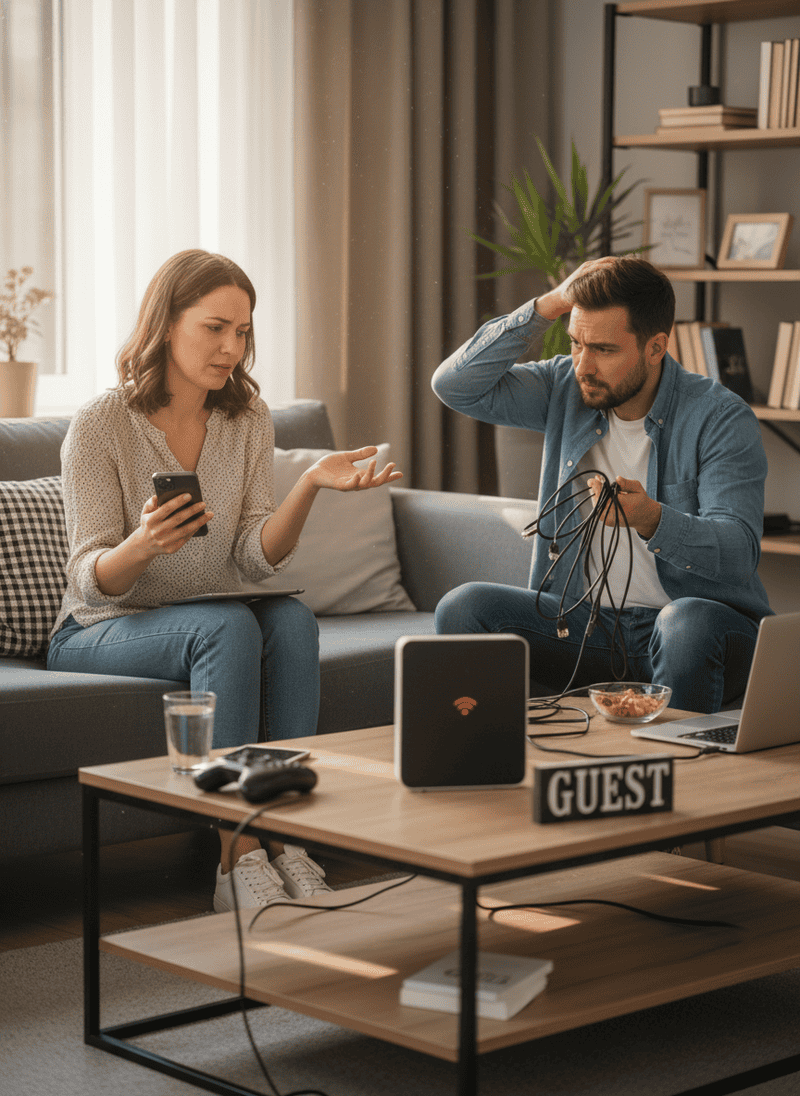
In our modern world, Wi-Fi is no longer a luxury; it's an essential utility for most people. Forgetting to provide Wi-Fi access, or making guests awkwardly ask for the password, can be a significant inconvenience. They might need it for work, to check travel details, stay in touch with family, or simply for entertainment, and lacking access can make them feel disconnected and less at ease in your home.
Make Wi-Fi access effortless. Before your guests arrive, write down your network name and password on a small, clear card. Place it in a prominent location in their guest room or a common area, such as on the coffee table or kitchen counter. This proactive approach saves them the embarrassment of having to ask and demonstrates your thoughtfulness.
This simple gesture ensures that your guests can connect seamlessly, attend to their needs, and feel more independent during their stay. It's a fundamental aspect of modern visitor comfort and greatly enhances their overall guest experience. Providing easy Wi-Fi access is a small detail that makes a big difference, marking you as a host who truly considers every aspect of home entertaining.
14. Hovering or Micro-Managing Their Stay

While attentiveness is a virtue in hosting, there's a fine line between being helpful and being overbearing. Hovering over your guests, constantly asking if they need something, or micromanaging their activities can make them feel scrutinized and stifle their ability to relax. They might feel like they're being observed rather than genuinely welcomed, leading to an uncomfortable and constrained guest experience.
Trust your guests to communicate their needs. Offer assistance when appropriate, but then step back and allow them space. Create opportunities for them to relax independently—perhaps by suggesting a book or indicating a quiet reading nook—without dictating how they should spend every moment. Good hosting provides freedom within a supportive environment.
Empower your guests to feel at home by giving them autonomy. Let them initiate conversations or requests for assistance. A relaxed, hands-off approach (unless help is explicitly requested) fosters an atmosphere of ease and independence, which is key to true visitor comfort. This balance ensures their visit is a genuinely enjoyable and stress-free experience, highlighting excellent home entertaining skills.
15. Not Providing Clear Departure Instructions or Saying Goodbye Properly

The departure process can be just as important as the arrival. Leaving guests unsure about departure times, whether they should strip their beds, or if they need to lock up can create unnecessary stress. Worse still, a rushed or absent farewell can leave them feeling unappreciated or like their visit was an inconvenience, rather than a cherished memory, negating all your efforts in creating a positive guest experience.
Before their departure, have a brief, clear conversation about logistics. Confirm their travel plans, offer any assistance they might need (like calling a taxi or helping with luggage), and provide any specific instructions for leaving your home. A quick "No worries about the bed, just leave it as is" or "Feel free to leave the key on the table" can be incredibly helpful.
Most importantly, ensure a warm and genuine goodbye. Express your gratitude for their visit, reiterate how much you enjoyed their company, and wish them safe travels. A heartfelt farewell reinforces the positive memories of their stay and leaves them with a lasting impression of your hospitality. This thoughtful conclusion is an essential part of excellent hosting tips and home entertaining, making every visit a joy from start to finish.